The Best Recipes for Cooking with Sweet Potatoes
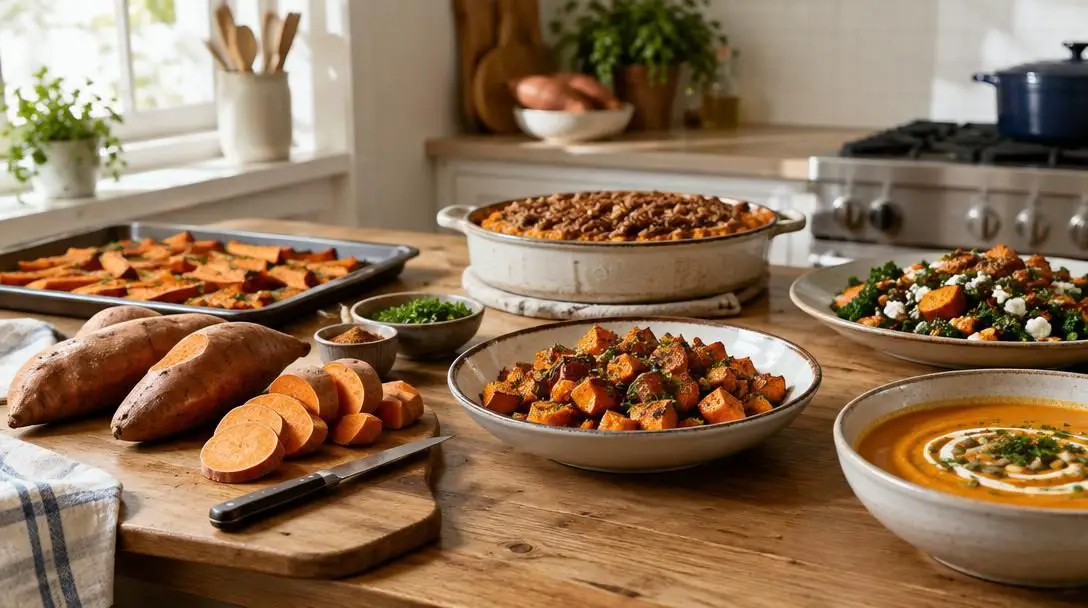
Sweet potatoes have earned an enduring place in both home kitchens and professional restaurants worldwide. Celebrated as an exceptionally versatile and nutrient-dense root vegetable, they integrate effortlessly into every dining occasion, bridging comforting weekday dinners, festive holiday feasts, and wholesome afternoon snacks. Packed with dietary fiber, essential vitamins, and key minerals, these hearty tubers remain an appealing staple for anyone looking to unite deep, satisfying culinary flavor with wholesome nutritional quality.
Cooking successfully with sweet potatoes begins with an appreciation of their culinary adaptability and diverse physical traits. Because their natural composition blends complex carbohydrates with inherent sugars, different cooking approaches yield wildly distinct textures and tastes. By selecting the ideal variety for your intended dish and applying the appropriate balance of moisture, fat, and heat, you can transform a single humble root into everything from a velvety dessert to a savory, crisp-edged main course.
Key takeaways
- Sweet potato cultivars vary significantly in sweetness, color, and starch density, requiring tailored cooking methods for optimal results.
- Dry heat caramelizes natural sugars into rich, crispy layers, while moist-heat techniques yield silky, uniform purees.
- Proper ambient storage away from refrigeration preserves interior cell walls and prevents unpleasant hard cores.
- Counteracting the root's intense natural sugars with acidic elements like citrus juice or vinegar creates balanced savory dishes.
Understanding Sweet Potato Varieties
Navigating the produce aisle reveals that sweet potatoes are far from uniform. Different cultivars display a spectrum of skin tones, interior flesh hues, and moisture levels that dramatically influence how they behave under heat. Selecting the right variety ensures that your finished dish achieves the exact texture and flavor balance you envision.
| Variety | Skin Color | Flesh Characteristic | Culinary Profile | Optimal Applications |
|---|---|---|---|---|
| Orange-Fleshed | Copper to tan | Bright orange, moist | Sweet, rich in beta-carotene | Baking, roasting, mashing, purees |
| White-Fleshed | Light golden tan | Creamy white, firm | Mild, subtle sweetness | Savory stews, frying, hash |
| Japanese | Deep purple-red | Pale yellow, starchy | Nutty, gentle sweetness | High-heat roasting, whole baking |
| Garnet | Reddish-purple | Vibrant orange, lush | Deeply sweet and moist | Casseroles, holiday pies, soups |
Orange-Fleshed Sweet Potatoes
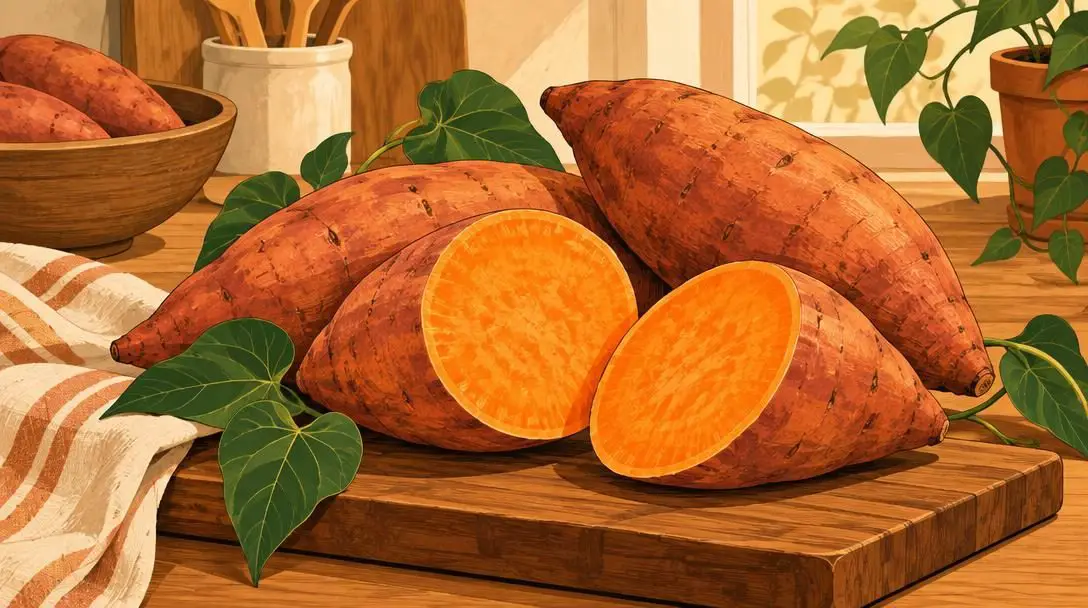
- Flesh Hue: Vivid orange
- Dominant Nutrient: Beta-carotene
- Texture: Soft, moist, and tender
- Primary Kitchen Role: All-purpose roasting, mashing, and baking
Orange-fleshed sweet potatoes are the variety most frequently encountered in grocery stores and produce markets. Their bright, recognizable color comes directly from their high concentration of beta-carotene, a powerful antioxidant compound that converts to vitamin A in the body. When cooked, the flesh becomes meltingly tender and sweet, making this variety the quintessential choice for classic holiday side dishes, blended vegetable purees, and roasted vegetable medleys.
White-Fleshed Sweet Potatoes
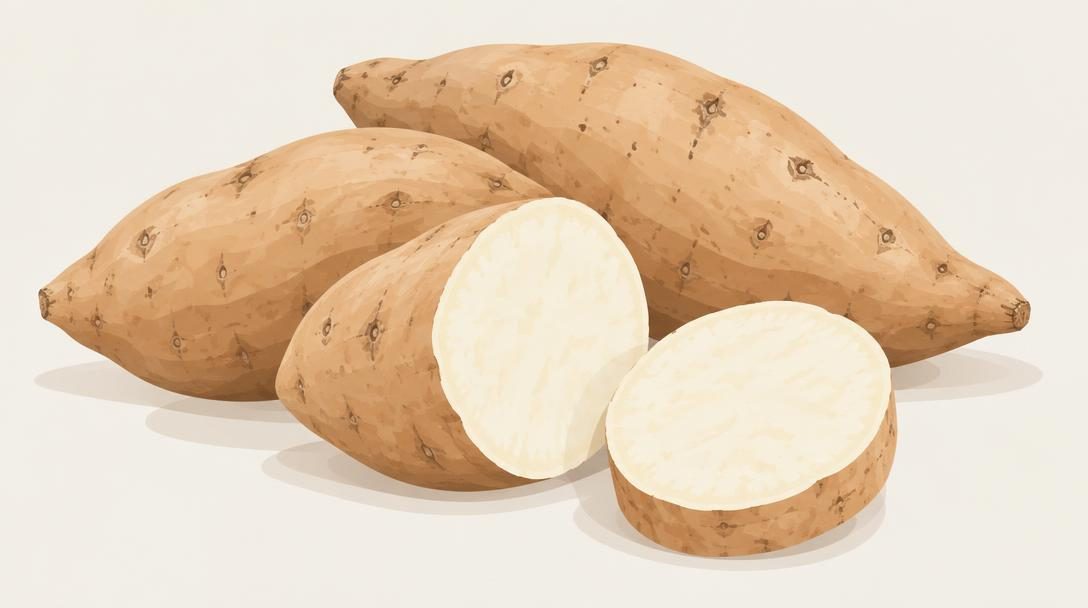
- Flesh Hue: Pale cream to white
- Flavor Quality: Mild, earthy, and subdued
- Texture: Dense and firm
- Primary Kitchen Role: Savory applications and crispy frying
White-fleshed sweet potatoes offer a much firmer consistency and a noticeably less sweet flavor profile than their orange counterparts. Because their natural sugar content is lower and their starches are more cohesive, they hold their shape cleanly when cubed and cooked alongside savory meats and vegetables. They function wonderfully in dishes where excessive sweetness might clash with robust seasonings like garlic, cumin, and smoky peppers.
Japanese Sweet Potatoes
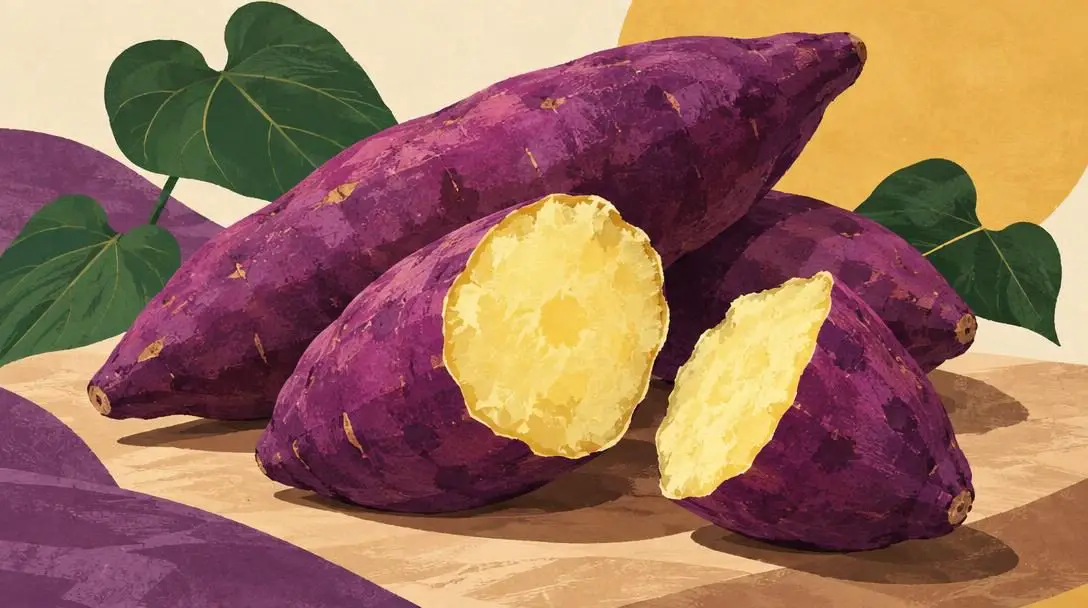
- Skin Appearance: Distinct deep purple
- Interior Hue: Pale yellow to light cream
- Starch Profile: Dry, dense, and starchy
- Primary Kitchen Role: Dry-heat roasting and oven baking
Instantly recognizable by their vibrant magenta-purple skin and pale interior, Japanese sweet potatoes provide a delightfully unique texture. They contain significantly less moisture than orange varieties, producing a dense, starchy crumb reminiscent of roasted chestnuts. As they roast under dry heat, their subtle natural sugars develop a gentle, nutty sweetness without becoming wet or mushy.
Garnet Sweet Potatoes
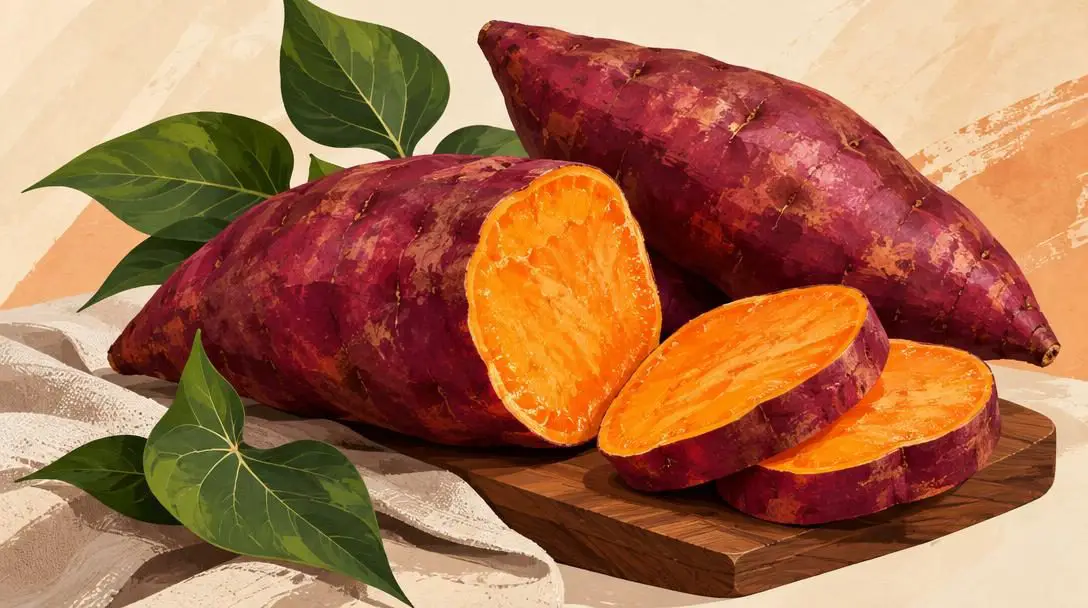
- Skin Appearance: Rich reddish-purple
- Flesh Hue: Deep dark orange
- Cooked Moisture: Exceptionally creamy and wet
- Primary Kitchen Role: Custards, velvety soups, and sweet pies
Garnet sweet potatoes are prized for their dramatic dark reddish-purple skins and luxurious, deeply pigmented orange interiors. Under heat, their dense fibers break down into an exceptionally succulent, creamy texture with pronounced sweetness. Their natural moisture makes them a premier candidate for baked goods, custards, and smooth pureed dishes where silkiness is paramount.
The Science of Heat: How Cooking Transforms the Tuber
Cooking sweet potatoes is essentially a study in managing internal moisture and carbohydrate chemistry. The vegetable contains complex starches that, when exposed to heat, break down into maltose and other simple sugars. How this transformation occurs depends entirely on whether you utilize dry, radiant heat or moist, water-based cooking environments.
Balancing the natural sweetness of root vegetables with targeted acidity, salt, and heat turns a humble pantry staple into an extraordinary centerpiece.
Dry-heat applications—such as baking in a dry oven or roasting on a wide metal sheet—cause surface liquids to evaporate rapidly. This direct contact with dry heat triggers surface caramelization, producing crispy golden edges and deepening the natural sweetness into complex, toasted notes. When baked whole in their jackets, the skin acts as a protective vessel, retaining interior moisture while concentrating the internal sugars into a velvety consistency.
Conversely, moist-heat methods like boiling surround the vegetable with hot liquid, preventing caramelization entirely. Water conducts thermal energy quickly through cut chunks, weakening vegetable cell walls and softening structural pectins in minutes. This renders the flesh exceptionally tender and pliable, making boiling the ultimate preliminary step when you require an ultra-smooth, uniform foundation for pies, casseroles, or traditional mashed sides.
Core Cooking Methods and Step-by-Step Techniques
Mastering sweet potatoes requires comfort with several core culinary techniques. Each preparation method extracts distinct textural qualities from the root, allowing you to tailor your dish to any meal plan.
Boiling
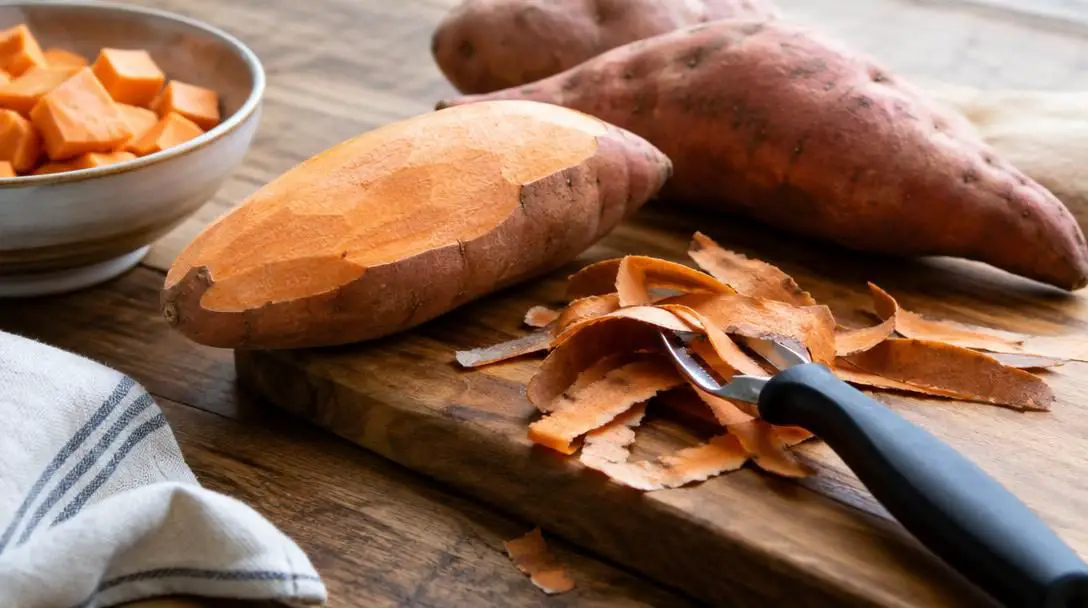
Boiling is the quickest, most dependable path to achieving a soft, uniform consistency. Peel the tubers, cut them into equal-sized cubes, and submerge them in a pot of cold water brought to a rolling boil. In approximately 10 to 15 minutes, the pieces become fork-tender. Once drained thoroughly, they are primed to be beaten with butter, cream, and seasonings for an effortless side dish.
Baking
Baking whole sweet potatoes in their jackets is an effortless way to create a tender, caramelized interior. Heat your oven to 400°F. Thoroughly pierce the exterior skins with a fork to provide steam vents, set them onto a sturdy baking sheet, and roast for 45 to 60 minutes. Once tender to the core, split them open to serve as an edible vessel for savory toppings such as melted cheese and crispy bacon.
Roasting
Roasting chopped sweet potatoes coaxes out concentrated sweetness while creating delightfully browned, crispy edges. Follow these steps for reliable results:
- Preheat your conventional oven to 425°F to ensure high, radiant surface heat.
- Cut peeled or scrubbed unpeeled sweet potatoes into small, uniformly sized cubes to promote even cooking.
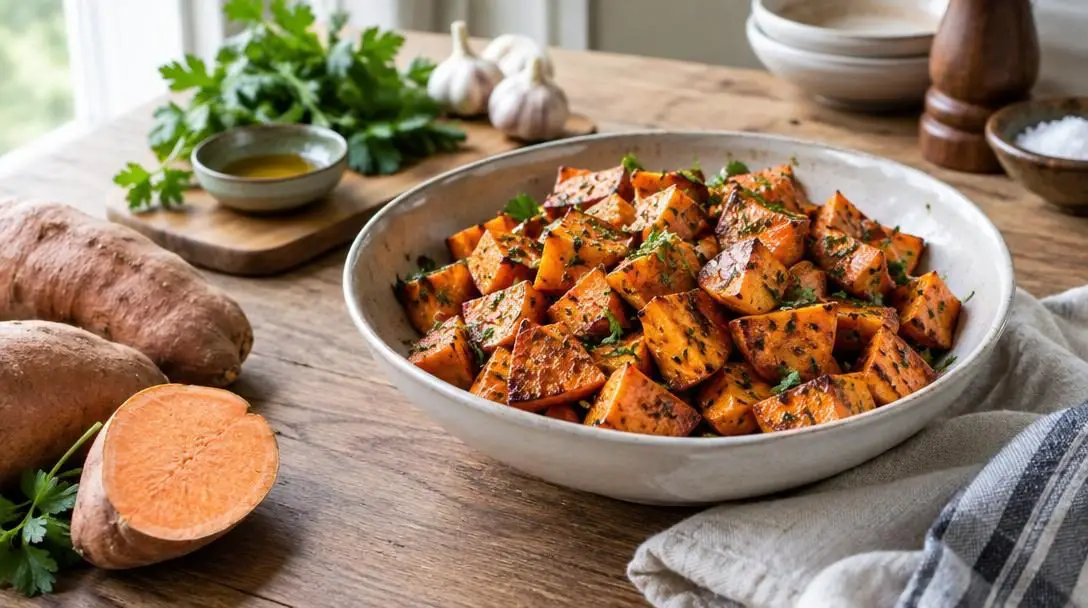
- Toss the cut cubes thoroughly in a bowl with olive oil, sea salt, and chosen savory spices until every side is lightly coated.
- Spread the cubes across a wide baking sheet in a single, uncrowded layer, leaving breathing room between pieces.
- Roast for 25 to 30 minutes, turning once halfway through, until the exterior surfaces are deeply caramelized and the interiors yield easily to a fork.
Frying
Transforming sweet potatoes into crisp, homemade fries offers a flavorful alternative to standard white potato snacks. Slice peeled tubers into thin, matched matchsticks. Fry them in a skillet or deep pot filled with hot cooking oil until the exteriors turn a vibrant golden brown. Drain them immediately on wire racks or paper towels, sprinkle with salt, and serve hot alongside your favorite dipping condiments.
Grilling
Grilling introduces a rustic, charred dimension that cuts cleanly through the vegetable's inherent sweetness. Slice raw sweet potatoes into 1/4-inch rounds, brush both sides evenly with olive oil, and lay them directly over medium-hot grill grates. Cook for 5 to 7 minutes per side. When finished, they will boast prominent grill marks, a tender bite, and an aromatic smokiness that pairs naturally with barbecued proteins.
Signature Sweet Potato Recipes
Because sweet potatoes easily cross the boundary between sweet comfort food and savory centerpieces, they anchor a wide range of beloved recipes across diverse culinary traditions.
Sweet Potato Casserole
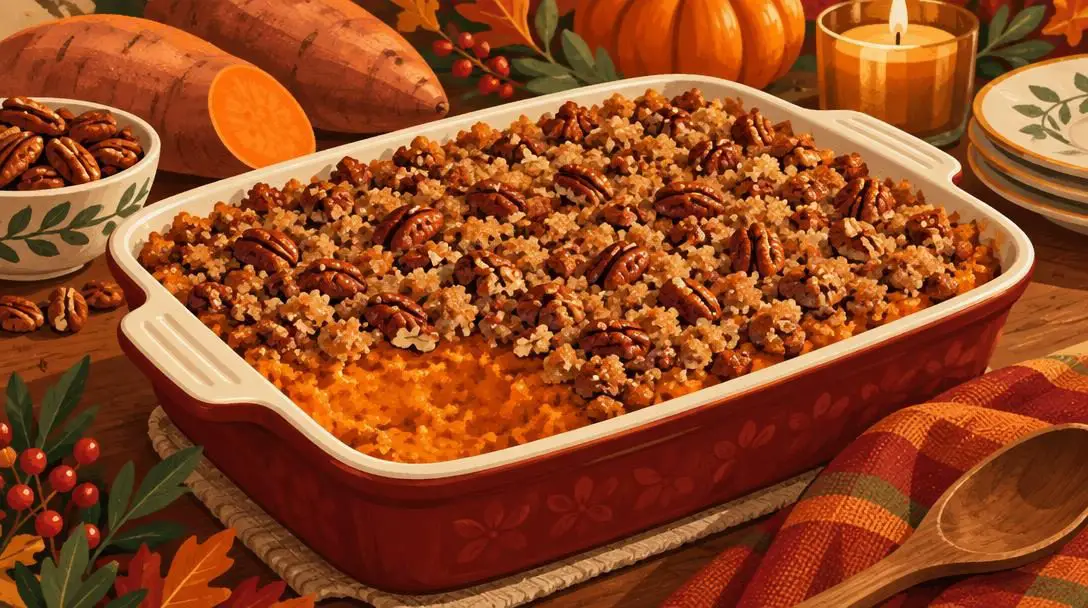
A perennial fixture on holiday dinner tables, sweet potato casserole relies on an appealing contrast of silky and crunchy elements. Tender boiled sweet potatoes are mashed thoroughly with butter and warm, aromatic spices like cinnamon and nutmeg. Spread into a baking dish, the puree is finished with a crunchy streusel made of brown sugar and chopped pecans, then baked until bubbling and fragrant.
Sweet Potato Soup
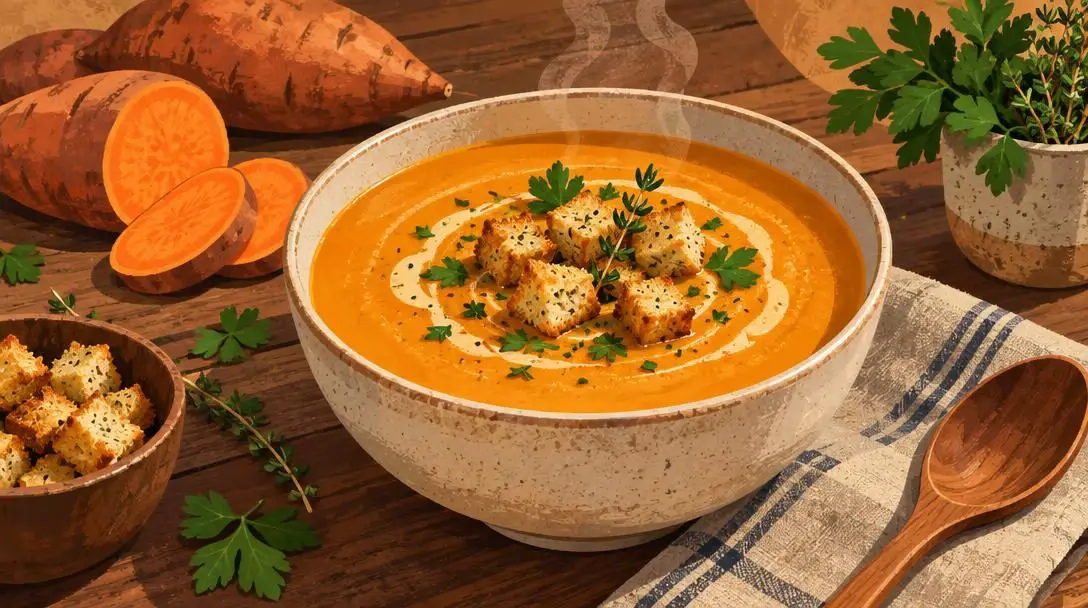
This soothing, velvety soup delivers warmth and complex savory depth during cooler months. Whole sweet potatoes are roasted alongside sweet onions and fresh garlic cloves to build a foundation of roasted sweetness. The soft roasted vegetables are combined with rich vegetable broth and heavy cream, pureed in a blender until completely smooth, and served hot with crunchy croutons or crumbled crispy bacon on top.
Sweet Potato Pie
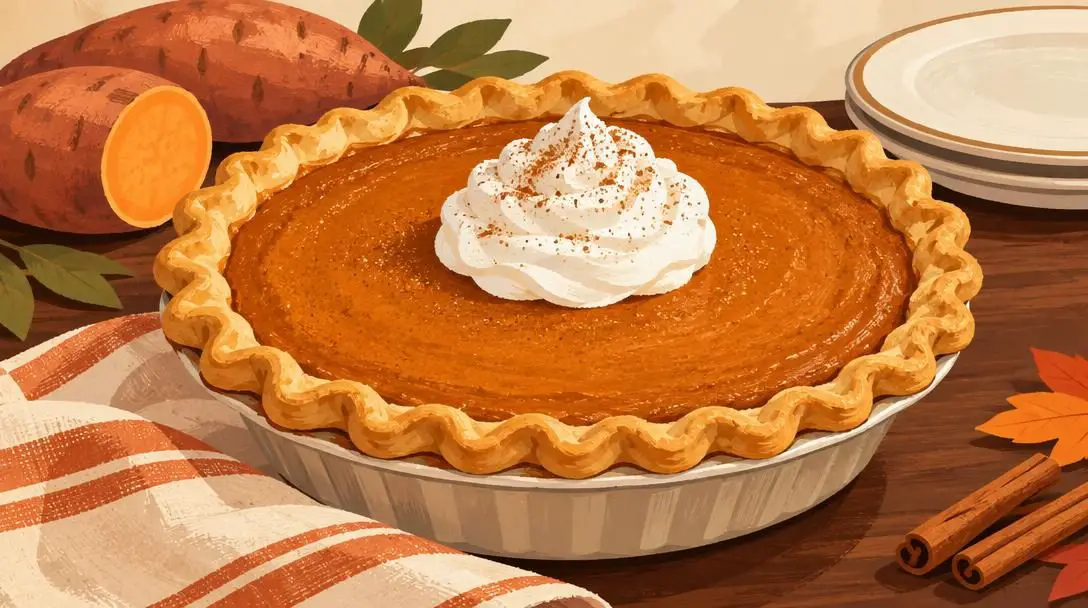
A time-honored Southern dessert, sweet potato pie presents a luscious, deeply nuanced alternative to standard autumn pies. Tender boiled sweet potatoes are pureed alongside rich brown sugar, eggs, cream, and warming baking spices to formulate a delicate custard. Poured into a blind-baked pastry crust and cooked until just set, it is traditionally enjoyed chilled or at room temperature with a dollop of fresh whipped cream.
Mashed Sweet Potatoes
Providing a colorful, nutrient-rich substitute for standard mashed russets, this preparation comes together in minutes for weekday meals. Fork-tender boiled sweet potato chunks are mashed with generous amounts of butter, rich cream, sea salt, and savory cracked pepper. Garnish the finished bowl with fresh chopped chives or smoky bacon crumbles to enhance its savory credentials.
Sweet Potato and Black Bean Tacos
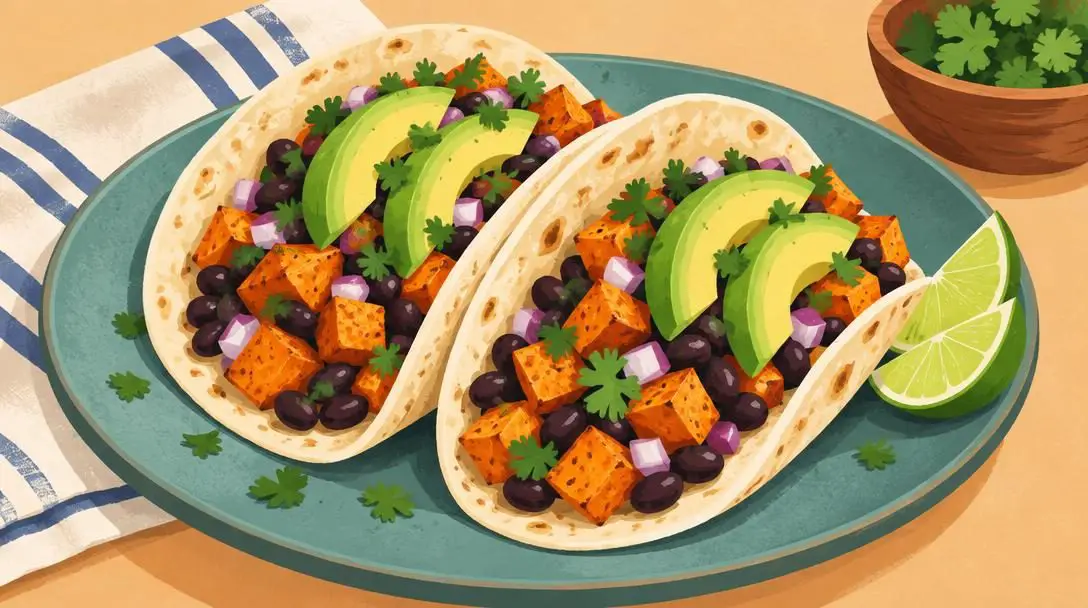
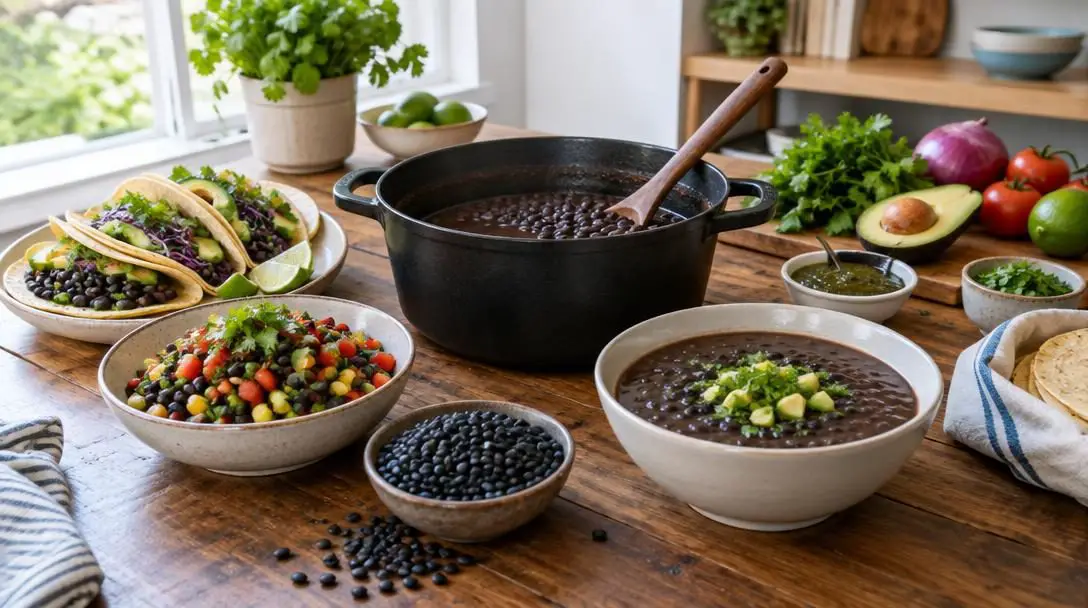
These satisfying vegetarian tacos prove how well sweet potatoes perform in zesty, spiced applications. Cubes of sweet potato are roasted at high heat with cumin, chili powder, and oregano until crisp, then folded together with simmered black beans and diced onions. Spooned into warm corn tortillas and finished with sliced ripe avocado and tart salsa, they make a vibrant, complete meal.
Essential Preparation and Storage Guidelines
Achieving culinary success with sweet potatoes depends heavily on how you handle, prep, and store them long before they reach the heat of a pan or oven. Simple procedural habits safeguard both their flavor and their physical longevity.
When storing sweet potatoes, keep them in a cool, dark, and well-ventilated pantry away from direct sunlight. Under these steady room-temperature conditions, unwashed tubers will easily retain their fresh texture and flavor for several weeks. Moisture is the primary catalyst for premature spoilage and sprouting, so delay washing them until the moment you are ready to cook.
When prep begins, run the tubers under cool tap water and scrub them thoroughly using a dedicated, stiff-bristled vegetable brush. Because sweet potatoes grow underground, fine grit readily settles into natural creases in the skin. Scrubbing thoroughly allows you to keep the nutrient-rich peel intact for roasting or baking, adding pleasant rustic texture and dietary fiber to your finished creations.
Before exposing whole sweet potatoes to intense baking or boiling temperatures, always puncture their skins several times with a fork or sharp paring knife. These punctures create necessary pressure release valves for expanding interior steam. Additionally, the small perforations allow thermal energy to penetrate directly toward the dense center, reducing the total cooking duration required.
Finally, whenever you deploy sweet potatoes in savory cooking, remember to integrate an acidic balancing agent. Natural sugars can easily overwhelm a savory chili, hash, or taco filling if left unchecked. A deliberate splash of fresh lemon juice, lime juice, or apple cider vinegar cuts cleanly through the sugar, rounding out the richness and letting earthy, savory spices take center stage.
Common Cooking Mistakes to Avoid
Even seasoned home cooks occasionally run into texture problems when preparing sweet potatoes. Avoiding these frequent missteps will keep your dishes crisp, vibrant, and evenly cooked:
- Overcrowding your roasting pans: Piling too many sweet potato cubes onto a single baking sheet traps moisture. Instead of roasting with crisp brown edges, the cubes will steam in their own condensation, leaving you with soft, soggy, boiled-tasting vegetables. Use two baking sheets if necessary to maintain clear space between pieces.
- Chopping with uneven dimensions: Inconsistent knife work leads directly to inconsistent cooking. Small cubes will dissolve into mush long before larger chunks become fork-tender. Spend extra time cutting your pieces into uniform cubes or strips.
- Attempting to boil tubers whole: Boiling a massive, unpeeled sweet potato whole is a recipe for uneven textures. The exterior inches will become waterlogged, mushy, and degraded while the dense center remains undercooked and rigid. Always peel and cube sweet potatoes before dropping them into boiling water.
- Skipping steam release vents: Baking whole sweet potatoes without piercing their jackets risks structural failure. Trapped steam pressure builds inside the skin, which can result in ruptured potatoes and a difficult cleanup inside your oven.
- Omitting acid in savory dishes: Relying exclusively on salt and fat when preparing savory sweet potato dishes often results in a heavy, cloying profile. A small dash of vinegar or citrus juice lifts the inherent earthiness of the vegetable without diminishing its hearty character.
Frequently asked questions
Do sweet potatoes need to be peeled before cooking?
No, peeling is entirely optional. Sweet potato skin is completely edible, highly nutritious, and packed with dietary fiber. If you choose to leave the skin on for roasting, grilling, or mashing, simply scrub the exterior thoroughly with a vegetable brush under cold water to remove any residual soil.
Why do my roasted sweet potato cubes turn out soggy instead of crispy?
Sogginess is almost always caused by overcrowding the baking sheet or roasting at too low a temperature. When pieces touch or overlap, the evaporating moisture cannot escape, effectively steaming the vegetables. Spread the cubes in a single layer with space between each piece and roast at 425°F or higher.
Can I substitute white-fleshed sweet potatoes for orange ones in sweet recipes?
While you can substitute them, white-fleshed sweet potatoes are noticeably firmer and much less sweet than orange varieties. If used in pies or sweet casseroles, the final texture will be denser and you may need to adjust moisture and sweetener levels to replicate the expected result.
How long can raw sweet potatoes stay fresh in the pantry?
When stored in a cool, dark, dry, and well-ventilated space away from direct heat and sunlight, whole raw sweet potatoes typically stay fresh and firm for several weeks. Avoid storing them in plastic bags where trapped moisture can encourage mold.
What is the best way to keep sweet potato fries from going limp?
To produce extra-crispy fries, cut the potatoes uniformly, soak the cut strips to remove surface starches, dry them completely, and toss them in a very light coating of cornstarch before frying in hot oil. The cornstarch acts as an exterior barrier that turns exceptionally crisp.
The bottom line
Sweet potatoes are among the most versatile, reliable, and nutritionally rewarding ingredients available to the modern cook. By matching specific varieties—such as the sugary, moist Garnet or the dense, starchy Japanese sweet potato—to the appropriate heat method, you can unlock a remarkable range of textures and flavors. Whether boiled into a silky festive pie, charred across summer grill grates, or roasted into crispy spiced cubes for weeknight tacos, mastering this humble tuber will elevate your everyday culinary repertoire.