The Best Recipes for Cooking with Black Beans
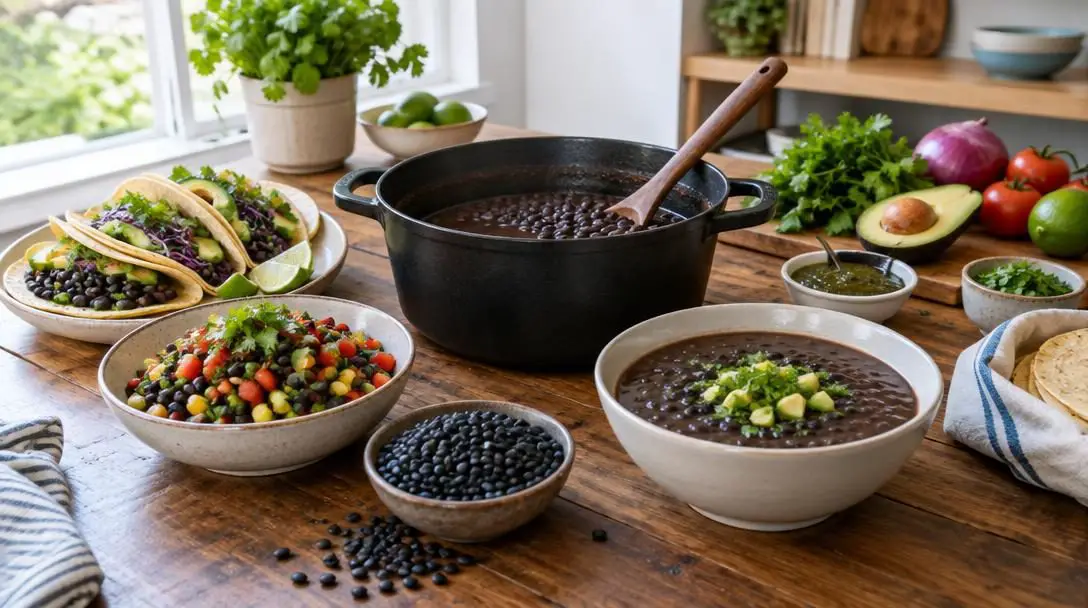
Beans have stood the test of time as an essential nutritional foundation across culinary history. Revered for their durability, simple shelf storage, and exceptional nutritional payload, these humble legumes are enjoying a well-deserved renaissance among modern home cooks. With household grocery expenses under consistent pressure, re-evaluating the versatile black bean is one of the most practical and satisfying culinary choices you can make in your weekly kitchen routine.
Delivering an enticing blend of plant-based protein, dietary fiber, and essential minerals, black beans provide a delicious route toward wholesome, cost-effective meals that span from casual game-day appetizers to unexpected baked treats. Whether you are trying to cut back on grocery spending, reduce your meat consumption, or simply discover creative culinary techniques, black beans offer an adaptable canvas capable of anchoring sweet and savory dishes alike.
Key takeaways
- Black beans provide an affordable, nutrient-dense base rich in plant-based protein, dietary fiber, and magnesium.
- In savory cooking, the natural starches in black beans serve as thickeners and structural binders for dips, soups, and patties.
- When pureed with cocoa powder and sweeteners, black beans completely replace flour to produce rich, fudgy brownies.
- Proper preparation—including thorough rinsing, staged food processing, and adequate resting time—is essential for ideal flavor and texture.
The Culinary Science: How Black Beans Behave in Cooking
Understanding how black beans function from a culinary perspective can help you make the most of them across diverse dishes. The primary characteristics that make black beans so useful in the kitchen are their internal starches, fiber structure, and neutral flavor profile when pureed. These physical properties allow the legume to transform across a wide range of temperatures and blending techniques.
When used in savory applications such as soups, stews, and dips, whole or mashed black beans act as natural thickeners. As the beans simmer or get broken down with blades, their interior starches combine with surrounding cooking liquids to form a rich, velvety consistency without requiring heavy creams, cornstarch slurries, or flour roux. In dishes like chilled dips, pureed black beans provide a creamy yet sturdy base capable of carrying aromatic seasonings such as ground cumin, fresh garlic, and acidic citrus juices.
In structural applications, such as homemade veggie burgers, black beans contribute significant density and moisture while working alongside binders like breadcrumbs and whole eggs. Their soft texture allows them to hold together chopped aromatics and ground spices into cohesive patties that can withstand heat on a grill or in an oven without drying out immediately.
When blended alongside rich cocoa powder and natural sweeteners, the humble legume steps aside completely, yielding an intensely fudgy chocolate treat without a grain of flour.
In sweet baking applications, black beans serve a surprising dual role. Because of their dense, starchy makeup, pureed black beans can function as an effective flour alternative. This allows home bakers to create baked treats that are lower in carbohydrates and significantly higher in protein than traditional flour-based versions. When thoroughly blended alongside strong, rich flavors like unsweetened cocoa powder and sweet ingredients like honey or sugar, the mild earthiness of the bean disappears entirely, leaving behind a fudgy texture and dark color ideal for chocolate desserts.
At a Glance: Featured Black Bean Recipes
The recipes below highlight the immense versatility of black beans, demonstrating how simple adjustments in processing and seasoning yield vastly different culinary results.
| Recipe | Primary Role of Beans | Key Flavor Profile | Cooking Method |
|---|---|---|---|
| High-Protein Black Bean Brownies | Flour substitute and moisture source | Rich chocolate, vanilla, and honey | Bake at 350°F (15–18 minutes) |
| Homemade Black Bean Veggie Burgers | Hearty structural base and protein anchor | Savory, smoky, garlic, and feta | Pan-grill or bake until firm |
| Zesty Homemade Black Bean Dip | Creamy spread base and thickener | Bright lime, jalapeño, cumin, and cilantro | Stovetop sauté and food processor chill |
| Hearty Black Bean Comfort Chili | Stew thickener and main protein | Robust chili powder, cumin, and sweet corn | Stovetop simmer in large stew pot |
Four Versatile Black Bean Recipes
Explore these four diverse preparations designed to highlight the range, texture, and adaptability of black beans across sweet and savory domains.
High-Protein Black Bean Brownies
- Prep Style: Pureed flourless batter
- Oven Temperature: 350 degrees Fahrenheit
- Bake Time: 15 to 18 minutes
- Pan Size: 8x8-inch square pan
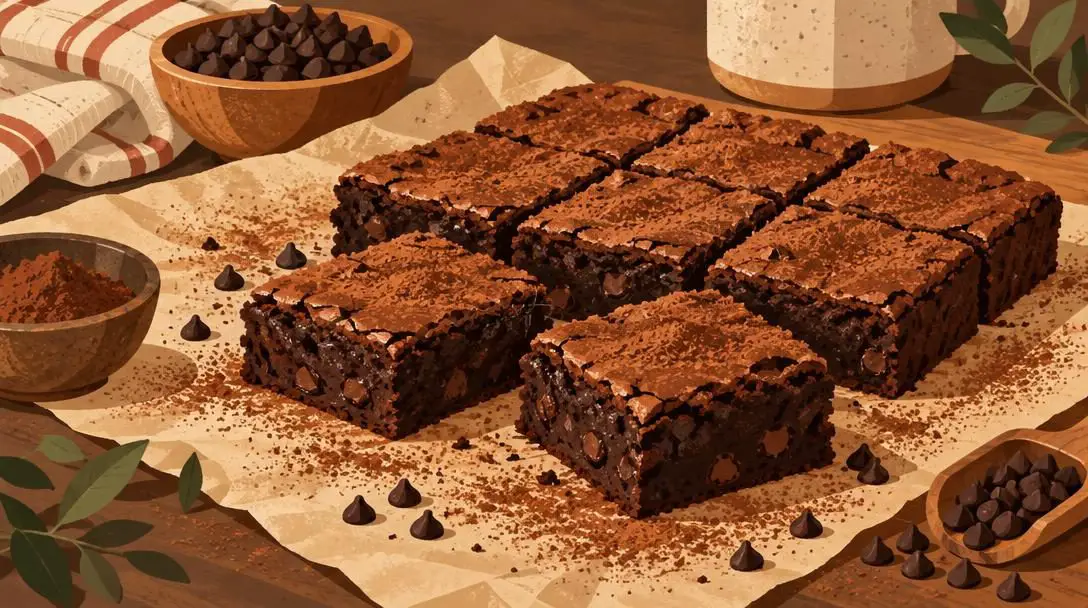
While beans might not be the first ingredient that comes to mind when baking a decadent dessert, black beans are frequently used by people watching what they eat to craft a healthier sweet treat. In this recipe, the beans replace traditional flour entirely, producing a lower-carb, protein-dense chocolate brownie with an intensely fudgy texture that will surprise any skeptic.
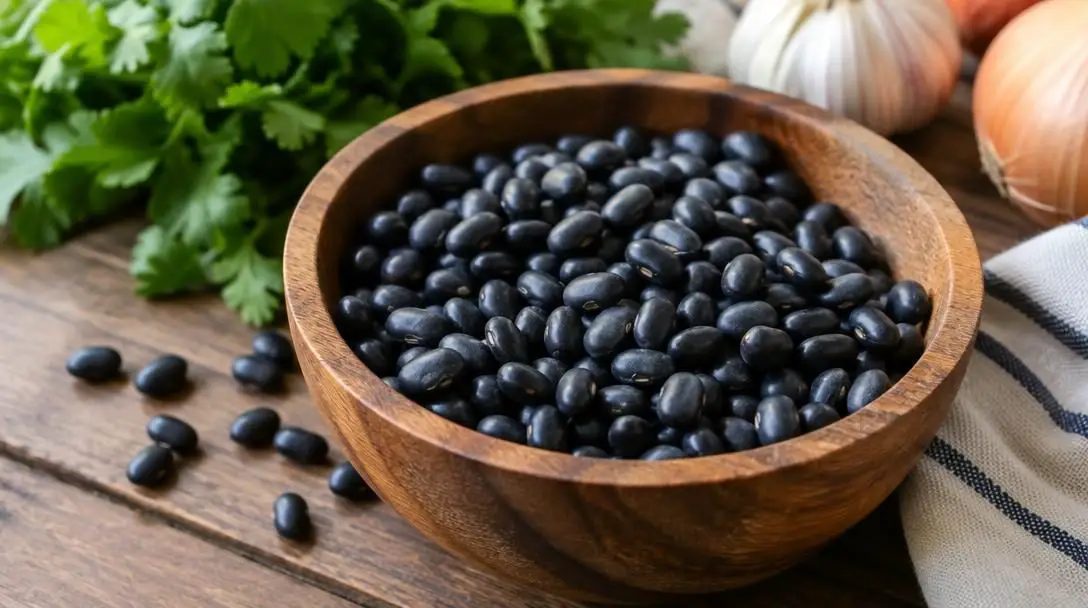
To prepare these brownies, gather the following ingredients:
- One 15-ounce can of black beans, thoroughly rinsed and drained
- 2 tablespoons of cocoa powder
- 1/2 cup of quick oats
- 1/4 teaspoon of salt
- 1/3 cup of honey
- 2 tablespoons of white sugar
- 1/4 cup of vegetable oil
- 2 teaspoons of vanilla extract
- 1/2 teaspoon of baking powder
- 1/2 cup of semi-sweet chocolate chips
Follow these step-by-step instructions to bake the brownies:
- Preheat your oven to 350 degrees Fahrenheit. Lightly grease an 8x8-inch baking pan and set it aside.
- Place the rinsed black beans, cocoa powder, quick oats, salt, honey, white sugar, vegetable oil, vanilla extract, and baking powder into the bowl of a food processor.
- Process the ingredients until the mixture is completely smooth and no whole bean pieces or oat flakes remain.
- Remove the processing blade or transfer the batter to a mixing bowl, then gently stir in the semi-sweet chocolate chips by hand.
- Pour and spread the batter evenly into the prepared 8x8-inch pan.
- Bake in the preheated oven for 15 to 18 minutes, then remove the pan and allow the brownies to cool completely before slicing.
Homemade Black Bean Veggie Burgers
- Primary Binders: Breadcrumbs and large eggs
- Flavor Enhancers: Feta cheese, Worcestershire, ketchup
- Cooking Options: Outdoor grill or indoor oven
- Texture Strategy: Hand-folded whole beans
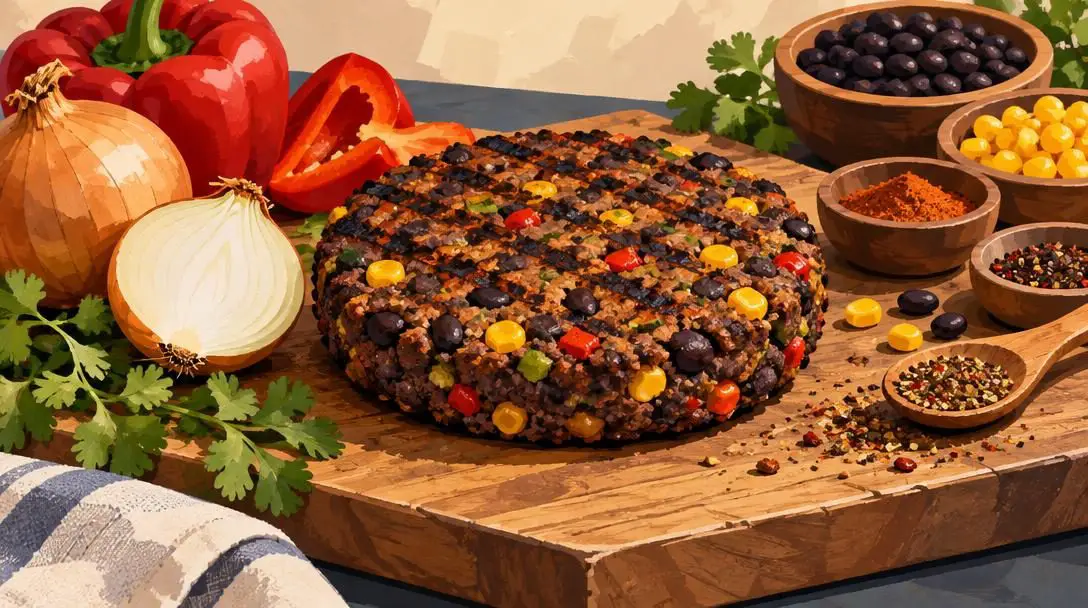
Black bean burgers offer a fresh, healthy, and delicious alternative to traditional cookout staples. Black beans pack a hearty, meaty protein punch while serving as the primary structural element to bind fresh vegetables, seasonings, and cheese into firm patties that hold up during cooking without crumbling apart.
To make these burgers, you will need the following ingredients:
- Two 14-ounce cans of black beans, rinsed and thoroughly drained
- 1 tablespoon of olive oil
- 1/2 of a bell pepper, chopped
- 1/2 of a large yellow onion, chopped
- 1 tablespoon of minced garlic
- 1/2 cup of breadcrumbs
- 1/2 cup of crumbled feta cheese
- 2 large eggs
- 1 tablespoon of Worcestershire sauce
- 2 tablespoons of ketchup
- Garlic powder, ground cumin, chili powder, and smoked paprika, added to your liking
Prepare the burgers using these practical steps:
- Heat the tablespoon of olive oil in a skillet over medium heat. Add the chopped bell pepper and chopped yellow onion, sautéing until tender.
- Stir in the minced garlic and cook briefly until fragrant, then remove the skillet from heat and let cool slightly.
- Transfer the sautéed vegetables into a food processor. Add the breadcrumbs, crumbled feta cheese, eggs, Worcestershire sauce, ketchup, and your preferred amounts of garlic powder, ground cumin, chili powder, and smoked paprika.
- Pulse the mixture in the food processor until well combined, making sure to leave the black beans out during this blending stage.
- Transfer the pulsed mixture into a mixing bowl, then fold in the rinsed black beans by hand, mixing until evenly distributed.
- Shape the mixture by hand into individual burger patties.
- Gently cook the patties on a grill or bake them in an oven until they are heated through and set firm.
Zesty Homemade Black Bean Dip
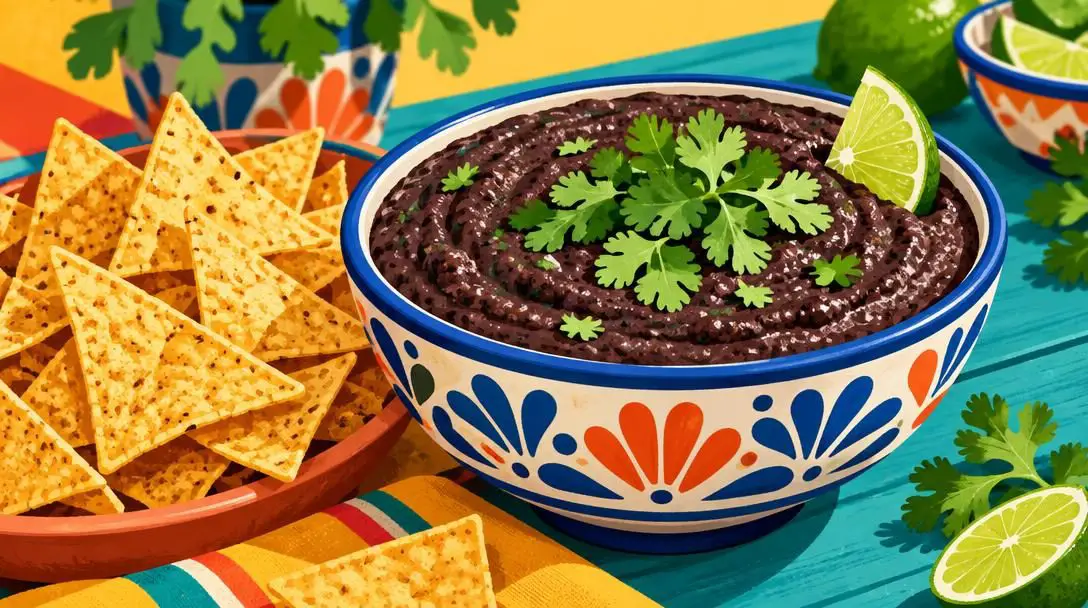
- Primary Liquid: Olive oil, fresh lime juice, water
- Serving Temperature: Chilled cold
- Chill Duration: 1 to 2 hours
- Pairings: Tortilla chips, fresh veggies, pita chips
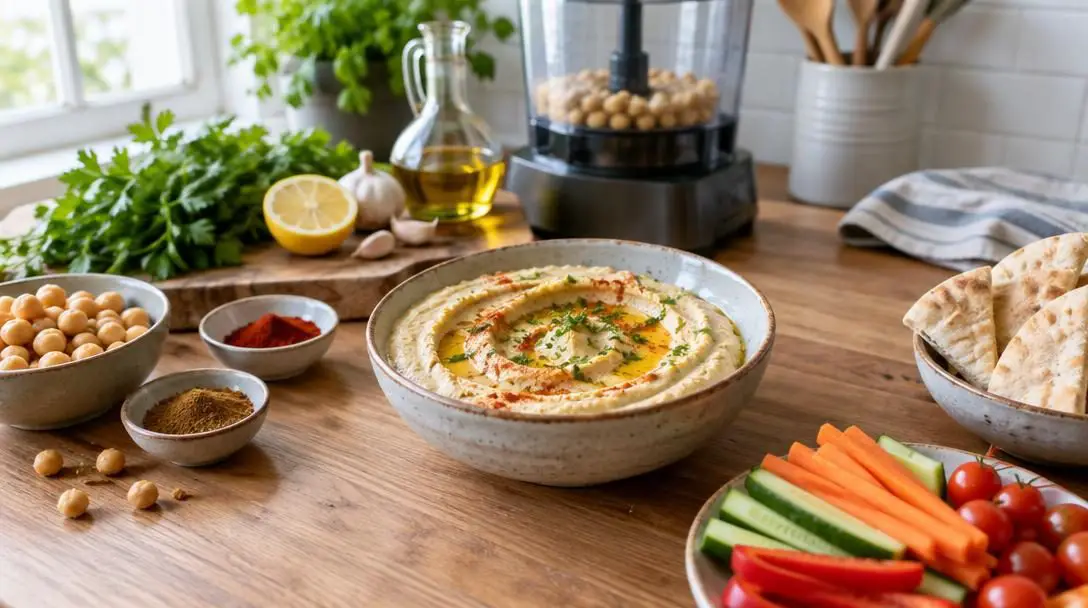
While traditional bean dips are often prepared using pinto or white beans, substituting black beans introduces added fiber and magnesium while creating an attractive, deep color on the appetizer table. This simple dip combines fresh aromatic produce, citrus, and spices into a crowd-pleasing snack that pairs effortlessly with crunchy chips.
To make the black bean dip, assemble these ingredients:
- Two 15-ounce cans of black beans, rinsed and drained
- 1/4 cup of olive oil
- 1 1/2 teaspoons of salt
- 1/2 teaspoon of ground cumin
- 2 tablespoons of fresh lime juice
- 3 tablespoons of water
- 1/4 cup of chopped fresh cilantro
- 1 medium yellow onion, chopped
- 4 cloves of garlic, minced
- 2 jalapeños, seeded and chopped
Prepare and chill the dip by following these steps:
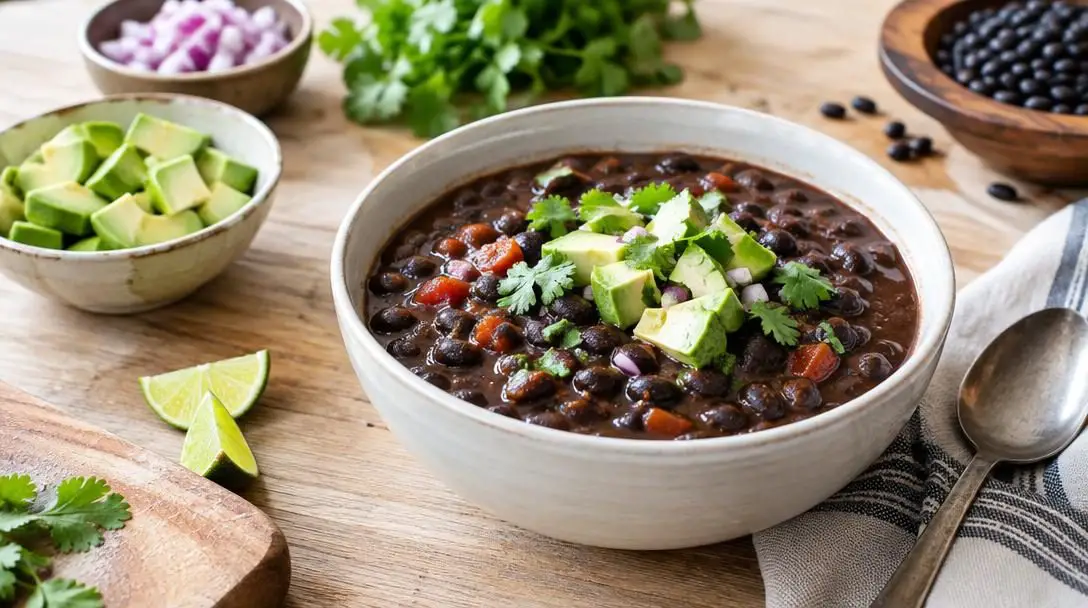
- Heat a small amount of oil in a skillet over medium heat and sauté the chopped yellow onion, minced garlic, and seeded chopped jalapeños until softened. Remove from the heat and allow the mixture to cool down.
- Place the cooled vegetable mixture into the bowl of a food processor.
- Add the rinsed black beans, olive oil, salt, ground cumin, fresh lime juice, water, and chopped cilantro into the processor bowl.
- Pulse the ingredients together until the mixture reaches your preferred consistency, whether slightly chunky or completely smooth.
- Transfer the dip into an airtight storage container and place it in the refrigerator to chill for approximately 1 to 2 hours.
- Serve cold alongside tortilla chips, fresh raw veggies, or crunchy pita chips.
Hearty Black Bean Comfort Chili
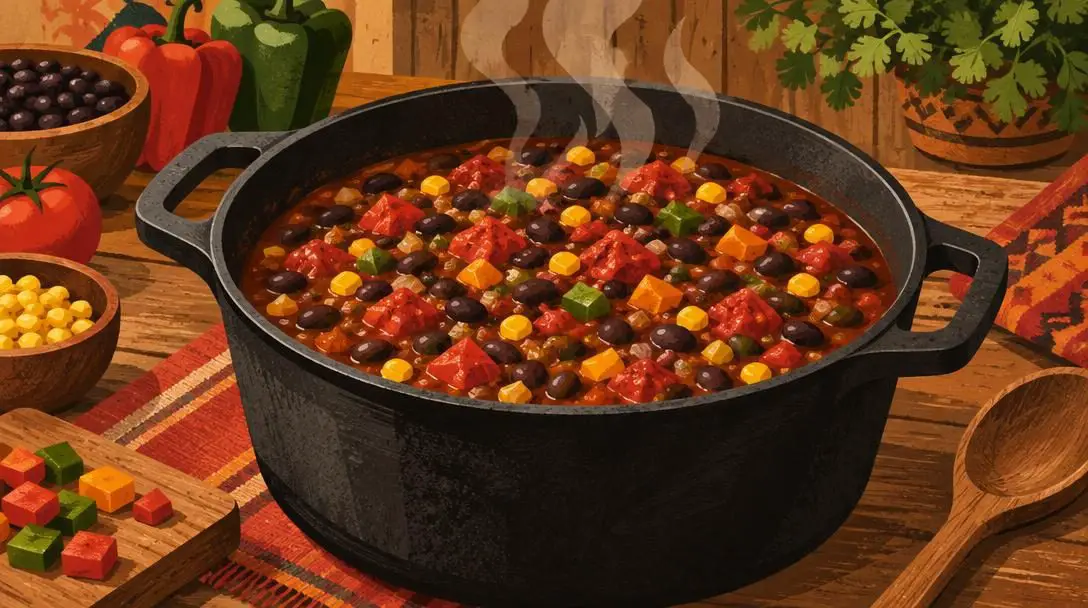
- Canned Base: 28-ounce can San Marzano tomatoes
- Liquid Base: 1 1/2 cups chicken broth
- Simmer Style: Medium-low reduction
- Sweet Element: 1 cup sweet corn kernels
Chili is a quintessential comfort meal that traditionally leans heavily on kidney beans. In this flavorful variation, black beans become the focal point, absorbing aromatic spices and savory broth while pairing naturally with sweet corn kernels and rich tomatoes in a warm, satisfying stew.
For this chili recipe, gather these components:
- Two 15-ounce cans of black beans, rinsed and drained
- 1 tablespoon of olive oil
- One 28-ounce can of San Marzano tomatoes
- 2 bell peppers, chopped
- 1 yellow onion, chopped
- 1 cup of sweet corn kernels
- 1 jalapeño, seeded and minced
- 1 tablespoon of chili powder
- 1 teaspoon of ground cumin
- 1 teaspoon of black pepper
- 1 teaspoon of salt
- 1 1/2 cups of chicken broth
Cook the chili using the following method:
- Heat the tablespoon of olive oil in a large stew pot over medium heat.
- Add the chopped yellow onion and chopped bell peppers. Sauté until the vegetables turn soft and translucent.
- Add the seeded and minced jalapeño, chili powder, ground cumin, black pepper, and salt, stirring well to distribute the spices evenly across the vegetables.
- Pour in the canned San Marzano tomatoes, chicken broth, sweet corn kernels, and rinsed black beans.
- Bring the entire pot of chili to a full boil over medium-high heat.
- Once boiling, reduce the burner heat to maintain a steady, gentle simmer. Allow the chili to simmer until it thickens and cooks down to your desired consistency.
Common Mistakes When Cooking with Black Beans
Cooking with black beans is generally straightforward, but a few subtle missteps can negatively affect your dish's texture, taste, or presentation. Keep these frequent errors in mind to ensure optimal culinary results every time you open a can:
- Skipping the rinsing process: The liquid found in canned beans contains residual starches and sodium that can alter the flavor, color, and moisture balance of your dish. Always rinse canned black beans thoroughly under cold running water until the liquid runs clear, especially before baking brownies or shaping burgers.
- Over-processing burger patties: When preparing black bean burgers, putting the whole black beans directly into the food processor can turn the patties into a mushy paste. Pulse the aromatics, binders, and seasonings first, and gently fold in the beans afterward to retain bite and texture.
- Rushing the chilling step for dips: Freshly blended bean dip often tastes sharper and has a thinner consistency right after processing. Allowing the black bean dip to rest in an airtight container in the refrigerator for 1 to 2 hours gives the garlic, jalapeño, cumin, and lime time to meld together while firming up the dip's body.
- Under-seasoning savory dishes: Black beans are dense and naturally mild, meaning they readily absorb salt and bold spices. If a chili or burger tastes flat, check whether you included sufficient salt, cumin, or chili powder to cut through the heavy starch.
- Baking brownies too long: Black bean brownies rely on their high moisture content to mimic traditional fudgy brownies. Leaving them in the oven past the 15- to 18-minute mark can dry out the oat and bean structure, resulting in a cakey or crumbly texture rather than a rich dessert.
Flavor Customization and Meal-Prep Strategies
Once you become comfortable incorporating black beans into these distinct recipes, you can begin expanding how you utilize them across your everyday kitchen routine. The high protein and dietary fiber content of black beans makes them an ideal candidate for weekly batch cooking and meal preparation, as cooked chili and blended bean dips hold up exceptionally well over several days of refrigeration.
You can also consider how changing complementary ingredients shifts the flavor profile of your dishes. In burgers and dips, varying your spice blends by adjusting smoked paprika, ground cumin, or fresh herbs like cilantro allows you to customize the heat and aroma to suit personal tastes. If you prefer a smokier patty, increasing the smoked paprika or adding a drop of chipotle pepper provides extra depth.
For sweet applications, pairing black bean baked goods with different inclusions can further elevate the decadent quality of bean-based desserts without sacrificing their nutritional advantages. Try experimenting with:
- Folding in dark chocolate chunks alongside semi-sweet chips for contrasting textures and cocoa intensity.
- Stirring in chopped walnuts or pecans to introduce healthy fats and a satisfying crunch.
- Adding a pinch of espresso powder to the food processor to amplify the natural richness of the unsweetened cocoa powder.
Frequently asked questions
Do black bean brownies actually taste like beans?
No. When pureed completely with cocoa powder, vanilla extract, honey, sugar, and semi-sweet chocolate chips, the mild flavor of the black beans is entirely masked, leaving behind a rich, fudgy chocolate texture.
Why do my black bean burger patties turn out mushy?
Patties become mushy when the black beans are over-blended in a food processor. To maintain structural integrity, pulse your vegetables, binders, and seasonings first, then fold the whole black beans in by hand.
Why must canned black beans be rinsed before cooking?
The canning liquid contains excess sodium and dissolved starches that can throw off the moisture balance, add a metallic flavor, and alter the texture of baked goods and patties. Rinsing cleans the beans for a neutral, clean base.
How long does homemade black bean dip last in the refrigerator?
Stored in an airtight container, homemade black bean dip maintains peak flavor and texture for several days, making it an excellent candidate for advance party prep or weekday snacking.
Can black bean chili be made vegetarian or vegan?
Yes. While the comfort chili recipe calls for chicken broth, you can easily substitute vegetable broth to make the dish entirely vegetarian and plant-based without losing any richness or spice complexity.
The bottom line
Black beans have earned their status as an enduring culinary champion for good reason. They are nutritious, budget-friendly, and capable of anchoring everything from game-day dips and weeknight chilis to hearty veggie burgers and flourless chocolate desserts. By understanding how their starches bind and thicken, rinsing them thoroughly, and pairing them with robust spices and aromatics, you can unlock a world of wholesome, affordable cooking that never compromises on flavor.