How To Get a High Quality Sound Setup on a Budget
Achieving a genuine cinematic listening experience in your living room often sounds like an impossible dream if you are working with a tight budget. Premium audio brands and custom home theater installations routinely demand thousands of dollars, convincing many consumers that true high-fidelity audio is strictly reserved for high spenders. In reality, the fundamental acoustic principles of sound reproduction have remained consistent for decades, giving budget-conscious shoppers a significant advantage in building high-performing home setups.
Modern televisions have grown increasingly thin and lightweight, but this aesthetic evolution has come at the direct expense of internal audio. Sleek flat-panel displays have virtually no physical depth to house capable speaker drivers, leaving them incapable of producing distinct dialogue, full-bodied midrange frequencies, or deep bass. Fortunately, even a carefully chosen entry-level sound system will deliver a staggering leap in audio fidelity over built-in TV speakers, instantly transforming movies, gaming, and music without draining your savings.
Key takeaways
- Building a theater-grade sound system on a modest budget is best done gradually, beginning with a capable receiver and a solid 2.1 channel foundation.
- Modern flat-panel televisions lack the physical cabinet depth needed for high-quality speaker drivers, making external audio hardware essential for clear sound.
- Buying used receivers and speakers from proven audio manufacturers delivers premium performance at a small fraction of retail pricing.
- Configuring your audio receiver to match your exact physical speaker layout is critical for preventing muffled or completely missing dialogue.
Understanding Multi-Channel Home Theater Audio
Before spending any money on hardware, it is vital to understand how multi-channel audio operates. Home theater surround sound formats are labeled with numerical designations such as 2.1, 5.1, and 7.1. The first digit identifies the quantity of standard, full-range audio channels (or traditional speakers), while the second digit indicates the dedicated low-frequency effects channel, handled by a powered subwoofer.
At the center of any modular home theater setup sits the audio/video receiver. The receiver serves as the primary command center of your entire entertainment system. It receives both video and audio streams from your source devices, decodes digital surround formats, amplifies the acoustic signals, and distributes each discrete channel to its corresponding speaker. By relying on a standalone receiver rather than an integrated soundbar, you gain the flexibility to replace, upgrade, or reposition individual components as your budget permits.
Starting with a basic foundation allows you to enjoy immediate improvements while leaving a clear path to expand your setup over time.
| System Configuration | Speaker Breakdown | Primary Acoustic Role |
|---|---|---|
| 2.1 Audio | 2 main speakers (left/right) + 1 subwoofer | Covers full audible frequencies with a wide front stereo image and impactful bass response. |
| 5.1 Audio | 3 front speakers (left/center/right) + 2 side surrounds + 1 subwoofer | Anchors film dialogue directly to the screen while delivering ambient front-to-back surround immersion. |
| 7.1 Audio | 3 front speakers + 2 side surrounds + 2 rear surrounds + 1 subwoofer | Fills the entire listening area with seamless, 360-degree directional audio effects. |
Essential Hardware Categories for Budget Buyers
The smartest route to an affordable audio setup is to bypass cheap, off-brand kits and look toward the secondhand market. Passionate home theater enthusiasts routinely sell off high-performance gear simply to acquire the newest technical standards, leaving fully functional, durable equipment on thrift shelves, consignment stores, and pawn shops.
Audio and Video Receivers
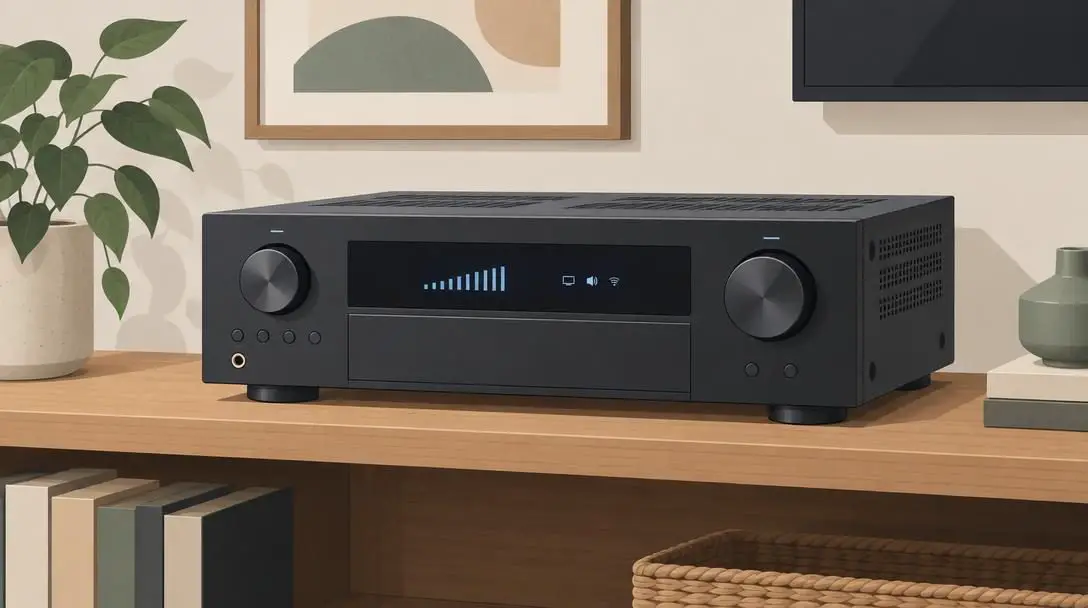
When selecting a receiver, target pre-owned multi-channel units from reputable manufacturers such as Denon, Onkyo, and Yamaha. Even if your initial plan only calls for two stereo speakers, purchasing a receiver engineered to handle 5.1 or 7.1 channels provides built-in room for future growth. A multi-channel unit guarantees you will not need to buy another amplifier when you decide to add center or surround speakers later on.
Main Bookshelf and Tower Speakers
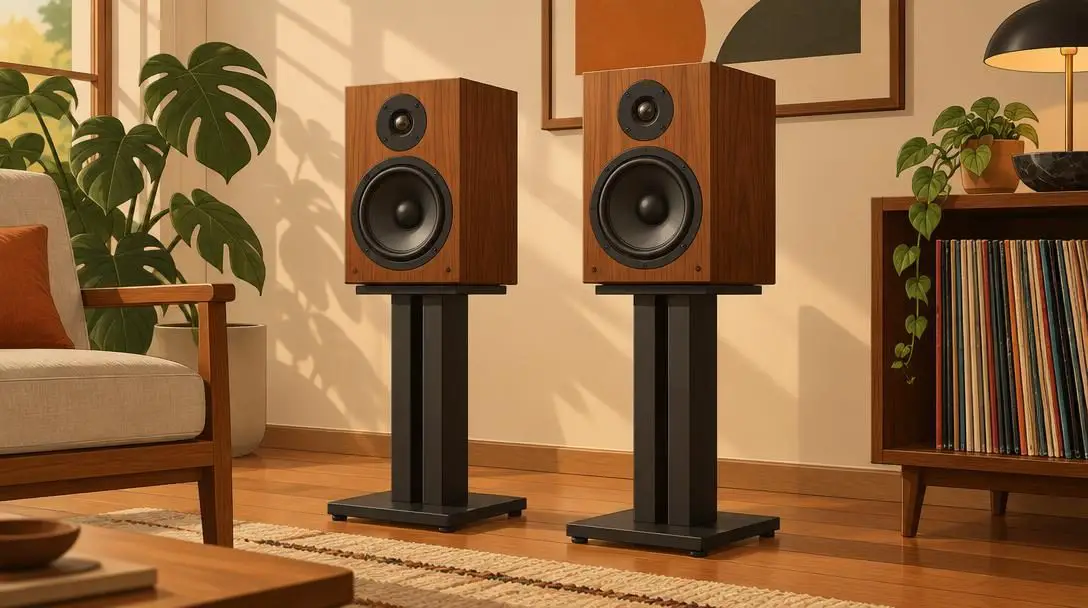
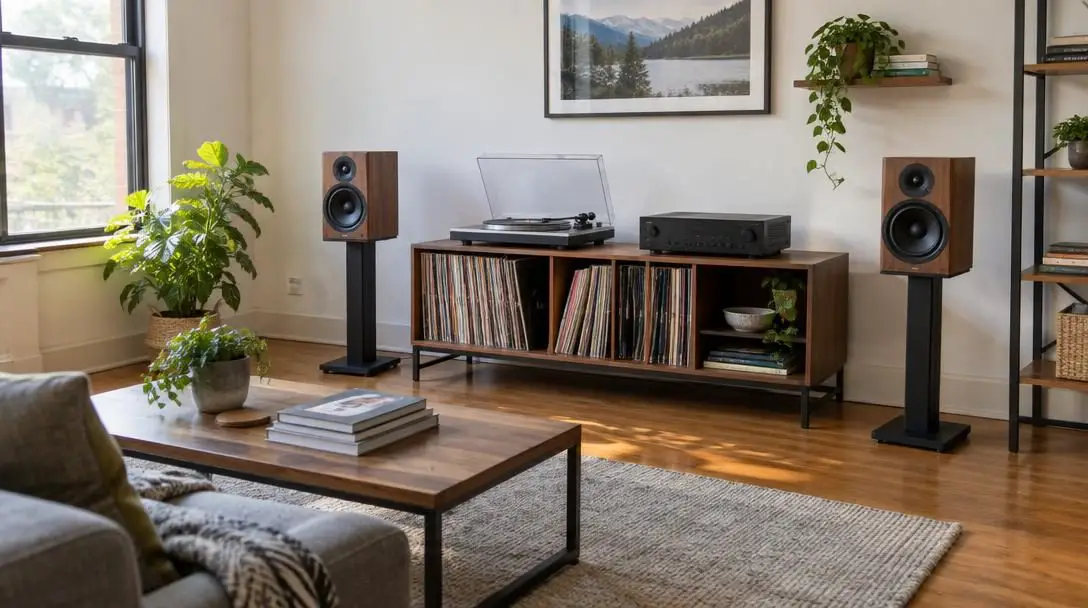
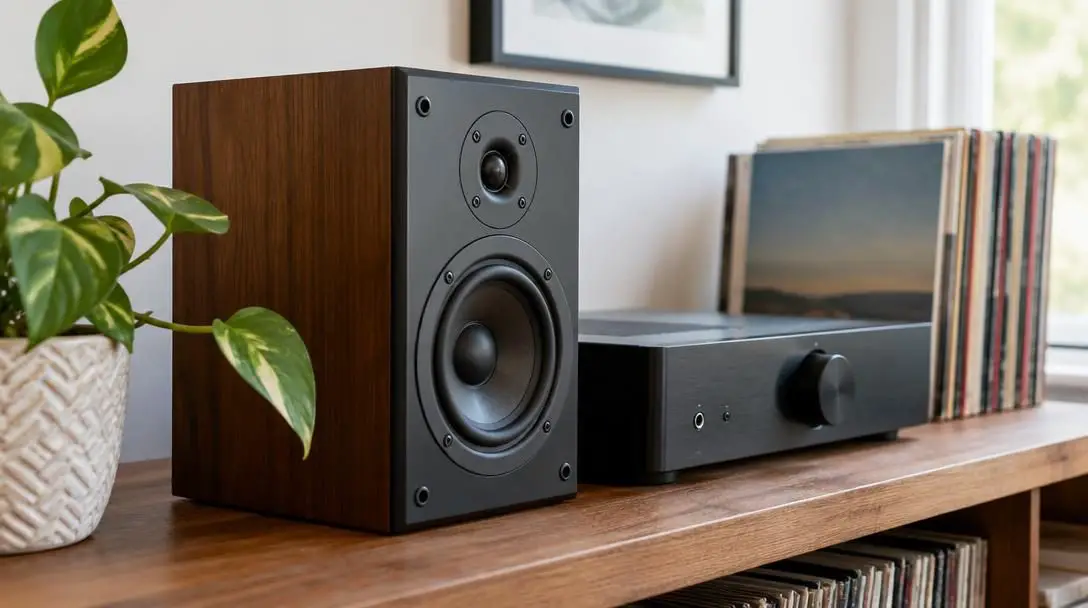
Your primary left and right channels carry the bulk of your system's musical score, general atmosphere, and on-screen stereo effects. Prioritize well-built bookshelf or tower units from trusted loudspeaker brands like Edifier, Klipsch, and Polk. Quality cabinets from these manufacturers contain robust tweeters, dedicated mid-range drivers, and tuned bass woofers capable of delivering clean, accurate sound across broad dynamic ranges.
Dedicated Subwoofers
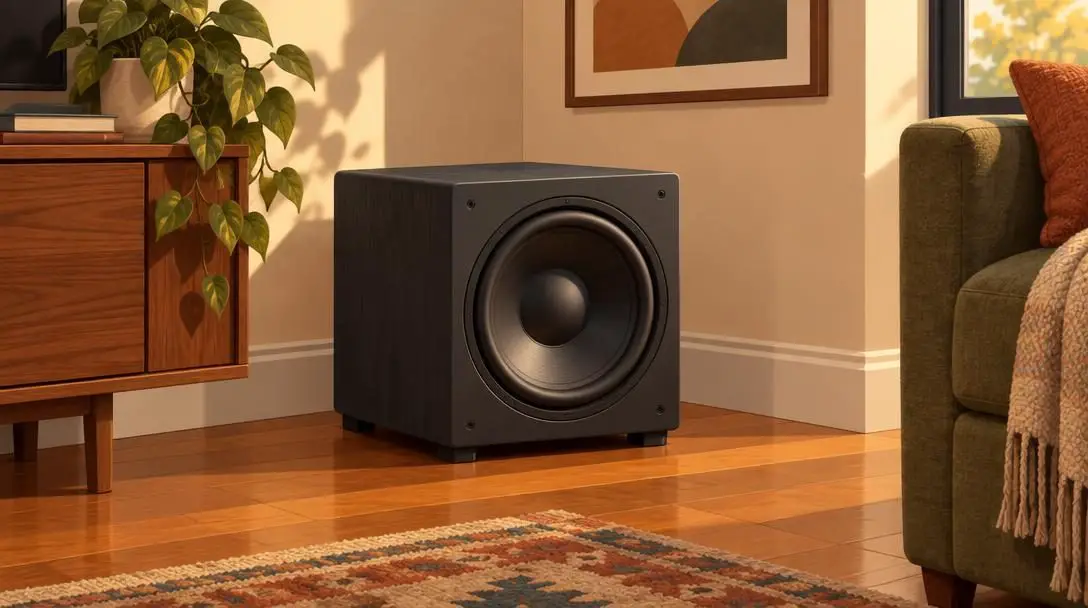
Traditional stereo speakers cannot move enough air to recreate the lowest sub-bass rumbles heard in cinematic explosions, engine revs, and musical baselines. Incorporating an independent subwoofer relieves your main left and right speakers of low-frequency burdens, increasing their clarity. Look for established subwoofer manufacturers such as Dayton, Kanto, and Bic to introduce real tactile punch to your viewing space.
How to Assemble an Initial 2.1 System
Once you have secured your receiver, a pair of quality left and right speakers, and a powered subwoofer, proper assembly and placement will ensure your budget hardware performs to its highest potential.
- Position the receiver: Place the audio receiver on an open, sturdy shelf located beneath your television. Leave generous clearance around the top and side panels to prevent heat buildup, and confirm there is adequate room behind the cabinet to route cables without severe bends.
- Place your left and right speakers: Situate your bookshelf or tower speakers on both sides of your screen, positioning them equidistant from your central viewing seat to establish a balanced, natural stereo image.
- Connect speaker wiring: Strip and insert speaker wire from the receiver's left and right speaker terminals to the corresponding binding posts on each speaker. Ensure you match positive and negative terminals on both ends to keep your audio drivers in phase.
- Integrate the subwoofer: Connect an audio interconnect cable from the receiver's dedicated subwoofer pre-out jack to your subwoofer. Position the subwoofer in a corner of your listening room; corner placement naturally takes advantage of acoustic boundary loading to amplify bass output without taxing the internal amp.
- Calibrate receiver settings: Power on your receiver and open its internal setup menu. Because you are running a 5.1 or 7.1 receiver in a 2.1 arrangement, manually turn off the center channel and surround channels in the settings menu, forcing the receiver to route all audio information into your two front speakers and subwoofer.
Costly Pitfalls to Avoid
When piecing together an affordable entertainment system, small oversights can easily ruin sound reproduction or permanently ruin your gear. Keep these common missteps in mind during your build:
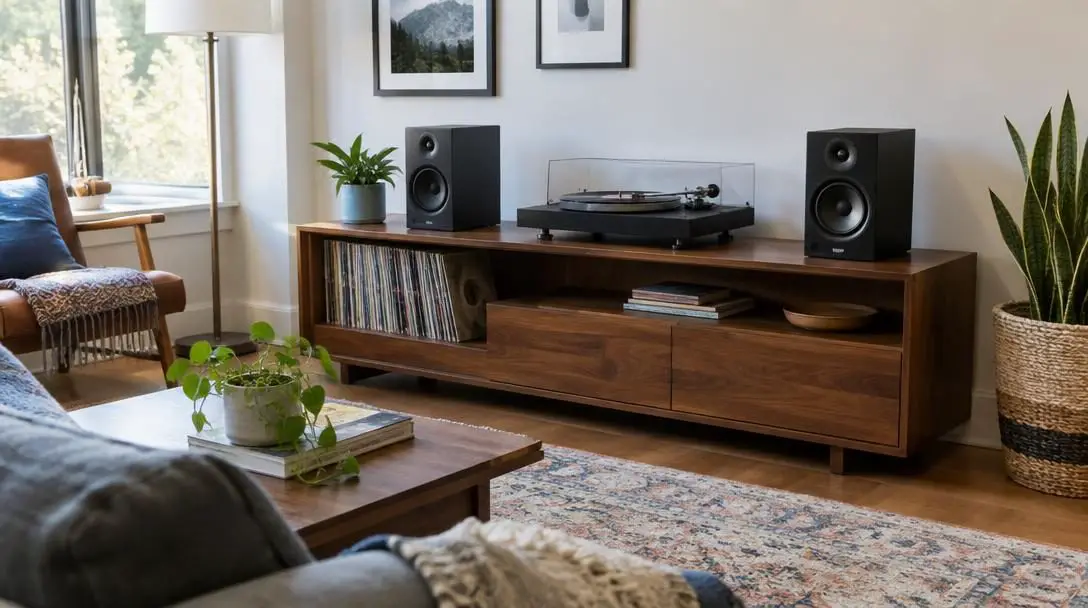
- Suffocating your receiver: Amplifiers generate substantial thermal energy. Stuffing your receiver into an unventilated, enclosed media console can trigger automatic thermal shutdowns or cause irreversible hardware failure over time.
- Skipping internal channel configuration: If you connect only two speakers to a multi-channel receiver without updating the software layout, the receiver will continue directing vocal tracks to an empty center terminal, resulting in quiet or completely absent dialogue.
- Investing in generic, unbranded hardware: Cheap off-brand equipment may seem tempting, but generic units frequently suffer from hollow sound, severe distortion at moderate volume, and fragile internal circuitry. Stick with proven audio marques.
- Careless wire routing: Bundling bare speaker wires alongside high-voltage television and receiver power cords can induce audible electromagnetic hums across your sound channels. Keep signal cables separated from power cords wherever possible.
Expanding Your Setup to 5.1 and 7.1 Surround Sound
Once your initial 2.1 setup is balanced and operational, you can patiently upgrade your hardware as your budget replenishes. Because you chose a 5.1 or 7.1 receiver at the start, expanding your channel footprint will not require replacing your main power unit.
Your first expansion priority should always be a center channel speaker. Placed directly beneath or above your display, the center speaker handles the vast majority of spoken dialogue in multi-channel film soundtracks. Adding this dedicated voice channel keeps speech crisp, intelligible, and anchored to the screen, even during heavy action scenes with loud explosions and swelling scores.
Following the center channel, add a pair of surround speakers to create a true 5.1 environment. Position these speakers just past your primary seating area, angled inward toward your listening position. For the most convincing spatial audio, mount or place surround speakers at approximate ear level. If your receiver supports a 7.1 layout, you can subsequently add two rear surrounds behind your seats to complete a seamless, 360-degree sonic environment.
Frequently asked questions
Why are TV speakers so notoriously poor in modern flat screens?
Modern flat-screen televisions are built with ultra-slim profiles, leaving virtually no physical cabinet space to house speaker drivers with adequate surface area or air displacement. Without sufficient enclosure volume, integrated speakers cannot reproduce proper midrange fullness or bass frequencies.
Why should I buy a 5.1 or 7.1 receiver if I only own two speakers right now?
Buying a receiver with multi-channel support allows you to start immediately with a budget-friendly 2.1 system while leaving a direct upgrade path. You can add center, side, and rear surround speakers over time without having to replace your amplifier.
Why should I place my subwoofer in a corner?
Corner placement leverages an acoustic principle known as boundary loading. The converging walls of the room reflect low-frequency sound waves forward, naturally reinforcing and boosting bass output without requiring additional power from your subwoofer's internal amplifier.
Where is the best place to buy inexpensive, reliable used audio gear?
Local brick-and-mortar locations like thrift stores, consignment shops, and pawn shops are prime sources. Shopping in person allows you to physically inspect speaker cones, test cabinet integrity, and verify that the components function before committing your money.
What happens if I forget to configure my multi-channel receiver for two speakers?
If you leave your receiver configured for 5.1 or 7.1 audio while only two speakers are attached, the unit will send film dialogue to a nonexistent center speaker. This makes voices sound extremely quiet, hollow, or completely inaudible.
The bottom line
High-end home theater audio does not require an extravagant budget or professional installers. By steering clear of throwaway all-in-one soundbars and tapping into the thriving secondhand market for reputable audio gear, you can assemble a powerful system component by component. Starting with an adaptable receiver, two capable stereo speakers, and a powered subwoofer gives you immediate acoustic rewards, while establishing a robust foundation that can expand into full surround sound whenever you choose.