Ireland On A Budget: 5 Essential Tips
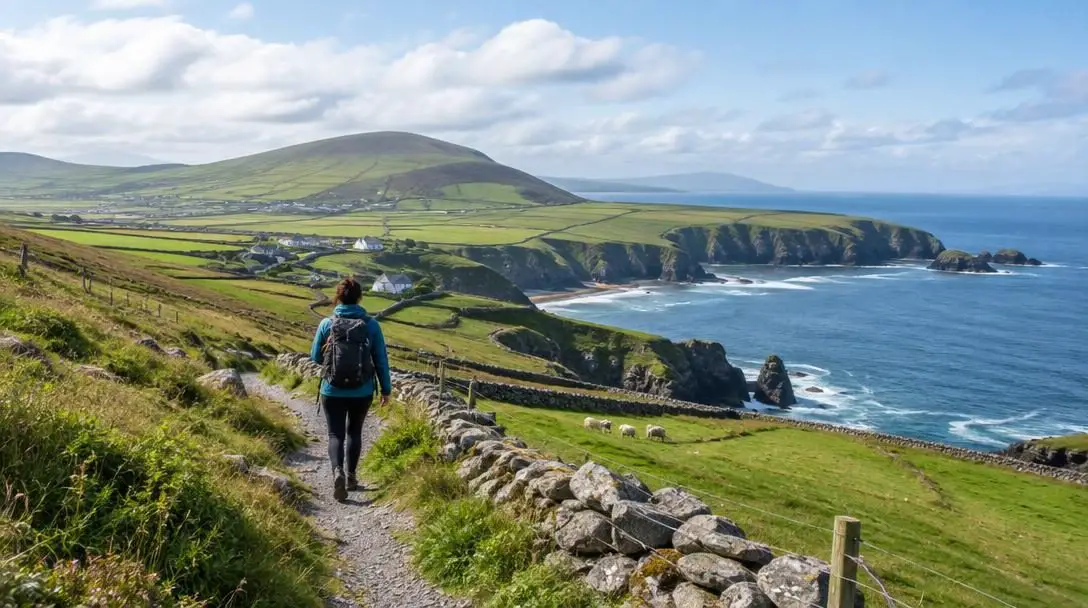
Ireland remains one of the most enchanting destinations in global tourism, celebrated around the world as the Emerald Isle. Each year, roughly 10 million visitors travel across the globe to experience its windswept Atlantic coastline, prehistoric stone monuments, dynamic folk music traditions, and warm communities. While its geographical area is compact, the island commands an outsized presence on international travel wishlists.
That widespread popularity brings a significant financial challenge: Ireland ranks among the 20 most expensive countries to visit in the world. While foundational vacation expenses like international flights and standard hotel accommodations can be managed with normal research, day-to-day spending on restaurant dining, museum admissions, local transit, and social outings can accumulate rapidly. Travelers who arrive without a cost strategy often watch their daily funds evaporate, but smart planning allows you to experience the country thoroughly while saving hundreds or even thousands of euros.
Key takeaways
- Visiting during the winter low season in November, January, or February unlocks the lowest flight and lodging rates of the year.
- Flying directly into Dublin Airport offers the best international airfare value among Ireland's five international airports.
- Leaving Dublin quickly for regional destinations like Belfast, Waterford, Donegal, Kerry, and Mayo significantly reduces daily ground expenses.
- Relying on self-catering rentals with private kitchens helps travelers avoid daily restaurant bills that frequently exceed 100 euros per person.
- Booking Irish Rail in advance or choosing regional bus routes keeps transportation costs manageable while providing panoramic countryside views.
Understanding Ireland's travel economy and seasonal pricing
Managing costs in Ireland requires a clear understanding of the country's internal travel economy. Pricing across the island follows predictable patterns governed by the calendar year, local geography, and spending habits. Once you recognize how these pricing cycles work, you can structure your itinerary to secure the best rates on transport and accommodations.
Seasonality serves as the primary driver of travel prices across Ireland. The warm summer months generate peak tourism demand, causing rates for lodging, vehicle rentals, and services to rise sharply. Conversely, late autumn and mid-winter bring a steep drop in visitor numbers, driving down costs substantially. November stands out as the cheapest month of the year to visit. While prices experience a brief spike around Christmas and New Year's celebrations, they plunge back down to November lows throughout January and February. This budget window closes in March, when St. Patrick's Day celebrations and milder spring weather push rates upward once again.
Geography also dictates your daily expenditure. Dublin serves as the island's primary international travel hub, making it the most affordable entry point for long-haul flights. However, once you exit the airport terminal, staying in the capital comes at an intense premium. Dublin ranks among the most expensive capital cities in Europe for lodging, food, and entertainment. Moving out into smaller regional cities, quiet coastal towns, and rural counties unlocks far more affordable prices for everyday goods, accommodations, and local transit.
Exploring Ireland on a reasonable budget requires steering away from expensive capital city centers and embracing the country's stunning natural landscapes.
Five essential strategies for visiting Ireland on a budget
Executing an affordable trip across Ireland does not mean compromising on your sightseeing ambitions. By applying five foundational tactics, budget-conscious travelers can witness the country's most memorable attractions while keeping overall expenditures strictly under control.
1. Prioritize free landscapes and pre-booked attractions
Ireland is home to some of the world's most spectacular natural wonders, and exploring them independently costs nothing. Travelers can spend whole days walking along dramatic coastal cliffs and open landscapes without paying admission fees. Iconic sights such as the Cliffs of Moher, the geological wonders of the Giant's Causeway, the sea-sculpted Cathedral Rocks, and the serene expanse of Clew Bay can all be experienced through self-guided walks and independent sightseeing.
In addition to coastal wonders, free public museums operate across the country, providing deep cultural and historical context at zero expense. When visiting iconic commercial landmarks that require paid admission, booking early pays dividends. For example, pre-purchasing tickets online to explore Blarney Castle and the Blarney Stone secures an admission rate of 45 euros for a family of four, avoiding gate-price markups.
2. Time your arrival to capture seasonal discounts
Pinpointing the right arrival window is the easiest way to cut hundreds of euros from your total vacation budget. Planning your arrival in November, or during the post-holiday winter stretch across January and February, allows you to tour the country when demand is at its absolute lowest. These months provide rock-bottom rates on lodging and travel services.
To capitalize on flight deals, book your arrival directly into Dublin Airport rather than smaller regional hubs. By combining an off-peak winter arrival with Dublin's competitive transatlantic and continental flight competition, you minimize your fixed travel costs before stepping foot on Irish soil, all while avoiding the expensive travel rushes of midsummer and St. Patrick's Day in March.
3. Venture beyond Dublin using regional transit
While Dublin is the most practical entry point, lingering there for more than a couple of days will deplete your travel funds. The smart play is to transition out of the capital as soon as possible and base your trip in regional cities and rural counties where accommodation, pub visits, and meals are notably cheaper.
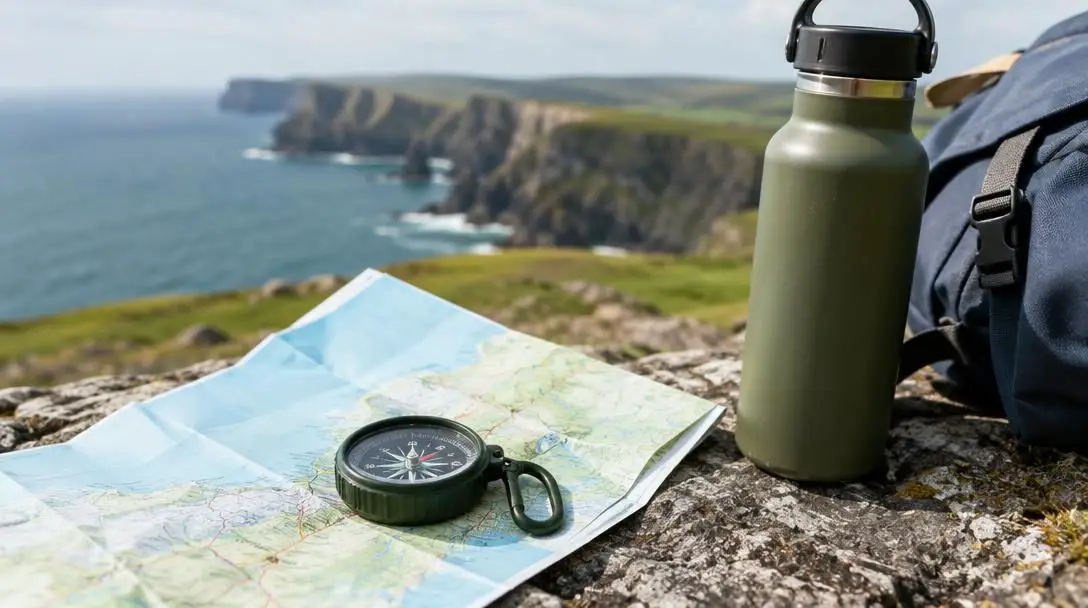
Moving between notable hubs can be done economically by choosing public transport over expensive alternatives. Irish Rail provides dependable intercity connections, and purchasing train tickets well in advance secures substantial discounts. Alternatively, regional bus networks offer even cheaper fares than rail travel. Buses also provide elevated passenger seating and travel through rural secondary routes, delivering scenic panoramic views of the countryside.
4. Choose home rentals and embrace self-catering
Compared to other major European nations, Ireland maintains a smaller inventory of large-scale hotels. Outside the summer peak, hotel search engines can occasionally surface reasonable rates, but home-rental platforms such as Airbnb frequently deliver far better value, particularly in smaller towns and villages where traditional hotels are sparse.
Beyond competitive nightly rates, renting an apartment, cottage, or home with a private kitchen alters your daily expenses. Dining out at full-service restaurants across Ireland can easily drive food costs past 100 euros per day for a traveler. While local supermarket prices are not the lowest in Europe, stocking up on ingredients to cook breakfast and dinner in your rental makes daily life substantially more economical.
5. Manage spending inside traditional Irish pubs
Visiting a historic pub to enjoy live traditional music and banter is a signature element of any Irish vacation. However, many visitors arrive under the mistaken impression that drinking in Ireland is inexpensive. In reality, the country features some of the highest costs per pint anywhere in Europe.
To safeguard your finances, approach pub visits intentionally. A practical way to balance tradition and budget is to purchase drinks at a local grocery store to enjoy at your rental beforehand, heading to the local pub later in the evening simply to soak up the atmosphere, conversation, and acoustic music. Practicing mindful moderation keeps you safe and prevents bar tabs from derailing your budget.
Affordable regional destinations beyond Dublin
Escaping Dublin allows you to uncover regional destinations that pair rich character with accessible prices. From historic urban centers to rugged coastal counties, these areas provide budget travelers with lower lodging prices and easy access to free outdoor sights.
Belfast
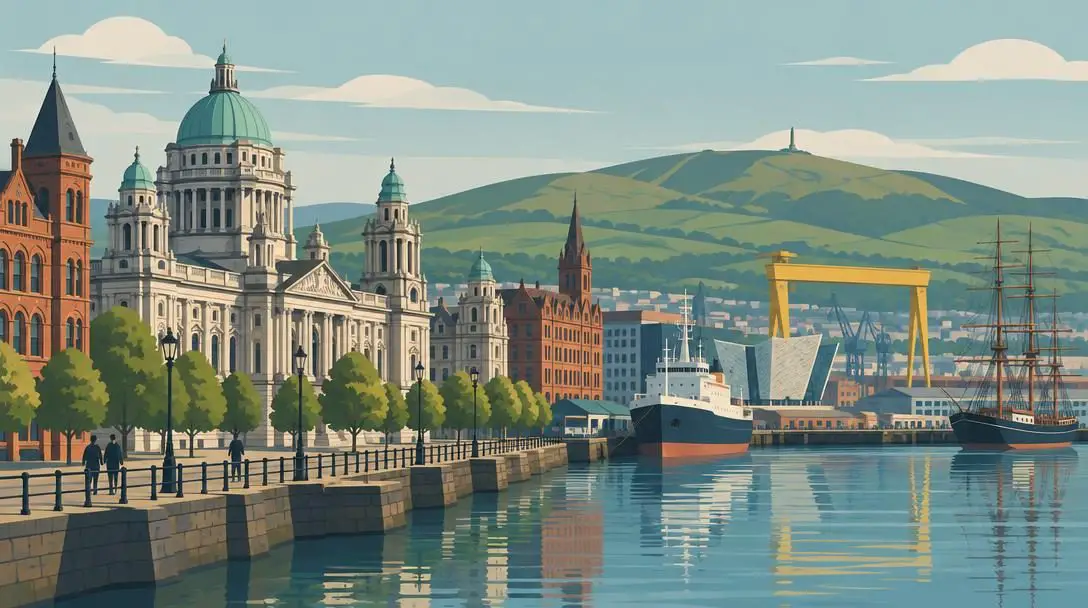
- Destination type: Northern urban center
- Budget advantage: More affordable lodging and dining than Dublin
- Travel highlight: Walkable cultural core and urban architecture
Belfast serves as an excellent urban alternative for travelers who want city energy without Dublin's price tag. The city features a dense array of architecture, public art, and cultural attractions, accompanied by significantly lower hotel rates and reasonable restaurant menus.
Waterford
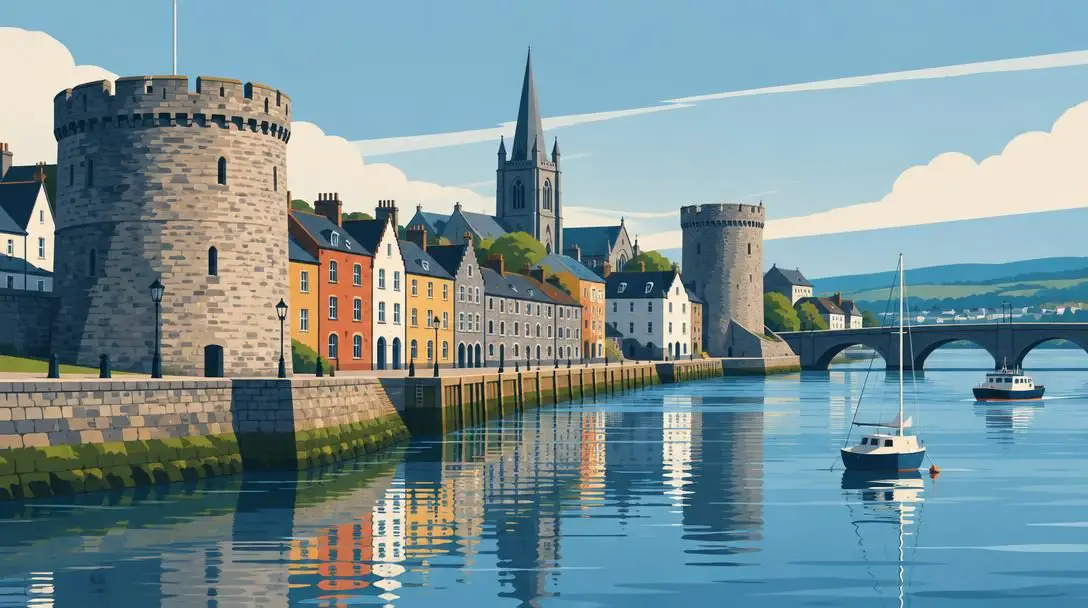
- Destination type: Historic regional city
- Budget advantage: Modest accommodation prices and everyday costs
- Travel highlight: Compact, walkable coastal city layout
Located in the southeast, Waterford gives visitors a tranquil city experience at a fraction of the cost of larger metropolitan areas. Its smaller scale makes it easy to explore on foot, while local guesthouses and rentals charge far less than capital-city equivalents.
Donegal
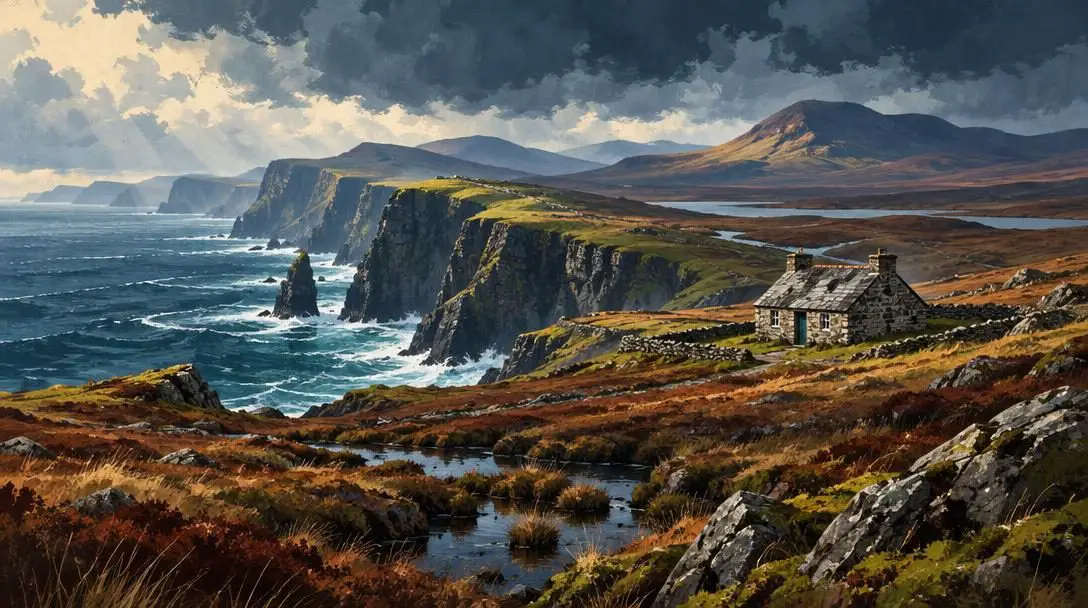
- Destination type: Rugged northern county
- Budget advantage: Inexpensive home rentals and rural pricing
- Travel highlight: Dramatic coastal formations and quiet roads
Donegal sits in the far northwest, offering vast tracts of wild Atlantic scenery, sea cliffs, and uncrowded coastal beaches. Its remote character keeps daily rental rates low, making it a premier destination for self-catering nature lovers.
Kerry
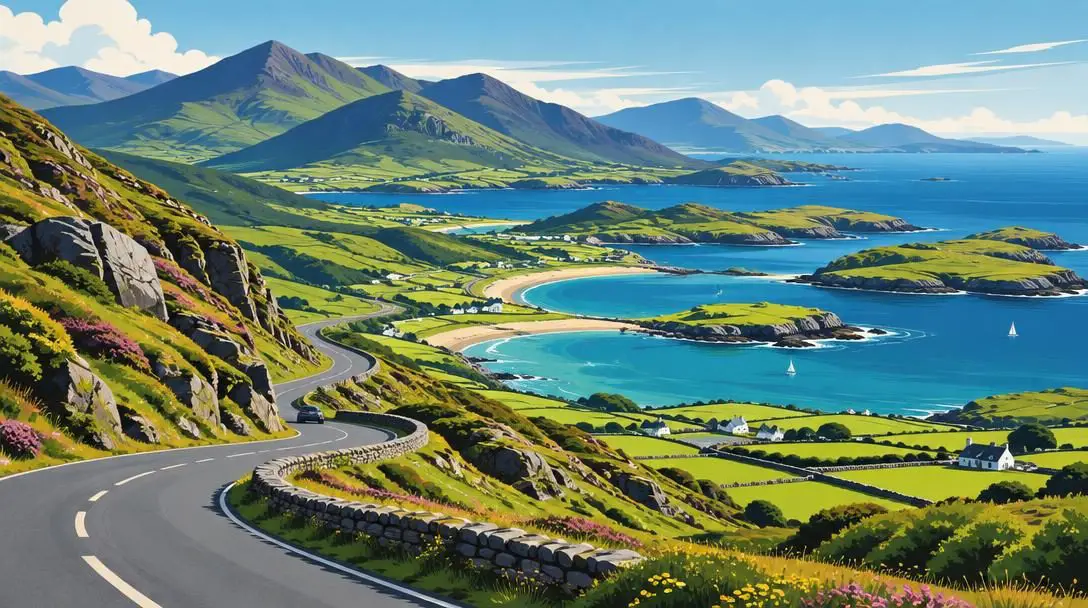
- Destination type: Southwestern scenic county
- Budget advantage: Broad selection of rentals and free outdoor walks
- Travel highlight: Mountain passes and dramatic ocean viewpoints
Kerry remains famous worldwide for its rugged peninsulas, tranquil lakes, and mountain landscapes. By staying in smaller towns and focusing on self-guided outdoor hikes and scenic drives, travelers can explore one of Ireland's most famous regions economically.
Mayo

- Destination type: Western coastal county
- Budget advantage: Low ground costs and free natural landmarks
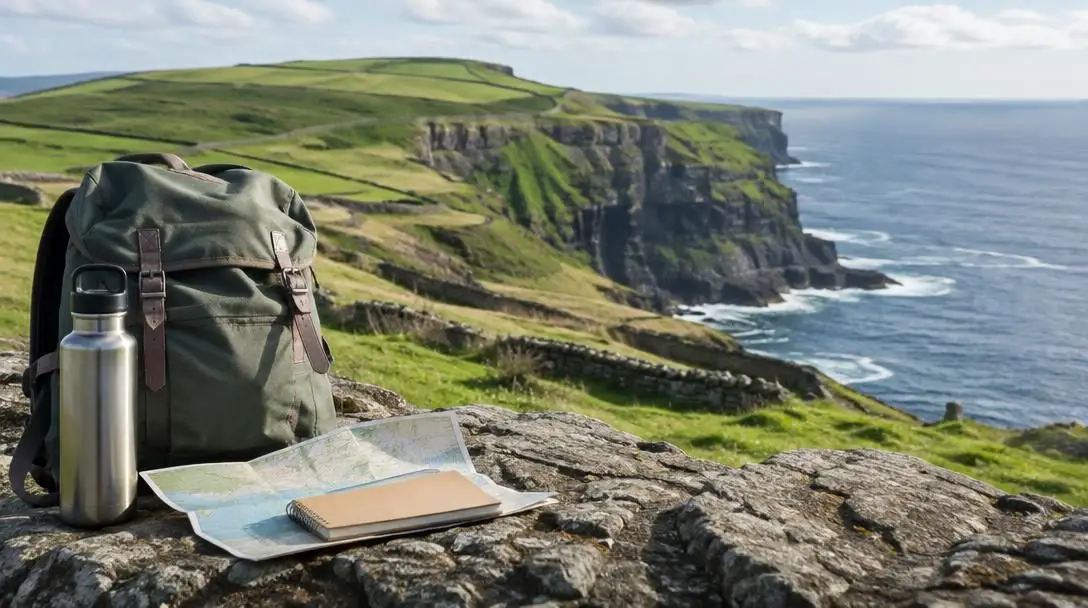
- Travel highlight: Clew Bay shoreline and unspoiled open country
Mayo offers untouched coastal scenery and historic charm without the tourist crowds. With natural landmarks like the sweeping waters of Clew Bay and Cathedral Rocks on Achill Island, visitors can spend entire days exploring the outdoors without spending money on entrance tickets.
Comparing travel destinations across Ireland
To help you structure an economical route, the table below highlights how Ireland's key urban and regional destinations compare across cost tiers, relative expenses, and practical budget advantages.
| Destination | Region Type | Relative Cost Level | Primary Budget Advantage |
|---|---|---|---|
| Dublin | Capital city | Highest in Ireland | Cheapest international airport flight arrivals |
| Belfast | Major city | Moderate | Significantly cheaper urban lodging and meals than Dublin |
| Waterford | Regional city | Low to moderate | Affordable smaller city accommodations and modest amenities |
| Donegal | Rural county | Low | Inexpensive rental inventory and free wilderness access |
| Kerry | Scenic coastal county | Low to moderate | Abundant self-catering rentals and free coastal walking trails |
| Mayo | Western county | Low | Economical home rentals close to Clew Bay and Cathedral Rocks |
Step-by-step: How to build a budget-friendly Ireland itinerary
Turning these travel concepts into an affordable, organized holiday requires methodical preparation. By tackling reservations and scheduling in an orderly sequence, you can capture the best available savings across every phase of your journey.
- Confirm your travel dates within the low-cost winter calendar, prioritizing November or the post-holiday stretch between New Year's Day and early March before St. Patrick's Day.
- Book your incoming overseas flight directly into Dublin Airport to claim the most competitive airfare rates available across the country's five international gateways.
- Draft an itinerary that minimizes overnight stays in the capital, shifting your primary base toward more affordable destinations such as Belfast, Waterford, Donegal, Kerry, or Mayo.
- Reserve home rentals like Airbnb in regional towns to secure cost-effective lodging equipped with private cooking facilities.
- Arrange intercity transit in advance, reviewing Irish Rail schedules for early-booking ticket discounts and regional bus timetables for scenic, low-cost rural journeys.
- Purchase entrance tickets for paid cultural landmarks ahead of time, securing online discounts such as the 45-euro family admission for four at Blarney Castle.
- Assemble a self-guided sightseeing schedule centered around free outdoor landmarks, including the Cliffs of Moher, Giant's Causeway, Cathedral Rocks, and Clew Bay, alongside regional free museums.
- Visit a local grocery store immediately upon checking in to each lodging base to buy food supplies, keeping daily restaurant spending to a minimum.
Common budget mistakes that drive up travel costs
Even travelers who plan ahead can fall into common financial traps that cause daily expenses to escalate. Avoiding these frequent missteps will keep your Ireland travel budget balanced from start to finish.
- Lingering too long in Dublin: Staying multiple nights in the capital rapidly depletes vacation funds due to elevated lodging and dining prices compared to the rest of the country.
- Assuming pub visits are inexpensive: Ordering repeated rounds in historic pubs adds up fast due to Ireland's status as one of Europe's most expensive countries for a pint.
- Dining out for every meal: Relying on restaurants three times a day quickly pushes daily food spending over 100 euros per person, an expense easily avoided through self-catering.
- Buying train tickets on travel day: Waiting to purchase Irish Rail passes at the station forfeits the significant discounts available exclusively through advance web booking.
- Ignoring regional bus systems: Overlooking local and regional bus networks cuts you off from the cheapest transit options and some of the best elevated countryside views.
- Purchasing attraction passes at the gate: Buying tickets in person at historic sites forfeits online savings, such as discounted family rates at Blarney Castle.
- Traveling during seasonal peaks without planning: Visiting during the midsummer rush or around St. Patrick's Day in March without accounting for steep price surges across all travel services.
Weather, packing, and travel planning considerations
Choosing to visit Ireland during its most economical windows—November, January, and February—requires practical preparation for winter conditions. While off-peak travel delivers enormous financial relief, winter days bring cooler temperatures and shorter daylight hours than the midsummer peak.
Packing warm, practical outdoor clothing is vital. Waterproof layers, sturdy footwear, and thermal wear will let you explore rugged locations like Cathedral Rocks, Clew Bay, and the Cliffs of Moher comfortably without being deterred by wind or rain. Being prepared for cool weather ensures you can enjoy free outdoor landscapes every day regardless of conditions.
Additionally, balancing your transit time against sightseeing is essential. Because counties like Donegal, Mayo, and Kerry deliver major savings and world-class scenery, clustering your activities within specific regions avoids wasteful transit days. Spending multiple consecutive nights in one county minimizes travel overhead, reduces bus or rail fares, and allows you to immerse yourself in local town life.
Frequently asked questions
What is the cheapest month of the year to visit Ireland?
November is the cheapest month of the year to travel to Ireland. Prices rise temporarily over the Christmas and New Year period, then drop back to November-level lows across January and February, before rising again with St. Patrick's Day and spring weather in March.
Which airport in Ireland offers the cheapest flights for international visitors?
Dublin Airport serves as the most economical gateway among the five international airports operating in Ireland, providing the lowest airfares for overseas travelers even though the city itself is costly to stay in.
Can you visit major Irish landmarks like the Cliffs of Moher without paying entry fees?
Yes. Ireland's natural landscapes—including the Cliffs of Moher, Giant's Causeway, Cathedral Rocks, and Clew Bay—can be explored entirely on self-guided walks and independent outdoor excursions without admission fees. Many public museums across the country also offer completely free entry.
How much can self-catering save compared to dining out in Ireland?
Eating three meals a day at Irish restaurants frequently costs upwards of 100 euros per day. Booking accommodations with kitchen facilities, such as an Airbnb home rental, and purchasing provisions at local supermarkets allows travelers to significantly cut down daily meal expenses.
Is public transportation cheaper than renting a car in Ireland?
Utilizing pre-booked Irish Rail tickets and regional bus routes offers an affordable way to transit the country. Regional buses are particularly economical, often costing less than rail while providing elevated views of rural countryside landscapes.
The bottom line
Traveling through Ireland does not need to come with an exorbitant price tag. Although the island ranks among the 20 most expensive countries for international tourists, its most magnificent assets—sweeping Atlantic headlands, ancient walking trails, historic ruins, and lively communities—remain accessible to anyone willing to plan ahead.
By timing your journey during the off-peak winter months, flying into Dublin Airport, moving your itinerary out to regional destinations like Belfast, Waterford, Donegal, Kerry, and Mayo, and utilizing home rentals for self-catering, you can cut daily costs drastically. With mindful pub visits, pre-booked transit, and an emphasis on free natural landscapes, you can experience the Emerald Isle thoroughly on a budget that works for you.