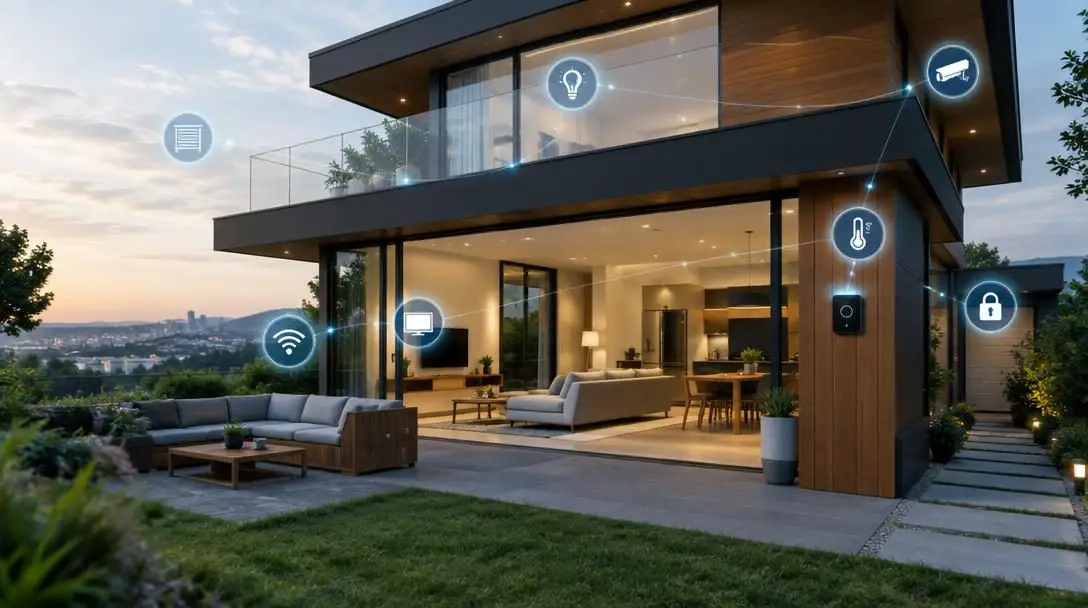
Is A Smart Home Right For Me?
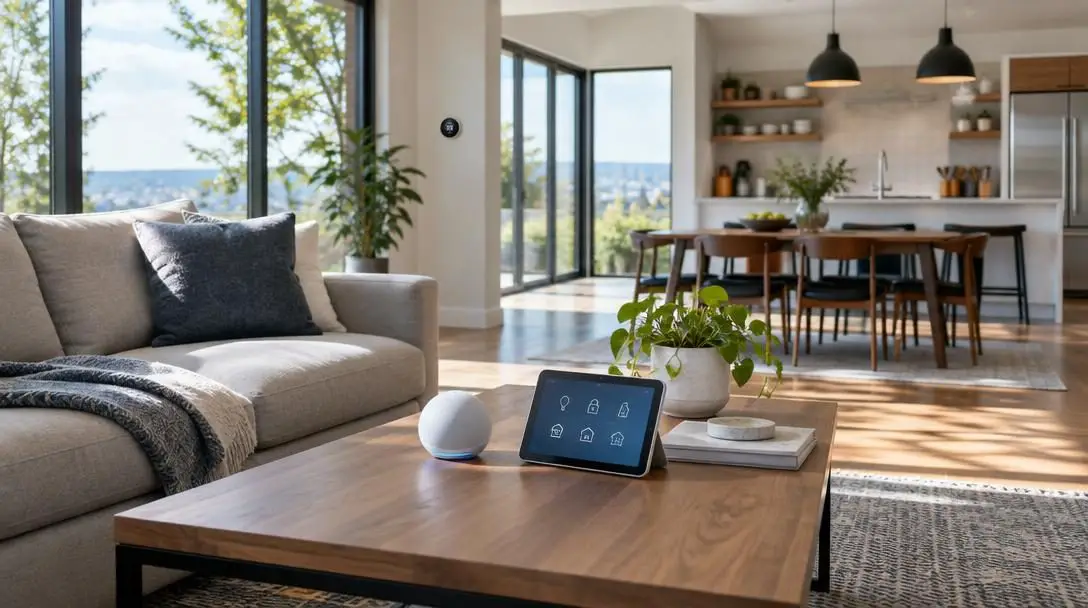
For decades, science fiction novels, speculative films, and television broadcasts painted an alluring portrait of domestic life in the distant future. In these imaginary worlds, personal residences listened attentively to voice commands, managed their own mechanical resources, and adjusted ambient conditions without requiring manual effort. Today, consumer technology has caught up to that imaginative vision. Digital intelligence has expanded well beyond mobile phones and wearable smartwatches, allowing homeowners and renters alike to transform everyday physical properties into responsive, automated environments.
Despite the prevalence of internet-connected appliances, entering the world of home automation can feel daunting. Many consumers still wonder what truly constitutes a smart home, whether installing connected equipment provides a genuine return on investment, and how to navigate the technical requirements of these interconnected systems. Fortunately, the era of requiring expensive custom installations and professional contractors for basic automation is over. Modern smart homes are modular, accessible, and easily customized to fit any household budget or lifestyle.
Key takeaways
- A smart home is built incrementally through modular devices rather than an all-in-one overhaul.
- Automating lighting, climate, and grounds care can generate thousands of dollars in cumulative utility savings.
- Connected security hardware and automated locks can reduce risk and lower home insurance premiums.
- Emerging standards like Thread help smart devices communicate locally without relying solely on active internet connections.
- Bandwidth-heavy devices like security cameras must be planned carefully to prevent household Wi-Fi congestion.
What Defines a Smart Home and How It Operates
A smart home is not an all-or-nothing purchase. There is no single kit, switch, or master installation package that instantly converts a conventional property into a fully automated residence. Instead, an automated residence is created by adopting individual upgrades one project at a time and linking those distinct components together into an interoperable domestic ecosystem.
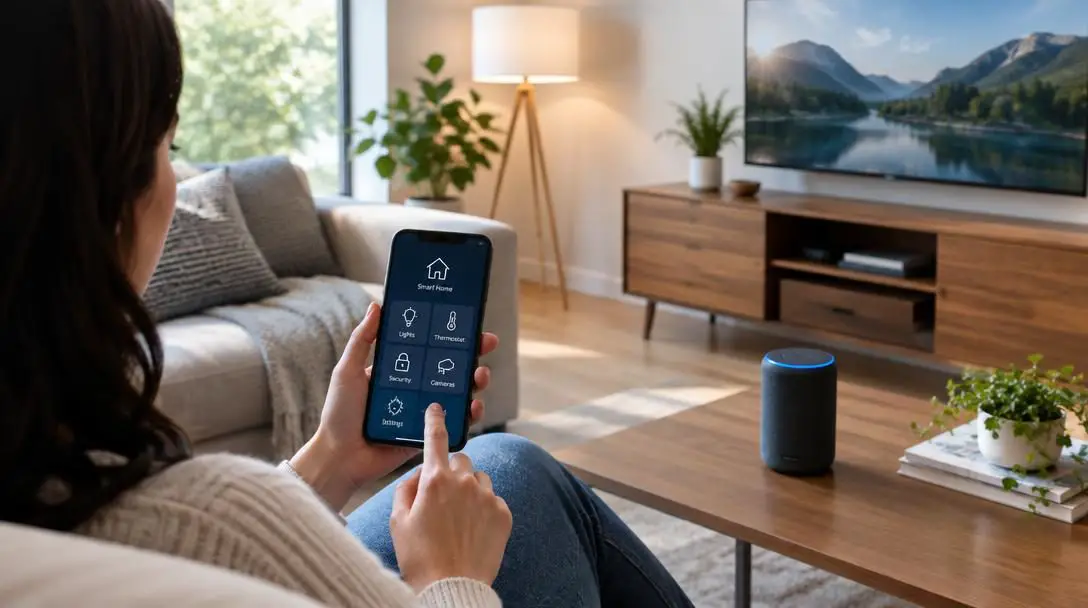
At its operational foundation, home automation relies on household equipment communicating with central controllers, digital mobile applications, and other connected hardware. Rather than depending on manual wall toggles or mechanical dials, these systems monitor input data, follow pre-established routines, and respond to wireless commands. In most contemporary configurations, a standard smartphone functions as the primary handheld hub, letting you adjust parameters, view operational status, and monitor real-time energy savings from anywhere.
Smart Lighting Controls
Connected illumination represents one of the most accessible entry points into home automation. Modern smart lighting systems replace standard incandescent or LED bulbs with network-enabled alternatives and automated switches. These units allow users to configure automated schedules, adjust brightness levels, change color temperatures, and eliminate electricity waste by automatically powering down fixtures when rooms are vacant.
Automated Climate and Thermostats
Regulating internal heating and cooling equipment through connected thermostats provides precise domestic comfort while curtailing energy waste. Rather than maintaining static temperatures throughout the day, smart climate gear learns household occupancy patterns, responds to programmatic timers, and shifts into conservation modes whenever the living space is unoccupied.
Connected Audio and Voice Hardware
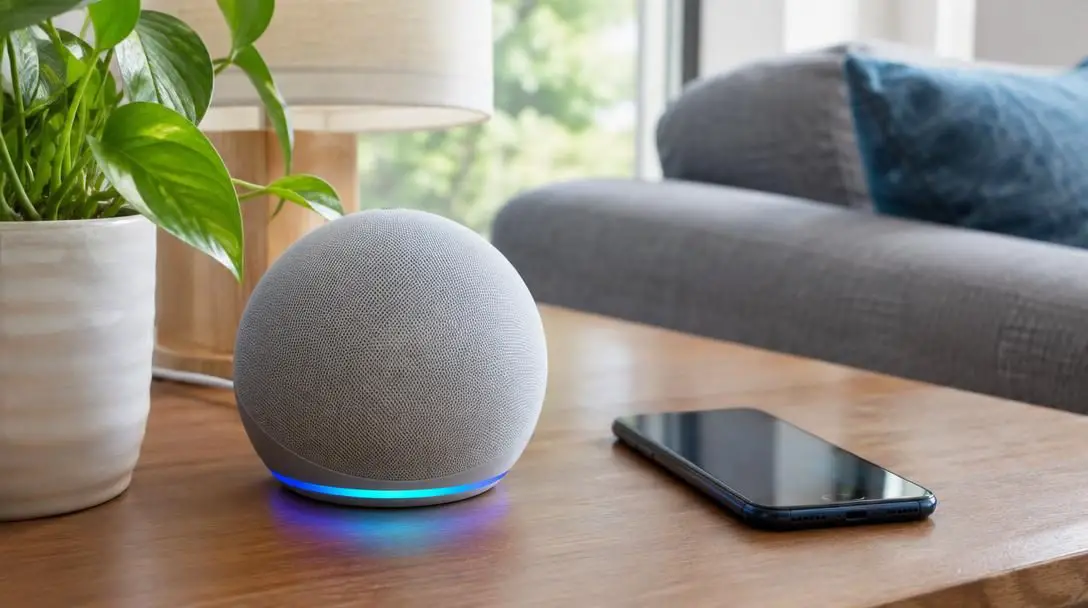
Modern audio gear does far more than stream music across multiple rooms. Voice-enabled audio units, such as an Amazon Alexa hub, serve as interactive controllers for the wider domestic ecosystem. These speakers receive spoken commands, configure hands-free timers, dictate calendar reminders, and provide an approachable interface for operating other linked equipment throughout the residence.
Domestic Security and Safety Gear
Safety hardware brings automated protection to primary property entry points. This category encompasses digital door locks that can be secured remotely, contact sensors that track window and door status, and network cameras that stream live video to mobile screens. Integrating these tools provides instantaneous alerts when unexpected activity occurs around the perimeter.
Exterior and Grounds Maintenance Systems
Automated living is not confined to interior rooms. Smart outdoor installations manage lawn irrigation, landscape lighting, and pool care machinery. By synchronizing with local meteorological forecasts, smart sprinkler controllers pause watering cycles when precipitation is detected, conserving water and reducing municipal utility expenses.
Connectivity Infrastructure, Protocols, and Bandwidth Demands
Digital connectivity serves as the invisible framework holding modern domestic automation together. Because smart hardware components must share data with central controllers and mobile interfaces, establishing stable wireless communication is paramount. Most consumer-grade automation hardware relies directly on local Wi-Fi frequencies to receive instructions, transmit telemetry, and download operational updates.
This reliance introduces an important operational vulnerability: traditional smart home systems generally require an active internet connection to process external commands and maintain cloud-based automations. If external internet service is disrupted, standard access to remotely managed devices can falter, even though a personal smartphone can fall back on cellular mobile data.
To eliminate this single point of failure, networking engineers are transitioning toward localized communication frameworks. Protocols such as Thread are designed to allow compatible smart home hardware to communicate directly with neighboring devices in a local mesh, maintaining domestic automation routines even when wider internet service drops completely.
Network capacity is another critical factor when modernizing a household. Every added smart device requests a share of available wireless throughput. Vividh Siddha of Thread and Apple has pointed out that when analyzing real-world use cases, the biggest elephant in the room regarding bandwidth consumption is cameras. Streaming continuous, high-definition video surveillance places substantial demand on wireless routers, highlighting the need for efficient protocols as properties incorporate more connected sensors and visual monitors.
The biggest elephant in the room regarding bandwidth consumption is cameras.
Financial Value and Return on Investment
While some consumers view domestic automation as an optional luxury filled with novelty features, practical implementation demonstrates that a smart home is fundamentally an investment. Automated properties deliver measurable financial value by lowering recurring utility expenses, safeguarding physical assets, and preserving overall real estate market appeal over time.
Utility savings accumulate rapidly when connected systems operate continuously in the background. Automated thermostats that lower climate output in unoccupied spaces, combined with lighting systems that shut off unattended fixtures, prevent thousands of dollars in cumulative energy bills from draining household finances. Furthermore, smart sprinkler controllers eliminate wasted water by halting irrigation when natural rain satisfies landscape hydration needs.
Home automation also offers direct insurance savings. When homeowners install automated door locks, environmental hazard sensors, and visual surveillance cameras, the overall liability and property risk profiles decline. Many property insurance carriers reward this risk reduction by offering discounted monthly or annual insurance premiums to residences equipped with active monitoring equipment.
| System Category | Primary Function | Cost and Energy Benefit | Network Demand |
|---|---|---|---|
| Connected Lighting | Automated dimming, timers, and vacancy shutoff | Eliminates wasted electricity in empty rooms | Minimal bandwidth usage |
| Smart Climate Control | Schedules heating and cooling around routines | Substantially cuts seasonal utility expenditures | Low periodic data exchange |
| Automated Security | Remote door locks and motion sensing | Qualifies properties for insurance policy discounts | Low to moderate bandwidth |
| Video Monitoring | Live perimeter surveillance and recording | Deters theft and provides verifiable incident logs | Heavy bandwidth consumption |
| Grounds Irrigation | Weather-aware lawn and landscape watering | Conserves water during active rainfall events | Minimal bandwidth usage |
A Practical Step-by-Step Implementation Guide
Transforming a traditional property into an automated environment should be approached as a structured progression. Tackling individual upgrades sequentially ensures your domestic network remains stable, prevents financial overextension, and allows all household members to grow comfortable operating each new interface.
- Audit wireless network coverage: Survey the living space to verify that wireless connectivity reaches every corner where smart hardware will live, including exterior entryways and utility rooms.
- Install a primary voice hub: Introduce an approachable controller like an Amazon Alexa unit to manage audio, set voice timers, and familiarize the household with connected companion apps.
- Modernize a single high-impact room: Target one heavily used space by installing smart LED light bulbs or replacing a standard wall unit with an automated smart thermostat.
- Reinforce perimeter entryways: Mount automated deadbolts and connected door sensors to secure access points and unlock potential insurance discounts.
- Automate exterior property maintenance: Install weather-responsive irrigation controllers that monitor precipitation data to pause watering routines during storms.
- Establish centralized schedules: Use a smartphone interface to bundle individual devices into automated morning, departure, and evening routines that operate without manual intervention.
Common Automation Pitfalls to Avoid
While home automation enhances daily convenience and trims operational expenses, rushed or uncoordinated installations can lead to technical frustration. Keeping common installation errors in mind will save both time and money throughout the modernization process.
- Attempting to automate everything overnight: Replacing every light switch, appliance, lock, and thermostat at once leads to setup fatigue, configuration conflicts, and unnecessary budget strain. Gradual, modular installations are far more successful.
- Overlooking network unreliability: Installing connected devices on an unstable internet connection creates frequent communication dropouts and unresponsive mobile controls until local protocols like Thread achieve universal adoption.
- Ignoring bandwidth heavyweights: Connecting several high-definition security cameras to an entry-level router can overwhelm household wireless throughput, causing system latency and disconnections across other connected items.
- Failing to configure operational schedules: Simply mounting smart hardware on walls provides little economic return if you never set automated timers, leave temperature setpoints unmanaged, or allow sprinklers to run during rainstorms.
Frequently asked questions
Do smart home devices work when the internet goes down?
Most standard smart home devices rely on active Wi-Fi and cloud servers, meaning remote access from outside the house will falter if your home internet disconnects. However, newer communication standards like Thread allow compatible hardware to communicate locally with one another, maintaining scheduled automations even without an active external internet link.
How do smart homes help lower domestic insurance premiums?
Insurance providers evaluate risk when calculating property premiums. By installing automated door locks that ensure entryways are secured and active monitoring cameras that watch for intrusion, you reduce property vulnerability, which many insurance companies reward with premium discounts.
Why are surveillance cameras considered a network challenge?
As industry experts like Vividh Siddha of Thread and Apple have observed, cameras represent the largest bandwidth consumer in the smart home landscape. Transmitting continuous high-definition video across local Wi-Fi places heavy demands on router capacity compared to lightweight data from light bulbs or thermostats.
What is the best device to purchase first for a smart home?
Starting with an accessible control hub such as an Amazon Alexa speaker or a basic set of smart light bulbs provides an inexpensive, manageable introduction to automation without requiring complex wiring or network modifications.
Can smart irrigation systems really lower water bills?
Yes. Smart landscape maintenance systems integrate real-time weather monitoring to detect active rainfall, automatically pausing scheduled sprinkler cycles so you never pay to water an already soaked lawn.
The Bottom Line
Determining whether a smart home is right for your household comes down to two simple practical questions: do you have a dependable, stable internet connection, and do you have a modest amount of discretionary spending money to invest in initial hardware? If your answer to both questions is yes, modernizing your living space is a practical and rewarding step.
You do not need an enormous budget or deep technical expertise to build a capable automated home. By starting with a single room, establishing sensible operational schedules, and gradually expanding into climate management and perimeter security, you can modernize your home at your own pace while enjoying lower utility bills, heightened safety, and everyday convenience.