Italy On A Budget: 5 Essential Tips
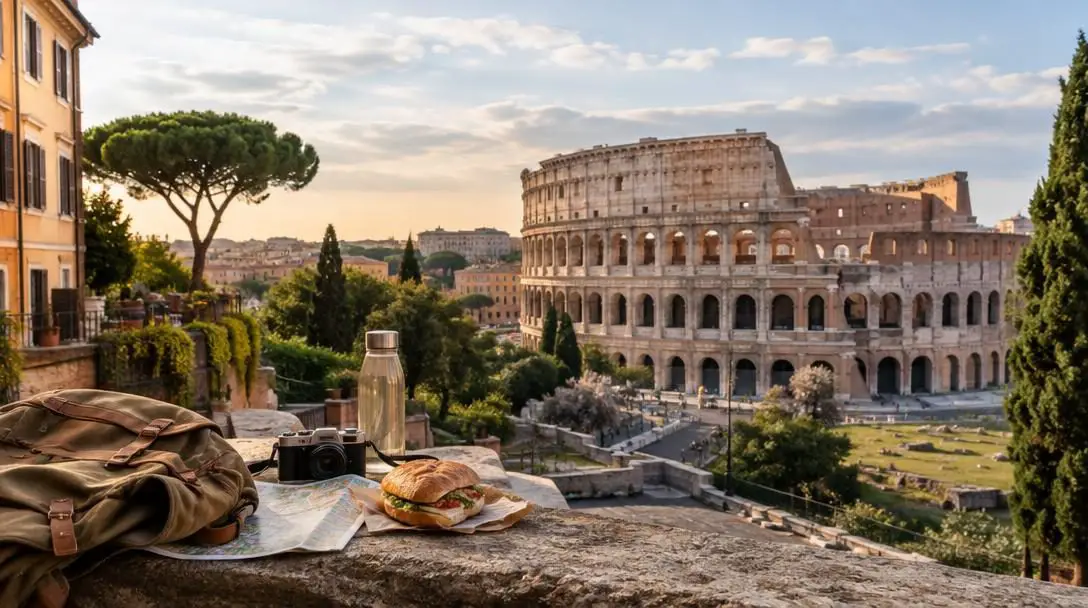
Despite ranking outside the top seventy nations in terms of total land area, Italy stands as an undisputed powerhouse on the global travel stage. Each year, more than 50 million visitors arrive from all corners of the globe, consistently securing the country's place among the five most-visited nations on Earth. Travelers cross oceans and continents to experience its celebrated culinary heritage, welcoming communities, millennia of history, and dramatic regional landscapes. Yet hosting tens of millions of tourists annually produces a predictable challenge: massive demand inflates prices across transportation, hospitality, and dining, cementing a reputation for high costs.
For budget-conscious explorers, this immense popularity can feel daunting, leading many to assume that an authentic Italian journey requires draining their life savings. Fortunately, navigating the country on a sensible budget is entirely attainable without diminishing the magic of the trip. Wandering ancient cobblestone streets, marveling at historical landmarks, taking passenger trains between historic centers, and savoring authentic regional specialties do not require bottomless funds. By understanding local pricing models, taking advantage of expansive transit networks, dodging dining surcharges, and timing your journey strategically, you can experience Italy comfortably at a fraction of the customary cost.
Key takeaways
- Traveling in January or February provides mild Mediterranean weather alongside substantial off-peak savings on flights and accommodations.
- Flying into secondary northern transit hubs like Milan or Bologna on connecting flights costs significantly less than booking scarce nonstop flights from major U.S. airports.
- Using regional trains costing under 10 Euros or dedicated single-country rail passes eliminates the need for expensive car rentals or bloated multi-country passes.
- Staying in smaller historic towns such as Sienna or Alberobello lowers nightly lodging rates and reduces your exposure to big-city petty crime.
- Bypassing sit-down dining fees like the coperto and table water charges through local markets and street food protects daily food budgets.
Deconstructing the Five Pillars of Italian Travel Expenses
To keep overall expenditures low, visitors must understand how travel costs function across the Italian peninsula. Expenses typically divide into five major categories: international transit, domestic transportation, overnight accommodations, sightseeing, and dining. Each category contains costly pitfalls as well as dependable avenues for major savings.
International airfare is often the largest single upfront expense. Ticket costs swing dramatically based on seasonal demand, departure cities, and chosen flight paths. Once you arrive, domestic transportation is dictated by how you interact with the national transit infrastructure. Italy features an expansive transportation network boasting more than 15,000 miles of rail lines, offering an efficient, cost-effective alternative to costly rental cars and private chauffeur transfers. Independent travelers can choose between point-to-point tickets and specialized country passes offered by Eurail and InterRail. Simpler regional rail connections between neighboring municipalities frequently cost less than 10 Euros, making passenger trains an outstanding value.
Accommodations are another substantial financial variable. Dense urban centers like Rome, Milan, Naples, and Turin face perpetual lodging demand, driving nightly room rates to extreme highs. Furthermore, these bustling metropolitan areas are statistically where the most danger and petty crime take place. In contrast, reserving vacation homes or apartments via platforms like Airbnb and VRBO in smaller, scenic villages lowers nightly lodging expenses significantly while offering a safer, quieter environment.
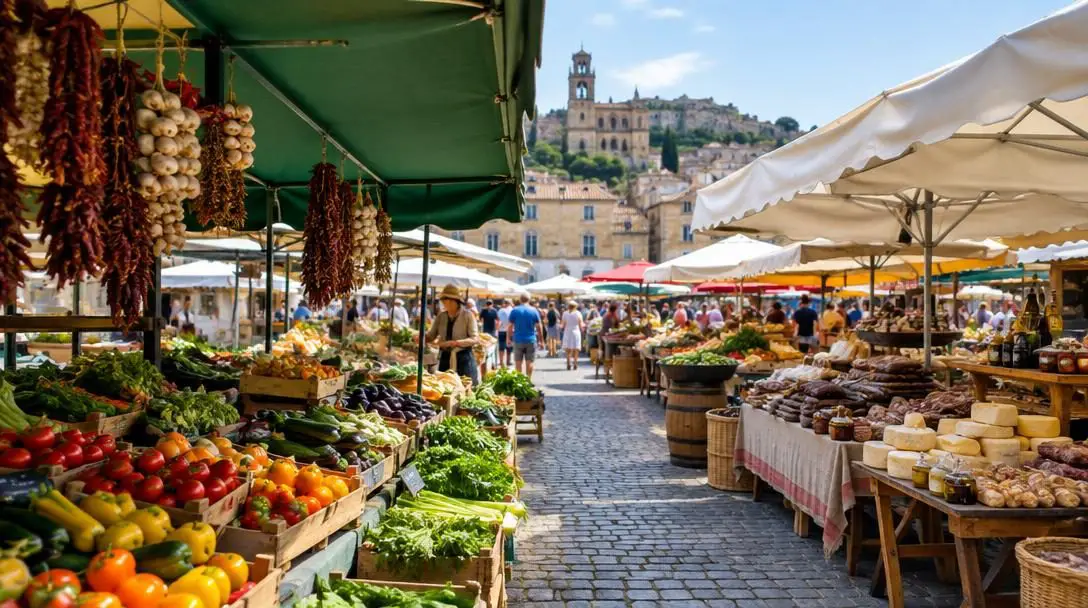
Dining introduces its own set of hidden expenses. While tipping is not customary in Italian dining establishments, sit-down meals come with built-in fees that catch international visitors by surprise. The most common addition is the coperto, a cover fee assessed simply for taking a seat at a table. While the coperto typically falls between 1 and 5 Euros per guest, it can climb up to 20 Euros per person because there is no statutory legal ceiling governing the charge. Additionally, sit-down venues routinely charge for tap water rather than serving it for free. Opting for casual takeaway foods, street vendors, or local grocery markets bypasses these supplemental restaurant fees entirely.
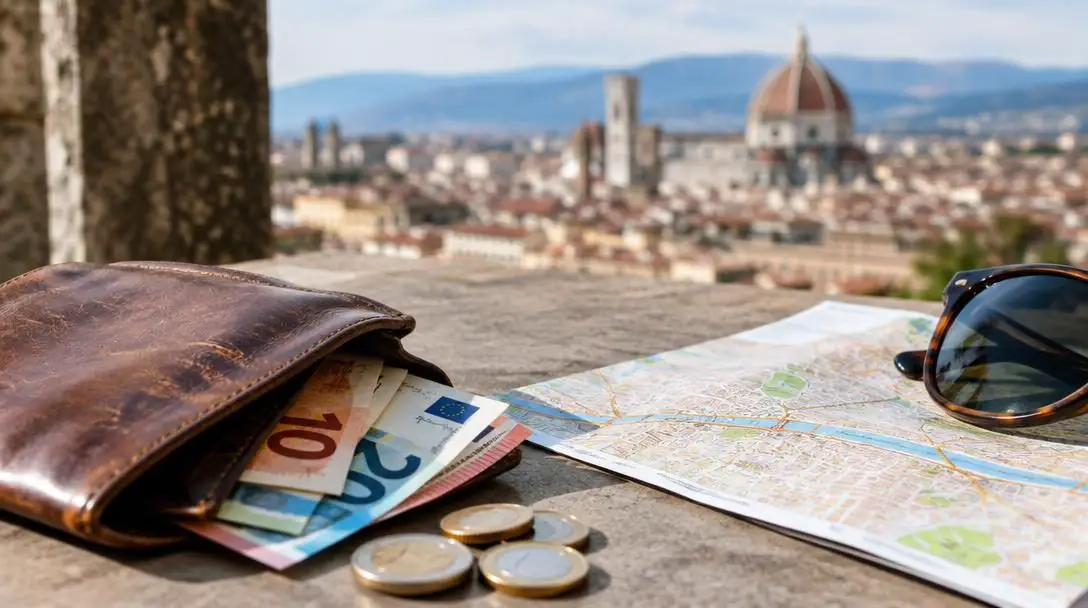
Mastering local pricing structures and utilizing public transit allows travelers to explore Italy affordably without sacrificing the journey's magic.
Five Essential Strategies for Budget Travel
Maximizing your purchasing power during an Italian holiday requires shifting from general frugality to deliberate, structured planning. By applying these five focused strategies, you can systematically drive down transit, lodging, sightseeing, and meal expenses across your entire itinerary.
Winter Travel Window
Choosing to visit Italy during January or February unlocks substantial savings across transatlantic flights, hotels, and vacation rentals. Because these months are free from major holiday travel rushes, tourism operators lower prices across the board to attract off-peak visitors. Despite being winter, the Mediterranean climate remains remarkably mild compared to many other regions of the world. Average daily high temperatures in January and February hover comfortably between 52 and 55 degrees Fahrenheit, while average nighttime lows drop to roughly 37 degrees Fahrenheit. Packing moderate winter layers allows you to explore open-air ruins, stroll historic piazzas, and walk historic city centers in comfort while keeping hundreds of dollars in your bank account.
Secondary Airport Connections
Direct, nonstop flights from the United States to Italy are geographically limited, departing exclusively from John F. Kennedy International Airport (JFK) in New York City, Newark Liberty International Airport (Newark) in New Jersey, and Hartsfield-Jackson Atlanta International Airport (Atlanta) in Georgia. Because these nonstop routes are scarce, airlines routinely charge premium fares for them. Savvy travelers can bypass these high ticket prices by booking itineraries with a single connector flight, routing into secondary entry hubs such as Milan or Bologna. Choosing connector routes into these northern hubs significantly reduces airfare expenses while dropping you directly into well-connected transit centers.
Targeted Rail Travel
Italy's rail network spans over 15,000 miles, connecting virtually every corner of the country directly to international airport terminals. Rather than defaulting to expensive private drivers, travelers can align their rail purchases with their specific itineraries. If your vacation plan involves flexible, frequent train travel across multiple consecutive days, investing in a dedicated Italy country pass through Eurail or InterRail offers unlimited rides over a set period without paying for an unnecessary multi-country European pass. Conversely, if your journey relies on a rigid schedule with only a handful of short transfers, purchasing individual point-to-point tickets is the most economical path, with simple regional legs available for less than 10 Euros.
Free Guided Walking Tours
Sightseeing expenses mount quickly when booking private excursions, yet wandering complex destinations like Rome or Venice unassisted often leads to disorientation, wasted time, and missed highlights. Booking free guided walking tours provides an ideal solution. Many of these tours are operated by local guides holding university degrees in Italian history and architecture, delivering deep cultural insights at no baseline cost. To maximize the experience and confirm you are joining a legitimate walking tour group, spend time learning foundational Italian phrases before leaving home, which will also help you follow your guide's directions and recommendations.
Small-Town Vacation Rentals
Securing accommodations in high-density hubs like Rome, Milan, Turin, or Naples guarantees high lodging costs and brings greater exposure to petty urban crime. A smarter budget strategy is to book apartments or vacation homes through Airbnb or VRBO in smaller, historic towns and villages. Picturesque destinations like Taormina, Brisighella, Sienna, and Alberobello offer stunning historical architecture, sweeping views, and rich cultural traditions at a fraction of big-city hotel prices. Staying in these peaceful communities keeps your accommodation expenses minimal while insulating you from the frantic pace and safety concerns of major tourist centers.
Comparing Italian Travel Approaches
Balancing convenience against total expenditure is key when building your daily schedule. The table below outlines how common travel choices compare across major cost categories.
| Expense Category | Conventional Tourist Approach | Budget-Optimized Strategy | Primary Financial Benefit |
|---|---|---|---|
| Flight Routing | Direct nonstops from JFK, Newark, or Atlanta | Connecting flights into Milan or Bologna | Avoids peak nonstop route premiums |
| Seasonality | Summer peak and holiday travel periods | Off-peak winter travel in January or February | Lower room rates and cheaper flight tickets |
| Ground Transit | Rental cars or all-Europe transit passes | Regional trains under 10 Euros or Italy rail pass | Eliminates rental fees and unnecessary border coverage |
| Accommodations | Hotels in Rome, Milan, Naples, or Turin | Apartment rentals in Sienna, Brisighella, or Alberobello | Cuts nightly lodging rates and avoids urban crime hubs |
| Table Dining | Sit-down meals paying coperto and bottled water | Takeaway street vendors and local grocery markets | Bypasses unregulated table fees of 1 to 20 Euros |
Step-by-Step Guide to Planning an Affordable Itinerary
Turning these practical concepts into an actionable vacation plan requires organizing your trip around cost-effective transit and lodging anchors. Follow this sequence to assemble your itinerary:
- Compare flight prices between limited nonstop options departing from Atlanta, Newark, or JFK and connector routes arriving at northern hubs like Milan or Bologna.
- Select your travel dates in January or February to capture off-peak seasonal discounts while enjoying mild 52 to 55-degree Fahrenheit daytime highs.
- Map your rail connections using the 15,000-mile domestic rail network, evaluating whether point-to-point regional tickets under 10 Euros or an Italy-specific Eurail or InterRail pass matches your route.
- Reserve vacation apartments through Airbnb or VRBO in smaller historic communities such as Taormina, Brisighella, Sienna, or Alberobello instead of major cities.
- Identify verified free walking tours led by local architecture or history graduates in your destination towns, and study essential Italian vocabulary to navigate tours and transit smoothly.
Frequent Budget Traps to Avoid
Even travelers committed to strict spending limits can encounter unexpected expenses if they overlook regional practices. Safeguard your vacation budget by steering clear of these common missteps:
- Insisting on nonstop direct flights out of JFK, Newark, or Atlanta instead of taking connector flights into cost-effective arrival hubs like Bologna or Milan.
- Purchasing an expensive all-Europe international Eurail or InterRail pass when your travels are confined strictly within Italy's borders.
- Overlooking simple regional train tickets that cost less than 10 Euros in favor of complex transit packages.
- Dining exclusively at sit-down establishments without accounting for table coperto fees, which can run anywhere from 1 to 5 Euros up to 20 Euros per diner.
- Paying repeatedly for bottled or tap water at sit-down restaurant tables instead of purchasing refreshments independently.
- Confining overnight stays to expensive, crowded metropolitan hubs like Rome, Milan, Naples, and Turin.
- Ignoring budget-friendly rental options in scenic towns such as Sienna, Taormina, Brisighella, and Alberobello.
- Wandering intricate historic districts without the structure of free walking tours led by knowledgeable local history or architecture graduates.
- Arriving in Italy without practicing foundational vocabulary, making it harder to communicate with local guides or identify verified walking services.
Frequently asked questions
What is the coperto fee in Italian restaurants?
The coperto is a per-person cover charge added to your bill simply for sitting down at a dining table. While it typically ranges between 1 and 5 Euros per guest, it can reach up to 20 Euros because there is no statutory legal ceiling governing how much a restaurant can charge. Tipping is not customary, but the coperto and separate charges for table water can quickly raise the cost of a sit-down meal.
Which U.S. airports offer nonstop flights to Italy?
Direct, nonstop flights from the United States to Italy depart exclusively from three airports: John F. Kennedy International Airport (JFK) in New York, Newark Liberty International Airport (Newark) in New Jersey, and Hartsfield-Jackson Atlanta International Airport (Atlanta) in Georgia. Travelers departing from other regions or looking for lower fares can often save money by choosing itineraries with a single connector flight landing in Milan or Bologna.
Is winter weather in Italy warm enough for sightseeing?
Yes. Italy's Mediterranean climate remains comparatively mild during the off-peak winter months of January and February. Average daytime high temperatures range between 52 and 55 degrees Fahrenheit, while average nighttime lows drop to around 37 degrees Fahrenheit. With moderate winter layers, travelers can comfortably tour open-air ruins, piazzas, and historic streets while avoiding summer crowds and high seasonal rates.
Should I buy an all-Europe rail pass or individual tickets?
If your travel takes place entirely within Italy, buying a broad multi-country European rail pass is an unnecessary expense. Instead, choose a dedicated single-country Italy pass from Eurail or InterRail if you plan extensive daily train journeys, or purchase individual point-to-point regional train tickets. Many regional rail routes connecting neighboring cities cost less than 10 Euros per trip.
Why is staying in smaller towns recommended over major cities?
Major metropolitan centers like Rome, Milan, Naples, and Turin face constant tourist demand, which keeps nightly accommodation rates exceptionally high and increases exposure to urban petty crime. In contrast, reserving vacation rentals in scenic, smaller destinations such as Sienna, Brisighella, Taormina, or Alberobello provides authentic cultural immersion, quieter surroundings, and significantly lower nightly lodging costs.
The bottom line
Exploring Italy does not require an immense travel budget or high-end luxury spending. By coordinating your arrivals through accessible regional hubs like Milan or Bologna, timing your journey during the mild winter months of January and February, and using the country's vast 15,000-mile rail network, you can travel efficiently across the peninsula. Swapping expensive hotel rooms in congested metropolitan centers for vacation rentals in scenic historic towns like Alberobello, Brisighella, Sienna, and Taormina stretches your lodging budget while keeping you away from big-city petty crime. Paired with free walking tours and street-side dining that avoids unpredictable restaurant coperto fees, these straightforward strategies ensure an enriching, authentic Italian journey that remains comfortably within your financial goals.