Learn To Cook Without Compromising On Taste And Nutrition
Preparing meals at home is widely recognized as one of the most valuable life skills a person can cultivate. Taking control of your own kitchen provides direct financial savings, supports long-term physical well-being, and introduces a rewarding creative ritual into everyday life. Despite these undeniable benefits, many people shy away from cooking, assuming that preparing wholesome dishes requires professional culinary skills, endless free hours, or exhausting physical effort.
A deeper hesitation often stems from the misconception that nutritious food is inherently bland and uninspiring, or that robust flavor requires unhealthy shortcuts. Relying on packaged convenience foods and restaurant takeout may offer a temporary solution, but it usually comes with a substantial financial markup and makes it difficult to track what goes into your body. Adopting the right kitchen fundamentals proves that nutrient density and exceptional flavor can coexist harmoniously without demanding hours over a hot stove.
Key takeaways
- Nutritious cooking relies on whole, minimally processed ingredients that preserve natural vitamins, minerals, fiber, and texture.
- Dynamic flavor comes from combining aromatics, fresh herbs, spices, and natural acids rather than relying on excess salt or sugar.
- Techniques like dry-heat roasting and quick stir-frying bring out natural sweetness and browning without complex culinary training.
- Dedicating a small window each week to plan menus, organize grocery lists, and prep ingredients eliminates weeknight cooking stress.
- Expanding your seasoning repertoire and maintaining basic kitchen tools ensures cooking remains an accessible, creative, and sustainable habit.
The Building Blocks of Flavor and Nutrition
Cooking wholesome food begins with understanding that nutrition and culinary taste are not opposing forces. Instead, they enhance one another when paired with the right techniques. At the core of healthy cooking are whole foods, including colorful vegetables, fresh fruits, lean proteins, and whole grains. These nutrient-dense ingredients supply essential dietary fiber, vitamins, and minerals that keep the body functioning optimally. Direct, uncomplicated cooking methods allow these whole staples to retain their vibrant natural colors, structural integrity, and inherent nutritional value.
Flavor is far more complex than simply masking food with refined sweeteners or table salt. A satisfying plate engages multiple taste receptors—sweet, sour, salty, bitter, and savory—alongside enticing aromatic scents. By utilizing natural seasoning elements and understanding how heat transforms raw ingredients, you can build remarkable depth in everyday dishes without compromising your health goals.
Nutrition and flavor are complementary elements that thrive together when whole foods are prepared with the proper balance of heat, aromatics, and acidity.
Aromatics
Pungent roots and bulbs such as minced garlic and freshly grated ginger form the foundation of countless flavorful dishes across the globe. When lightly sautéed in a pan or whisked into a marinade, these ingredients release potent volatile compounds that infuse the entire cooking base with rich, complex fragrance and deep savory flavor.
Acids
Acidic ingredients like fresh citrus juices and diverse vinegars provide a bright counterpoint to heavier flavors. Just like salt, acidity sharpens and elevates the natural flavors of vegetables, fish, and meats, but it does so while contributing a crisp, refreshing profile that cuts through rich ingredients effortlessly.
Herbs and Spices
Fresh and dried herbs, alongside whole and ground spices, are packed with aromatic compounds that deliver earthy warmth, zesty freshness, or fiery brightness. Incorporating fresh herbs like cilantro and basil into dishes allows you to elevate an entire plate without introducing unnecessary sodium.
Dry-Heat Methods
Dry-heat cooking techniques such as oven roasting and high-heat grilling expose food surfaces to intense, direct warmth. This thermal process caramelizes the natural sugars present in vegetables and creates an appetizing browned exterior on lean cuts of meat, producing robust flavor without requiring heavy sauces.
| Flavor Element | Primary Function | Key Ingredients | Best Kitchen Application |
|---|---|---|---|
| Aromatics | Establishes deep foundational fragrance | Fresh garlic, grated ginger | Sautéing in a pan base or infusing raw marinades |
| Acids | Brightens heavy notes and sharpens taste | Lemon juice, balsamic vinegar | Deglazing pans, finishing roasted trays, and dressing greens |
| Herbs and Spices | Supplies regional personality and complexity | Fresh basil, cilantro, dried spice blends | Stirring into pasta, tossing through salads, and coating meats |
| Dry-Heat Application | Caramelizes natural sugars and browns surfaces | High oven heat, hot grill grates | Sheet-pan vegetable trays and seared lean proteins |
Four Core Principles of Balanced Cooking
Cultivating an enjoyable, lasting habit in the kitchen does not require culinary school credentials. It relies instead on four practical strategies that transform everyday cooking from a burdensome chore into an empowering routine.
Starting Simple
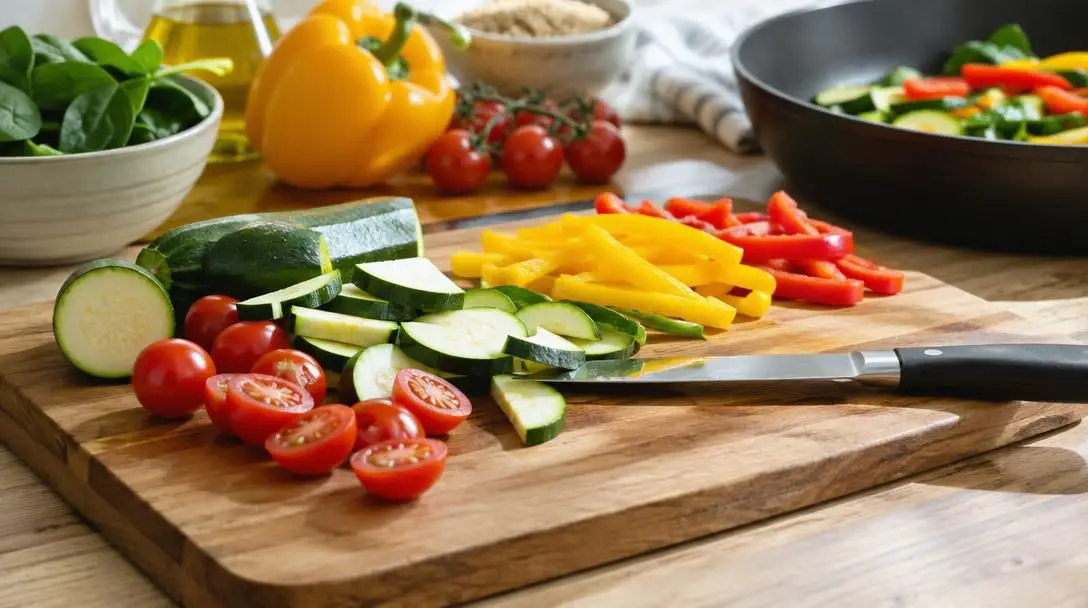
The fastest way to experience burnout in the kitchen is attempting overly intricate recipes that demand dozens of unfamiliar ingredients and multistep procedures. Beginners achieve the greatest consistency by leaning on straightforward dishes with brief ingredient lists. Quick vegetable sautés, light salads, basic egg preparations, and sheet-pan roasted vegetables provide dependable, nutrient-packed nutrition on busy weeknights.
Building Flavor Thoughtfully
Healthy food earns an unfair reputation for blandness when home cooks simply omit fats, salt, and sugars without replacing them with dynamic seasonings. Instead of leaving a dish unseasoned, construct thoughtful flavor layers using freshly chopped herbs, warm dried spices, aromatic garlic, and sharp vinegars. A splash of lemon juice over roasted florets or a fistful of torn basil folded into warm grains transforms an ordinary dish into an extraordinary one.
Planning Ahead
Indecision and chaotic evenings are the primary reasons home cooks abandon their good intentions and turn to takeout. Dedicating twenty minutes at the start of the week to map out your dinners creates structure and peace of mind. A planned menu translates directly into a precise shopping list, ensuring that your pantry contains everything you need when it is time to cook.
Embracing Kitchen Creativity
Cooking remains sustainable when it feels like an arena of personal curiosity rather than a repetitive domestic obligation. Trying an unfamiliar vegetable, testing a new spice combination, browsing through print cookbooks at the local library, or exploring online cooking channels keeps your culinary repertoire expanding and your palate engaged.
Five Accessible Dishes to Master First
If you are looking for dishes that deliver maximum nutritional value with minimal technical friction, these five foundational preparations serve as the ideal starting point.
Roasted Vegetables
Sheet-pan roasting transforms humble root vegetables, cruciferous florets, and peppers into sweet, caramelized delights. Tossing chopped produce in a light film of cooking oil and spreading the pieces across a spacious baking sheet allows the high heat to evaporate surface moisture and brown the edges. A finishing splash of rich balsamic vinegar or tart lemon juice cuts through the roasted sweetness and provides remarkable balance.
Quick Stir-Fries
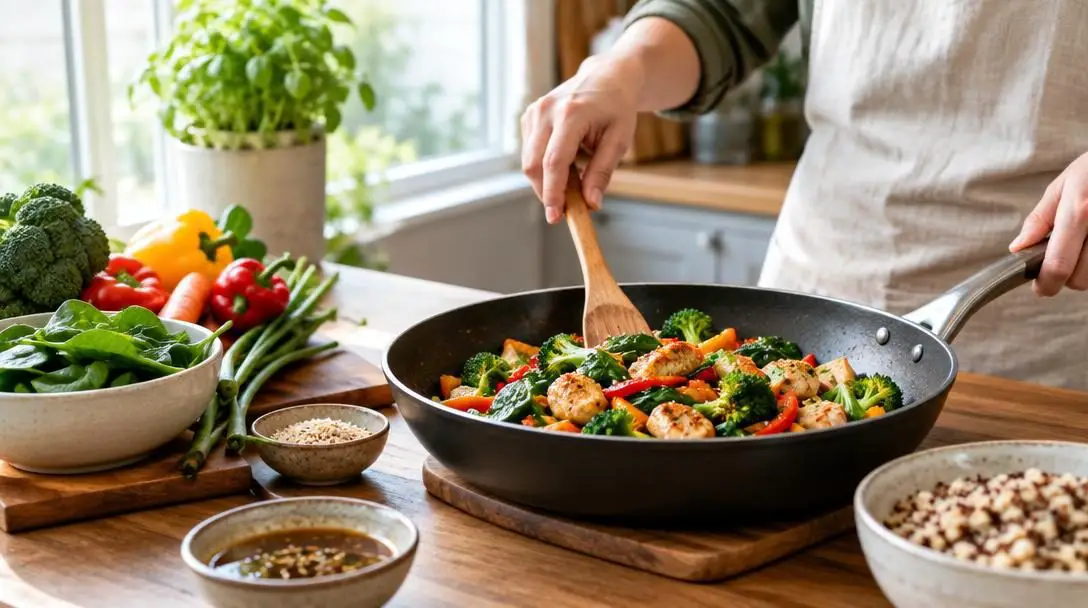
Stir-frying relies on high heat and rapid movement in a hot skillet. By rapidly tossing crisp vegetables alongside thinly sliced lean proteins, you preserve the crunchy texture, bright natural color, and heat-sensitive nutrients of your ingredients. Sautéing minced garlic and fresh ginger in the pan right before adding your vegetables yields an unforgettable aromatic base.
Crisp Composed Salads
Far from a punishment, a well-constructed salad can serve as a robust, nutrient-dense meal. Incorporating contrasting textures—such as crisp raw greens, crunchy seeds, and tender cooked grains—keeps every bite interesting. Folding in soft, fragrant herbs like basil or cilantro adds an immediate punch of freshness that store-bought bottled dressings cannot replicate.
Herb-Infused Omelets
Eggs represent one of the fastest, most economical sources of complete protein available. Whisking fresh eggs with a pinch of black pepper and generous handfuls of chopped fresh herbs creates an elegant meal in under ten minutes. Gently cooking the eggs in a warm pan until set yields a tender, protein-packed breakfast, lunch, or light dinner.
Grilled Lean Proteins
Poultry and fish cook rapidly over medium-high direct heat, developing a savory outer sear while locking in internal juices. Relying on simple citrus marinades, cracked pepper, garlic, and fresh herbs infuses skinless chicken breasts or tender fish fillets with deep flavor without adding unnecessary sodium or heavy creams.
A Step-by-Step Blueprint for an Effortless Kitchen Routine
Transforming your culinary intentions into an automatic, stress-free habit requires a structured sequence of actions. Follow these practical steps to streamline your weekly cooking workflow:
- Review your calendar and select simple recipes: Check your upcoming commitments for the week ahead and choose two or three accessible recipes featuring whole foods, such as an herb omelet, a quick stir-fry, or a batch of grilled chicken with roasted vegetables.
- Build a targeted grocery list: Cross-reference your selected recipes with your pantry. Write down the precise produce, lean proteins, and grains required, making sure to include essential flavor builders like fresh garlic, ginger, lemons, vinegars, and fresh herbs.
- Execute strategic ingredient prep: Once home from the grocery store, wash and chop hardy vegetables like carrots, broccoli, and onions. Mix marinades and store your prepped components in clear, airtight containers so they are immediately accessible on weeknights.
- Apply fundamental cooking techniques: Cook your ingredients using high-heat dry roasting, rapid pan stir-frying, or gentle egg cookery, taking care to monitor heat levels and cook times to keep textures crisp and proteins tender.
- Taste and adjust before serving: Remove the pan from the heat and take a thoughtful bite. If the flavors feel muted, add a bright splash of fresh lemon juice, a dash of vinegar, or a final shower of minced herbs to enliven the entire dish.
Common Cooking Mistakes That Undermine Health and Taste
Even the most enthusiastic home cooks encounter moments of frustration. Recognizing and avoiding these frequent pitfalls will preserve both the flavor of your meals and your enthusiasm for cooking:
- Overcomplicating menus too early: Taking on recipes that demand extensive prep work, exotic ingredients, and technical precision produces kitchen fatigue. Build confidence by mastering two- and three-step meals first.
- Overcooking vegetables and lean proteins: Leaving vegetables on the heat for too long destroys their crisp bite, dulls their bright color, and diminishes their nutritional profile. Similarly, overcooking lean fish and poultry dries out the meat, leaving it chewy and unpalatable.
- Relying exclusively on salt and sugar: Turning to heavy dashes of salt or sweet bottled sauces masks the authentic character of fresh ingredients. Broaden your flavor profile by leaning into fragrant garlic, ginger, cracked spices, and tangy acids.
- Piling too much food onto the pan: When food is packed too tightly onto a baking tray or skillet, released moisture cannot escape. Instead of caramelizing and developing a delicious crust, the food steams in its own juices, turning soggy and pale.
- Shopping without a predetermined plan: Wandering through grocery aisles without a list leads to impulsive purchases of ingredients that do not combine into cohesive meals, resulting in food waste and premature takeout orders.
Equipping and Expanding Your Culinary Practice
As preparing healthy, delicious food becomes second nature, you can gradually broaden your skills and streamline your kitchen workflow. You do not need an arsenal of expensive kitchen gadgets to cook exceptional food. In fact, maintaining a small collection of high-quality essentials makes a substantial difference in everyday efficiency:
- A sharp chef's knife: A single sharp, well-maintained chef's knife cuts through dense root vegetables, herbs, and proteins cleanly and safely, turning prep work into a swift, pleasant task.
- Sturdy cutting boards: Having ample board space prevents ingredients from tumbling onto countertops and keeps raw and ready-to-eat foods cleanly separated.
- Dependable heavy sheet pans: Heavy-gauge rimmed baking sheets conduct heat evenly, ensuring vegetables caramelize consistently without warping under high oven temperatures.
Once your workspace is organized, seek continuous inspiration by exploring global culinary traditions. Different cultures have spent centuries perfecting the art of pairing aromatics, herbs, and acids with economical whole foods. Investigate how Mediterranean kitchens utilize garlic, lemon, and fresh herbs, or how East Asian cooking balances pungent ginger with quick, high-heat stir-frying. Visiting your local public library to browse diverse regional cookbooks is an outstanding, cost-free way to spark your culinary creativity.
Frequently asked questions
How can I make healthy food taste good without adding lots of salt?
You can create deep, satisfying flavor by utilizing natural acids, such as fresh lemon juice and vinegars, along with aromatics like garlic and ginger. Acidity enhances the natural savoriness of vegetables and proteins in the same way sodium does, while fresh and dried herbs add complex aroma without increasing sodium levels.
What are the easiest meals for a beginner cook to prepare?
The simplest starting points include sheet-pan roasted vegetables, quick vegetable and lean protein stir-fries, crisp salads topped with whole grains, and fresh herb omelets. These dishes feature short ingredient lists, cook quickly, and require basic techniques rather than complicated culinary steps.
Why do my roasted vegetables turn out soggy instead of crisp?
Soggy roasted vegetables are almost always the result of pan crowding. When vegetables are packed too closely together, escaping moisture cannot evaporate freely, causing the pieces to steam rather than roast. Spread your vegetables in a single layer with ample space between them on a heavy baking sheet.
How does advance meal planning save time during the week?
Planning meals ahead removes evening decision fatigue and prevents aimless grocery trips. By mapping out dinners in advance, you can purchase exactly what you need and complete basic prep tasks—such as chopping hardy produce and marinating proteins—ahead of time, reducing active weeknight cooking to minutes.
Do I need expensive cookware to cook nutritious meals at home?
No, elaborate equipment is completely unnecessary. A single dependable, sharp chef's knife, a sturdy cutting board, and a couple of heavy-duty rimmed baking sheets are sufficient to prepare virtually all foundational whole-food recipes safely and efficiently.
The bottom line
Cooking at home without sacrificing flavor or nutrition is not an exclusive talent reserved for trained chefs. By shifting your focus toward vibrant whole foods, unlocking the natural power of aromatics, herbs, and citrus, and maintaining a straightforward weekly routine, you can consistently produce nourishing meals that you genuinely look forward to eating. Start with simple recipes, embrace the creative process, and enjoy the lifelong health and financial benefits of running your own kitchen.