Life Hacks for a Happier Commute: 5 Tips for Transforming Your Daily Travel

For millions of people, commuting is an unavoidable anchor in the daily schedule. Whether navigating gridlocked highways behind the wheel, waiting on chilly platforms for regional transit, crowding into subway cars, or pedaling through bustling urban bike corridors, the journey between home and work frequently sets a tense, exhausting tone for the entire day. Unpredictable transit delays, route closures, and the relentless pressure of strict arrival schedules combine to turn ordinary travel into an emotional ordeal.
Daily transit does not have to function as dead time or an exercise in endurance. Because commuting occupies the critical boundary between personal life and professional obligations, transforming this window into an intentional, supportive ritual can actively protect your mental well-being. By applying practical life hacks to your everyday travel, you can reduce cognitive friction, reclaim lost hours, and turn your daily trip into a restorative part of your routine.
Key takeaways
- Designing a soothing sensory environment inside your vehicle or transit seat buffers against outside noise and stress.
- Grounding exercises and intentional mindfulness interrupt anxious rumination over schedules and upcoming obligations.
- Proactive route monitoring and structured packing eliminate unnecessary cognitive friction before you step out the door.
- Balancing curated entertainment with light social interaction reframes the daily commute into an enjoyable, rewarding experience.
Five Core Life Hacks for an Improved Commute
Making meaningful changes to your transit experience does not require radical disruptions to your schedule. Instead, it relies on managing your personal environment and mental approach. By focusing on intentional habits, you can take control of the variables within your reach across five key areas.
Create a Relaxing Environment
Transit corridors are inherently loud, bright, and overstimulating. Creating a pocket of calm begins with securing your fundamental physical needs before addressing comfort. Start by making sure you always have your essential necessities readily accessible, including a reusable water bottle, nourishing snacks, and necessary work gear.
Once your basic needs are met, introduce elements that invite relaxation and soften harsh environments. If you commute via regional train or bus, keeping a lightweight, cozy blanket or an extra layer helps mitigate aggressive air conditioning and drafty train cars. If you operate personal space—such as driving your own vehicle—you can enhance your physical surroundings with soothing audio tracks and calming aromatherapy, such as utilizing essential oils or a portable vent diffuser to create a serene cabin environment.
Incorporate Mindfulness Practices
Mindfulness centers on maintaining nonjudgmental awareness of the present moment. Commuters often spend their travel time trapped in cycles of anticipation—dreading an upcoming morning presentation or replaying an afternoon meeting. Integrating mindful practices helps break these cycles, lowering anxiety and supporting emotional stability.
You can weave mindfulness into transit through straightforward techniques that fit your mode of travel. Practice slow, focused diaphragmatic breathing exercises while stopped at red lights or riding the train. You can also ground yourself by systematically tuning into your physical senses—noticing the vibrations of the train floor, the tactile feel of the steering wheel, or the shifting skyline outside the window. Additionally, adopting a gratitude practice by mentally reflecting on specific things you appreciate sets a balanced, optimistic perspective before the workday begins.
Plan Ahead and Stay Organized
Much of transit-related anxiety stems from disorganization and the panic of running behind schedule. Implementing an orderly system for your everyday carry items saves valuable minutes and eliminates the mental fatigue of rummaging for misplaced keys, badges, or transit cards.
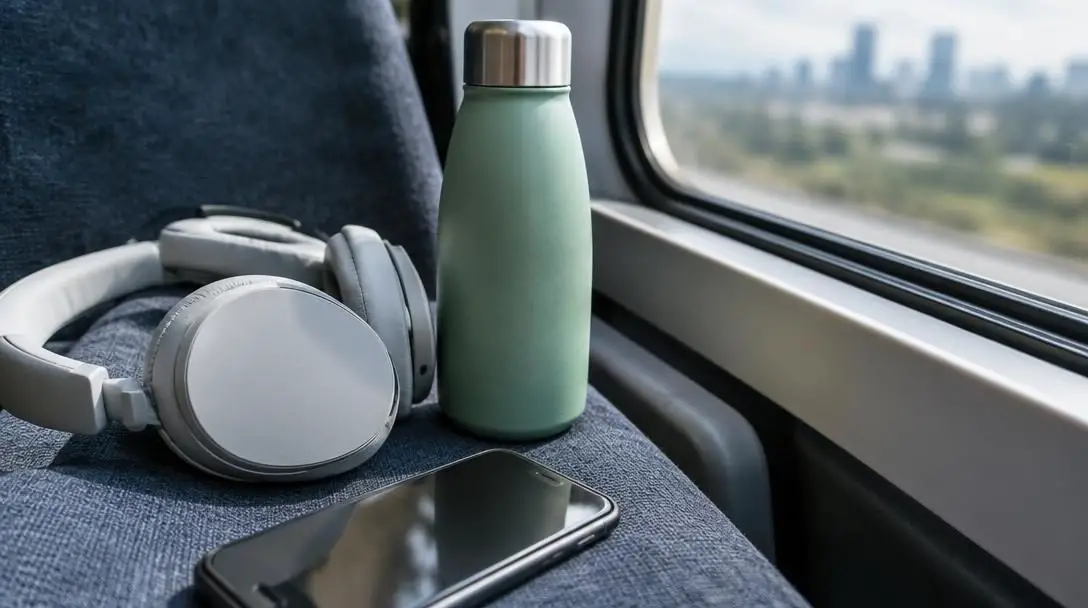
Organize your belongings into dedicated compartments or specialized gear pouches so everything has an assigned place. Pair physical organization with proactive travel planning: review your route on navigation tools prior to departure to identify traffic bottlenecks, track maintenance, or sudden bus reroutes. Drivers can explore carpooling arrangements or alternate highway routes, while transit riders can identify backup rail lines before disruptions derail their morning.
Find Ways to Stay Entertained
Engaging entertainment prevents boredom and makes long stretches of transit pass noticeably faster. Audio entertainment serves as one of the most versatile tools available to commuters, as podcasts, curated music playlists, and audiobooks adapt seamlessly to driving, cycling, walking, or riding public transit.
If your transit mode leaves your hands free, take advantage of the quiet, uninterrupted time. You can read physical books, play puzzles or games on your mobile phone, or dedicate the travel window to personal side projects, journaling, or organizing your personal calendar. When you connect travel time to activities you genuinely enjoy, transit shifts from an idle obligation into a personal indulgence.
Engage with Others
Solo commuting can feel isolating, reinforcing a sense of solitary drudgery day after day. Commuter routes offer organic opportunities for positive social interaction, which boosts mood and fosters a sense of shared community.
Consider starting a friendly, low-pressure conversation with regular passengers sharing your platform or bus stop. If you commute by bicycle or automobile, seek out local carpool networks or group bike commutes that travel along your path. Even if in-person dialogue is inconvenient or impractical, participating in online transit forums and community travel channels provides mutual support, shared updates, and camaraderie with fellow travelers tackling the identical route.
How Mental and Physical Strategies Reshape the Commute
The success of these life hacks relies on cognitive reframing and controlling the immediate variables within your personal space. While individual commuters cannot dictate highway volume, weather events, or signal failures, you maintain total control over your physical gear and internal response.
Transforming your travel experience relies on shifting your mindset and controlling the variables within your reach.
Soothing environments function by dampening chronic sensory overload. Screeching rails, blaring horns, and flickering fluorescent lights keep the human nervous system in an elevated state of alert. Introducing calming scents, tactile comforts, and ambient audio establishes a reliable barrier against chaotic surroundings.

Similarly, mental grounding exercises interrupt catastrophic thinking. Focusing on physical breath counts or deliberate sensory observations prevents minor schedule setbacks from turning into acute distress. Structured organization also decreases executive function strain, freeing mental clarity for your actual work rather than wasting it on transit logistics.
| Transit Mode | Primary Sensory Stressor | Recommended Comfort Strategy | Ideal Engagement Focus |
|---|---|---|---|
| Personal Vehicle | Gridlock traffic and horn noise | Aromatherapy diffuser and vent clips | Audiobooks and long-form podcasts |
| Subway & Light Rail | Crowding and artificial lighting | Noise-softening audio and extra layers | E-readers, mobile games, and physical books |
| Regional Commuter Bus | Variable cabin temperatures and sudden stops | Lightweight travel blanket and ergonomic support | Task planning, journaling, or restful music |
| Biking & Walking | Adverse weather and physical fatigue | Breathable clothing and streamlined backpacks | Curated playlists and commuter group networks |
How to Build Your New Commuting Routine Step-by-Step
Reinventing your travel habits works best when applied systematically rather than attempting every strategy simultaneously. Follow these sequential steps to assemble a customized commute that supports your lifestyle.
- Audit your daily essentials: Empty your commuter bag completely on a flat surface. Sort out unnecessary receipts and loose clutter, retaining only true essentials like hydration, nutritious snacks, and key work items organized within dedicated pouches.
- Curate your media library in advance: Download audiobooks, podcasts, and offline playlists over home Wi-Fi the evening before travel. Pre-loading media prevents irritating stream dropouts when passing through cellular dead zones or underground subway tunnels.
- Assemble a transport-specific comfort kit: Equip your travel setup with mode-appropriate items. Install an essential oil clip onto your car's air conditioning vents, or tuck a compact wrap or sweater into your backpack to manage unpredictable public transit heating and cooling.
- Establish a proactive route-monitoring routine: Consult your preferred navigation application several minutes before leaving home. Checking real-time travel reports enables you to make calm, measured route adjustments rather than reacting with panic to sudden traffic jams.
- Select your default mindfulness anchor: Identify one concrete mindfulness technique to test during your commute. Choose between deep breathing patterns during red lights, naming five distinct objects outside your train window, or writing a brief mental list of things you appreciate.
- Explore shared transportation options: Reach out to coworkers, neighbors, or regional transit clubs to investigate potential rideshares or group cycling opportunities, or make a habit of offering a cordial greeting to familiar faces along your daily route.
Commuter Pitfalls: Common Mistakes to Avoid
When striving to optimize daily travel, commuters often adopt well-intentioned habits that accidentally generate higher stress. Sidestepping these common traps will help keep your travel pleasant, realistic, and sustainable over the long term.
- Overloading your travel schedule: Attempting to turn every second of transit into high-intensity work hours can trigger rapid burnout. While answering emails or reviewing documents on the train seems productive, neglecting rest leaves you arriving at your office mentally depleted before your shift even begins.
- Failing to prepare the night before: Scrambling in the morning to locate transit passes, pack lunches, or find work files produces immediate panic. Prepping your bags and verifying keys and passes the evening prior preserves calm during departure.
- Allowing unavoidable delays to dictate your mood: Transit delays represent an unavoidable reality of modern infrastructure. Becoming visibly agitated over stalled traffic or delayed rail lines burns emotional energy without moving you any faster; use these pauses as unexpected opportunities to read or practice deep breathing.
- Relying on chaotic, unstructured bags: Dumping belongings loosely into a single large backpack pocket creates daily frustration. Searching through cluttered bags at ticket turnstiles, toll booths, or security checks adds needless micro-stresses to your trip.
- Isolating yourself entirely from your surroundings: While personal quiet is valuable, absolute disconnection can make regular travel feel desolate. Shutting out all human connection deprives you of the mood-lifting benefits of casual community greetings and shared mutual support.
Adapting Your Travel Habits Across Changing Seasons and Routines
Commuting strategies should remain flexible as life circumstances shift. A travel routine that works smoothly during temperate autumn months may break down under harsh winter weather, icy roadways, or transit service cutbacks. Similarly, changing employers, moving to a different neighborhood, or transitioning between rail travel and driving creates brand-new logistical needs.
Set aside time at the end of each week to assess how your travel felt. Consider which practices brought genuine calm and which added friction. You might realize that switching from fast-paced news podcasts to fiction audiobooks relieves driving tension, or that swapping a bulky tote for an organized backpack makes train boarding smoother. Treating your daily commute as an evolving practice allows you to refine your habits, preserve your well-being, and protect your peace of mind.
Frequently asked questions
Can I practice mindfulness while driving a car?
Yes. Mindfulness does not mean closing your eyes or zoning out; it focuses on alert, nonjudgmental presence. While driving, you can anchor yourself by focusing on your breathing pattern while stopped safely at red lights, noticing the physical grip of your hands on the steering wheel, or taking deliberate mental note of surrounding scenery without frustration.
How can I stay entertained without draining my mobile data plan?
Download your chosen entertainment media—such as podcast episodes, audiobook chapters, or offline music playlists—over your home Wi-Fi network before departing. Pre-loading content conserves cellular data and ensures uninterrupted playback through transit dead zones and tunnels.
Is it productive to complete work tasks during my daily commute?
Working during public transit can be beneficial if done in moderation, but turning your journey into a second office can accelerate burnout. It is best to balance light administrative tasks with restorative activities like reading or listening to relaxing music, ensuring you do not arrive at work already fatigued.
What should I do if unexpected transit delays make me anxious?
Recognize that external infrastructure delays are beyond your control, but your internal response is not. Instead of monitoring the clock with dread, reframe the delay as unexpected personal time to finish an audiobook chapter, practice diaphragmatic breathing, or focus on a grounding gratitude exercise.
The bottom line
Your daily commute does not have to remain a dreaded chore that saps your vitality. By treating your travel time as an intentional buffer between your home and work responsibilities, you can fundamentally alter how you experience the start and end of every day. Whether through sensory comfort items, mindful breathing, organized packing, or engaging audiobooks, small habit adjustments produce profound improvements in your daily peace of mind.