Planning a Trip to Montreal? Here’s What You Need to Know
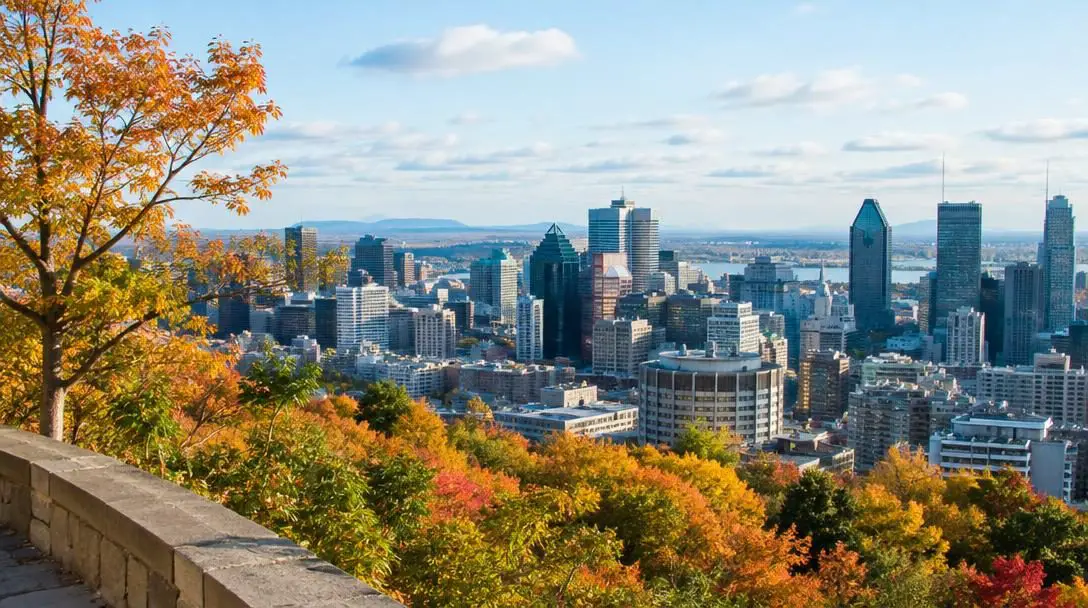
Montreal stands out as one of North America's most captivating urban destinations, offering an alluring combination of historic European character and contemporary metropolitan vitality. As Quebec’s largest metropolis, the city invites visitors to explore centuries-old cobblestone lanes, wander through expansive green spaces, and immerse themselves in a world-renowned dining and cultural landscape.
Because the city brings together deep-rooted heritage and modern urban living, a thoughtful approach to planning makes all the difference. Familiarizing yourself with the city's bilingual etiquette, dramatic seasonal climate swings, efficient transit lines, and iconic culinary institutions ensures an engaging, effortless stay from the moment you arrive.
Key takeaways
- Montreal is a fully bilingual city where learning basic French courtesies like "Bonjour" and "Merci" is both polite and warmly received.
- The city undergoes intense seasonal shifts, ranging from sub-zero, snowy winters to warm, humid summers with sudden thunderstorms.
- Public transit is straightforward and reliable, allowing riders to navigate both the underground metro and bus network using tickets or direct credit card taps.
- Classic food landmarks like Schwartz’s Deli, St-Viateur Bagel Shop, and local poutineries provide an essential taste of the city's living culture.
Language, Etiquette, and Cultural Norms
Montreal possesses a vibrant dual identity rooted in French and English traditions. French serves as the official language of the province of Quebec, yet everyday interactions throughout Montreal seamlessly flow between both tongues. Shopkeepers, hotel staff, and restaurant servers across central neighborhoods routinely transition from French to English and back again depending on whom they are addressing.
While an English-speaking visitor will encounter few communication barriers, relying purely on English without greeting locals in French is considered a missed courtesy. Making a conscious effort to open conversations in French shows genuine respect for Quebec's heritage and community customs. Even if a local responds immediately in English after noticing your accent, starting the exchange with a friendly local greeting creates an immediate rapport.
Every traveler should keep three fundamental phrases at hand during daily outings:
- "Bonjour" (Hello): The standard polite greeting used throughout daylight hours when entering a shop, restaurant, or transit area.
- "Merci" (Thank you): The universal expression of gratitude appropriate for any dining, retail, or service situation.
- "Au revoir" (Goodbye): The courteous sign-off used when leaving an establishment, taxi, or social conversation.
Making an effort to open a conversation in the local tongue demonstrates respect for the local culture and will help you navigate the city with ease.
Understanding Montreal's Four Distinct Seasons
Because the temperature variation between winter and summer in Montreal is dramatic, your travel dates dictate almost every aspect of how you pack and plan daily outings. The city transforms entirely from one season to the next, offering completely different outdoor atmospheres and practical challenges throughout the year.
| Season | Weather & Conditions | Recommended Wardrobe | Atmosphere & Activities |
|---|---|---|---|
| Winter | Extremely cold, sub-zero freezing temperatures, frequent snow and ice | Heavy insulated winter coat, warm hat, insulated gloves, sturdy winter boots | Crisp snowy streets, brisk park walks, quiet urban winter scenery |
| Spring | Mild, shifting temperatures, damp breezes, and regular rain showers | Waterproof jacket, compact umbrella, versatile layered clothing | Transitional greening, quiet museums, lively indoor markets |
| Summer | Warm, humid weather with occasional sudden thunderstorms | Lightweight clothing, breathable footwear, light rain protection | Bustling sidewalk patios, outdoor park gatherings, long bright evenings |
| Fall | Crisp, unpredictable weather cooling steadily with intermittent rain | Medium jackets, sweaters, weather-resistant walking shoes | Vibrant autumn foliage across parks, pleasant walking conditions |
Winters in Montreal can be severe, with temperatures regularly dropping far below the freezing mark. Packing for this time of year requires substantial preparation: cold pavement and slick walkways necessitate sturdy winter boots, while heavy coats, thermal hats, and insulated gloves are non-negotiable items for staying outdoors for more than a few minutes.
In contrast, summers are warm and humid, pulling residents and travelers into public squares, city parks, and sidewalk patios. Even so, the summer humidity frequently fuels sudden, heavy thunderstorms, meaning an umbrella or light rain shell should remain within reach during afternoon excursions. The shoulder seasons of spring and fall present milder, highly volatile conditions where skies shift between bright sunshine and chilly rain showers in a matter of hours.
How Public Transportation Works
Montreal boasts a clean, safe, and exceptionally efficient public transit network operated by underground metro trains and comprehensive surface bus routes. Thanks to this integrated transit system, visitors rarely need to navigate urban car rentals or complex parking regulations to reach major sights.
The underground metro forms the backbone of travel between diverse neighborhoods, shielding commuters from surface traffic and winter cold. Bus routes cleanly intersect metro hubs, extending access across residential and commercial sectors beyond train platforms. Riders can acquire fare cards directly at automated station machines or staffed ticket booths. In addition, riders can tap a credit card directly at metro turnstiles for immediate, frictionless station entry without buying paper transit passes in advance.
Iconic Food and Neighborhood Specialties
Montreal's culinary reputation is celebrated around the globe, forged by French heritage, Quebecois tradition, and vibrant diaspora communities. The quintessential comfort dish is poutine, a rich harmony of hot french fries and squeaky cheese curds drenched in savory brown gravy, available everywhere from basic casual counters to upscale dining rooms. Beyond poutine, three historic establishments anchor the city's food culture.
Schwartz’s Deli
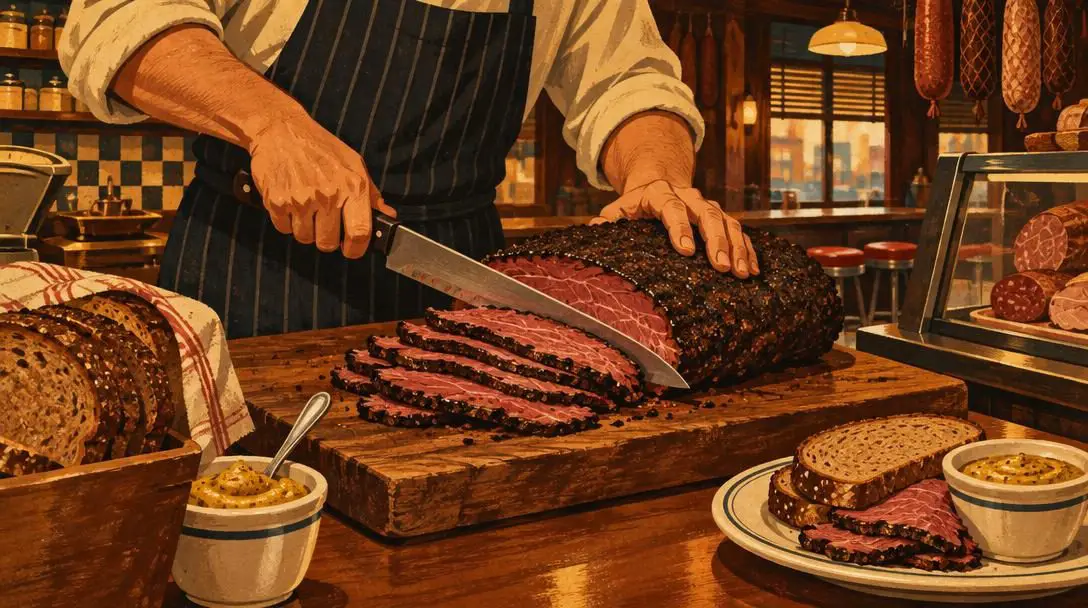
- Signature Dish: Montreal-style smoked meat sandwich
- Key Ingredients: Spiced cured beef brisket, yellow mustard, rye bread
- Preparation Style: Smoked, steamed, and thinly hand-sliced
Schwartz’s Deli stands as a world-famous culinary institution devoted to Montreal-style smoked meat. The process involves curing beef brisket in an aromatic blend of savory spices, slowly smoking it, and steaming it until exceptionally tender. Each sandwich is hand-sliced to order while hot, piled generously between soft slices of rye bread, and finished with a smear of yellow mustard.
St-Viateur Bagel Shop
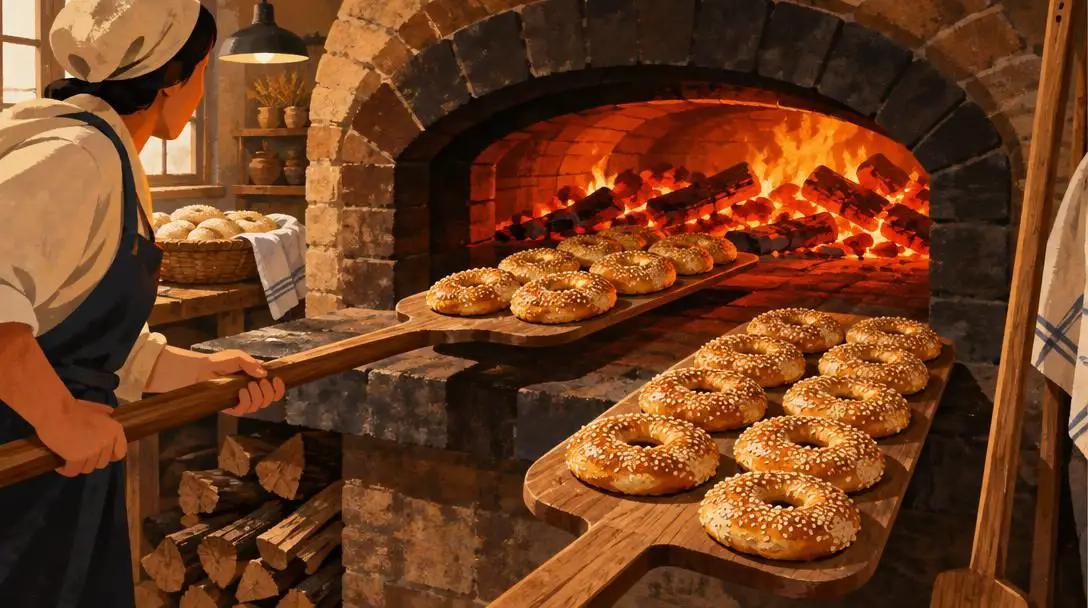
- Signature Dish: Montreal-style wood-fired bagels
- Baking Method: Hand-rolled, boiled, and baked in wood-fired ovens
- Popular Coatings: Sesame seeds and poppy seeds
Unlike standard commercial bagels, authentic Montreal bagels are distinctly smaller, denser, and subtly sweet. St-Viateur Bagel Shop is legendary for baking these treats around the clock in roaring wood-fired ovens. Freshly pulled batches emerge crisp on the exterior and chewy inside, heavily encrusted with either toasted sesame seeds or dark poppy seeds.
Maison Christian Faure
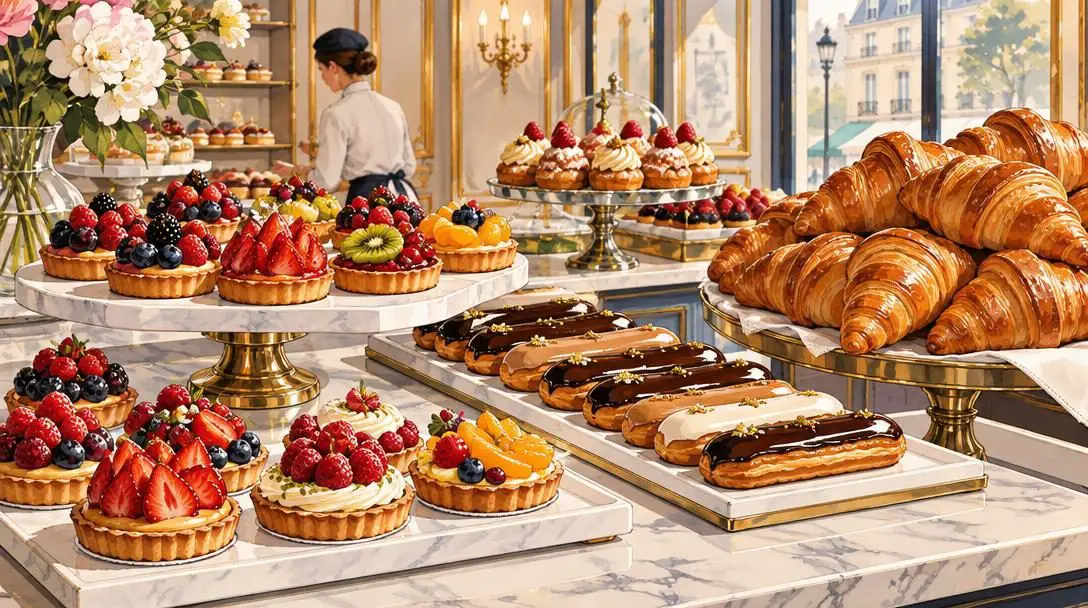
- Culinary Focus: Traditional French pastry and patisserie
- Specialties: Flaky butter croissants, tarts, and delicate desserts
- Setting: Historic patisserie atmosphere
Showcasing the city's enduring connection to classic French culinary technique, Maison Christian Faure represents the pinnacle of artisanal pastry work. Visitors stop in for delicately laminated, flaky croissants, exquisite fruit tarts, and refined plated desserts created in accordance with historic French patisserie standards.
Key Attractions and Historic Landmarks
Montreal’s urban landscape alternates between dramatic historic architecture, vibrant urban commercial districts, and expansive green parklands situated along the Saint Lawrence River.
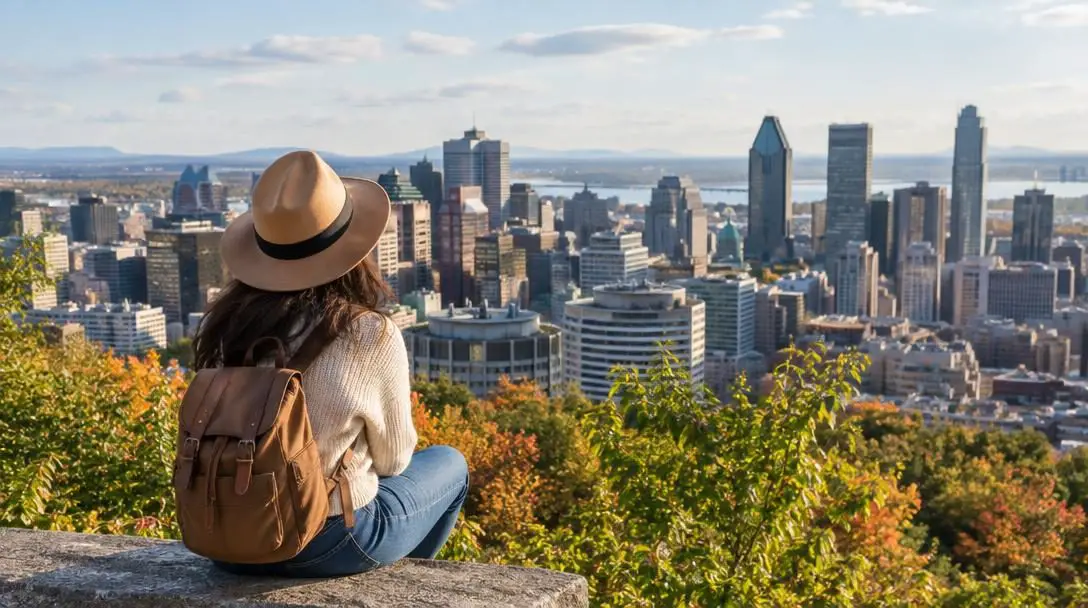
Mount Royal Park
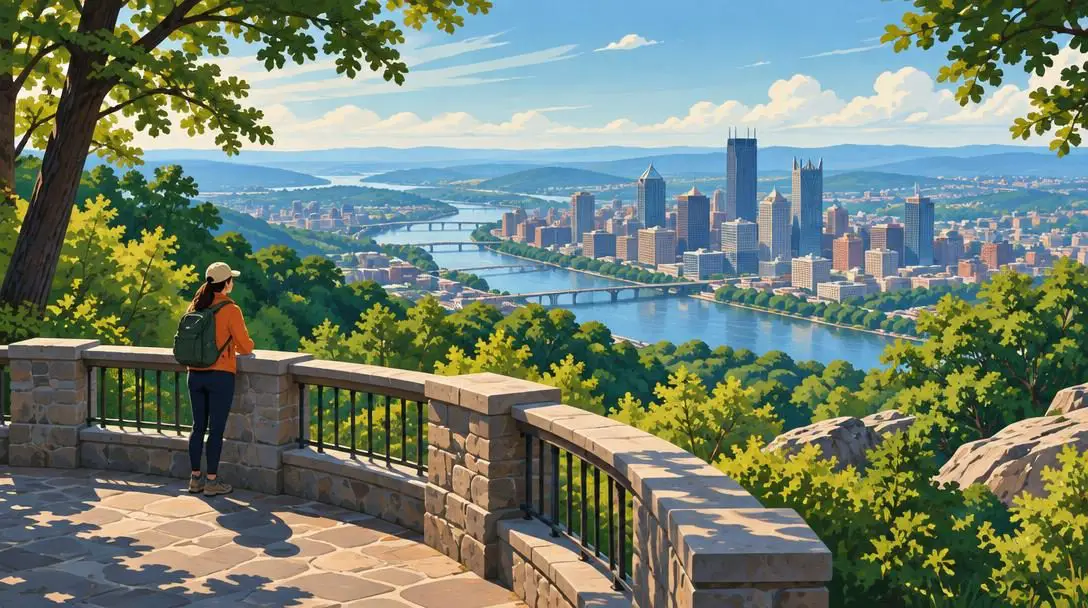
- Park Type: Sprawling urban green space and mountain summit
- Key Features: Winding walking paths, open meadows, scenic lookouts
- Viewpoints: Panoramic views of downtown and the river basin
Centering around the prominent hill that gives the city its name, Mount Royal Park provides an open natural retreat above the urban grid. Designed with extensive walking paths, broad lawns, and forested trails, the park leads visitors up to prominent scenic overlooks that deliver unmatched panoramic views of downtown skyscrapers and the Saint Lawrence River basin.
Notre Dame Basilica
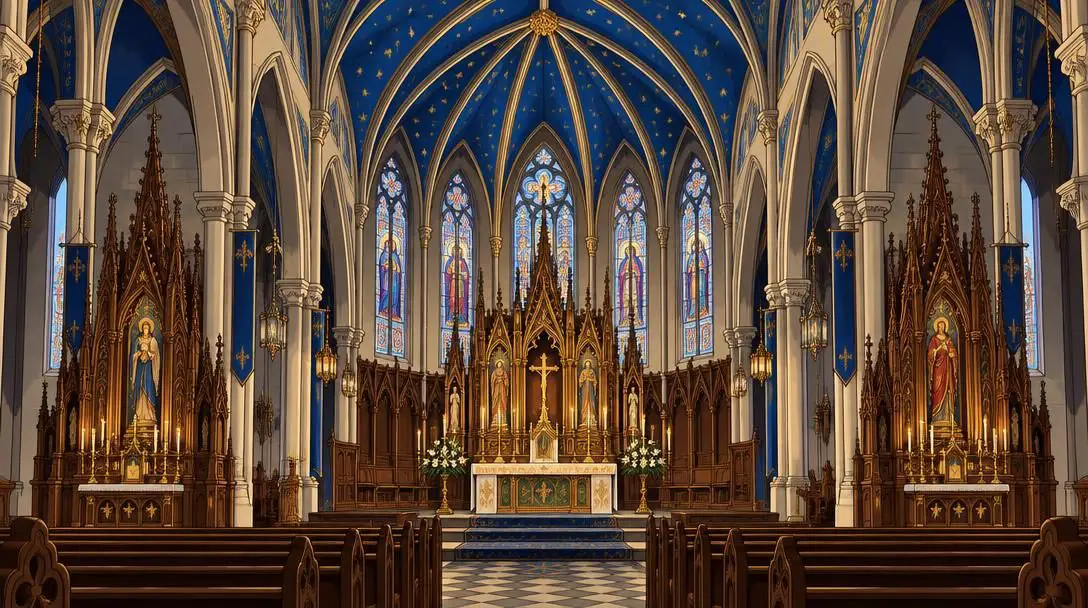
- Location: Historic district of Old Montreal
- Architectural Highlights: Intricate wood carvings and deep-blue vaulted ceiling
- Notable Elements: Gold ceiling stars and stained-glass local history panels
Positioned prominently in the historic district, Notre Dame Basilica is an architectural masterpiece celebrated for its awe-inspiring interior. The sanctuary is renowned for its soaring, deep-blue ceiling decorated with thousands of lustrous gold stars, masterfully detailed wooden sculptures, and luminous stained-glass windows that illustrate the city’s early religious history rather than traditional biblical scenes.
Old Port of Montreal
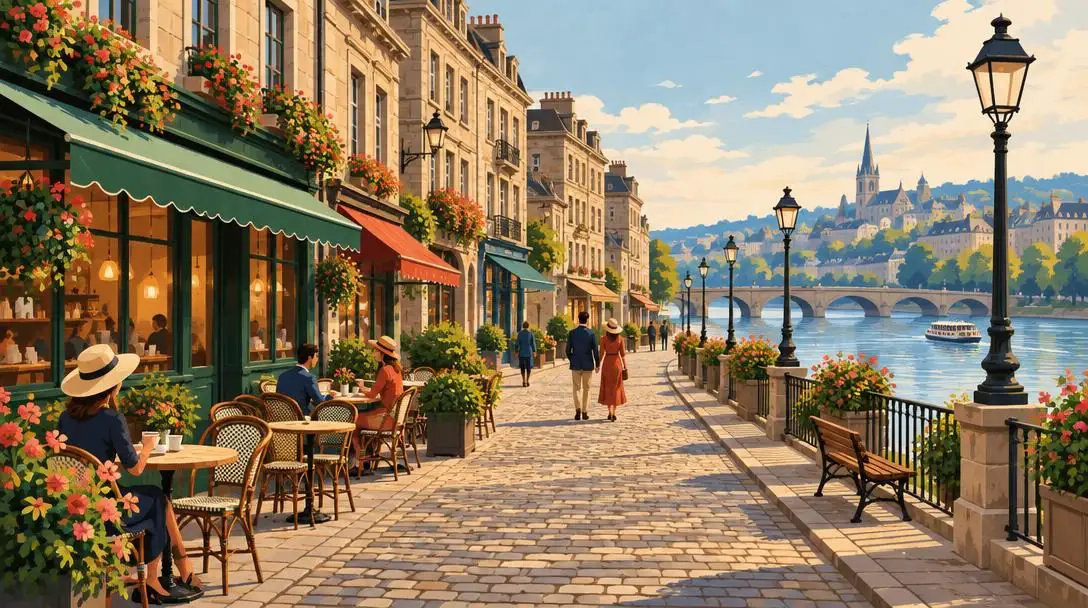
- Geographic Location: Along the Saint Lawrence River shoreline
- Streetscape: Centuries-old cobblestone lanes and heritage stone facades
- Activities: Riverfront promenades, boutique shopping, and terrace dining
Lining the water’s edge, the Old Port of Montreal combines maritime heritage with modern leisure. Cobblestone roadways, stone warehouse architecture, and narrow alleys host independent boutiques, bustling cafes, and waterfront paths, making it a prime setting for scenic strolls, historic sightseeing, and waterfront dining.
Practical Steps for Organizing Your Trip
A well-sequenced plan prevents backtracking and ensures you experience Montreal's indoor and outdoor offerings comfortably, no matter what time of year you travel.
- Select your travel dates based on climate preferences: Determine whether you prefer the warm terrace dining, lively sidewalk cafes, and long daylight hours of summer, or the snowy, brisk conditions of a true northern winter.
- Assemble a season-appropriate wardrobe: Pack heavy thermal coats, insulated gloves, and rugged boots if traveling in sub-zero winter, or assemble lightweight clothing paired with a reliable raincoat for humid summers and unpredictable shoulder seasons.
- Establish your transit plan upon arrival: Identify the nearest metro stop to your accommodations and plan to tap your credit card at the turnstiles for fast transit boarding across the bus and train network.
- Create a neighborhood dining checklist: Map out visits to iconic food destinations, reserving time for warm smoked meat at Schwartz’s Deli, hot wood-fired bagels at St-Viateur Bagel Shop, morning pastries at Maison Christian Faure, and authentic poutine.
- Group your sightseeing geographically: Schedule historic architectural tours like Notre Dame Basilica and riverside walks along the Old Port of Montreal on the same day, while setting aside separate time to explore the forested trails and viewpoints of Mount Royal Park.
Common Mistakes Travelers Make
Avoiding these common oversights will keep your Montreal vacation comfortable, efficient, and culturally enriching:
- Assuming absolute French fluency is required: While speaking French is polite, English is widely spoken throughout the city. Feeling intimidated by language barriers is unnecessary as long as you open encounters with standard greetings like "Bonjour."
- Underestimating the severity of winter weather: Arriving in winter without cold-rated footwear, thermal layers, and insulated accessories will make outdoor sightseeing uncomfortable or impossible.
- Over-relying on taxis during rush hour: Traffic congestion on central streets can cause taxi fares to rise rapidly while travel times drag out; the underground metro is substantially faster during peak hours.
- Overlooking local culinary staples: Skipping classic stops like traditional poutineries, wood-fired bagel shops, or heritage smoked meat delis means missing out on signature cultural cornerstones.
- Leaving your lodgings without rain gear: Sudden afternoon rain showers in spring, summer, and fall can disrupt your plans if you fail to carry a light rain shell or portable umbrella.
Frequently asked questions
Do I need to speak fluent French to visit Montreal?
No. Montreal is a bilingual city where English is spoken widely in hotels, restaurants, and shops. However, learning basic courtesies like "Bonjour," "Merci," and "Au revoir" is considered polite and appreciated by locals.
How cold does Montreal get during the winter?
Winters are extremely cold, with temperatures consistently falling well below freezing alongside heavy snow and ice. Visitors must pack a heavy insulated coat, warm hat, gloves, and sturdy winter boots.
How do I pay for the metro and bus system?
You can purchase individual tickets or transit passes at automated vending machines and staffed kiosks inside any metro station, or simply tap your credit card directly at the turnstiles for fast access.
What makes Montreal bagels different from other styles?
Montreal bagels are smaller, denser, and slightly sweet. They are hand-rolled, boiled, and baked in wood-fired ovens, typically finished with a generous coating of sesame or poppy seeds.
Is renting a car necessary when visiting Montreal?
No. Montreal's comprehensive network of underground metro trains and interconnecting bus lines makes traveling across central sights, dining hubs, and historic districts fast, convenient, and cost-effective without a car.
The bottom line
Montreal delivers an unforgettable travel experience when approached with simple cultural awareness and practical preparation. By embracing basic bilingual greetings, preparing for the dramatic seasonal weather, relying on the robust public transportation network, and seeking out the city's legendary culinary stops, you will uncover one of North America's most dynamic and charming cultural capitals.