Protecting Filipino Rights in a Rising Conflict: Navigating Growing Tensions in the West Philippine Sea
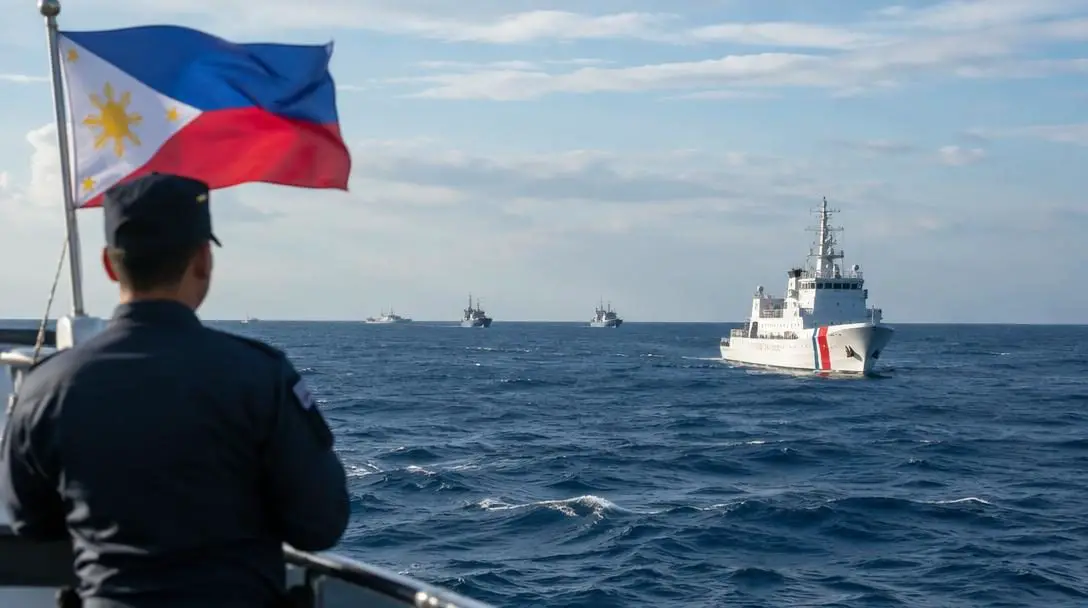
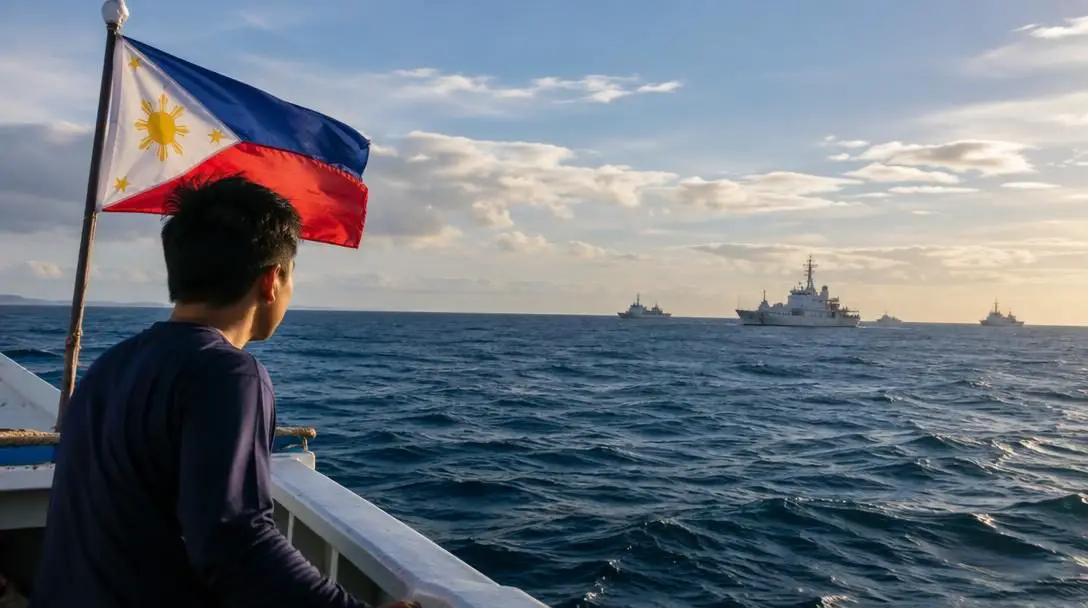
Rising geopolitical friction in the West Philippine Sea has placed Filipino maritime rights, coastal livelihoods, and territorial sovereignty under sustained pressure. In recent years, China has grown increasingly assertive throughout these disputed waters, leaning on historic maps to claim almost the entire South China Sea and engaging in aggressive maneuvers against Filipino fishermen operating inside their own traditional fishing grounds.
Rather than conceding its rightful territory, the Philippines remains resolute in defending its maritime entitlements under modern international law. By coupling steadfast diplomatic resistance with strategic backing from key international allies—including the United States, Japan, and Australia—the nation is charting a careful path to de-escalate confrontations while ensuring its sovereign waters, marine habitats, and economic lifelines remain protected.
Key takeaways
- The 2016 Permanent Court of Arbitration ruling in The Hague dismissed China expansive historic claims and confirmed the exclusive economic rights of the Philippines within its 200-mile zone.
- Aggressive actions against local fishermen threaten the food supply of the Philippines and endanger the livelihoods of millions of coastal citizens.
- Strategic alliances with the United States, Japan, and Australia provide crucial defense support, joint military exercises, and international deterrence.
- Defending the West Philippine Sea is vital not only for national sovereignty, but also for safeguarding critical global trade routes and preserving Asia Pacific marine biodiversity.
Roots of the maritime dispute and the 2016 arbitral award
The friction surrounding the West Philippine Sea is not a sudden emergence, but rather an escalating confrontation rooted in conflicting legal interpretations and expanding maritime ambitions. China has asserted sovereignty over almost the entire South China Sea, pointing to an expansive historic map to justify its geographic boundaries. This sweeping posture directly encompasses maritime spaces recognized under international law as belonging to neighboring coastal states, including the Philippines.
To establish a peaceful, rule-based resolution, the Philippines took the dispute to an international judicial forum. In 2016, the Permanent Court of Arbitration in The Hague issued a historic ruling that thoroughly dismantled the legal basis of the historic claims asserted by China. The tribunal affirmed that the Philippines holds exclusive sovereign rights over the waters, seabed, and natural resources situated within its 200-mile exclusive economic zone (EEZ).
Despite the definitive character of the 2016 arbitral award, China has openly rejected the tribunal decision, maintaining an active physical presence across disputed reefs, shoals, and maritime corridors. Consequently, civilian vessels and government patrols face continuous pressure. The Philippines has taken an unequivocal stand: it will never surrender its sovereign rights or abandon the landmark legal victory achieved at The Hague.
"We assert our rights over our territories and we will defend it if necessary," affirmed Philippines Defense Secretary Delfin Lorenzana.
Why the West Philippine Sea is vital to the nation
The determination of the Philippines to safeguard the West Philippine Sea goes far beyond symbolic statehood or national pride. The territory represents an indispensable economic, commercial, and ecological engine that directly shapes the daily welfare of the country and the broader Asia Pacific region.
Foremost among these interests is national food security and local economic stability. The West Philippine Sea serves as an extraordinarily fertile fishing ground that sustains the livelihoods of millions of Filipino fishermen. When foreign coast guard and militia vessels harass or expel these fishermen, the catches entering domestic public markets decline sharply. This artificial scarcity drives up food prices across the country while pushing vulnerable coastal towns into severe financial distress.
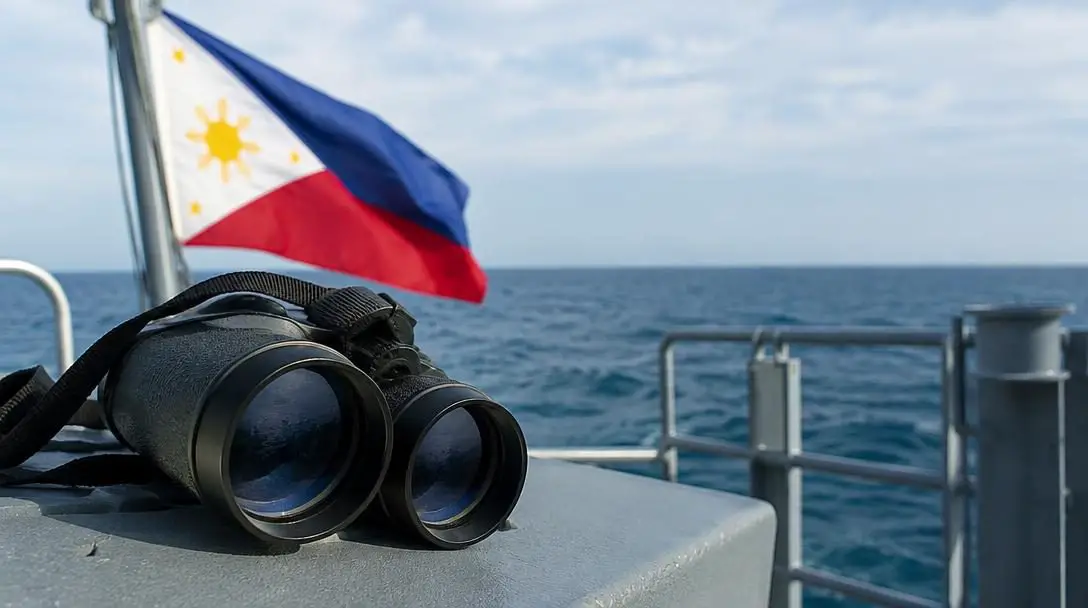
At the same time, the waterway is an engine of international shipping and global commerce. Trillions of dollars in merchandise and commercial freight transit these vital sea lanes each year. Any localized military skirmish, blockade, or disruption could trigger immediate global supply chain bottlenecks, skyrocket insurance premiums, and inflict profound economic fallout on both regional trading partners and international consumers.
Finally, the area is vital to the ecological and environmental balance of the Asia Pacific. The coral reefs, shoals, and underwater ecosystems of the West Philippine Sea function as primary spawning and nursery zones for countless marine species. The destruction of these sensitive habitats through unauthorized reclamation or unsustainable harvesting threatens the long-term biological resilience of regional fisheries as a whole.
Key international allies defending regional stability
Facing an asymmetric balance of forces, the Philippines has mobilized international partnerships to counterbalance regional pressure. Coordinated engagement with regional allies reinforces international law, builds maritime domain awareness, and discourages unilateral coercion.
United States
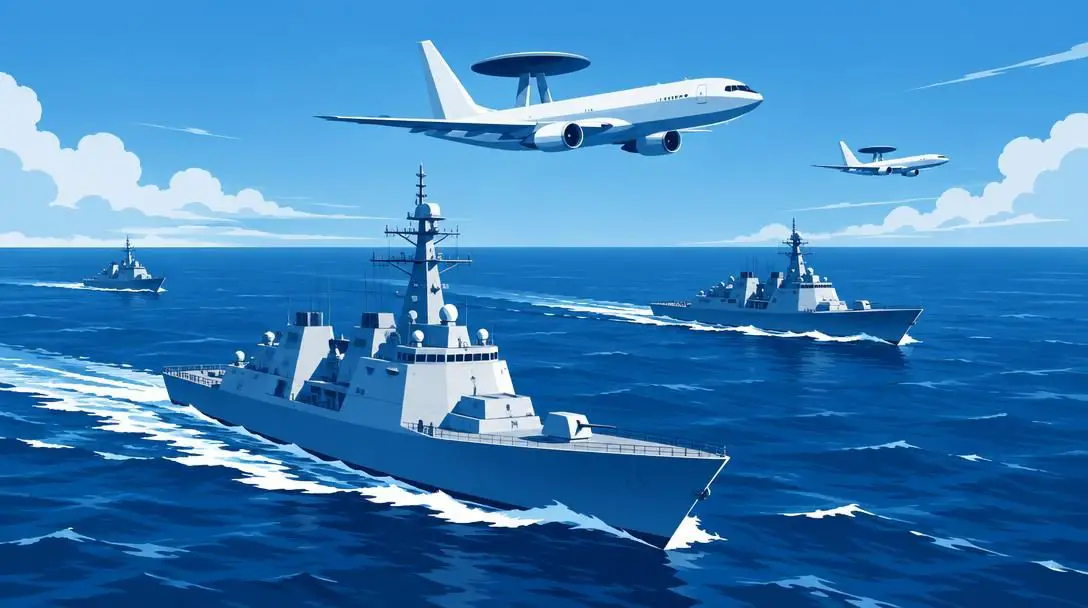
- Relationship: Long-standing defense ally and security partner
- Support provided: Military aid, freedom of navigation operations, and joint military exercises
The United States stands as the most prominent international partner of the Philippines in defending the maritime commons. Vocal in its support of the 2016 arbitral award, the United States has consistently furnished military aid, shared maritime surveillance data, and conducted bilateral and multilateral joint military exercises in the area. These operational deployments directly support freedom of navigation and reinforce deterrence against unlawful incursions.
Japan
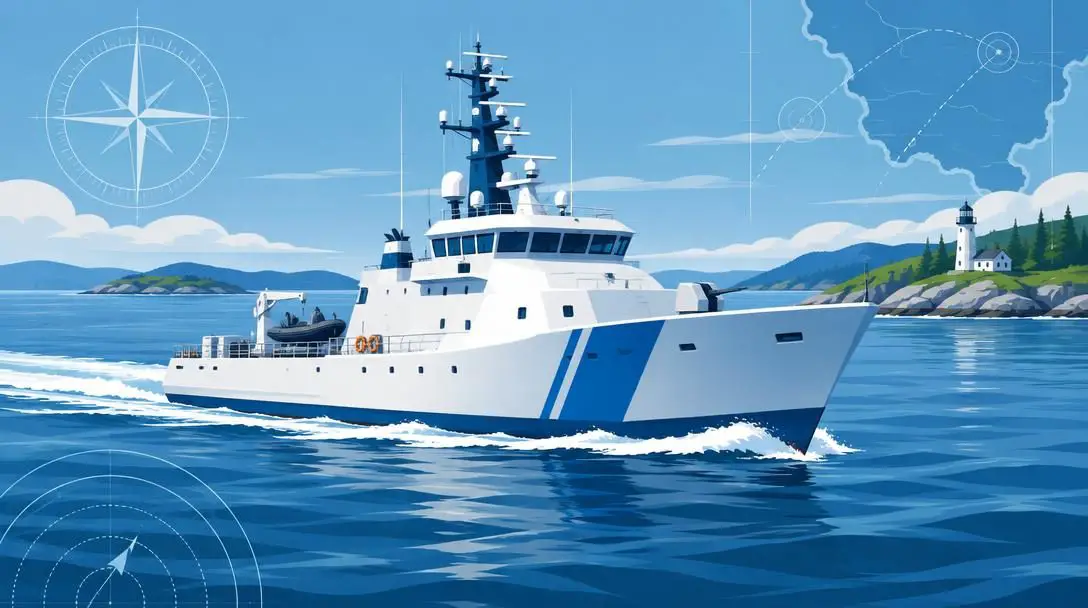
- Relationship: Strategic regional partner in maritime security
- Support provided: Capacity building, patrol assets, and technical cooperation
Japan shares significant maritime interests across regional sea routes and has become an essential security partner for the Philippines. Japanese cooperation centers on enhancing the operational capacity of Philippine maritime enforcement agencies. Through regular training exchanges, technical support, and the provision of patrol craft, Japan bolsters the practical capability of the Philippines to monitor its 200-mile exclusive economic zone.
Australia

- Relationship: Bilateral defense and regional security partner
- Support provided: Joint training exercises, maritime intelligence, and capacity building
Australia provides valuable assistance through joint military training, operational capacity building, and intelligence cooperation. Recognizing that unhindered navigation in the West Philippine Sea is integral to international trade stability, Australia regularly coordinates with Philippine armed forces to strengthen maritime domain surveillance and champion a transparent, rules-based international order.
At a glance: Key dimensions of the West Philippine Sea
| Dimension | Primary Stake | Key Challenges | Protective Strategy |
|---|---|---|---|
| Fisheries & Livelihoods | Millions of Filipino fishermen and domestic food markets | Harassment, blockades, and loss of traditional fishing access | Government escorts, legal protection, and coastal community aid |
| Global Shipping | Trillions of dollars in annual international trade transit | Disruptions, commercial choke points, and increased shipping costs | Freedom of navigation patrols and regional defense alliances |
| Marine Biodiversity | Essential Asia Pacific coral reefs, shoals, and spawning grounds | Habitat degradation, overfishing, and unregulated coastal modification | Scientific monitoring and environmental conservation partnerships |
| Sovereign Rights | Exclusive 200-mile exclusive economic zone (EEZ) jurisdiction | Unlawful maritime claims based on historic maps | Invoking the 2016 Hague arbitral award and diplomatic protests |
A strategic framework for protecting national sovereignty
Defending national sovereignty against persistent pressure demands a methodical strategy that integrates military deterrence, international jurisprudence, and civilian administration. Moving forward, the Philippines relies on an interlocking series of practical measures.
- Document and publicize maritime incidents: Philippine authorities methodically log, photograph, and broadcast aggressive encounters against Filipino fishermen and patrol vessels, establishing clear public evidence to underpin formal diplomatic protests.
- Support traditional fishing operations: Maritime agencies deploy resources to protect coastal workers within their traditional territory, safeguarding access to maritime food resources and maintaining a legitimate civilian presence.
- Mobilize multilateral partnerships: Armed forces conduct regular joint military exercises and patrols alongside the United States, Japan, and Australia to reinforce freedom of navigation and present a united deterrence front.
- Advance diplomatic dialogues: Government officials continually pursue constructive, win-win communication with regional neighbors to prevent miscalculations on the water without compromising sovereign claims.
- Upgrade coastal surveillance: Investments in patrol vessels, radar installations, and maritime domain awareness allow authorities to detect and track unauthorized incursions throughout the 200-mile exclusive economic zone in real time.
Critical pitfalls to avoid in maritime policy
Navigating high-stakes geopolitical confrontations requires sound judgment, emotional discipline, and sustained strategic coherence. When handling maritime disputes of this magnitude, policymakers and regional analysts highlight several common mistakes that must be avoided:
- Treating the conflict purely as symbolic pride: Reducing the issue to abstract nationalism obscures the tangible, day-to-day stakes: securing domestic food supplies, maintaining commercial trade routes, and protecting coastal families.
- Allowing the 2016 arbitral award to be diluted: The ruling from The Hague is the cornerstone of the legal standing of the Philippines. Softening reliance on this decision or treating sovereign rights as open for negotiation undermines the nation position under international law.
- Permitting escalation into armed conflict: While asserting territorial integrity is essential, provocations that risk kinetic military confrontation must be resisted. The goal remains effective deterrence, legal clarity, and peaceful coexistence.
- Neglecting coastal community welfare: Focusing solely on grand geopolitical maneuvers while ignoring the immediate financial and physical hardships of working fishermen weakens the grassroots backbone of the nation maritime presence.
- Relying exclusively on any single foreign partner: Although defense ties with the United States are indispensable, long-term resilience requires broad multilateral coalitions that actively include regional partners such as Japan and Australia.
Balancing defense deterrence and diplomatic engagement
The long-term resolution of tensions in the West Philippine Sea depends on maintaining a delicate equilibrium between firm defense postures and creative diplomatic outreach. Defense Secretary Delfin Lorenzana clearly captured this dynamic when stating that while the nation must be prepared to defend its territories, all regional stakeholders have vital interests in the area, necessitating a win-win approach in which no participant loses.
Establishing such an approach requires drawing strict boundaries around core legal rights while identifying functional areas where collaboration remains feasible. For example, joint efforts focused on marine environmental protection, scientific research, and regional disaster response could potentially lower operational tensions without forfeiting sovereign titles.
At the same time, domestic resilience is vital. Expanding cold-storage facilities, strengthening local fishing fleets, and modernizing coastal infrastructure ensure that Philippine communities can continue working their traditional waters despite external intimidation. By buttressing internal economic strength and solidifying international legal clarity, the Philippines maintains a credible, durable posture on the water.
Frequently asked questions
What did the 2016 Permanent Court of Arbitration ruling decide?
The Permanent Court of Arbitration in The Hague dismissed China expansive historic map claims and confirmed that the Philippines possesses exclusive sovereign rights over the waters and natural resources within its 200-mile exclusive economic zone.
How does the dispute in the West Philippine Sea affect ordinary Filipinos?
The conflict directly impacts millions of Filipino fishermen whose livelihoods depend on those fishing grounds, while foreign blockades reduce domestic seafood catches and drive up food prices across Philippine markets.
What role do allies like the United States, Japan, and Australia play?
Allies support the Philippines by providing military aid, modernizing maritime monitoring assets, coordinating intelligence, and participating in joint military exercises to ensure freedom of navigation and deter unilateral aggression.
Why is the West Philippine Sea significant for the global economy?
The sea lanes carry trillions of dollars in international trade each year, making the region an indispensable shipping corridor whose disruption would trigger worldwide supply chain delays and economic instability.
Can environmental conservation help de-escalate maritime tensions?
Because the West Philippine Sea preserves critical marine biodiversity and fish spawning grounds for the entire Asia Pacific, collaborative scientific research and environmental protection offer avenues for peaceful regional dialogue.
The bottom line
The confrontation in the West Philippine Sea represents a defining test of international law, regional balance, and national resilience. For the Philippines, preserving sovereignty over its 200-mile exclusive economic zone is directly tied to the everyday survival of millions of fishermen, national food security, and regional ecological health. By standing firmly behind the 2016 arbitral award, deepening security ties with partners like the United States, Japan, and Australia, and maintaining constructive diplomatic channels, the nation continues to defend its sovereign heritage without succumbing to external pressure.