Scientists Tried Arming White Blood Cells to Battle Cancer, and It Worked
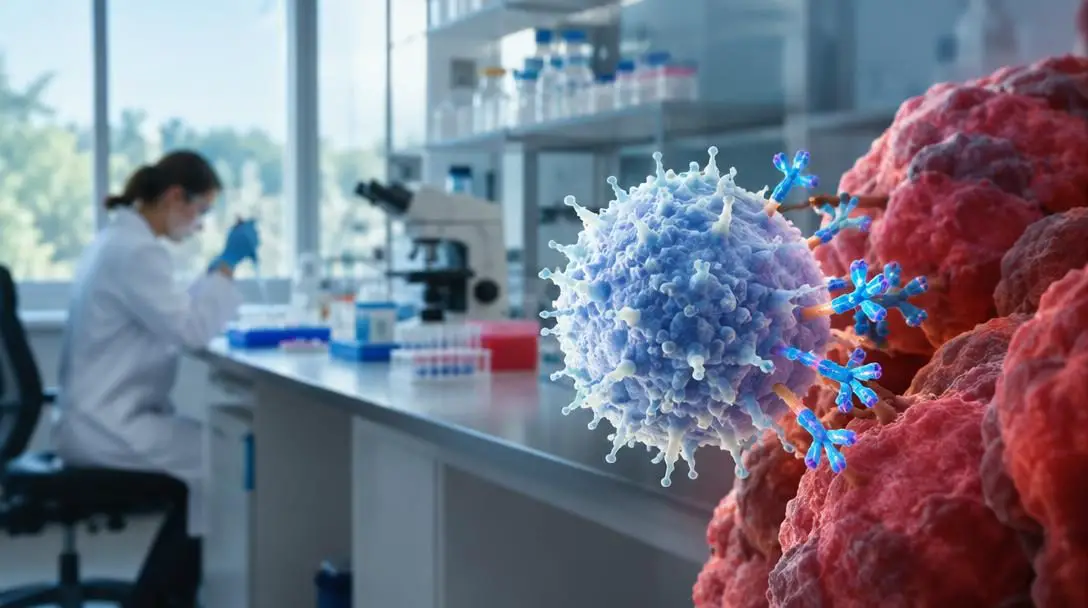
Imagine an internal confrontation taking place within your body where two distinct populations of white blood cells clash. This microscopic struggle is not a sign of an infection overwhelming your immune defenses or a malignancy invading healthy tissue. Instead, it represents one of the most sophisticated frontiers in modern oncology: a therapy that reprograms your own immune components to eliminate malignant cells from the inside out.
For generations, clinical cancer treatment depended almost exclusively on blunt, systemic interventions such as measured doses of radiation or aggressive chemical compounds designed to destroy rapidly dividing tissue. By contrast, an innovative immunotherapy known as CAR-T cell therapy takes an entirely biological approach. By extracting white blood cells directly from a patient, outfitting them with synthetic targeting receptors in a laboratory, and reinfusing them into the bloodstream, medicine can now transform normal defensive cells into microscopic hunters capable of tracking down and destroying elusive blood cancers.
Key takeaways
- CAR-T cell therapy uses genetically modified versions of a patient's own T-cells to identify, target, and kill cancerous cells.
- First approved by the U.S. Food and Drug Administration in 2017, the treatment is used to achieve remission in acute lymphoblastic leukemia, lymphoma, and multiple myeloma.
- Oncologists refer to CAR-T cell therapy as a "living drug" because the engineered cells actively circulate, expand, and persist inside the patient's body.
- Cytokine Release Syndrome is a severe, potentially life-threatening complication that medical teams must monitor and manage carefully following infusion.
- Researchers have successfully tested an on-off switch using a common hepatitis drug in mice, paving the way for safer human trials within the next year.
The Evolution of Cancer Treatment: Moving Beyond Chemotherapy and Radiation
Throughout the twentieth and early twenty-first centuries, oncology relied on a familiar triad of interventions: surgery, cytotoxic chemotherapy, and radiation therapy. While these traditional modalities have saved countless lives, they share a fundamental flaw: a lack of biological precision. Radiation relies on focused, measured doses of energy to eradicate malignant tissue, but adjacent healthy organs often sustain significant collateral injury. Similarly, standard chemotherapy drugs circulate throughout the body, attacking any cell undergoing rapid division. This indiscriminate mechanism causes familiar physical tolls, including hair loss, gastrointestinal trauma, and widespread immune suppression.
The human immune system already possesses natural tools to detect and destroy aberrant tissue. At the center of this defense system are T-cells, specialized white blood cells that continuously survey the body for pathogens and mutated cellular abnormalities. Under ideal conditions, T-cells locate irregular cells and neutralize them before they coalesce into established tumors.
Unfortunately, malignant cells possess insidious evasion tactics. Many blood cancers effectively disguise themselves, mimicking normal blood tissue or transmitting biochemical signals that paralyze the local immune response. Because natural T-cells cannot distinguish these camouflaged cancer cells from healthy counterparts, the disease proliferates unchecked. To solve this problem, scientists turned away from synthetic poisons and focused on upgrading the patient's existing immune architecture.
Rather than attacking tumors with external radiation or toxic chemicals, cellular immunotherapy trains the patient's own biology to recognize and destroy elusive cancer cells.
| Treatment Modality | Primary Therapeutic Agent | Mechanism of Action | Behavior Inside the Body |
|---|---|---|---|
| Conventional Chemotherapy | Synthetic chemical compounds | Indiscriminately attacks rapidly dividing cells across the body | Inert chemical; clears from tissues after metabolization |
| Radiation Therapy | Measured external energy beams | Damages cellular structures within a localized exposure field | External physical intervention with no biological persistence |
| CAR-T Cell Therapy | Genetically altered human T-cells | Identifies specific surface antigens and injects targeted cytotoxins | Living cellular drug that multiplies, circulates, and adapts |
Cellular Engineering: How CAR-T Cells Hunt and Destroy Malignancy
The core innovation behind CAR-T cell therapy lies in the laboratory modification of defensive white blood cells. Doctors extract ordinary T-cells from the patient and introduce new genetic instructions that prompt the cell to synthesize a customized structure called a Chimeric Antigen Receptor (CAR). This synthetic receptor protrudes from the outer membrane of the white blood cell, functioning as an ultra-sensitive navigation antenna.

This synthetic receptor is calibrated to bind exclusively with a matching protein, or antigen, expressed on the outer surface of cancerous blood cells. In standard immune scenarios, cancer cells slip past natural defenses by masking these antigens. With the CAR enhancement in place, the modified T-cell locks directly onto the targeted malignant cell, forming a secure immunological synapse.
Once bound to the target antigen, the engineered cell initiates direct destruction. It secretes specialized cytotoxins directly into the malignant cell, puncturing its cellular membrane and activating internal pathways that cause the cancer cell to die. Because the receptor requires a precise antigen match before releasing these toxic payloads, surrounding healthy tissues lacking that specific marker are spared the widespread devastation associated with traditional cancer therapies.
The Seven Steps of the CAR-T Treatment Journey
Undergoing CAR-T cell therapy is a structured, multi-phase clinical procedure that requires weeks of coordination between oncologists, laboratory technicians, and specialized hospital units.
- Candidate Evaluation: Oncologists perform comprehensive diagnostic assessments to confirm that the patient's disease matches approved indications, such as acute lymphoblastic leukemia, lymphoma, or multiple myeloma, and that the malignant cells express the specific target antigen.
- Leukapheresis: The patient is connected to an apheresis machine that draws blood, separates and extracts healthy white blood cells—specifically T-cells—and returns the remaining red blood cells and plasma to circulation.
- Laboratory Genetic Reprogramming: Technicians transfer the collected cells to an advanced manufacturing facility. Over several weeks, viral vectors or gene-editing tools insert the genetic blueprint for the Chimeric Antigen Receptor, and the cells are cultured in incubators until they number in the millions.
- Conditioning Chemotherapy: A few days before cell delivery, the patient undergoes a mild, temporary course of chemotherapy. This step reduces existing white blood cell populations to prevent immediate immune rejection and create biological room for the incoming cells.
- Intravenous Reinfusion: The concentrated dose of modified CAR-T cells is administered via a routine intravenous infusion, directly introducing the living therapeutic agent into the patient's bloodstream.
- Inpatient Monitoring: The recipient remains in a specialized inpatient clinical setting for careful observation, allowing the medical team to monitor vital signs and manage systemic immune responses in real time.
- Long-Term Remission Assessment: Following hospital discharge, physicians monitor blood counts and perform regular diagnostic scans to assess whether the living cells have successfully eliminated the malignancy and induced complete disease remission.
Managing Cytokine Release Syndrome and Emerging Safety Switches
While CAR-T cell therapy represents a monumental therapeutic leap, it introduces distinct clinical challenges. When millions of armed T-cells simultaneously encounter cancer antigens, they trigger an immense, coordinated immune offensive. This massive activation can induce a severe physiological complication known as Cytokine Release Syndrome (CRS).
As the modified cells attack cancer targets, they flood the bloodstream with chemical signaling proteins called cytokines. In high concentrations, these proteins produce debilitating symptoms, beginning with high fevers and severe flu-like chills, but potentially progressing to critical blood pressure drops and acute organ failure in the heart, liver, or brain. Fortunately, when clinical teams catch CRS early, it is usually treatable with targeted anti-inflammatory drugs and aggressive supportive care.
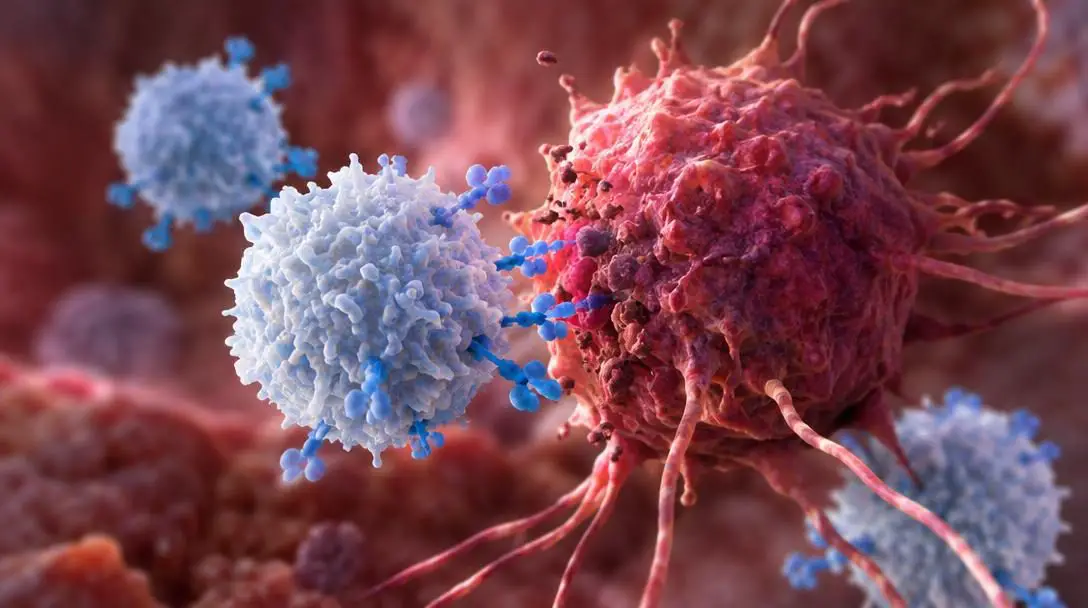
To eliminate the hazards of unchecked immune activation, scientists have developed novel safety controls. Researchers recently achieved a major breakthrough by utilizing an existing drug commonly prescribed for hepatitis to serve as an on-off toggle switch for CAR-T cells. In preclinical trials involving laboratory mice, administering this medication allowed researchers to pause or reactivate the modified cells at will. Researchers anticipate moving these control systems into human trials within the next year, which could give clinicians the power to halt cellular activity the moment dangerous side effects arise.
Common Misconceptions Surrounding CAR-T Cell Therapy
Because cellular immunotherapy is relatively new and biologically complex, several persistent misconceptions have emerged among patients and the public:
- Believing it is a standard manufactured pill: Unlike traditional pharmaceuticals that sit pre-packaged on pharmacy shelves, CAR-T is an individualized therapy manufactured from the patient's own living cells for single-use administration.
- Equating immunotherapy with standard chemotherapy: While both combat cancer, chemotherapy relies on inert chemical agents that flood the entire system, whereas CAR-T relies on engineered biological cells that actively hunt distinct proteins.
- Assuming it works against all forms of cancer: CAR-T cell therapy is currently approved for specific hematologic conditions, including acute lymphoblastic leukemia, lymphoma, and multiple myeloma; it is not yet a universal treatment for all tumors.
- Dismissing Cytokine Release Syndrome as minor flu symptoms: The inflammatory cascade triggered by cell activation can rapidly escalate into life-threatening multi-organ distress without prompt medical intervention.
- Assuming the technology is fixed and unchanging: The field is progressing rapidly, with molecular switches, refined manufacturing techniques, and expanded antigen targets continuously reshaping clinical efficacy.
Frequently asked questions
What does CAR stand for, and what does it do?
CAR stands for Chimeric Antigen Receptor. It is an engineered synthetic receptor attached to the exterior of a patient's T-cells that specifically recognizes and binds to unique proteins found on cancer cells.
When was CAR-T cell therapy first approved by the FDA?
The U.S. Food and Drug Administration first approved CAR-T cell therapy in 2017 as an authorized medical treatment for select types of cancer.
What types of cancer can CAR-T cell therapy currently treat?
CAR-T cell therapy is primarily indicated for serious blood cancers, having successfully driven thousands of patients with acute lymphoblastic leukemia, lymphoma, and multiple myeloma into clinical remission.
Why is CAR-T therapy called a "living drug"?
Doctors at Memorial Sloan Kettering Cancer Center coined the term because the treatment is composed of viable human cells that continue to multiply, circulate through tissues, and actively respond to cancer cells inside the host long after the initial infusion.
How are scientists working to make the treatment safer?
Researchers have identified a common hepatitis drug capable of acting as an on-off toggle switch for CAR-T cells in animal models. By turning the living drug off if complications like Cytokine Release Syndrome develop, human trials planned within the next year aim to make therapy significantly safer.
The Bottom Line
The emergence of CAR-T cell therapy marks an epochal shift in oncology, pivoting away from blunt external destruction toward exquisite biological precision. By modifying white blood cells to hunt down malignant threats that previously evaded the immune system, scientists have provided new lifelines for individuals facing severe hematologic diagnoses. Supported by pioneering research at institutions like Memorial Sloan Kettering Cancer Center, immunotherapy has shown that the human body's own cellular machinery can be upgraded into a decisive weapon against disease.
As ongoing investigations refine safety switches and minimize the hazards of Cytokine Release Syndrome, the future of cellular medicine grows brighter. What began as an experimental laboratory concept has transformed into an established therapy that has helped thousands achieve remission. With human trials exploring remote-control toggle switches planned within the next year, modern oncology continues to prove the power of arming our own white blood cells for the battle against cancer.