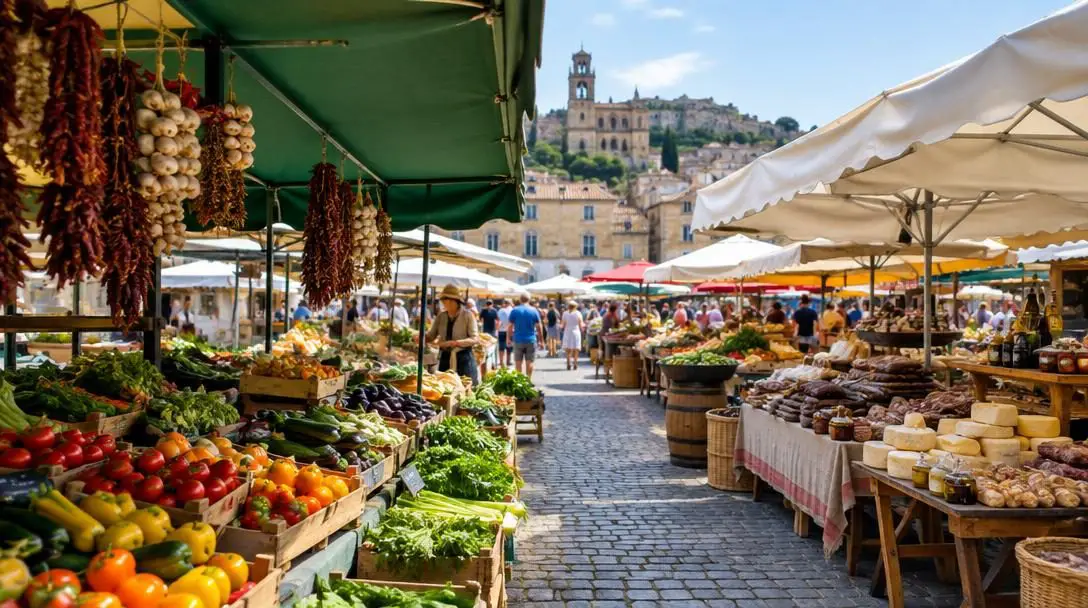
Spain On A Budget: 5 Essential Tips
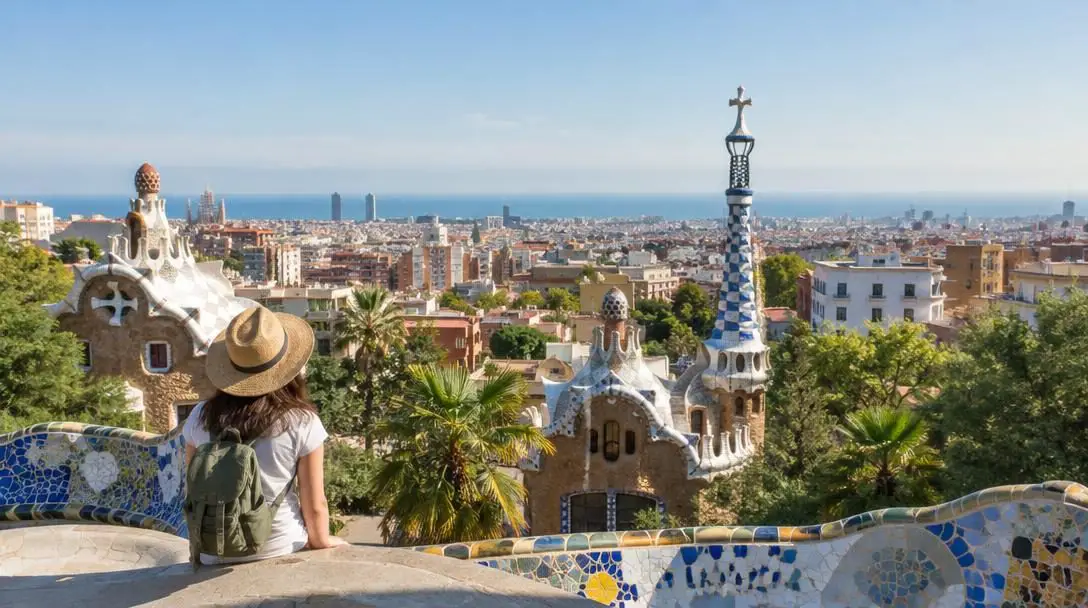
Spain does not rank among the fifty largest countries in the world by land area, yet its compact footprint welcomes tens of millions of international travelers every single year. The nation regularly competes with the United States for the title of the second most visited country on earth, sitting just behind France. Because international tourism represents such a cornerstone of the national economy, a Spanish vacation can easily turn into an expensive undertaking if travelers navigate the country without a disciplined financial plan.
High-end resort bookings, dining in crowded tourist zones, and peak summer airline rates frequently discourage prospective visitors who assume that exploring the Iberian Peninsula requires immense personal wealth. In truth, Spain features extensive public transit infrastructure, an extraordinarily diverse spectrum of lodging tiers, and everyday dining customs that allow independent travelers on a shoestring budget to tour the country comfortably.
Key takeaways
- Flying into high-volume entry hubs like Barcelona or Madrid keeps transatlantic and regional airfares competitively priced.
- Scheduling trips between December and March captures the lowest airfare and hotel rates during a relatively mild winter climate.
- Utilizing Madrid's world-class metro, the national high-speed rail lines, and budget long-distance buses eliminates the need for expensive rental cars and taxis.
- Four-star hostels throughout major metropolitan centers offer secure rooms and free breakfast for between twenty-five and fifty dollars per night.
- Ordering drinks at traditional neighborhood taverns after eight o'clock in the evening unlocks complimentary tapas that substantially lower daily dining expenses.
Deconstructing travel costs across Spain
Managing your spending throughout Spain requires an understanding of how geographic location, urban transit networks, lodging categories, and local dining rhythms intersect. Because Spain sits furthest to the west in continental Europe, it operates as the natural gateway for visitors arriving across the Atlantic Ocean. Direct flight routes link major United States metropolitan hubs—such as Newark, New York, Philadelphia, Atlanta, Miami, and Dallas—straight to Spain. Travelers based elsewhere can easily position themselves through affordable domestic connections before making the transatlantic crossing.
Upon arrival, travel expenses depend heavily on the timing of your visit and how you move from city to city. Operating costs in Spain fluctuate dramatically based on seasonal tourist tides and high-profile domestic events. By aligning your arrival with major transport hubs and learning the mechanisms that govern everyday Spanish life, spending remains predictably low without compromising your experience.
Visiting Spain does not require immense wealth when you leverage the country's world-class transit networks, diverse lodging tiers, and ingrained dining traditions.
Five essential tips for budget travel in Spain
Independent travelers can bypass the steep costs of mass tourism by taking advantage of Spain's competitive transit hubs, off-peak calendar windows, and regional culinary norms. The following comparison highlights the core strategies for reducing trip expenditures.
| Budget strategy | Primary focus | Cost impact | Optimal route or timing |
|---|---|---|---|
| Strategic arrival hubs | Airfare booking | Competitive transatlantic and inter-Europe pricing | Barcelona, Madrid, Malaga, or Palma de Mallorca |
| Winter travel window | Seasonal scheduling | Lowest annual lodging and flight rates | December through March |
| Comprehensive transit | Ground mobility | Saves hundreds over rental cars and airport taxis | Madrid Metro, national rail, and regional buses |
| Four-star hostels | Nightly accommodation | Rooms priced between $25 and $50 with free breakfast | Madrid and Barcelona city centers |
| Neighborhood tapas | Daily dining | Complimentary food included with single beverage orders | Local taverns operating after 8:00 PM |
Fly into strategic entry hubs
Securing affordable entry into Spain starts with selecting the right arrival airport. For transatlantic flights, Barcelona stands as your best bet for finding low fares, with Madrid serving as a close second choice. The tremendous operational volume handled by these two international terminals creates healthy airline competition, which helps suppress overall ticket costs. Travelers originating in the United States can book direct journeys out of major departure cities like New York, Newark, Philadelphia, Miami, Atlanta, and Dallas. If your itinerary originates in another European country, secondary gateways such as Malaga on the southern coast or Palma de Mallorca in the Balearic Islands offer economical flight paths directly into the country.
Travel during the low-cost winter window
Seasonality serves as the primary driver of airfare and hotel pricing across the Iberian Peninsula. The coldest stretch of the calendar runs from December through March, representing the absolute cheapest window for visiting Spain. While this period constitutes the off-season, winter weather across most of Spain remains remarkably mild and nowhere near as severe or freezing as the winter conditions found in Canada or the northern regions of the United States. Visiting during these low-cost winter months allows you to bypass the dramatic pricing surges of the peak summer season while exploring renowned cultural monuments without heavy tourist congestion.
Rely on Madrid metro, high-speed rail, and regional buses
Ground transportation can rapidly consume a travel budget, but Spain's transit infrastructure makes private car rentals and airport taxis completely unnecessary. Outside of Asia, only a select group of global cities have built world-renowned public transit systems, with Madrid and Santiago, Chile standing among the finest examples. Travelers arriving at Madrid's international airport can step straight onto the urban metro system, traveling quickly into the city center for a minimal fare while bypassing expensive taxi queues. For regional travel, Spain's high-speed rail lines deliver rapid, dependable transit between major urban centers. Because these trains are so efficient, they can get very busy, requiring advance planning. For travelers working with an absolute rock-bottom transit budget, long-distance buses operate across the country for next to nothing, saving passengers hundreds of dollars compared to the expense of renting a car.
Stay in four-star rated hostels instead of luxury hotels
Spain possesses some of the most celebrated luxury hotel properties in the world, but these accommodations also carry steep nightly prices. Furthermore, standard chain hotels frequently raise their rates or sell out completely whenever major events occur, such as high-profile football matches or elite international fashion shows. Modern hostels provide an exceptional alternative, with hundreds of properties spread across major destinations like Madrid and Barcelona. High-quality hostels categorized at four stars and above routinely rent beds and rooms for twenty-five to fifty dollars per night. These properties maintain safe, clean environments and frequently include complimentary breakfast, delivering superior value compared to typical lodging expenses in North America.
Dine at neighborhood bars for evening tapas
Eating well in Spain without overspending is largely a matter of adapting to local cultural schedules. Traditional dining establishments rarely open their doors for evening service before eight o'clock at night. Attempting to dine earlier often forces travelers into overpriced tourist venues catering exclusively to foreigners. Instead, spend your evenings in modest neighborhood taverns. In these neighborhood spots, purchasing a simple beverage frequently comes with complimentary tapas served directly to your table. In the same way that baskets of chips and salsa at a Mexican restaurant can fill you up before an entree arrives, visiting a few neighborhood bars for drinks and free tapas lets you sample authentic regional dishes affordably while skipping costly Michelin-starred venues.
Navigating large metropolitan hubs and regional towns
Where you choose to spend your time directly influences the longevity of your travel budget. Beyond the major hubs of Madrid and Barcelona, Spain contains several expansive urban centers boasting populations exceeding one million residents. Cities such as Valencia, Sevilla, Alicante, Murcia, Cadiz, and A Coruna offer deep cultural immersion and distinct architectural character. However, because these metropolitan areas draw significant domestic and international crowds, their central hotels and restaurants can become congested and costly during festive celebrations and regional events.

Balancing your itinerary by stepping away from massive metropolises unlocks substantial savings. Journeying into smaller provincial towns and scenic natural areas exposes travelers to pristine rural landscapes and authentic streetscapes without the inflated prices found in the premier shopping districts of Barcelona. Furthermore, planning transit between these distinct regions requires thoughtful packing. Navigating high-speed train platforms, public metro escalators, and historical cobblestone alleys is far simpler with a compact, lightweight bag than with oversized luggage, ensuring you remain mobile across all transit networks.
Step-by-step framework for a low-cost Spanish getaway
Implementing these practical financial strategies requires deliberate organization before you depart and while traveling on the ground.
- Identify direct transatlantic departures out of major gateway hubs such as Newark, New York, Philadelphia, Atlanta, Miami, or Dallas.
- Target your arrival specifically into Barcelona or Madrid to capitalize on competitive international airfares driven by heavy operational volume.
- Book your travel window during the off-peak winter period between December and March to secure reduced hotel rates and mild weather.
- Reserve accommodations at four-star rated hostels in primary cities, ensuring nightly costs stay within the twenty-five to fifty dollar range with included breakfast.
- Bypass rental car desks and airport taxi lines entirely by using Madrid's metro system, high-speed rail lines, or economical intercity buses.
- Delay evening meals until after eight o'clock at night to patronize authentic neighborhood taverns offering complimentary tapas with beverage orders.
To keep daily expenses predictable, travelers should also watch out for common budget pitfalls:
- Defaulting to expensive airport taxis instead of riding the convenient Madrid metro network directly from the terminal.
- Booking luxury hotels or chain properties during prominent fashion shows or major football matches when room rates spike.
- Dining at standard North American dinner hours before eight in the evening, which steers you into tourist-oriented establishments with higher prices.
- Restricting your vacation exclusively to giant urban centers with over one million residents, such as Valencia, Sevilla, Alicante, Murcia, Cadiz, or A Coruna.
- Overlooking regional arrival airports like Malaga or Palma de Mallorca when flying into Spain from other European countries.
- Splurging on Michelin-starred dining when local taverns offer authentic culinary experiences at a fraction of the cost.
Frequently asked questions
What is the cheapest time of year to visit Spain?
The cheapest window to travel to Spain is during the winter months, specifically from December through March. This off-peak period delivers the lowest airfares and hotel rates of the entire year. While it represents the coldest stretch in Spain, temperatures remain mild compared to the freezing winters common in northern regions of the United States and Canada.
Which Spanish airports provide the most economical arrival points?
For transatlantic arrivals, Barcelona is your best bet for finding low-cost airfares, with Madrid serving as a close second choice. Both international airports handle vast flight volumes that keep pricing competitive. If you are entering Spain from within Europe, secondary airports like Malaga on the mainland and Palma de Mallorca in the Balearic Islands offer highly affordable alternatives.
How much do quality hostels cost in major Spanish cities?
Highly rated hostels categorized at four stars and above in cities like Madrid and Barcelona routinely cost between twenty-five and fifty dollars per night. These modern establishments provide safe environments and often include complimentary daily breakfast, making them vastly more affordable than standard chain hotels or luxury resorts.
How does the complimentary tapas tradition work?
In traditional neighborhood taverns, ordering a single beverage often results in a free serving of tapas delivered straight to your table. Much like receiving complimentary chips and salsa at a Mexican restaurant, moving between local bars for evening drinks after eight o'clock allows travelers to sample regional foods while keeping overall food expenses minimal.
Do I need to rent a car to travel around Spain?
Renting a car is completely unnecessary thanks to Spain's extensive transit options. Madrid features one of the world's premier urban metro networks that connects directly to the airport, the national high-speed railroad links distant regions quickly, and long-distance buses travel across the country for next to nothing, saving travelers hundreds of dollars.
The bottom line
Experiencing Spain does not necessitate a luxury budget. By landing at competitive hubs like Barcelona or Madrid, scheduling trips during the mild winter off-season, and riding world-class public transit, you can eliminate the heaviest travel expenses before even checking into your room. Trading overpriced luxury hotels for four-star hostels and timing evening meals to enjoy complimentary tavern tapas ensures that your daily spending remains remarkably low. Approached with smart planning and local awareness, Spain offers an unforgettable, culturally rich journey that fits comfortably within a modest budget.