The 5 Happiest Countries in the World
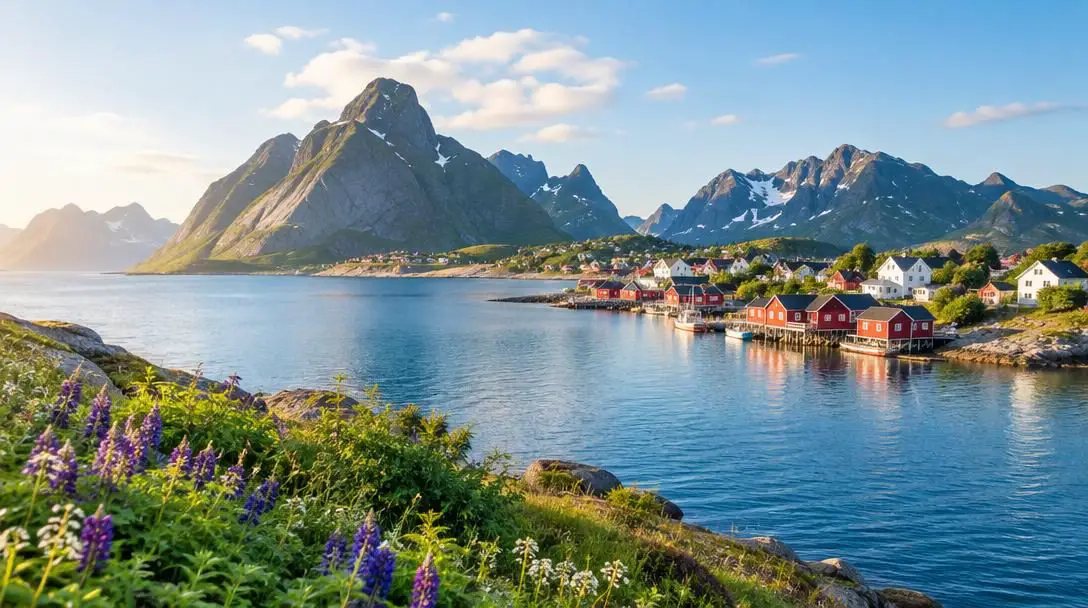
National pride is a familiar sentiment across the globe, yet outward displays of patriotism do not automatically translate into genuine personal contentment or everyday well-being for the people living in a nation. When researchers evaluate why specific populations report significantly higher satisfaction than others, they uncover a multi-layered tapestry of practical, institutional, and environmental realities. True societal well-being relies on how easily citizens balance work commitments with restorative leisure, the overall affordability and predictability of daily life, prevailing climate and environmental surroundings, and access to dependable public infrastructure.
A society does not need to achieve total perfection across every single metric to cultivate a thriving, deeply contented population. A country can face harsh seasonal shifts or geographical isolation yet excel so thoroughly in institutional equity, mutual community trust, and environmental preservation that its citizens experience an enviable quality of life. When foundational concerns regarding healthcare, schooling, and personal financial survival are effectively resolved by public systems, citizens carry far less chronic stress, freeing their time and mental energy for meaningful relationships, personal development, and lifelong health.
Key takeaways
- Societal happiness stems from dependable public infrastructure, mutual civic trust, and manageable daily stress rather than mere patriotic pride.
- Northern European nations lead the world by coupling comprehensive social safety nets with an unyielding respect for work-life balance and natural surroundings.
- Robust protections such as universal healthcare, tuition-free schooling, and rigorous gender pay equity systematically eliminate the fear of economic ruin.
- Everyday well-being is strongly reinforced by continuous access to pristine outdoor landscapes and an active, balanced approach to physical movement.
At a glance: The world's leading nations for life satisfaction
While each country possesses its own unique topography, heritage, and social customs, the world's most contented populations share foundational commitments to community equity, reliable social infrastructure, and accessible nature. The table below outlines how these top five nations compare across key structural and environmental dimensions.
| Country | Global Standing | Primary Geographic Features | Key Structural Strengths |
|---|---|---|---|
| Finland | Ranked happiest for five consecutive years | Pristine freshwater lakes, pure air, mountainous forests | Extraordinary public education, social cohesion, relaxed lifestyle |
| Denmark | Second happiest nation globally | Open coastlines, serene outdoor spaces, fresh air | Tuition-free education, universal healthcare, deep civic reciprocity |
| Iceland | Top-tier global happiness ranking | Towering glaciers, coastal fjords, pristine snowy terrains | Exceptionally low crime, visible LGBTQ+ equality, gender pay equity |
| Switzerland | Top-tier global happiness ranking | Vibrant green mountain peaks, alpine hiking terrain | Diplomatic neutrality, robust fitness culture, societal calm |
| Netherlands | Top-tier global happiness ranking | Accessible green environments, recreational waterways | State-level safety nets, exceptional life expectancy, work-life boundaries |
The 5 happiest countries in the world
A distinctive geographic cluster consistently dominates discussions surrounding national well-being. Situated primarily across Northern Europe, these five countries demonstrate how deliberate institutional planning, dependable safety nets, and community trust combine to elevate the human experience.
Finland
- Distinction: Ranked happiest nation on Earth for five consecutive years
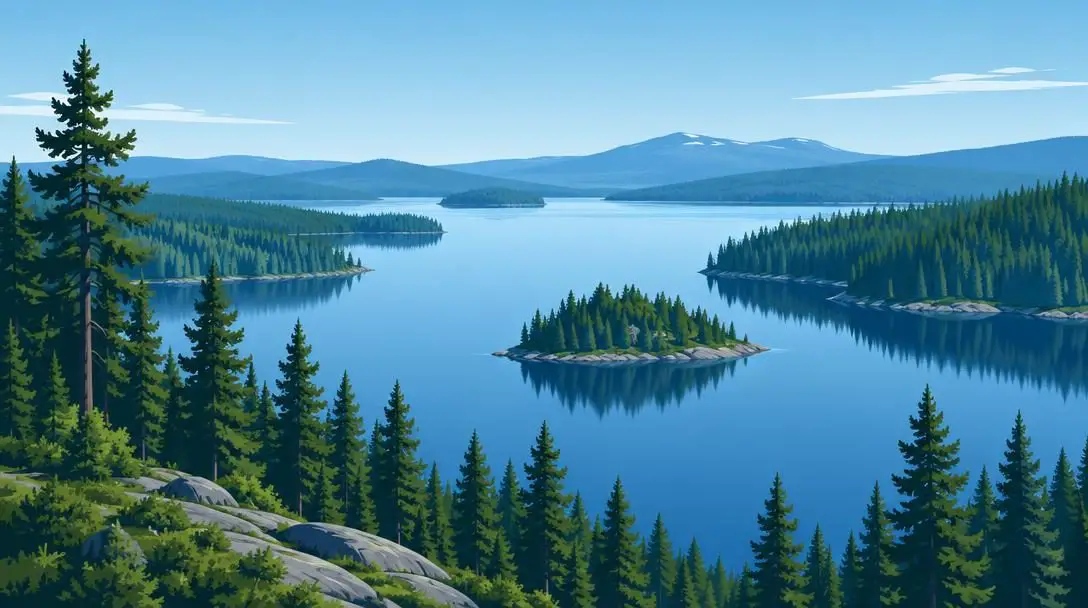
- Environment: Thousands of clear freshwater lakes, mountainous forests, exceptionally pure air
- Social Anchor: Extraordinary public education system and deep collective helpfulness
Finland has earned sustained international recognition after being crowned the happiest country on Earth for five consecutive years by the consensus of its own residents. Situated in Northern Europe, Finland offers its populace an extraordinary home framed by untouched natural ecosystems, boasting thousands of crystal-clear freshwater lakes, sprawling forest ranges, and some of the cleanest air quality measured anywhere in the world.
Beyond its clean geography, Finnish residents maintain widespread pride in their homeland and sustain an extraordinary public education system designed to support every child without financial strain. Life in Finland is marked by an unhurried daily rhythm, high civic helpfulness, and powerful social cohesion, ensuring that individuals never feel isolated or unsupported when life presents challenges.
Denmark
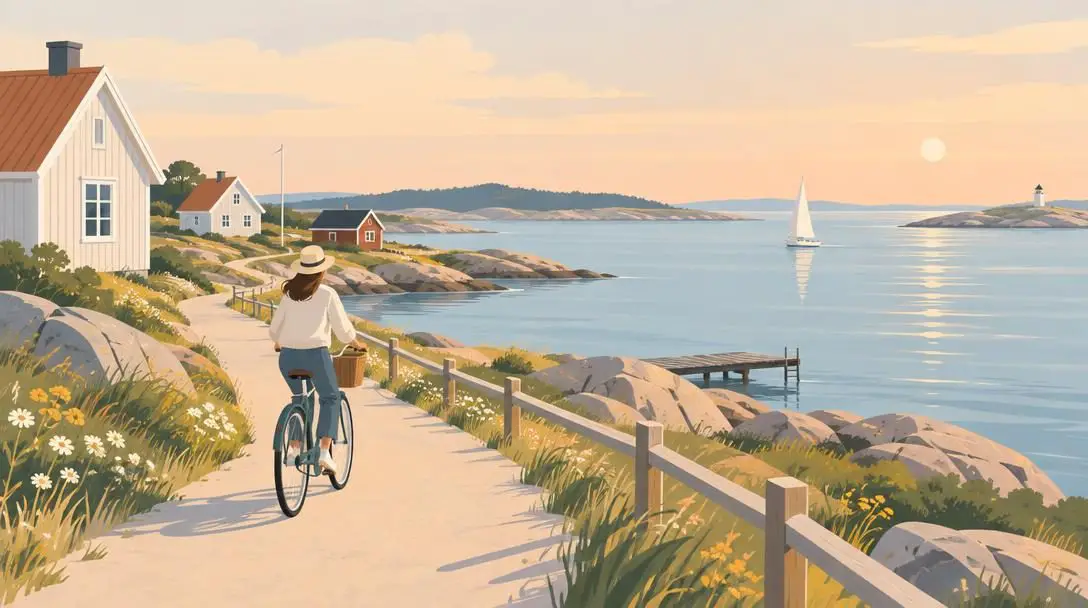
- Distinction: Ranked as the close second happiest country worldwide
- Lifestyle Focus: Intense cultural priority on work-life equilibrium and fresh air
- Public Benefits: Universal healthcare coverage and tuition-free higher education
Denmark holds a steady position as a close second in international happiness evaluations. The nation is globally admired for its peaceful, unhurried atmosphere and a generational commitment to spending time outdoors. The Danish mindset places an uncompromising priority on balancing professional work with restorative play, rejecting workplace cultures that glorify burnout or constant overtime.
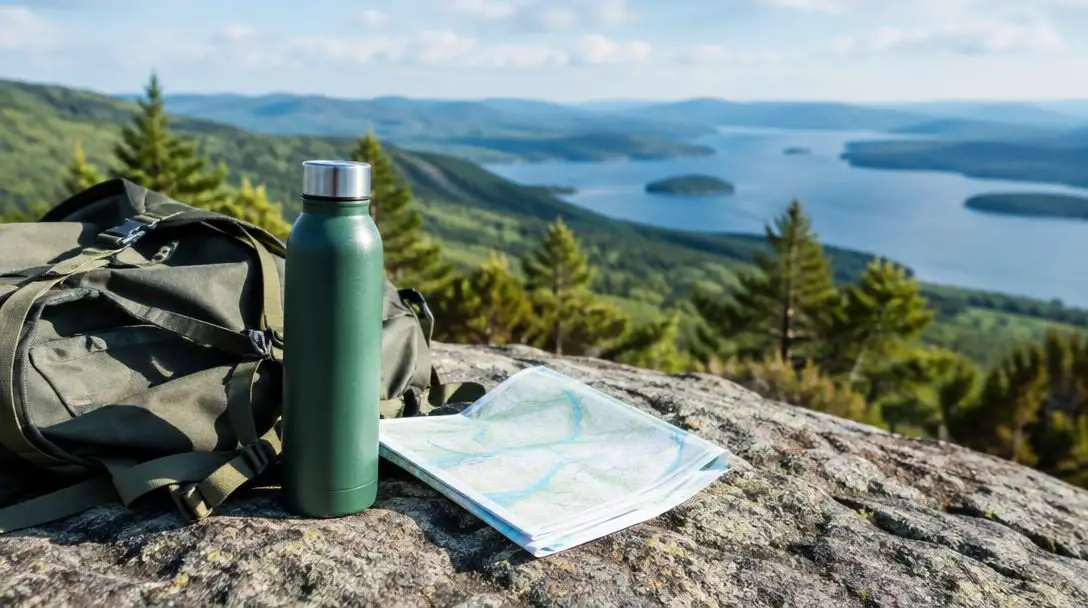
Day-to-day security across Danish communities is anchored by an expansive social infrastructure that guarantees universal healthcare coverage alongside tuition-free higher education. The Danish people maintain an enduring social contract: citizens gladly invest into the collective system through taxation with the clear understanding that high-quality, dignified care will be readily accessible whenever they or their neighbors require it.
Iceland

- Distinction: High-ranking global leader in safety, equity, and civic fairness
- Environment: Glaciers, deep coastal fjords, and expansive snowfields
- Social Safety: Exceptionally low crime rates and comprehensive hardship protections
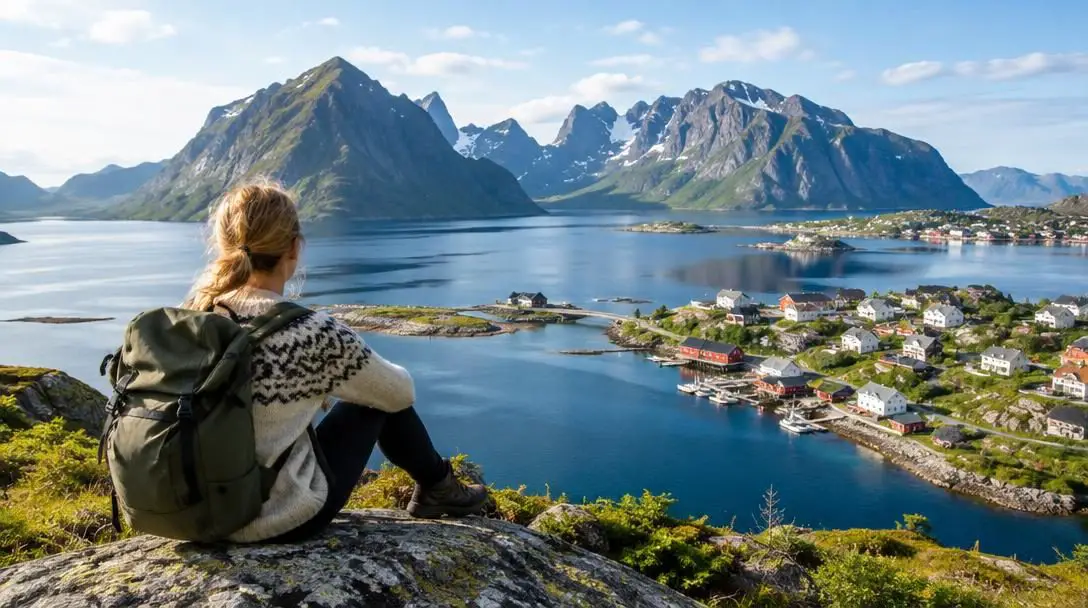
Iceland occupies another celebrated spot among the world's most contented nations. Renowned for its dramatic volcanic and glacial terrain, the island is characterized by steep coastal fjords, towering glaciers, and sweeping, pristine snowy wilderness. However, the contentment of Icelanders is powered by far more than dramatic geological wonders.
The island maintains exceptionally low crime rates and an unmatched civic commitment to equality. Iceland actively champions social justice across public life, enthusiastically supporting gay pride, enforcing strict equal pay standards across genders, and maintaining dependable state mechanisms that protect families from financial ruin during economic hardship or personal tragedy.
Switzerland
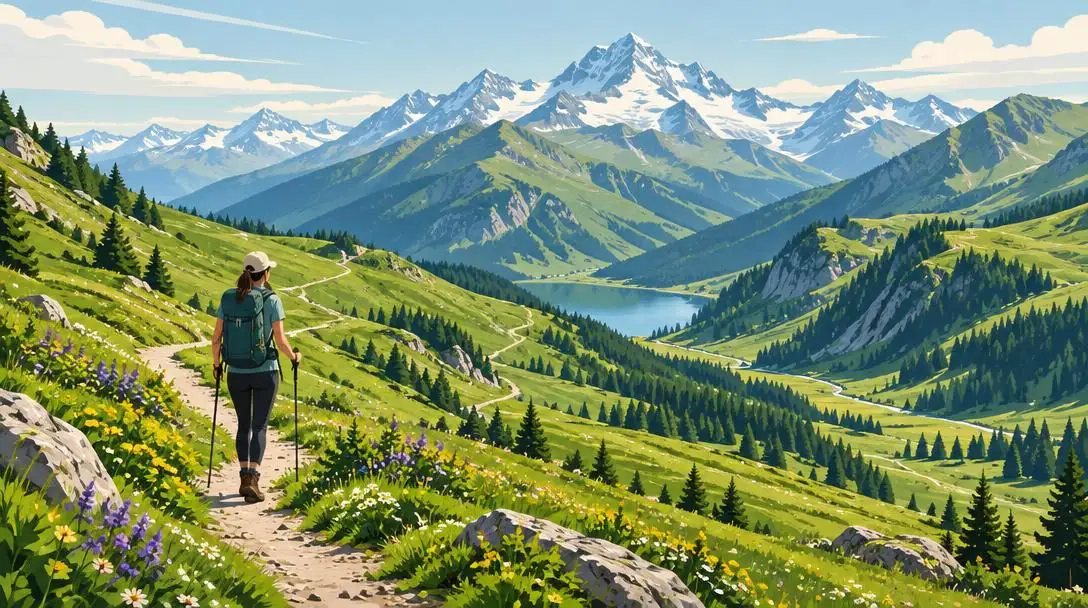
- Distinction: Global model of diplomatic neutrality and holistic physical health
- Landscape: Vibrant green alpine mountain ranges and clean open valleys
- Cultural Comforts: World-famous chocolate confections paired with an active lifestyle
Switzerland stands as an idyllic, mountainous sanctuary where health and balance are woven into the fabric of daily life. Globally admired for centuries of diplomatic neutrality, the country reflects that same steady, measured equilibrium within its domestic communities. Swiss citizens live amidst vibrant, steep mountain ranges that naturally encourage a culture of outdoor recreation, hiking, and daily physical movement.
This enduring dedication to cardiovascular fitness is thoughtfully balanced with an appreciation for local culinary traditions, including Switzerland's world-famous, masterfully crafted chocolate confections. These artisanal treats provide mood-enhancing comfort without compromising general health, demonstrating that pleasure and physical vitality can comfortably coexist when paired with an active lifestyle and a peaceful, predictable social framework.
The Netherlands
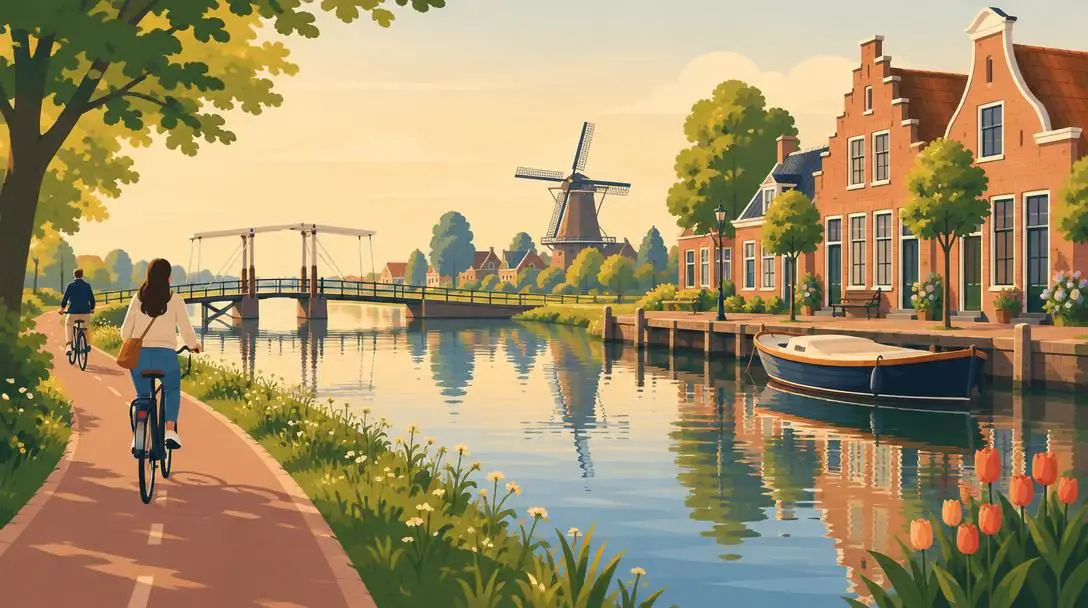
- Distinction: High life expectancies and leading rankings in personal comfort
- Community Model: Generous public safety nets and civic responsibility
- Health Focus: Explicit cultural prioritization of both mental and physical wellness
The Netherlands completes this prestigious group of contented nations, offering an urban and rural environment where residents consistently report secure, comfortable, and mentally stable lives. Dutch culture places profound value on communal generosity, mutual accountability, and reliable public protections that shield households from volatile economic shocks.
Dutch workers are famous for defending an enviable separation between their office obligations and their private recreational hours. By treating mental well-being with the exact same gravity as physical wellness, the Netherlands has cultivated an environment where life expectancies rank among the highest worldwide, proving the value of proactive public health strategies.
Lasting national happiness is the deliberate consequence of public policies and cultural habits that prioritize human dignity, community trust, and environmental harmony.
The structural pillars that make national happiness possible
The exceptional life satisfaction reported across these five countries cannot be dismissed as mere luck or pleasant geography. Rather, it represents the tangible output of an interconnected framework where institutional safeguards, public trust, and cultural values support one another. Understanding how these systems function reveals the true mechanics of social well-being.
- Universal public protections: By guaranteeing medical care and tuition-free higher schooling, countries such as Denmark and Finland remove existential economic dread, empowering people to pursue careers matching their talents rather than simply working to survive.
- A culture of reciprocal civic duty: Citizens view taxes not as a penalty, but as a collective investment into reliable community safety nets, creating deep institutional transparency and widespread social trust.
- Firm work-life equilibrium: Societies in the Netherlands and Denmark treat leisure and family rest as vital components of public productivity, establishing firm boundaries that prevent professional obligations from dominating domestic life.
- Systemic fairness and social justice: As seen in Iceland, proactive measures to close gender pay gaps and openly celebrate diverse identities eliminate feelings of alienation, dramatically reducing societal friction and violent crime.
- Ubiquitous exposure to nature: Frequent engagement with clean lakes, forests, and alpine landscapes systematically lowers psychological stress and naturally encourages daily physical exercise.
Practical steps to elevate personal and community well-being
While moving to Northern Europe is not a realistic option for most people, adopting the principles that drive these societies can substantially enhance your personal mental health, household stability, and local neighborhood culture.
- Establish rigid work-life boundaries. Take ownership of your daily routine by designating unambiguous times when digital correspondence, work messages, and professional tasks cease completely, freeing space for restorative leisure and connection.
- Integrate daily physical movement in green spaces. Follow the Swiss tradition by prioritizing outdoor movement, whether via a brisk walk in a neighborhood park, an afternoon bike ride, or a weekend trail hike to relieve mental strain.
- Build and nurture local mutual aid networks. Strengthen civic resilience right where you reside by offering practical assistance to neighbors, supporting local civic initiatives, and volunteering with community organizations.
- Advocate for equity and inclusion. Emulate the Icelandic standard by actively championing equal pay, mutual respect, and cultural belonging within your workplace, social clubs, and local government.
- Treat mental decompression as an essential priority. Adopt the Finnish approach to emotional recovery by rejecting chronic busyness, embracing unhurried quiet, and giving yourself permission to recharge without guilt.
- Enjoy simple pleasures in mindful moderation. Allow yourself room to appreciate culinary comforts and leisure treats without self-reproach, balancing small indulgences with consistent physical care.
Common misconceptions about national happiness
Conversations about high-ranking nations often run into persistent oversimplifications. Disentangling fact from fiction is essential for anyone seeking to understand how genuine societal satisfaction functions.
- Confusing patriotism with genuine well-being: Outward national pride and flag-waving are often mistaken for contentment, but true happiness reflects daily peace, economic security, and low administrative friction rather than nationalist slogans.
- Assuming citizens live in constant euphoria: High life satisfaction does not mean people smile uninterruptedly or never face sorrow; it means their underlying baseline of security, dignity, and low chronic anxiety remains stable through life's inevitable setbacks.
- Underestimating the role of pristine environments: Natural assets like clean air and accessible waterways are not merely aesthetic perks; they serve as critical public health infrastructure that directly reduces stress and chronic disease.
- Believing high taxation provides no personal benefit: Focusing strictly on tax rates ignores the immense return on investment citizens receive, including freedom from crippling healthcare bills, student loans, and child care debt.
- Ignoring the mental health impact of civic equality: Overlooking equity ignores a primary reason countries like Iceland thrive; inclusive social policies eliminate the societal hostility that fosters crime and alienation.
Frequently asked questions
Why does Finland consistently rank as the happiest country in the world?
Finland has ranked first for five consecutive years because of its exceptional public education system, pure environmental quality, low crime, and strong social trust. The Finnish population benefits from clean air, thousands of freshwater lakes, and an unhurried daily lifestyle that protects citizens from excessive stress.
How does work-life balance impact happiness in Denmark and the Netherlands?
Both Denmark and the Netherlands enforce cultural and practical boundaries between employment obligations and personal time. By preventing career demands from crowding out family time, creative hobbies, and rest, these nations preserve mental wellness and foster high life expectancies.
What specific social policies contribute to Iceland's high satisfaction rates?
Iceland pairs its striking natural landscape with deep commitments to civic fairness, including proactive equal pay mandates, open celebrations of LGBTQ+ pride, exceptionally low crime rates, and robust financial support networks for citizens facing hardship.
Can cold or harsh seasonal weather prevent a nation from being happy?
No. Several of the highest-ranking countries, such as Finland and Iceland, face long, harsh winters. Their experience demonstrates that comprehensive social support, communal solidarity, and clean environments easily outweigh the psychological toll of challenging climates.
How does Switzerland maintain both high life satisfaction and strong physical wellness?
Switzerland combines centuries of diplomatic neutrality and social peace with an active outdoor lifestyle centered around its alpine terrain. Swiss citizens balance consistent physical exercise with everyday pleasures, including world-famous chocolates, supporting both mental and physical longevity.
The bottom line
The lessons offered by Finland, Denmark, Iceland, Switzerland, and the Netherlands make one truth unmistakable: national well-being is not a matter of chance or unearned privilege. It is the predictable outcome of societies that design their economic and social systems around the real needs of human beings. When communities invest in universal access to healthcare and education, enforce workplace respect, protect environmental resources, and defend civil equality, chronic anxiety gives way to lasting contentment.
Whether you are seeking to reshape your household routine, advocate for improved policies in your workplace, or champion fairness in your local town, the structural principles of these leading nations provide a proven blueprint. By reducing unnecessary stressors, investing in mutual community trust, and preserving space for nature and rest, individuals and societies everywhere can build lives characterized by genuine fulfillment.