The Best Cities for Digital Nomads: Work and Explore at the Same Time
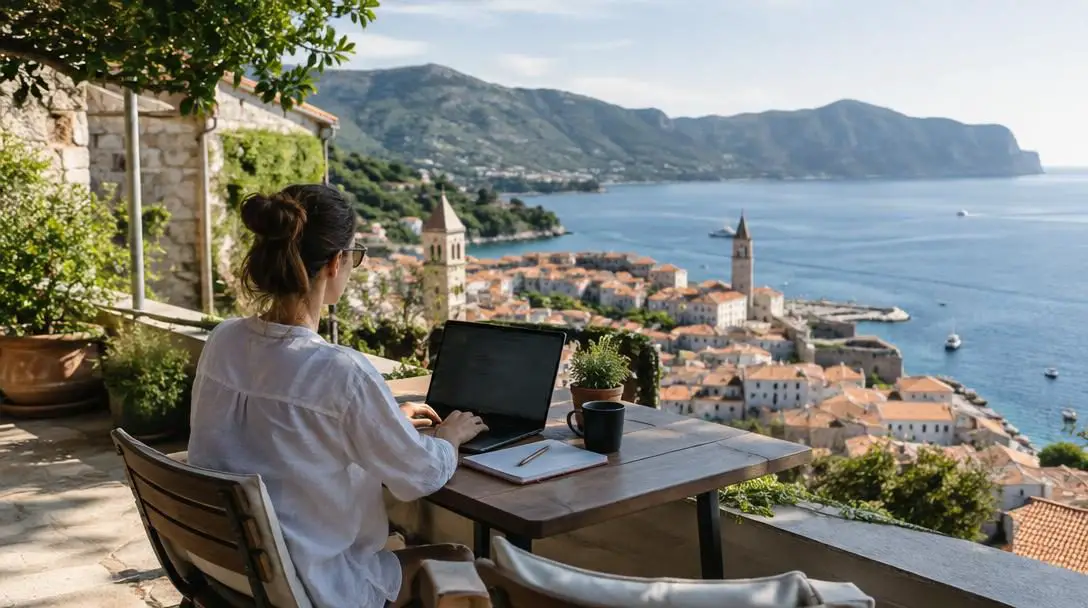
The digital nomad lifestyle has experienced remarkable growth in recent years, shifting from a niche counterculture into a viable career pathway for freelancers, entrepreneurs, and remote employees worldwide. Modern telecommunications, cloud platforms, and portable computing hardware make it entirely feasible to manage complex client projects, direct teams, and run businesses without being anchored to a single corporate office or geographic area. The opportunity to pair a fulfilling career with the discovery of unfamiliar international destinations offers an unprecedented degree of personal autonomy.
However, successful location independence requires far more than buying an airline ticket and finding an open seat at a local cafe. True remote travel is not an extended holiday; it is an active balancing act that demands consistent professional performance while navigating unfamiliar living conditions, foreign languages, and shifting logistics. Choosing the right host city is the most consequential decision a remote worker faces, as local infrastructure, economic conditions, and community support will directly determine whether the experience is sustainable or stressful.
Key takeaways
- Successful location independence requires balancing consistent professional output with the logistical realities of living abroad.
- Evaluating destinations based on living expenses, internet stability, safety, overall quality of life, and coworking availability prevents severe career disruptions.
- Global hubs like Lisbon, Chiang Mai, Medellin, Berlin, and Bali provide distinct trade-offs between living costs, cultural depth, and infrastructure.
- Establishing dual internet backups, disciplined daily routines, and slow travel habits protects remote workers from burnout and unexpected overhead.
Essential Factors for Evaluating Nomad Destinations
Before packing your bags and purchasing international tickets, it is critical to evaluate prospective destinations using a structured framework. Every professional holds unique priorities, but neglecting core structural foundations will quickly derail your productivity. A rigorous assessment of your target location protects both your work performance and your peace of mind.
Cost of living dictates your financial margin and personal freedom abroad. Evaluating local overhead requires looking beyond basic rent to examine the everyday costs of groceries, dining, local transportation, and recreational spending. Opting for affordable cities offers financial breathing room, which can prove invaluable for early-stage entrepreneurs or freelancers with variable income streams. Conversely, higher-cost capitals require a dependable, elevated revenue base to avoid unnecessary financial pressure.
Internet connectivity is non-negotiable for remote workers. A dropped connection during a crucial client conference or an unexpected multi-day neighborhood outage can jeopardize your professional reputation. Rigorous research into regional broadband speeds, cellular network coverage, and local electrical grid stability must precede any booking decision.
Safety and personal security form the bedrock of your day-to-day comfort. Thoroughly investigating local crime data, political developments, and regional vulnerability to severe natural events helps ensure that you can walk neighborhoods comfortably and focus on your work without chronic safety concerns.
Quality of life governs how much you enjoy your time away from the screen. Elements such as pleasant weather, vibrant neighborhood cultures, public green spaces, and diverse culinary offerings all influence personal morale. A location that supports healthy recreation and restorative leisure makes the demanding aspects of remote work worthwhile.
Coworking infrastructure provides reliable workspaces outside of temporary apartments. High-grade coworking centers supply ergonomic desks, quiet meeting rooms, backup power, and fast network links. Just as importantly, they serve as community centers where you can network, exchange practical knowledge, and build friendships with other international professionals.
Location independence is not merely an extended vacation, but a disciplined balance of professional responsibility and international exploration.
Top Cities for Digital Nomads
Taking into account the foundational factors of living costs, network infrastructure, security, lifestyle opportunities, and shared office infrastructure, several cities stand out globally as premier hubs for remote workers.
Lisbon, Portugal

- Country: Portugal
- Cost of Living: Low relative to Western European hubs
- Climate: Beautiful weather
- Key Features: Well-developed coworking scene and vibrant culture
Lisbon has established itself as one of the most prominent remote work capitals in Europe. Its primary appeal rests on a combination of a relatively low cost of living compared to other Western European capitals, mild and sunny weather, and a distinct coastal culture. The Portuguese capital features a rich historical core combined with a modern creative energy that welcomes international founders and remote employees.
The city's coworking infrastructure is exceptionally well developed, with collaborative desks, private offices, and community incubators scattered across central districts. These facilities host regular networking events, workshops, and social gatherings, making it easy to establish professional partnerships. Lisbon allows remote workers to experience the cultural and institutional benefits of the European Union without the steep price tags found in northern counterparts.
Chiang Mai, Thailand

- Country: Thailand
- Cost of Living: Low
- Climate: Great weather
- Key Features: Welcoming community and accessible entry point
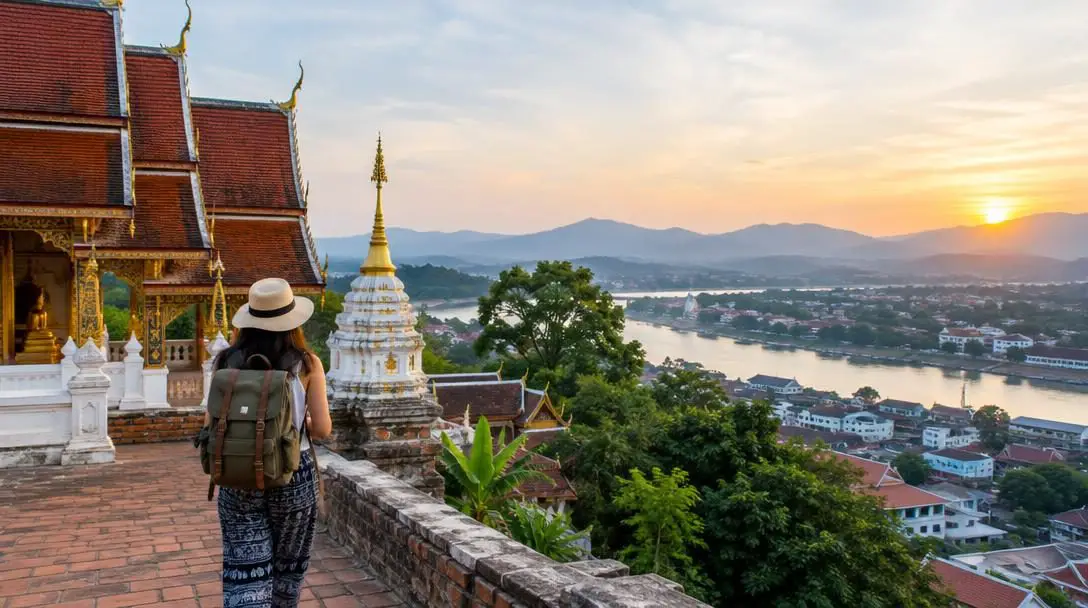
Located in the mountainous landscape of northern Thailand, Chiang Mai has long been considered a foundational hub for the global digital nomad movement. The city offers an exceptionally low cost of living, which allows newcomers to extend their financial runway while scaling businesses or establishing new client rosters. Despite its affordability, the city offers outstanding everyday convenience, delicious culinary traditions, and a famously welcoming local population.
The nomad ecosystem in Chiang Mai is mature and accessible. Countless modern cafes and dedicated coworking spaces cater directly to digital professionals, providing dependable high-speed connections and ergonomic workstations. Community-organized workshops, meetups, and networking sessions run continuously throughout the year, ensuring that even solo travelers can quickly form lasting social and professional networks.
Medellin, Colombia

- Country: Colombia
- Cost of Living: Low
- Climate: Great weather
- Key Features: Welcoming environment and thriving culture
Medellin has undergone an extraordinary urban transformation in recent years, evolving into a safe, dynamic, and welcoming destination for international remote workers. Situated in the Aburra Valley, the city is widely celebrated for its consistent, spring-like weather and rich cultural identity. Low everyday living costs enable nomads to live comfortably while exploring the city's diverse neighborhoods, culinary scene, and nearby mountain reserves.
The local coworking landscape has expanded rapidly, with innovative shared offices appearing throughout districts like El Poblado and Laureles. These venues provide robust connectivity and modern amenities alongside routine networking functions. For professionals seeking an energetic South American base with deep cultural roots and an active remote community, Medellin stands out as an attractive option.
Berlin, Germany

- Country: Germany
- Cost of Living: High compared to other nomad hubs
- Standard of Living: High
- Key Features: Rich culture, deep history, and vast networking potential
Berlin attracts professionals who prioritize artistic vitality, deep historical significance, and a high standard of living. As one of Europe's central technology and creative capitals, the city offers unmatched networking possibilities, regular industry conferences, and a dense concentration of entrepreneurs. Public services, transportation infrastructure, and urban amenities operate at a high standard of efficiency.
However, spending time in Berlin requires more rigorous financial discipline than destinations in Southeast Asia or South America. Everyday expenses, dining, and accommodations carry significantly higher costs, making it essential to have an established, dependable income. For nomads who can meet its financial threshold, Berlin delivers an intellectually stimulating environment supported by cutting-edge coworking centers and diverse international talent.
Bali, Indonesia

- Country: Indonesia
- Cost of Living: Low
- Climate: Warm climate
- Key Features: Natural beauty and relaxed, scenic environment
Bali remains one of the world's most recognizable destinations for location-independent professionals, pairing extraordinary tropical scenery with an easygoing daily pace. The island features dramatic coastlines, lush volcanic landscapes, and an inviting local culture that values community and hospitality. A low cost of living allows travelers to secure comfortable accommodations and enjoy leisure activities without straining their finances.
Beyond its postcard-ready aesthetic, Bali offers a world-class remote work infrastructure concentrated in areas such as Canggu and Ubud. Its coworking spaces are famous for blending open-air architectural designs with enterprise-grade fiber internet, quiet meeting facilities, and swimming pools. Regular social meetups, skill-sharing sessions, and collaborative projects ensure that remote workers stay professionally engaged while soaking in the relaxed island lifestyle.
At a Glance: Top Digital Nomad Destinations
| City | Country | Cost of Living | Climate | Primary Appeal |
|---|---|---|---|---|
| Lisbon | Portugal | Low (Western European context) | Beautiful weather | Vibrant culture, robust coworking ecosystem |
| Chiang Mai | Thailand | Low | Great weather | Welcoming community, affordable entry point |
| Medellin | Colombia | Low | Great weather | Thriving culture, major urban transformation |
| Berlin | Germany | High | Seasonal European | High standard of living, rich history and arts |
| Bali | Indonesia | Low | Warm climate | Natural beauty, scenic and relaxed setting |
How the Digital Nomad Lifestyle Operates in Practice
Building a successful life as a location-independent professional relies on coordinating technology, financial management, and housing. Because digital nomads shift locations far more frequently than conventional residents, they must maintain lean, redundant operational systems that travel easily.
At the center of this lifestyle is a portable professional infrastructure. A nomad relies on reliable laptops, external storage, encrypted communications, and specialized collaboration software to interface with employers and clients across continents. However, residential Wi-Fi networks in short-term rentals are notoriously erratic. Shared coworking facilities resolve this vulnerability by supplying high-speed fiber-optic lines, backup generators, private meeting pods for phone calls, and ergonomic chairs that preserve physical posture during marathon work sessions.
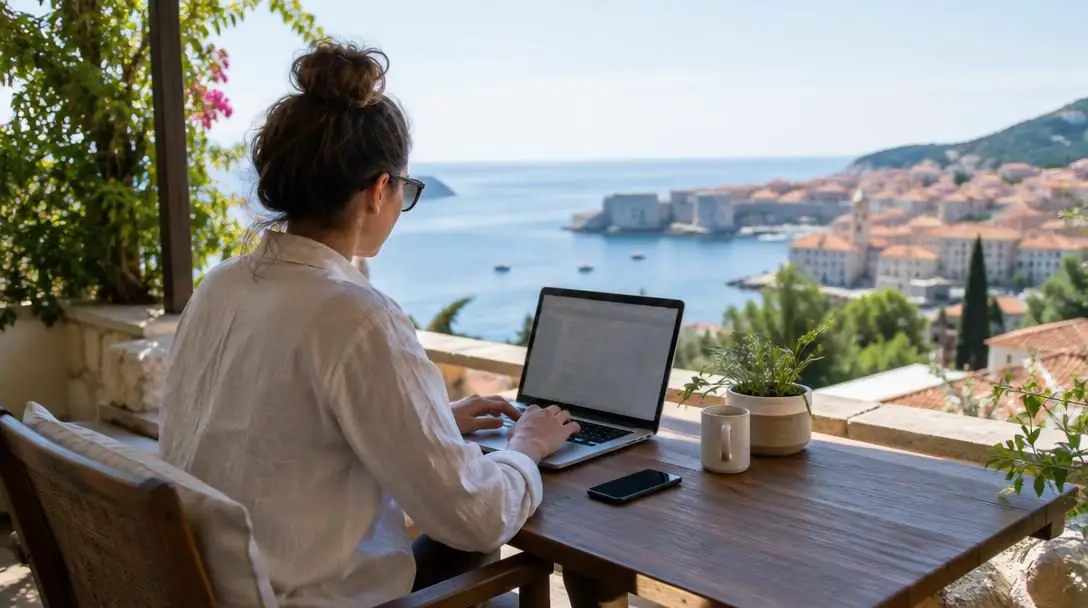
Housing arrangements also differ fundamentally from standard tenancy. Instead of signing rigid twelve-month leases, remote workers lean heavily into flexible, short-term rentals, serviced apartments, or extended-stay arrangements. This temporary housing model enables individuals to remain in a city for several weeks or months, evaluate whether the local rhythm suits their productivity, and easily relocate when project requirements, seasons, or personal interests dictate a change of scenery.
Step-by-Step Guide: Transitioning to Remote Work Abroad
Making the switch from a fixed residence to an international lifestyle can feel overwhelming without a clear operational sequence. Following these structured steps will help you move overseas smoothly without putting your career at risk.
- Audit your digital equipment: Inspect your primary laptop, peripherals, charging accessories, and external battery backups to ensure they are durable and portable. Purchase universal international power adapters and verify that all software and cloud backups operate smoothly.
- Research your destination thoroughly: Evaluate your prospective host city against the core pillars of everyday living costs, broadband speed reports, local crime statistics, and regional weather conditions to ensure it matches your lifestyle and workflow.
- Organize temporary accommodation: Secure verified lodging for your initial arrival period that guarantees a quiet, private space to rest along with reliable internet connectivity, allowing you to settle in and work without delay.
- Locate and join local workspaces: Map out reputable coworking spaces near your accommodation. Visiting these facilities during your first few days helps you establish a dependable daily schedule and connect with other working professionals.
- Establish a clear daily schedule: Set firm working hours aligned with your team or client time zones. Guard this schedule rigorously to maintain work output while setting aside deliberate time to explore local neighborhoods and recharge.
Navigating the Real Challenges of Living Abroad
While the prospect of working from scenic overseas hubs is undeniably attractive, the lifestyle introduces unique personal and professional difficulties that must be managed proactively.
Feelings of isolation and loneliness represent one of the most common obstacles for traveling workers. Stepping away from established family circles, long-time friends, and familiar community networks can cause emotional strain over extended periods. Digital nomads must make intentional efforts to combat isolation by attending coworking networking mixers, participating in community interest groups, and maintaining frequent video contact with loved ones back home.
Blurring work-life boundaries poses another persistent threat. When your living quarters double as your primary workspace, disconnecting from client obligations becomes difficult. Without rigid physical boundaries, remote professionals often find themselves checking messages late into the evening, leading to burnout. Establishing dedicated work zones and strictly powering down hardware during personal hours is vital for long-term health.
Cultural adaptation and language hurdles can also introduce quiet daily stress. Navigating unfamiliar grocery stores, understanding local transit systems, and interpreting different social norms demands mental energy. Approaching local communities with patience, cultural humility, and an eagerness to learn fundamental language phrases helps smooth this adjustment process.
Common Mistakes to Avoid
New digital nomads frequently fall into predictable traps that undermine their productivity and finances. Being mindful of these pitfalls can save you from costly headaches down the road.
- Failing to test internet redundancy: Relying on a single apartment router or cafe hotspot without an emergency backup, such as a dependable local cellular data plan, leaves you vulnerable to sudden service blackouts.
- Underestimating living costs: Even in affordable destinations like Chiang Mai, Bali, or Medellin, frequent restaurant dining, guided excursions, and short-term housing premiums can quickly drain your bank balance if expenses are not carefully monitored.
- Overloading travel itineraries: Changing locations every couple of weeks generates physical exhaustion and disrupts your work output. Embracing slow travel by staying in one place for one to three months allows you to build steady routines and discover destinations deeply.
- Neglecting physical well-being: Irregular sleep habits, irregular nutrition, and an absence of regular exercise will rapidly lower your focus and immune resilience while living abroad.
Frequently asked questions
What are the most important factors to check before picking a city?
The essential criteria include living expenses, internet connectivity speed and dependability, personal safety, overall quality of life, and the availability of well-equipped coworking spaces.
Why is Berlin more expensive than hubs like Chiang Mai or Bali?
Berlin operates within a Western European economic framework, delivering a high standard of living, efficient public infrastructure, and extensive cultural assets, which naturally carries higher costs for housing, food, and daily services.
How do digital nomads typically handle their housing?
Rather than signing traditional twelve-month leases, remote workers generally rely on short-term rentals and flexible serviced apartments, giving them the freedom to relocate when personal plans or work priorities shift.
How can remote workers prevent burnout and loneliness while traveling?
You can safeguard your well-being by joining local coworking centers to network with peers, maintaining regular contact with friends and family, and enforcing firm working hours to separate professional duties from downtime.
What is the smartest way to start if I have never worked abroad before?
Conduct a thorough self-assessment of your revenue, client expectations, and adaptability, then complete a short trial period in a single accessible destination before committing to an open-ended international move.
The Bottom Line
The transition to a location-independent career presents an extraordinary opportunity to broaden your worldview while advancing professionally. By prioritizing critical infrastructure over mere scenery, you can select destinations that support sustained focus, steady revenue generation, and personal growth. Cities like Lisbon, Chiang Mai, Medellin, Berlin, and Bali demonstrate that remote workers have access to diverse environments suited to different budgets, cultural interests, and working styles.
Ultimately, a successful digital nomad experience comes down to preparation and discipline. By arranging redundant technology, managing living costs, respecting local customs, and maintaining firm boundaries between your career and leisure hours, you can create a sustainable lifestyle that lets you discover the world without putting your professional ambitions on pause.