The Best Islands to Visit: Relaxation and Adventure in Paradise
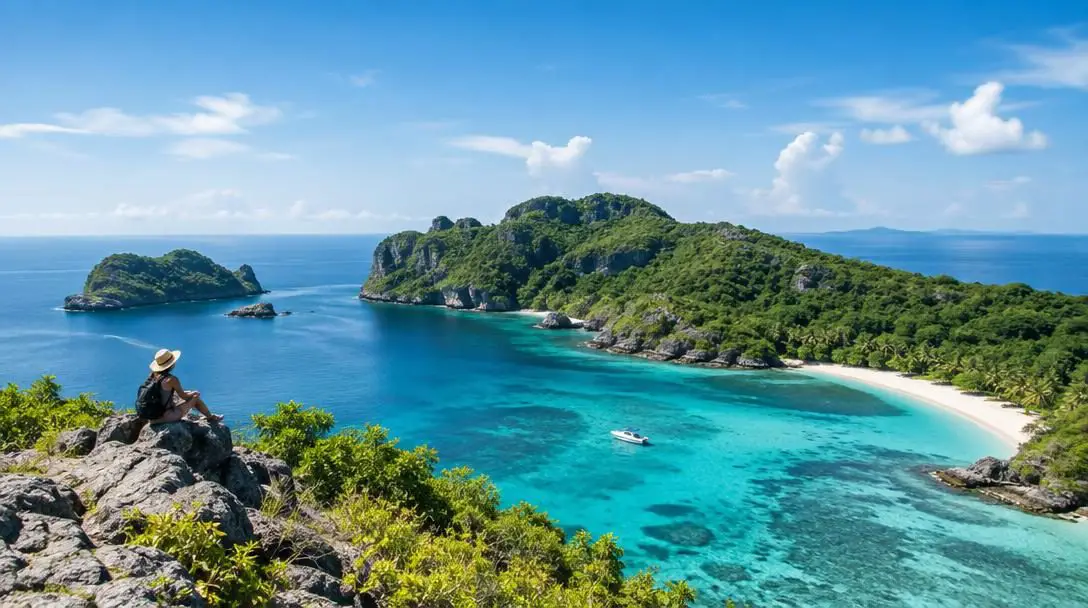
When it comes to planning a memorable vacation, islands stand out as some of the most alluring destinations across the globe. Bound by open ocean, these isolated landmasses offer an immediate mental transition, separating travelers from mainland routines through sparkling waters, soft sands, and verdant landscapes. The physical boundary of the sea fosters an unhurried rhythm that encourages visitors to disconnect from daily pressures and immerse themselves in the surrounding natural environment.
Every traveler approaches an island getaway with different priorities. Some visitors seek deep, restorative calm along protected lagoons, while others look to rugged volcanic ridges and icy summits for heart-pumping exploration. Choosing the right destination requires understanding how geography, local culture, and regional climate influence the experiences available on each shore, whether your priority is total rest, outdoor excitement, or an even mix of both.
Key takeaways
- Island topography determines the travel experience, with flat coral atolls offering tranquil relaxation and rugged volcanic landscapes providing active outdoor pursuits.
- Hawaii, the Maldives, and the Bahamas serve as world-class retreats for travelers whose main goal is coastal rest and mental restoration.
- Destinations like Bali, Iceland, and New Zealand cater to thrill-seekers with extreme sports, glacier trekking, and challenging physical terrain.
- Hybrid destinations such as Santorini, Phuket, and Fiji allow vacationers to balance cultural tours and outdoor sports with peaceful beachside downtime.
- Careful logistical planning around inter-island transit, microclimates, and physical fitness is essential for a seamless island journey.
Understanding Island Travel Dynamics
Islands have long captured the imaginations of voyagers because their geographic separation produces distinct ecosystems and unique cultural traditions. Because they developed apart from large mainland continents, islands often preserve microclimates and regional ways of living that feel worlds away from standard metropolitan hubs. This isolation shapes everything from the regional cuisine and daily tempo to the outdoor pursuits available to incoming guests.
Geology plays the central role in determining an island's character. Volcanic islands push abruptly out of the sea, creating dramatic elevation changes, sharp sea cliffs, and rich soil that supports thick rain forests and rugged mountain trails. These dramatic landforms naturally attract active hikers, climbers, and exploratory adventurers. In contrast, coral atolls and low-lying archipelagos sit just above sea level, producing quiet lagoons, shallow sandbars, and protected warm waters tailored for uninterrupted rest.
The physical barrier of the open ocean provides an immediate mental reset, encouraging travelers to slow down and match their pace to the sea.
Cultural traditions also reflect this profound maritime connection. Generations of fishing, coastal seafaring, and close-knit community life foster environments of generous hospitality. Visitors do not simply encounter picturesque vistas; they enter communities that maintain deep, enduring bonds with the land and water, enriching both quiet days on the sand and strenuous excursions inland.
At a Glance: Comparing Top Island Destinations
| Destination | Primary Appeal | Key Landscape Features | Signature Highlights |
|---|---|---|---|
| Hawaii | Pure Relaxation | Volcanic peaks, lush forests, sandy beaches | Maui coastlines and serene Kauai wilderness |
| The Maldives | Pure Relaxation | Low-lying atolls, clear shallow lagoons | Luxury overwater bungalows and turquoise seas |
| The Bahamas | Pure Relaxation | Over 700 low-elevation islands and sandbars | Warm coastal breezes and shallow, clear waters |
| Bali | Thrilling Adventure | Terraced hillsides, tropical jungle, ocean breaks | Coastal surf swells, jungle hikes, rural cycling |
| Iceland | Thrilling Adventure | Glaciers, volcanic fields, geothermal springs | Glacier ice climbing and natural thermal baths |
| New Zealand | Thrilling Adventure | Alpine summits, coastal fjords, native forests | Skiing, snowboarding, bungee jumping, skydiving |
| Santorini | Balanced Escape | Volcanic caldera, cliffside villages, Aegean shores | Ancient archaeological ruins and sunset boat tours |
| Phuket | Balanced Escape | Dense jungle interiors, expansive sandy shores | Buddhist temples, elephant treks, active nightlife |
| Fiji | Balanced Escape | Lush rainforests, interior waterfalls, barrier reefs | Scuba diving, reef snorkeling, coastal relaxation |
The Best Islands for Dedicated Relaxation
For vacationers whose primary objective is to decompress and escape demanding schedules, certain islands offer unmatched serenity. These destinations emphasize slow living, panoramic water views, and gentle sounds of rolling waves and ocean breezes.
Hawaii

- Geographic Scope: Eight main islands in the Pacific
- Top Leisure Spots: Maui beaches and Kauai forests
- Atmosphere: Tropical climate with a laid-back culture
Hawaii remains a quintessential destination for visitors looking to slow their pace. The archipelago consists of eight main islands, each presenting a distinct character for travelers seeking leisure. Maui provides world-famous stretches of sandy shoreline where calm surf and gentle breezes set an effortless tone for sunbathing and swimming. For an even more tranquil escape, the island of Kauai offers dense, peaceful forests and rich green valleys, earning a reputation as a calm sanctuary ideal for quiet walks and restorative natural retreats.
The Maldives
- Location: Indian Ocean
- Signature Lodging: Overwater bungalows
- Environment: Small coral islands and turquoise shallows
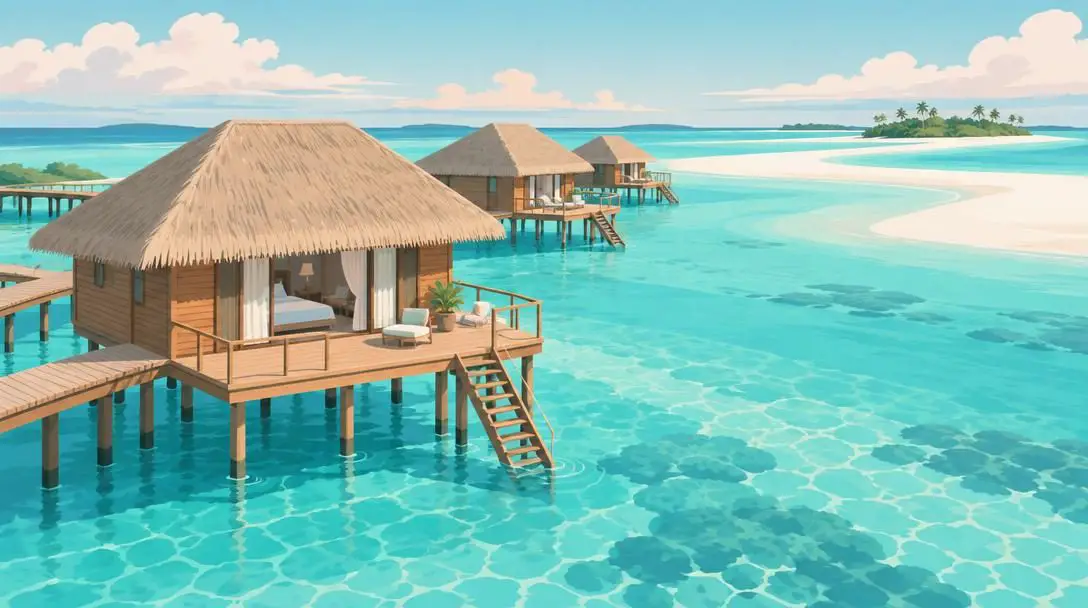
Located in the warm expanse of the Indian Ocean, the Maldives is celebrated for serene isolation and pristine geography. The nation is made up of small, low-lying islands encircled by white sand and calm, turquoise waters. The signature Maldives experience centers on its luxurious overwater bungalows, which are built on stilts directly above shallow lagoons. Guests can step straight from private wooden sundecks into clear water, enjoying complete seclusion far removed from urban noise and crowded coastlines.
The Bahamas
- Island Count: Over 700 distinct islands
- Climate: Warm tropical weather with coastal breezes
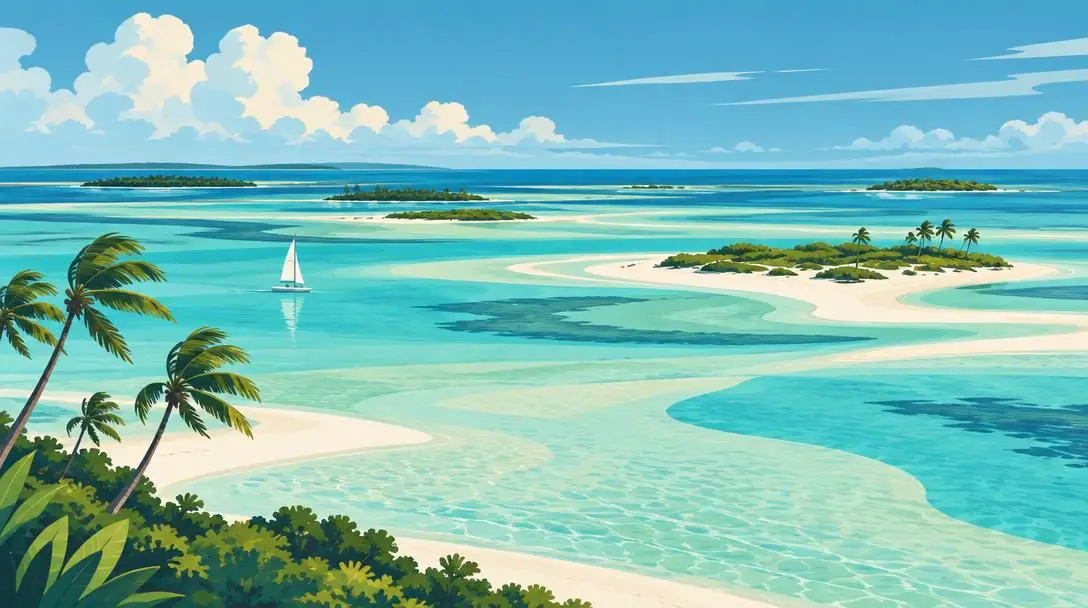
- Key Characteristic: Expansive shallow sandbars and calm seas
The Bahamas sits close to North America yet feels entirely separate from the frantic pace of the mainland. Featuring more than 700 individual islands and cays, this archipelago offers endless coastal variety. Visitors can spend unhurried days wandering along quiet sandbars, wading through transparent, shallow water, and taking in the warm coastal climate. The widespread nature of the islands allows travelers to easily find secluded beaches where peaceful water gazing is the only item on the agenda.
The Best Islands for Thrilling Adventure
Travelers who find renewal through physical action and dramatic landscapes can turn to islands with rugged topographies. These destinations serve as natural playgrounds for hiking, watersports, and high-altitude exploration.
Bali
- Nation: Indonesia
- Active Pursuits: Surfing, hiking, and rural cycling
- Landscape: Terraced hillsides, tropical greenery, and coastal breaks
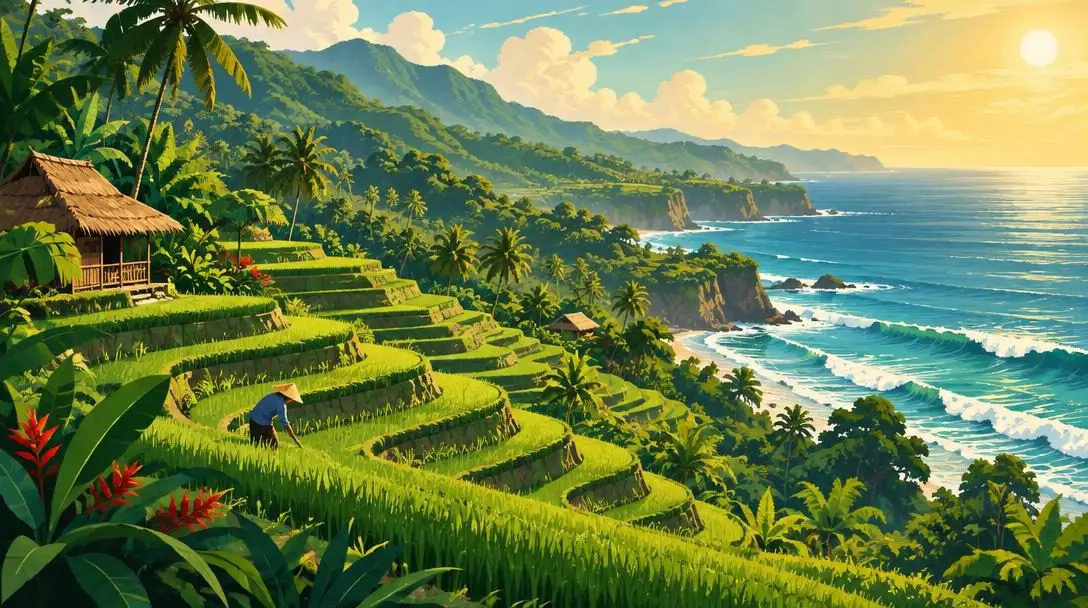
Bali combines intense outdoor physical challenges with rich artistic and cultural heritage. Surfers travel from across the world to challenge the powerful ocean swells that break along its coasts. Beyond the beach, hikers can climb through steep, terraced rice hillsides and thick jungle trails that rise toward interior volcanic peaks. Exploring the island by bicycle provides an active, up-close look at rural villages, winding valleys, and time-honored spiritual traditions that shape local daily life.
Iceland
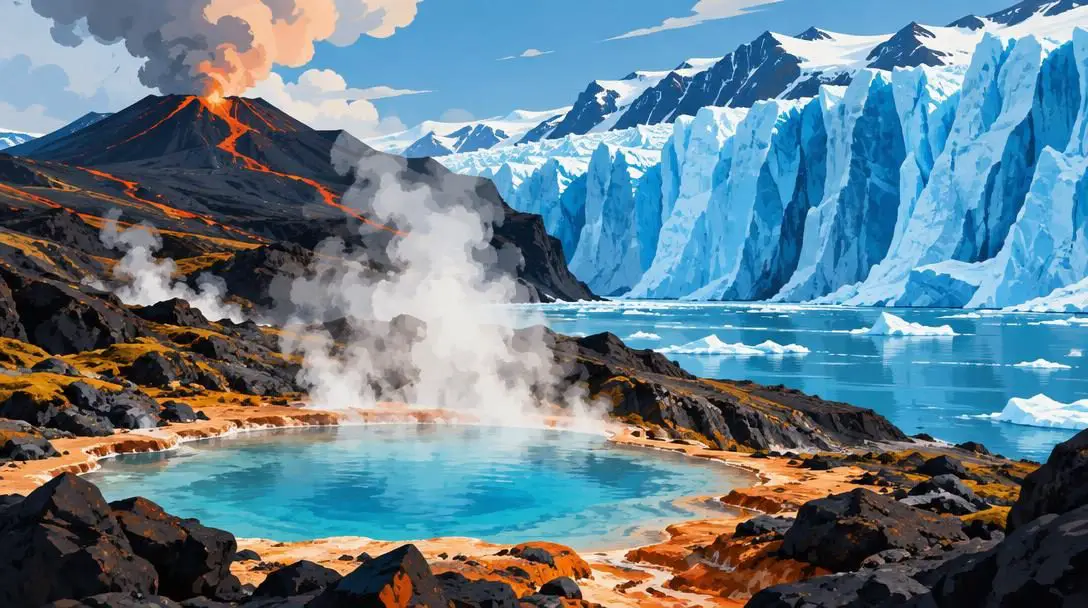
- Terrain: Glaciers, volcanic fields, and thermal springs
- Signature Activities: Ice climbing, coastal hiking, and hot spring bathing
- Climate Character: Subarctic environment shaped by fire and ice
Iceland offers cold-weather exploration where underground heat meets massive polar ice sheets. Outdoor enthusiasts can walk across jagged volcanic fields, explore sea-carved coastal cliffs, and mount crampons to go ice climbing across towering glaciers. The island's geothermal activity provides the ultimate physical reward: after exhausting treks across subarctic terrain, adventurers can soothe their muscles in naturally heated mineral hot springs located throughout the countryside.
New Zealand
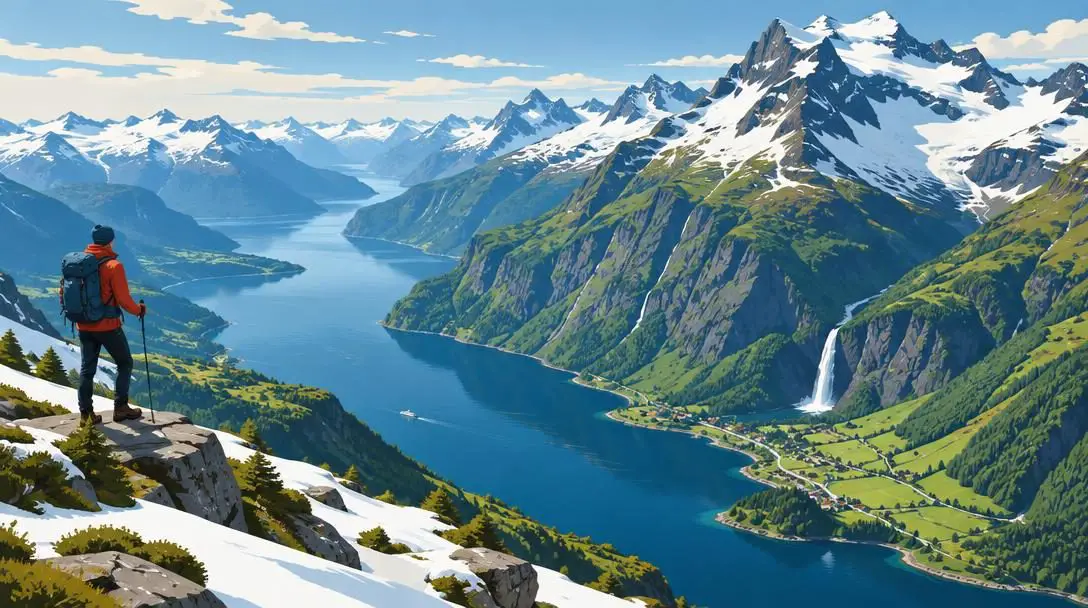
- Topography: Alpine mountains, fjords, and temperate forests
- Winter Pursuits: Skiing and snowboarding
- Extreme Sports: Bungee jumping and skydiving
New Zealand has established a global reputation as a premier destination for energetic exploration. The island nation encompasses dramatic geographic variety, from steep alpine ranges to deep coastal fjords. During the colder months, pristine snowfields provide world-class skiing and snowboarding. For those seeking unmatched adrenaline rushes, New Zealand remains an international hub for extreme sports, offering skydiving and bungee jumping over sprawling valleys and clear mountain lakes.
The Best Islands for a Balanced Escape
Many travelers prefer not to choose between high-energy recreation and peaceful lounging. A select group of versatile islands makes it easy to embark on strenuous morning adventures and spend calm afternoons resting by the sea.
Santorini

- Nation: Greece
- Key Highlights: Aegean sunsets, volcanic caldera, ancient ruins
- Primary Activities: Caldera boat tours and archaeological exploration
Santorini balances rich historical discovery with quintessential Mediterranean leisure. The island curves around a dramatic flooded volcanic caldera, offering stunning cliffside panoramas. Culture-focused travelers can explore ancient ruins and local museums that preserve the artifacts of ancient Aegean civilizations, or board a boat tour to navigate the caldera waters and nearby volcanic islands. When it is time to unwind, visitors can spend quiet hours on distinctive coastal beaches before watching the famous sunset over the horizon.
Phuket
- Nation: Thailand
- Key Attractions: Buddhist temples, jungle landscapes, dynamic nightlife
- Signature Excursions: Elephant trekking and beachside leisure
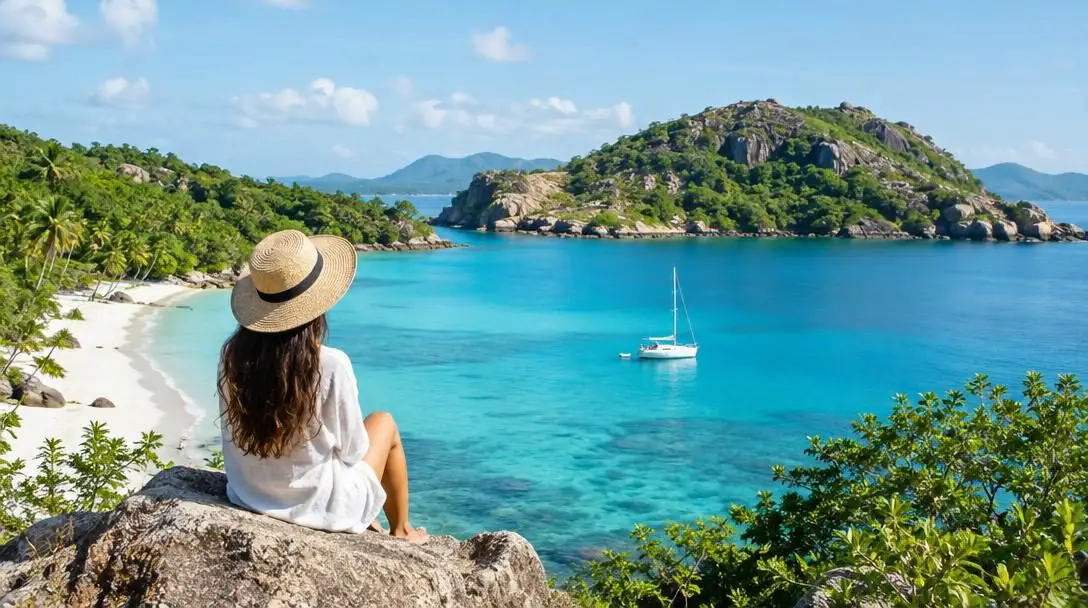
Phuket provides a colorful blend of outdoor adventure, historical sites, and beach culture. In the island's interior, travelers can hike lush jungle paths, visit ornate Buddhist temples, or take part in elephant trekking excursions through wooded hills. After active exploration, Phuket's long stretches of sand offer peaceful settings for swimming and sunbathing, which seamlessly transition into lively evening dining and coastal entertainment.
Fiji
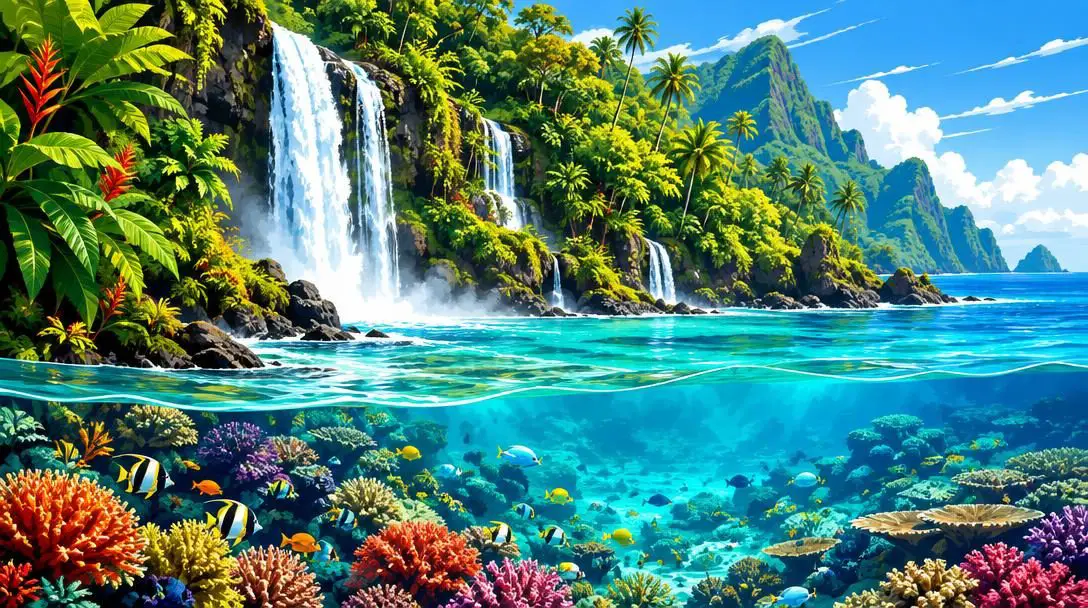
- Region: South Pacific
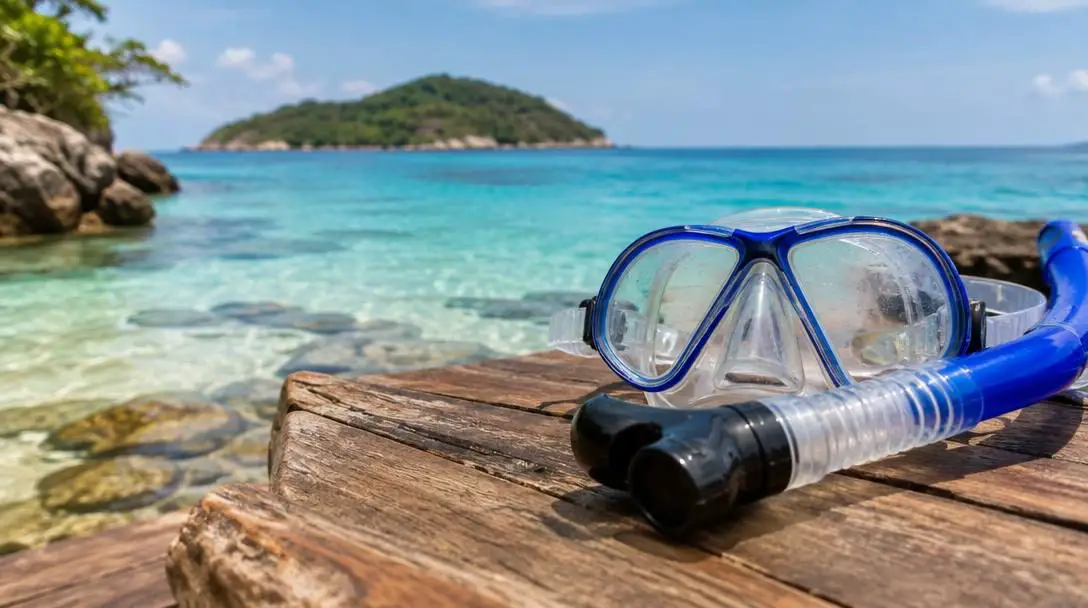
- Marine Pursuits: Scuba diving and snorkeling on coral reefs
- Inland Highlights: Dense rainforests and hidden waterfalls
Fiji captures the harmony of South Pacific travel with its mix of ocean adventures and pristine beaches. The archipelago is encircled by thriving coral systems, offering world-class conditions for snorkeling and scuba diving among rich marine life. On land, hikers can trek through dense tropical rainforests to discover remote waterfalls and scenic mountain viewpoints. Following these energetic outings, travelers can sink into the soft sands of quiet shores and enjoy the calm, warm ocean waters.
How to Plan Your Island Vacation
Because island logistics differ significantly from mainland travel, organizing your itinerary in advance ensures a smooth, stress-free trip. Follow these structured steps to prepare for your getaway:
- Identify Your Core Travel Goal: Determine whether your primary need is complete mental relaxation, rigorous physical adventure, or a balanced split between the two. Defining this focus prevents you from booking a sleepy, remote atoll when you want extreme sports, or a rugged mountain island when you need quiet beach days.
- Map Out On-Island Transportation: Investigate local travel options well before departure. Determine whether your destination requires renting a four-wheel-drive vehicle, booking inter-island regional flights, riding public ferries, or scheduling private water taxis to reach remote coves.
- Pack Purpose-Built Gear: Island conditions expose belongings to saltwater, fine sand, and sudden rain showers. Pack durable dry bags for boat transfers, reef-safe sunscreen to safeguard sensitive coastal ecosystems, supportive footwear for slippery trails or volcanic rock, and breathable layers suited to shifting maritime weather.
- Review Environmental and Cultural Rules: Island ecosystems and historic monuments are delicate. Check local conservation guidelines regarding marine sanctuaries, trail permits, and wildlife distance rules. Research dress codes and behavioral expectations before visiting sacred temples or historic ruins.
- Draft an Alternating Schedule: If you are visiting an island that offers both recreation and rest, avoid stacking intense excursions back-to-back. Alternate strenuous hiking or diving days with open-ended beach afternoons to ensure you return home genuinely refreshed.
Common Island Travel Pitfalls to Avoid
Island environments present unique operational challenges that can disrupt travel plans if ignored. Avoiding these common mistakes will keep your trip running smoothly:
- Overpacking the Daily Schedule: Island life moves at a measured, unhurried pace dictated by ferry connections, tide changes, and coastal weather. Scheduling too many activities in one day creates unnecessary stress when island transit takes longer than planned.
- Underestimating Sun and Wind Exposure: Coastal breezes can mask the intensity of tropical and oceanic sun. Failing to apply protective sunscreen, skipping hydration, or overexerting yourself in midday heat can quickly cause fatigue and sunstroke.
- Treating Archipelagos as Monolithic: Island chains like Hawaii, the Bahamas, and Fiji feature distinct microclimates, topographies, and infrastructure across their different islands. Never assume one island provides the same setting or activities as its neighbors.
- Ignoring Transfer Schedules: Missing a scheduled ferry, inter-island flight, or boat transfer can derail your entire schedule, as subsequent departures may not run until the following morning. Always verify departure times and leave generous buffer windows.
- Disregarding Local Heritage and Customs: Many island populations maintain deep spiritual and cultural connections to their surrounding landscape and sacred sites. Wearing improper clothing at temples or treating historic ruins disrespectfully creates tension with resident communities.
Seasonal and Physical Considerations
Seasonal weather patterns have an outsized impact on island vacations. Tropical locations routinely experience distinct wet and dry seasons. The dry season typically brings calmer seas, clearer water for snorkeling and diving, and lower humidity, while the wet season can bring heavy rainfall and rough coastal swells that alter outdoor itineraries. Subarctic islands like Iceland experience radical shifts in daylight, swinging from long midnight sun in summer to brief daylight windows in winter, accompanied by dramatic temperature drops. Reviewing historical weather patterns helps you pack appropriately and set realistic expectations for your journey.
Personal physical preparation is equally vital when selecting an adventure-focused island. Activities such as glacier ice climbing, high-swell surfing, deep-sea scuba diving, and steep jungle trekking require a baseline level of cardiovascular fitness and comfort in rugged outdoor settings. Verifying necessary certifications in advance, such as open-water dive credentials, guarantees you can safely participate in the adventures you have planned.
Frequently asked questions
Which island is best for travelers wanting pure beach relaxation?
The Maldives is widely considered the ultimate destination for dedicated beach relaxation, thanks to its secluded coral atolls, warm turquoise lagoons, and private overwater bungalows that let visitors step directly into the sea without leaving their room.
What makes Iceland a top pick for adventurous travelers?
Iceland combines subarctic cold with geothermal energy, allowing travelers to tackle glacier ice climbing, hike along rugged volcanic coastlines, explore dramatic geological terrain, and unwind in naturally heated outdoor hot springs.
How do volcanic islands differ from coral atolls for vacationers?
Volcanic islands feature steep elevations, sea cliffs, mountain trails, and rich rain forests suited for hiking, climbing, and active tours. Coral atolls are low-lying formations surrounding calm lagoons, making them naturally suited for gentle swimming, snorkeling, and sunbathing.
Which islands offer a good balance of culture and outdoor activities?
Santorini and Phuket excel at combining physical activity with cultural depth. Santorini pairs caldera boat tours with ancient archaeological ruins and cliffside villages, while Phuket combines jungle treks and watersports with historic Buddhist temples and vibrant night markets.
What is the biggest logistical mistake people make when visiting islands?
The most common mistake is failing to account for inter-island transit schedules. Ferries and small regional flights run on limited timetables and are subject to weather delays, meaning travelers who overpack their schedules risk missing key transfers and losing entire travel days.
The Bottom Line
Whether your vision of paradise involves sleeping above quiet turquoise lagoons, hiking across volcanic peaks, or diving through coral reefs, the world's islands offer spaces suited to every kind of traveler. The key to a successful journey lies in matching your personal vacation goals with the distinct geology and pace of your chosen destination. By planning your logistics carefully, respecting local ecosystems, and packing the right gear, your island escape will deliver the perfect balance of relaxation, exploration, and unforgettable memories.