The Best Winter Travel Destinations: Snowy Adventures and Cozy Getaways
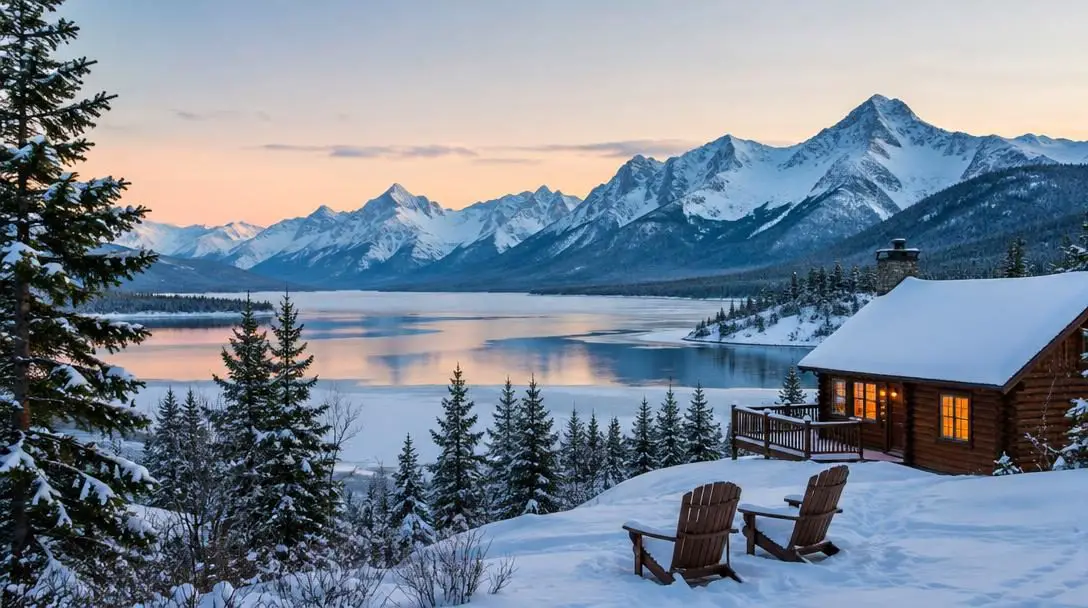
The arrival of freezing temperatures and snowfall transforms landscapes across the globe, opening up a travel season defined by frosted forests, quiet mountain towns, and distinct seasonal traditions. While colder conditions require thoughtful planning, they also offer an atmosphere impossible to replicate during the summer, pairing high-energy outdoor activities with deeply restorative indoor comfort.
Whether traveling to test your athletic endurance on steep alpine runs, explore ice architecture and winter festivals, or curl up beside a roaring fire in a secluded forest cabin, winter travel accommodates a broad spectrum of preferences. Approaching these cold-weather destinations thoughtfully means balancing vigorous open-air pursuits with thermal protection, environmental awareness, and careful route management.
Key takeaways
- Winter destinations cater to both high-adrenaline sports lovers and travelers seeking quiet, cozy alpine relaxation.
- Iconic ski hubs like Whistler Blackcomb, Aspen, and Chamonix deliver world-class terrain, while regions like Alaska, Norway, and Lapland offer unique backcountry adventures such as dog sledding.
- Seasonal cultural gatherings—from ice festivals in Sapporo and Harbin to German Christmas markets—celebrate sub-zero weather through art and community traditions.
- Safe winter journeys depend on modular three-layer thermal clothing, planning around shorter daylight hours, and securing four-wheel-drive transportation with appropriate winter tires.
Premier Downhill Destinations for Skiing and Snowboarding
For dedicated winter sports enthusiasts, the colder months are synonymous with skiing and snowboarding. World-class resorts combine modern lift infrastructure, varied alpine terrain, and dramatic high-altitude scenery to accommodate both novice slope-goers and advanced athletes.
| Destination | Primary Region | Key Attraction | Terrain Profile |
|---|---|---|---|
| Whistler Blackcomb | British Columbia, Canada | Expansive ski runs and panoramic views | Varied terrain for all winter sports levels |
| Aspen | Colorado, United States | Iconic town atmosphere and downhill sports | Diverse slopes catering to multiple skill tiers |
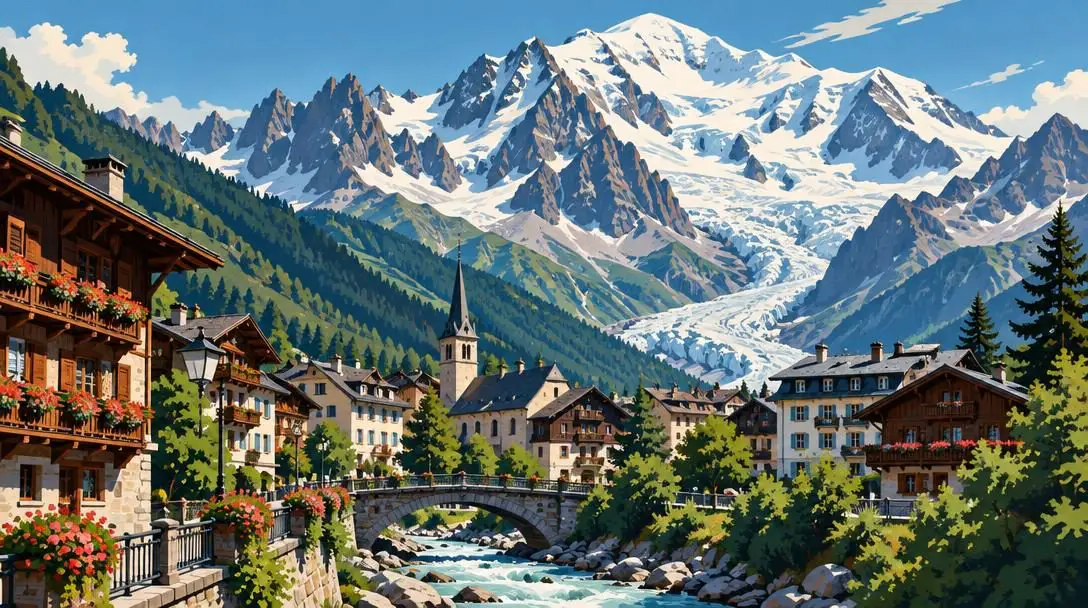
| Chamonix | French Alps, France | Mont Blanc backdrop and historic ski culture | Dramatic, steep high-mountain networks |
Whistler Blackcomb
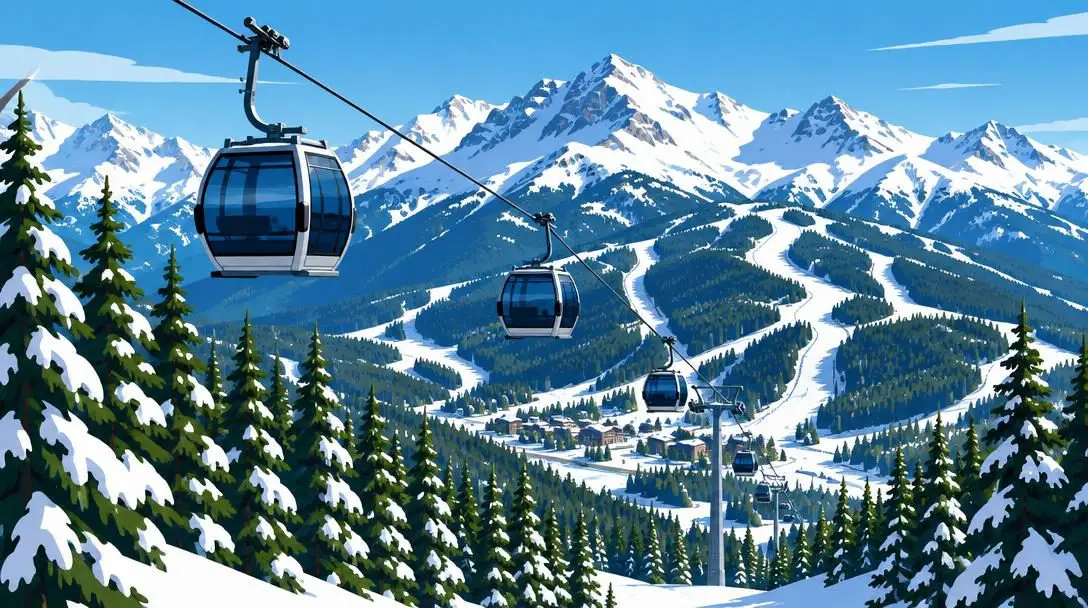
- Location: British Columbia, Canada
- Terrain focus: Downhill skiing and snowboarding
- Signature feature: Breathtaking mountain views and expansive ski runs
Situated in the coastal mountains of western Canada, Whistler Blackcomb stands as one of the premier destinations for alpine sports in North America. The resort is celebrated for its sweeping panoramic vistas and unmatched diversity of ski runs. Winter sports enthusiasts view it as an essential stop due to its reliable snow cover, extensive lift access, and lively village base.
Aspen
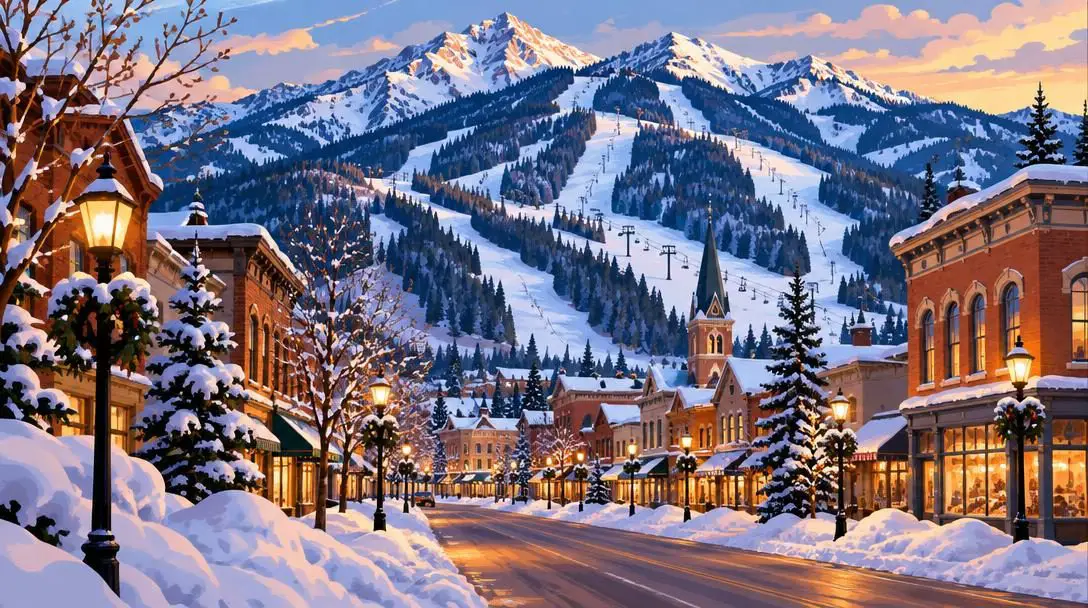
- Location: Colorado, United States
- Terrain focus: Multi-tiered downhill trails
- Signature feature: World-renowned alpine town ambiance
Few places rival the prestige of Aspen, a Rocky Mountain destination renowned worldwide for downhill skiing and snowboarding. Beyond its challenging, varied vertical drops suited to a range of experience levels, Aspen pairs athletic adventure with an iconic mountain town environment rich in dining, arts, and winter charm.
Chamonix
- Location: Haute-Savoie, France
- Terrain focus: High-alpine and steep mountain skiing
- Signature feature: Perched at the base of Mont Blanc
Set directly beneath the towering peak of Mont Blanc, Chamonix is a historic European winter sports hub that attracts skiers from every continent. Its dramatic high-mountain landscapes and deep valleys provide a rugged, authentic backdrop for exploring vast networks of interconnected ski runs and legendary off-piste descents.
Backcountry Adventures Beyond the Downhill Slopes
While alpine ski slopes claim much of the seasonal spotlight, winter landscapes offer exceptional adventures for those interested in alternative modes of travel. Traversing backcountry trails under sub-zero conditions provides an entirely different perspective on frozen environments.
Dog sledding offers a fast-paced and historically grounded way to venture deep into snowy terrain. Powered by dedicated working canine teams, dog sledding expeditions are widely popular across northern destinations such as Alaska, Norway, and Canada. Guided tours give travelers the opportunity to witness working dogs navigate backcountry trails while passengers experience the stillness of remote wilderness areas.
For travelers interested in self-propelled or mechanized alternatives, several accessible options exist:
- Snowmobiling: Mechanized touring allows travelers to cross vast distances over frozen lakes, alpine valleys, and deep backcountry powder that would otherwise take days to reach on foot.
- Snowshoeing: Utilizing wide-framed snowshoes distributes body weight to prevent sinking into deep drifts, offering a quiet, self-paced way to explore silent forests and alpine nature reserves.
- Ice Skating: Whether executed on maintained urban outdoor rinks or smooth, naturally frozen backcountry water bodies, ice skating remains a quintessential winter pastime accessible to varied skill levels.
Cozy Getaways for Relaxation and Alpine Solitude
Winter journeys need not revolve entirely around high-intensity athletics. For many travelers, the true charm of the season lies in peaceful retreats where snowy wilderness serves as a scenic frame for indoor warmth, restorative spa culture, and quiet contemplation.
The Swiss Alps
- Location: Switzerland
- Travel style: Alpine relaxation and scenic luxury
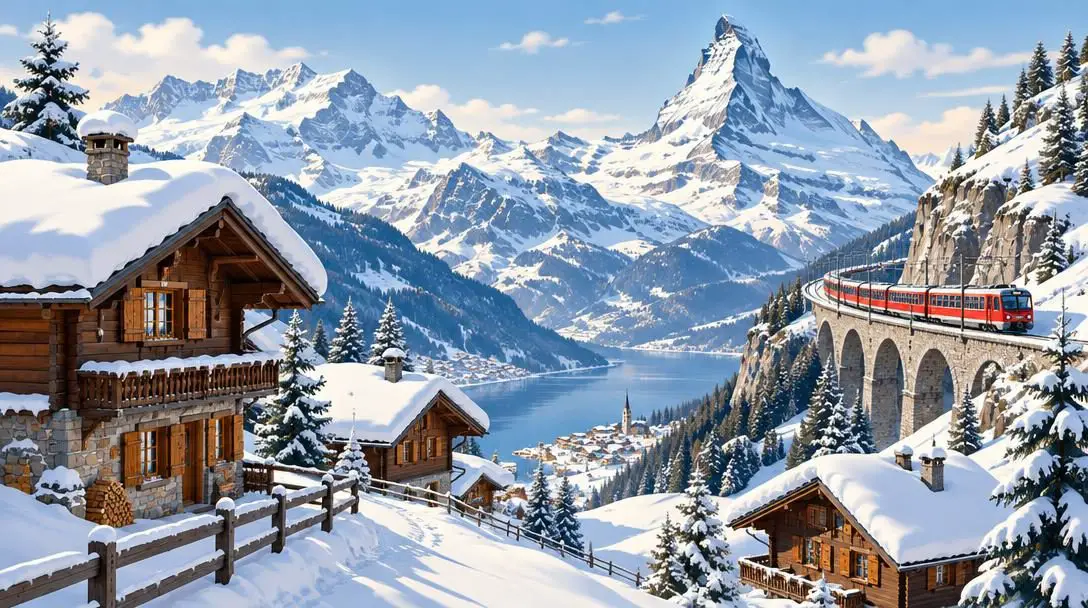
- Signature feature: Picturesque chalets, mountain views, and hospitality
Recognized globally as a premier setting for a restorative getaway, The Swiss Alps feature storybook mountain hamlets, historic cogwheel railways, and world-class hospitality. Travelers can spend their days admiring jagged, snow-draped peaks from thermal baths or village cafes before retreating to traditional alpine chalets designed for rest and comfort.
Banff
- Location: Alberta, Canada
- Travel style: Wilderness retreat in the Canadian Rockies
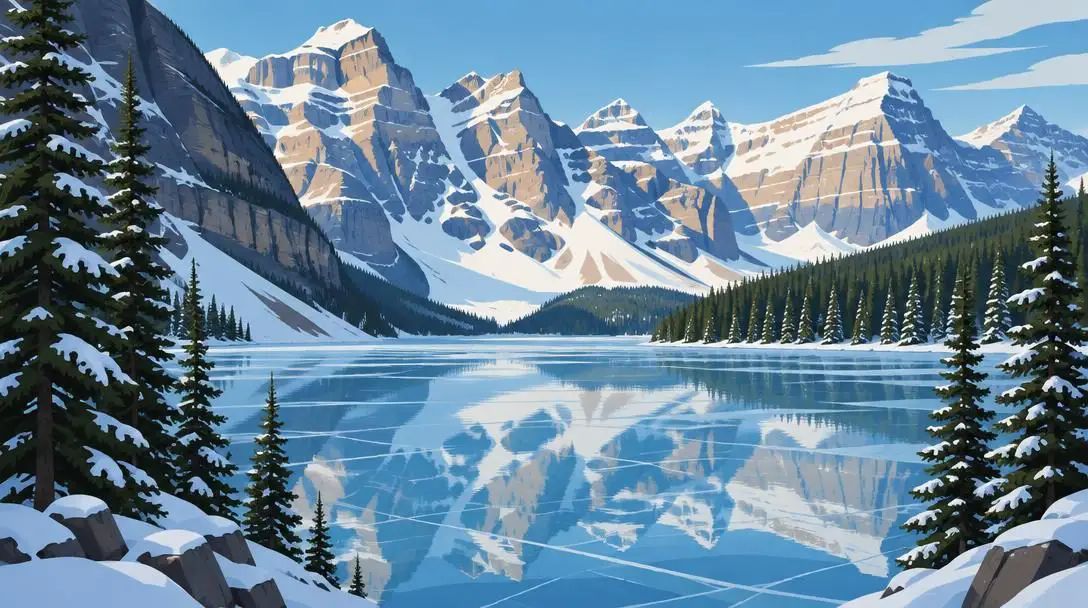
- Signature feature: Dramatic snow-capped peaks and quiet natural sanctuaries
Nestled in the heart of the Canadian Rockies, Banff offers a dramatic natural backdrop paired with the cozy amenities of a welcoming mountain town. Visitors can spend unhurried afternoons gazing at towering limestone summits, visiting serene frozen lakes, and warming up in quiet forest lodges surrounded by deep winter snowpacks.
Lapland
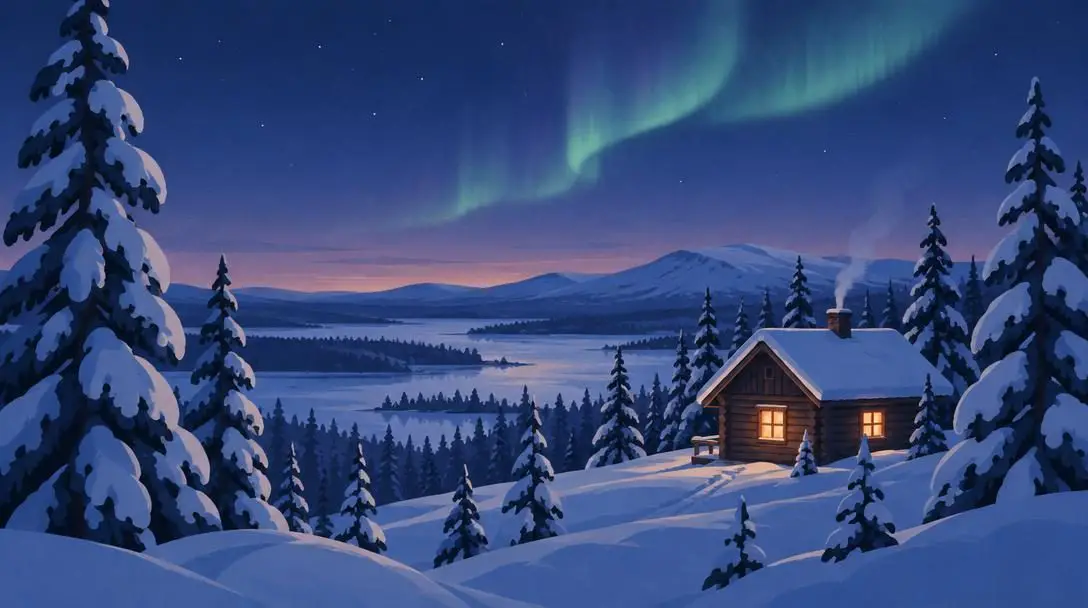
- Location: Northern Finland
- Travel style: Sub-arctic wilderness and cultural immersion
- Signature feature: Vast, tranquil snowscapes and indigenous traditions
Located high above the Arctic Circle, Lapland is a destination defined by its vast, silent pine forests, deep snowbanks, and tranquil polar atmosphere. It provides an ideal sanctuary for travelers looking to disconnect, learn about northern indigenous cultures, and enjoy the quiet stillness of the far north.
Across all these regions—as well as the rugged mountains of Colorado and the dense evergreen forests of Sweden—the cozy cabin or forest lodge remains the gold standard of winter lodging. These accommodations provide the ultimate seasonal sanctuary, centering the experience around crackling stone fireplaces, hot cocoa, thick wool blankets, and steaming outdoor hot tubs to counter the freezing air outside.
Winter Festivals and Seasonal Cultural Celebrations
Rather than retreating indoors when the mercury drops, communities throughout the world host vibrant winter celebrations that turn ice and snow into public works of art and social gathering spaces.
Sapporo Snow Festival
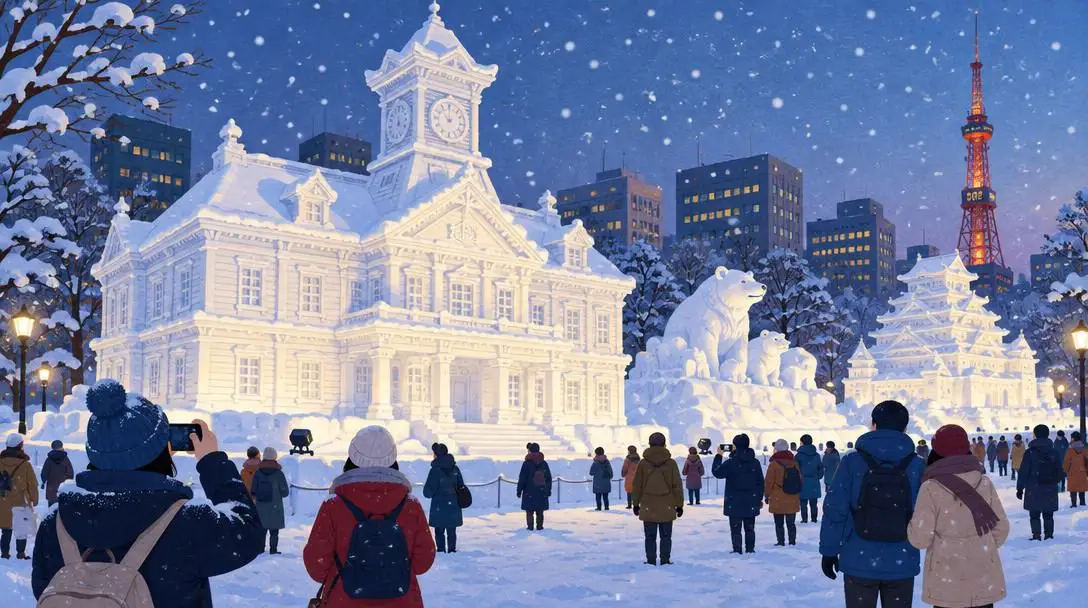
Held annually in Hokkaido, Japan, the Sapporo Snow Festival is one of the world's most famous winter celebrations. Spanning multiple public parks, the event showcases colossal, architectural snow sculptures carved with extraordinary precision, alongside outdoor ice skating rinks and regional food vendors serving steaming bowls of northern ramen.
Quebec Winter Carnival
Canada's historic Quebec Winter Carnival celebrates the joys of sub-zero living with traditional French-Canadian flair. The festival features dynamic outdoor snow slides, ice skating rinks, festive parades, and an elaborate temporary ice hotel sculpted entirely from blocks of frozen water and packed snow.
Harbin Ice and Snow Festival
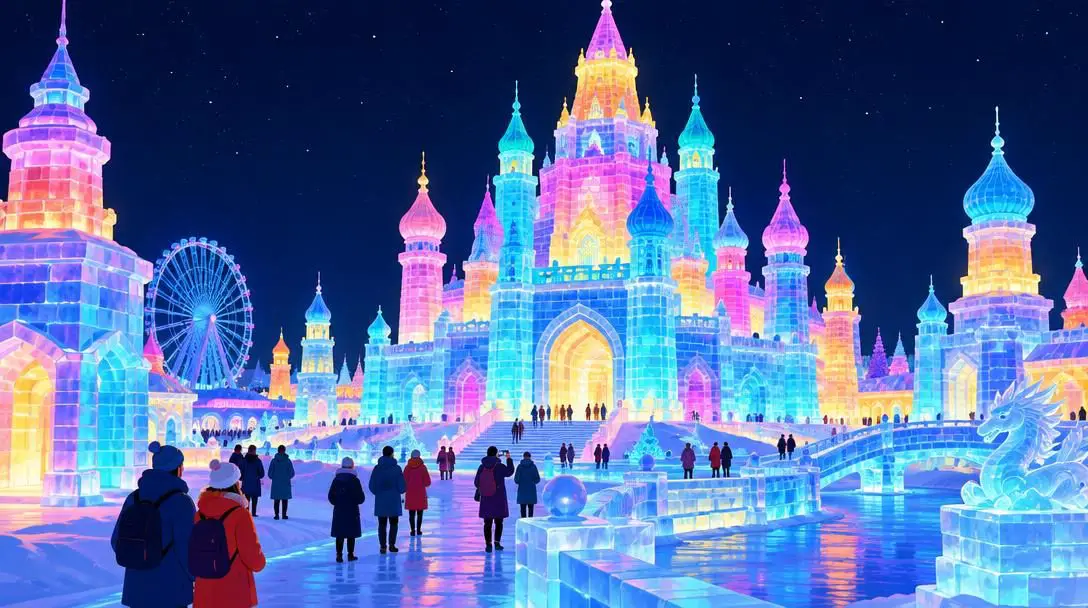
For unmatched scale and visual spectacle, northern China's Harbin Ice and Snow Festival is globally renowned for its sprawling city-sized complex of towering ice palaces, pagodas, and sculptures. Harvested directly from the frozen Songhua River, the massive ice blocks are fitted with internal computer-controlled LED displays that illuminate the sub-zero nights in brilliant color.
The Northern Lights in Iceland
During the long, dark winter nights, travelers flock to Iceland to witness the aurora borealis. This spectacular natural light show occurs when solar particles interact with the Earth's magnetic field, creating green and violet ribbons that dance across frozen volcanic landscapes and glacier lagoons.
Christmas Markets in Germany
Throughout December, historic town squares across Germany come alive with traditional open-air Christmas markets. Surrounded by timbered architecture and festive illumination, visitors browse artisan craft stalls while warming up with roasted nuts, seasonal baked goods, and hot spiced drinks.
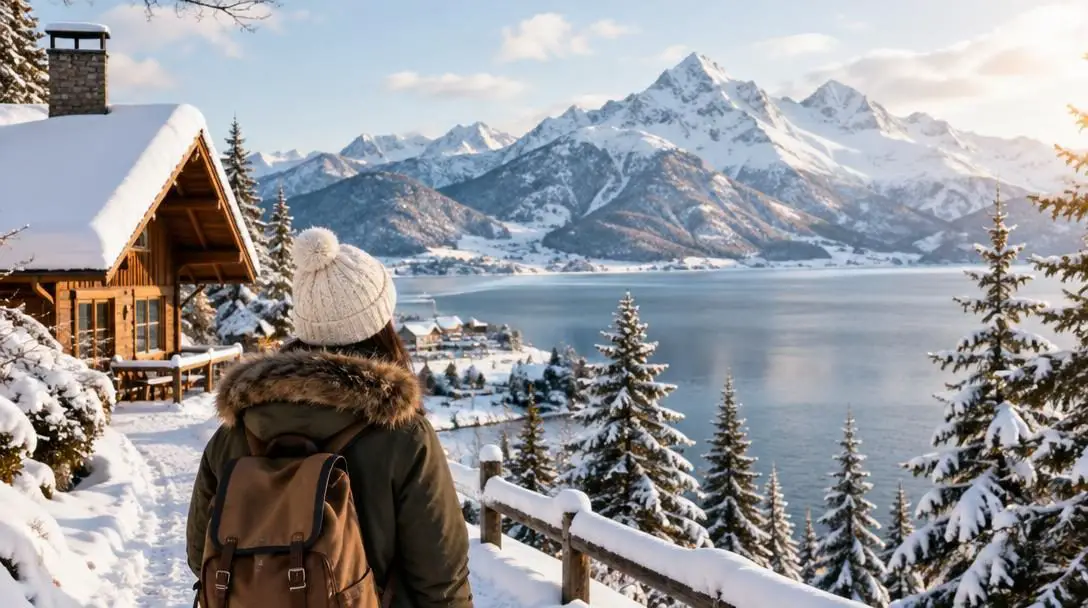
Sub-zero temperatures do not prevent public life; they foster extraordinary traditions in snow sculpture, ice architecture, and open-air celebration.
Core Principles of Cold-Weather Travel
Thriving in sub-freezing destinations requires an understanding of how cold environments affect the human body, travel gear, and transit infrastructure. A successful trip rests on three foundational principles: thermal management, environmental pacing, and schedule flexibility.
Thermal management centers on moisture control and insulation through modular layering. Rather than depending on a single heavy overcoat, travelers should use a deliberate three-tier clothing system:
- Base Layer: Form-fitting synthetic or merino wool garments worn against the skin to wick away perspiration. Cotton must be strictly avoided because it traps moisture and accelerates chilling.
- Mid Layer: Fleece, wool, or down jackets designed to trap body heat in pockets of dead air and insulate the core.
- Outer Layer: A breathable, waterproof, and windproof shell that blocks biting winds, wet snow, and freezing rain.
Because physical exertion generates significant body heat, sweating in sub-zero weather poses a genuine risk: once you stop moving, trapped moisture quickly cools, drastically raising the risk of hypothermia. A modular system lets you shed or add layers as activity levels change.
Environmental pacing acknowledges that snow, sub-zero temperatures, and high altitudes place higher physical demands on the human body. Walking through dense snowdrifts requires substantially more energy than walking on pavement, and winter daylight hours are brief. Travelers must account for shorter windows of daylight when planning outdoor tours, building in ample margins to ensure safe travel before dark.
Step-by-Step Guide to Planning a Winter Trip
Careful logistical preparation ensures that an alpine or sub-arctic holiday remains safe, comfortable, and stress-free. Follow these steps when organizing your cold-weather itinerary:
- Define the Focus of Your Journey: Determine whether your primary aim is athletic challenge (such as skiing in Whistler Blackcomb, Aspen, or Chamonix), cultural immersion (such as touring the Sapporo Snow Festival or German Christmas markets), or quiet rejuvenation (such as booking a secluded cabin in Colorado, Banff, or the Swiss Alps).
- Select Regionally Appropriate Accommodations: Choose properties with verified primary and backup heating systems. If reserving a rural cabin in Sweden or an alpine lodge near Banff, confirm that access roads are cleared and plowed regularly during heavy storms.
- Assemble Essential Cold-Weather Gear: Gather moisture-wicking wool or synthetic base layers, insulating fleece or down mid-layers, windproof and waterproof outerwear, and insulated boots featuring thick rubber tread. Do not pack cotton garments for outdoor excursions.
- Secure Specialized Transportation: If driving in regions prone to snow and ice, rent a four-wheel-drive vehicle equipped with dedicated winter tires, or arrange transfers with licensed professional drivers experienced on mountain roads.
- Establish an Itinerary with Daylight Buffers: Check local sunrise and sunset tables for your travel dates. Schedule long drives, hiking, or backcountry adventures within core daylight hours, leaving sufficient buffer time to return indoors before nightfall.
- Monitor Local Conditions Regularly: In the days leading up to departure and throughout your trip, check regional forecasts, avalanche bulletins, and road condition reports daily to adapt your schedule to incoming weather systems.
Common Winter Travel Mistakes to Avoid
Traveling through frozen landscapes introduces unique logistical hurdles. Staying aware of standard pitfalls helps avoid unnecessary discomfort, added costs, or serious hazards:
- Underestimating Transit Times: Snow-covered highways, slow-moving snowplows, and icy mountain passes can easily double driving durations. Planning your journey based on summer driving estimates often results in missed reservations and stressful night driving on unlit, frozen roads.
- Wearing Inadequate Footwear: Standard sneakers or dress shoes offer no thermal insulation and have smooth soles that slip on black ice. Travelers must use waterproof boots with heavy rubber lugs to maintain stable footing and keep feet dry.
- Ignoring Hydration and Sun Protection: Cold air holds very little moisture, and heavy breathing in sub-zero climates depletes bodily fluids rapidly. Additionally, pristine snow reflects up to 80 percent of ultraviolet rays, making UV-blocking sunglasses and broad-spectrum sunscreen just as essential on a mountain as on a tropical beach.
- Overloading the Daily Itinerary: Attempting to pack several distant sights into a single day frequently leads to exhaustion. Shorter daylight hours demand a relaxed schedule that leaves time for warming up indoors and enjoying meals.
- Failing to Inspect Rental Vehicles: Accepting a rental car without verifying that it features four-wheel drive, adequate tire tread, an ice scraper, and sub-zero windshield washer fluid can leave you stranded during a sudden snowstorm.
Safety Considerations for Sub-Zero Environments
Unpredictable mountain weather makes safety planning paramount. Every traveler heading into cold environments should carry basic emergency gear in their vehicle or daypack, including thermal foil blankets, high-energy non-perishable rations, a reliable flashlight, and a portable battery bank.
When participating in backcountry excursions such as snowmobiling, snowshoeing, or dog sledding, always notify lodge hosts or local guides of your planned route and expected return time. Dressing in high-visibility outerwear ensures you remain visible to rescue teams and other travelers during sudden squalls or whiteouts.
Frequently asked questions
Why is cotton clothing discouraged for winter outdoor activities?
Cotton fibers absorb perspiration and hold moisture directly against the skin. When wet, cotton loses its insulating properties, which can rapidly accelerate body heat loss and increase the risk of hypothermia in cold conditions.
Where are the best destinations to try dog sledding?
Dog sledding is widely practiced and accessible to travelers in sub-arctic and northern regions with consistent snow cover, particularly across Alaska, Norway, and northern Canada.
How do daylight hours impact winter travel planning?
High-latitude destinations experience significantly shorter daylight windows during the winter months. Sightseeing, long road trips, and backcountry activities must be scheduled within these compact daytime hours to avoid navigating unfamiliar, icy terrain after dark.
What vehicle features are essential for driving in snowy regions?
Safe winter driving requires a vehicle equipped with four-wheel drive or all-wheel drive, dedicated winter tires with deep tread, an ice scraper with a snow brush, and windshield washer fluid formulated not to freeze at sub-zero temperatures.
Can non-skiers still enjoy top alpine destinations?
Yes. Alpine hubs like the Swiss Alps, Banff, and Aspen offer diverse non-skiing activities, including snowshoeing, ice skating, cultural festivals, thermal baths, and cozy lodge retreats focused on scenic relaxation.
The bottom line
Winter travel offers a special chance to encounter the world's most dramatic landscapes under a quiet blanket of white. By choosing the right destination for your travel style—whether that means challenging yourself on the steep runs of Chamonix, marveling at the colossal ice architecture of Harbin, or sitting beside a fire in Lapland—you can turn freezing temperatures into a memorable seasonal escape. With deliberate layering, realistic pacing, and sound vehicle preparation, cold-weather journeys deliver comfort, safety, and unforgettable memories.