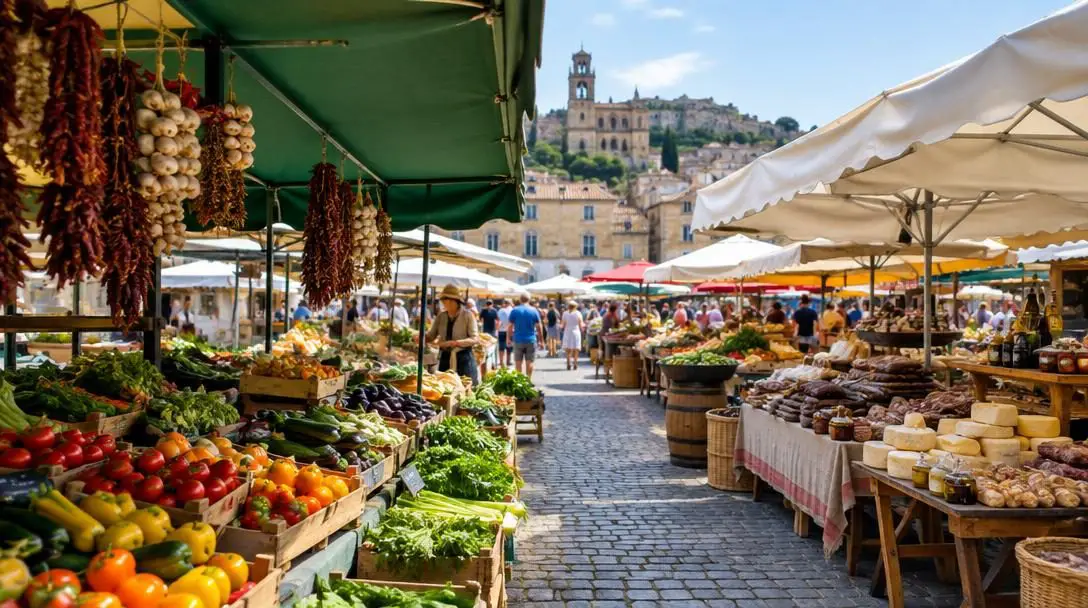
The Culture Guide: 5 Things You Should Not Do When Visiting Italy
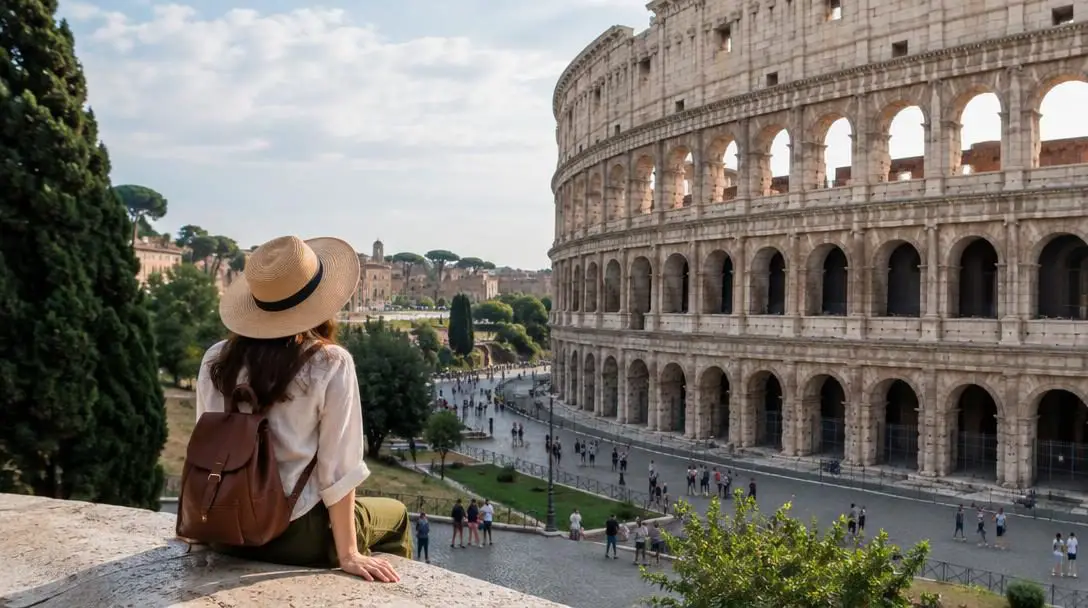
From the sun-drenched islands and Mediterranean beaches to the historic streets of Rome, the Renaissance treasures of Florence, and the rugged peaks of the Tyrolean Alps, Italy is a feast for the senses. Yet beyond its picturesque lakes and postcard-perfect villages lies an energetic, passionate society known for high-speed Ferraris, Turbo Fiats, daring drivers, and a lifestyle that can feel equal parts chaotic and deeply enchanting.
Italians take immense pride in their heritage, an identity shaped by centuries of political transformation where leaders were exiled and governments changed with remarkable frequency. Beneath the surface turnover, however, cultural fundamentals have remained unshakable. Navigating daily life here requires an appreciation for time-honored rituals surrounding dining, sacred architecture, and community pace, ensuring your journey through the peninsula is welcomed with warmth rather than side-eye.
Key takeaways
- Respect culinary harmony by never pairing grated cheese with seafood pasta and avoiding the urge to cut long noodles like spaghetti with a knife.
- Dress conservatively when touring sacred spaces like the Duomo in Florence, avoiding shorts, tank tops, and flip-flops out of respect for Catholic tradition.
- Embrace a relaxed timetable across southern Europe by anticipating delayed rail connections and midday closures for long lunches.
- Bridge the language barrier patiently with mobile translation apps rather than raising your voice or expecting widespread English fluency.
Everyday etiquette and the rhythms of Italian life
To travel comfortably across Italy, one must first appreciate the values that govern daily routines. While northern European nations often organize public life around rigid schedules and strict punctuality, Italian culture revolves around savoring the moment. Life slows down deliberately when it matters most: at the dining table, inside sacred sanctuaries, and during family gatherings. When services pause or trains stall, it is rarely viewed as a crisis by locals, but rather as an acceptable byproduct of prioritizing personal well-being over unrelenting efficiency.
Culinary traditions are treated not as casual meal options, but as culinary art forms guarded across generations. Similarly, the country's Catholic roots run deep; neighborhood basilicas and grand cathedrals remain living spaces of spiritual devotion rather than mere historical backdrops for tourists. A traveler who adapts to these foundational values will find their encounters transformed from friction into genuine hospitality.
In Italy, daily life is anchored around respect for food, high regard for Catholic traditions, and strong local community ties.
Five things you should never do when visiting Italy
Observing local etiquette prevents social embarrassment and signals sincere respect for the people hosting you. Here are the five key mistakes to avoid during your stay:
Putting cheese on pasta with fish
In traditional Italian cooking, every recipe is calibrated to highlight the natural flavors of high-quality ingredients. When preparing pasta with fish or mixed seafood, cooks rely on garlic, light olive oil, white wine, or natural broths to elevate the delicate sweetness of the catch. Requesting a dish of grated Parmigiano-Reggiano or Pecorino to scatter over a seafood pasta is considered the ultimate culinary sin.
The intense salt, fat, and umami of aged cheese immediately overpowers subtle marine flavors, rendering the chef's careful balance entirely obsolete. To a local cook, asking for cheese on seafood feels like a direct dismissal of their craftsmanship. Servers will often politely, or quite firmly, refuse the request altogether, and diners nearby may look at you as though you deserve exile.
Wearing shorts into a church
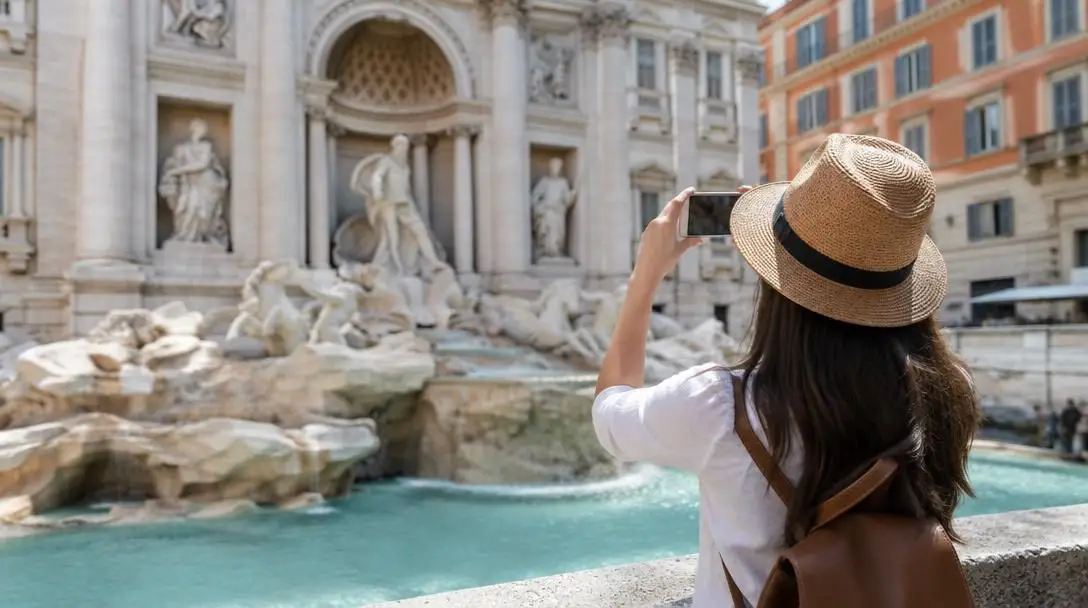
As the foundational home of the Catholic church, Italy treats its cathedrals and neighborhood chapels with deep spiritual reverence. These are consecrated houses of active worship, regardless of how many tour groups filter through daily to view priceless art. Walking into the magnificent Duomo in Florence to see legendary masterpieces by Michelangelo demands appropriate decorum.
Entering sacred ground requires modest clothing that covers your shoulders and knees. Wearing shorts, tank tops, or flip-flops will result in being stopped at the entrance by security guards or attendants. While regular denim jeans are considered acceptable attire, bare legs and exposed upper arms are strictly prohibited inside holy sanctuaries across the country.
Expecting trains and services to run strictly on time
Travelers accustomed to the clockwork precision of transit in northern European countries often experience acute culture shock when relying on southern European rail networks. In Italy, rail services can be epically late, and tight travel itineraries often fall apart under realistic travel conditions. Expecting absolute punctuality will only lead to unnecessary stress.
This relaxed relationship with the clock extends well into commerce. Neighborhood shops, family-run boutiques, and independent pharmacies frequently close their doors entirely during the middle of the day. This midday pause allows shopkeepers and staff to return home and savor a flavorful, unhurried lunch with their families, meaning errands must be planned around their traditional schedule.
Expecting everyone to speak English
Unlike Germany, where English is a compulsory subject taught thoroughly in schools and widely spoken across the population, Italy does not have universal English fluency. Many Italians outside major hotel reception desks speak little to no English, and many have no particular desire or need to learn it in their day-to-day communities.
When communication barriers arise, raising your voice or repeating phrases loudly does nothing to improve understanding. Yelling in English only creates friction and embarrassment. Modern smartphones provide immediate offline translation tools, making patience, gestures, and digital translation apps the most respectful way to navigate interactions.
Cutting your spaghetti with a knife
Long pasta shapes represent an iconic pillar of Italian dining culture, and there are strict rules governing how they should be eaten. Using a knife to chop long strands of spaghetti into small, bite-sized pieces on your plate will prompt looks of pure horror from servers and fellow diners alike.
Cutting your pasta ruins the texture and structural integrity intended by the chef. The only accepted method is to roll a small gathering of noodles neatly around the tines of your fork, using the curvature of the bowl or plate to guide the strands into a self-contained, bite-sized bundle that can be eaten cleanly without slurping or slicing.
Cultural expectations at a glance
To help you prepare your packing lists and daily routines, this overview summarizes what to avoid, what to do instead, and the underlying cultural rationale across each situation:
| Situation | What to avoid | Recommended approach | Cultural reason |
|---|---|---|---|
| Seafood pasta courses | Asking for grated cheese | Enjoy the dish exactly as served | Cheese overpowers delicate fish and insults the cook's balance |
| Visiting historic churches | Wearing shorts, tank tops, or flip-flops | Wear jeans or carry a covering scarf | Sacred Catholic sites require modesty on consecrated ground |
| Regional train travel | Booking tight transfers and rigid plans | Build wide time buffers into schedules | Southern European rail systems face frequent operational delays |
| Daily communication | Speaking English loudly or shouting | Use polite gestures and translation apps | English is not universally taught or spoken across Italian society |
| Eating long pasta dishes | Chopping spaghetti with a dining knife | Twirl strands around fork tines | Slicing ruins the texture and insults culinary etiquette |
How to master the art of twirling spaghetti
Eating long pasta gracefully is a skill that takes practice, but following the traditional table method will help you blend in seamlessly at any trattoria:
- Position your fork near the edge of the plate, isolating roughly three to four strands of pasta rather than scooping up a giant cluster.
- Anchor the prongs of the fork firmly against the gentle curve of your plate or shallow pasta bowl to create leverage.
- Rotate the fork handle slowly between your fingers, winding the pasta strands tightly around the tines in a single continuous direction.
- Lift the neat, compact bundle directly to your mouth in one smooth motion, avoiding the use of spoons or knives entirely.
Practical tips for navigating Italian daily life
A few simple planning strategies can eliminate common travel headaches and ensure your journey through Italy proceeds smoothly:
- Schedule your shopping during morning hours: Because independent storefronts and neighborhood markets close for extended afternoon lunch breaks, complete essential banking and shopping before midday.
- Allow generous connection times between transit hubs: Avoid booking tight 10-minute train transfers in major junctions like Rome or Milan, giving yourself at least 30 to 45 minutes to account for late departures.
- Commit basic polite phrases to memory: Greeting shopkeepers with a friendly greeting and offering polite thank-yous in Italian demonstrates genuine respect for local culture.
- Let dining experiences unfold naturally: Italian servers do not rush patrons out the door; you will typically need to ask directly for the bill when you are ready to conclude your meal.
Common mistakes first-time travelers make
Even well-intentioned travelers frequently stumble over subtle social customs when exploring Italian cities and rural regions. Being aware of these frequent missteps will save you frustration:
- Treating active churches like secular tourist museums: Sites like the Duomo in Florence host regular religious services. Keep voices low, mute cell phone chimes, and maintain a quiet, contemplative atmosphere.
- Assuming high volume overcomes language barriers: Shouting in English does not make foreign words easier to comprehend; it simply causes unnecessary friction and irritation.
- Demanding immediate customer service during meals: Dining in Italy is designed as a relaxing ritual, so expecting servers to rush through courses disrupts the natural tempo of the meal.
- Requesting menu substitutions on traditional dishes: Italian recipes are steeped in regional tradition; asking to swap ingredients or add heavy condiments undermines the chef's culinary design.
Frequently asked questions
Is it ever acceptable to put cheese on seafood pasta in Italy?
No. Italian culinary standards strictly separate aged cheeses from fresh seafood dishes because the strong dairy fats and sharp saltiness overwhelm delicate marine flavors. Requesting cheese on fish pasta is viewed as disrespectful to the chef's craft.
What is the dress code for visiting major churches like Florence's Duomo?
Visitors must dress modestly with shoulders and knees covered. Shorts, sleeveless tank tops, and beach footwear like flip-flops are prohibited, though standard jeans and pants are completely acceptable for touring consecrated sanctuaries.
Why are Italian trains and shops frequently off schedule?
Southern European lifestyle places a high priority on personal rhythm and family meals over rigid punctuality. Midday closures allow shop owners to savor unhurried lunches, while rail infrastructure prioritizes a relaxed operational tempo over strict schedules.
Is English widely understood throughout Italy?
Unlike northern European nations such as Germany where English is a mandatory school subject, English is not universally spoken across Italy. Relying on offline smartphone translation applications and learning foundational phrases will make communication much smoother.
Why is cutting spaghetti considered rude at the table?
Chopping long pasta with a dining knife damages the intended consistency and texture of the noodle. Authentic Italian etiquette requires twirling a few strands neatly around a fork using the curvature of the dish, without using knives or spoons.
The bottom line
Italy remains one of the world's most alluring destinations, boasting iconic art, stunning alpine vistas, world-class fashion, and unparalleled cuisine. Its roads may be populated by daring drivers in Turbo Fiats and Ferraris, and its political history may be filled with exiled leaders and rapid government changes, but its cultural identity remains timeless.
By learning the unspoken rules of the table, dressing respectfully inside sacred monuments, and remaining patient when timetables slip, you will experience the country's legendary hospitality at its very best. Embrace the slightly chaotic, deeply magical pace of Italian life, and you will understand why travelers return to its shores again and again.