The Insider’s Guide: 5 Ways to Get to Know the Real Egypt
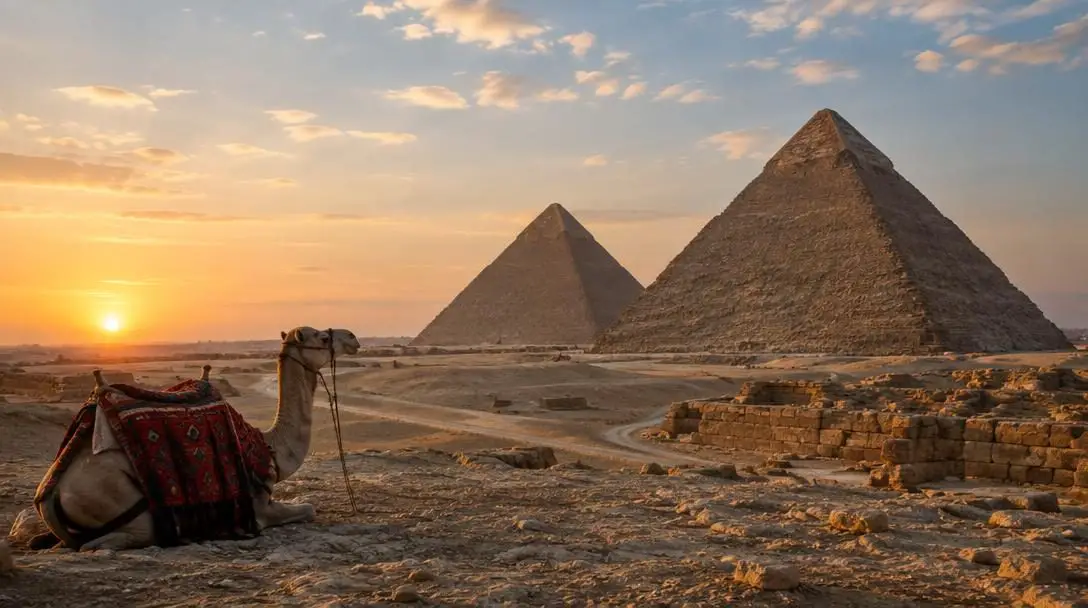
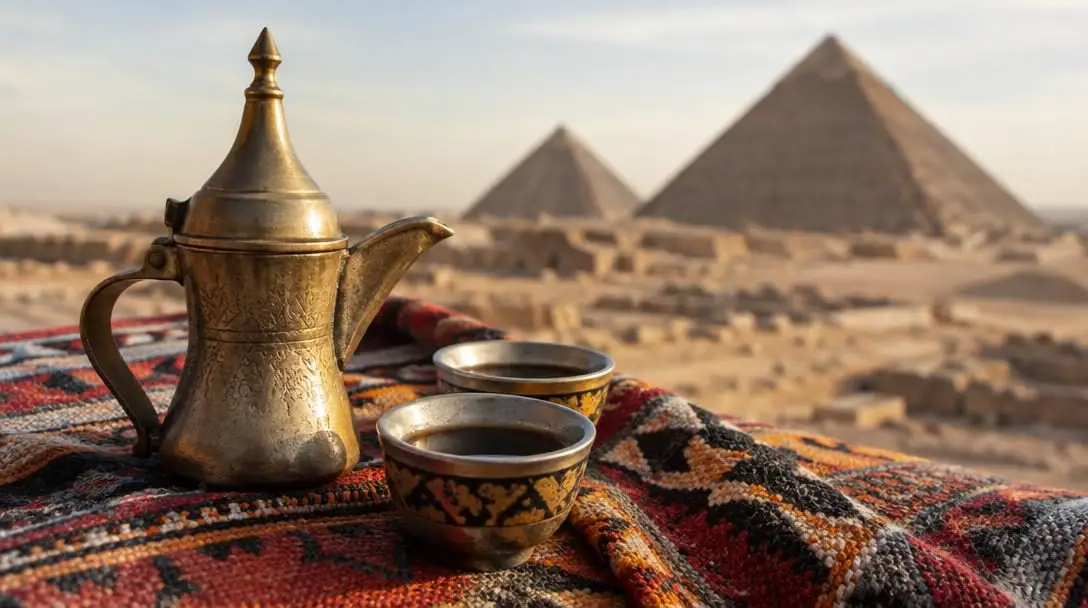
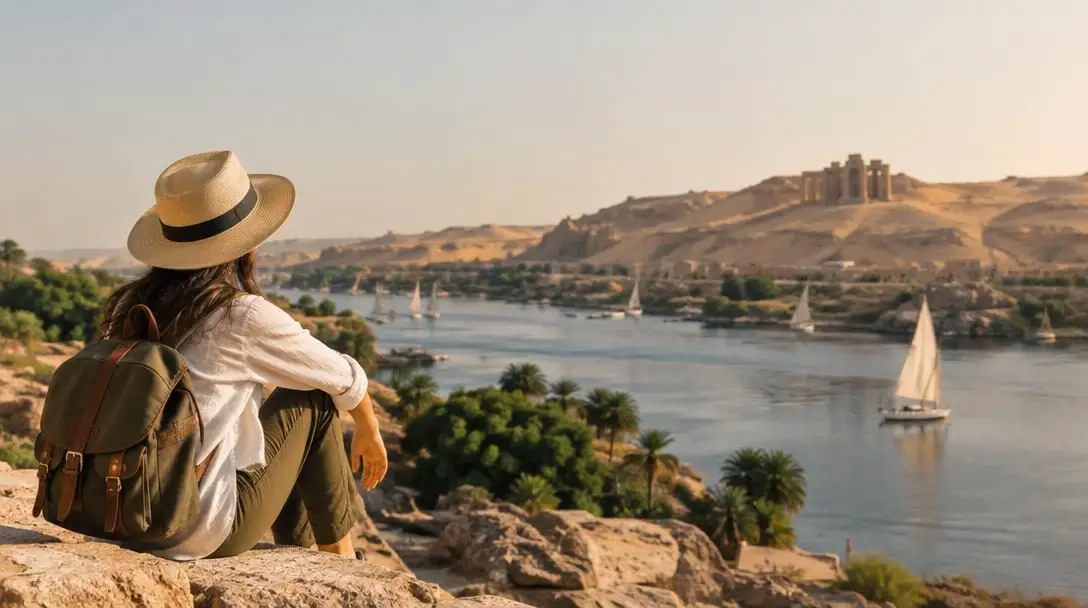
For centuries, the global perception of Egypt has been dominated by its antiquity. Travelers arrive with visions of towering stone monuments, royal tombs, and gold burial masks. The Pyramids of Giza, the enigmatic Sphinx, and the grand Temple of Karnak near the site of ancient Thebes are indeed larger than life and well worth seeing, testifying to an era when this land represented the center of ancient civilization. Yet, concentrating solely on dynastic monuments leaves out the vibrant reality of the nation today. Modern Egypt possesses a dynamic 21st-century personality shaped by deep-rooted traditions, intense recent history, rich culinary rituals, and contemporary social spaces. It is a nation of bustling megacities, tranquil desert communities, and modern coastal resort towns. To achieve true balance during your travels, you need to step beyond archaeological enclosures and engage with the everyday culture of modern Egyptians—seeing how people live, where they gather, what they eat, and how they navigate both urban energy and natural landscapes. <div class="takeaways"> <h2>Key takeaways</h2> <ul> <li>Exploring Cairo’s modern core reveals the impact of the 2011 revolution through downtown street murals and the historic expanse of Tahrir Square.</li> <li>Authentic Egyptian gastronomy is centered in single-dish koshari halls and casual street stalls serving time-honored desserts.</li> <li>Neighborhood coffee shops, or ahwas, offer an unfiltered view of daily community life over cups of strong, sweet, foamy brew.</li> <li>Remote destinations like Siwa Oasis and Sharm El Sheikh showcase dramatic regional contrasts, from western desert groves and salt lakes to active Gulf of Aqaba watersports.</li> </ul> </div> <h2>At a glance: Five ways to experience contemporary Egypt</h2> <table> <thead> <tr> <th>Experience</th> <th>Primary Region</th> <th>Key Attraction</th> <th>Atmosphere</th> </tr> </thead> <tbody> <tr> <td>Tahrir Square & Murals</td> <td>Central Cairo</td> <td>2011 revolutionary history and political street art</td> <td>Urban, reflective, and politically significant</td> </tr> <tr> <td>Koshari Halls & Sweet Stalls</td> <td>Urban centers nationwide</td> <td>Dedicated single-dish eateries, Umm Ali, basbousa, baklava</td> <td>Bustling, fast-paced, and community-oriented</td> </tr> <tr> <td>Neighborhood Ahwas</td> <td>City street corners</td> <td>Traditional foamy coffee with sugar cubes at sidewalk tables</td> <td>Relaxed, conversational, and observant</td> </tr> <tr> <td>Siwa Oasis</td> <td>Western Desert</td> <td>Date palm groves, Cleopatra’s Spring, and salt lakes</td> <td>Tranquil, natural, and historically resonant</td> </tr> <tr> <td>Sharm El Sheikh</td> <td>Sinai Peninsula (Gulf of Aqaba)</td> <td>Reef diving, active watersports, and desert safaris</td> <td>Youthful, energetic, and adventurous</td> </tr> </tbody> </table> <h2>Five essential paths to the contemporary Egyptian soul</h2> <p>Venturing into the contemporary fabric of Egypt means shifting your focus from curated museum display cases to living, breathing environments. These five experiences provide direct pathways into the daily rhythms, local tastes, and modern milestones of the country.</p> <h3>Tahrir Square and political street art</h3> <ul class="facts"> <li><strong>Location:</strong> Downtown Cairo</li> <li><strong>Historical milestone:</strong> 25 January Revolution (2011)</li> <li><strong>Uprising duration:</strong> Two weeks and three days</li> <li><strong>Human impact:</strong> Nearly 850 killed and roughly 6,000 injured</li> </ul> <p>Walking through the modern political landscape provides an essential starting point for understanding how contemporary Egyptians view civic life, governance, and collective expression. The epicenter of modern political change remains <strong>Tahrir Square</strong> in Cairo, which served as the rallying point for the 2011 protests that led to the overthrow of then-President Hosni Mubarak.</p> <p>Walking through this massive public space invites visitors to reflect on the monumental scale of the 25 January Revolution. The movement began with thousands of non-violent demonstrators gathering in the square before escalating into clashes between millions of protesters and state security forces. The uprising spread across the nation over two weeks and three days, exacting a heavy toll of nearly 850 dead and roughly 6,000 injured. On surrounding downtown buildings, dramatic murals and street art capture the raw emotion, visual memory, and sacrifice of this historic turning point, offering a moving window into the courage of modern citizens.</p> <aside class="callout note"> <strong>Good to know:</strong> Downtown Cairo's street art is concentrated along the side streets branching off from Tahrir Square, making an unhurried walking tour on foot the best way to spot these evolving political works. </aside> <h3>Dedicated koshari halls and sweet stalls</h3> <ul class="facts"> <li><strong>Signature specialty:</strong> Koshari (lentils, rice, macaroni, spicy tomato sauce, fried onions)</li> <li><strong>Dining format:</strong> Specialized, single-dish dining halls</li> <li><strong>Traditional sweets:</strong> Umm Ali, basbousa, and baklava</li> </ul> <p>Engaging with local food culture is an immediate way to dive into modern urban routines. While Egypt offers fine dining, the true soul of its culinary identity resides in specialized, casual eateries and bustling street counters. Sitting down at a dedicated koshari hall is an essential rite of passage for any visitor wanting to experience everyday eating habits.</p> <p>These fast-paced establishments dedicate their entire operations to perfecting a single national dish: a hearty, carbohydrate-rich layered mixture of <strong>brown lentils, rice, and macaroni</strong>, topped with a piquant, spiced tomato sauce and finished with crunchy fried onions. While some travelers consider the combination unexpected at first, it quickly becomes an addictive comfort staple. Beyond koshari, the street food landscape across Egyptian towns features exceptional sweets. Meals frequently conclude with visits to nearby bakeries for bowls of warm Umm Ali, rich syrupy slices of semolina basbousa, or crisp layers of nut-filled baklava shared by locals from every walk of life.</p> <h3>Traditional neighborhood ahwas</h3> <ul class="facts"> <li><strong>Primary offering:</strong> Strong, sweet, foamy coffee</li> <li><strong>Service custom:</strong> Served with sugar cubes on the side</li> <li><strong>Setting:</strong> Sidewalk seating along neighborhood streets</li> </ul> <p>Socializing in an Egyptian neighborhood coffee shop, known locally as an <strong>ahwa</strong>, provides a front-row seat to the country's public life and informal community networks. Unlike modern Western-style cafes, an ahwa is fundamentally intertwined with the rhythm of the street, functioning as an open-air living room where neighbors trade news, play backgammon, and decompress after work.</p> <p>The coffee served here is unique: brewed thick, strong, and foamy, blending finely ground beans and sugar into a rich, fragrant balance. Even for those who do not typically drink coffee, the pleasant aroma and velvety texture make it an appealing experience. By long-standing custom, orders often arrive with a small side of sugar cubes, allowing patrons to customize their sweetness after an afternoon spent navigating bustling thoroughfares. Taking a seat at a sidewalk table invites you to slow down and observe the endless flow of urban life.</p> <blockquote class="pull"> Pulling up a chair at a sidewalk ahwa lets you participate in a social ritual that has sustained Egyptian neighborhoods for generations. </blockquote> <h3>Siwa Oasis</h3> <ul class="facts"> <li><strong>Geographic setting:</strong> Deep Western Desert</li> <li><strong>Natural assets:</strong> Palm groves, olive orchards, mineral springs, and salt lakes</li> <li><strong>Historic connections:</strong> Visited by Alexander the Great; home to Cleopatra’s Spring</li> </ul> <p>Traveling west across the country leads to an entirely different, serene facet of Egyptian life at the <strong>Siwa Oasis</strong>. Reaching this isolated pocket requires a long, deliberate overland journey across arid sands, but arriving inside the oasis feels like entering a lush, verdant paradise surrounded by harsh terrain.</p> <p>The landscape of Siwa is dominated by thousands of date palms, sprawling olive groves, mineral-rich natural springs, and high-salinity crystalline lakes that allow swimmers to float effortlessly. The oasis holds deep antiquity alongside its modern tranquility: it is recorded that Alexander the Great journeyed here to consult the Oracle of Amun, and local legend claims Cleopatra bathed in the natural limestone pool that still carries her name. Today, visitors come to disconnect from urban noise, book guided 4x4 safaris into the surrounding Great Sand Sea, and take in quiet sunsets across sweeping desert dunes.</p> <aside class="callout tip"> <strong>Tip:</strong> Plan your desert journey to Siwa strictly during the cooler fall and winter months, as midsummer heat in the Western Desert can be dangerous and limits daytime activities. </aside> <h3>Sharm El Sheikh</h3> <ul class="facts"> <li><strong>Location:</strong> Southern tip of the Sinai Peninsula</li> <li><strong>Waterway:</strong> Gulf of Aqaba</li> <li><strong>Active pursuits:</strong> Coral reef diving, kite surfing, and sky-diving</li> <li><strong>Nearby heritage:</strong> St. Catherine’s Monastery</li> </ul> <p>Heading out to the coastal perimeter at <strong>Sharm El Sheikh</strong> introduces visitors to the recreational, youthful face of modern Egypt. Positioned at the southern tip of the Sinai Peninsula overlooking the Gulf of Aqaba, this vibrant town draws young Egyptians and international travelers seeking sunshine, marine life, and open-air adventure.</p> <p>The focus in Sharm El Sheikh shifts entirely toward active outdoor pursuits. The clear waters along the coast feature protected coral reefs renowned for world-class scuba diving and snorkeling, while breezy coastal stretches cater to kite surfing, parasailing, and sky-diving. Beyond the shoreline, the town functions as an operational base for wider adventures across the Sinai Peninsula. Travelers can arrange rugged inland safaris into the granite mountains or coordinate cultural morning excursions to St. Catherine’s Monastery, which rests near the historic peaks of the interior.</p> <h2>Step-by-step: How to plan an authentic contemporary itinerary</h2> <p>Building an itinerary that balances modern lifestyle experiences with conventional sightseeing requires intentional planning. Follow these practical steps to navigate your trip smoothly.</p> <ol class="steps"> <li><strong>Map your urban walking routes on foot:</strong> In downtown Cairo, wear sturdy footwear, carry drinking water, and leave room in your schedule to walk through Tahrir Square and down side alleys to examine revolutionary murals up close.</li> <li><strong>Time your food stops during peak lunch windows:</strong> Head to busy koshari halls between early and mid-afternoon when the turnover is fast and the energy is peak. Specify your spice preference before the sauce is ladled, and locate a neighborhood pastry shop nearby for basbousa or Umm Ali.</li> <li><strong>Carve out dedicated late-afternoon ahwa pauses:</strong> Avoid scheduling back-to-back excursions without breaks. Reserve an hour in the late afternoon to take a sidewalk seat at an ahwa, order a foamy coffee, and watch neighborhood traffic pass without checking your watch.</li> <li><strong>Book desert excursions in cooler seasons:</strong> When traveling to Siwa, book your transportation and lodging between October and March. Schedule 4x4 dune safaris to conclude in time to view the desert sunset, and allow daytime hours for swimming in Cleopatra’s Spring and the salt lakes.</li> <li><strong>Pair coastal watersports with inland excursions:</strong> In Sharm El Sheikh, split your itinerary between days on the Gulf of Aqaba diving reefs or kite surfing and organized overland day trips into the Sinai desert or up to St. Catherine’s Monastery.</li> <li><strong>Engage openly with residents:</strong> Greet shopkeepers, strike up polite conversations with servers and guides, and ask questions about everyday life to experience the welcoming hospitality that defines modern Egypt.</li> </ol> <h2>Mistakes that distance travelers from the real Egypt</h2> <p>Many travelers unintentionally isolate themselves from modern Egyptian society by adhering strictly to dated tourist routines. Avoiding these missteps will help you connect more deeply with the destination.</p> <ul> <li><strong>Confining your schedule exclusively to pharaonic ruins:</strong> Spending all your energy in royal tombs and temples prevents you from seeing how contemporary Egyptians live, work, and express themselves.</li> <li><strong>Overlooking the modern context of Tahrir Square:</strong> Treating the central square as merely a congested roundabout ignores the profound sacrifice of the hundreds killed and thousands injured during the 2011 revolution.</li> <li><strong>Avoiding street dining out of overcaution:</strong> Sticking entirely to Western-style hotel buffets deprives you of Egypt’s celebrated culinary staples like koshari, which are best experienced in dedicated local eateries.</li> <li><strong>Venturing into the Western Desert in midsummer:</strong> Attempting to explore Siwa Oasis in extreme summer heat makes outdoor swimming, dune walks, and oasis touring physically punishing.</li> <li><strong>Isolating yourself inside coastal resorts:</strong> Treating Sharm El Sheikh solely as a closed hotel enclave cuts off access to the rich Bedouin landscapes of the Sinai interior and historic landmarks like St. Catherine’s Monastery.</li> <li><strong>Remaining hesitant to converse with locals:</strong> Withholding interaction due to shyness means missing out on the genuine warmth, humor, and open dialogue that modern Egyptians readily extend to guests.</li> </ul> <aside class="callout warn"> <strong>Watch out:</strong> Do not underestimate transit times between major hubs. Reaching remote spots like the Siwa Oasis requires extensive overland driving through arid terrain, necessitating dedicated travel days in your itinerary. </aside> <section class="faq"> <h2>Frequently asked questions</h2> <details> <summary>What is koshari, and why is it so significant in Egyptian culture?</summary> <p>Koshari is Egypt’s defining national comfort food, prepared by combining brown lentils, rice, and macaroni, then smothering the mixture with a tangy, spiced tomato sauce and crispy fried onions. It is served in dedicated, high-volume eateries and represents an affordable, universally beloved staple eaten across all social strata.</p> </details> <details> <summary>Why should travelers visit Tahrir Square today?</summary> <p>Tahrir Square is the symbolic heart of modern Egyptian civic life and the center of the 2011 revolution that led to the overthrow of Hosni Mubarak. Visiting the square and viewing the surrounding political street murals allows travelers to honor the memory of the uprising and understand the nation's contemporary socio-political identity.</p> </details> <details> <summary>When is the best time of year to visit the Siwa Oasis?</summary> <p>The ideal period to travel to Siwa Oasis is during the fall and winter months. The summer months bring extreme and punishing desert heat, whereas cooler seasons provide comfortable daytime temperatures for exploring date groves, floating in salt lakes, and taking desert safaris.</p> </details> <details> <summary>What should I expect when ordering coffee at a traditional ahwa?</summary> <p>Coffee at an ahwa is brewed strong, thick, and foamy, using finely ground beans and sugar heated together. It is typically served in small cups with sugar cubes on the side, designed to be sipped slowly while sitting at sidewalk tables observing community life.</p> </details> <details> <summary>How can I combine modern cultural sites with ancient monuments on a short trip?</summary> <p>If you have limited time, integrate contemporary Cairo experiences directly into your monument sightseeing. For example, spend your morning visiting ancient museum collections, followed by an afternoon walking tour around Tahrir Square, an early dinner at a downtown koshari hall, and an evening coffee at an ahwa.</p> </details> </section> <h2>The bottom line</h2> <p>Ancient monuments will always hold a revered place in travel itineraries, but the true pulse of Egypt beats within its living cities, tranquil oases, and open-air gathering places. By walking through the historical weight of Tahrir Square, sharing a bowl of koshari, relaxing at a neighborhood ahwa, floating in Siwa’s desert springs, and exploring the coast around Sharm El Sheikh, you trade passive sightseeing for genuine cultural immersion. Stepping into the 21st-century reality of the country reveals an energetic, welcoming, and complex society that stays with you long after the memory of stone temples has settled.</p>