The Joy of Harvesting: How to Enjoy the Fruits of Your Labor in the Garden
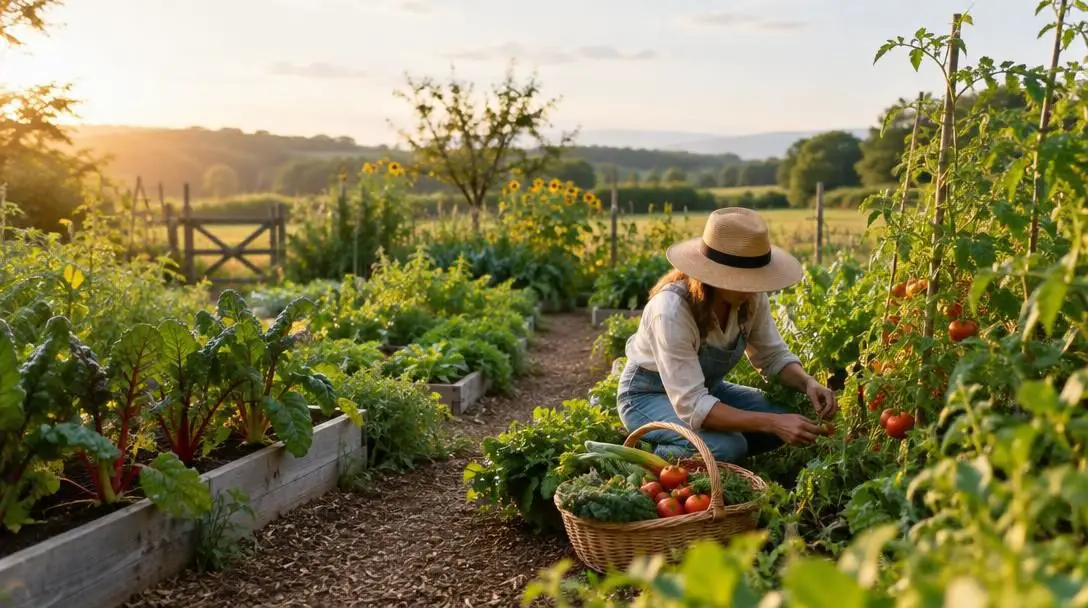
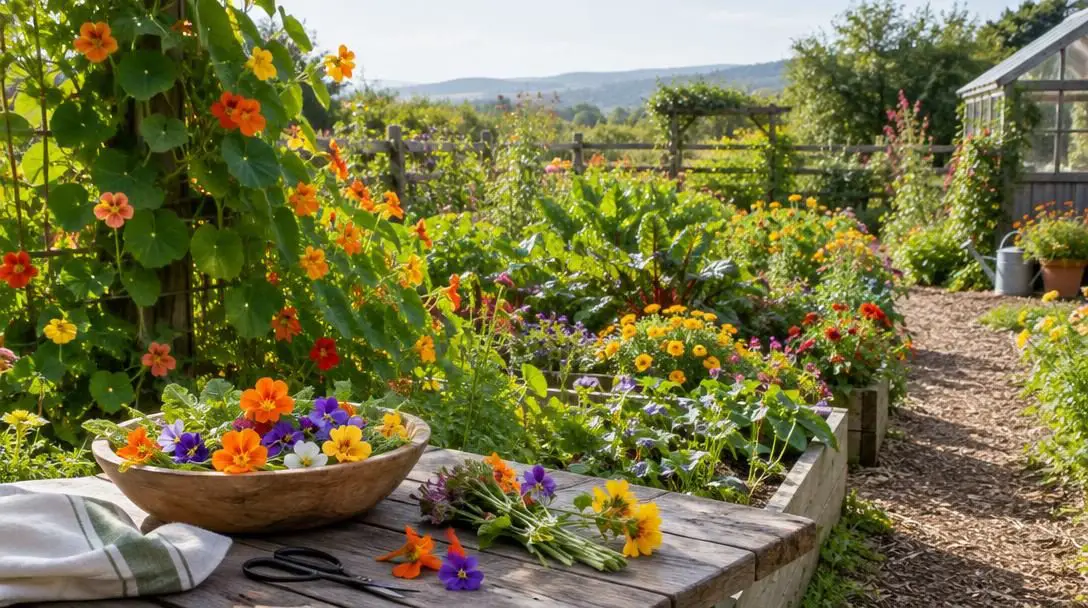
Stepping into the garden with an empty basket and returning with armfuls of crisp greens, sun-warmed tomatoes, and fragrant culinary herbs is one of the most satisfying experiences a grower can enjoy. Cultivating your own fruits and vegetables establishes an intimate connection to the natural growth cycle, transforming everyday food production from a transactional errand into a mindful, life-affirming practice. When you know precisely how much sunlight, water, and attentive care went into every single leaf or fruit, the act of gathering produce ceases to be mere yard maintenance and becomes a true celebration of personal labor.
A thriving garden requires patience, observation, and an understanding of seasonal rhythms. From the moment seeds germinate to the final collection before the first winter frost, your plants channel energy into distinct phases of root development, vegetative growth, flowering, and fruit production. Mastering the harvest involves recognizing peak physiological maturity, employing the right gathering techniques to protect living plants, and knowing how to handle, preserve, and share your surplus yield effectively.
Key takeaways
- Harvesting produce at peak physiological maturity ensures superior flavor, crisp texture, and maximum nutrient density.
- Using clean, dedicated cutting tools prevents plant damage and stops the spread of garden pathogens.
- Gathering leafy greens from the outside inward keeps the central crown intact for continuous secondary growth.
- Preserving bumper crops through freezing, water-bath canning, or dehydrating keeps homegrown food on your table year-round.
- Restoring soil vitality and reviewing seasonal crop performance immediately after harvest sets the stage for future garden success.
Understanding the Plant Cycle and Timing the Harvest
Every vegetable and fruit variety moves through a predictable biological sequence designed to ensure species survival. In the early weeks after germination, a plant directs virtually all of its metabolic reserves toward building vigorous root systems, sturdy stems, and broad foliage capable of capturing sunlight. Once the plant achieves sufficient size, hormonal shifts trigger flowering, followed by fruit set and seed maturation. For a home grower, the ultimate goal is capturing the crop during that precise window of physiological maturity, when sugars, essential oils, and textural crispness reach their absolute peak before the plant begins its natural senescence.
Timing your gathering efforts requires paying close attention to both the calendar and local weather patterns. Summer vegetables—such as bush beans, sweet corn, peppers, and heirloom tomatoes—typically achieve full ripeness during the heat of August. In contrast, cooler-season crops thrive as temperatures moderate, yielding hearty harvests throughout September and October. Knowing how your specific crops respond to changing daylight hours and dropping overnight temperatures ensures you pick your crops while their natural flavors remain sweet, tender, and vibrant rather than tough or bitter.
Preparing Garden Beds and Selecting Crop Varieties
A successful harvest begins long before you carry your collection baskets outside. Thoughtful pre-harvest preparation involves matching plant selections to your available space and maintenance capacity, as well as keeping garden pathways and raised beds neat, clean, and accessible throughout the summer.
Matching your crop selection to your lifestyle is essential. Different vegetables demand drastically different levels of daily commitment:
- High-maintenance crops: Tomatoes, for example, require constant structural staking or caging, regular pruning of non-productive suckers, consistent soil moisture monitoring to prevent blossom end rot, and vigilance against fungal leaf blights.
- Low-maintenance crops: Loose-leaf lettuces, radishes, and hardy culinary herbs require minimal structural support, establish quickly, and produce reliable yields with basic watering and modest weeding routines.
Beyond crop selection, keeping the physical garden space well maintained directly improves yield quality. Weeding garden beds removes aggressive competitors that rob food crops of vital soil nutrients, moisture, and root space. Clearing out fallen, decaying leaves and pruning unproductive lower stems promotes healthy airflow through dense canopies, drastically curtailing the humid microclimates where fungal spores thrive. Furthermore, tidy, unobstructed paths ensure that ripe produce is easy to spot and harvest without accidentally trampling fragile surrounding root systems.
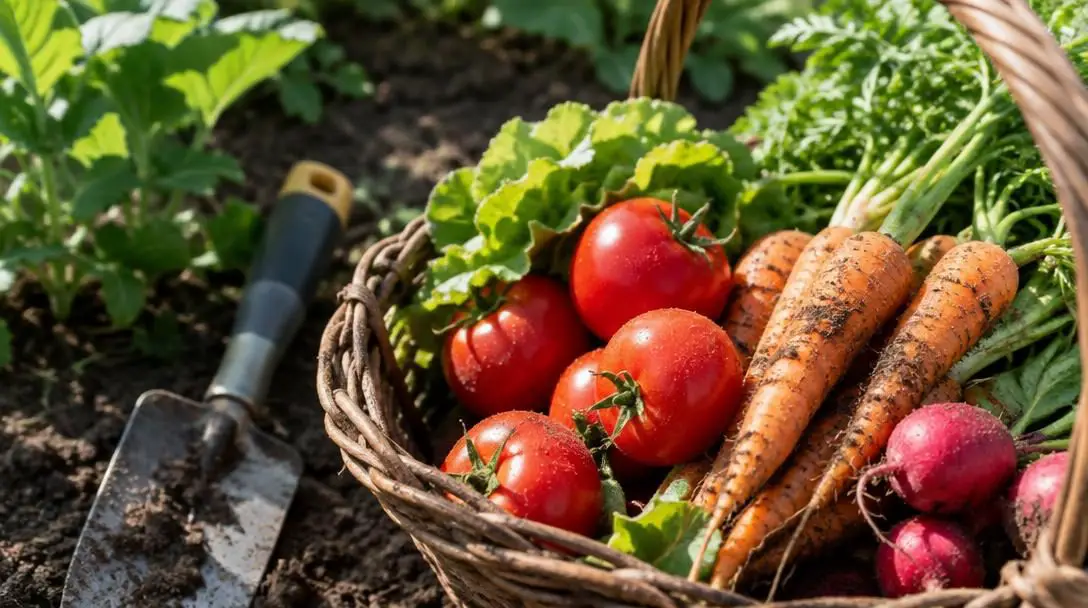
Harvesting at just the right point takes advantage of a plant's internal rhythm before foliage declines and fruit begins to dry out.
Practical Steps for a Mindful and Gentle Harvest
Harvesting should be a restorative sensory practice rather than a rushed chore. Ripping produce haphazardly off living stems damages vascular tissue, creates entry wounds for opportunistic bacteria, and stunts subsequent flushes of growth. Approaching the garden with proper tools and gentle handling techniques preserves both the mother plant and the food you plan to serve at the dinner table.
- Survey the garden beds: Walk the rows carefully to identify vegetables that have reached their target size, deep characteristic color, and appropriate firmness, leaving underripe specimens on the vine.
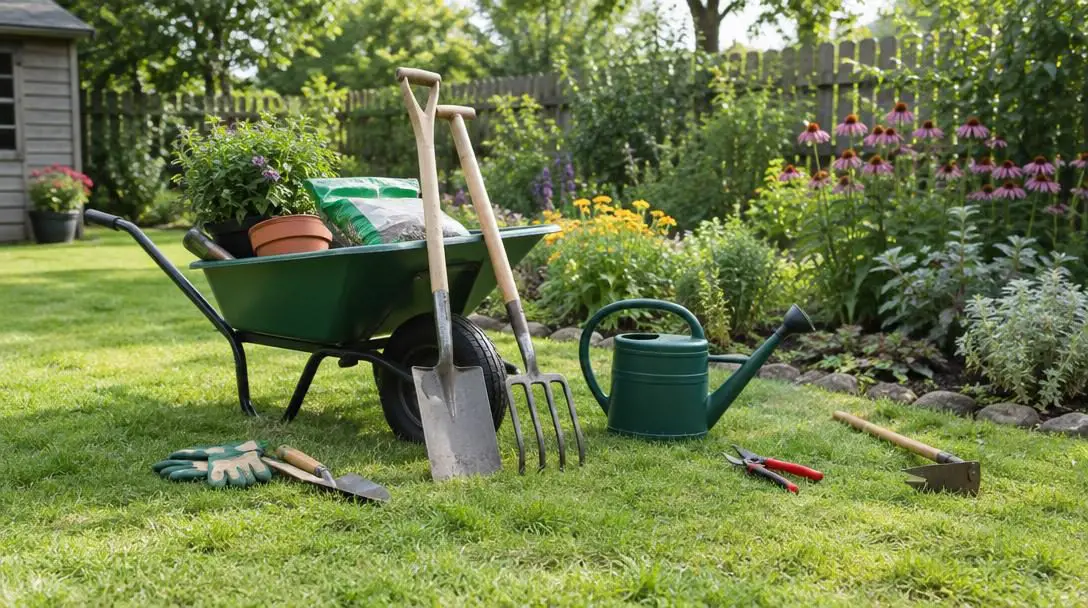
- Assemble sanitized collection gear: Gather sharp hand pruners, kitchen shears, and shallow, smooth-sided baskets or breathable slatted crates to avoid bruising delicate produce.
- Clip heavy-stemmed produce: For tomatoes, eggplants, and squash, snip the pedicel cleanly slightly above the calyx using sharp shears instead of pulling or twisting the fruit away from the vine.
- Harvest leafy greens from the outside inward: Gently snap or cut the mature outer leaves of kale, chard, and leaf lettuces at the base, leaving the central growing heart intact to fuel ongoing leaf production.
- Layer your containers strategically: Place dense, heavy root vegetables and robust squash at the bottom of collection baskets, gently resting tender soft fruits, berries, and delicate herbs across the top.
- Move produce quickly into the shade: Transport your harvested crops indoors or into a cool, shaded workspace promptly to stop field heat from degrading crispness and cellular sugars.
Comparing Preservation Methods for Surplus Produce
When the midsummer heat causes multiple garden beds to mature simultaneously, consuming everything fresh becomes an impossible task. Preserving excess food locks in summertime flavor, minimizes kitchen waste, and stocks your pantry shelves with nutrient-rich ingredients for the winter months ahead. Home growers rely on three primary preservation techniques, each suited to specific produce types.
Freezing
Freezing represents the most accessible preservation method for beginners. The technique requires washing, trimming, and briefly submerging vegetables in boiling water—a process known as blanching—before plunging them into an ice bath. Blanching deactivates natural enzymes that cause rapid flavor deterioration, discoloration, and textural softening during frozen storage. Once blanched and dried, vegetables can be packaged into heavy-duty freezer bags with the air fully evacuated, preserving quality for eight to twelve months.
Canning
Water-bath and pressure canning create shelf-stable jars of food that can sit safely at room temperature for a year or more. The process involves packing prepared vegetables, fruits, crushed tomatoes, or spiced jams into sterilized glass jars fitted with two-piece self-sealing metal lids, followed by immersion in a boiling water bath or pressurized chamber. This thermal treatment destroys harmful microorganisms and expels atmospheric air from the jar, creating an airtight vacuum seal. Canning is particularly popular for preserving high-acid fruits, tomato purées, marinara sauces, and pickled relishes.
Dehydrating
Dehydrating relies on gentle, steady heat combined with continuous air circulation to evaporate cellular moisture from plant tissues. Because bacteria, yeasts, and molds require water to survive and multiply, removing moisture inhibits microbial growth completely. Gardeners can slice root vegetables, fruits, tomatoes, and culinary herbs into uniform pieces and arrange them across electric food dehydrator trays or oven racks set to low heat. Once thoroughly dried and cooled, dehydrated foods store compactly in airtight glass jars or vacuum bags, taking up a fraction of the space required by canned goods or freezer chests.
| Preservation Method | Preparation Required | Ideal Garden Produce | Storage Environment | Primary Benefit |
|---|---|---|---|---|
| Freezing | Washing, uniform cutting, and water blanching | Green beans, sweet corn, peas, spinach, broccoli | Deep freeze at or below zero degrees Fahrenheit | Retains fresh garden color, texture, and vitamin content |
| Canning | Sterilizing jars, preparing liquid packs, heat processing | Tomatoes, pickling cucumbers, berry jams, fruit sauces | Cool, dry, dark pantry shelves at room temperature | Requires zero electrical power for long-term storage |
| Dehydrating | Even thin slicing and systematic drying | Culinary herbs, chili peppers, apple rings, cherry tomatoes | Airtight glass jars kept out of direct sunlight | Extremely compact storage and intense concentrated flavor |
Creative Kitchen Applications and Community Sharing
Cooking with homegrown produce elevates everyday meals into memorable dining experiences. Vegetables harvested hours or minutes before preparation retain cellular crispness and aromatic compounds that commercial supermarket supply chains simply cannot duplicate. Straightforward preparations—such as tossed garden salads dressed with fresh herb vinaigrettes, slow-simmered vegetable stews, raw veggie wraps, and blended breakfast smoothies—highlight the natural sweetness of fresh food without demanding hours over a hot stove.
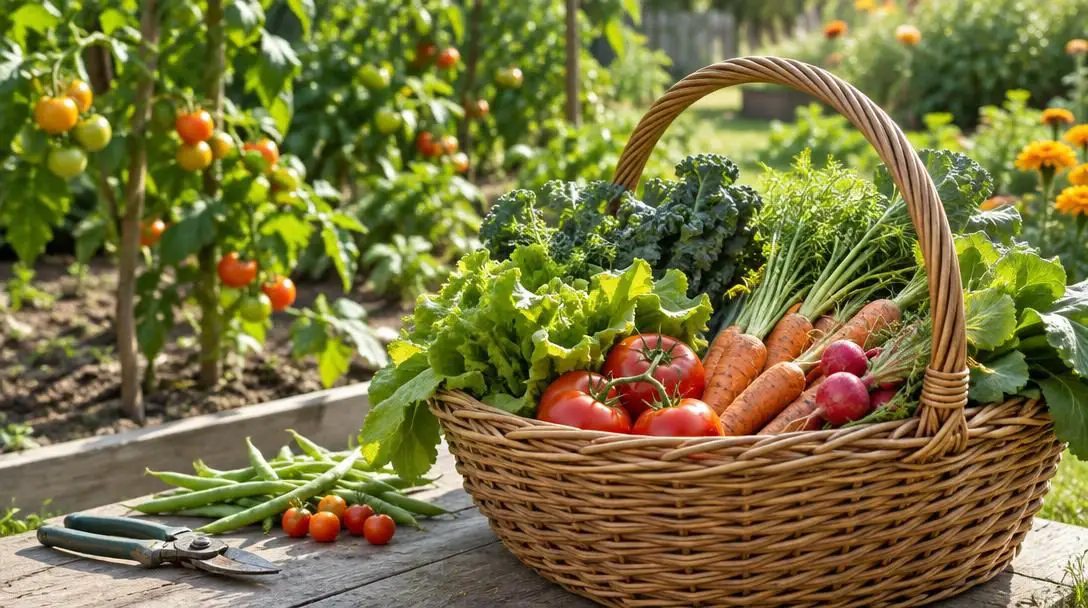
Abundant harvests also offer an avenue for creative culinary experimentation. Bumper yields of ripe paste tomatoes and sweet bell peppers can be reduced down into thick pasta sauces or simmered alongside garden onions into rich, savory soups. Excess zucchini and summer squash can be shredded into moist quick breads, muffins, or savory breakfast fritters. Surplus culinary herbs like basil, oregano, and cilantro can be blended into aromatic herb pestos, frozen in olive oil ice-cube trays, or dried and blended into custom seasoning salts.
Sharing your garden surplus is equally rewarding. Assembling rustic gift baskets packed with fresh produce for neighbors, friends, and family strengthens social ties and fosters community spirit. When yields outpace what your social circle can consume, donating surplus fresh vegetables to local food banks, soup kitchens, or mutual-aid community pantries provides critical access to fresh, nutrient-dense produce for families facing food insecurity.
Common Harvesting Pitfalls and Mistakes to Avoid
Even seasoned home gardeners can undermine their hard work if they approach the gathering and storage phases carelessly. Recognizing the most common harvesting mistakes helps preserve crop quality and ensures your garden beds continue yielding for weeks to come:
- Ripping crops by hand: Tearing peppers, squash, or tomatoes away from the vine without using snips fractures delicate branches, rips outer protective bark, and leaves open tears that invite fungal infections.
- Midday heat harvesting: Gathering leafy greens or tender herbs under bright, scorching midday sunlight leads to rapid water loss, causing freshly picked foliage to wilt limp within minutes.
- Leaving garden debris in beds: Allowing dropped, split, or overripe vegetables to decompose on the soil surface attracts pest insects, rodents, and destructive soil-borne blights.
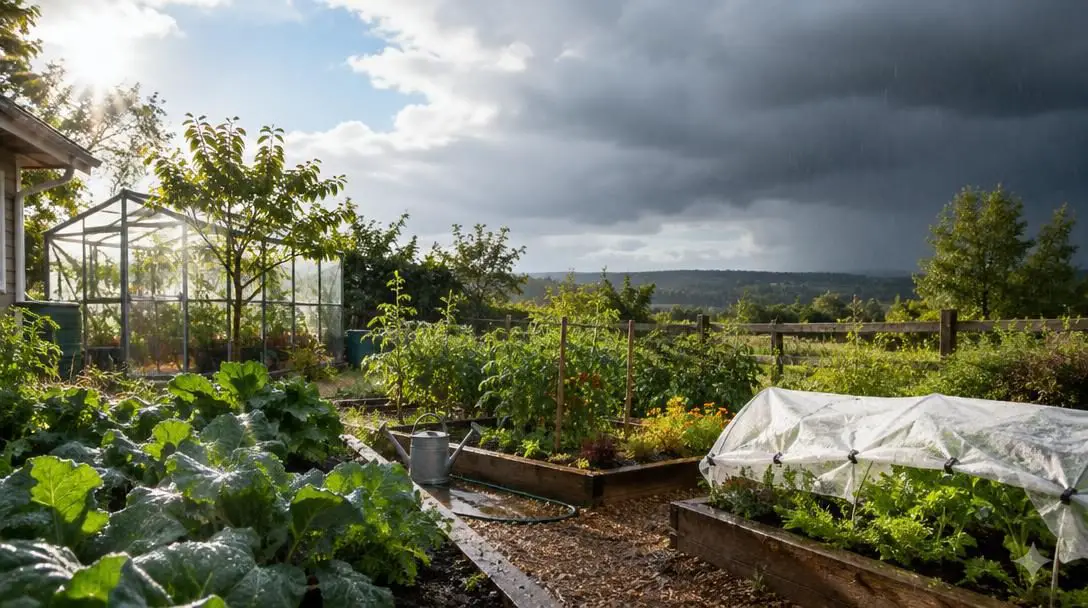
- Handling damp foliage: Working through wet garden beds directly after rain or during heavy morning dew spreads bacterial leaf spot and fungal spores across neighboring plants on your hands, clothing, and tools.
- Co-mingling damaged vegetables: Packing a bruised, split, or insect-punctured fruit into the same basket as unblemished crops accelerates decay across the entire batch due to premature mold growth.
Frequently asked questions
How can I tell if a vegetable is truly ready to harvest?
Readiness depends on color, firmness, and variety specifications. Unripe produce typically exhibits a dull, pale hue and tastes firm, sour, or astringent, while overripe produce feels soft, mealy, or hollow. Examine the skin for full, deep coloration and gentle resistance to light fingertip pressure, harvesting before seeds become tough and woody.
Why shouldn't I pick vegetables right after a heavy rain?
Wet plant surfaces are vulnerable to disease transmission. Moving through damp foliage transfers water-borne bacterial pathogens and fungal spores from plant to plant on your clothing, hands, and cutting shears. Wait until the sun and ambient breezes dry the foliage completely before beginning your harvest.
What is the best way to clean garden produce after picking?
Brush off loose soil in the field, and bring produce indoors to cool down. Wash vegetables under cold running water just prior to cooking or eating. Washing produce immediately before prolonged refrigerator storage introduces surface moisture that encourages gray mold and bacterial rot.
Can I freeze garden vegetables without blanching them first?
While you can freeze certain items like whole berries or raw sliced peppers directly, unblanched vegetables quickly lose their crisp texture, bright green color, and sweet flavor in the freezer. Blanching briefly in boiling water deactivates the natural enzymes responsible for food degradation during cold storage.
How do I harvest cut-and-come-again greens without killing the plant?
Snip or snap off only the oldest, outermost leaves located around the perimeter of the plant, cutting close to the base. Leave the central bud and the inner ring of smaller leaves untouched so the plant can continue photosynthesizing and regenerating new leaves for subsequent harvests.
The bottom line
The garden harvest represents the culmination of weeks of dedicated planning, patient watering, and meticulous care. Approaching this season with thoughtful preparation—gathering produce at peak maturity, using sharp, clean tools, and handling delicate fruits gently—ensures that every ounce of effort translates into delicious, nourishing food. By incorporating versatile preservation techniques like freezing, canning, and dehydrating, you extend the rewards of your summer garden well into the coldest months of the year.
Once the final baskets are gathered, take time to evaluate your garden's overall seasonal performance. Note which vegetable varieties thrived in your microclimate, which struggled with pests, and which delivered the most bountiful yields for the effort required. Clear away spent annual vines, turn healthy plant debris into nutrient-rich compost, and dress your beds with aged organic manure or protective winter cover crops. Nourishing your garden soil now lays the groundwork for fertile soil, robust plants, and another joyful harvest when spring returns.