The Magic of Athens – 5 Unique Attractions in This Amazing City
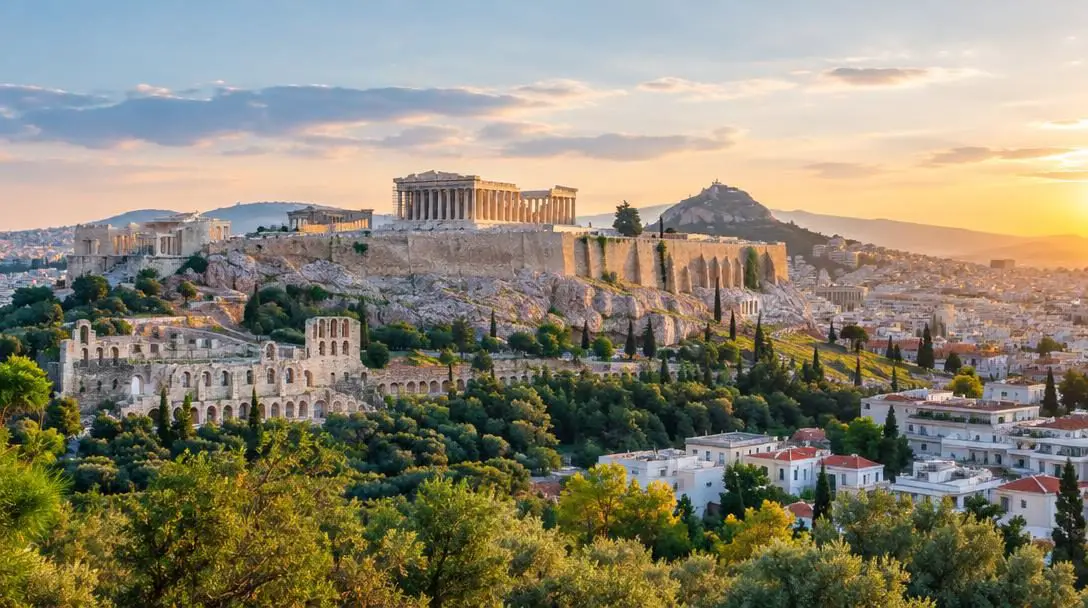
Recognized globally as the cradle of democracy and celebrated for some of the world's most iconic classical architecture, Athens is a city that commands a place on every traveler's bucket list. The Greek capital possesses a cultural weight accumulated over millennia, where historic ruins meet the energetic pulse of modern urban life. While world-renowned landmarks draw millions each year, the city's true depth emerges when you venture toward its surrounding coastlines, scenic summits, and peaceful downtown sanctuaries.
From ancient marble sanctuaries perched above crashing waves to scholarly institutions honoring antiquity's greatest thinkers, Athens provides an extraordinary spectrum of travel experiences. Exploring monumental coastal lookouts alongside quiet green retreats allows visitors to connect intimately with antiquity while appreciating the vibrant character of modern Greece.
Key takeaways
- The Temple of Poseidon combines classical 5th-century BC marble architecture with dramatic coastal views over the Saronic Gulf.
- Founded by Plato in 387 BC, the Academy of Athens preserves an ancient intellectual legacy within an elegant neo-classical building.
- Lycabettus Hill reaches 277 meters to provide unmatched panoramic views across the city to the Aegean Sea.
- The National Garden transforms a former 19th-century royal retreat into a public haven filled with cypress, palm, and bamboo groves.
Five Unique and Magical Places to See in Athens
Balancing grand historical relics with tranquil escapes embedded within central neighborhoods, Athens presents layers of history that reward unhurried exploration. Here is an in-depth look at five distinctive destinations that showcase the spirit, natural beauty, and enduring cultural heritage of the Greek capital.
The Temple of Poseidon

- Location: Outskirts of Athens, overlooking the Saronic Gulf
- Construction Period: 5th century BC
- Key Highlights: 6th-century statue remnants, outdoor amphitheater
Perched high atop a rugged cliff on the outskirts of Athens, the Temple of Poseidon commands a dramatic vantage point over the shimmering waters of the Saronic Gulf. Built during the 5th century BC, this marble monument was dedicated to the ancient Greek god of the sea and endures as one of the finest, best-preserved exemplars of Classical Greek architecture. Seafarers navigating the surrounding waters in antiquity looked to its towering white columns as a sacred beacon of safe return and divine protection.
Visitors strolling through the windswept archaeological precinct can examine the remnants of an even older 6th-century BC statue of Poseidon, illustrating the sanctuary's prolonged religious significance. Beyond the classical temple columns, the grounds feature an outdoor amphitheater that regularly hosts plays and musical concerts. Experiencing a live artistic performance in this open-air setting, framed by ancient stone and sweeping coastal vistas, forms an unforgettable bridge between ancient traditions and modern performing arts.
The Academy of Athens

- Original Founding: 387 BC by Plato
- Architectural Style: Neo-classical design with colonnaded courtyard
- Visitor Access: Guided tours featuring the historic library
Originally established by the philosopher Plato in 387 BC, the Academy of Athens stands among the oldest and most revered intellectual institutions in human history. Plato conceived the academy as a dedicated sanctuary for philosophical debate, dialectic reasoning, and systematic inquiry. Over the centuries, its mission broadened considerably, transforming the institution into a premier center for scientific discovery, literary scholarship, and the arts.
Today, the academy occupies an exceptional neo-classical building defined by intricate sculptures, balanced proportions, and a magnificent colonnaded courtyard. Travelers who want to immerse themselves in the scholarly heritage of the institution can take an informative guided tour. These tours provide direct access to the academy's prestigious library, where centuries of academic exploration and historical documentation are preserved behind elegant architectural facades.
Lycabettus Hill

- Elevation: 277 meters
- Access Methods: Foot trail or funicular railway
- Summit Amenities: 19th-century chapel, open-air cafe
Dominating the Athenian skyline at an impressive height of 277 meters, Lycabettus Hill holds the distinction of being the highest point in Athens. Ascending the hill provides visitors with a complete 360-degree panorama of the sprawling city below, with urban avenues giving way to surrounding mountains and distant shores. Reaching the summit can be accomplished either by taking a scenic walk along its winding hillside paths or by boarding the swift funicular railway.
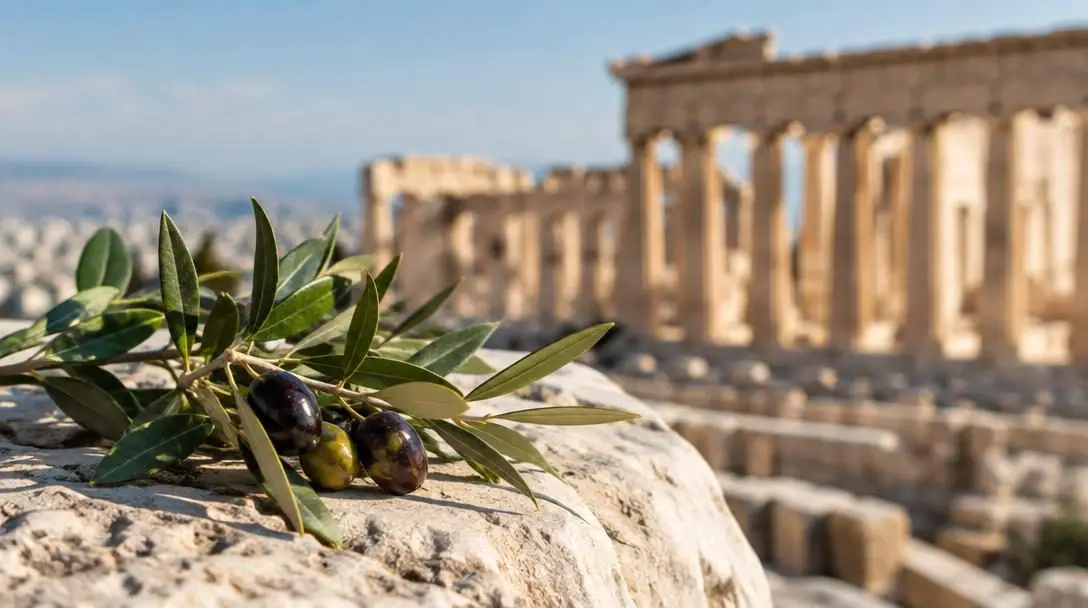
At the peak, visitors will find a picturesque 19th-century chapel alongside a welcoming cafe where travelers can pause for refreshments while taking in the endless view. On clear days, atmospheric visibility allows sightlines to travel well past the city perimeter, revealing the shimmering surface of the Aegean Sea. Whether visited in early morning light or during late afternoon, the summit offers an unrivaled perspective on the sheer scale of the metropolis.
Exploring both monumental coastal ruins and quiet city green spaces reveals the incredible depth of this ancient yet living metropolis.
Mount Lycavitos

- Geographic Status: Highest point within Athens city limits
- Trail Difficulty: Fairly strenuous, steep inclines
- Summit Facilities: Small chapel, cafe
Travelers seeking vigorous outdoor recreation will find an ideal challenge in Mount Lycavitos, recognized as the highest point contained directly within the city limits of Athens. While casual walkers often gravitate toward motorized transport on neighboring summits, this mountain appeals directly to hikers who enjoy steep inclines and an authentic physical workout. The ascent demands solid endurance as the trail twists upward across rocky terrain, but the reward at the top matches the exertion.
Upon conquering the peak, hikers are welcomed by a small chapel and a tranquil cafe. The establishment provides cold beverages, light refreshments, and a comfortable place to sit while recovering from the uphill trek. Looking out across the dense urban fabric below, you can appreciate the geography of the Attica basin from a lofty, quiet refuge high above the street traffic.
The National Garden

- Location: Directly in the heart of downtown Athens
- Original Purpose: Royal garden for the Palace of Athens
- Key Highlights: Cypress, palm, and bamboo; small zoo; children's playground; cafe
Nestled right in the bustling heart of the capital, the National Garden serves as an expansive, sun-dappled haven that invites quiet contemplation and gentle walks. Conceived originally in the 19th century as an exclusive private royal garden for the Palace of Athens, this historic landscape has long since opened its gates to the general public, functioning today as one of the city's most cherished civic spaces.
The garden is celebrated for its dense, diverse botanical collection, featuring stately cypress trees, soaring palm avenues, and lush stands of bamboo that generate pleasant microclimates even in warm weather. Families and relaxed explorers will find plenty to keep them occupied, including a charming small zoo, an entertaining children's playground, and an outdoor cafe where visitors can savor a beverage beneath a canopy of mature trees.
At a Glance: Athens' Unique Cultural and Natural Sites
Each of these five destinations captures a different facet of Athens, from ancient coastal worship and high-altitude hiking to classical architecture and manicured botanical grounds. The table below outlines how they compare in character and appeal.
| Attraction | Location | Key Features | Primary Appeal |
|---|---|---|---|
| The Temple of Poseidon | Outskirts of Athens | 5th-century BC marble columns, 6th-century statue remnants, amphitheater | Coastal antiquities, sweeping Saronic Gulf vistas, open-air performances |
| The Academy of Athens | Central Athens | Neo-classical building, colonnaded courtyard, scholarly library | Philosophical history, classical architectural heritage, guided educational tours |
| Lycabettus Hill | Central Athens | 277-meter peak, funicular railway, 19th-century chapel, cafe | Unmatched citywide panoramas, Aegean Sea views on clear days, relaxing summit cafe |
| Mount Lycavitos | Within city limits | Steep hiking trail, summit chapel, shaded rest cafe | Challenging cardio workout, rewarding urban overlooks, quiet summit retreat |
| The National Garden | Heart of Athens | Cypress, palm, and bamboo groves; zoo; playground; cafe | Shaded botanical walks, royal history, family-friendly relaxation |
Deep Historical Layers: From Philosophy to Public Parks
The allure of these Athenian landmarks lies not merely in their visual appeal, but in how directly they narrate the long, complex story of Greek civilization. Athens evolved across thousands of years through overlapping eras of maritime dominance, intellectual revolution, foreign rule, classical revival, and democratic modernization. Each of these five sites illustrates a critical chapter in that collective journey.
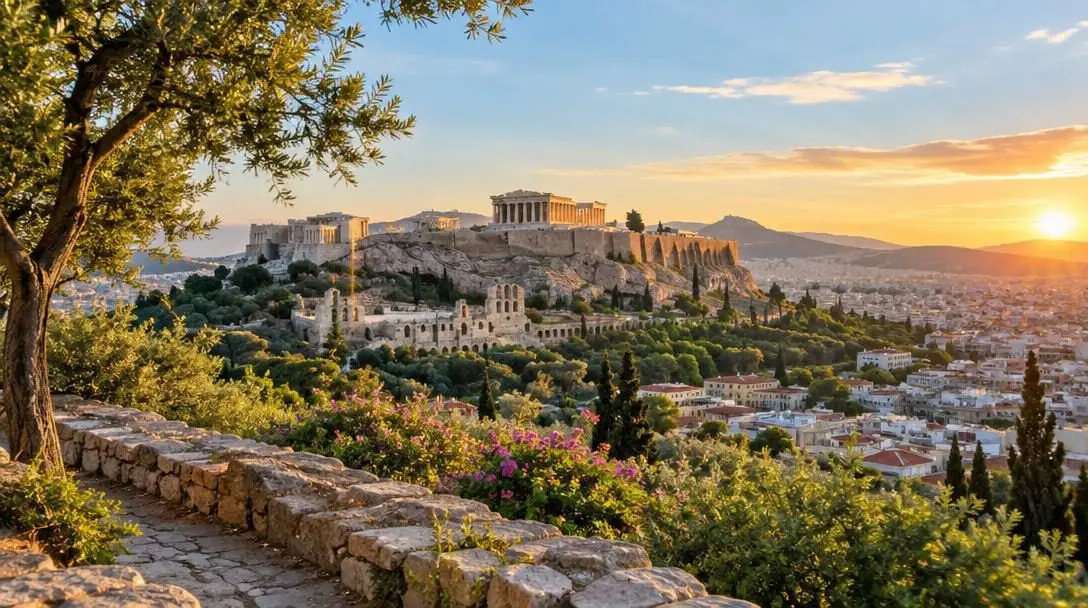
The dedication of grand coastal sanctuaries like the Temple of Poseidon underscores the fundamental role maritime transit played in ancient Greece. Perched directly above the Saronic Gulf, the sanctuary was a spiritual checkpoint for sailors confronting unpredictable Mediterranean currents. The transition from the 6th-century BC sculptural forms to the refined 5th-century BC marble architecture mirrors the golden age of classical Athenian power, wealth, and civic confidence.
In contrast to maritime defense, the Academy of Athens reflects the city's inner philosophical revolution. When Plato gathered students in 387 BC, he established a paradigm of structured debate that transformed mathematics, ethics, and political science. When modern Greece emerged in the 19th century, constructing the academy's current neo-classical home was a conscious effort to revive the visual language and intellectual ambitions of antiquity.
Similarly, the natural elevated landmarks and public gardens reflect the modern democratization of Athens. The peaks of Lycabettus Hill and Mount Lycavitos, long valued for their defensive sightlines and religious hermitages, became accessible leisure spots topped with 19th-century Christian chapels. Concurrently, converting the royal grounds of the Palace of Athens into the public National Garden offered citizens shared ownership of nature, showing how royal privilege gave way to open civic life.
How to Plan Your Visits Across Athens
Because these attractions span both the dense central core and the outer coastline, coordinating your itinerary logically will save hours of transit time and minimize fatigue. Follow this structured approach to organize your days effectively.
- Group downtown attractions together: Pair your visit to the Academy of Athens with an unhurried afternoon in the National Garden, as both are situated conveniently in central Athens.
- Dedicate a half-day coastal excursion: Reserve a distinct morning or afternoon to travel to the outskirts of Athens to view the Temple of Poseidon and the Saronic Gulf without feeling rushed.
- Schedule peak ascents by weather and fitness: Check visibility reports before heading up Lycabettus Hill so you can enjoy sights stretching to the Aegean Sea; reserve Mount Lycavitos for cooler morning hours when the steep climb is most manageable.
- Reserve guided educational tours: Contact the Academy of Athens ahead of time to verify tour schedules for the neo-classical courtyard and historical library.
- Build leisure gaps into your schedule: Set aside at least an hour to sit under the cypress, palm, and bamboo canopy at the National Garden cafe, or unwind at the summit cafes atop the hills.
Common Pitfalls When Touring Athens
Travelers exploring Athens often run into simple logistical mistakes that can diminish their enjoyment. Keeping these potential oversights in mind will help you travel smoother and make the most of every site:
- Underestimating the climb: While Lycabettus Hill offers an effortless ride via the funicular railway, hiking Mount Lycavitos is a demanding physical endeavor. Attempting it in flip-flops or without water can quickly spoil the outing.
- Rushing through the National Garden: Many visitors use the park merely as a shortcut between major avenues. Taking the time to seek out the small zoo, children's playground, and mature bamboo groves reveals a completely different, peaceful side of the capital.
- Overlooking coastal travel times: The Temple of Poseidon sits well outside the central district on the Saronic Gulf coast. Failing to factor in adequate round-trip transportation can derail an afternoon itinerary.
- Skipping the Academy's interior: Admiring the neo-classical exterior from the sidewalk is visually impressive, but joining a guided tour to view the historic library and colonnaded courtyard provides essential context.
- Ascending viewpoints in poor visibility: The panoramic vistas from Lycabettus Hill's 277-meter peak are best appreciated under clear skies; ascending on hazy or overcast days obscures views of the Aegean Sea.
Frequently asked questions
How do you reach the summit of Lycabettus Hill?
Visitors can reach the 277-meter summit of Lycabettus Hill either by walking along the scenic pedestrian paths that wind up the hillside or by taking the convenient funicular railway directly toward the peak.
Where is the Temple of Poseidon located relative to central Athens?
The Temple of Poseidon is located on the outskirts of Athens, perched high on a rugged coastal cliff overlooking the waters of the Saronic Gulf.
Can members of the public tour the Academy of Athens?
Yes, visitors can participate in guided tours of the neo-classical building, which provide access to its impressive colonnaded courtyard and historic scholarly library.
What amenities are available at the top of Mount Lycavitos and Lycabettus Hill?
Both summits feature a charming chapel along with an on-site cafe where hikers and sightseers can rest, purchase refreshments, and take in the panoramic urban views.
What can visitors see inside the National Garden?
The National Garden features diverse botanical species including cypress, palm trees, and bamboo, alongside a small zoo, an entertaining children's playground, and an inviting outdoor cafe.
The bottom line
Athens is far more than a single cluster of ancient ruins; it is a multi-dimensional city where rugged coastal cliffs, classical learning institutions, energetic hill trails, and serene royal gardens exist side by side. By venturing beyond the standard tourist trail to explore the Temple of Poseidon, the Academy of Athens, Lycabettus Hill, Mount Lycavitos, and the National Garden, you will discover the remarkable contrasts that give this ancient capital its lasting magic.