The Magic of London – 5 Unique Attractions in This Amazing City
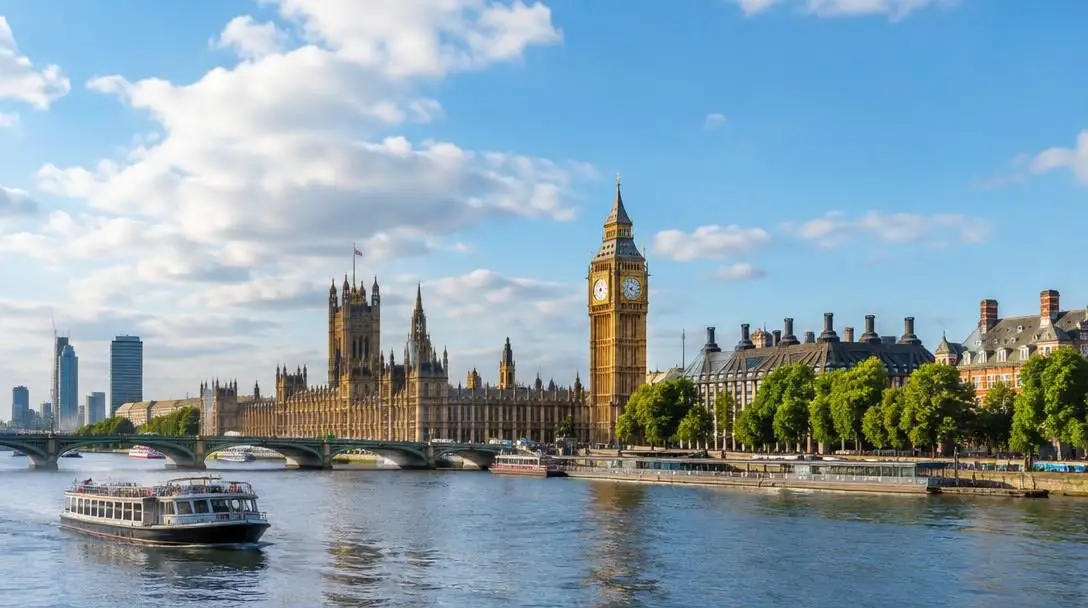
London stands as one of the most vibrant, storied, and multifaceted cities on the planet, drawing millions of visitors into a living tapestry of culture, royal heritage, and deep historical significance. From ancient stone fortifications that have guarded the River Thames for nearly a millennium to high-tech observation platforms reshaping the skyline, the British capital seamlessly balances its layered past with a kinetic modern pace. Whether you are arriving for the first time or returning to explore corners you missed, the city rewards curiosity with an extraordinary variety of urban landscapes.
To truly understand what makes London unique, travelers often gravitate toward its defining landmarks. In a single journey, you can descend into subterranean wartime headquarters, stroll the manicured corridors of royal palaces, witness centuries-old military traditions, recharge across sprawling parklands, and take in 360-degree views from high above the river. Exploring five of the city's key attractions—the Churchill War Rooms, the Tower of London, Buckingham Palace, Hyde Park, and the London Eye—reveals the sweeping breadth of history and spectacle that defines the capital.
Key takeaways
- London offers an exceptional spectrum of sights ranging from underground wartime headquarters to vast royal parks and modern observation wheels.
- Major heritage properties such as the Tower of London and Buckingham Palace require advance booking and careful timing around ceremonial schedules and seasonal openings.
- Grouping sightseeing destinations by geographic proximity drastically reduces transit time and prevents fatigue across the sprawling city.
- Pairing dense, enclosed historical exhibits with open-air leisure in spaces like Hyde Park creates a balanced, sustainable travel itinerary.
At a glance: comparing London's top five landmarks
Every major site in the capital operates on a distinct rhythm, presenting different architectural styles, historical periods, and visiting logistics. The table below outlines how these five premier attractions compare in their primary appeal, geographic focus, and structural format.
| Attraction | Primary Historical Era / Focus | General Location | Key Highlight |
|---|---|---|---|
| Churchill War Rooms | World War II (1939–1945) | Westminster | Preserved underground government bunker and Churchill museum |
| Tower of London | Medieval to Early Modern | East London / River Thames | Crown Jewels in the Jewel House and Yeoman Warder tours |
| Buckingham Palace | Monarchical and State Ceremonial | Central London / Westminster | State Rooms tours and Changing of the Guard ceremony |
| Hyde Park | Public Commons and Recreation | West London | Serpentine Lake, Speakers' Corner, and seasonal Winter Wonderland |
| London Eye | Modern Architecture / Millennial Skyline | South Bank | 30-minute panoramic rotation inside climate-controlled glass capsules |
Five iconic attractions that define the London experience
Exploring London means engaging with sites that have shaped global politics, royal lineage, and urban culture. These five destinations encapsulate the sheer diversity of what the capital has to offer.
Churchill War Rooms

- Location: Beneath the streets of Westminster
- Historical Era: World War II
- Key Feature: Intact underground cabinet war rooms and Churchill biographical museum
Hidden beneath the government offices of Westminster lies the Churchill War Rooms, the secret subterranean shelter that shielded British leadership during the height of World War II. As German bombing campaigns battered London during the Blitz, this reinforced underground bunker served as the nerve center for the British government. Inside these closely guarded rooms, Prime Minister Winston Churchill and his inner circle of military chiefs and political advisers gathered to direct national defense, plot strategic operations, and deliver critical wartime broadcasts to the public.
Today, the complex remains frozen in time. A self-guided route leads visitors through narrow, labyrinthine corridors into the actual Map Room, where multi-colored map pins still mark naval routes, and the Cabinet Room, where the nation's wartime strategies were debated. Beyond the preserved offices and sleeping quarters, the site houses an expansive biographical museum dedicated to Churchill's life and wartime leadership, showcasing archived documents, original artifacts, and interactive displays that illustrate the relentless psychological pressure endured by those working underground.
Tower of London

- Location: North bank of the River Thames
- Primary Role: Fortress, royal palace, secure prison, and execution site
- Famous Residents: Yeoman Warders (the Beefeaters)
Rising along the River Thames, the Tower of London is one of the world's most storied fortified complexes. Commissioned centuries ago, the castle has played a shifting series of pivotal roles across British history: it has stood as an imposing royal palace designed to project authority, a high-security prison for controversial political figures, and an infamous execution ground for fallen nobles, traitors, and monarchs. Its ancient stone battlements, thick walls, and defensive towers encapsulate hundreds of years of turbulent British history.
Today, the fortress functions as an expansive heritage compound. The centerpiece of any visit is the Jewel House, home to the priceless Crown Jewels, protected by armed guards and displayed along secured moving walkways. Beyond the crown regalia, the fortress is maintained by the Yeoman Warders—affectionately known as Beefeaters—who reside with their families directly on the castle grounds. Joining one of their regular walking tours is an essential ritual, as these ceremonial guards recount the castle's grim history, tales of past prisoners, and centuries of dark lore with sharp wit and historical precision.
Buckingham Palace
- Location: City of Westminster
- Primary Role: Official London residence and administrative headquarters of the monarch
- Main Public Feature: The State Rooms and the forecourt Changing of the Guard
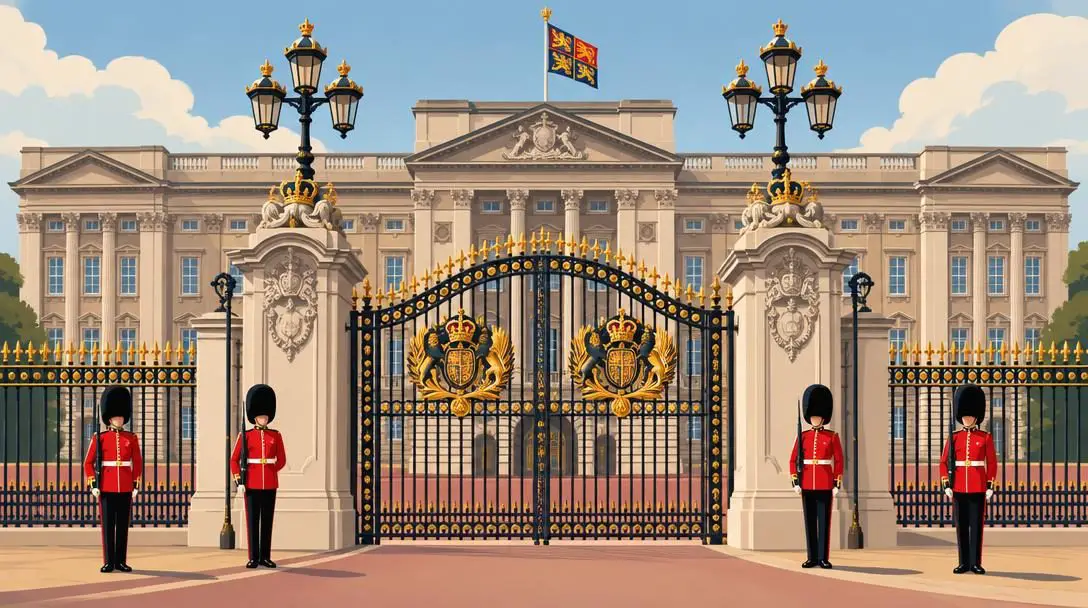
Serving as the official London residence of the British sovereign, Buckingham Palace represents the beating administrative heart of the British monarchy. Steeped in royal tradition, the palace provides the backdrop for sovereign affairs, formal diplomatic hosting, and national celebrations. Behind its monumental classical facade lie the renowned State Rooms, a sequence of lavishly appointed chambers utilized by the monarch and the royal family to receive, reward, and entertain foreign dignitaries and civic leaders.
For visitors, the palace presents two distinct experiences. Outside the grand wrought-iron gates, crowds assemble along the perimeter and around the Victoria Memorial to observe the Changing of the Guard ceremony—a vibrant spectacle of military precision, iconic bearskin caps, and live brass-band music. During selected periods of the year, ticketed visitors can cross the threshold to tour the State Rooms themselves, walking through glittering banquet halls decorated with masterpieces of fine art, historic tapestries, and ornate furnishings, while keeping an eye out for a glimpse of the queen or members of the royal household.
Navigating London means stepping into a living tapestry of culture, royal heritage, and deep historical significance.
Hyde Park

- Location: Central-West London
- Primary Features: Serpentine Lake and Speakers' Corner
- Seasonal Event: Winter Wonderland with open-air ice rink and Christmas markets
Providing an open, green sanctuary in the core of the city, Hyde Park is one of London's largest and most famous public parks. Spanning hundreds of acres, this shared common ground offers visitors a tranquil escape from heavy traffic and bustling retail districts. At the center of the park lies the Serpentine Lake, a recreational water body where guests can rent paddleboats and rowboats, take lakeside strolls, or relax on surrounding lawns for an afternoon picnic under broad-canopied trees.
Hyde Park is also steeped in the heritage of free expression. At its northeastern edge stands Speakers' Corner, an open-air forum that has provided a public platform for passionate debates, protests, and soapbox orators for generations. As seasons turn, the park reinvents itself: during the late autumn and winter months, substantial swathes of the grounds transform into a festive Winter Wonderland, complete with Christmas markets, carnival attractions, and an outdoor ice skating rink, making the park a versatile, four-season hub for community recreation.
London Eye
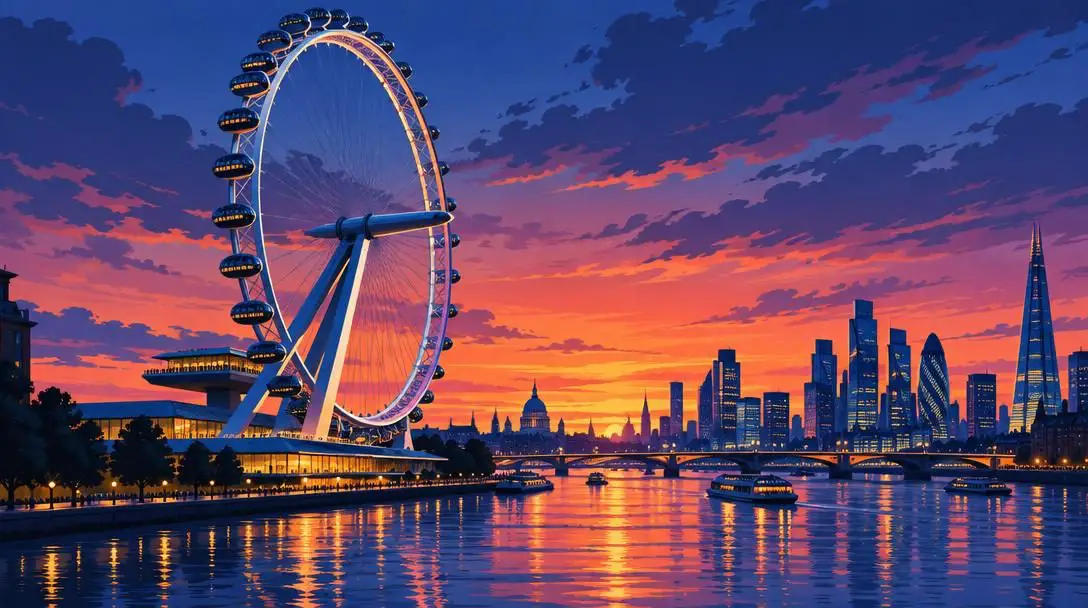
- Location: South Bank of the River Thames
- Structure Type: Giant cantilevered observation wheel
- Capacity & Speed: 32 climate-controlled glass capsules on a continuous 30-minute rotation
Erected on the South Bank of the Thames to celebrate the dawn of the new millennium, the London Eye quickly redefined the visual identity of the modern British capital. Standing as a massive, wheel-shaped marvel of contemporary engineering, the attraction was conceived to give riders sweeping, elevated vistas across the historic and modern cityscapes. The wheel is equipped with 32 climate-controlled, aerodynamic glass capsules, each designed to hold dozens of passengers while providing unobstructed visibility in every direction.
The observation wheel moves at a slow, continuous crawl, allowing riders to safely step on and off without requiring the mechanism to come to a complete standstill. A full rotation takes approximately thirty minutes, giving visitors ample time to move freely about the capsule. Integrated interactive touchscreen panels assist passengers in spotting prominent architectural landmarks across the horizon, including the Houses of Parliament, St. Paul's Cathedral, and distant districts. On clear days, visibility stretches for miles, making the wheel an essential stop for architectural photography and orientation.
How to organize a seamless London sightseeing route
Visiting a city as vast as London requires deliberate pacing and sensible logistics. Rushing between distant boroughs wastes valuable travel time on public transport. Following a structured planning process ensures you spend more time inside the sights and less time stuck in transit.
- Cluster your destinations by geographical proximity: Group your sightseeing into neighborhood zones. The Churchill War Rooms, Buckingham Palace, and the London Eye are situated relatively close to one another around Westminster and the South Bank. The Tower of London sits further east, while Hyde Park extends to the west. Planning by district eliminates backtracking.
- Secure timed entry passes well in advance: World-renowned venues such as the Tower of London, the London Eye, and the Churchill War Rooms experience enormous crowds year-round. Reserving your tickets online secures preferred entry slots and lets you bypass standard box-office queues.
- Align your schedule with royal and seasonal calendars: State Rooms inside Buckingham Palace operate on strictly controlled seasonal public opening schedules, requiring early ticket reservations. Furthermore, verify the official schedule for the Changing of the Guard ceremony, which takes place on specific days and relies on good weather.
- Dress for extensive walking across mixed surfaces: Navigating the cobblestones of the Tower of London, the long trails of Hyde Park, and the subterranean corridors of the Churchill War Rooms requires sturdy footwear. Carry waterproof layers to adapt to London's notoriously changeable weather.
- Incorporate seasonal festivities: If your trip coincides with the winter holiday period, dedicate a specific late afternoon or evening to explore Hyde Park's Winter Wonderland, budgeting extra time for its Christmas markets and ice rink.
Mistakes that disrupt a London itinerary
Even seasoned travelers can encounter unexpected delays when navigating London's premier sights. Avoiding these common planning errors will save you hours of frustration and unnecessary walking:
- Underestimating the physical footprint of major venues: Visitors often assume they can rush through the Tower of London or cross Hyde Park in under an hour. In reality, both require substantial walking across large grounds; budget at least two to three hours for thorough visits.
- Expecting full interior access to Buckingham Palace year-round: The State Rooms are working facilities for state diplomacy and national celebrations, meaning they only open to the ticketed public during limited months, typically late summer and early autumn.
- Boarding the London Eye during foul weather: The attraction's primary appeal lies entirely in its long-distance panoramic vistas; going up during heavy rain or low cloud cover renders the interactive displays and glass walls far less rewarding.
- Bypassing the Yeoman Warder guided tours: Wandering the Tower of London independently without hearing the historical narratives, dark humor, and institutional memory shared by the Beefeaters means missing one of the site's most engaging features.
- Overlooking river transport between districts: London's public transit network includes riverboats on the Thames that link the London Eye on the South Bank directly with the Tower of London pier, offering a picturesque alternative to underground trains.
Frequently asked questions
How long does a complete rotation on the London Eye take?
A full rotation on the London Eye takes approximately thirty minutes. The observation wheel rotates continuously at a slow speed, allowing guests to step safely into the climate-controlled capsules while taking in 360-degree views of the skyline.
Can you visit the inside of Buckingham Palace at any time of the year?
No. Buckingham Palace functions as an active working royal administrative headquarters and official residence. Public tours of the lavish State Rooms are only offered during selected periods of the year, primarily during the summer and early autumn months.
What are the Yeoman Warders at the Tower of London?
The Yeoman Warders, commonly called the Beefeaters, are the ceremonial guardians of the Tower of London. They live on the castle grounds with their families and lead guided walking tours detailing the fortress's grim history, past prisoners, and centuries of royal lore.
What activities are available in Hyde Park?
Hyde Park offers a wide range of activities, including walking through tree-lined trails, picnicking on open lawns, and renting rowboats or paddleboats on the Serpentine Lake. Visitors can also observe public debates at Speakers' Corner and explore the seasonal Winter Wonderland market and ice rink during the colder months.
Where are the Churchill War Rooms located?
The Churchill War Rooms are located beneath the streets of Westminster in central London. The underground complex served as the fortified, secret headquarters for Winston Churchill and British military leadership throughout the Blitz and World War II.
The bottom line
London's brilliance lies in its extraordinary contrasts: modern engineering feats rise beside medieval fortresses, and serene green parklands sit minutes away from underground wartime command centers. By organizing your sightseeing geographically, booking high-demand heritage tickets ahead of time, and balancing intense historical museum visits with relaxing outdoor walks along the Serpentine or the South Bank, you can experience the full magic of the capital without feeling overwhelmed by its vast scale.