The Many Uses for Bodies Donated to Science
Whole-body donation represents one of the most selfless contributions an individual can make to the future of healthcare, scientific discovery, and human safety. While most people automatically picture first-year medical students gathered around dissection tables, the actual scope of anatomical gifts stretches across an astonishing range of disciplines. From outdoor decomposition laboratories to automotive impact testing facilities and historical anatomical museums, human remains provide invaluable insights that synthetic models, computer simulations, and animals simply cannot replicate.
Historically, the study of human anatomy was hindered by profound ethical crises and chronic shortages, culminating in centuries past with illicit grave robbing to supply medical lecture halls. Today, modern science relies on an ethical, highly regulated framework rooted entirely in voluntary consent. Navigating this process requires a clear understanding of how anatomical gifts are managed, where donated bodies actually go, and how prospective donors can ensure their wishes are honored without placing unexpected burdens on surviving family members.
Key takeaways
- Whole-body donation supports diverse fields beyond medical education, including vehicle crash biomechanics, museum pathology exhibits, and forensic decomposition research.
- Donation eligibility depends heavily on physical condition and infectious disease status rather than chronological age.
- Acceptance into an anatomical program is never guaranteed in advance, making a secondary final disposition plan essential.
- Standard organ donor registry designations on a driver's license do not enroll an individual in a whole-body scientific donation program.
- Donated remains undergo specialized long-term preservation and are typically cremated and returned to loved ones after research concludes.
How the Whole-Body Donation Process Operates
The path to donating human remains to science begins well before an individual passes away. Because the biological window for accepting and preserving human tissue is exceptionally narrow, anatomical gift programs rely on proactive coordination between donors, their healthcare proxies, and receiving institutions. The process starts when a living individual reaches out to an accredited university, medical college, or independent nonprofit program to complete an initial screening.
During this living intake stage, program coordinators assemble an extensive medical history. They evaluate past and present illnesses, previous surgical procedures, pharmacological history, and overall physical condition. Unlike living organ donation for transplant medicine, age is not a disqualifying factor in whole-body donation; programs routinely accept remains from both young adults and nonagenarians. However, physical dimensions and infectious status serve as strict criteria. Extreme obesity or severe emaciation can disqualify a prospective donor because standard preservation chemicals, storage racks, and laboratory workspaces are built around specific weight ranges. Furthermore, transmissible bloodborne pathogens like HIV and Hepatitis represent immediate dealbreakers due to the safety hazards they pose to researchers, instructors, and students.
Once a candidate completes the preliminary questionnaire, the institution maintains an active donor profile until death occurs. At that moment, a second, time-sensitive operational sequence begins:
- Immediate notification: Surviving family members, hospice personnel, or hospital staff notify the designated donation program as soon as death is pronounced.
- Secondary medical evaluation: Intake coordinators perform an immediate reassessment to determine whether any recent infections, physical trauma, or rapid weight fluctuations occurred in the donor's final days.
- Formal acceptance or decline: If the body meets all institutional criteria at the moment of death, the organization officially accepts the donation and assumes custody.
- Specialized tissue preservation: The body is transported to the research facility and treated with specialized chemical formulations rather than standard funeral home embalming, ensuring tissues remain structurally viable for several years.
- Educational or experimental study: The cadaver is assigned to its designated project, which may range from surgical skills labs to biomechanical testing or forensic monitoring.
- Cremation and return: After study concludes—often two to three years later—the remains are cremated at the institution's expense, and the ashes are returned to the family alongside a certified death certificate.
Donating human tissue provides tactile and structural learning that synthetic mannequins and digital simulations cannot duplicate.
Primary Facilities and Applications for Donated Remains
Depending on which accredited institution receives the body, cadavers fulfill distinct, highly specialized roles across modern science. The following facilities and programs demonstrate the broad utility of human anatomical gifts.
Medical Schools and Healthcare Training Centers
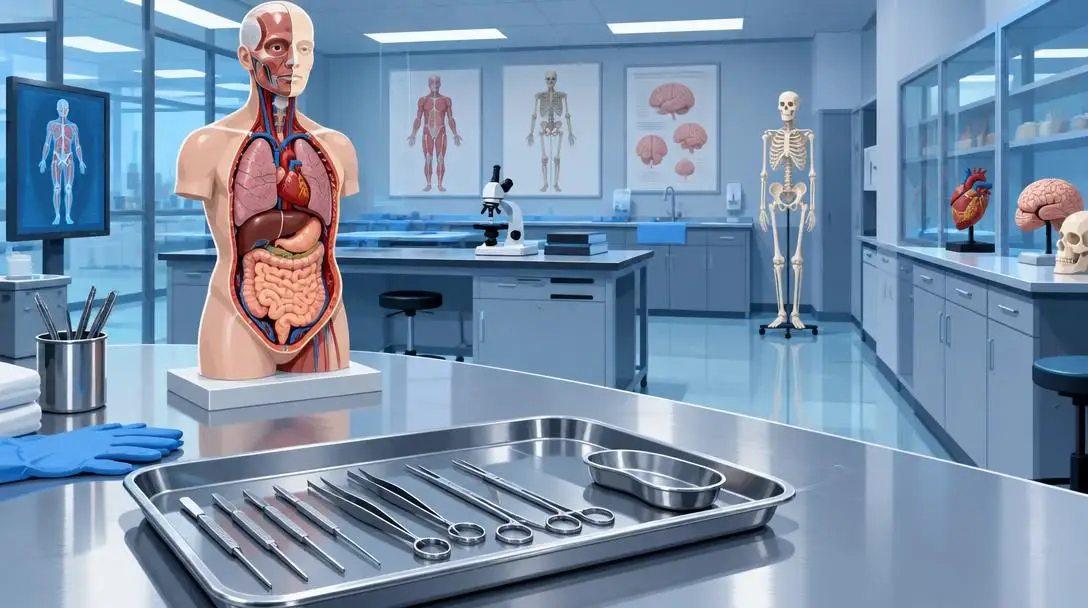
- Primary focus: Anatomical education and surgical technique refinement
- Key beneficiaries: Medical students, surgical residents, and emergency first responders
- Common research areas: Advanced operative pathways, laser treatments, and tissue biomechanics
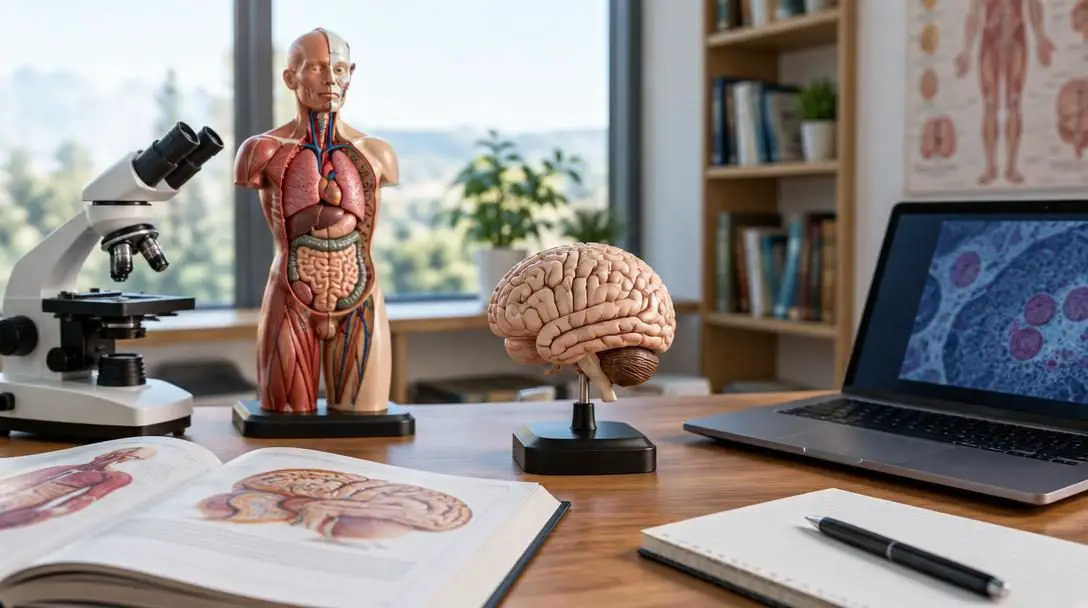
Academic medical centers represent the traditional and largest destination for whole-body donations. In these facilities, aspiring physicians complete comprehensive human dissections to understand the intricate spatial relationships of organ systems, circulatory networks, and nervous pathways. Beyond novice education, experienced surgical teams utilize donor cadavers to develop minimally invasive operative techniques before testing them on living patients, while paramedics and emergency medical technicians practice urgent airway management and critical trauma procedures.
Wayne State University Bio-Mechanics Lab
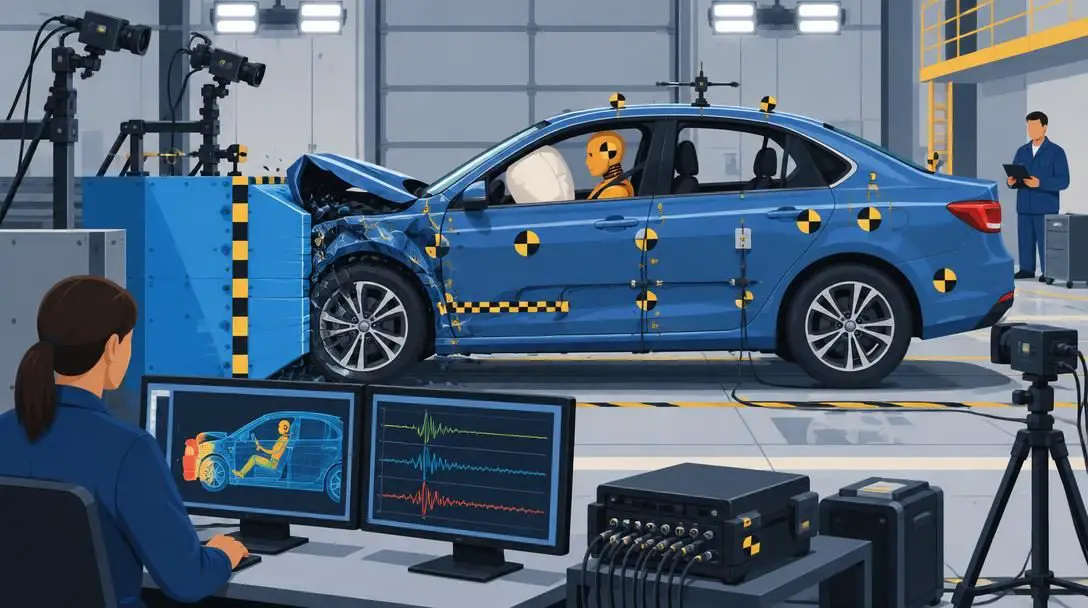
- Primary focus: Vehicular impact testing and trauma biomechanics
- Institutional affiliation: Wayne State University School of Medicine
- Key safety innovations: Advanced airbag systems, energy-absorbing steering columns, and seat belts
Located in Detroit, the Wayne State University Bio-Mechanics Lab accepts whole-body donations to measure how the human frame responds to vehicular collisions. While computer modeling and mechanical crash test dummies provide baseline metrics, they cannot fully replicate the nuanced structural behavior of living bone, cartilage, and internal organs under severe deceleration. Data obtained from donor cadavers subjected to simulated collisions has contributed directly to the design of modern automotive safety structures, three-point seat belts, and multi-stage airbag deployment systems.
The Mütter Museum
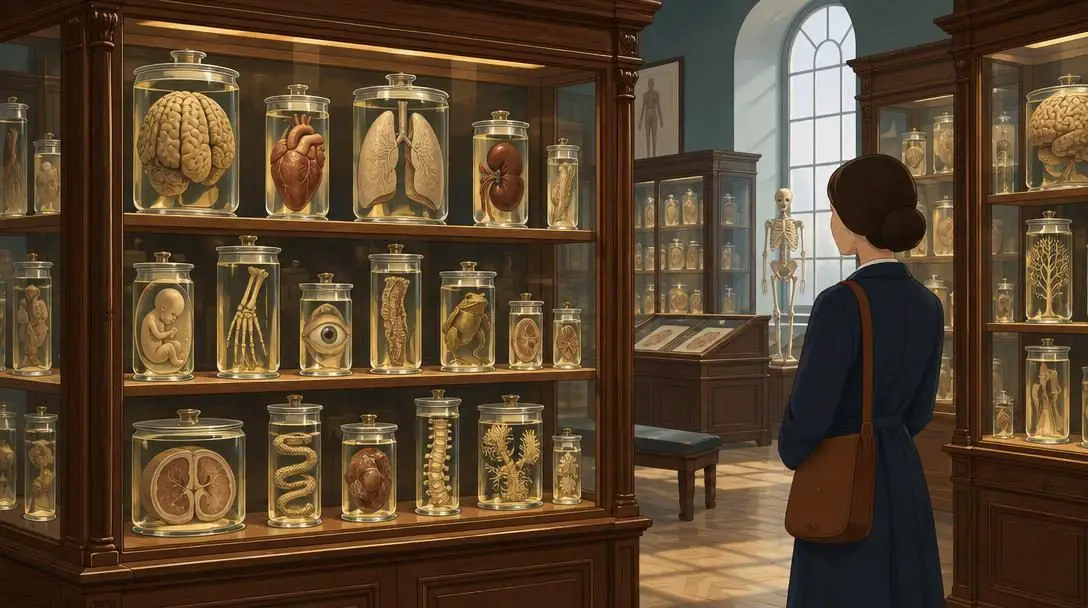
- Primary focus: Public medical education and anatomical preservation
- Location: Philadelphia, Pennsylvania
- Collection scope: Preserved pathological specimens, fluid-preserved organs, and anatomical displays
Operated by the College of Physicians of Philadelphia, the Mütter Museum curates preserved anatomical and pathological specimens to educate both healthcare professionals and the broader public. Donated remains accepted into historical collections like the Mütter Museum serve as permanent educational artifacts, highlighting rare anatomical anomalies, chronic disease progression, and the historical evolution of modern medical science.
Maxwell Museum of Anthropology
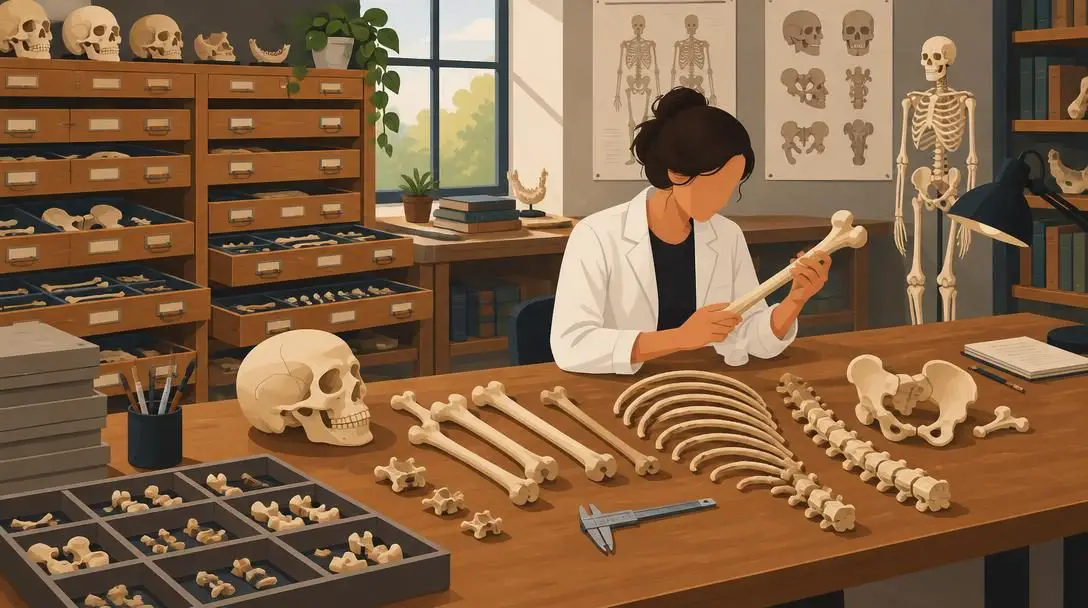
- Primary focus: Osteological research and physical anthropology
- Institutional affiliation: University of New Mexico
- Research scope: Skeletal biology, lifetime biomechanical stress, and ancestral variations
The Maxwell Museum of Anthropology at the University of New Mexico curates a world-renowned documented human skeletal collection. Rather than soft-tissue study, donations directed to anthropology programs support the ongoing analysis of human bones. Physical anthropologists and biological researchers study these curated skeletons to track skeletal markers left by occupational stress, dietary shifts, metabolic disease, and natural anatomical variation across diverse demographic groups.
University of Tennessee Forensic Anthropology Center
- Primary focus: Forensic taphonomy and post-mortem interval estimation
- Informal name: The Body Farm
- Facility size: 2.5 acres of outdoor research terrain
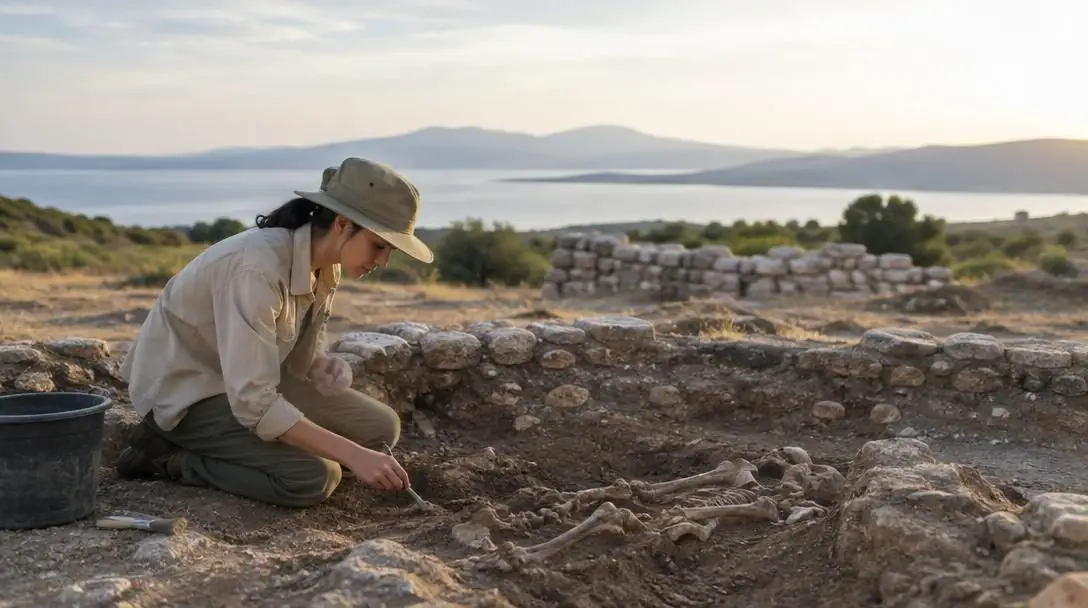
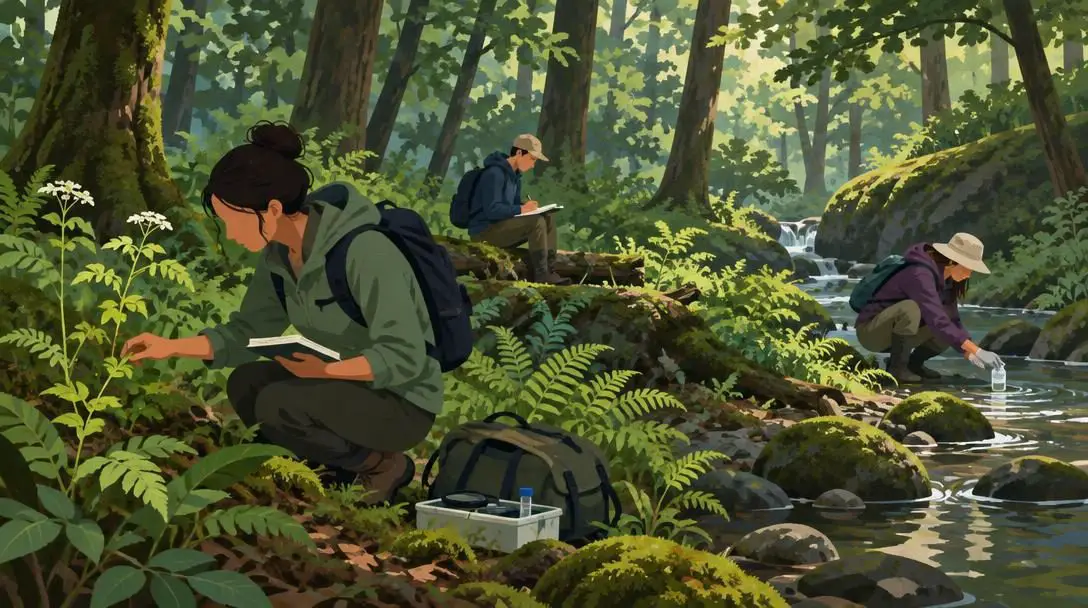
The University of Tennessee Forensic Anthropology Center, widely recognized as "The Body Farm," utilizes whole-body donations to study how the human body decomposes under natural conditions. Donors are placed in a variety of controlled outdoor environments—shallow burials, surface exposures, shaded areas, and enclosed spaces—across a 2.5-acre wooded property. By documenting insect colonization, bacterial breakdown, and environmental weathering, researchers generate empirical formulas that medical examiners and criminal investigators use to pinpoint exact times of death and resolve complex murder investigations.
Program Comparison: Where Donated Bodies Serve
Prospective donors can evaluate how different scientific programs utilize anatomical gifts, handle long-term preservation, and benefit living populations.
| Institution / Facility Type | Core Discipline | Primary Form of Study | Direct Public Benefit |
|---|---|---|---|
| Medical School Anatomy Labs | Physician and surgical education | Full-body soft tissue dissection | Trained clinicians and refined surgical techniques |
| Wayne State Bio-Mechanics Lab | Impact and transportation engineering | Dynamic crash simulation and trauma capture | Safer vehicle passenger cabins, seat belts, and airbags |
| Maxwell Museum of Anthropology | Physical osteology and skeletal biology | Permanent curated skeleton collections | Deepened understanding of human bone pathology and variation |
| The Body Farm (Univ. of Tennessee) | Forensic taphonomy and criminalistics | Outdoor observational decomposition monitoring | Accurate post-mortem interval data for law enforcement |
Common Pitfalls and Donation Misconceptions
Despite the philanthropic intentions behind whole-body donation, families and prospective donors frequently run into logistical and legal hurdles. Avoiding these common mistakes ensures that anatomical gifts are processed smoothly without causing emotional or financial strain on surviving relatives.
- Confusing DMV organ donation with whole-body donation: Checking the "Organ Donor" box on a state driver's license registers an individual solely for therapeutic organ and tissue transplantation (such as hearts, kidneys, and corneas). It does not register an individual with a scientific research institution or medical school.
- Failing to establish a backup disposition plan: Because acceptance is contingent on a secondary screening after death, every donor must have an alternate plan for direct cremation or traditional burial in case the body is disqualified by sudden disease, physical trauma, or storage constraints.
- Allowing standard embalming before transport: If a family mistakenly calls a conventional funeral home first, the home may embalm the body with standard commercial cosmetic chemicals. This immediately ruins the tissue for scientific study and forces the program to reject the donation.
- Overlooking transit fees: While most accredited medical schools and body donation organizations cover standard transportation, processing, and cremation expenses, some programs require the donor's estate to pay for transport from the place of death if it falls outside a specific geographic radius.
- Keeping the decision private from family: If the executor of an estate or immediate next of kin is unaware of the donor's arrangements, the multi-day delay in locating paperwork can cause the body to pass beyond the viable window for scientific preservation.
How to Plan a Whole-Body Donation
Executing an anatomical gift requires deliberate administrative steps taken while an individual remains of sound mind and capable of giving informed consent. Because state anatomical gift acts prioritize donor autonomy, handling paperwork in advance prevents family disputes later.
Start by identifying the branch of science you feel most passionate about advancing, whether that is cardiovascular surgical education, highway vehicle safety testing, or forensic anthropology. Request donor registration packets from accredited university medical centers or established non-profit organizations operating within your home region. Carefully review the contract terms, paying explicit attention to exclusions regarding infectious diseases, weight limitations, and transportation cost arrangements.
Once you execute the donor agreement forms, store the originals with your advance healthcare directives, living will, and general estate planning files. Convene a candid family meeting to walk your immediate relatives through the logistical sequence: remind them that traditional public viewings with an open casket are usually impossible, outline how the body will be retrieved immediately after death, and reassure them that the program will return their cremated remains once scientific research has drawn to a close.
Frequently asked questions
Can my family hold a funeral if I donate my body to science?
Yes, but the service cannot feature an open casket or the presence of the physical body. Families typically host a memorial service or celebration of life immediately following the death, and many choose to hold a private ash-scattering or internment ceremony later when the cremated remains are returned by the research institution.
Does it cost anything to donate your body to science?
In most instances, accredited body donation programs cover all major costs, including transportation from the place of death, tissue preservation, educational utilization, final cremation, and the return of ashes. However, some programs require the estate to pay mileage fees if the death occurs outside their designated service radius.
Can someone be both an organ donor and a whole-body donor?
Generally, medical schools and research laboratories require an intact, complete body and cannot accept cadavers that have undergone extensive organ procurement. However, some specialized non-profit tissue banks and research facilities maintain joint agreements permitting both lifesaving eye or organ recovery and subsequent anatomical research.
Why do weight and body mass index matter for body donation?
Weight criteria exist primarily for practical and technical reasons. Embalming chemicals, mechanical storage trays, and laboratory dissection tables have strict weight tolerances. Furthermore, excessive adipose tissue impedes the thorough diffusion of specialized preservation fluids, accelerating internal decomposition before the tissues can be utilized.
What conditions automatically disqualify a body from being accepted?
The most common disqualifiers across all accredited anatomical programs include active infectious bloodborne diseases such as HIV, Hepatitis B, and Hepatitis C. Severe physical trauma resulting from catastrophic accidents, severe post-mortem decomposition, and significant weight extremes also result in disqualification during the secondary evaluation.
The bottom line
Donating your body to science is a profound, lasting contribution that bridges the boundary between life and death. The knowledge gleaned from human remains fuels breakthrough surgical techniques, engineers life-saving automotive safety designs, solves cold criminal cases, and ensures the next generation of medical clinicians understands the complex realities of human physiology. By understanding the logistical prerequisites, maintaining realistic backup arrangements, and openly communicating with loved ones, prospective donors can ensure their final philanthropic act creates a lasting positive impact on the living world.