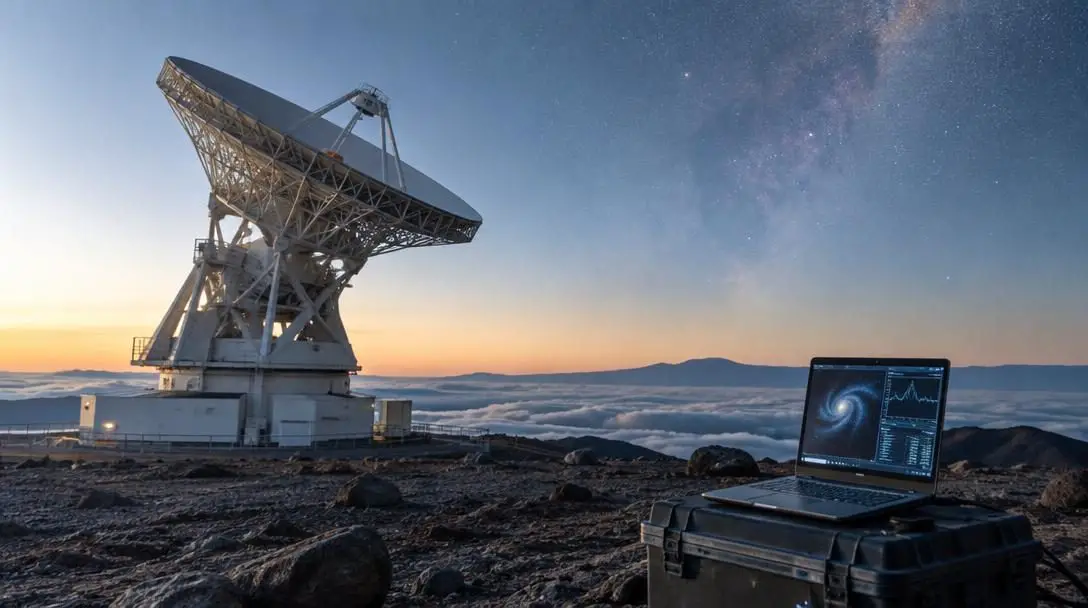
The Potential of Computing in Renewable Energy
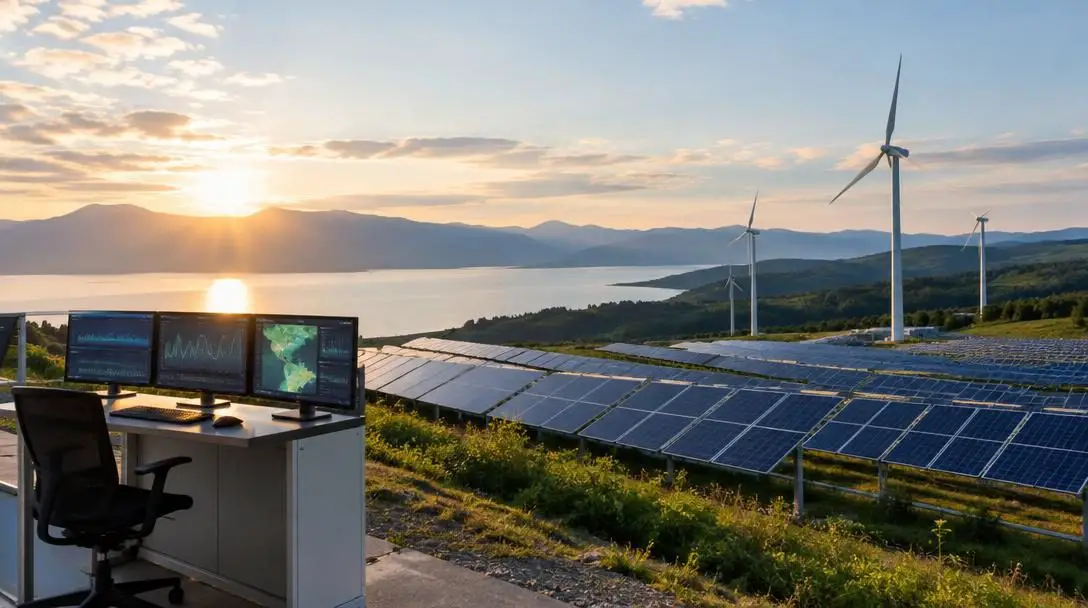
Renewable energy has taken center stage in global efforts to mitigate climate change, reduce reliance on fossil fuels, and transition toward sustainable power systems. Energy harvested from naturally replenishing forces—most notably solar radiation, wind currents, and flowing water—offers undeniable environmental and strategic advantages. These clean alternatives dramatically lower greenhouse gas emissions, reduce harmful air pollutants, and strengthen long-term energy security across both domestic and industrial power markets.
Despite these critical advantages, transitioning entirely away from conventional power remains technically complex. Natural resources fluctuate based on regional climate patterns and immediate weather conditions, creating persistent intermittency, challenging storage requirements, and intricate grid synchronization issues. To resolve these operational hurdles, advanced computing technologies have emerged as the foundational infrastructure required to monitor field hardware, optimize output continuously, and weave unpredictable clean generation into legacy electrical grids.
Key takeaways
- Variable clean power sources depend entirely on real-time computational systems to overcome natural intermittency and preserve electrical grid balance.
- Sensor networks and automated algorithms optimize mechanical settings across wind, solar, and hydroelectric installations to maximize generation while protecting physical machinery.
- Successful digital transformation requires addressing telemetry data bottlenecks, cross-vendor interoperability hurdles, and expanding cybersecurity risks.
- Emerging computational architectures, such as artificial intelligence and the Internet of Things, are driving the efficiency improvements that make renewables fully cost-competitive with fossil fuels.
The Intermittency Dilemma and Core Power Principles
Understanding why computational power is so indispensable to modern clean power requires examining how renewable systems differ fundamentally from traditional power stations. Conventional power infrastructure relies on combustible fuels such as coal, natural gas, or oil. In these thermal stations, operators possess direct control over fuel input: when consumer demand rises, plant engineers simply burn more fuel to spin turbines faster, providing dispatchable, on-demand electricity that follows daily consumption curves with mechanical precision.
Renewable power operates under an entirely different dynamic. Photovoltaic arrays, wind turbines, and river run-off generators rely entirely on dynamic natural forces that human operators cannot dictate. The sun is obscured by moving cloud decks, atmospheric wind currents shift and stall unpredictably, and hydrological flow volumes fluctuate across seasons and weather events. This unpredictability creates the fundamental engineering challenge known as intermittency.
Electrical distribution networks cannot tolerate significant imbalances between generation and demand. Grid systems require that electrical input matches downstream consumption second by second. When generation falls short of demand, line frequencies collapse, triggering brownouts and catastrophic regional blackouts. Conversely, if generation unexpectedly spikes beyond what transmission circuits can transport or absorb, sensitive transformers and electrical substations can suffer severe physical damage.
Physical energy storage options provide an essential buffer against these swings, but physical containment systems alone cannot solve the wider integration challenge. Managing dynamic electrical systems demands sophisticated computational technologies capable of modeling environmental variables, forecasting atmospheric transitions, and executing instantaneous mechanical commands across thousands of geographically distributed generation sites.
Primary Computational Pillars in Clean Energy
Computing tools serve as the operational central nervous system for clean power installations. Rather than functioning as passive software monitors, computational networks actively control the physical behavior of field hardware across three primary functional areas: operational monitoring, system optimization, and synchronized grid integration.
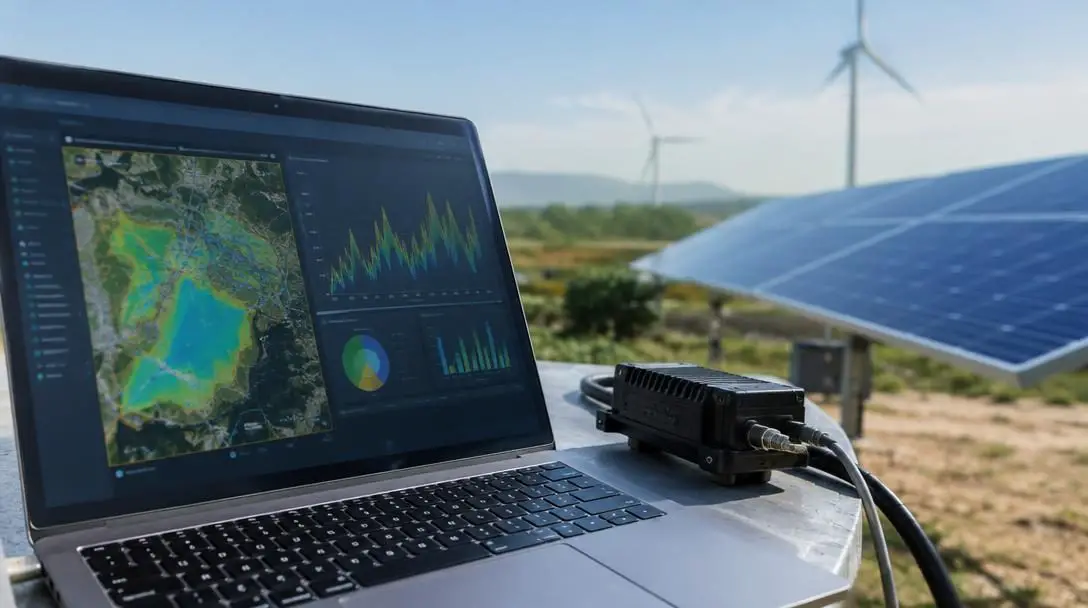
In operational monitoring and control, computing systems collect continuous operational telemetry through dense sensor arrays attached to active equipment. Distributed across individual solar panels, wind turbine nacelles, and hydroelectric turbines, these sensors track metrics including mechanical stress, operational temperatures, vibration levels, and electrical output voltages. Digital control systems evaluate this real-time stream to detect component wear, mechanical misalignment, or sudden weather damage. Automated routines execute protective measures—such as applying brakes or isolating circuits—while dispatching maintenance teams, drastically reducing expensive downtime.
Advanced computing provides the operational framework necessary to transform variable clean energy into dependable power for modern grids.
System optimization focuses on extracting the maximum possible energy from prevailing environmental conditions. Computing architectures employ predictive algorithms and data analytics to continuously solve mathematical balancing equations. These algorithms evaluate shifting ambient metrics against the physical boundaries of equipment, adjusting physical components so that machines operate at their thermodynamic and aerodynamic sweet spots. By constantly retuning operating parameters without breaching physical safety tolerances, computational optimization maximizes overall energy yield while suppressing operational and maintenance expenses.
In grid integration, computational infrastructure bridges the wide operational gap separating decentralized clean generators from legacy utility networks. Because renewable output changes unpredictably, computational platforms analyze historical performance, immediate field sensor readings, and real-time meteorological forecasts to model expected power delivery hours in advance. These predictive calculations enable digital control systems to coordinate how and when power enters the transmission network, ensuring that intermittent clean energy maintains a stable, balanced, and resilient power grid.
Computational Strategies Across Generation Sectors
Every renewable energy medium possesses unique physical characteristics, mechanical constraints, and environmental sensitivities. Consequently, computational methods must be precisely tailored to the operational demands of wind, solar, and water generation systems.
| Energy Medium | Natural Dynamic | Monitored Telemetry | Automated Control Mechanism | Primary Optimization Goal |
|---|---|---|---|---|
| Wind Energy | Kinetic air currents | Wind speed, direction, blade stress, vibration | Dynamic blade pitch and nacelle yaw adjustment | Aerodynamic capture and mechanical gust protection |
| Solar Energy | Photovoltaic solar radiation | Solar irradiance, surface heat, ambient temperature | Single and dual-axis tracker motorized alignment | Perpendicular irradiance capture throughout the day |
| Hydro Energy | Kinetic falling or flowing water | Water flow rates, turbine rotation, grid demand | Turbine speed and water gate dispatch modulation | Hydraulic efficiency aligned with peak electrical demand |
Wind Energy
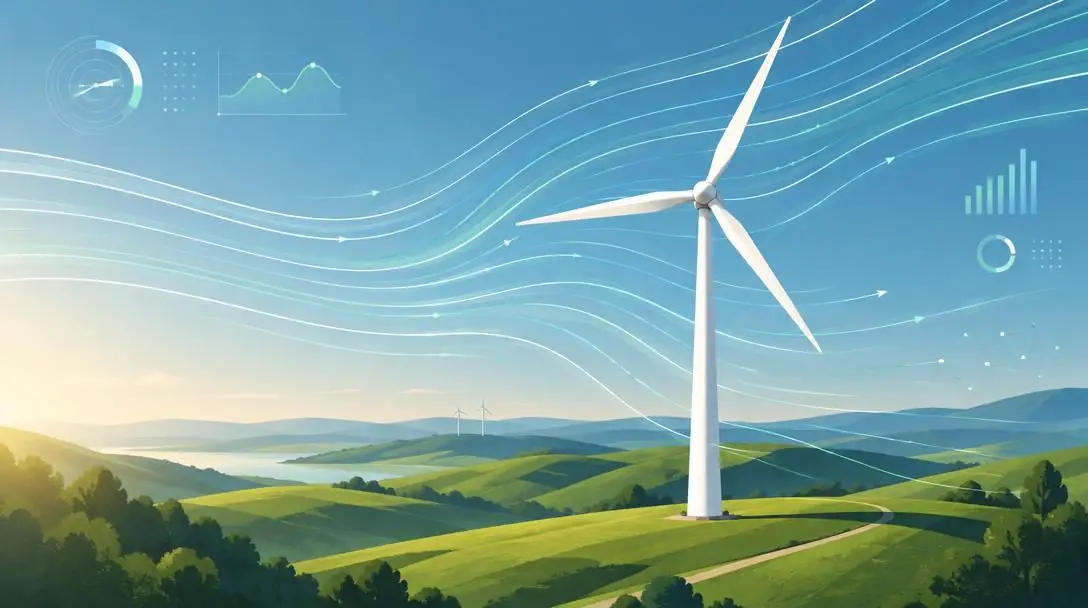
- Primary resource: Kinetic energy of air currents
- Key variables: Wind velocity, atmospheric direction, and blade angle
- Control action: Automated blade pitch and aerodynamic alignment
Modern wind generation relies on the kinetic energy carried by moving air masses to rotate aerodynamic blades connected to electrical generators. Because atmospheric wind speed and directional flow change across seconds, wind turbines depend heavily on low-latency computing systems. Onboard computational controllers analyze incoming velocity, directional shifts, and mechanical stress metrics transmitted from sensors mounted on the nacelle and rotor hub.
Using these data points, automated systems calculate the optimal aerodynamic angle for each blade. Micro-actuators continuously adjust the blade pitch, capturing the maximum kinetic energy possible during gentle breezes while pitching blades edge-on during extreme storm gusts to prevent structural failure. Computing systems also control the turbine's yaw mechanism, turning the entire assembly into the prevailing wind to eliminate uneven mechanical stress and maximize capture efficiency.
Solar Energy
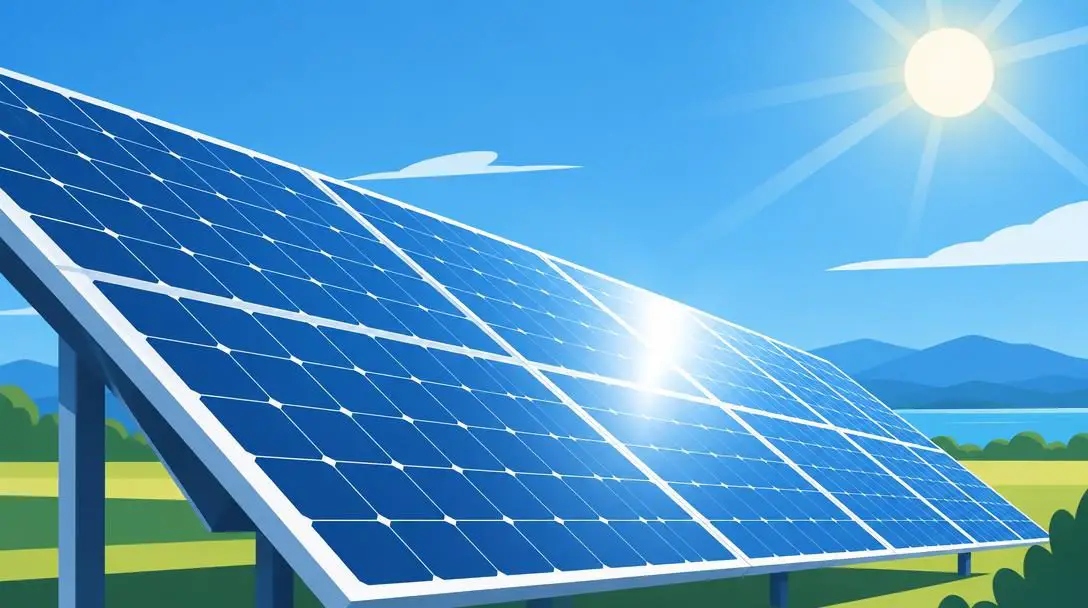
- Primary resource: Solar radiation
- Key variables: Sunlight intensity, ambient temperature, and surface heat
- Control action: Motorized tracking of panel tilt and orientation
Solar photovoltaic facilities convert solar radiation directly into electrical current using semiconductor materials. The efficiency of this conversion depends heavily on environmental variables, including the intensity of sunlight, the ambient temperature, and the physical surface temperature of the photovoltaic modules themselves, as excessive heat can impair electrical performance.
In utility-scale installations equipped with motorized mounting frames, computational controllers direct single-axis or dual-axis tracking hardware. By evaluating geographic coordinates, astrological charts, real-time irradiance monitors, and localized cloud forecasts, computing platforms continuously adjust the tilt and compass orientation of solar panels throughout the day. This automated adjustment keeps panels oriented perpendicularly toward the sun, capturing significantly more radiation than static installations.
Hydro Energy
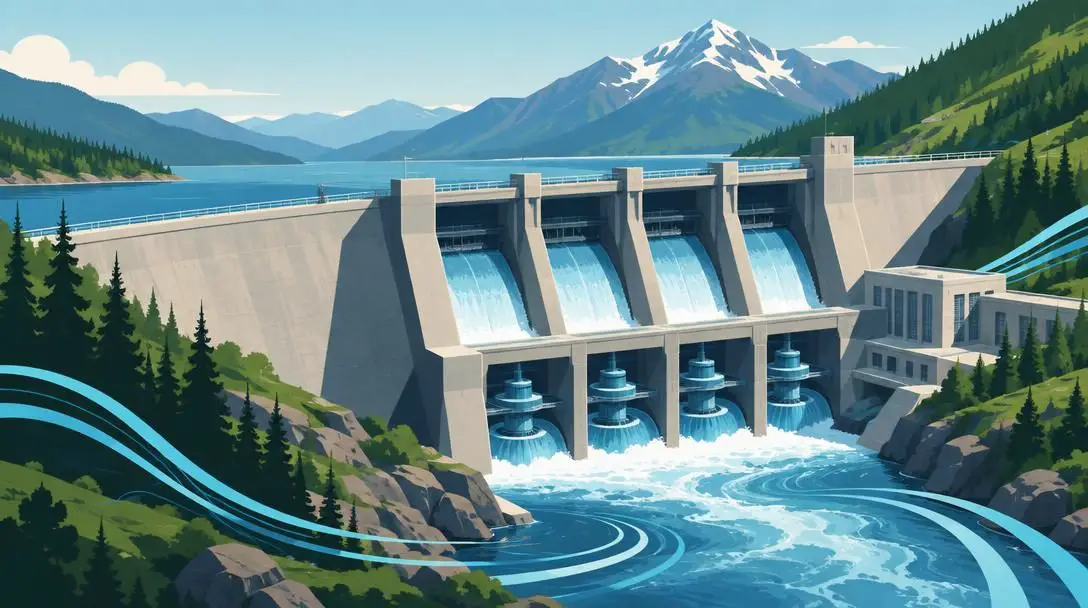
- Primary resource: Force of falling or flowing water
- Key variables: Hydraulic flow rates, turbine rpm, and electricity demand
- Control action: Flow gate modulation and turbine rotation governing
Hydroelectric power stations tap the gravitational kinetic energy of flowing or falling water to drive heavy hydraulic turbines. Hydro plants play a vital stabilizing role in power systems because water flow can be regulated mechanically, enabling operators to provide dispatchable clean power when variable wind and solar output drops.
Computational platforms maximize hydroelectric generation by continuously processing hydrological telemetry, including intake water flow rates, upstream reservoir levels, hydraulic pressures, and turbine rotation speeds. Computing engines evaluate these physical parameters against real-time electricity demand on the regional grid. By dynamically modulating water control gates and fine-tuning turbine governor speeds, computing systems match generation precisely to consumer demand while maximizing hydraulic efficiency and reducing mechanical cavitations within the machinery.
Architectural Obstacles and Operational Challenges
Deploying advanced computational systems across geographically dispersed, weather-exposed renewable energy facilities presents severe operational and architectural hurdles. Energy developers must successfully navigate three primary operational bottlenecks.
The first significant challenge centers on telemetry data management and processing. Modern utility-scale installations deploy tens of thousands of active sensors across vast physical landscapes. These arrays produce continuous streams of high-frequency data capturing electrical, thermal, and mechanical values. Transmitting, processing, and storing these massive volumes requires substantial digital throughput and resilient storage architectures. Furthermore, data cleanliness is vital: if field sensors lose calibration or communication channels introduce noise, analytical algorithms will generate flawed predictive commands that undermine generation efficiency.
The second challenge is critical infrastructure cybersecurity. As generation assets transition from air-gapped mechanical facilities into cloud-connected, remotely accessible smart networks, their vulnerability to cyber threats increases. Distributed operational interfaces, remote monitoring portals, and automated control links represent viable attack vectors for hostile actors. A breach within a utility-scale computing platform could allow malicious entities to disable protective shutoffs, disrupt local transmission networks, or alter power outputs to destabilize the broader grid.
The third major barrier involves standardization and system interoperability. Clean energy facilities typically feature physical equipment, sensors, inverters, and communication hardware built by dozens of competing manufacturers across different engineering eras. Many of these components utilize closed, proprietary communication protocols that cannot communicate natively with central management platforms. This lack of industry standardization drives up integration costs, creates organizational data silos, and complicates long-term maintenance cycles.
Step-by-Step Implementation for Renewable Modernization
Successfully retrofitting or deploying computational architectures within renewable generation facilities requires an organized, phased roadmap. Developers and facility operators should execute modernization across six sequential stages:
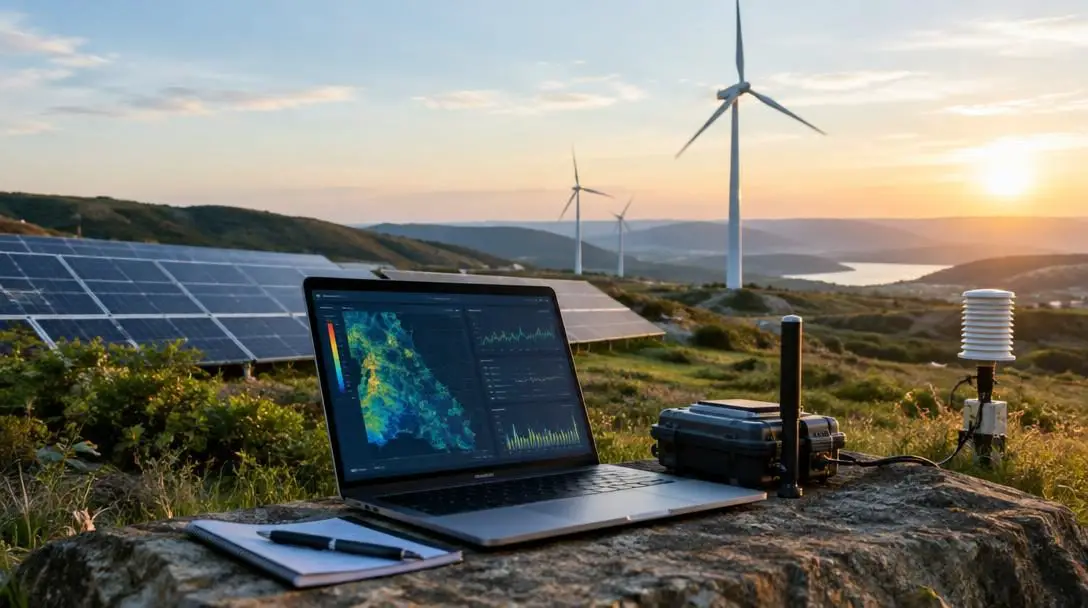
- Audit Existing Generation Assets: Perform an exhaustive inventory of all mechanical, electrical, and structural hardware across the generation site—including turbines, solar modules, inverters, transformers, and switchgear—to establish baseline instrumentation levels and digital compatibility.
- Establish Robust Sensor Infrastructure: Deploy industrial-grade sensor suites across critical equipment to gather operational telemetry, focusing on localized ambient conditions, operational temperatures, vibration signatures, and precise electrical outputs.
- Deploy Data Management Pipelines: Construct resilient local and cloud data storage pipelines capable of ingesting high-volume telemetry streams while filtering out sensor noise, validating accuracy, and maintaining data availability for downstream analytics.
- Incorporate Predictive Optimization Algorithms: Implement advanced analytical models that evaluate real-time sensor streams alongside environmental data to calculate and execute optimal mechanical setpoints, such as turbine blade pitch or panel tracking angles.
- Establish Secure Network Protections: Build deep cybersecurity defenses covering edge hardware, communication pathways, cloud repositories, and control software, incorporating robust encryption, network segmentation, and strict access controls.
- Connect to Grid Management Systems: Link on-site output forecasting tools directly to regional transmission system operators, coordinating power flow to ensure decentralized clean generation matches broader consumer demand without grid instability.
Critical Pitfalls to Avoid in System Design
Digital modernization within clean energy environments involves intricate interactions between software logic and physical machines. When designing and executing these computing architectures, project teams frequently stumble over several predictable missteps:
- Overlooking Data Quality: Gathering large volumes of telemetry provides little value if field sensors are poorly calibrated, misaligned, or subject to transmission packet loss. Flawed data leads algorithmic models to issue inaccurate optimization commands.
- Treating Cybersecurity as an Afterthought: Attempting to bolt external security software onto deployed networks leaves structural vulnerabilities exposed. Cybersecurity must be architected directly into edge devices, firmware, and telemetry protocols from the initial design phase.
- Ignoring Hardware Interoperability: Investing in proprietary hardware ecosystems that lock data behind closed protocols prevents seamless communication with future software tools, significantly inflating lifetime integration and expansion costs.
- Failing to Account for Weather Extremes: Deploying standard commercial computing and networking hardware outdoors often leads to premature equipment failure. Edge processors, network gateways, and sensor nodes must be ruggedized to survive severe temperature swings, moisture, and vibration.
- Neglecting Algorithm Tuning: Optimization models cannot be treated as static installations. Predictive algorithms must be periodically audited and recalibrated to account for mechanical wear, component aging, seasonal climate variations, and changing utility grid rules.
Emerging Frontiers in Clean Energy Computing
The ongoing convergence of digital technologies is accelerating the capabilities of renewable installations. Moving forward, the rapid advancement of the Internet of Things (IoT) and artificial intelligence (AI) will redefine how clean power installations operate.
IoT architectures bridge the gap between individual physical devices and centralized management platforms. By embedding smart microcontrollers into distributed field devices, generation assets can exchange operational telemetry and execute collaborative decisions autonomously. Rather than relying on human operators to orchestrate responses to incoming weather fronts, networked turbines and solar arrays can dynamically adjust their operational postures in concert based on shared environmental data.
Simultaneously, artificial intelligence elevates renewable optimization beyond human analytical limits. Machine learning architectures can evaluate thousands of non-linear environmental and mechanical variables simultaneously, identifying subtle correlations between atmospheric shifts and energy outputs. These AI systems generate hyper-localized weather forecasts, predict mechanical failures weeks before physical symptoms emerge, and calculate power dispatch schedules that maximize market profitability while safeguarding hardware health.
Through continuous computational evolution, clean generation becomes increasingly reliable, resilient, and economically compelling. By driving down levelized costs of energy and minimizing operational unpredictability, advanced computing is ensuring that renewable sources outcompete fossil fuel alternatives purely on economic and operational merits.
Strategic Considerations for Energy Planners
Energy developers, utility directors, and regional infrastructure planners looking to maximize the return on digital investments must evaluate several long-term operational criteria before undertaking large-scale computing deployments.
A primary consideration is architectural scalability. As clean generation installations expand across larger geographical areas and incorporate new generating units, data generation rates multiply exponentially. Computing architectures must feature modular, scalable network designs capable of handling increased telemetry bandwidth and heavier processing loads without latency degradation.
A second critical factor is cultivating a multidisciplinary workforce. Operating modern digital energy assets requires bridging domains that historically operated independently. Organizations require engineers and technicians who understand traditional electrical and mechanical principles alongside data analytics, software engineering, and industrial cybersecurity. Establishing comprehensive upskilling programs and developing strategic partnerships with technical institutions will be essential to bridging this emerging talent divide.
Finally, stakeholders must actively track and participate in industry standardization bodies. Developing and adopting open, non-proprietary data protocols ensures that new field assets remain fully interoperable with broader regional grid systems. Proactive standardization protects capital investments, prevents vendor lock-in, and ensures clean energy hardware can incorporate new digital capabilities as computational technologies continue to evolve.
Frequently asked questions
Why is advanced computing necessary for renewable energy when conventional plants operate without it?
Conventional power stations burn coal, oil, or gas on demand, allowing operators to ramp generation up or down simply by adjusting fuel valves. Renewable resources rely on variable environmental phenomena like wind, sunlight, and water flow that humans cannot control. Advanced computing provides the monitoring, forecasting, and real-time control necessary to stabilize this intermittency and keep electrical supply matched with demand.
How do computing systems optimize the physical operation of wind turbines?
Computing platforms process real-time telemetry from onboard sensors tracking wind velocity, wind direction, and mechanical blade stress. Control algorithms then direct automated actuators to adjust blade pitch and nacelle yaw angles continuously, maintaining the optimal aerodynamic angle to maximize kinetic capture while protecting structural components from damaging wind gusts.
What are the main cybersecurity risks in modern renewable power facilities?
Modern renewable installations rely heavily on networked sensors, cloud connections, and remote monitoring links to automate operations. If these digital interfaces lack built-in security and encryption, malicious actors could exploit them to access industrial control systems, disrupt physical machinery, disable emergency safety routines, or destabilize the regional electrical grid.
How does data quality affect predictive algorithms in clean energy installations?
Predictive algorithms depend on precise, continuous inputs to make automated operational decisions. If field sensors are miscalibrated, damaged by weather, or transmit data over noisy communication channels, algorithmic models will generate flawed operational setpoints that reduce generation efficiency or subject mechanical hardware to undue stress.
What role does the Internet of Things play in future renewable energy systems?
The Internet of Things connects distributed components—including individual panels, inverters, weather monitors, and grid controllers—into an integrated network. This connectivity allows field hardware to share data and coordinate operational changes autonomously without human intervention, creating a responsive, self-balancing energy ecosystem.
The bottom line
The transition toward an energy landscape powered by solar, wind, and water is not merely a transition in physical generating machinery; it is an evolution in computational capability. As clean generation sites scale globally, software algorithms, dense telemetry sensor networks, and automated physical controls will serve as the core infrastructure that transforms unpredictable natural forces into resilient, grid-ready electrical power. By prioritizing cybersecurity, open industry standards, and data integrity, power operators can build an intelligent clean energy network capable of sustaining modern society for generations to come.