Top 5 Controversies Involving Kari Lake
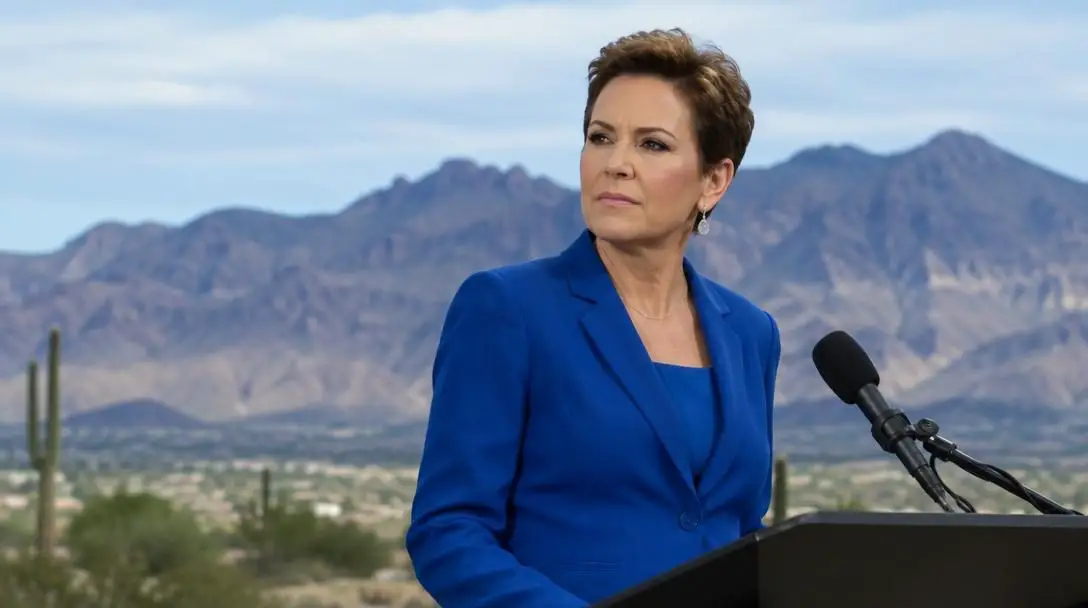
Kari Lake established herself over more than two decades as an American news anchor, journalist, and television personality. Her career in broadcast journalism gained substantial traction when she joined Fox News in 1996, eventually becoming one of the network's most recognizable on-air faces through consistent reporting, high-profile interviews, and regular appearances across major network programs.
Throughout her extended tenure on television, Lake developed a reputation for expressing unreserved opinions on pressing legal, cultural, and political developments. While this direct, unhesitating communication style earned her a dedicated audience, it also placed her squarely at the center of numerous media disputes concerning journalistic neutrality, workplace decorum, and on-air conduct.
Key takeaways
- Lake’s broadcast tenure at Fox News spanned twenty-three years, beginning in 1996 and concluding abruptly in 2019.
- Her live, unscripted walkout during an interview with Bill O'Reilly in 2013 highlighted the operational friction that can emerge between high-profile broadcast colleagues.
- On-air commentary regarding undocumented immigration on programs like "The Five" and in print op-eds positioned Lake at the forefront of national policy disputes.
- Vocal public support for Donald Trump during news coverage and alongside opinion hosts raised persistent questions regarding the boundary between journalism and partisan advocacy.
- Corporate restructuring and budget reductions linked to the transition between 21st Century Fox and Disney Media Networks coincided with Lake's quiet exit under non-disclosure terms.
At a glance: Key broadcasting controversies
Television news networks often navigate a delicate line between analytical reporting and opinion-driven debate. The major controversies throughout Lake's broadcast career illustrate how on-screen friction, public policy disputes, and political allegiances can reshape an anchor's standing.
| Controversy | Year | Platform / Setting | Core Issue |
|---|---|---|---|
| Walkout During Bill O’Reilly Interview | 2013 | Fox News (Live Broadcast) | On-air confrontation and professional decorum |
| Amnesty and Social Services Remarks | 2017 | The Five (Fox News) | Rhetoric surrounding undocumented immigrants and taxpayer costs |
| Op-Ed on California Sanctuary Policies | 2018 | The Wall Street Journal | State-level immigration laws and public safety claims |
| On-Air Defense of Donald Trump | Career Tenure | Fox News Panels & Programs | Journalistic impartiality versus political advocacy |
| Abrupt Network Departure | 2019 | Fox News / Corporate Parent | Corporate restructuring, budget cuts, and lack of transparency |
The top 5 controversies defining Lake’s broadcast career
Operating in high-profile cable television inherently exposes anchors to public debate. However, specific events during Lake's tenure stood out due to their live nature, political sensitivity, or lasting professional fallout.
The Showdown with Former Fox News Host Bill O’Reilly
- Year: 2013
- Setting: Live studio interview
- Key Figures Involved: Kari Lake, Bill O’Reilly
In 2013, an intense confrontation occurred during a live broadcast when former Fox News host Bill O’Reilly interviewed Lake. During the exchange, O’Reilly openly challenged Lake regarding her reporting methodology and style. Rather than diffusing, the exchange escalated rapidly in real time. Lake pushed back against the critique, and as the friction mounted, she chose to walk off the set while the broadcast was actively airing.
O’Reilly responded immediately on camera, calling Lake out before the viewing audience for leaving the interview. On-set walkouts are exceptionally rare in professional cable news, particularly between colleagues working within the same corporate umbrella. The moment drew intense media coverage, generating scrutiny over O’Reilly’s aggressive interview practices and Lake’s unwillingness to absorb peer criticism on live television.
Public Remarks Regarding Illegal Immigration and Amnesty
- Year: 2017
- Program: The Five
- Primary Topic: Federal immigration reform and public benefits
Four years after the on-set walkout, Lake found herself at the center of a national policy controversy during an appearance on the Fox News program The Five. During a panel conversation concerning immigration reform, Lake took an uncompromising stance on undocumented individuals living in the United States. She argued that undocumented immigrants should under no circumstances receive legal amnesty under federal policy frameworks.
Lake further argued that providing non-citizens with taxpayer-funded social services placed an unfair financial burden on American citizens. The appearance triggered divergent responses: conservative viewers and hardline immigration policy advocates praised her for articulating a firm stance against amnesty, while advocacy groups and media critics condemned the remarks as xenophobic rhetoric that was inappropriate for a prominent national news anchor to amplify.
Criticism of California’s Sanctuary State Policy
- Year: 2018
- Publication: The Wall Street Journal
- Article Title: "California’s Immigration Disaster"
In 2018, Lake carried her critique of state immigration enforcement into national print journalism by authoring an op-ed for The Wall Street Journal titled "California’s Immigration Disaster." The piece delivered an unsparing indictment of California's sanctuary state policies, arguing that the state legislature had created dangerous legal protections for undocumented residents at the expense of citizen safety.
In her piece, Lake argued that sanctuary measures undermined public order by preventing local law enforcement from cooperating with federal immigration authorities, thereby worsening local crime rates. The article sparked immediate pushback from state officials and policy analysts, who accused Lake of relying on scare tactics to promote an anti-immigrant narrative. Conversely, her supporters viewed the piece as an essential critique of municipal and state governance failures.
Open Support for Donald Trump and Concerns Over Journalistic Bias
- Context: Regular news broadcasts and evening opinion panels
- Associated Personalities: Sean Hannity, Tucker Carlson
- Primary Concern: Breach of standard journalistic impartiality
Throughout the latter chapter of her broadcast career, Lake faced sustained scrutiny from media watchdogs over her overt political support for Donald Trump. Lake frequently defended Trump's policies, executive actions, and political positions on the air. These defenses occurred not only on her own reporting segments but also during featured appearances alongside opinion hosts such as Sean Hannity and Tucker Carlson.
Standard broadcast journalism norms expect on-air reporters to maintain a degree of institutional detachment and neutrality, particularly during competitive election campaigns. Lake's public alignment with Trump's agenda led watchdogs and viewers to question whether she was operating as an objective journalist or transitioning into a surrogate role for a political campaign, fundamentally blurring the separation between news reporting and partisan commentary.
When hard news reporting merges with unscripted opinion programming, the traditional boundaries of television decorum quickly begin to dissolve.
Departure from Fox News in 2019
- Year of Exit: 2019
- Years at Network: 23 years (joined 1996)
- Corporate Context: 21st Century Fox and Disney Media Networks
Lake’s broadcast tenure concluded abruptly in 2019 when she left Fox News after twenty-three years on the air. The departure brought an unexpected end to her presence on the channel, surprising long-time viewers who had followed her reporting since the mid-1990s. The network and Lake provided virtually no public explanation for the separation, maintaining strict silence regarding contractual terms or internal discussions.
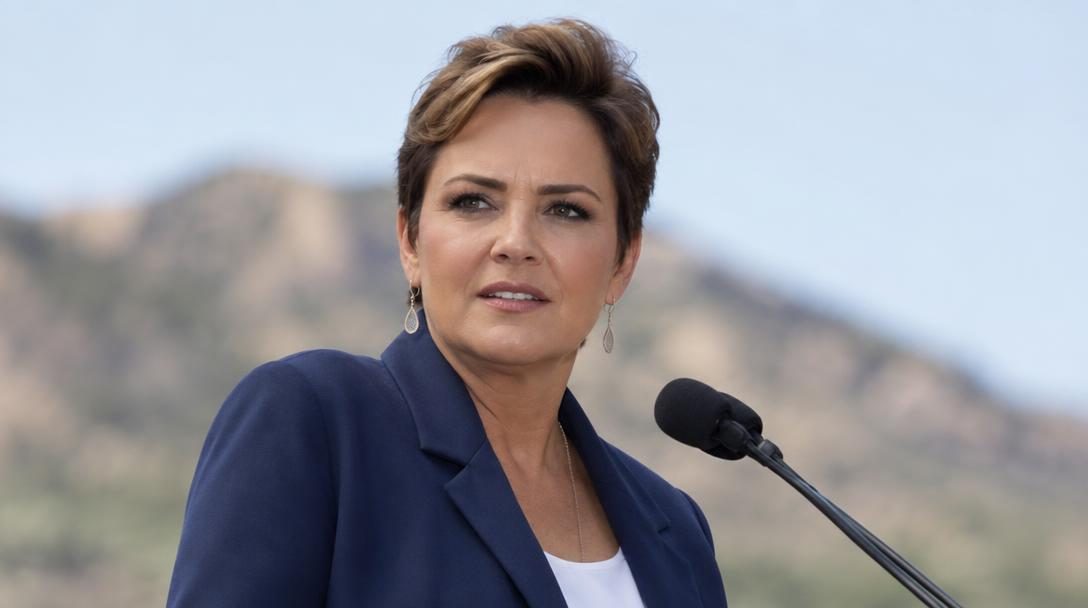
Industry reports indicated that her exit stemmed from corporate budget cuts implemented while parent company 21st Century Fox reorganized during its acquisition and restructuring under Disney Media Networks. Because neither party disclosed the underlying details, the sudden departure fueled extensive media speculation regarding whether editorial disagreements, on-air controversies, or purely corporate financial pressures drove the final decision.
How television controversies and on-air partisanship develop
The controversies marking Lake's broadcasting years highlight broader systemic mechanisms within modern cable television. Understanding these structural factors helps clarify why disputes develop so rapidly in the modern media ecosystem:
- The Blurring of Anchor and Commentator Roles: Cable networks increasingly schedule daytime anchors on unscripted opinion panels like The Five. In these settings, journalists are explicitly encouraged to share subjective viewpoints rather than simply deliver neutral news copy, creating confusion among viewers regarding their journalistic objectivity.
- Live Television Volatility: The pressure of live, unedited television leaves little margin for error. As demonstrated in Lake’s 2013 walkout during an interview with Bill O'Reilly, workplace disagreements between strong personalities become public crises because they cannot be resolved off camera.
- Cross-Platform Messaging: Modern media personalities do not limit their reach to television broadcasts. Writing opinion pieces for national publications, such as Lake's submission to The Wall Street Journal, allows broadcasters to solidify specific political stances and reach distinct audiences outside their television viewership.
- Corporate Reorganization and Silence: As media conglomerates merge or consolidate assets—such as the shifts involving 21st Century Fox and Disney Media Networks—personnel changes are common. Non-disclosure agreements frequently prevent on-air talent and network executives from addressing contract terminations directly, naturally fueling public curiosity.
Practical steps for evaluating media figures and controversy
When viewers observe high-profile broadcast controversies involving prominent news personalities, applying a systematic evaluation process helps separate editorial reporting from deliberate political advocacy.
- Identify the broadcast format: Determine whether the speaker is acting as a straight-news anchor, a panel contributor, or an external opinion writer. Editorial expectations differ significantly between a standard desk report and an evening opinion panel.
- Examine baseline source material: When an anchor makes claims regarding public policy—such as state sanctuary laws or federal social service expenditures—cross-reference their assertions directly with statutory texts and official government reports.
- Review contextual responses from all parties: In an on-air dispute between broadcast colleagues, review statements from both individuals rather than relying on isolated video clips to understand what prompted the breakdown in decorum.
- Check for official corporate disclosures: When evaluating talent departures, distinguish between verified corporate filings regarding budget adjustments and speculative reporting generated by outside observers.
Common mistakes when interpreting broadcast news disputes
Media consumers often misjudge television controversies by adopting overly simplistic explanations for complex on-air and corporate dynamics. Avoiding these common assumptions provides a more balanced perspective:
- Assuming an anchor represents the entire network: Individual on-air figures often hold viewpoints that conflict with their co-workers and executive leadership. The friction between Lake and O'Reilly underscored that colleagues within the same organization frequently possess divergent interview philosophies.
- Conflating op-eds with objective reporting: Readers sometimes treat op-ed essays as standard news articles. An op-ed is inherently designed to advocate for a specific policy position or ideology rather than deliver an objective overview of an issue.
- Relying on unverified departure rumors: When an anchor departs without public comment, online commentary often generates unverified theories. High-level departures are frequently governed by corporate restructuring directives and standard contract expirations.
- Ignoring television ratings incentives: Commercial cable news relies on viewer engagement. Contentious debates and provocative claims generate viewership, meaning televised conflict is frequently amplified by the economic incentives of the medium.
Frequently asked questions
When did Kari Lake start her career at Fox News?
Lake joined Fox News in 1996, working as an on-air anchor and reporter for the network for twenty-three years until her departure in 2019.
Why did Kari Lake walk off the set during the Bill O’Reilly interview?
During a live 2013 interview, Bill O’Reilly directly challenged Lake's reporting style. The exchange quickly escalated into an intense confrontation, prompting Lake to walk off the set while the broadcast was live. O'Reilly criticized her departure on air immediately following the walkout.
What was the focus of Lake's 2018 Wall Street Journal op-ed?
Her op-ed, titled "California’s Immigration Disaster," criticized California's sanctuary state policies. Lake argued that these legal protections limited cooperation between local police and federal immigration authorities, which she asserted negatively affected public safety and crime rates.
Why did Kari Lake leave Fox News in 2019?
Neither Lake nor network management officially disclosed the exact reasons for her 2019 departure. However, industry reporting indicated that her exit was connected to corporate budget cuts implemented at parent company 21st Century Fox as assets transitioned to Disney Media Networks.
What caused viewers to question Lake’s journalistic impartiality during her broadcasts?
Lake faced criticism from viewers and media watchdogs for openly defending Donald Trump's political decisions and policies on the air, both on her own broadcasts and alongside opinion commentators Sean Hannity and Tucker Carlson, leading critics to view her reporting as partisan advocacy.
The bottom line
Kari Lake’s twenty-three years in broadcast journalism demonstrate the friction that arises when news anchors embrace direct, opinion-driven commentary in modern media. From unscripted on-air walkouts and fierce immigration debates to open political alignments and quiet corporate exits, her television career serves as a case study in how on-screen personalities balance journalistic conventions with personal perspective. For audiences, these controversies highlight the ongoing importance of distinguishing between balanced news reporting, passionate political commentary, and the corporate forces shaping television newsrooms.