Volunteer Travel: How to Make a Difference While Seeing the World
Traveling to new places and experiencing unfamiliar cultures has long been considered one of life's most rewarding pursuits. In recent years, however, a growing number of global travelers are looking beyond standard leisure vacations, guided excursions, and luxury resort stays. Rather than acting as detached observers who merely consume local sights, these individuals want their journeys to leave a meaningful, positive footprint on the host regions they explore.
This widespread desire for intentional exploration has fueled the rise of volunteer travel, a practice that pairs international journeys with active community service. By bridging the gap between global exploration and grassroots development, volunteer travel allows individuals to support community-led initiatives, protect fragile ecosystems, and gain a profound understanding of life across diverse cultures.
Key takeaways
- Volunteer travel combines traditional tourism with hands-on service to support grassroots initiatives and foster cross-cultural understanding.
- Placements range from one week to several months, with participants typically self-funding their travel, room, and board.
- Common project areas span wildlife conservation, education, community development, humanitarian disaster response, and healthcare support.
- Responsible engagement requires working in true partnership with local hosts, honoring community leadership, and avoiding tasks outside one's qualifications.
The Evolution of Purpose-Driven Travel
For decades, international tourism centered almost exclusively on sightseeing, recreation, and personal leisure. While these trips offered rest and a brief glimpse of foreign landscapes, visitors often stayed within isolated tourist bubbles. This model frequently left travelers detached from the actual socioeconomic realities and daily lives of the people who lived in their holiday destinations.
As global awareness has grown, travelers have increasingly sought out deeper, more experiential journeys centered on authentic human connection. Volunteer travel grew directly out of this shift, reimagining travel as a reciprocal, two-way exchange. Instead of taking resources and memories without giving back, volunteer travelers offer their time, labor, and personal abilities to support local initiatives. When carried out with humility, intentionality, and respect, this collaborative approach turns travel into an instrument of international solidarity and mutual learning.
How Volunteer Travel Programs Operate
At its operational foundation, volunteer travel connects enthusiastic individuals with local organizations, institutions, and communities seeking dedicated human support. These arrangements are usually established through partnerships between international coordinating agencies, regional non-profit entities, wildlife conservation reserves, schools, and neighborhood leaders.
Before welcoming participants, host organizations identify concrete areas where extra hands can advance existing community work. Placements are designed to accommodate a wide variety of schedules, lasting anywhere from a single week to several months at a time. During their stay, volunteers divide their daily schedules between structured service responsibilities and cultural immersion:
- Service commitments: Mornings and afternoons are commonly dedicated to hands-on project duties alongside local workers, educators, or conservation staff.
- Cultural immersion: Evenings and weekends are generally reserved for language practice, regional exploration, and building relationships with community residents.
Core Benefits of Engaging in International Service
Stepping away from traditional vacations to participate in service abroad can be a deeply transformative experience. The benefits extend across personal development, cultural appreciation, and professional growth.
Working in unfamiliar environments encourages personal resilience and adaptability. Navigating logistical challenges, unfamiliar languages, and different living standards pushes volunteers outside their comfort zones, nurturing problem-solving capabilities, leadership qualities, and emotional maturity that serve them for a lifetime.
Furthermore, living alongside local residents fosters an unmatched level of cultural immersion. Volunteers participate in everyday routines, observe local social customs, and listen to the lived experiences of community members. This proximity breaks down superficial stereotypes and builds deep intercultural empathy.
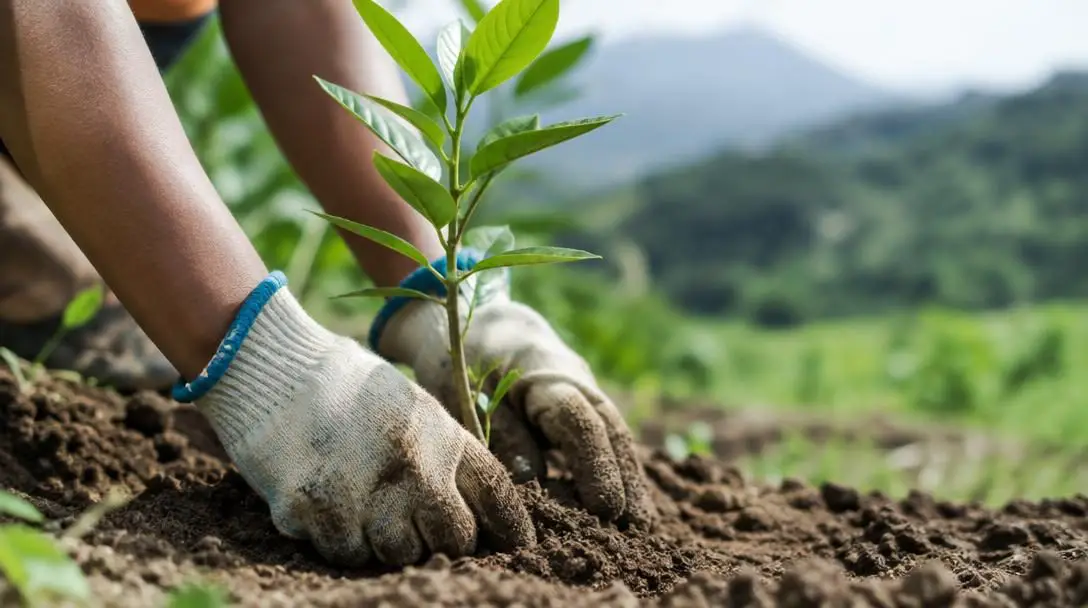
From an impact standpoint, participants make tangible contributions toward critical community goals, whether by assisting under-resourced classrooms, constructing essential village infrastructure, or collecting vital field data for conservationists. Finally, these experiences yield significant career advantages. Modern employers across industries place high value on candidates who can demonstrate cross-cultural competence, teamwork, and an authentic commitment to social responsibility.
Major Categories of Volunteer Travel Experiences
Because communities around the world face diverse challenges, volunteer travel encompasses a wide spectrum of project types. Travelers can choose placements that directly align with their skills, physical fitness, and personal passions.
Conservation and Wildlife Projects
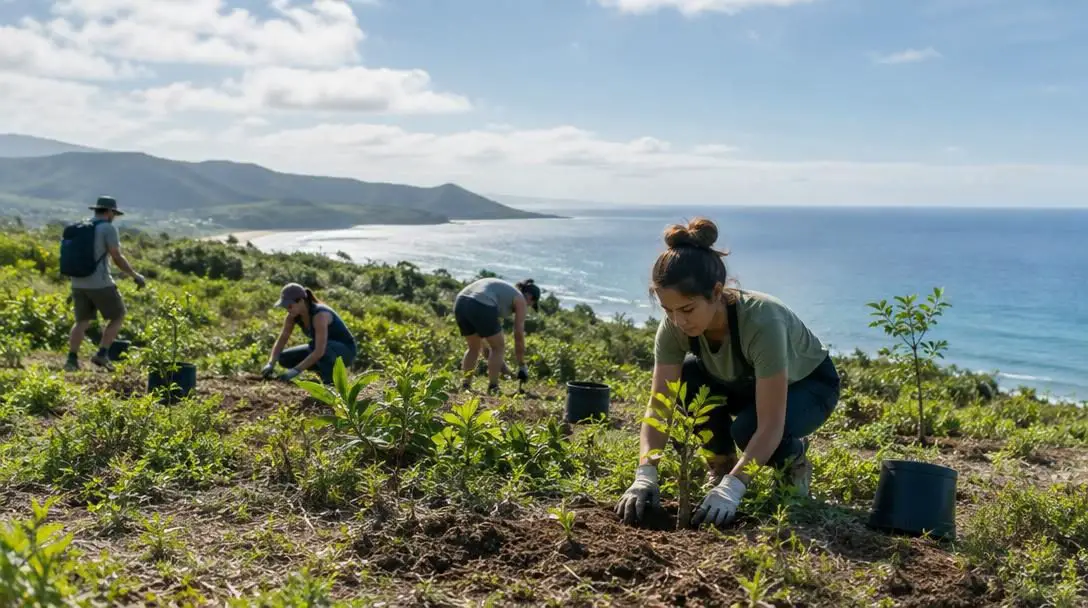
These initiatives are dedicated to protecting biodiversity, preserving fragile habitats, and caring for endangered animal species. Fieldwork often takes place in remote environments, national reserves, or marine zones. Daily duties may involve tracking and monitoring sea turtle nesting beaches, rehabilitating rescued animals at accredited sanctuaries, removing invasive vegetation, or assisting field biologists with scientific environmental surveys.
Community Development and Education Projects
Focused on long-term self-sufficiency and quality of life, community development projects collaborate directly with residents, grassroots organizers, and rural schools. Volunteers often assist teachers in primary or secondary classrooms, teach conversational English, support early childhood programs, or help build community facilities, clinics, and educational spaces. Other initiatives focus on microfinance, vocational training, or assisting local business owners in scaling their operations.
Disaster Relief and Humanitarian Aid Projects
When unexpected natural disasters, armed conflicts, or severe humanitarian crises occur, specialized relief initiatives provide critical, life-saving support. Volunteer responsibilities in these urgent environments focus on logistics, managing supply warehouses, distributing emergency rations of clean water and food, and clearing debris to construct temporary emergency shelters for displaced individuals.
Healthcare and Medical Projects
Geared toward narrowing the healthcare access gap in under-resourced clinics and remote regions, medical projects provide clinical and preventative care. Depending on qualifications, volunteers support local doctors and nurses, assist in administering routine vaccination drives, conduct basic health screenings, or help coordinate administrative records in public health facilities.
| Project Category | Primary Focus | Typical Volunteer Responsibilities | Ideal Volunteer Strengths |
|---|---|---|---|
| Conservation and Wildlife | Ecosystem balance and wildlife protection | Sanctuary maintenance, animal care, field research, monitoring habitats | Physical endurance, outdoor comfort, scientific curiosity |
| Community Development and Education | Educational access and local infrastructure | Classroom teaching, literacy workshops, facility construction, youth mentorship | Patience, communication, active listening, creative instruction |
| Disaster Relief and Humanitarian Aid | Crisis intervention and emergency logistics | Shelter construction, supply management, food distribution, clearing debris | Crisis adaptability, resilience, teamwork under pressure |
| Healthcare and Medical | Public health access and preventative care | Screening support, clinical triage, vaccination delivery, patient intake | Medical qualifications, clinical training, meticulous care |
Step-by-Step Guide to Planning a Purposeful Journey
Executing a successful volunteer travel experience requires methodical logistical preparation and honest self-reflection. Following a structured planning process ensures the trip remains safe, ethical, and helpful to the host destination.
- Assess your skills and core motivations: Examine your genuine motivations, comfort levels, and capabilities. Identify the practical abilities, technical proficiencies, or manual skills you can responsibly offer, and define clear learning goals for yourself.
- Research and select reputable organizations: Conduct thorough vetting of volunteer agencies and non-profits. Look for transparent organizations that maintain ongoing community partnerships, publish clear project objectives, and provide detailed reporting on where volunteer fees are spent. Reading accounts from previous participants helps verify operational reliability.
- Select the right project placement: Choose an initiative that matches your specific training and physical capacity. Avoid roles requiring specialized expertise you do not have, which can burden project directors who must supervise unqualified participants.
- Prepare for cultural realities: Study the destination's history, social etiquette, religious norms, and everyday customs before departure. Learning foundational words and polite phrases in the local language shows respect and builds immediate rapport with local partners.
- Establish a comprehensive budget: Calculate all expected costs, including coordinating fees, international airfare, travel insurance, vaccinations, visas, and living allowances. If necessary, organize fundraising campaigns, reach out to personal sponsors, or utilize crowdfunding tools well before your departure date.
- Complete health and travel logistics: Ensure your passport has adequate validity, secure entry visas, and obtain all recommended immunizations. Review the program's safety guidelines and emergency contingency procedures before arriving in the host country.
Best Practices for Ethical and Sustainable Service
Intentional service requires continuous reflection to ensure that foreign assistance uplifts rather than harms host communities. Responsible volunteering relies on accountability, cultural humility, and long-term perspective.
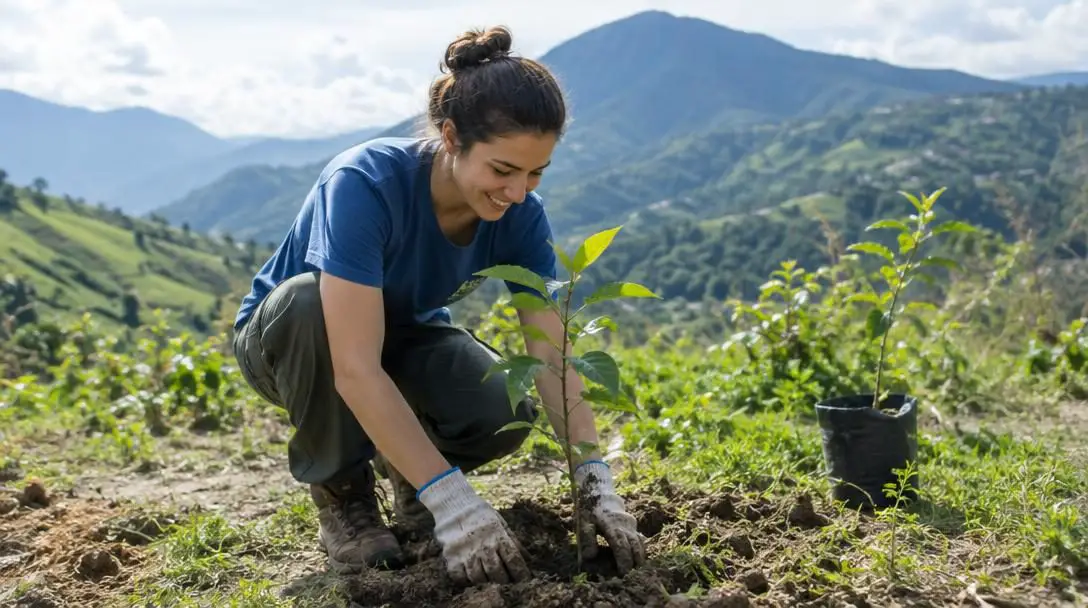
Above all, travelers must maintain deep respect for local culture and customs. Rather than judging regional lifestyles by Western norms, volunteers should listen intently, observe community habits, and adhere to local dress codes, social protocols, and spiritual practices.
Meaningful service happens alongside host communities as equal partners, never imposed upon them from the outside.
Sustainable development requires a strictly collaborative philosophy. Projects should be initiated, designed, and directed by local community leaders who understand their own structural challenges better than any visitor could. Volunteers must view their role as supporting partners rather than saviors.
Furthermore, ethical projects should prioritize long-term sustainability. Programs must be structured so that local initiatives can thrive autonomously without relying permanently on foreign volunteer labor. When engaging in environmental and animal conservation, volunteers must insist on ethical treatment standards, refusing to patronize or participate in projects that treat wildlife as tourist attractions or commercial entertainment.
Critical Mistakes to Avoid on the Ground
Even travelers with generous intentions can inadvertently cause harm if they fail to recognize the complexities of international development. Avoiding these widespread pitfalls helps protect both the volunteer and the local community.
- Assuming good intentions are sufficient: Good intentions cannot compensate for poorly planned interventions. Without proper coordination, volunteer presence can overburden local staff, disrupt regional economies, or consume scarce local resources.
- Accepting tasks beyond your training: Volunteers should never perform specialized technical duties abroad—such as medical diagnoses, surgical procedures, teaching without guidance, or structural engineering—that they are not legally certified or trained to perform at home.
- Neglecting local historical context: Forcing foreign perspectives, workflows, or expectations onto host communities generates friction and often undermines project success. Respecting historical and cultural nuances is essential.
- Treating community members as photo props: Publishing photos of vulnerable individuals or children on social media without clear, informed consent undermines their personal dignity and reduces complex communities to background scenery.
- Underestimating project expenses: Failing to plan for incidental travel costs, local transit, or medical emergencies can create extreme stress and disrupt your service commitment.
Preparing for Your Next Steps
If you are ready to begin organizing a volunteer journey, start with focused preliminary research. Establish your desired travel window, geographical preferences, and financial budget. Connect directly with program alumni to ask frank questions regarding daily project life, staff supervision, and local community relationships.
Crucially, you do not need to cross an ocean to cultivate the spirit of meaningful service. Volunteering with non-profits, youth centers, community gardens, or food banks in your own home neighborhood provides essential preparation. Local service builds humility, practical communication skills, and collaborative habits that will make you a far more effective volunteer wherever you choose to travel in the world.
Frequently asked questions
Do I have to pay to participate in volunteer travel programs?
Yes, in most instances volunteers must cover their own travel costs, including airfare, travel insurance, visas, and vaccinations. Most coordinating organizations also charge program fees that cover local housing, meals, on-the-ground transportation, and materials used directly for the service project.
How long do volunteer travel placements typically last?
Placements offer flexible durations depending on the project type and partner organization, ranging from a single week to several months. Short-term placements generally focus on structured, task-based work, while long-term stays allow for deeper cultural immersion and comprehensive project involvement.
Can I volunteer for medical or healthcare projects without a medical degree?
Participants without clinical credentials cannot administer medical care, diagnostic screenings, or treatments. However, non-medical volunteers can often assist in clinical environments through administrative support, facility maintenance, and public health awareness outreach under the direction of qualified local professionals.
What makes a volunteer travel project ethical and sustainable?
Ethical projects are driven by local leadership, address community-identified priorities, and work toward self-sufficiency so that communities do not develop a permanent dependency on foreign volunteer labor. They also respect cultural traditions and adhere to strict standards of human dignity and animal welfare.
How can I prepare myself before departing on a volunteer trip?
Prepare by researching the social history, etiquette, and cultural norms of your destination, and learn basic conversational phrases in the local language. Building hands-on service experience by volunteering with grassroots organizations in your home community is also an excellent way to cultivate adaptability and teamwork skills.
The Bottom Line
Volunteer travel offers an enriching alternative to conventional leisure tourism by merging the discovery of new cultures with purposeful, hands-on community service. When approached with thorough preparation, open-minded humility, and a commitment to working alongside local leaders, these journeys create positive, lasting impacts for host communities while fostering deep personal and professional growth for the traveler.