Why the Comic Book Industry Needs More Diversity and Inclusivity
Comic books have long stood as an influential cornerstone of popular culture, captivating millions of readers through serialized sagas of costumed crusaders, high-stakes moral dilemmas, and epic escapism. From their early pulp origins in the early twentieth century to modern graphic novels sold in bookstores worldwide, comics have shaped how audiences visualize heroism and justice. Yet behind the vibrant covers and iconic splash pages, the industry has faced enduring and justifiable criticism for its persistent lack of diversity and inclusivity.
Historically, the mainstream comic medium operated within a noticeably narrow cultural framework. Dominant publishing houses were steered almost exclusively by white male writers, artists, and editors, resulting in fictional universes that mirrored that single demographic. Today, shifting demographics, vocal fan communities, and evolving cultural standards are driving an urgent push for reform across the entire medium.
Key takeaways
- Meaningful representation on the comic page validates marginalized readers and dismantles long-standing, damaging character tropes.
- Expanding diversity requires welcoming varied voices both inside story panels and behind the drafting tables in editorial and creative positions.
- Publishers have demonstrated progress through modern character additions and high-profile series such as Batwoman featuring an openly lesbian protagonist.
- Long-term industry health relies on continuous marketing investment, avoiding shallow tokenism, and embracing digital avenues like webcomics.
The historical foundation of comic book storytelling
To grasp why contemporary debates around inclusivity are so impassioned, one must first examine the historical conventions that governed comic book production for generations. During the formative eras of serialized superhero comics, the creative workforce was overwhelmingly homogenous. While early visionaries brought tremendous technical craft and legendary mythologies to life, the viewpoints shaping those foundational narratives rarely extended past a traditional, white male worldview.
This demographic concentration established an industry standard where a single life perspective became the default hero narrative. Minority populations, including people of color, women, and LGBTQ+ individuals, experienced profound underrepresentation. When non-white or non-male characters did appear in classic story arcs, they were frequently relegated to secondary roles, damsels in distress, or simplistic caricatures that leaned heavily into cultural stereotyping rather than genuine human complexity.
Why representation matters to readers and culture
Pop culture does not exist in an isolated vacuum. The fictional worlds depicted in graphic literature actively reflect prevailing societal values while simultaneously shaping how readers perceive their own place in the world. When fans open an issue and encounter protagonists who share their cultural heritage, personal identity, or lived struggles, the reading experience transforms from simple escapism into personal empowerment. It sends an unmistakable signal that their existence is acknowledged, respected, and worthy of celebration.
Conversely, persistent exclusion can carry real psychological and cultural costs. When entire segments of the population are routinely erased from heroic sagas, it quietly implies that leadership, valor, and ethical agency are the exclusive domain of a privileged few. Ensuring that character rosters mirror real-world diversity reassures all readers that they, too, possess the capacity for heroism.
Fostering an inclusive roster of heroes assures every reader that they are capable of greatness and worthy of having their stories told.
Furthermore, intentional representation acts as an antidote to harmful creative conventions. For decades, female heroes were depicted through an overt male gaze that prioritized hypersexualized anatomy and titillating poses over functional character design, narrative utility, or authentic personal agency. Inviting more female writers and illustrators into publishing houses directly combats these outdated practices, yielding dynamic, multifaceted heroines who command respect on the page.
Signs of progress in the modern comic landscape
The comic book industry is not static, and recent decades have highlighted encouraging shifts toward a more inclusive publishing model. Major mainstream publishers have demonstrated that traditional superhero continuities can embrace new cultural identities while sustaining critical acclaim and reader engagement.
Marvel Comics
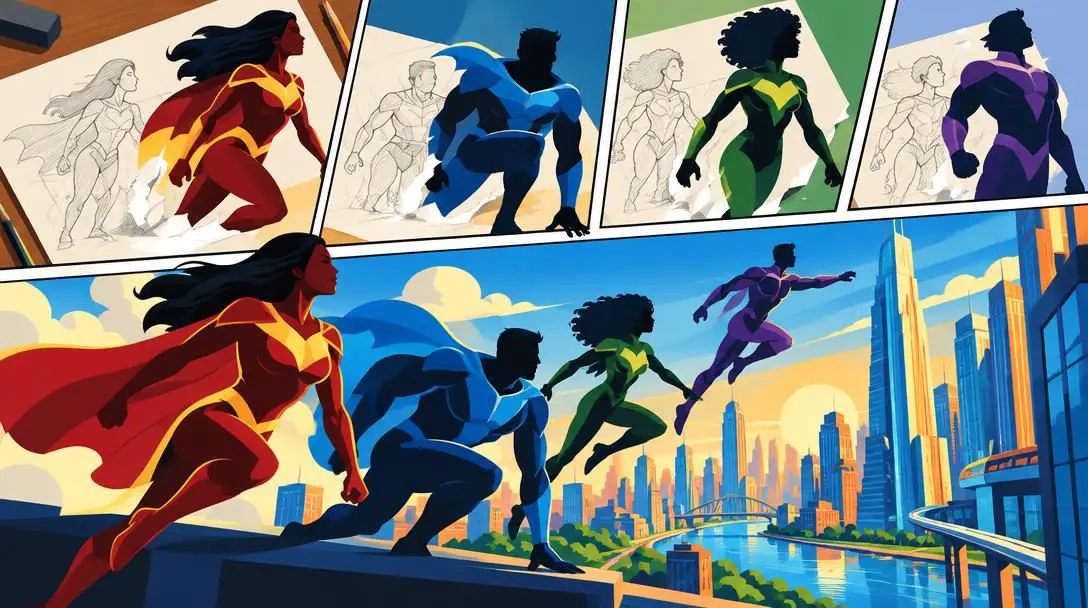
Marvel Comics has made deliberate efforts in recent years to introduce new characters who are women and people of color. By positioning these fresh faces at the center of major crossovers, solo ongoing titles, and high-visibility marketing pushes, the publisher has added vital narrative layers to its shared universe. These introductions prove that iconic legacy universes can adapt to twenty-first-century demographic realities without sacrificing their core narrative appeal.
DC Comics
DC Comics has similarly expanded the boundaries of its superhero catalog by elevating marginalized identities within premier titles. A landmark example remains the ongoing development of the Batwoman title, which features a prominent lesbian protagonist operating directly within Gotham City's legendary crime-fighting family. Placing an openly gay character into one of the most recognizable superhero franchises in global pop culture represents a major milestone for LGBTQ+ visibility in commercial graphic literature.
How the comic publishing pipeline works
Achieving lasting inclusivity requires structural intervention at every phase of the traditional publishing cycle. Because comic production is inherently collaborative, no single individual dictates the final reading experience alone.
- Editorial greenlighting: Line editors, senior editors, and publishing directors evaluate pitched series, decide which characters receive solo titles, and select the creative teams tasked with bringing those concepts to life.
- Creative development: Writers produce detailed scripts that outline panel-by-panel action and dialogue, while pencillers and inkers establish character appearance, body diversity, costuming, and expressive acting.
- Coloring and lettering: Colorists establish atmospheric tone and realistic skin tones, while letterers lay out dialogue balloons and narrative captions to ensure authentic conversational cadence.
- Marketing and retail solicitation: Publishers create catalog previews, solicitations, and variant covers to generate advance orders from independent comic retailers months before release.
- Reader distribution: The completed physical comic arrives in specialty comic shops and bookstores, alongside simultaneous digital releases through online reading platforms.
Actionable strategies across the comic ecosystem
Sustained industry transformation demands proactive participation from every facet of the comic book community. Passive expectations of progress are insufficient; intentional practices must be adopted across professional and consumer spheres.
Publishers and editorial leadership
Editorial teams hold the keys to institutional authority. To build authentic diversity, publishing leadership must look beyond traditional referral networks and recruit talent from webcomic communities, indie publishing, and prose literature. Furthermore, publishers must commit substantial promotional resources to books featuring underrepresented protagonists, backing them with the same vigor given to flagship staples, while pairing rising talent with experienced mentors.
Writers, artists, and creative teams
Established creators possess considerable leverage to advocate for equitable working conditions. Seasoned professionals can recommend underrepresented peers for backup stories, cover variants, and ongoing writing assignments. When writing characters outside their own cultural backgrounds, creators must conduct rigorous research, consult cultural sensitivity readers, and populate fictional cities with authentic, multidimensional background characters.
Readers and retail patrons
Audience behavior directly determines commercial viability in the direct comic market. Readers can wield their purchasing power by placing advance orders for diverse titles at local comic specialty shops, reviewing independent releases online, and providing direct feedback to publishers indicating that diverse, character-driven storytelling remains in high demand.
| Dimension | Superficial Inclusion | Genuine Systemic Inclusivity |
|---|---|---|
| Character Conception | Shallow background cameos or cosmetic alterations | Fully realized protagonists with distinct flaws, goals, and depth |
| Behind-the-Scenes Staff | Homogenous creative teams writing outside their experience | Diverse writers, pencillers, inkers, colorists, and editors |
| Publishing Support | Early cancellation following minor initial sales slumps | Sustained marketing campaigns, mentorship, and patient timeline growth |
| Creative Scope | Limiting diverse creators solely to identity-based trauma stories | Empowering diverse talent to helm cosmic epics, team books, and flagship series |
Common pitfalls in diversity initiatives
While industry awareness of inclusivity has grown, well-meaning initiatives can stumble when executed without genuine structural commitment. Publishers frequently fall victim to predictable missteps that undermine their own creative ambitions.
- Superficial tokenism: Inserting an underrepresented hero into a team book simply to check an aesthetic box creates hollow narratives that savvy readers quickly reject.
- Premature title cancellations: Launching a series starring a non-traditional character without adequate marketing, then canceling the book after four to six issues due to slow retail adoption, suffocates long-term audience development.
- Overreliance on legacy mantles: While passing a famed superhero name to a diverse successor sparks short-term publicity, failing to build wholly original heroes can leave readers viewing the change as a temporary gimmick.
- Identity pigeonholing: Confining creators from marginalized backgrounds solely to projects dealing with social adversity or their specific demographic restricts their artistic range and deprives mainstream books of their creative vision.
Looking ahead: digital platforms and multimedia influence
As the comic book medium charts its path forward, modern reading habits and external media ecosystems will play an outsized role in shaping industry demographics. The traditional twenty-two-page floppy comic sold through direct-market hobby shops is no longer the sole gateway into sequential art.
Digital distribution services and online webcomic portals have fostered thriving, diverse creator communities that attract a younger, more gender-balanced readership. These platforms frequently feature robust representation of female, non-white, and LGBTQ+ voices because they bypass the historical gatekeeping of print distribution. Traditional publishers must study these digital publishing dynamics to recruit innovative creators and adapt their output for evolving audience tastes.
Simultaneously, the global ubiquity of comic book adaptations across film, episodic television, animation, and video games serves as the primary gateway for millions of potential readers. When movie adaptations implement inclusive casting and modern themes, moviegoers look to the source material for comparable narratives. Print publishers must maintain contemporary, vibrant fictional universes that match the rich diversity new readers encounter on screen.
Frequently asked questions
Why is diversity important in comic books?
Diversity ensures that readers from all walks of life see their identities, cultures, and experiences validated within popular heroic mythologies, while dismantling outdated, hypersexualized, or one-dimensional character tropes.
How does diverse hiring behind the scenes improve stories?
Writers and artists from varied backgrounds introduce distinct cultural perspectives, original life experiences, and fresh creative concepts, preventing repetitive plots and enriching the narrative depth of comic universes.
What is an example of prominent LGBTQ+ representation in mainstream comics?
DC Comics elevated LGBTQ+ representation by establishing the Batwoman title around an openly lesbian protagonist operating as a central figure within the world-renowned Batman family.
What is tokenism, and why is it a problem in comics?
Tokenism occurs when a publisher inserts a marginalized character merely to satisfy an aesthetic checklist without giving them authentic depth, emotional stakes, agency, or consistent narrative focus.
How can comic book fans actively support diverse titles?
Fans can pre-order monthly titles at local comic shops, purchase collected graphic novels, recommend diverse books across social media communities, and communicate demand directly to retailers and publishers.
The bottom line
The comic book industry stands at an exciting cultural crossroads. While the medium's legacy was built within a narrow demographic framework, the modern era offers an unprecedented opportunity to redefine what heroism looks like in the twenty-first century. True inclusivity is not a fleeting marketing trend or a decorative checklist; it is an artistic imperative that safeguards the medium's cultural relevance, expands its readership, and fuels its creative vitality for decades to come.