10 Unlikely Food Pairings That Taste Great
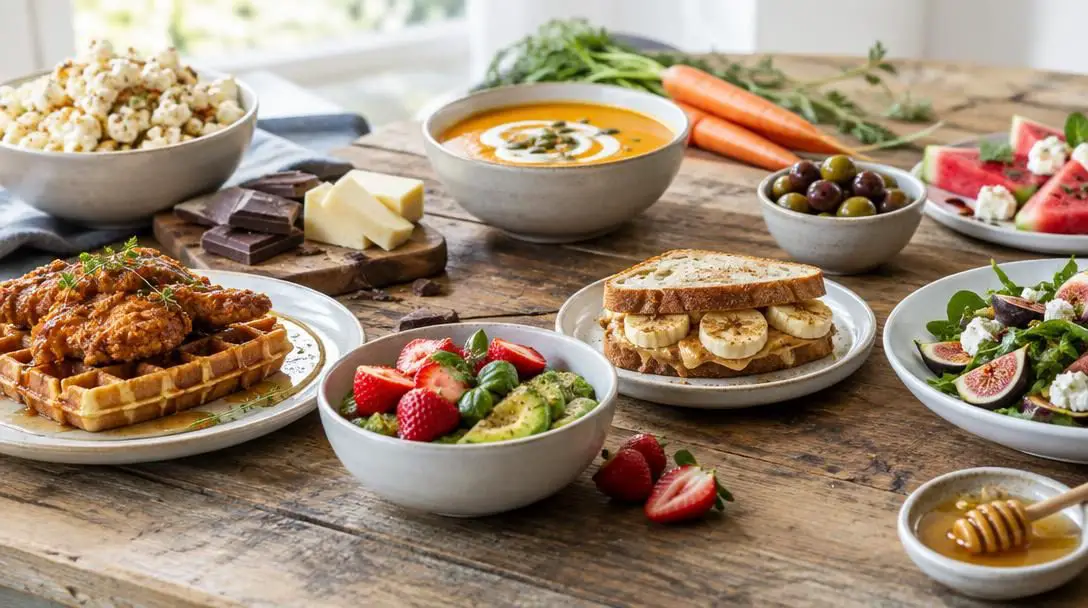
Culinary history is defined by adventurous pairings that challenge prevailing dining traditions. While duos such as Lennon and McCartney or Sonny and Cher represent legendary creative partnerships in popular culture, the culinary world frequently relies on combinations that appear far more esoteric at first glance. For centuries, everyday dining followed predictable formulas, yet the search for extraordinary flavor regularly pushes curious eaters past established boundaries to combine ingredients that seem entirely incompatible.
In modern home kitchens and experimental restaurants alike, this willingness to test boundaries fuels culinary discovery. Everyday dining staples often start out as unusual culinary experiments before winning over mainstream palates. From beloved fast-food pairings to time-tested regional traditions, rethinking how kitchen staples interact—whether by adding fruit preserves to a savory entree or using citrus juice instead of dairy for dipping—reveals just how dynamic our palates can be when we set aside culinary assumptions.
Key takeaways
- Contrasting sensory profiles such as sweet with salty and acid with rich fat make unconventional food combinations deeply satisfying.
- Texture and temperature play crucial roles in pairing success, creating layered mouthfeel contrasts between crisp, creamy, hot, and cold elements.
- Several pairings that once seemed bizarre, including chicken and waffles or chile-spiced fruit, have successfully transitioned into mainstream food culture.
- Testing unusual food pairings in small, controlled portions allows you to explore novel flavor combinations without committing an entire meal.
The 10 unlikely food pairings at a glance
| Pairing | Flavor Profile Contrast | Key Sensory Benefit |
|---|---|---|
| Oreos and Orange Juice | Citrus acidity meets rich cocoa | Preserves cookie structure without dairy sogginess |
| Pickles and Pizza | Briny acid cuts melted cheese fat | Bright, crunchy contrast to dough and sauce |
| Mango and Chile | Sweet tropical juice and sharp pepper heat | Balances fiery spice with cooling natural sugar |
| Chicken and Waffles | Savory seasoned poultry and sweet syrup | Classic Southern interplay of crisp crunch and airy softness |
| Steak and Berries | Tart fruit sugars alongside rich umami beef | Fruit acidity cuts through dense, savory protein |
| Peanut Butter and Potato Chips | Sticky nut butter combined with salty fried potato | Unites sweet, salty, creamy, and brittle sensations |
| Jelly and Hamburger | Sweet fruit glaze atop seasoned ground meat | Mirrors classic glazed meatball flavor profiles |
| Milk and Popcorn | Neutral creamy dairy over toasted puffed corn | Replicates traditional breakfast cereal dynamics |
| Bananas and Mayonnaise | Tangy, rich condiment over mellow fruit sugar | Creates a balanced, creamy sandwich filling |
| French Fries and Ice Cream | Hot, salty starch dipped into cold, sweet dairy | Engages opposing temperatures and taste receptors |
Ten unexpected food combinations that actually work
While the ingredients in these pairings might sound contradictory on paper, each one demonstrates how complementary flavors and contrasting textures elevate a meal beyond the sum of its parts.
10. Oreos and Orange Juice
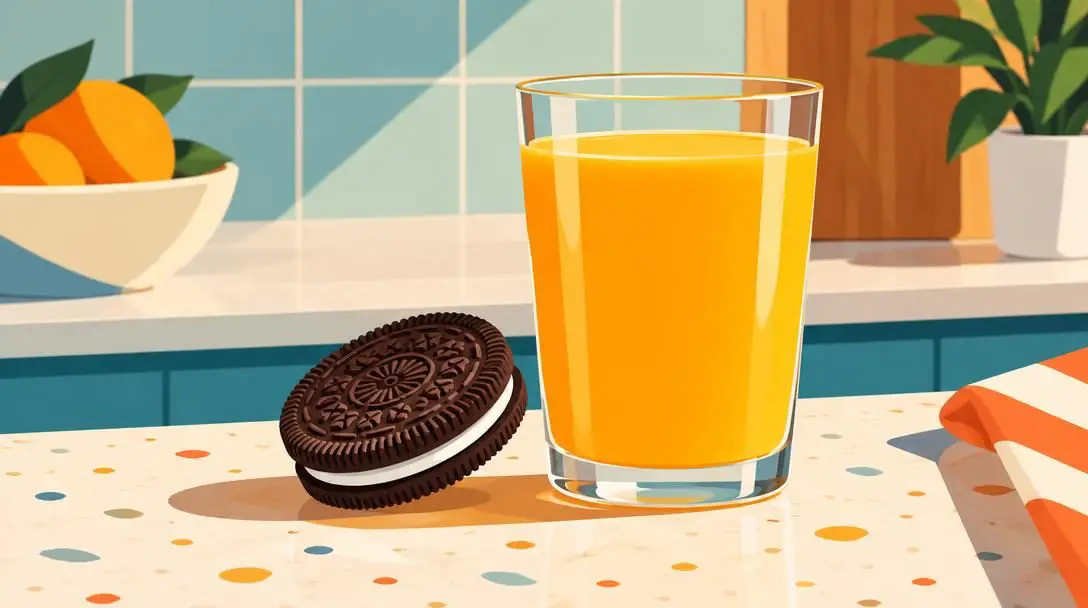
Dipping chocolate sandwich cookies into a tall glass of cold milk is an undisputed ritual, yet milk comes with a distinct downside: it quickly leaves chocolate wafers waterlogged, crumbly, and limp. Swapping the dairy out for a glass of chilled orange juice solves that structural issue while offering an invigorating taste profile. Chocolate and citrus have a celebrated history in confectionery, and dipping an Oreo into orange juice allows the bright, tangy fruit acid to slice cleanly through the heavy cocoa wafer and sugary creme filling. Because the juice lacks heavy milk fats, the cookie maintains its crisp snap far longer than it would in dairy.
9. Pickles and Pizza
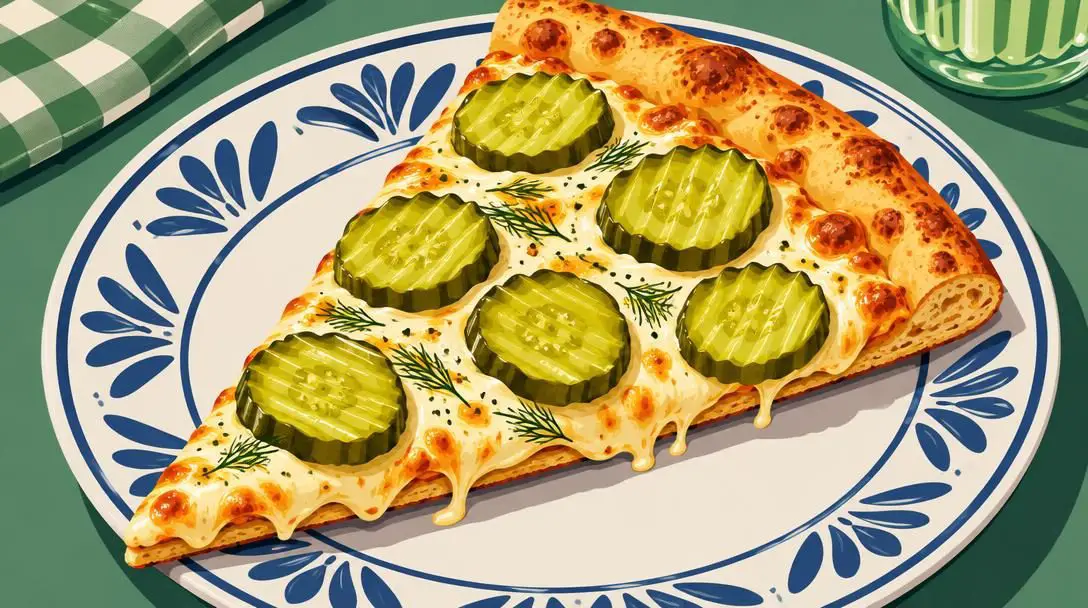
While debates have raged for decades over whether pineapple has any legitimate claim to pizza dough, pickle pizza has been quietly gaining a passionate following. National pizza chains and independent pizzerias have increasingly added sliced dill pickles to their specialty menus. The logic behind the topping is sound: melted mozzarella and rich tomato sauce are dominated by fat and savory richness. The briny vinegar punch of sliced pickles cuts directly through that dairy weight, refreshing the palate with every bite and introducing a crisp texture that conventional pizza toppings rarely match.
8. Mango and Chile
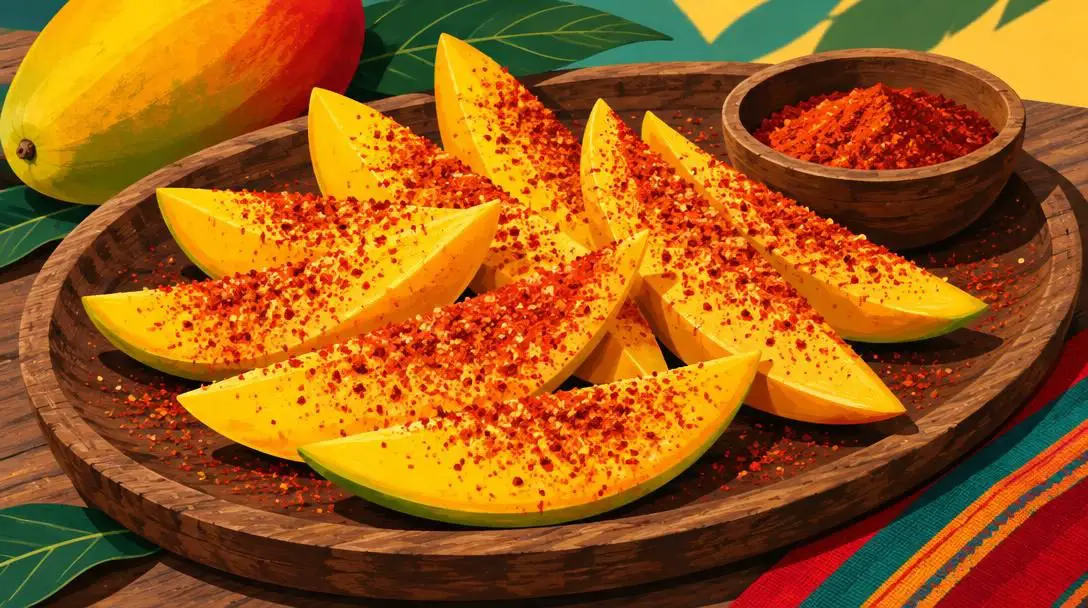
Widely enjoyed across street stalls in Mexico and gaining steady momentum northward, pairing ripe mango with ground chile powder represents a masterclass in culinary balance. Mango delivers lush tropical sweetness and heavy juiciness that immediately coats the tongue. Dusting the fruit with sharp, fiery ground chiles creates a multi-layered flavor profile that awakens every taste bud. The fruit's natural sugars temper the lingering burn of the pepper, ensuring that the heat never overwhelms the palate while preventing the sweetness from feeling cloying.
7. Chicken and Waffles
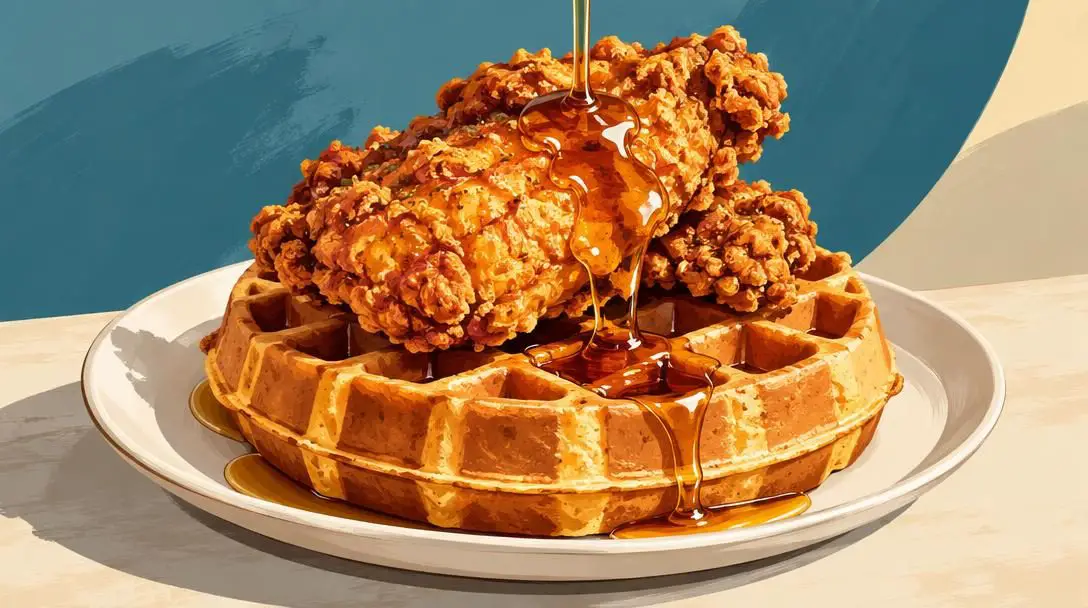
Perhaps the most famous unconventional combination in American cuisine, fried chicken served on top of freshly baked waffles and drizzled with maple syrup is a cornerstone of Southern dining. The dish succeeds by mastering extreme contrasts across flavor and texture. The crisp, seasoned batter of savory poultry provides a hearty, salty crunch that plays against the pillowy, airy pockets of the warm waffle. Drizzling sweet syrup across both components bridges the divide, locking the savory fat and sugary warmth into a unified, harmonious bite.
6. Steak and Berries
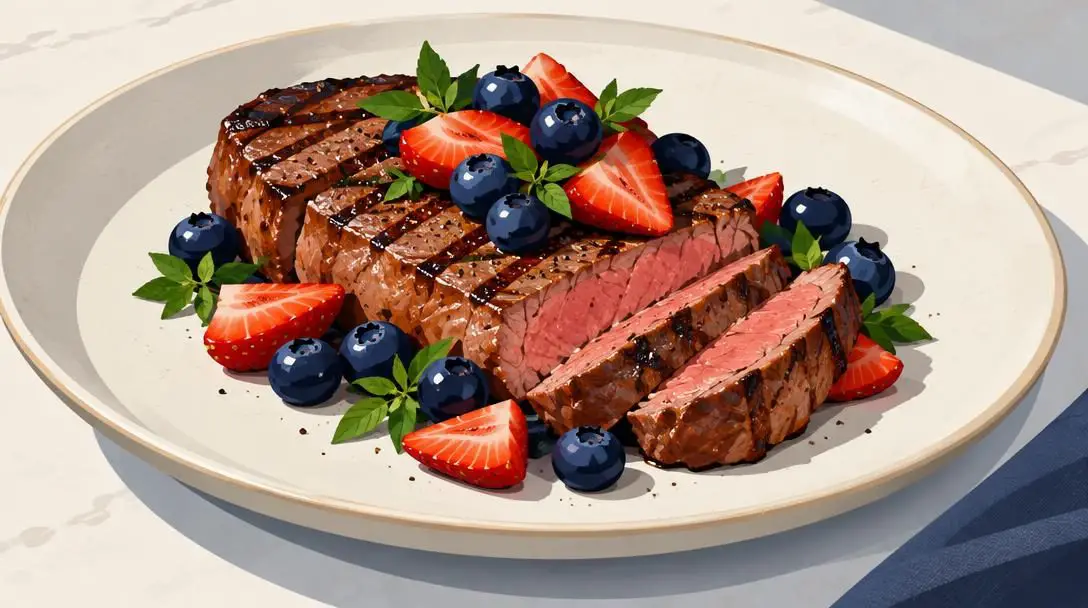
Placing fresh berries on top of a savory cut of steak sounds unorthodox at first, but it mirrors well-established dining traditions. Diners routinely enjoy fresh summer salads loaded with strawberries, blueberries, and grilled chicken breast without second thought. Applying that same logic to cooked beef works just as effectively. As a rich, fat-marbled protein, steak benefits immensely from the bright natural sugars and light acidity of fresh berries, which lift the dense, savory character of the meat and cleanse the palate between rich bites.
5. Peanut Butter and Potato Chips
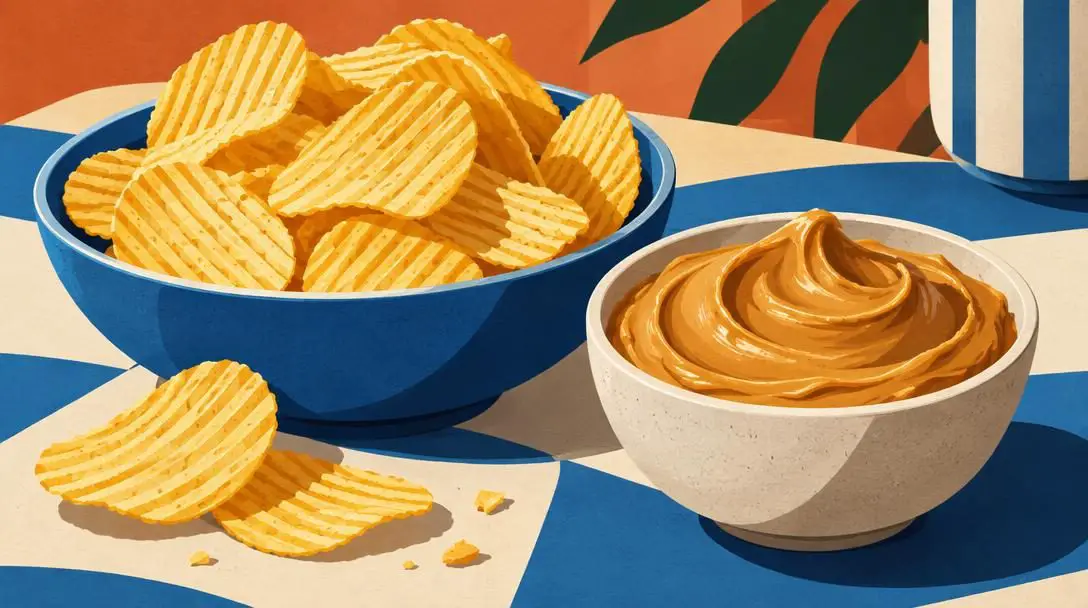
Human taste receptors possess an innate craving for the simultaneous presence of salt and sugar. Combining thick, creamy peanut butter with thinly sliced, crispy potato chips satisfies both desires instantly. The dense, sticky mouthfeel of the nut spread meets the brittle snap of the fried potato, creating a textural counterpoint that keeps the snack from feeling monotonous. The popularity of this combination has even reached commercial snack production, inspiring major confectioners like Reese's to release peanut butter cups stuffed with crunchy potato chips directly inside the chocolate shell.
4. Jelly and Hamburger
Spreading sweet fruit jelly onto a burger patty may seem counterintuitive, but it relies on time-tested culinary principles. Many classic party recipes combine grape jelly with cocktail meatballs to create a sticky, savory-sweet glaze that appeals to broad crowds. A hamburger patty is essentially a seasoned ground meatball pressed flat and seared. When sweet fruit preserves melt against the hot, salted surface of a beef patty, the sugar blends into the rendered juices, producing a rich glaze that complements the burger's smoky char.
3. Milk and Popcorn
Before cold cereals dominated breakfast tables, diners frequently crumbled puffed grains into bowls of cold milk. Stripped of artificial theater butter and heavy salt, plain popped corn is fundamentally an unprocessed puffed grain. When submerged in a bowl of milk, it behaves just like conventional breakfast flakes. Eaters who substitute popcorn for box cereal find that the toasted, airy kernels absorb just enough dairy to soften without immediately disintegrating, delivering a rustic morning meal that rivals manufactured breakfast options.
2. Bananas and Mayonnaise
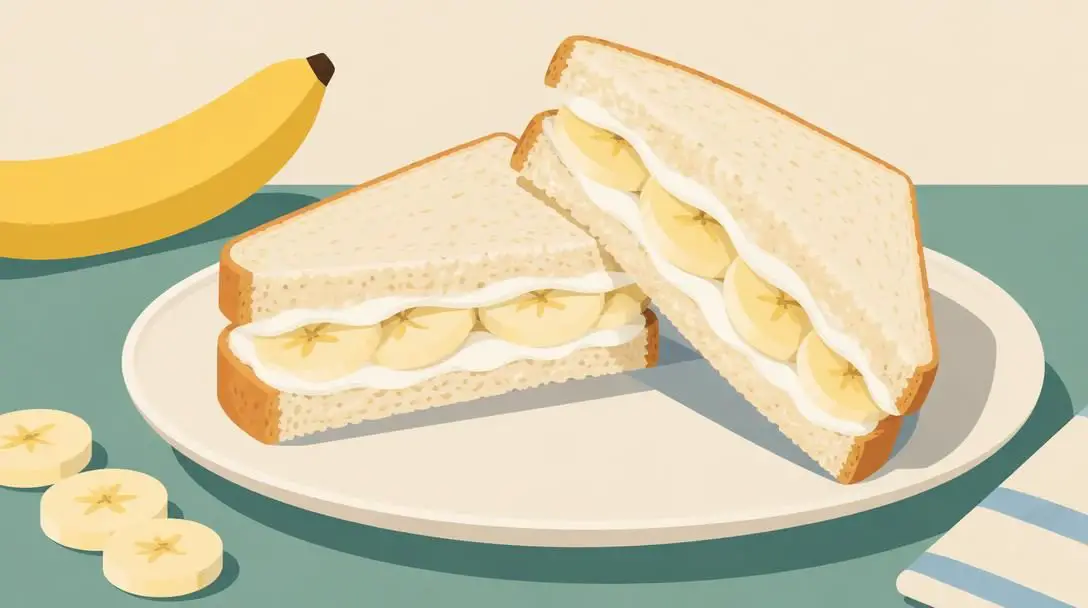
Few sandwich combinations elicit stronger initial skepticism than sliced bananas spread with mayonnaise between slices of soft bread. Despite common hesitation, this regional Southern staple persists because the ingredients share compatible physical properties. Mayonnaise contributes a rich, silky tang from whipped egg yolks and oil that tempers the mellow, sugary density of ripe bananas. When assembled with care, the condiment prevents the soft fruit from feeling overly dry or heavy, creating a surprisingly balanced and creamy luncheon sandwich.
1. French Fries and Ice Cream
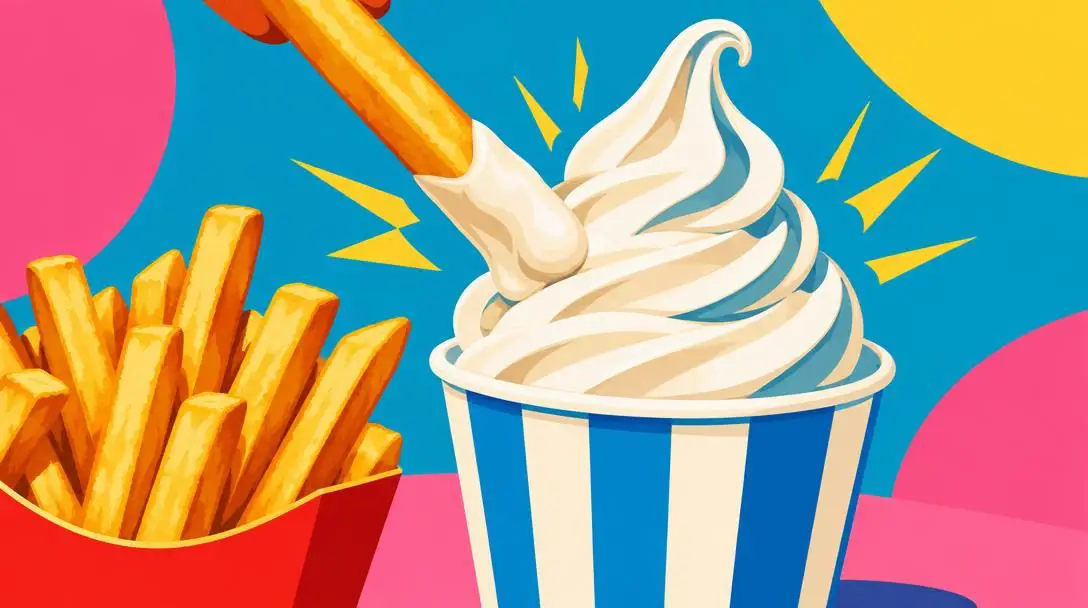
The habit of plunging hot, salted French fries directly into a cold cup of soft-serve ice cream or a fast-food Frosty is a widespread cultural phenomenon. The pairing defies standard meal sequencing by fusing dessert and side dish into a single bite. What makes it irresistible is the clash of physical states: piping hot, crisp potato skins coated in coarse salt cut against the freezing, smooth sweetness of dense dairy. The fat in the potato amplifies the sweet vanilla or chocolate flavors, while the cold cream prevents the fried starch from feeling greasy.
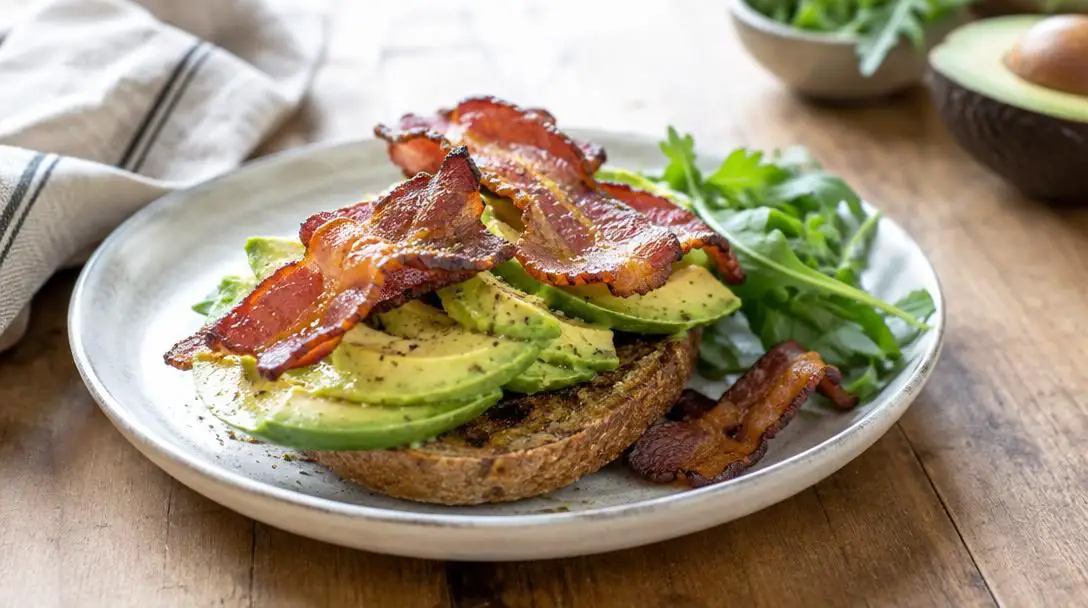
The search for the perfect taste frequently pushes eaters beyond conventional wisdom to discover that contrasting flavors elevate rather than clash with one another.
The sensory science behind unlikely flavor pairings
Understanding why these unorthodox pairings succeed comes down to how human sensory receptors process contrasting inputs. When two ingredients share opposite flavor profiles, they avoid sensory fatigue, keeping the tongue and brain engaged throughout the eating process.
Five core mechanisms explain why these ten pairings deliver such strong results:
- Sweet and salty synergy: Consuming salt alongside sugar enhances flavor perception. Sodium activates specific receptors in the mouth that trigger heightened sweet sensitivity, making combinations like peanut butter and potato chips or chicken and waffles taste more dynamic than either component on its own.
- Acid cutting through rich fats: Heavy proteins and cheeses—such as steak, hamburger patties, and pizza cheese—leave an oily layer on the tongue. Acidic agents like dill pickles, citrus juice, and fresh berries strip away that coating, resetting the palate so each subsequent bite tastes as flavorful as the first.
- Thermal opposition: Pairing hot items with frozen ones creates immediate sensory arousal. Dipping hot fries into frozen ice cream creates a dramatic temperature shift that accentuates textural nuances.
- Spice tempered by natural sugars: Capsaicin in spicy peppers binds to heat receptors on the tongue. The high sugar and moisture content of ripe mango soothes those nerve endings, keeping the burn pleasant rather than overwhelming.
- Textural layering: Combining brittle elements with sticky spreads or submerging light, airy grains in liquid breaks up the monotony of uniform textures, ensuring every mouthful offers an engaging chew.
How to test unconventional food pairings at home
Venturing into unfamiliar flavor territory requires an open mind and a thoughtful approach to ingredient preparation. Use this structured approach to experiment safely and determine which pairings suit your individual palate.
- Start with small testing portions: Never commit an entire meal or large batch to a new experiment. Pour a small splash of orange juice into a ramekin for a single cookie, or dip just one fry into your milkshake to test the waters before dedicating a full plate.
- Ensure baseline ingredient freshness: Contrasting pairings fall flat if the baseline textures are compromised. Confirm your fries are crisp and straight from the fryer, your popcorn is crunchy, and your waffles are freshly baked so structural contrasts remain distinct.
- Apply contrasting spreads gradually: When adding mayonnaise to bananas or grape jelly to a hamburger patty, apply a thin, modest scrape first. Evaluate the balance before adding more, ensuring the sweet or tangy element supports rather than buries the primary ingredient.
- Monitor structural degradation over time: Pay attention to how ingredients change once combined. Popcorn in milk and cookies in fruit juice must be consumed quickly before they absorb excess moisture and lose their crisp appeal.
- Evaluate without preconceived bias: Approach every trial without focusing on how unusual the pairing sounds on paper. Assessing the actual balance of sweet, salt, acid, and crunch on the tongue leads to an honest culinary evaluation.
Mistakes that ruin unconventional pairings
Because these combinations rely heavily on precise balances between opposing sensory profiles, small missteps during preparation can easily make the entire dish unappetizing.
- Allowing crisp ingredients to over-soak: Leaving Oreos in juice or popcorn in milk for longer than a few seconds destroys their crunch, transforming crisp textures into unpalatable mush.
- Using heavily buttered or seasoned popcorn: Attempting to eat commercial theater-style popcorn with milk introduces artificial butter oils that separate into the dairy, creating a greasy film. Stick strictly to plain or lightly toasted kernels.
- Ignoring serving temperatures: Dipping cold, soggy fries into room-temperature soft serve eliminates the essential thermal contrast, leaving you with an oily, sugary mess.
- Overdosing with heat or spice: Heavy-handed seasoning with chile powder will completely overpower the delicate sugars of fresh fruit like mango, stripping away the cooling benefit that makes the combination work.
- Applying sweet spreads to undercooked meat: Spreading jelly on a burger requires a properly cooked, rested patty. Adding cold jelly to an under-seared or lukewarm burger disrupts the temperature and prevents the spread from melting into a cohesive glaze.
Frequently asked questions
Why do French fries and ice cream taste good together?
The combination succeeds because it satisfies multiple sensory cravings simultaneously. The hot, crisp, and salty exterior of the fried potato contrasts sharply with the cold, smooth, and sweet profile of the ice cream, preventing sensory fatigue and making each bite exciting.
How does orange juice keep Oreos from getting soggy?
Orange juice lacks the heavy dairy fats and proteins found in whole milk that quickly saturate and break down cocoa wafers. As a result, the cookie absorbs the liquid more slowly, allowing the chocolate to retain its crunch while picking up a bright citrus kick.
Can popcorn genuinely replace traditional breakfast cereal?
Yes. Stripped of heavy artificial butter, cinema oils, and excessive salt, plain popped corn is an unprocessed, puffed whole grain. When placed in a bowl with cold milk, it behaves just like puffed wheat or corn flakes, softening slightly while retaining an enjoyable toasted flavor.
Why would someone put grape jelly on a hamburger?
The pairing mirrors classic culinary recipes such as cocktail meatballs simmered in sweet grape jelly glazes. Because hamburgers are seasoned ground beef patties, the sweet preserves melt directly against the salted meat, creating a savory-sweet glaze that balances the smoky char.
Is pickle pizza becoming a mainstream menu option?
Pickle pizza has steadily moved out of novelty territory and into national pizza chains and independent parlors. The high acidity and vinegar brine of sliced dill pickles provide an ideal counterbalance to rich tomato sauce and heavy melted mozzarella cheese.
The bottom line
Unconventional food combinations prove that culinary enjoyment often lies well outside everyday conventions. Whether you are adding a spoonful of fruit jelly to a freshly grilled hamburger, dipping hot fries into a frozen dessert, or testing sliced bananas with a hint of mayonnaise, the secret to great food rests on balancing sweetness, salt, acidity, and mouthfeel. By stepping outside your comfort zone and embracing sensory contrasts, you can unlock a whole new spectrum of everyday culinary possibilities.