5 Foods That Are Healthier Than You Think
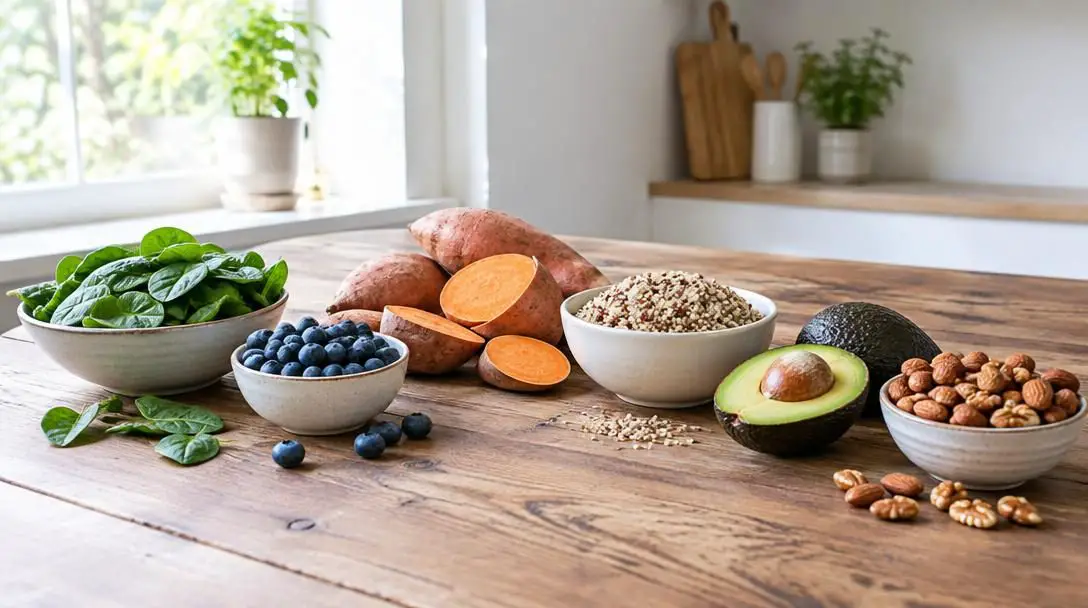
Navigating personal health, managing body weight, and building a sustainable routine can feel paralyzing when diet culture constantly shifts the goalposts. Over the decades, media fads and wellness trends have compiled an informal blacklist of everyday pantry staples, branding ordinary ingredients as toxic, fattening, or dangerous. When specific items are singled out as dietary villains, popular consensus often defaults to strict elimination, forcing people to abandon satisfying meals under the false belief that deprivation is the only path to wellness.
The reality is that many foods cast aside by conventional diet advice are far healthier than their reputations suggest. When prepared using wholesome methods, served in mindful portion sizes, or enjoyed in their whole, unadulterated state, these castoffs provide essential vitamins, high-quality proteins, and protective compounds. Understanding the real nutritional mechanisms behind these demonized ingredients allows you to construct a nourishing, enjoyable diet without unnecessary restriction.
Key takeaways
- Many demonized staples are nutrient-dense whole foods whose bad reputations stem from commercial cooking techniques rather than the ingredients themselves.
- A single egg delivers over 200 milligrams of cholesterol, yet about 70 percent of individuals experience no increase in blood cholesterol levels from eating them.
- Calorie-dense options like peanut butter and moderate cuts of red meat enhance daily satiety and supply vital micronutrients like iron, zinc, and selenium.
- Air-frying unbreaded chicken wings and baking plain potatoes preserve critical antioxidants, fiber, and protein while avoiding the harms of deep-frying.
Misunderstood staples at a glance
Before examining each food individually, reviewing their core attributes reveals how misdirected common fears can be when compared against their authentic nutrient profiles.
| Food | Common Stigma | Key Nutritional Assets | Best Preparation Method |
|---|---|---|---|
| Red Meat | Promotes disease and excess calories | Complete protein, iron, vitamin B12, zinc, selenium; zero carbs | Modest, lean cuts cooked simply |
| Eggs | High dietary cholesterol | Calcium, zinc, selenium, high-quality protein | Whole egg, boiled or poached |
| Chicken Wings | Unhealthy junk food | High protein content, vital vitamins | Unbreaded and air-fried with spices |
| Peanut Butter | High calorie density and carbohydrates | Healthy fats, protein, promotes fullness | Measured small daily servings |
| Potatoes | Weight gain and blood sugar spikes | Dietary fiber, antioxidants, blood sugar support | Plain baked with natural seasonings |
5 foods that are healthier than you think
A closer look at these five dietary outcasts illustrates how outdated assumptions, selective nutritional panic, and heavy commercial preparation have obscured their genuine health benefits.
Red Meat

- Key Micronutrients: Iron, vitamin B12, zinc, selenium
- Carbohydrate Content: Zero carbohydrates
- Serving Strategy: Smaller, reasonable portions
For roughly two decades, red meat has shouldered intense nutritional criticism. Popular perception frequently classifies beef and other red meats as express tickets to chronic conditions such as cancer and heart disease. Driven by these alarming associations, countless shoppers cut red meat from their grocery carts entirely, never pausing to evaluate what the meat actually offers from a physiological standpoint.
When assessed objectively, red meat delivers substantial nutritional value, especially when consumed in controlled, realistic portions. Many cuts are surprisingly lower in calories than dieters expect and contain zero carbohydrates. Beyond supplying a dense concentration of complete dietary protein, red meat serves as an exceptional dietary source of essential micronutrients that the body requires on a daily basis, notably bioavailable iron, vitamin B12, zinc, and selenium. Eliminating it entirely often makes meeting daily targets for these trace minerals significantly harder.
Eggs

- Cholesterol per Egg: Over 200 mg
- Response Rate: About 70 percent of people experience no rise in blood cholesterol
- Notable Minerals: Calcium, zinc, selenium
Generations of home cooks relied on eggs as an economical, nutrient-dense breakfast centerpiece before shifting nutritional trends turned them into a dietary taboo. The entire controversy surrounding eggs rests on a single metric: dietary cholesterol. Because a single large egg carries more than 200 mg of cholesterol, eating two eggs in the morning immediately pushes a person beyond the standard daily limit established in historical dietary guidelines.
However, modern nutritional science shows that the simplistic belief that eating cholesterol directly elevates blood cholesterol does not hold true for the majority of the population. In reality, about 70 percent of people see no increase in blood cholesterol after eating eggs. By discarding the yolk or avoiding eggs completely, consumers miss out on a wide spectrum of essential nutrients, including calcium, zinc, selenium, and numerous other vital compounds packaged naturally inside this affordable protein source.
Chicken Wings

- Nutritional Strengths: High protein, essential vitamins
- Main Drawback: Commercial deep-frying and heavy sauces
- Healthiest Cooking Method: Air fryer with dry spice seasoning
Chicken wings are an international favorite, but they are almost universally relegated to the junk food category. This negative status is not entirely unearned when looking at how conventional dining establishments prepare them. Restaurant wings are frequently coated in refined flour batters, submerged in commercial deep-frying vats of processed oil, and smothered in sugary, high-calorie glazes. In that format, they can compromise any wellness plan.
Yet the issue resides strictly in the restaurant preparation rather than the poultry itself. Chicken wings are naturally rich in high-quality protein and supply essential vitamins your body uses continuously. You do not have to forfeit bold flavor to maintain a clean diet; preparing naked wings seasoned with spices in an air fryer achieves the signature crispy texture of fried chicken without the inflammatory frying oils and excess calories.
The adverse health effects of commercial cooking techniques are too often mistakenly blamed on the wholesome foods hidden beneath the batter.
Peanut Butter

- Key Benefits: Satiety, heart protection, cancer risk reduction
- Macronutrient Profile: Rich in healthy fats and protein
- Recommended Approach: Small, measured portions
Whenever people resolve to shed excess body weight, peanut butter is usually among the very first items thrown out of the pantry. Strict dieters see the high calorie density and carbohydrate count on the nutrition label and instantly conclude that the spread will sabotage their fat-loss goals. This knee-jerk reaction overlooks how those calories actually function within the body.
Despite its concentration of calories, peanut butter provides an abundant supply of protein paired with heart-healthy unsaturated fats. This specific combination stabilizes appetite by promoting lasting satiety, keeping you full long after a meal has ended. Furthermore, regular consumption of peanut butter is associated with a lowered risk of developing cardiovascular disease and cancer. The secret lies in mindful portion control: consuming an entire jar in a sitting will stall your progress, but integrating a single measured tablespoon into your daily routine delivers major long-term health benefits.
Potatoes
- Core Nutrients: Dietary fiber, protective antioxidants
- Metabolic Benefit: Supports blood sugar management when plain
- Ideal Preparation: Baked or roasted without heavy dairy
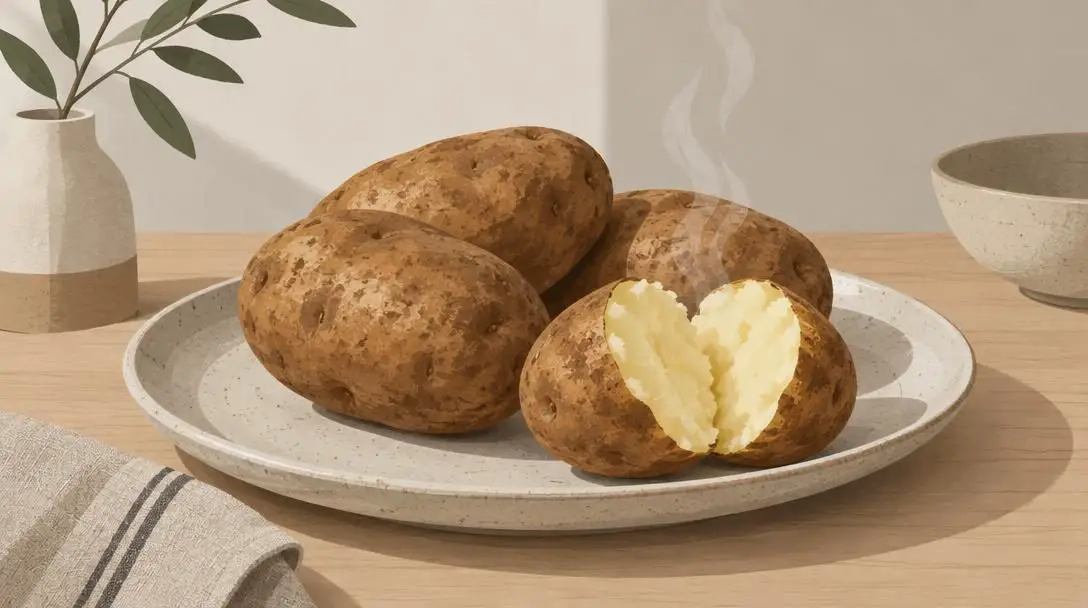
The humble potato has suffered a dietary smear campaign remarkably similar to that of peanut butter. Many wellness trends insist that eating root vegetables guarantees rapid weight gain and dangerous surges in blood sugar. While it is true that consuming potatoes in the form of fast-food French fries or loaded mashed potatoes drenched in butter and heavy cream is counterproductive, the raw tuber itself is deeply nourishing.
A simple baked potato provides an exceptional foundation for daily wellness. Potatoes deliver a rich reserve of cell-protecting antioxidants, along with generous amounts of dietary fiber that delays digestion and sustains fullness across the day. When prepared without heavy, fatty additions, potatoes can even play a helpful role in managing blood sugar levels, making them one of the most cost-effective and nutrient-packed carbohydrates available.
The anatomy of nutritional misconceptions
Understanding how healthy whole foods end up on dietary elimination lists requires examining the patterns that shape public nutrition messaging over time.
- The cooking method confusion: Wholesome staples are routinely judged by their worst commercial variations. Chicken wings and potatoes are naturally packed with micronutrients and lean macronutrients, but submerging them in commercial deep fryers and coating them in high-sugar sauces completely alters their health profile. The resulting metabolic harm is erroneously attributed to the vegetable or meat rather than the vat of boiling oil.
- Outdated single-nutrient focus: Historical dietary advice suffered from extreme reductionism, fixating on single metrics like total grams of fat, gross carbohydrate counts, or milligrams of dietary cholesterol. When eggs were evaluated strictly by their 200-milligram cholesterol figure, their immense store of selenium, zinc, and calcium was ignored. Modern nutrition recognizes that dietary components do not function in a vacuum and affect people differently.
- The calorie density trap: During the low-fat craze of previous decades, calorically dense foods were automatically classified as harmful. While foods like peanut butter and marbled cuts of red meat contain concentrated energy, their healthy fats and protein trigger biological satiety cues that prevent overeating later in the day, making them far more effective than empty low-fat processed snacks.
How to reintroduce these foods safely
Reincorporating these nutrient-rich ingredients into your lifestyle does not require complicated dietary restructuring. Following a few practical steps ensures you maximize their nutritional advantages while keeping your meals balanced.
- Scale your portions of red meat: Keep your serving sizes reasonable so you can absorb the complete protein, iron, selenium, zinc, and vitamin B12 without crowding out fiber-rich vegetables on your plate.
- Cook naked wings at home: Avoid deep-fried takeout wings. Season raw, unbreaded chicken wings with dry herbs and spices, then crisp them in an air fryer to preserve their natural protein and vitamins without adding heavy frying oils.
- Keep your potatoes simple: Forego heavy toppings like cheese sauces, sour cream, and bacon bits. Enjoy your potatoes baked or roasted with fresh herbs, salt, and pepper to preserve their natural fiber and blood sugar benefits.
- Measure your peanut butter servings: Use a standard measuring spoon rather than guessing straight from the jar. A modest daily serving delivers healthy fats, protein, and heart-protective properties while keeping total energy intake balanced.
- Embrace whole eggs without separation: Stop separating the egg white from the yolk out of concern over dietary cholesterol. Consume the whole egg to capture its complete nutritional profile, including calcium and vital trace minerals.
Mistakes to avoid when rebuilding your diet
When correcting outdated dietary habits, it is easy to overcorrect. Watch out for these common missteps as you update your eating habits:
- Equating all preparation styles: Assuming that French fries offer the exact same wellness profile as a plain baked potato is a major error. Always distinguish between minimally processed home cooking and heavy commercial frying.
- Ignoring serving sizes entirely: Learning that red meat and peanut butter are beneficial is not an invitation to consume them without moderation. Energy density still matters, especially with fat-rich foods.
- Clinging to obsolete cholesterol dogma: Continuing to fear egg yolks because of outdated warnings ignores the evidence showing that most individuals process dietary cholesterol without adverse blood cholesterol spikes.
- Relying on artificial diet substitutes: Swapping out real, whole ingredients for overly processed, low-calorie diet versions often deprives your body of natural minerals, healthy fats, and lasting satiety.
Frequently asked questions
Do eggs raise blood cholesterol levels?
For roughly 70 percent of individuals, consuming dietary cholesterol from eggs does not raise blood cholesterol levels. Whole eggs provide vital minerals like calcium, zinc, and selenium that make them a highly nutritious dietary choice for the vast majority of people.
Can I eat chicken wings while trying to eat healthy?
Yes, provided you change how they are cooked. By seasoning unbreaded, naked wings with spices and cooking them in an air fryer rather than deep-frying them in oil, you retain their natural protein and vitamins without the extra calories and unhealthy fats associated with restaurant frying.
Will eating potatoes cause sudden weight gain?
Potatoes do not inherently cause weight gain. Plain baked or roasted potatoes are rich in antioxidants and dietary fiber that enhance satiety and support blood sugar control. Weight gain typically results when potatoes are deep-fried or covered in heavy, high-fat sauces.
Is red meat safe to include in a regular diet?
Red meat can be an exceptionally nutritious part of a balanced diet when consumed in moderate portions. It contains zero carbohydrates, supplies dense protein, and provides critical micronutrients that can be challenging to source elsewhere, such as vitamin B12, bioavailable iron, zinc, and selenium.
How can peanut butter help with weight management if it is high in calories?
Although peanut butter is calorically dense, its combination of plant-based protein and healthy fats promotes long-lasting fullness. This strong satiety effect helps curb cravings and prevents overeating later in the day, while also offering protective benefits against heart disease and cancer.
The bottom line
Sustainable wellness is never built on fear, arbitrary food bans, or chronic deprivation. The persistent stigmas surrounding red meat, whole eggs, chicken wings, peanut butter, and potatoes are rooted in outdated dietary guidance and a confusion between pure ingredients and harmful commercial preparation methods. By cooking with simple techniques like air-frying and baking, keeping portion sizes reasonable, and honoring your body's need for protein, fiber, and healthy fats, you can welcome these delicious staples back to your table with absolute confidence.