How Much Protein Do We Really Need?

Dietary culture has long moved in sweeping cycles, repeatedly swinging between demonizing individual nutrients and elevating others to miraculous status. Decades ago, supermarket shelves were purged of lipids during the peak of the low-fat craze, which later evolved into debates separating good fats from bad fats, followed in turn by the surge of low-carbohydrate protocols. In modern wellness spaces, this cultural fixation has settled firmly on an obsession with protein, with food manufacturers splashing protein claims across retail packaging and fitness influencers championing ever-higher consumption targets.
While protein remains an indispensable macronutrient for tissue repair, immune function, and muscular health, the assumption that more is always better lacks biological support. Pushing intake beyond reasonable physiological thresholds creates significant metabolic burdens, particularly when individuals discard balanced nutrition in favor of extreme, meat-heavy protocols. Understanding your genuine biological needs requires moving past marketing buzzwords and armchair nutrition advice to examine the actual mechanisms of protein metabolism across different stages of life.
Key takeaways
- Daily protein intake should remain between 10 percent and 35 percent of total daily calories to prevent deficiency while avoiding metabolic complications.
- Adults under 40 require approximately 0.4 grams per pound of body weight (0.8 grams per kilogram), whereas adults over 40 need 1.2 grams per kilogram to counteract age-related muscle loss.
- Excessive protein consumption, especially from purine-rich meats, elevates uric acid levels and can trigger excruciating gout flares and kidney stones in vulnerable individuals.
- Surviving on lean protein without sufficient dietary fats and carbohydrates can induce protein poisoning, an acute metabolic crisis that strains organ systems.
- Clinical research by Dr. Ananya Mandal demonstrated that high-protein regimens produce no greater weight loss over six months than other controlled fad diets.
The cultural rise of the modern protein obsession
Every few years, society selects a specific dietary element to place under an intense public microscope. In past generations, grocery store aisles were dominated by fat-free snacks loaded with refined sugars, followed by the demonization of carbohydrates in favor of ketogenic and paleolithic eating patterns. Today, protein has been elevated to an undisputed nutritional pedestal, widely promoted as the universal solution for building lean muscle mass, accelerating fat loss, and sustaining physical energy.
This fixation is heavily reinforced by retail product packaging, where manufacturers prominently brand everything from breakfast cereals and baked snacks to bottled beverages with bold declarations of their protein content. However, much of this dietary fervor is stoked by armchair nutritionists and gym folklore rather than nuanced physiological science. In many fitness circles, protein-heavy regimens are paired with severe carbohydrate restrictions, leading people to believe that limitless portions of meat and whole eggs are inherently healthy regardless of overall dietary balance.
How protein functions in human physiology
Protein serves as a foundational building block for human biology. When ingested, dietary proteins are broken down through enzymatic digestion into individual amino acids and small peptides. These amino acids are absorbed through the intestinal wall and distributed via the bloodstream to build, maintain, and repair cellular tissues, including skeletal muscle fibers, enzymatic proteins, transport molecules, and structural components of the skin and bones.
Unlike dietary fats and carbohydrates, which the human body can readily convert into long-term energy reserves such as adipose tissue and liver or muscle glycogen, excess amino acids cannot be stored in a dedicated protein reservoir for future structural use. When the body receives more protein than it needs for immediate tissue synthesis and cellular repair, the liver must deaminate the surplus amino acids, stripping away their nitrogen-containing amino groups. This metabolic processing converts the remaining carbon skeletons into glucose or fatty acids for energy, while the discarded nitrogen is converted into urea and uric acid for renal excretion.
The metabolic consequences of excessive protein intake
Consuming disproportionate quantities of protein while neglecting other essential macronutrients creates tangible physiological risks that modern dietary trends frequently ignore. When protein intake expands far beyond the metabolic capacity of the liver and kidneys to process it, the body is subjected to sustained biochemical stress.
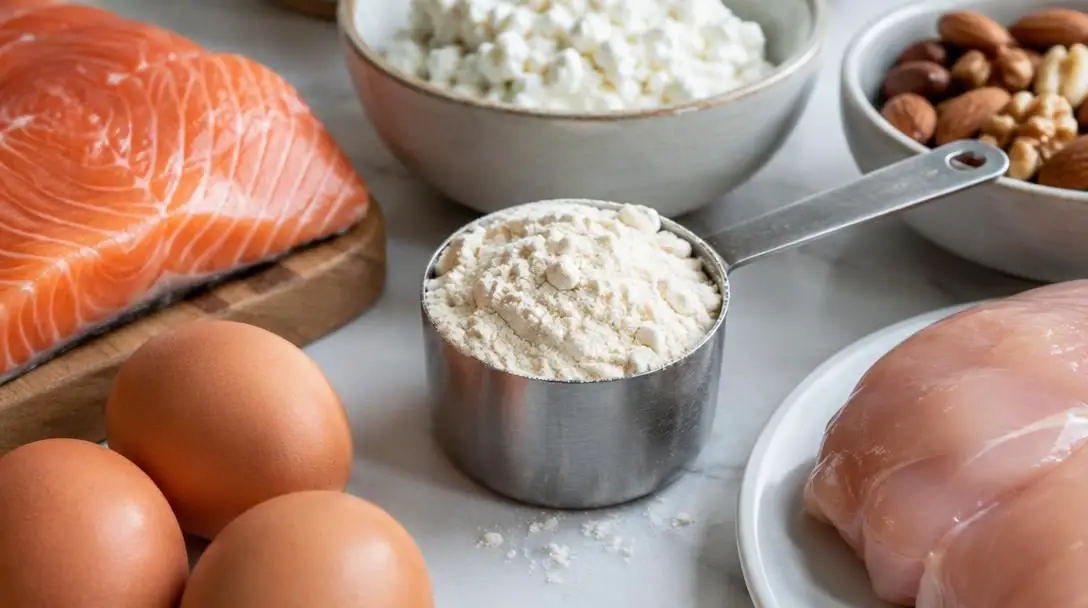
A primary risk involves the accumulation of uric acid, a natural byproduct generated during the breakdown of purines, which are compounds found in particularly high concentrations within meat and animal tissues. While healthy metabolic systems filter and excrete this compound through urine, individuals predisposed to renal distress or metabolic clearance issues face immediate danger. Elevated uric acid crystallizes in the joints to cause agonizing flares of gout, or precipitates within the urinary tract to form excruciating kidney stones. Anyone who has endured either condition understands the severe physical agony caused by these metabolic imbalances.
In extreme scenarios where an individual severely restricts fats and carbohydrates while consuming almost exclusively lean protein, the body can enter a dangerous physiological state known as protein poisoning. Because the liver has an upper limit on how quickly it can synthesize urea from deaminated amino acids, surviving on lean protein without non-protein energy sources starves the body of essential metabolic fuel. Without sufficient dietary fats or carbohydrates to meet ongoing caloric demands, the system suffers severe digestive distress, systemic toxicity, chronic illness, and, in uncorrected cases, even death.
Pushing protein consumption beyond biological thresholds without adequate carbohydrates and fats creates metabolic strain rather than enhanced physical performance.
Clinical reality: high-protein diets and weight loss
Advocates of high-protein, low-carbohydrate protocols routinely claim that these regimens offer a superior mechanism for shedding body fat and maintaining a healthy weight over time. However, rigorous clinical evaluation demonstrates that these protocols behave much like any other fad diet that came before them.
According to Dr. Ananya Mandal, the high-protein, low-carbohydrate approach has largely failed to deliver on its extraordinary promises. In one significant study evaluated by Dr. Mandal, researchers tracked participants over the course of six months to determine whether elevated protein intake provided a distinct metabolic advantage. The findings revealed that individuals adhering to a high-protein protocol did not achieve any more weight loss than those following other controlled dietary programs. Weight management ultimately remains governed by overall caloric balance and long-term adherence rather than the disproportionate consumption of a single macronutrient.
Determining your actual protein requirements
Establishing an appropriate daily protein target requires looking at baseline biological variables, including your total caloric intake, current body weight, and chronological age. Mainstream health guidelines define a clear, evidence-based acceptable macronutrient distribution range to protect against both deficiency and overconsumption.
On a proportional basis, protein should comprise between 10 percent and 35 percent of your total daily calories. Consuming less than 10 percent risks structural and immune deficiencies, while exceeding 35 percent places an unnecessary burden on renal and hepatic filtration systems while crowding out essential micronutrient-rich carbohydrate and fat sources.
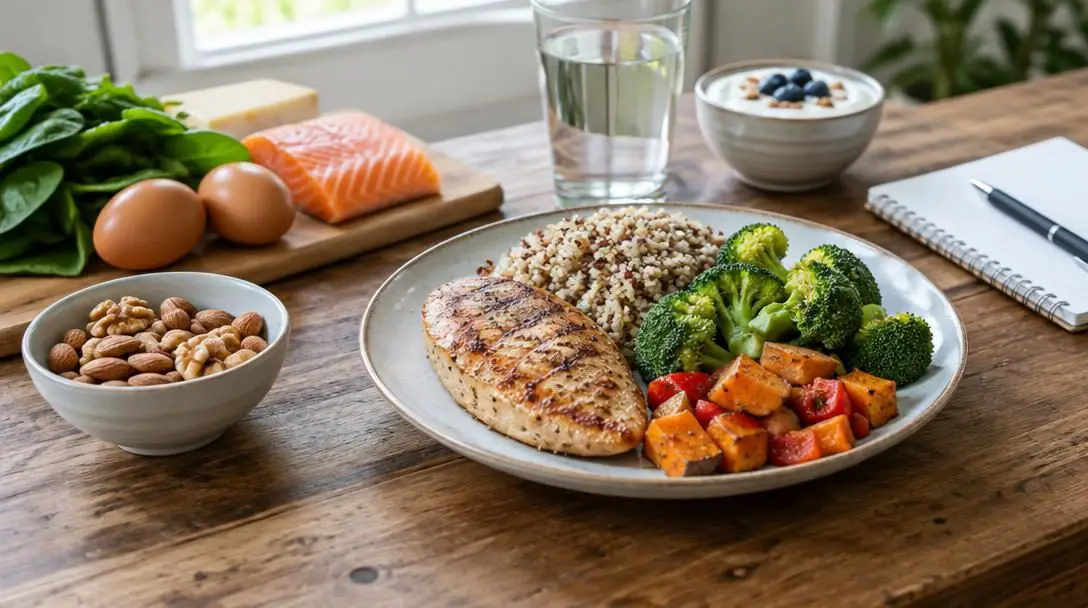
Beyond caloric percentages, daily targets must be calibrated against body mass and adjusted across the lifespan to account for shifts in muscular physiology:
| Demographic or Guideline | Recommended Intake Ratio | Sample Daily Target (200-lb Adult) | Primary Physiological Purpose |
|---|---|---|---|
| Adults under age 40 | 0.4 g/lb (0.8 g/kg) | 80 grams | Baseline cellular maintenance and tissue repair |
| Adults over age 40 | 1.2 g/kg (approx. 0.54 g/lb) | 109 grams | Counteracting natural age-related muscle loss (sarcopenia) |
| Minimum dietary floor | 10% of total daily calories | Varies by caloric intake | Preventing basic amino acid deficiencies |
| Maximum safe ceiling | 35% of total daily calories | Varies by caloric intake | Preventing metabolic overload and excess uric acid |
For younger adults under the age of 40, the standard baseline of 0.4 grams per pound of body weight (0.8 grams per kilogram) provides ample amino acids for structural maintenance. Under this formula, a 200-pound individual requires approximately 80 grams of protein daily. However, once an individual passes 40 years of age, the rate of natural muscle breakdown increases. To actively counteract this progressive loss of lean tissue, nutritionists recommend raising daily intake to 1.2 grams per kilogram of body weight, ensuring older adults maintain skeletal strength and functional mobility.
Steps to balance your daily protein intake
Achieving an optimal nutritional balance does not require complex formulas, expensive protein powders, or an exclusive diet of animal flesh. Following a methodical, practical series of steps helps keep your daily intake safe, effective, and sustainable.
- Calculate your specific baseline target using your current body weight and age bracket. If you are under 40, multiply your weight in pounds by 0.4 (or weight in kilograms by 0.8), giving an 80-gram target for a 200-pound adult. If you are over 40, convert your weight to kilograms and multiply by 1.2.
- Assess your total daily caloric distribution to ensure that your targeted protein grams fall comfortably within the safe window of 10 percent to 35 percent of overall energy intake.
- Incorporate reliable whole-food staples into your weekly routine, choosing modest portions of diverse meats, poultry, and whole eggs rather than consuming oversized servings at every meal.
- Preserve balanced proportions of dietary fats and complex carbohydrates in every meal, providing the essential non-protein energy fuels needed to avoid metabolic strain and prevent protein poisoning.
- Scrutinize packaged food labels critically, evaluating the comprehensive ingredient list and total nutritional values rather than buying processed snacks simply because high protein is advertised on the front.
Common dietary pitfalls to avoid
Because modern fitness marketing promotes hyper-elevated protein consumption, everyday consumers regularly fall into counterproductive habits. Avoiding these widespread missteps helps protect your long-term health while saving money on unnecessary dietary supplements.
- Relying on advice from armchair nutritionists: Following casual locker-room guidance or internet influencers often leads to consuming two to three times the protein biologically necessary, creating metabolic waste without additional physical benefits.
- Eliminating carbohydrates and healthy fats: Stripping meals of non-protein macronutrients starves the body of critical metabolic fuels, placing unnecessary strain on internal organs and increasing the risk of chronic health complications.
- Overlooking personal medical risk factors: Adopting high-protein, meat-centric diets without considering a personal history of kidney stones or gout can trigger agonizing symptom recurrences caused by elevated uric acid.
- Expecting effortless weight loss miracles: Assuming high-protein regimens naturally produce dramatic fat reduction contradicts clinical trials, which demonstrate that these diets perform no better than other structured approaches over six-month periods.
- Failing to adjust intake after age 40: Neglecting to increase protein intake to 1.2 grams per kilogram after age 40 leaves the body poorly equipped to resist natural, age-related muscle decline.
Frequently asked questions
Can eating too much protein damage healthy kidneys?
While healthy kidneys are remarkably adept at filtering normal metabolic byproducts, consuming extreme quantities of protein—especially above the 35 percent caloric threshold—forces the renal system to process excessive volumes of urea and uric acid. For individuals predisposed to kidney stones or preexisting renal dysfunction, this elevated workload and uric acid concentration can trigger acute, excruciating stone formation and clinical complications.
Why do older adults need more protein than younger adults?
As the human body ages past 40, it naturally begins to lose lean muscle tissue at an accelerated rate, a process known as age-related muscle loss. To stimulate muscle protein synthesis and counteract this progressive degradation, nutritionists recommend that adults over 40 increase their daily intake from the baseline 0.8 grams per kilogram up to 1.2 grams per kilogram of body weight.
What exactly is protein poisoning?
Protein poisoning is an acute physiological crisis that develops when an individual consumes an extreme diet composed almost entirely of lean protein while severely lacking carbohydrates and fats. Because the human liver has an upper limit for processing nitrogenous waste without non-protein calories for energy, the body enters severe metabolic distress, which can lead to chronic illness or death if left uncorrected.
How many grams of protein does an average 200-pound adult need?
For an adult under the age of 40 weighing 200 pounds, standard nutritional guidance recommends consuming approximately 0.4 grams of protein per pound of body weight, which totals 80 grams per day. If that same 200-pound individual is over the age of 40, their daily requirement shifts to 1.2 grams per kilogram (around 109 grams per day) to support muscle retention.
Are high-protein diets more effective for sustained weight loss than other diets?
Clinical observation does not support the claim that high-protein, low-carbohydrate diets are superior for lasting weight management. In a six-month study evaluated by Dr. Ananya Mandal, participants following high-protein protocols lost no more weight than individuals adhering to other controlled dietary plans, demonstrating that extreme macronutrient skewing provides no unique fat-loss advantage.
The bottom line
Protein is an essential dietary component that plays an irreplaceable role in repairing muscle fibers, synthesizing vital enzymes, and preserving physical resilience. However, elevating this macronutrient above all others ignores the biological reality of human digestion. When consumed in extreme excess, protein offers no added physical advantage, fails to accelerate long-term weight reduction, and introduces serious health hazards ranging from elevated uric acid levels to acute metabolic poisoning.
Rather than chasing commercial food fads or buying into the marketing surrounding protein-fortified snacks, approach your daily meals with proportion and restraint. Calculate your true baseline needs according to your weight and age bracket, maintain your intake comfortably between 10 and 35 percent of your total daily calories, and ensure your plate includes sufficient amounts of carbohydrates and fats. Sustainable health is built upon dietary balance, not single-nutrient obsession.