5 Best Kitchen Gadgets To Save Time
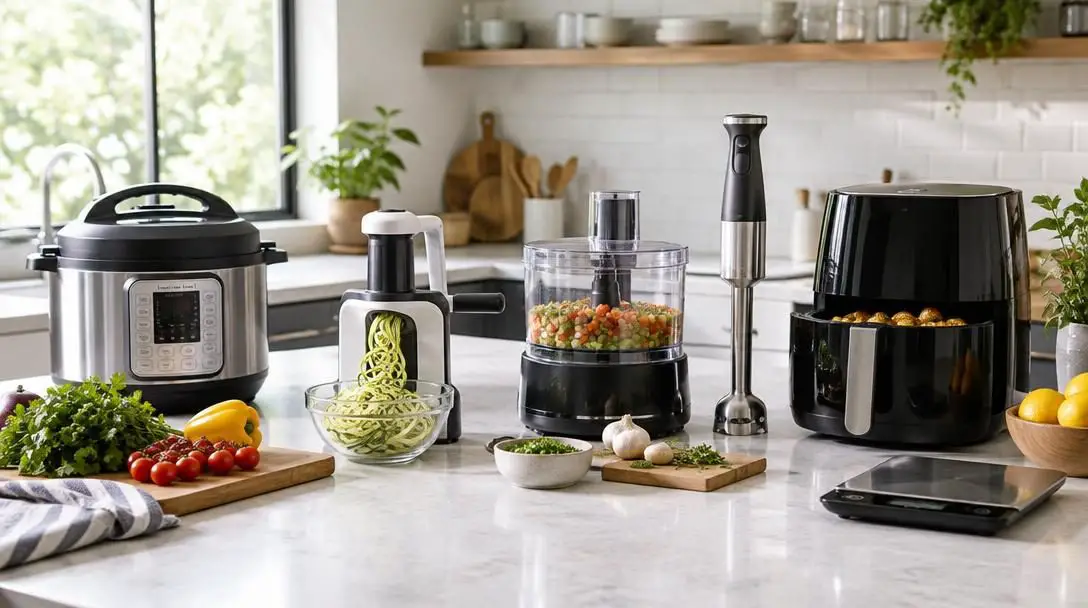
Whether you prepare home-cooked meals every night or simply reheat leftovers, hours can easily disappear inside the kitchen. Daily meal preparation involves far more than just standing in front of a hot stove. From chopping mountains of produce and monitoring slow-heating ovens to wiping down greasy countertops and sweeping stray scraps off the floor, routine kitchen chores steadily consume valuable personal time.
Much of this lost time stems from repetitive manual labor and inefficient workflows. Wrestling with multiple volume-based measuring cups, dragging dull knives through dense vegetables, and pausing to sweep the floor midway through dinner prep all interrupt your culinary momentum. Equipping your workspace with targeted, high-utility tools removes these bottlenecks, allowing you to streamline meal prep and spend less time cleaning up.
Key takeaways
- Upgrading to dedicated kitchen equipment targets specific prep and cleanup bottlenecks to shave significant time off daily meal routines.
- Robotic floor vacuums handle stray vegetable trimmings and crumbs in real time, eliminating post-cooking sweeping chores.
- Maintaining sharp knives and using a digital food scale speeds up prep while drastically reducing the number of dirty dishes you produce.
- Multi-functional appliances like air fryers, pressure cookers, and food processors condense hours of slow heating and tedious hand chopping into minutes.
At a glance: time-saving kitchen tools
Each essential gadget targets a distinct stage of food preparation, from raw ingredient staging to post-meal cleanup. The following overview compares how these five tools optimize kitchen efficiency:
| Kitchen Gadget | Primary Kitchen Role | Key Time-Saving Mechanism | Manual Task Eliminated |
|---|---|---|---|
| Automatic Vacuum (Roomba) | Floor maintenance | Autonomous background debris navigation | Manual sweeping and dustpan cleanup |
| Quality Knives & Sharpener | Precision slicing and dicing | Frictionless cutting edge maintenance | Slow sawing through dense ingredients |
| Digital Food Scale | Ingredient portioning | Instant mass calculation with tare reset | Washing separate liquid and dry measuring cups |
| Air Fryer / Instant Pot | Rapid cooking and baking | Concentrated air circulation and steam pressure | Lengthy preheating and slow boiling times |
| Versatile Food Processor | Heavy-duty ingredient breakdown | High-torque automated blades and discs | Hand-grating cheese, kneading dough, and bulk chopping |
The 5 best kitchen gadgets to speed up mealtime
Modern kitchen tools do not need to be overly complicated to make a massive impact on your daily routine. By investing in appliances and implements that automate physical effort, you can transform mealtime from a drawn-out chore into a swift, organized process.
Automatic Vacuum (Roomba)

- Primary function: Autonomous floor debris removal
- Key benefit: Operates quietly during cooking sessions
- Debris handled: Bread crumbs, vegetable bits, and dry kitchen trimmings
While many households delegate robotic vacuums like the Roomba to living room carpets or bedroom corridors, these automated cleaners provide immense utility on kitchen tile and hardwood floors. During intensive meal prep, chopping a wide assortment of produce inevitably leads to onion peels, herbs, and stray vegetable trimmings tumbling over the counter edge and onto the floor below.
Instead of halting your culinary rhythm to hunt down a broom and dustpan, an automatic floor vacuum patrols the kitchen floor while you work. Running the vacuum in the background keeps your focus entirely on food assembly and seasoning. By the time you sit down to eat, the machine has already collected dry crumbs and food debris, crossing floor cleaning entirely off your evening to-do list.
Good Knives (and Sharpener)
- Primary function: Swift, effortless slicing and portioning
- Companion tool: Dedicated knife sharpener
- Prep advantage: Glides cleanly through dense produce and raw meats
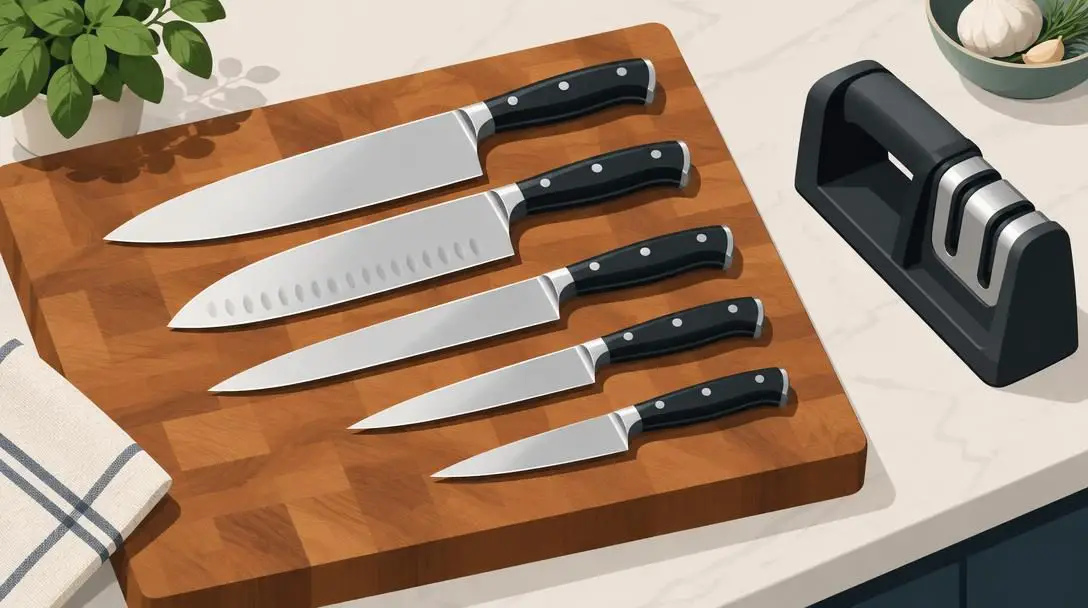
A set of high-grade kitchen knives is widely regarded as the cornerstone of any efficient home kitchen. Giving a set of truly exceptional chef knives to a home cook can bring tears of joy, as the upgrade immediately eliminates the physical drag and frustration associated with food preparation. Premium cutlery maintains a fine, durable edge that glides effortlessly through hard winter squashes, fibrous root vegetables, and thick cuts of meat.
However, even the finest steel blade loses its keen edge after weeks of slicing against cutting boards. That makes an affordable, easy-to-use knife sharpener an indispensable companion tool. Dull blades crush rather than slice, slowing down your work and forcing you to exert dangerous extra force. Running your blades through guided sharpening slots periodically guarantees that every chop remains rapid, clean, and safe.
Digital Food Scale
- Primary function: Precise mass and portion measurement
- Displaced tools: Nested measuring cups and measuring spoons
- Secondary benefit: Accurate calorie and nutrition tracking
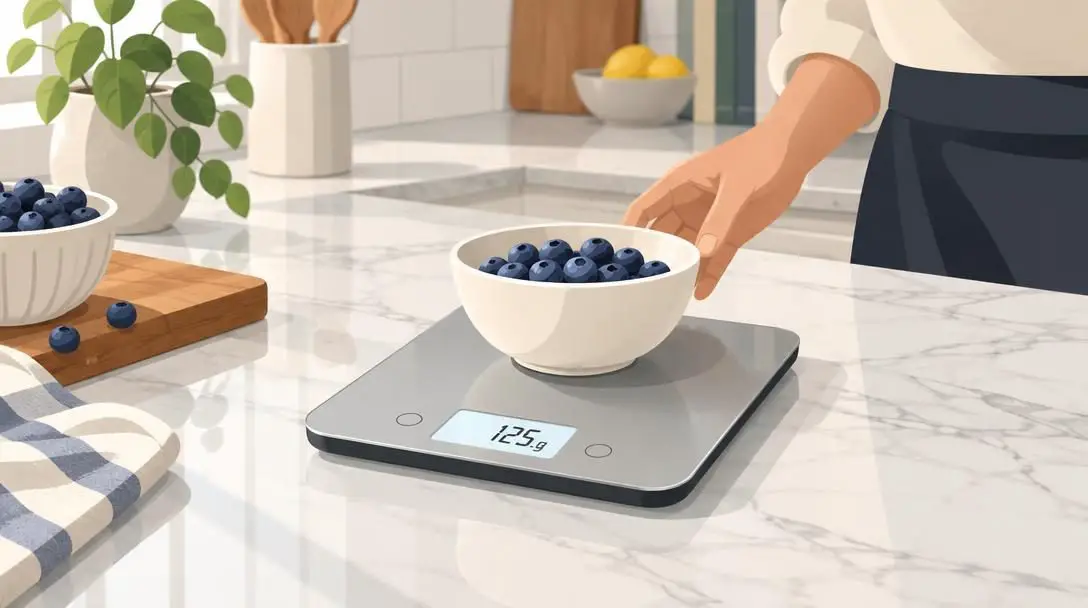
Relying on rough visual guesswork when measuring ingredients often yields inconsistent cooking results, resulting in undercooked cuts of meat or dry, unbalanced baked dishes. Attempting to measure solid foods, such as butter, ground meats, or chopped vegetables, using standard volume-based measuring cups is tedious and messy.
A compact digital food scale eliminates culinary guesswork by providing accurate measurements down to the gram or ounce. Placing a prep bowl directly onto the scale platform allows you to use the tare function, which resets the counter to zero before you introduce each new ingredient. This single-bowl approach ensures exact portions for consistent recipe execution, aids in precise nutritional tracking, and dramatically reduces the number of dishes piling up in your sink.
All-in-One Air Fryer / Instant Pot
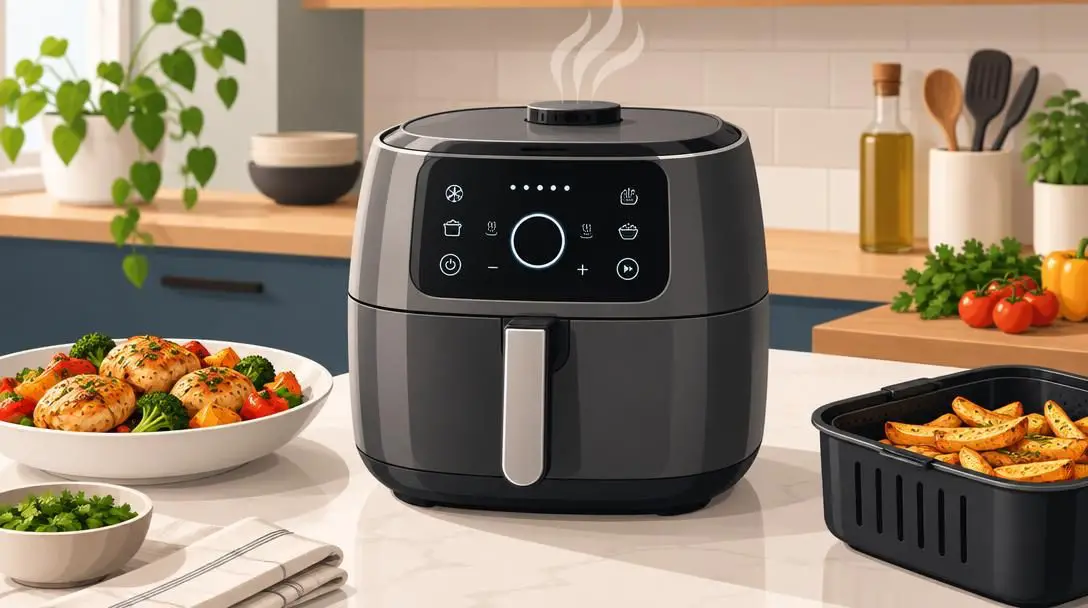
- Primary functions: Broiling, baking, reheating, dehydrating, and pressure cooking
- Heat technology: Rapid forced-air convection and high-pressure steam
- Time savings: Eliminates long oven preheat cycles and cuts simmering times
When air fryers initially entered the consumer market, early reviews frequently dismissed them as glorified tabletop convection ovens. Over time, however, these compact appliances have proven to be among the most versatile and reliable cooking tools available. Modern air fryers go far beyond frying frozen snacks; they can broil meats, bake small pastries, dehydrate fruits, and reheat leftovers with a crisp texture that microwaves cannot match.
Alongside the air fryer, an Instant Pot offers complementary rapid-cooking power by using pressurized steam to soften tough fibers and cook dry grains in minutes. Whether you choose one of these standalone devices or incorporate both into your meal rotation, you bypass the drawn-out preheat cycles of full-sized conventional ovens. Foods cook through rapidly and evenly, allowing you to produce complete dinners on tight weeknight schedules.
Targeting specific kitchen bottlenecks with functional tools eliminates repetitive manual labor and frees up meaningful time outside of everyday cooking.
Versatile Food Processor
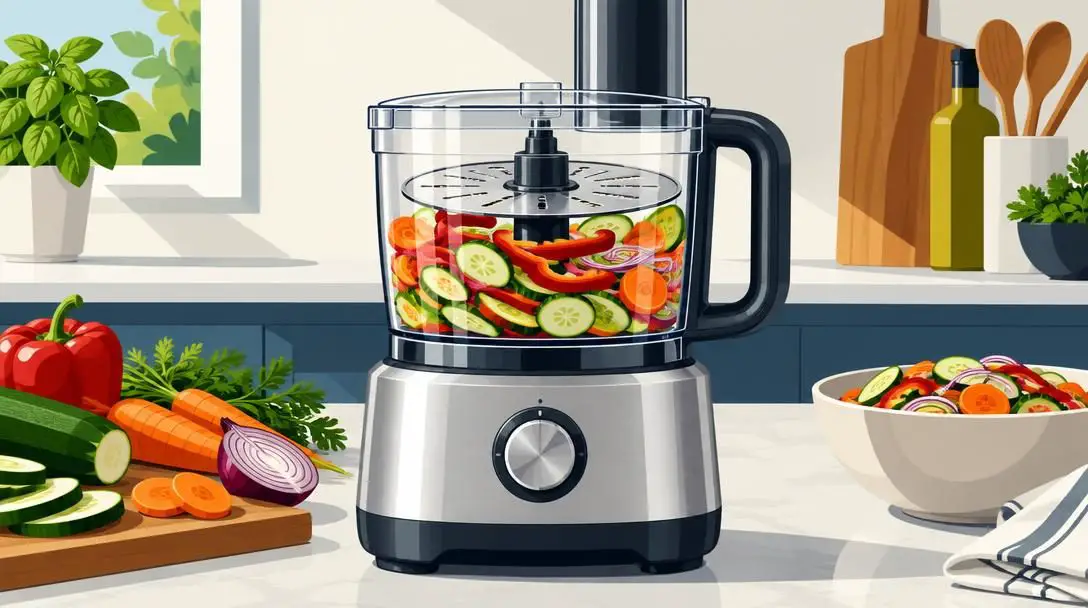
- Primary function: High-volume slicing, shredding, and mixing
- Approximate entry cost: Around $100 for a quality model
- Distinct capabilities: Kneading dough, grating hard cheeses, and pureeing
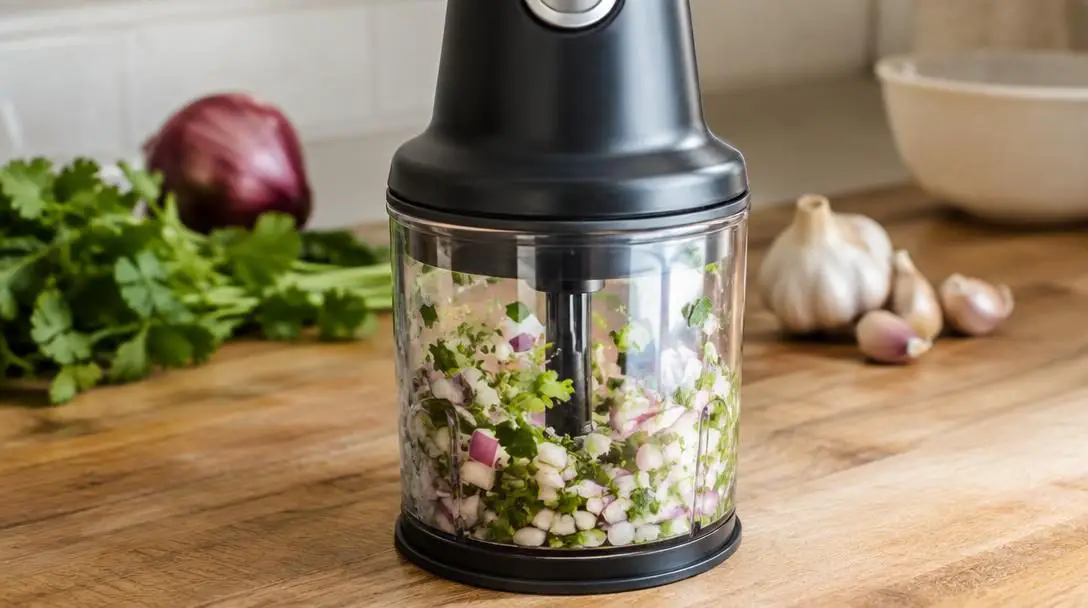
Many home cooks mistakenly treat food processors and standard blenders as interchangeable tools, but their internal mechanics and functional designs differ substantially. While blenders excel primarily at pureeing liquids, a sturdy food processor is engineered to tackle dense, heavy-duty culinary prep tasks without stalling.
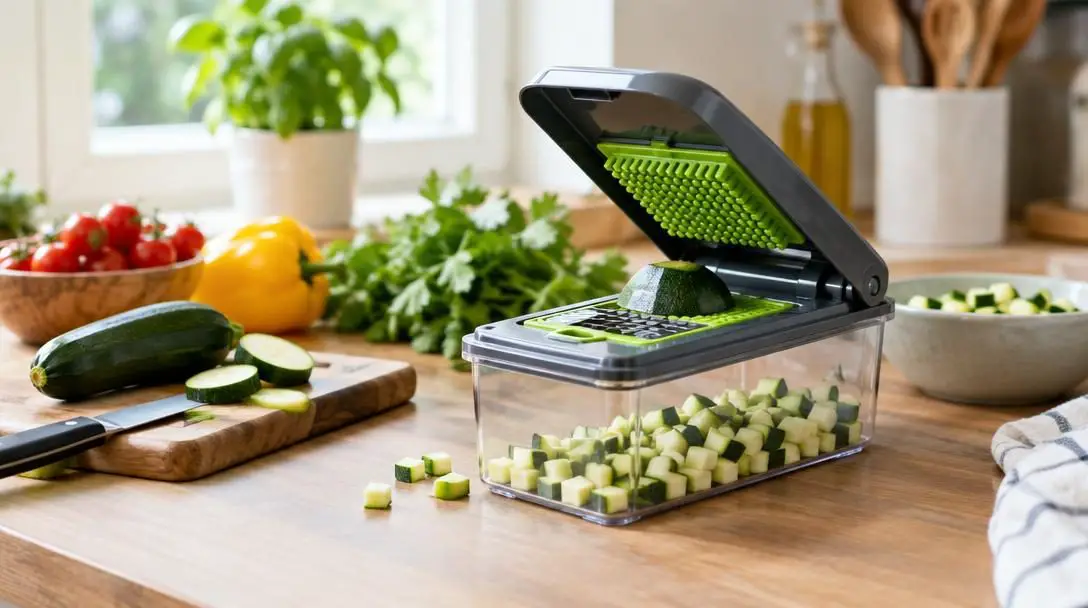
A high-quality food processor, which can typically be purchased for around $100, serves as a mechanized sous-chef for anyone looking to reduce manual knife work. Equipped with specialized spinning discs and multi-level blades, the machine can grate whole blocks of cheddar cheese, knead dense bread dough, puree thick dips, and blend smoothies in mere seconds. Automating these labor-intensive tasks frees up physical energy and cuts long ingredient preparation lists down to manageable proportions.
The internal mechanics: how these tools speed up your cooking
The time-saving benefits of these five kitchen gadgets are rooted in mechanical and operational design. Understanding how each device operates highlights why they outperform traditional, manual kitchen methods:
- Autonomous obstacle sensing: Robotic vacuums utilize integrated floor sensors to map room perimeters, sweeping up dropped crumbs and produce scraps continuously so you never have to pause meal assembly for floor care.
- Low-friction blade geometry: Honed chef knives maximize surface contact pressure, parting dense vegetable cell walls cleanly with minimal downward force and zero dragging.
- Instant electronic mass sensors: Digital scales instantly calculate the downward gravitational pull of ingredients, bypassing volume calculations and eliminating the need to wash measuring containers.
- High-velocity convection fans: Air fryers house heating coils inside an ultra-compact chamber paired with an overhead fan, sweeping superheated air directly across ingredient surfaces to cook food in half the time of an oven.
- Trapped pressure dynamics: Electric pressure cookers lock in moisture, raising the internal boiling point of water and forcing thermal energy deep into meats, beans, and grains almost instantaneously.
- High-torque electric motors: Food processors convert direct electrical current into intense rotational force, using specialized grating discs to shred dense blocks of food faster than any human hands could accomplish.
Practical steps to integrate new gadgets into your routine
Purchasing modern kitchen tools is only the first step; integrating them thoughtfully into your everyday setup ensures they actually save time rather than gathering dust in your cupboards.
- Designate dedicated counter space: Position your air fryer, food processor, and knife block within arm's reach of your primary prep area so you do not have to haul heavy appliances out of deep base cabinets.
- Clear floor pathways for the vacuum: Before you begin chopping produce, pick up floor rugs or pet bowls so your automated vacuum can patrol around the counters without getting caught on obstacles.
- Weigh ingredients directly inside prep bowls: Set your mixing bowl onto the digital scale before beginning, zeroing out the reading with the tare button between every ingredient addition to keep your measuring cups clean in the drawer.
- Establish a regular knife maintenance routine: Keep your sharpener right beside your cutting board, running your primary prep blades through the abrasive slots regularly to preserve a effortless cutting edge.
- Delegate bulk processing to the machine: Whenever a recipe requires more than two cups of grated cheese, shredded cabbage, or sliced vegetables, use the food processor discs instead of doing the work by hand.
Common mistakes that waste kitchen time
Even the most advanced kitchen technology can create delays if used improperly. To preserve the time-saving advantages of your appliances, avoid these common operational pitfalls:
- Overcrowding the air fryer basket: Packing ingredients too tightly stops superheated air from circulating between pieces, leaving food soggy and significantly prolonging the cooking duration.
- Continuing to use dull cutlery: Working with unsharpened knives slows down prep work and increases the risk of the blade slipping on slick vegetable skins.
- Estimating weights rather than using the scale: Eyeballing food portions can throw off cooking times and dry out expensive proteins, forcing you to adjust or discard dishes.
- Using a blender for dense processing tasks: Attempting to knead dough or shred block cheese in a standard blender strains the motor and produces inconsistent textures.
- Directing automated vacuums over wet spills: Sending a dry vacuum over grease puddles or wet sauces will spread the mess and require an extensive cleaning of the vacuum's rollers.
- Letting dirty attachments sit unrinsed: Allowing dough or cheese shreds to dry inside food processor bowls and blades turns cleanup into a labor-intensive chore; rinse attachments immediately under warm running water.
Frequently asked questions
Can an air fryer completely replace a traditional oven?
An air fryer can replace a full-sized oven for small-to-medium everyday meals, side dishes, and reheating tasks. Because of its compact heating chamber, an air fryer bakes, broils, and crisps food much faster without requiring a lengthy preheating cycle. However, a traditional oven remains necessary when cooking large roasts, whole poultry, or baking multiple sheet pans simultaneously.
Is a food processor really necessary if I already own a blender?
Yes, because both appliances serve fundamentally different culinary roles. Standard blenders are designed with narrow jars and high-speed blades intended to vortex and liquefy ingredients like smoothies and soups. In contrast, a food processor features a wider work bowl, high-torque motor, and interchangeable discs designed specifically to shred cheese, slice firm vegetables, and knead heavy doughs without stalling.
How does using a food scale save cleanup time?
A digital food scale saves cleanup time by virtually eliminating the need for measuring cups and spoons. By setting your cooking vessel directly onto the scale and using the tare button to reset the weight to zero between ingredients, you can measure dry goods, liquids, and solid meats inside a single container, keeping your sink free of dirty dishes.
How often should I sharpen my everyday kitchen knives?
Home cooks should maintain their everyday blades on a regular basis using a handheld or countertop knife sharpener whenever the blade begins to catch or slip against tomato skins. Frequent, light maintenance keeps the edge razor-sharp, allowing you to slice through dense produce quickly and safely without applying excessive pressure.
Will an automated vacuum work effectively on kitchen floors?
An automated vacuum works exceptionally well on kitchen floors to clean up dry debris, including bread crumbs, dried spices, and chopped vegetable scraps dropped during meal preparation. However, you should avoid running the vacuum across wet liquid spills or sticky messes, as moisture can foul the internal filters and sweeping brushes.
The bottom line
Streamlining the hours you spend cooking does not require complex culinary training or high-end commercial appliances. By identifying the specific bottlenecks in your current meal routine—whether that means tedious vegetable preparation, slow oven cooking, messy measuring cups, or post-dinner floor cleaning—you can target the problem with the right tool. Introducing an automatic vacuum, a set of sharp knives, a digital scale, an all-in-one cooker, or a food processor removes manual friction, giving you back valuable time every single day.