Cooking Rice: 5 Essential Tips You Need To Know
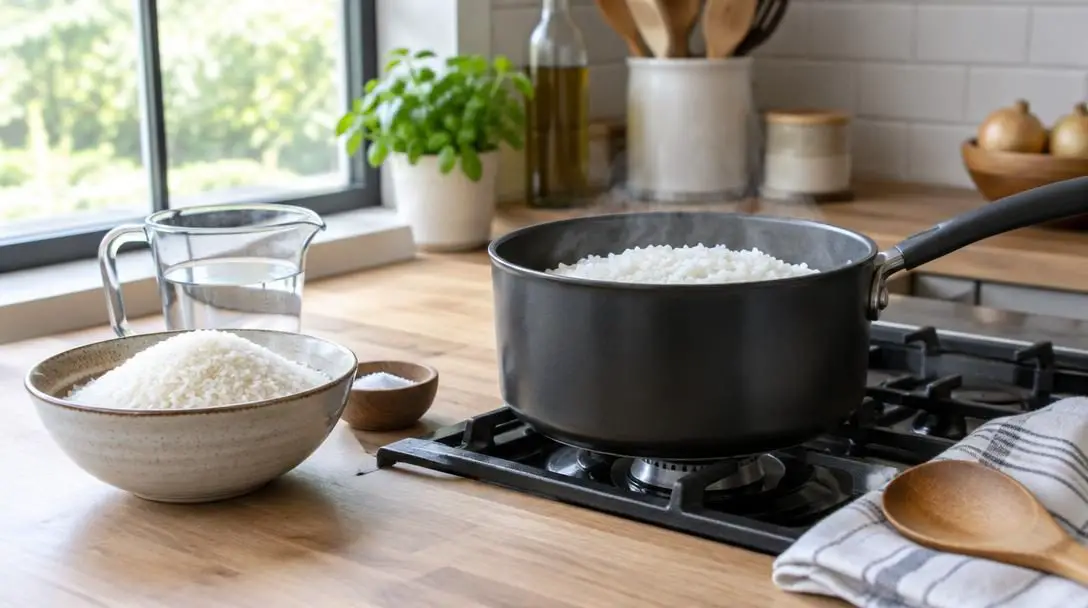
Rice is widely recognized as one of the most popular, dependable, and heavily consumed staple foods across the globe. It provides a filling and nutritious foundation for daily meals, boasts exceptional versatility across culinary traditions, and remains remarkably affordable for households of all economic backgrounds. Global consumption numbers demonstrate its profound dietary significance: in the United States, the average person eats over 25 pounds of rice per year, whereas in Asia, annual consumption reaches an extraordinary 300 pounds per person.
Despite its presence in everything from soups and stir-fries to baked casseroles and simple side dishes, cooking rice from scratch on the stovetop often poses unexpected challenges. Many home cooks struggle with grains that turn out gummy, soggy, scorched, or unevenly cooked. Fortunately, mastering the preparation of light, distinct, and fluffy rice does not require specialized kitchen gadgets—only a firm grasp of grain science and five fundamental cooking rules.
Key takeaways
- Washing raw rice thoroughly eliminates loose surface starches that otherwise cause grains to turn gummy and clump together.
- Substituting chicken or beef broth for plain water introduces a savory flavor profile while slightly reducing the liquid ratio prevents soggy rice.
- Keeping the pot lid firmly shut during cooking preserves internal heat and steam pressure critical for uniform gelatinization.
- Baking rice in an oven-safe vessel at 375 degrees Fahrenheit provides gentle, surrounding heat that cooks grains evenly without bottom scorching.
- Allowing cooked rice to rest off the heat for 15 minutes before serving lets trapped moisture distribute evenly across the entire pot.
Understanding the science of cooking rice
Cooking rice is an exercise in managing starch chemistry, liquid absorption, and thermodynamic energy. Dry grains are coated in microscopic surface starches generated during harvesting, milling, handling, and packaging. When unwashed grains are dumped straight into hot liquid, these powdery starches dissolve immediately and create a viscous, glue-like paste. This starch suspension coats the grains and causes them to fuse into thick, sticky clumps instead of separating cleanly.
Once submerged in hot cooking liquid, grains undergo gelatinization, a process in which heat breaks down the internal starch structure and allows water or broth to penetrate into the grain core. As moisture is absorbed, the grain swells to several times its original dry dimensions. For gelatinization to occur evenly from top to bottom, steady heat and trapped steam are mandatory. Liquid at the base of the cooking pot warms the lower grains directly, while rising steam carries heat and hydration upward to finish the grains positioned near the surface.
Five essential tips for foolproof rice
Achieving restaurant-quality rice at home comes down to controlling moisture, heat, and surface starch. Incorporating these five foundational techniques into your kitchen routine will transform your results regardless of the recipe.
Always rinse thoroughly
The first mandatory step in preparing rice must always be a meticulous wash under cold running water. Rinsing cleans away the loose, fragmented surface starch that naturally accumulates on the outer layer of the grains during processing and transit. Because starch is the primary factor that causes grains to bind into an unpleasant, dense mass, washing is non-negotiable for fluffy grains. Many cooks stop rinsing too soon; run fresh water through the grains until the runoff shifts from cloudy and milky to completely transparent. There is no such thing as over-rinsing, so wash as thoroughly as possible.
Swap water for rich broth
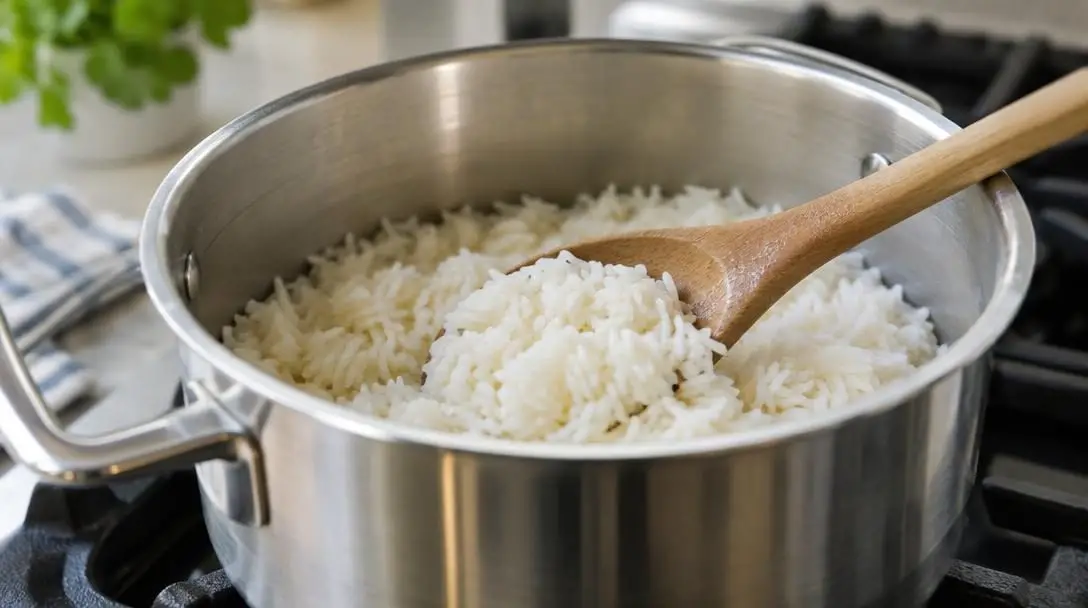
While plain water is essential for the washing stage, your actual cooking liquid can be far more flavorful. Swapping water for chicken broth or beef broth infuses deep, savory notes directly into the grain core without increasing overall prep or cooking times. Broth introduces additional sodium, making it important to balance seasoning throughout the rest of your meal, but the elevated taste is unmatched. Additionally, avoid adhering rigidly to printed liquid ratios on packaging. Because pot dimensions, grain ages, and lid seals fluctuate, no single golden ratio works universally. Leaning toward slightly less liquid than recipes suggest is an effective safeguard against mushy, over-hydrated rice.
Never touch the pot lid
The temptation to lift the pot lid and inspect the rice during simmering is a common pitfall for home cooks. Peeking inside releases the tight column of steam pressure required to gelatinize the upper layers of grains. Every time the seal is broken, internal temperatures drop precipitously, adding considerable time to the cooking process and disturbing the delicate moisture balance. Trust the measurements, keep the pot lid firmly sealed, and let the trapped steam complete its work undisturbed.
Opening the pot allows essential heat and moisture to vanish, disrupting the cooking process and compromising the final texture of the grains.
Embrace your oven for even heat
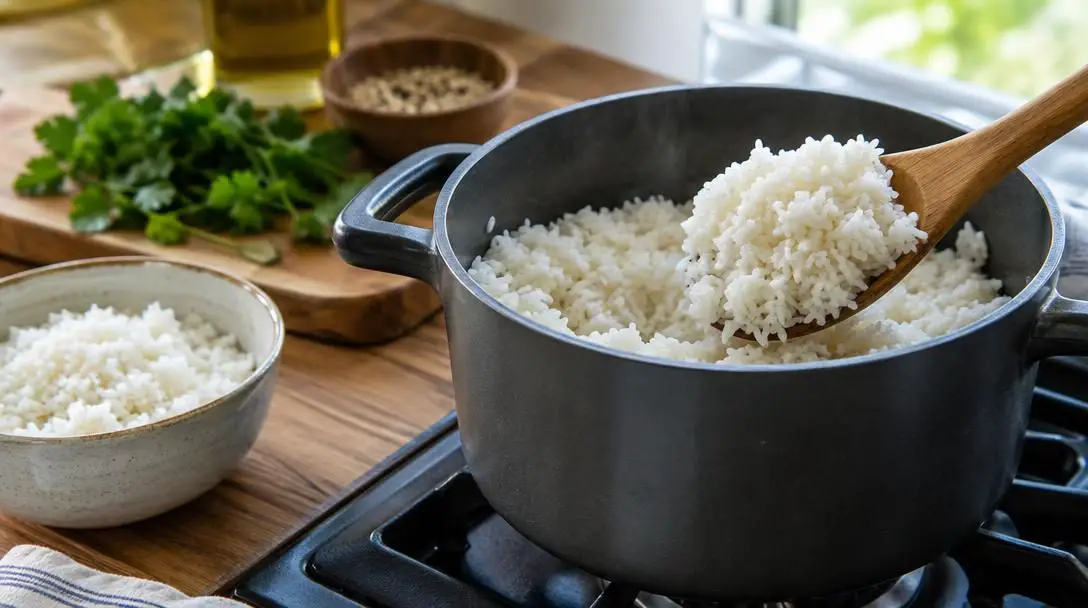
Many cooks believe that dedicated electric rice cookers are the only reliable way to prevent burnt bottoms and undercooked tops. However, your kitchen oven serves as an exceptional alternative. By bringing rice and broth to an active boil on the stovetop, securing a tight-fitting lid, and transferring the vessel into an oven preheated to 375 degrees Fahrenheit, you expose the pot to omnidirectional, ambient heat. For standard white rice, baking for 20 to 25 minutes ensures delicate, uniform fluffiness without hot spots or scorched grain layers.
Let the cooked pot rest before serving
When the cooking timer sounds, the immediate urge is to remove the lid and scoop out hot portions. Resisting this impulse is crucial. Once removed from the heat source or oven, the pot should sit untouched with the lid firmly in place for a full 15 minutes. During this resting phase, moisture trapped inside the chamber migrates outward and redistributes evenly across every tier of the pot. Skipping the rest period leaves bottom grains damp and oversaturated while upper grains remain dry; resting guarantees a uniform, tender consistency.
Comparing stovetop and oven cooking methods
Both stovetop simmering and oven baking produce delicious rice when executed properly. Deciding between them depends on your available cookware, batch size, and kitchen workflow.
| Cooking Method | Primary Heat Source | Target Heat Level | White Rice Cook Time | Primary Advantage |
|---|---|---|---|---|
| Stovetop Simmer | Direct bottom burner | Low heat after boiling | Variable by burner output | Convenient for quick, single-pot preparation |
| Oven Baking | Surrounding ambient air | 375 degrees Fahrenheit | 20 to 25 minutes | Eliminates scorched bottoms via indirect heat |
A foolproof step-by-step cooking method
Executing this technique ensures consistent, high-grade results whether you finish your rice on the stove or inside a preheated oven.
- Measure your desired volume of dry white rice and place it into a fine-mesh strainer or mixing bowl.
- Run cold water continuously over the grains while agitating them with your fingers until the runoff water becomes completely clear.
- Measure out your cooking liquid, opting for savory chicken broth or beef broth in place of plain water, slightly reducing the liquid volume below standard recipe ratios.
- Combine the rinsed grains and broth in an oven-safe pot equipped with a tight-fitting lid, then bring the mixture to a rolling boil over medium-high heat on your stovetop.
- Choose your finishing heat source: for the stovetop, clamp on the lid, lower the burner to low, and leave undisturbed; for the oven method, cover tightly and transfer the pot to a 375-degree Fahrenheit oven for 20 to 25 minutes.
- Remove the pot from the heat source and place it on a cool counter, leaving the lid tightly sealed for a full 15-minute rest period.
- Uncover the pot, fluff the grains gently using a fork or rice paddle, and serve warm.
Common mistakes that ruin home-cooked rice
Avoiding these standard preparation errors will protect your dish from disappointing textures and muted flavors:
- Skipping the rinse cycle: Dumping rice directly into the cooking vessel without washing leaves surface starches intact, guaranteeing a gluey, clumping texture.
- Trusting rigid ratios blindly: Treating printed package liquid guidelines as unchangeable rules often results in excess liquid and waterlogged, mushy grains.
- Lifting the lid to monitor progress: Inspecting the pot lets steam escape, lowering thermal pressure and stalling the gelatinization process.
- Relying exclusively on electric rice cookers: Overlooking the 375-degree oven technique deprives home cooks of a dependable, scorch-free alternative.
- Serving immediately off the burner: Rushing to plate rice without a 15-minute rest leaves the bottom of the pot wet while upper layers remain unevenly hydrated.
- Boiling with plain water: Failing to use rich chicken or beef broth misses a simple opportunity to infuse deep savory flavor throughout the dish.
Key considerations for specialized grains and cookware
Once you have integrated basic rinsing, broth substitution, tight steam management, and rest periods into your cooking habits, consider the technical nuances of your kitchen equipment and grain varieties.
Cookware selection is critical if you adopt the oven-baking technique. The pot, handles, and lid must be fully rated for oven temperatures of 375 degrees Fahrenheit. A heavy Dutch oven or enameled cast-iron vessel with an airtight seal is ideal because it retains heat effectively and prevents steam from escaping around the edges during the 20 to 25 minutes of baking time.
Grain classification also dictates cooking durations and hydration levels. The guidelines detailed here focus directly on standard white rice. Denser, unrefined grains such as brown rice or wild rice retain their bran layers and germ, meaning they demand higher liquid volumes and significantly longer cooking times than white rice. When preparing whole-grain varieties, expect to adjust both baking duration and liquid ratios accordingly while preserving the core techniques of thorough washing, steam retention, and post-cook resting.
Frequently asked questions
Why is rinsing rice before cooking so important?
Rinsing washes away excess surface starch that accumulates on grains during processing and packaging. If left on the rice, this starch dissolves into the hot cooking liquid, creating a thick, gluey coating that makes grains stick together into heavy clumps instead of remaining light and separate.
Can you rinse rice for too long?
No, there is no risk of over-rinsing your rice. You should wash the grains under running cold water until the cloudy, milky runoff becomes entirely clear, ensuring all loose surface starch has been removed.
Why should I cook rice in broth instead of plain water?
Using chicken broth or beef broth infuses the core of the rice grains with rich, savory flavor during the exact same cooking time. While it introduces higher sodium levels that should be accounted for in the broader meal, it creates far more flavorful rice than unseasoned water.
How does the 375-degree oven method prevent burning?
Stovetop burners apply heat solely from the bottom of the vessel, which can scorch lower grains if the flame is too high. An oven set to 375 degrees Fahrenheit surrounds the covered pot with gentle, indirect ambient heat, ensuring uniform cooking across every layer without scorching.
What happens if I skip the 15-minute resting period?
Skipping the rest period prevents trapped steam from redistributing through the pot. As a result, the rice at the bottom remains wet and oversaturated, while the grains at the top are comparatively dry and under-hydrated.
The bottom line
Consistently delicious rice does not require culinary school credentials or expensive specialty appliances. By washing away clumping surface starches, swapping unseasoned water for savory broths, resisting the urge to crack open the lid, leveraging the indirect heat of a 375-degree oven, and allowing the cooked grains to rest for 15 minutes, you can reliably turn out light, fluffy, and flavorful rice for every meal.