The Art of Satisfying Soup: 5 Essential Tips You Need To Know
Almost everyone appreciates a comforting bowl of soup. According to one major survey, 95 percent of Americans stated that they at least like soup, with that same group either loving it outright or eating it on a regular basis. Whether enjoyed as a warm respite on a freezing winter afternoon, served as a light starter before an evening dinner, or sipped as a restorative remedy during an illness, soup remains an enduring staple in culinary traditions across the globe.
Yet, despite this universal admiration, the way people source and prepare soup varies dramatically. While supermarket aisles offer countless pre-packaged and canned varieties, relying on commercial options often sacrifices nutritional balance and depth of flavor. Learning how to cook soup from scratch gives you total command over your ingredients, textures, and seasoning, turning a basic kitchen chore into one of the most accessible and rewarding culinary skills any home cook can develop.
Key takeaways
- Building your own stock from meat, bones, or vegetable trimmings provides a complex, savory foundation that commercial broths cannot replicate.
- Swapping heavy dairy cream for Greek yogurt or almond milk maintains a silky texture while cutting saturated fat and excess calories.
- Staggering ingredients based on density and cooking time prevents delicate vegetables from turning mushy while tough proteins tenderize.
- Preparing an oversized batch stabilizes cooking evaporation, yields versatile leftovers, and lets flavors harmonize overnight in the refrigerator.
Why homemade soup surpasses canned alternatives
Pre-packaged and canned soups have dominated household pantries for generations primarily because they require almost zero preparation. However, commercial convenience comes at a tangible cost. To maintain shelf stability and uniform consistency over months of storage, commercial soup manufacturers regularly rely on heavy processing, artificial thickeners, and excessive amounts of sodium. When you prepare soup at home, you restore the dish to what it was originally intended to be: a wholesome, resource-efficient method for extracting rich flavors and genuine nourishment from modest ingredients.
Making soup is also one of the most forgiving projects in the kitchen. Unlike baking, which relies on strict chemical ratios, precise oven temperatures, and unforgiving timers, soup thrives on creative freedom and intuitive adjustments. It provides an ideal framework for repurposing leftover roasted meats, wilted produce, or pantry grains that might otherwise go to waste. Because the financial stakes and culinary risks are low, crafting a pot of soup offers the ultimate low-pressure environment for beginner home cooks and experienced culinary enthusiasts alike.
Five core techniques for satisfying homemade soup
Transitioning from opening a pre-made can to managing a simmering stockpot might feel intimidating initially, but mastering five fundamental guidelines will ensure consistent culinary success every time you cook.
Stock Up
If you want your soup to display distinctive character and memorable flavor, you must start with a homemade stock. As the cornerstone of your entire recipe, the liquid base determines the overall quality of the dish. Depending on the flavor profile you want to achieve, you can assemble a clean vegetable stock or go big with a rich chicken or beef stock. Simply place your selected bones, trimmings, and aromatics into a pot of water, bring the liquid to a brief boil, cover the pot, and reduce the heat to a gentle simmer.
A homemade stock extracts water-soluble compounds, gelatin, and natural sugars from ingredients over hours of gentle heat. Store-bought broths often taste flat or overly salty, but an authentic homemade base yields an aromatic foundation with genuine body that effortlessly elevates every ingredient added to it.
Skip the Cream
Heavy cream is a frequent addition in traditional soup recipes because it quickly establishes a lush, velvety consistency. However, pouring heavy cream into the pot easily transforms an otherwise wholesome, nutrient-dense meal into an unhealthy one loaded with excess calories and saturated fat. Using heavy cream in a nutritious vegetable soup is comparable to smothering a crisp garden salad in excessive ranch dressing.
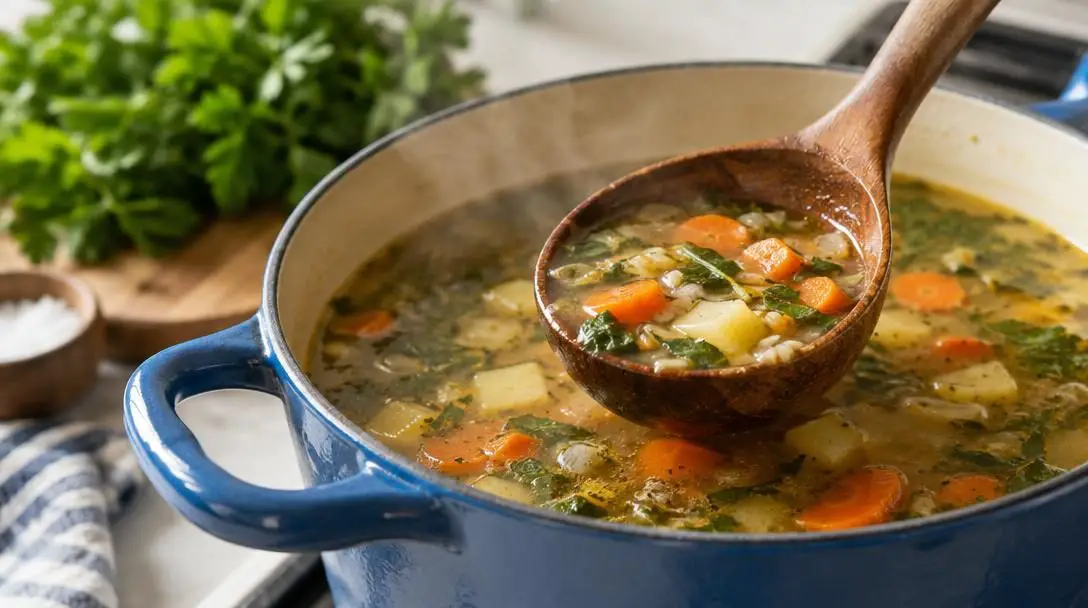
Fortunately, you can achieve that same satisfying consistency by substituting lighter, healthier alternatives such as Greek yogurt or almond milk. Greek yogurt delivers a rich, smooth body coupled with a pleasant, subtle tang that complements earthy roots and legumes. Almond milk offers a lighter way to smooth out a broth without introducing dairy fats. Both options preserve a velvety mouthfeel in chowders and bisques without overpowering the delicate flavors of your main ingredients.
Spice Things Up
Building a signature soup requires looking beyond standard salt and black pepper. While every published recipe offers a specific spice profile, do not hesitate to experiment with herbs and seasonings that you personally love, even if they rarely appear in classic soup recipes. Because making soup is an affordable undertaking with inexpensive ingredients, trying an unconventional spice involves minimal risk.
Warming spices like cumin, coriander, smoked paprika, ground ginger, or subtle chile flakes can instantly transform a routine vegetable or bean soup into a deeply layered masterpiece. Testing new spice combinations expands your culinary repertoire and may lead to a distinct signature dish that becomes a treasured household favorite.
Eyes on the Clock
Cooking soup to perfection requires monitoring your timeline carefully based on the specific densities of your ingredients. Soups containing beef or chicken naturally demand far longer cooking windows than purely vegetarian options because tough animal proteins and connective tissues require extended heat to soften. Timing must also account for vegetable density; hard root vegetables like carrots, potatoes, and parsnips take substantial time to become tender, whereas delicate leafy greens or soft summer squash cook in minutes.
Dumping all your ingredients into the pot simultaneously results in either tough, undercooked meat or pulverized, mushy vegetables. Allowing a rich bone broth or meat base to simmer slowly for several hours yields deep flavor, but fragile produce should only be introduced toward the final stages of the cooking process.
Make Too Much
One of the most practical rules of soup making is to deliberately prepare more than you expect to eat in one sitting. Preparing a generous batch makes temperature and evaporation management significantly easier. In contrast, very small pots of soup tend to lose water rapidly, causing ingredients to cook unevenly and flavors to concentrate prematurely.
Furthermore, soup provides exceptional value as a leftover meal. Freshly prepared soup keeps safely for several days in the refrigerator and preserves beautifully for months when stored in the freezer. Because aromatic compounds and seasonings continue to settle, diffuse, and harmonize after cooking, many soups taste noticeably better on the second or third day than they did straight from the stove.
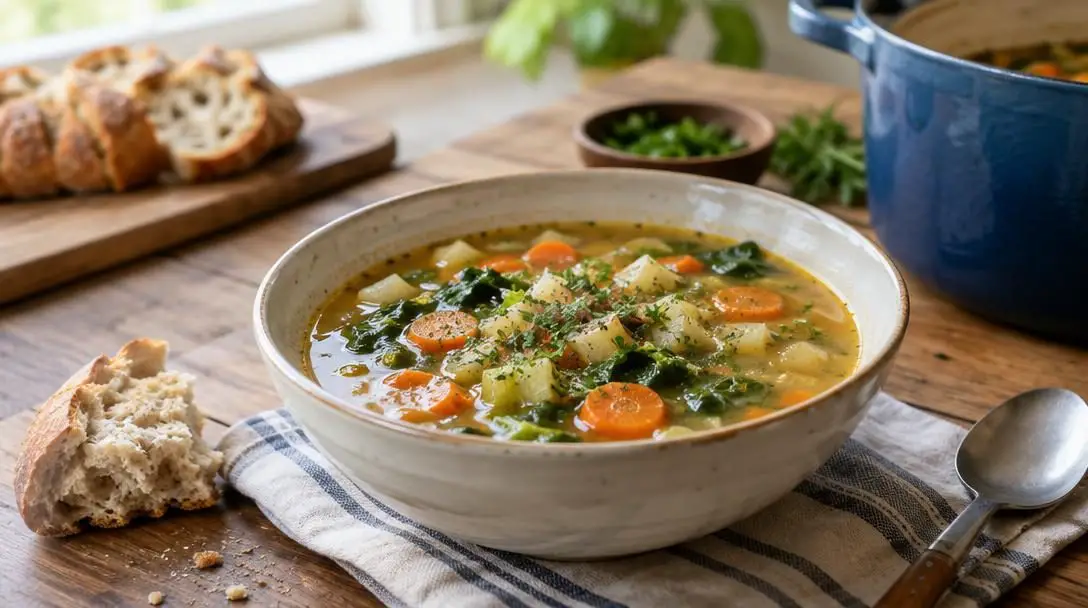
Because soup is an exceptionally forgiving dish where flavors deepen overnight, preparing an abundant pot is one of the most efficient investments you can make in the kitchen.
At a glance: comparing the 5 essential soup techniques
| Technique | Primary Objective | Recommended Approach | Common Pitfall |
|---|---|---|---|
| Stock Up | Establish deep flavor base | Simmer bones or vegetable scraps gently in covered water | Relying exclusively on high-sodium store-bought broths |
| Skip the Cream | Reduce saturated fat and calories | Blend in Greek yogurt or unsweetened almond milk | Masking fresh vegetable flavors with heavy dairy fat |
| Spice Things Up | Build complex aromatic profiles | Introduce unique dry spices and warm seasonings early | Sticking timidly to basic salt and black pepper |
| Eyes on the Clock | Ensure optimal ingredient texture | Stagger additions based on meat and vegetable density | Adding quick-cooking greens at the start of a long simmer |
| Make Too Much | Improve cooking stability and yield | Cook large batches to refrigerate or freeze for later | Making tiny portions that evaporate and concentrate too fast |
The science of flavor and texture in the stockpot
Understanding how heat and liquid interact inside the stockpot demystifies the cooking process, allowing you to troubleshoot and adjust recipes intuitively rather than guessing.
A satisfying soup relies on layers of flavor built in a sequential fashion, beginning with extraction and ending with structural emulsion:
- The liquid foundation: During a prolonged simmer, water dissolves water-soluble flavor compounds from aromatics, meat, and vegetables. Simmering bones and tough cuts of meat gradually breaks down collagen into rich gelatin, which gives the liquid a naturally viscous, luxurious mouthfeel without requiring added starch.
- Texture modification: Silky mouthfeel does not require dairy cream. Cultured dairy like Greek yogurt introduces stable milk proteins that thicken broth without high concentrations of saturated fat, while plant-based almond milk emulsifies easily into purees to provide lightness and fluidity.
- Time-dependent extraction: Heat affects cellular structures differently across ingredient categories. Animal tissues require sustained, gentle simmering to soften muscle fibers. Conversely, plant cell walls contain pectin and cellulose that degrade rapidly; delicate vegetables break down into mush if exposed to high heat for too long.
Step-by-step framework for making soup from scratch
To implement these fundamental principles seamlessly, follow this structured process the next time you step up to your stove.
- Assemble your base ingredients: Decide on the general flavor profile of your soup. If preparing fresh stock, combine your chosen bones, chicken parts, beef trimmings, or vegetable scraps with cold water in a large stockpot. Bring the mixture to a boil, cover with a tight-fitting lid, and reduce the heat to maintain a steady, gentle simmer.
- Organize ingredients by cook time: Group your soup components by density. Trim meats and peel dense root vegetables like carrots, potatoes, and parsnips so they are ready for the first phases of cooking. Set aside tender ingredients, such as peas, leafy greens, or fresh herbs, to add near the end.
- Incorporate spices early: Add dried spices and herbs to the liquid during early stages. Gentle heat extracts their fat-soluble and water-soluble essential oils, allowing aromatic notes to disperse evenly throughout the simmering broth.
- Manage the simmer and timeline: Keep a close eye on the stove and clock. Allow meats and firm vegetables to cook until tender. Avoid aggressive boiling, and hold back soft, quick-cooking vegetables until the final 10 to 15 minutes of cooking.
- Incorporate cream alternatives: If your recipe calls for an opaque, creamy texture, reduce the heat to low and gently fold in your almond milk or Greek yogurt toward the conclusion of cooking. Stir thoroughly to blend the mixture smoothly without letting it reach a rapid boil.
- Portion for today and tomorrow: Ladle out what you plan to eat immediately. Allow the remaining volume to cool down slightly before dividing it into airtight food storage containers. Place containers in the refrigerator for meals over the next few days or transfer them to the freezer for long-term storage.
Critical mistakes to avoid when simmering soup
Even though soup is remarkably forgiving, a few careless kitchen habits can compromise the clarity, texture, and flavor balance of your dish. Be mindful of these common missteps:
- Dumping all ingredients together at the beginning: Combining delicate vegetables with dense meats at the outset ensures that your tender vegetables will disintegrate into baby food long before the meat becomes tender. Staggering additions is essential.
- Boiling vigorously instead of simmering: Subjecting broth to a violent, rolling boil agitates fats and impurities into tiny droplets, leaving the soup cloudy, emulsifying grease, and turning meats stringy and tough.
- Defaulting automatically to heavy cream: Heavy cream masks delicate herbal notes and significantly increases caloric density. Opt for Greek yogurt or almond milk to retain balance and nutritional integrity.
- Cooking miniature batches: Preparing a tiny pot limits the depth of flavor, increases the risk of scorching, and accelerates evaporation, leading to an overly concentrated or salty broth.
- Under-seasoning out of caution: Because soup contains a high volume of water and absorbent vegetables, relying solely on a pinch of salt produces a flat, uninspired dish. Experiment boldly with unexpected spices to discover vibrant flavors.
Long-term kitchen habits: scrap management and freezing
Once you are comfortable with these core principles, you can easily turn soup making into an efficient, weekly household routine. One of the smartest habits you can adopt is keeping a dedicated scrap bag in your freezer. Whenever you chop celery, peel carrots, trim leeks, or slice onions, toss the clean ends, skins, and tops into the freezer container instead of the compost bin. When the bag fills up, dump the frozen scraps into a pot of water to create a batch of homemade vegetable stock at virtually zero additional cost.
Effective freezer management also ensures that your culinary efforts pay dividends for weeks. When freezing finished soup, always leave about an inch of headspace at the top of rigid containers, as liquids expand when frozen. Label each container clearly with the type of soup and the date it was prepared. By maintaining a rotating inventory of frozen soups, you guarantee that a nourishing, homemade meal is never more than a few minutes of reheating away.
Frequently asked questions
Why is homemade stock superior to store-bought broth?
Homemade stock extracts natural gelatin, complex sugars, and deep aromatic compounds directly from slowly simmered ingredients, providing an authentic body and depth that commercial, sodium-heavy packaged broths cannot replicate.
How do Greek yogurt and almond milk replace heavy cream without curdling?
Greek yogurt provides a rich, thick texture along with cultured proteins and a slight tang, while almond milk offers a lighter fluid body. To prevent curdling, stir these alternatives in over gentle heat toward the end of cooking rather than subjecting them to a rapid boil.
Why do meat-based soups take much longer to cook than vegetable soups?
Tough cuts of meat and bones contain dense muscle fibers and connective tissues like collagen that require several hours of gentle heat to soften and break down, whereas vegetables soften rapidly under heat.
How long can I store leftover homemade soup?
Homemade soup keeps safely in the refrigerator for several days. If transferred to airtight, freezer-safe containers, it can be kept in the freezer for extended storage over several months.
Can I add spices to my soup that are not in the recipe?
Yes. Soup is an affordable, flexible culinary undertaking with low financial stakes, making it the perfect platform to experiment with spices you enjoy, even if they are uncommon in traditional recipes.
The bottom line
Making delicious, nourishing soup from scratch does not require professional culinary training or expensive equipment. By committing to a homemade stock, replacing heavy cream with lighter alternatives like Greek yogurt or almond milk, experimenting courageously with your spice rack, minding ingredient cook times, and preparing generous batches, you take complete control over what lands on your table. With these foundational techniques in hand, your stockpot will quickly become one of the most reliable sources of comforting, wholesome meals in your home.