Cooking For A Big Family Event? Here’s Some Advice
Stepping into the role of primary host for a major family gathering is one of the most intimidating milestones in home cooking. Whether you recently moved into a new house that everyone nominated as the holiday venue, or you are taking over the family Thanksgiving tradition for the first time, cooking for a crowd presents challenges that simple weeknight dinners never prepare you for. Before the first dish is even hot, relatives begin filling the living room, guests arrive with differing schedules and enormous appetites, and your uncle is already settled in front of the television repeatedly asking when dinner will be served.
The natural impulse for a first-time host is to attempt culinary perfection: executing every recipe from scratch, timing every hot side dish down to the second, and waiting on every relative by hand. In reality, perfection is an unattainable standard in a crowded house. Unexpected guests drop in, oven real estate runs out, and side dishes get lukewarm while everyone waits on the centerpiece roast. Relieving host anxiety begins with abandoning the fantasy of flawless execution and adopting practical, crowd-tested logistics that keep guests fed, minimize dirty dishes, and allow you to actually enjoy the gathering.
Key takeaways
- Relying on multiple slow cookers frees up critical oven space and keeps food hot for continuous grazing.
- Always deliberately overestimate your food volume to accommodate unannounced guests, late arrivals, and easy take-home leftovers.
- Setting out abundant finger foods and cold veggie platters early satisfies hearty appetites and protects your main courses.
- A self-serve buffet layout eliminates the serving bottlenecks and cold plates caused by traditional individual plating.
- Outsourcing labor-intensive side dishes to your local grocery deli preserves your energy and prevents kitchen burnout.
Core strategies for managing a big family meal
Experienced holiday hosts know that cooking for large groups requires a fundamental shift in strategy. Instead of hovering over a hot stovetop or constantly peeking through the oven window, you need systems that automate cooking temperatures, streamline guest traffic, and spread out the workload across your home. Implementing five foundational tactics will radically reduce stress on the big day.
Rely on slow cookers
Roasting an enormous cut of meat or a whole turkey in the oven might look impressive in holiday magazines, but it is often an anxiety-inducing ordeal. Large roasts command hours of vigilant monitoring, requiring you to open the oven door repeatedly to baste, monitor internal temperatures, and verify that the meat is not drying out or scorching. This hands-on process traps you in the kitchen and monopolizes your oven for the entire afternoon.
Embracing slow cookers—specifically multiple units operating at the same time—transforms the entire dynamic. Slow cookers regulate heat reliably over prolonged periods without demanding your active attention. Just as importantly, their warming functions allow dishes to stay at food-safe, ready-to-eat temperatures all afternoon. Relatives who arrive later in the day can serve themselves piping-hot portions without forcing you to pause conversations to reheat individual dishes in the microwave.
Deliberately cook too much
Nothing deflates a host faster than running short on food halfway through an event, particularly when latecomers arrive hungry. While establishing an initial headcount is necessary for your base grocery run, family gatherings rarely adhere to strict attendance lists. An uncle might arrive with a new romantic partner, or a cousin might arrive with three friends in tow. Attempting to balance portions to an exact headcount is a recipe for panic.
The solution is to deliberately cook too much from the start. Calculating your food volume for a generous buffer ensures that every single person leaves satisfied, regardless of what time they arrive or how many helpings they take. Surplus food is never wasted at a family reunion; having an abundance makes it effortless to pack up leftovers for relatives as they head home.
Prioritize snacks on snacks
At an all-day gathering, guests rarely wait politely for one single scheduled meal. Instead, people graze continuously from the moment they walk through the door until the moment they depart. Rather than fighting this instinct by rushing out complex hot appetizers, satisfy it with continuous, low-effort snack platters.
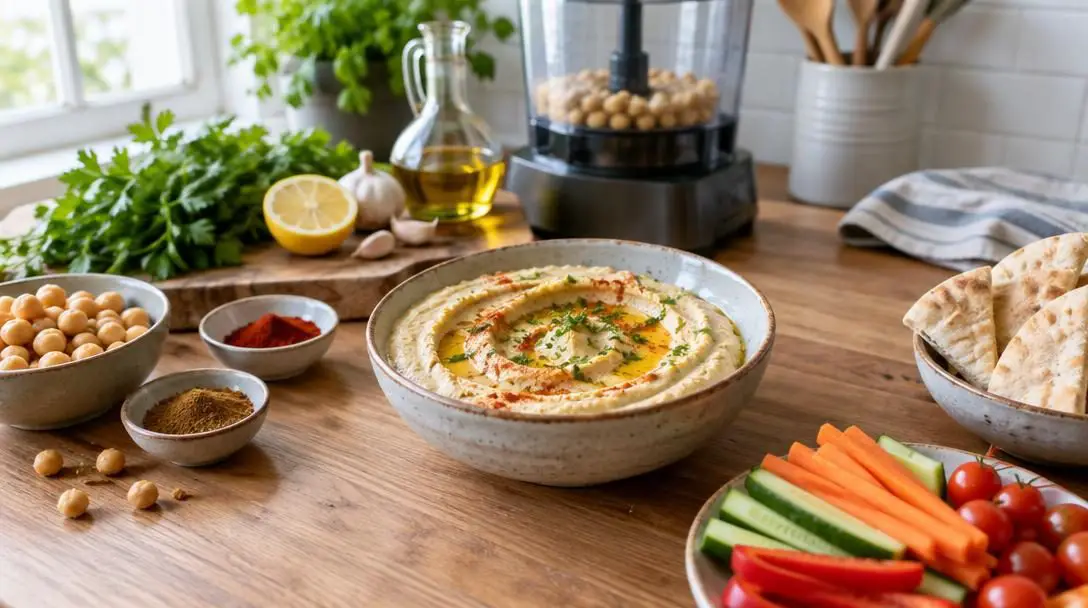
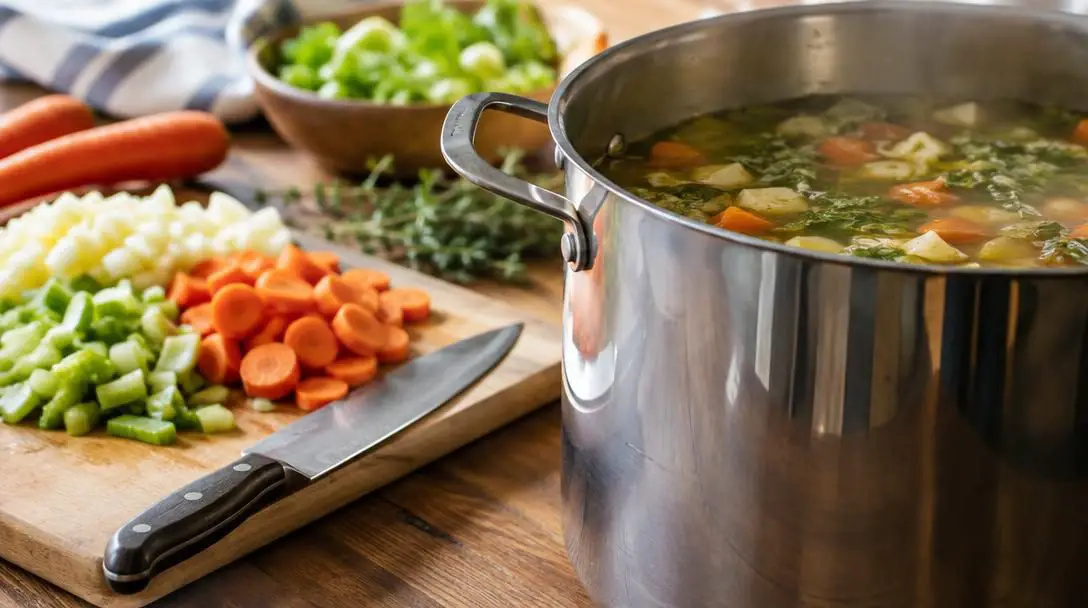
Stocking tables with fresh vegetable trays, assorted dips, and simple finger foods provides an immediate buffer for your kitchen. When guests can nibble on cold snacks early in the day, their initial hunger spikes dissipate, preventing impatient inquiries about dinner. Because grazing guests take the edge off their appetites, they are far less likely to load up on multiple massive helpings of your main entrees, which in turn reduces your overall cooking burden and cuts down on soiled cookware.
Satisfying grazing relatives with simple finger foods takes the pressure off your main courses and leaves far fewer dirty pans in the sink.
Serve buffet style all day
Traditional plated service—where the host stands at the stove, fills individual plates, and sends them out one by one—is an absolute logistical nightmare for a crowd. The first few people served must either eat alone or let their meals turn cold while waiting for the rest of the room, and the host spends twenty frantic minutes serving rather than socializing.
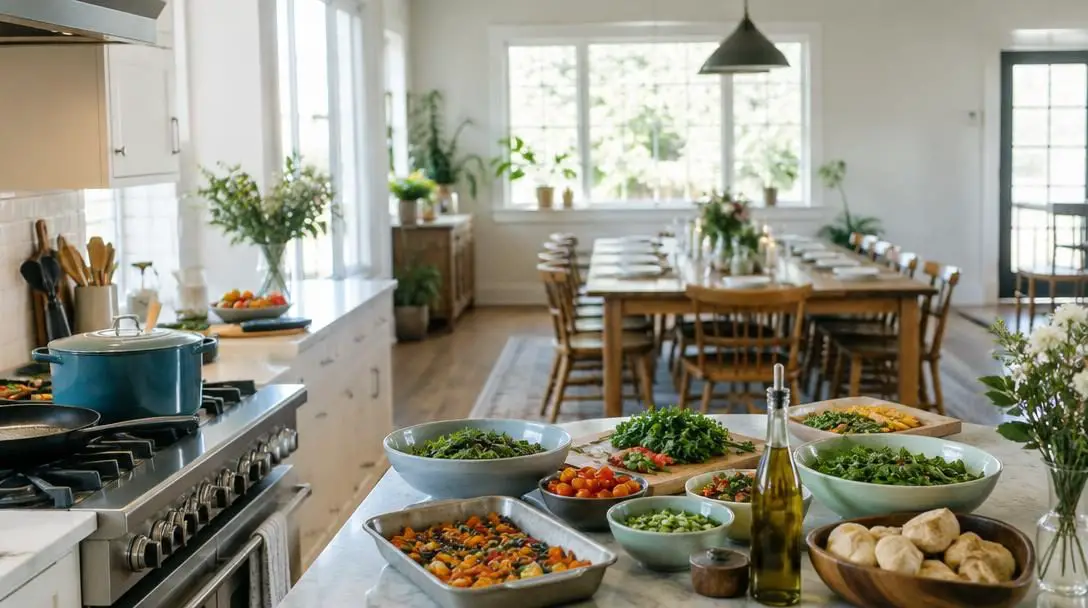
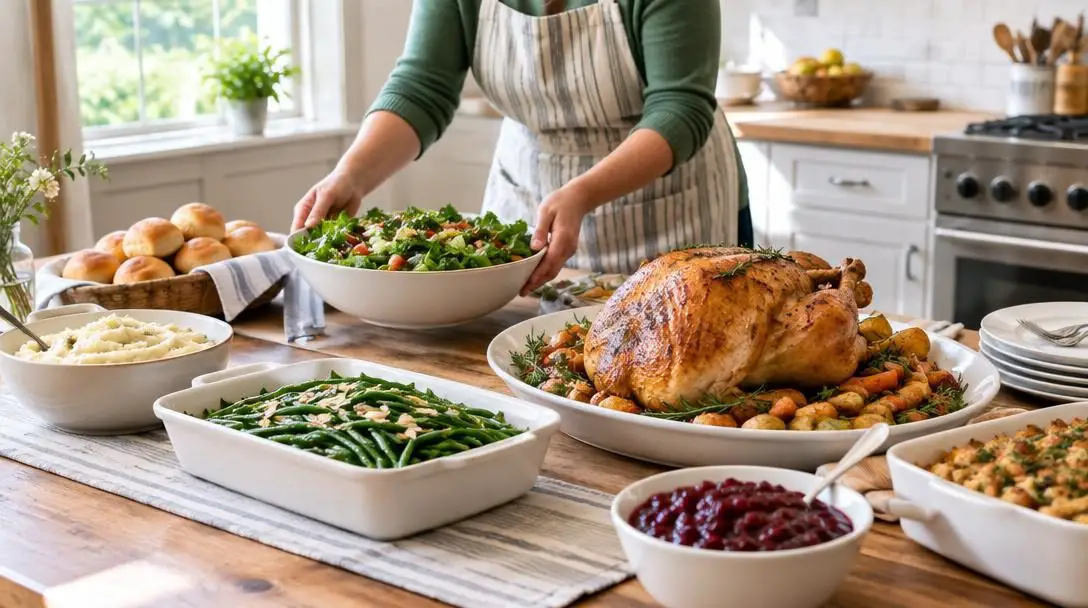
Transitioning your meal to a continuous buffet line sidesteps these bottlenecks completely. Arranging dishes in an open self-serve station empowers relatives to choose their preferred portion sizes and eat at their own pace. If indoor space is tight, expand the layout by setting up the buffet on a covered patio or deck. Removing the serving station from the kitchen cook area eliminates human gridlock and allows you to join your guests at the table.
Outsource sides to the deli
When you are channeling your culinary focus into executing a centerpiece main dish, attempting to make every single side dish from scratch will quickly deplete your energy. Spending hours chopping, boiling, and mixing multiple side dishes that only a fraction of your guests might eat is an inefficient use of limited kitchen capacity.
Delegate those secondary components to your local grocery deli. Sourcing staple sides such as potato salad, baked beans, or warm buffalo chicken dip directly from professional deli counters saves hours of hands-on labor. This tactic keeps your stovetop free of competing pots, eliminates prep bowls, and protects your mental energy so you can focus entirely on your primary entree.
At a glance: Comparing your crowd-cooking options
Balancing heat sources and labor requires using the right tool for each part of the menu. This breakdown outlines how each hosting tactic distributes your kitchen workload.
| Hosting tactic | Primary role | Equipment or source | Kitchen impact |
|---|---|---|---|
| Multiple slow cookers | Holding warm sides and roasts | Countertop electric cookers | Frees up primary oven and burners |
| Deliberate surplus | Feeding late arrivals and extra guests | Bulk recipe adjustments | Prevents mid-meal portion rationing |
| All-day finger foods | Staving off early grazing hunger | Chilled platters and snack bowls | Requires zero active cook time |
| Self-serve buffet | Smooth, continuous guest dining | Dedicated tables or patio spaces | Removes bottlenecks from cook zone |
| Deli-sourced sides | Supplying labor-heavy classic sides | Supermarket prepared foods | Saves prep hours and dirty cookware |
Managing kitchen bottlenecks and traffic flow
Executing a large family meal smoothly is primarily an exercise in residential logistics. Most home kitchens are designed for routine daily meals: they have a single oven, four range burners, and modest counter space. Attempting to roast a whole bird or joint of beef while simultaneously baking casseroles and simmering sauces on every burner will cause an immediate spatial and thermal bottleneck.
To keep the kitchen running smoothly, decentralize your heat sources. Moving sides into slow cookers allows you to set up satellite heating stations on sideboards, dining room credenzas, or kitchen islands, freeing the range entirely for high-heat cooking. Keeping cold dishes and deli items chilled in the refrigerator until serving means they occupy zero cooking space.
Human traffic flow is equally critical. If snacks and drinks are positioned right next to the stove, family members will naturally gather in your primary workspace, blocking access to sinks, utensils, and trash cans. Setting up appetizers, snack platters, and beverage stations in the living room or on an outdoor patio draws the crowd away from the culinary work zone, giving you room to maneuver safely.
Step-by-step roadmap for event preparation
Executing an effortless gathering requires checking off tasks chronologically so you are never forced to juggle cooking, cleaning, and hosting simultaneously.
- Audit your appliances and cookware: Count your available slow cookers, serving trays, and warming platters one week in advance, and arrange to borrow extras from relatives to cover your planned menu.
- Calculate an attendance buffer: Take your confirmed guest headcount and add a safety margin of three to six additional servings to account for unexpected dates, friends, and late arrivals.
- Construct a decentralized menu: Build your menu around one focal dish, two or three deli-sourced sides, two slow cooker dishes, and an array of cold, no-cook finger foods.
- Pick up deli items the day before: Purchase your potato salad, baked beans, and prepared dips twenty-four hours early to avoid chaotic morning grocery runs on the day of the event.
- Assemble early grazing platters: Arrange cold vegetable trays, chips, and finger foods on serving dishes before guests arrive so you can set them out the moment the front door opens.
- Establish the buffet and cleanup zones: Arrange self-serve tables away from the kitchen range, set up clearly visible trash and recycling bins, and stage take-home storage containers near the exit for leftovers.
Common hosting traps to avoid
Even passionate home cooks frequently run into avoidable stress during large family gatherings. Sidestepping these common pitfalls will keep your day enjoyable and your kitchen calm:
- Experimenting with complex new recipes: An event with fifteen or twenty guests is the worst time to test an intricate technique you have never practiced; rely exclusively on forgiving, familiar recipes.
- Insisting on a scratch-made purist mindset: Refusing to purchase high-quality prepared sides from the deli counter multiplies your prep time, piles up dishes, and drains energy better spent with family.
- Withholding snacks until dinner time: Hungry relatives will inevitably migrate into the kitchen, hover over your prep area, and repeatedly ask when the meal will be served if finger foods are not provided.
- Acting as an individual plate server: Trying to plate food for a large crowd isolates you at the stove, delays meal service, and guarantees that early plates turn cold while the rest wait.
- Relying solely on your primary oven: Staging multiple baked sides alongside a large roast creates thermal competition, lowers oven temperatures, and disrupts cooking times.
- Budgeting strictly for confirmed RSVPs: Assuming that only the exact number of invited people will show up leads to portion rationing, frantic stretching of sides, and host anxiety.
Frequently asked questions
How much extra food should I prepare for a large family gathering?
A reliable rule of thumb is to build a buffer of three to six servings beyond your confirmed headcount. For example, if twelve people confirm attendance, calculate your shopping and portion volumes as if you are hosting fifteen to eighteen guests. This accounts for ravenous appetites, surprise companions, and guarantees plenty of take-home leftovers.
Why are slow cookers better than oven roasting for crowd cooking?
Oven roasting large cuts of meat requires frequent basting and temperature checks, tying the host to the kitchen and monopolizing oven space. Slow cookers maintain consistent, gentle temperatures automatically and feature warm settings that hold food ready to eat all afternoon without drying it out or burning it.
Which side dishes are best to outsource to a grocery store deli?
Dishes that require substantial prep, boiling, or peeling make ideal deli purchases. Classic choices include creamy potato salad, slow-simmered baked beans, pasta salads, and specialty appetizers such as buffalo chicken dip. These ready-made sides taste great and free up multiple pots and pans on your stovetop.
How can I prevent foot traffic from overcrowding my kitchen?
Relocate all grazing items, appetizer boards, and drink stations out of the kitchen and into adjacent spaces, such as the living room, dining room, or a backyard deck. Guests naturally gather around food and drinks; placing those stations elsewhere keeps the primary cooking zone clear of family traffic.
What is the easiest way to handle cleanup after a buffet meal?
Provide clearly marked trash and recycling stations right next to the buffet line so guests can dispose of paper plates and drinkware themselves. Additionally, stage disposable plastic storage containers and foil wraps near the food table so relatives can pack up the deliberate surplus as parting gifts before the evening ends.
The bottom line
Hosting a large family event does not require restaurant-grade culinary feats or military perfection. The secret to a successful gathering lies in removing unnecessary pressure from yourself through smart structural choices: shifting the heavy lifting to slow cookers, setting up continuous buffet stations, offering low-effort snacks, and letting your local deli tackle labor-intensive sides. When you design your kitchen workflow to handle fluid arrivals and grazing appetites, you transform a stressful hosting assignment into a relaxed, memorable celebration where you get to spend real quality time with the people you invited.