5 Special Ingredients To Make Your Dishes Memorable
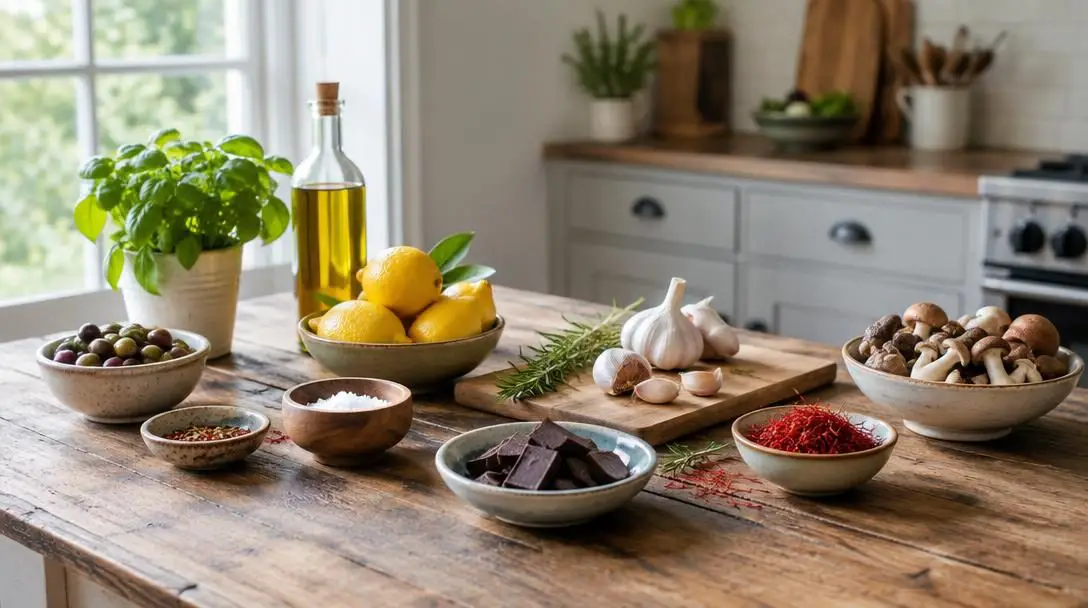
Everyday home cooking frequently slips into predictable routines, with cooks reaching for the exact same seasonings across very different meals. When your pantry relies on an unvarying rotation of salt, black pepper, and standard herbs, dinners can quickly begin to taste flat, repetitive, and uninspired. Yet transforming a dish from routine sustenance into a memorable dining experience does not require culinary school training or hours of painstaking kitchen labor.
A single strategic pantry staple can introduce depth, balance sweetness, lift aromas, or provide a striking visual presence to everyday foods. By learning how to master five specialized ingredients—truffle oil, coriander powder, Kashmiri red chili powder, cinnamon, and cardamom—you can unlock nuanced layers of flavor and aroma that linger long after the meal is over.
Key takeaways
- Specialized pantry staples introduce complexity, visual brilliance, and aromatic depth that elevate everyday cooking beyond repetitive flavor profiles.
- Truffle oil functions best as a finishing accent applied to warm foods rather than as a primary cooking fat exposed to high heat.
- Kashmiri red chili powder delivers a vibrant natural red hue and manageable warmth without the searing burn of standard cayenne.
- Cinnamon and cardamom both introduce natural warming sweetness that can reduce the need for refined sugar in baked treats while softening sharp spices in savory dishes.
- Coriander powder acts as an essential culinary bridge, grounding and balancing intense spices when incorporated early in the cooking process.
Essential ingredients at a glance
Understanding the botanical origins, flavor contributions, and kitchen applications of these five ingredients helps clarify how they transform both sweet and savory preparations.
| Ingredient | Botanical Origin | Primary Flavor Profile | Best Kitchen Role |
|---|---|---|---|
| Truffle Oil | Culinary oil evoking wild culinary mushrooms | Intensely earthy, savory, and aromatic | Finishing drizzle on warm pasta, soups, and snacks |
| Coriander Powder | Milled dried seeds of the cilantro plant | Mild, warm, and rounded | Flavor stabilizer and spice enhancer in curries and batters |
| Kashmiri Red Chili Powder | Ground Indian red chili peppers | Medium-hot warmth with rich natural red color | Pigment-rich marinades, gravies, and roasted coatings |
| Cinnamon | Aromatic inner bark of select trees | Woodsy, naturally sweet, and warming | Tempering oil for savory curries; baking doughs and pies |
| Cardamom | Seed pods of ginger family relatives | Floral, herbal, sweet, and warming | Infusing dairy sweets, brewing spiced teas, and savory sauces |
Five specialized ingredients to elevate your meals
Each of these five components brings a distinct personality to the stovetop, rooted in long culinary traditions and specific botanical compositions. Here is how each ingredient operates and why it belongs in your home pantry.
Truffle Oil
- Origin: Culinary oil evoking rare wild mushrooms
- Primary function: Aromatic finishing accent
- Optimal application: Drizzled directly over warm foods
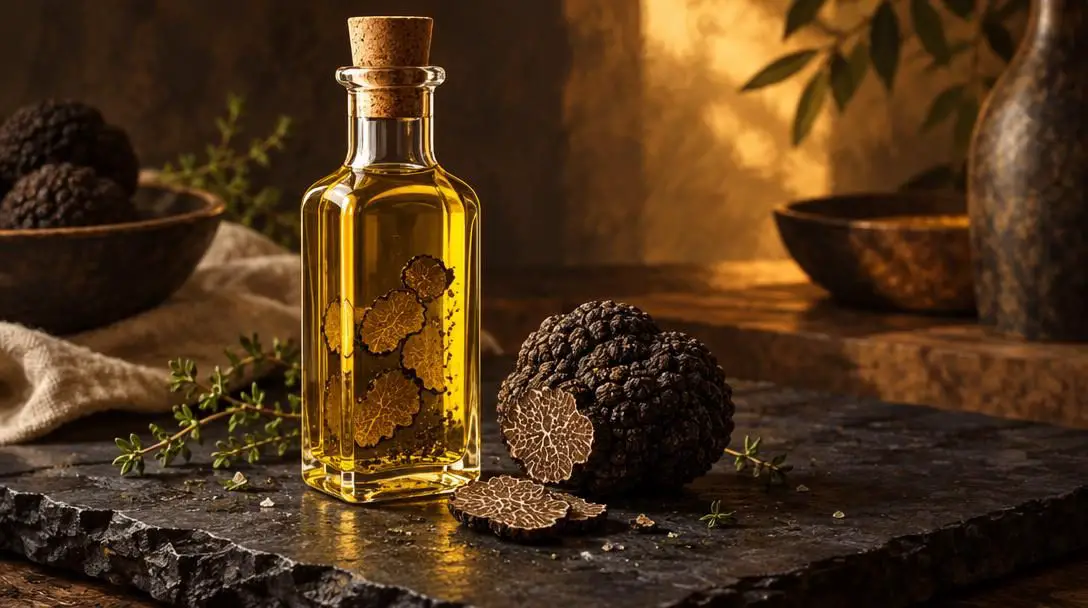
Because whole truffles are prized and difficult to forage, truffle oil serves as an accessible way to impart an intensely earthy flavor to everyday meals without requiring specialized sourcing. Rather than functioning as a workhorse cooking fat, this oil relies on volatile aromatic compounds that bloom when warmed. When applied to warm foods, these aromatic scents disperse rapidly into the air, engaging the olfactory system before the first bite ever touches your tongue.
To let truffle oil shine, avoid exposing it to direct heat on the stove. When gently combined with warm fats—such as melted butter or the light sheen of olive oil coating freshly boiled pasta—the surrounding fat locks in the aroma and distributes its earthy quality across every mouthful.
Coriander Powder
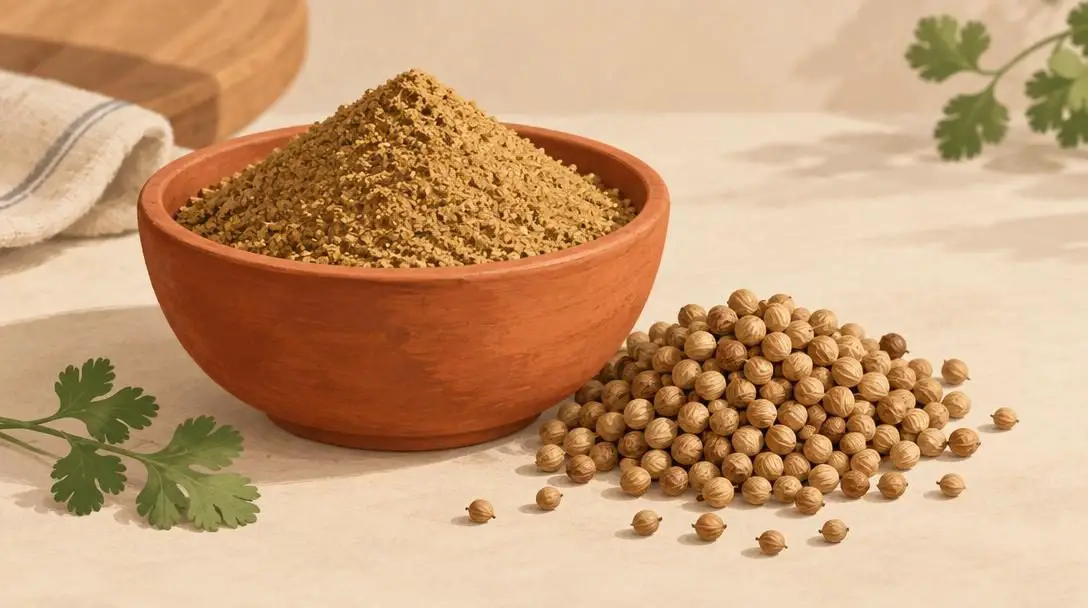
- Origin: Dried seeds of the cilantro plant
- Primary function: Background flavor bridge and stabilizer
- Optimal application: Added early to simmering curries, sauces, and doughs
Many home cooks are surprised to learn that coriander powder originates from the very same botanical specimen as cilantro. While cilantro refers exclusively to the delicate green leaves and tender stems of the plant, coriander powder is produced by milling the dried seeds. This botanical distinction yields completely different flavor profiles: cilantro is sharp, grassy, and fresh, whereas coriander powder is mild, warm, and subtly rounded.
In the pan, coriander powder functions as an indispensable background stabilizer. It possesses a rare ability to enhance the taste of other spices mixed alongside it. Dissolving seamlessly into cooking liquids, oils, and doughs, the powder knits together sharper ingredients and prevents potent seasonings from tasting harsh or disconnected.
Kashmiri Red Chili Powder
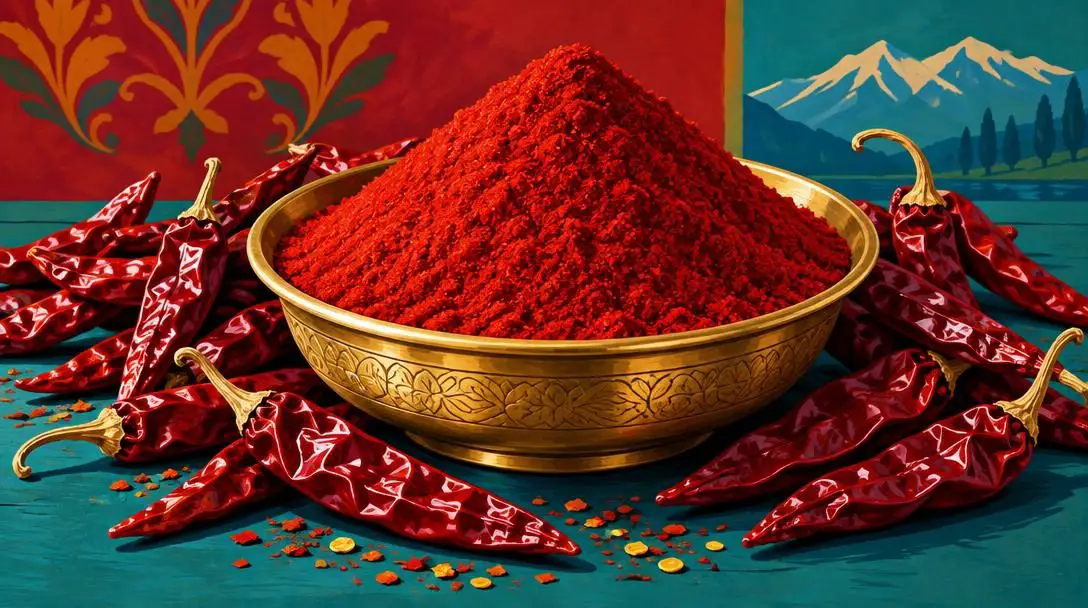
- Origin: Indian red chili pepper varieties
- Primary function: Natural colorant and mild-to-medium heat source
- Optimal application: Marinades, gravies, and braises
Hailing from Indian culinary tradition, Kashmiri red chili powder provides an ideal balance when visual presentation matters just as much as spice. Many commercial chili powders deliver aggressive heat that can easily overpower delicate ingredients. In contrast, the capsaicin concentration in Kashmiri chilies is notably low, yielding a gentle, manageable medium-hot warmth that broadens a dish's appeal.
Its primary asset is its concentration of natural carotenoid pigments. When whisked into warm oil or mixed into dairy-based marinades, these pigments dissolve readily, creating an authentic, brilliant red shade naturally. Using Kashmiri chili allows cooks to achieve showstopping red curries and tandoori-style dishes without relying on artificial food coloring.
Cinnamon
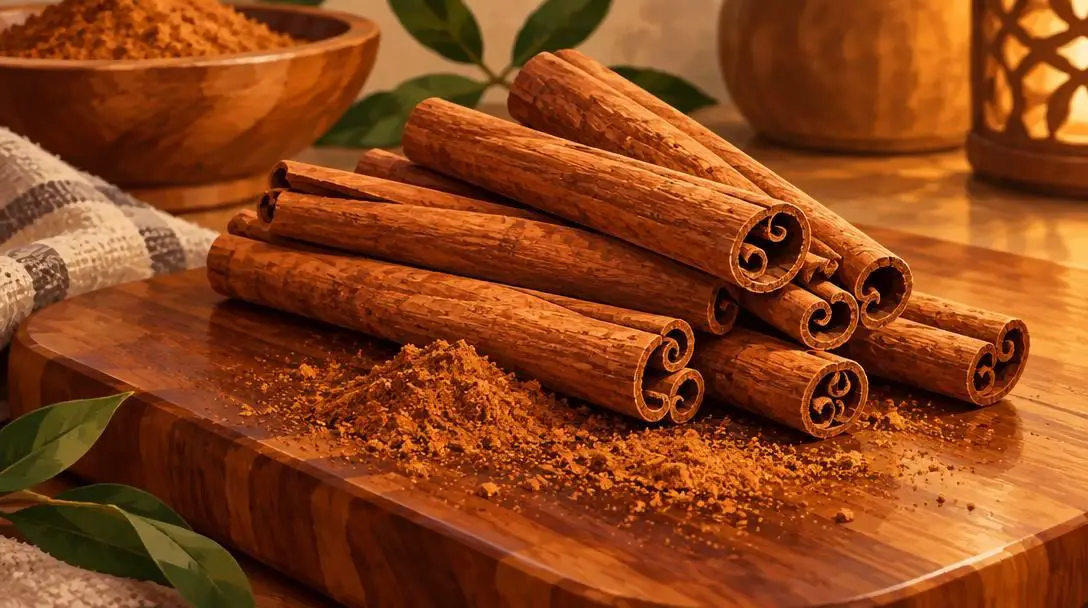
- Origin: Aromatic inner bark of trees
- Primary function: Natural sweetener and aromatic tempering spice
- Optimal application: Savory oil tempering and dessert baking
Harvested from the inner bark of select trees, cinnamon has long occupied an essential place in both sweet baking and complex savory traditions. The spice relies on natural essential oils locked inside its sweet bark, which release an unmistakable warmth and comforting aroma when exposed to heat or moisture.
Because its natural sweetness mimics the sensory experience of refined sugar, cinnamon allows home bakers to trim down the amount of added sweeteners in recipes for pies, cookies, and breads. In savory cooking, whole bark pieces dropped into hot oil during the tempering stage release deep, woodsy undertones that soften and round out pungent aromatics such as garlic, fresh ginger, and cumin.
A single strategic pantry staple can introduce depth, balance sweetness, lift aromas, or provide a striking visual presence to everyday foods.
Cardamom
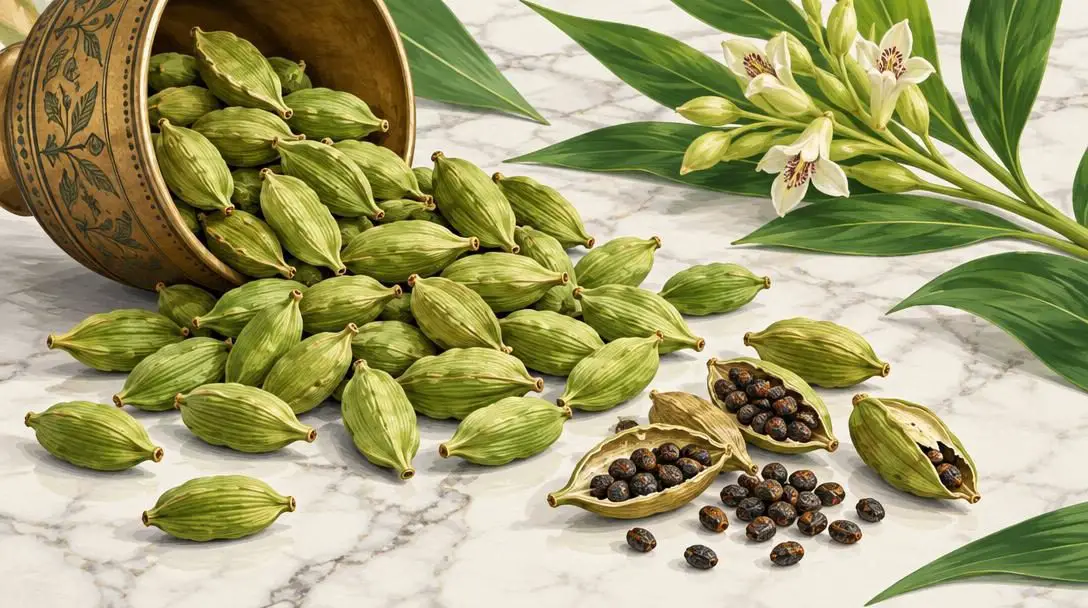
- Origin: Seed pods of plants related to the ginger family
- Primary function: Warming sweet spice and clove companion
- Optimal application: Simmered dairy sweets, spiced teas, and savory sauces
Harvested from the seed pods of plants in the ginger family, cardamom shares many warming and sweet qualities with cinnamon while bringing its own floral and herbal notes. It is a cornerstone ingredient across Indian cuisine, Middle Eastern cooking, and traditional spiced beverages, serving as an adaptable link between spicy main courses, rich dairy confections, and baked goods.
Cardamom works exceptionally well when paired with dairy fats and hot liquids. Its seeds contain compounds that dissolve smoothly into simmering milk or infuse directly into hot black tea. Because its warming sweetness mimics sugar, cardamom cuts through the sharp edges of pungent spices while functioning as an effective companion or stand-in for cloves in both savory recipes and baked treats.
How these ingredients interact with heat and fat
Unlocking the full potential of these ingredients requires an understanding of how their chemical components interact with cooking temperatures, cooking fats, and base liquids.
Volatile aromatic compounds define how ingredients like truffle oil and cardamom behave in the presence of heat. When truffle oil is warmed, its aromatic molecules evaporate into the air to create an immediate olfactory impression. However, prolonged exposure to high stove heat destroys these fragile compounds, which is why heat must be applied gently and briefly.
Fat-soluble pigments and essential oils govern the behavior of Kashmiri chili and cinnamon. The vibrant carotenoids in Kashmiri chili do not show their true radiance in plain water; they require warm cooking oil or dairy fats to dissolve and distribute their crimson color evenly throughout a sauce. Similarly, the essential oils bound within cinnamon bark require the gentle warmth of oil tempering or the melting fats of a baking batter to loosen their aromatic compounds and permeate the surrounding food.
Moisture-soluble flavor binders, such as the milled seed fibers in coriander powder, work by thickening and marrying surrounding liquids. As coriander powder absorbs moisture from stocks, gravies, and braising liquids, it forms an imperceptible mesh that suspends stronger, sharper spices, ensuring that no single flavor overtakes the palate.
Practical techniques for home cooks
Knowing how to incorporate these items into your routine ensures consistent, repeatable results across different types of dishes.
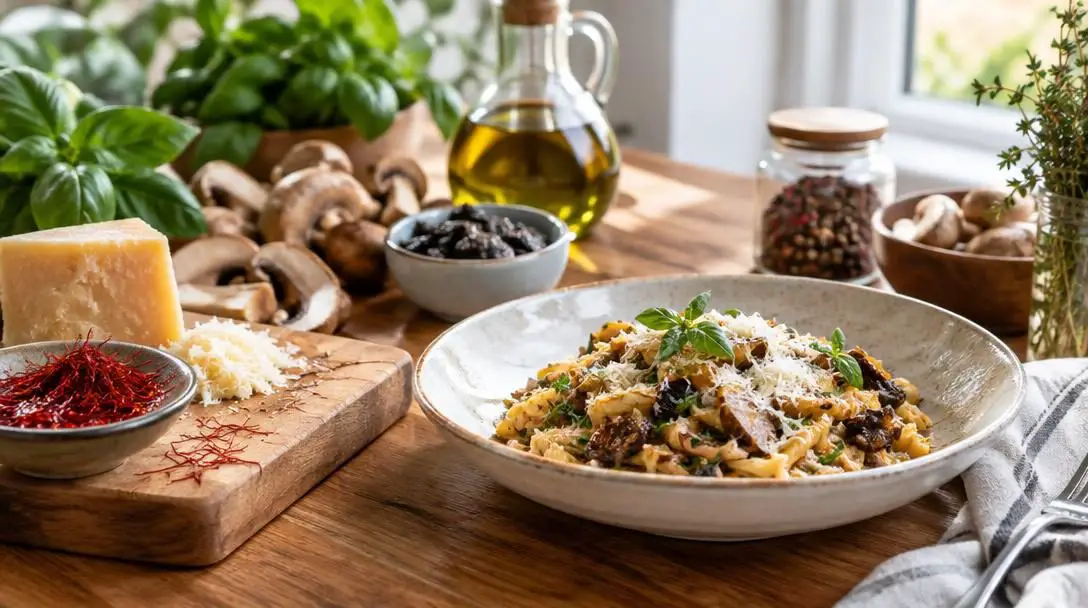
- Finish with delicate oils: Reserve truffle oil strictly for the final moments of food preparation. Drizzle a small amount over a warm bowl of soup right before serving, or toss it with freshly boiled pasta, grated cheese, and fresh herbs to preserve its earthy aroma.
- Temper whole spices in hot oil: When preparing savory curries or braises, drop whole pieces of cinnamon bark into shimmering oil alongside your aromatics. The hot oil extracts woodsy essential oils that perfume the entire cooking base before you add meats or vegetables.
- Bloom ground spices with fats: Stir Kashmiri red chili powder directly into warm sautéed aromatics or whisk it into yogurt marinades for poultry. The fat absorbs the natural pigments, yielding an even, vibrant color.
- Build a foundational spice base: Add coriander powder early during the simmering of stews and curries. Distributing the powder into the cooking liquids allows it to mellow and knit accompanying spices into a balanced whole.
- Infuse warm dairy and liquids: Lightly crush cardamom pods or grind the seeds before adding them to gently simmering milk for rice pudding or ras malai. When brewing chai, steep crushed pods directly in strong black tea to extract their herbal sweetness.
Mistakes to avoid in the kitchen
Even premium ingredients can spoil a meal if they are handled incorrectly. Watch for these common culinary missteps:
- Cooking truffle oil over high heat: Using truffle oil as a primary frying or sautéing fat will incinerate its delicate aromas, leaving the dish with virtually no earthy character. Always treat it as a cold or warm finishing drizzle.
- Confusing coriander powder with fresh cilantro: Although they originate from the same plant, ground coriander seeds and fresh cilantro leaves cannot be substituted for one another. Swapping fresh leaves for dry powder completely disrupts both the texture and flavor balance of a recipe.
- Substituting hot chili powder for Kashmiri chili: Reaching for standard cayenne or extra-fiery chili powder instead of Kashmiri chili will make a meal overwhelmingly hot. Kashmiri chili is chosen specifically for its mild-to-medium heat and deep pigmentation.
- Overusing ground cinnamon in savory dishes: While tempered cinnamon bark adds subtle warmth to rich curries, dumping excessive ground cinnamon into a savory dish will cause it to taste unpleasantly like a sweet dessert. Restraint is crucial.
- Leaving fibrous cardamom husks in finished dishes: Whole cardamom pods can surprise diners with an overwhelming medicinal crunch if bitten into directly. Remember to pull the fibrous green husks out of puddings, curries, and beverages before serving, or alert your guests beforehand.
Cross-pairing and storage strategies
Once you are comfortable utilizing each ingredient individually, you can combine them strategically to build sophisticated culinary profiles across different meal categories.
In savory cooking, coriander powder, cinnamon, and Kashmiri red chili powder form a powerful trio for hearty braises and curries. The coriander creates a unified, balanced flavor foundation, the Kashmiri chili provides rich color and manageable warmth, and the cinnamon contributes subtle woodsy sweetness that softens pungent aromatics like ginger and garlic.
In sweet dishes and confections, cinnamon and cardamom complement each other naturally. Because both spices mimic the sensory impression of sweetness, pairing them in baked breads, fruit pies, cookies, and warm milk drinks allows you to cut down on added refined sugar without sacrificing comforting, dessert-like flavor.
Proper storage is critical to ensure these delicate oils and ground seasonings retain their potency over time:
- Truffle oil: Keep the bottle tightly capped and store it in a cool, dark cabinet away from the heat of the stove, as exposure to light and warm temperatures quickly degrades its delicate aroma.
- Ground spices: Store coriander powder, Kashmiri chili powder, and cinnamon in airtight glass or metal containers kept in a dark pantry to shield their natural pigments and volatile oils from humidity and direct sunlight.
- Cardamom pods: Store cardamom as whole pods rather than loose ground seeds whenever possible, cracking them open only when you are ready to cook to lock in their fragrant oils.
Frequently asked questions
Can I substitute fresh cilantro if a recipe calls for coriander powder?
No. Although both come from the same plant, fresh cilantro leaves provide a sharp, grassy, and fresh profile, while coriander powder derived from the seeds has a mild, warm, and earthy flavor. They cannot be swapped interchangeably in recipes.
Why is my truffle oil losing its flavor when I cook with it?
Truffle oil relies on delicate aromatic compounds that break down rapidly under direct heat. Sautéing or frying with truffle oil destroys these scents; it should only ever be used as a finishing drizzle over warm, fully cooked dishes.
How is Kashmiri chili powder different from cayenne pepper?
Kashmiri red chili powder delivers a mild-to-medium heat level alongside intense natural red pigmentation. Cayenne pepper is significantly hotter and contains less red pigment, meaning substituting it can make your food uncomfortably fiery without providing the desired color.
How does cinnamon help reduce sugar in baked goods?
Cinnamon contains sweet essential oils that naturally fool the palate into perceiving sweetness. Incorporating ground cinnamon into doughs, batters, and fruit fillings allows you to reduce the amount of refined sugar while retaining a rich, dessert-like profile.
Can I use cardamom as a substitute for cloves?
Yes. Cardamom shares a similar warming, sweet profile with cloves and functions as an effective companion or stand-in for cloves in both sweet confections and spiced savory dishes.
The bottom line
Elevating your daily cooking does not require an overwhelming overhaul of your kitchen or a collection of hard-to-find gadgets. By keeping truffle oil, coriander powder, Kashmiri red chili powder, cinnamon, and cardamom in your pantry, you gain immediate control over aroma, color, sweetness, and spice balance. When applied with intentional techniques—such as finishing warm dishes with fragrant oils, blooming chili in fats, and using warm spices to temper sharp aromatics—these five ingredients transform standard meals into rich, memorable culinary experiences for family and guests alike.