5 Healthy, Easy-To-Make Meal Ideas
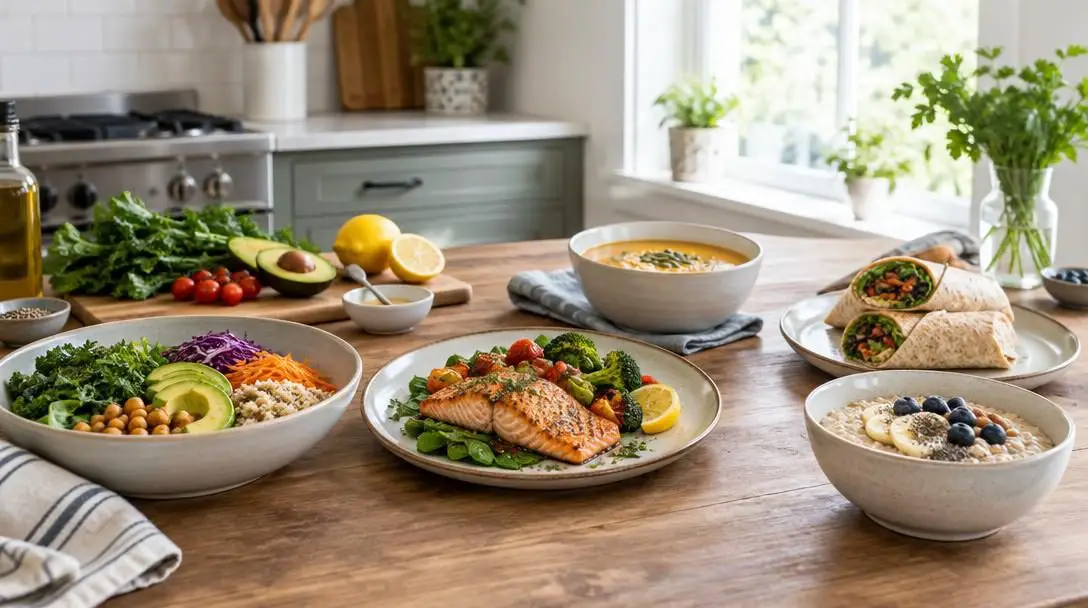
Juggling professional deadlines, household chores, and personal commitments leaves very little time or energy at the end of the day to spend hours hovering over a hot stove. Because modern schedules are so demanding, many households fall into the habit of relying on takeout, processed convenience dinners, or restaurant meals. While convenient in the moment, these options often drain personal finances and rarely provide the nutritional quality and freshness that home-cooked meals naturally deliver.
Cooking wholesome food does not require professional culinary school credentials or an entire evening in the kitchen. By leaning on reliable pantry staples, smart assembly techniques, and dishes designed to streamline both preparation and cleanup, anyone can produce balanced, restaurant-quality dinners in 30 minutes or less.
Key takeaways
- Nutritious, restaurant-style weeknight dinners can be prepared in 30 minutes or less using pantry staples and lean proteins.
- High-flavor prepared sauces, such as light Alfredo, pesto, and honey mustard, cut active kitchen prep to a minimum without sacrificing taste.
- Smart techniques like foil-packet baking and one-skillet cooking lock in moisture while reducing post-dinner cleanup to near zero.
- Several quick dishes, including fish casseroles, can be doubled, frozen in individual portions, and reheated for later meals.
Five nutritious meals you can make in 30 minutes
The following five meal ideas prove that quick cooking can remain flavorful, fresh, and wholesome. Each dinner combines a quality protein source with simple vegetables or grains, transforming basic grocery staples into satisfying evening meals.
Salmon Fettuccine
- Core Protein: Canned salmon
- Base: Fettuccine noodles
- Sauce: Light Alfredo sauce (or pesto)
- Total Time: Under 30 minutes
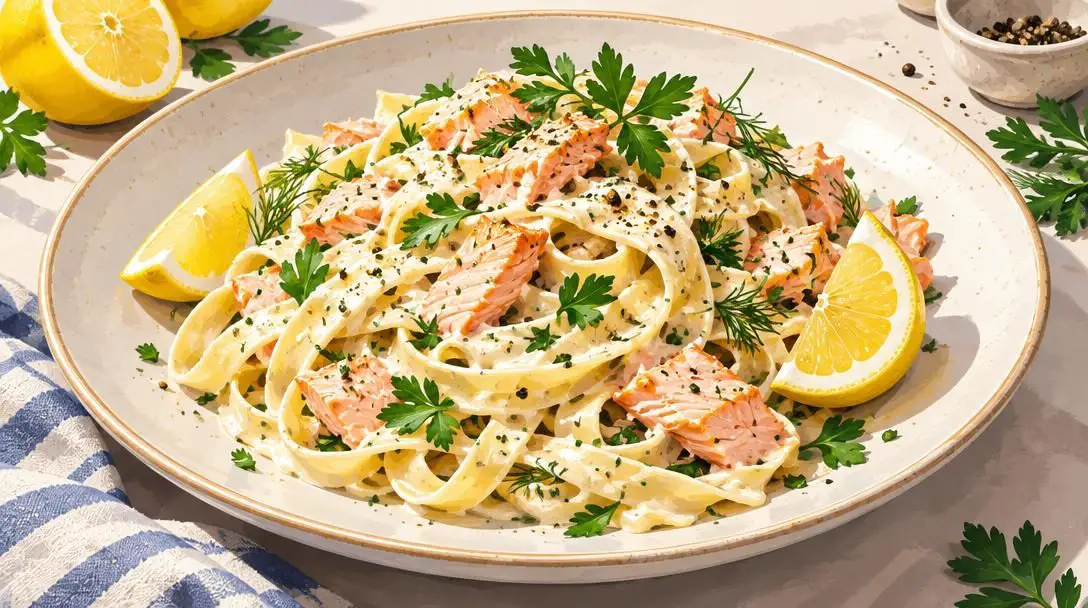
This Italian-inspired dish proves that canned fish can anchor an elegant, upscale dinner. To assemble it, boil fettuccine noodles until tender, drain them, and fold in canned salmon alongside a light Alfredo sauce. The warmth of the freshly boiled pasta gently heats the fish and sauce without requiring extra pans or extensive cooking steps.
To give the dish an elevated presentation, finish the pasta with a generous sprinkle of cracked black pepper and a vibrant garnish of fresh lemon. You can also plate the pasta over a bed of fresh, bright greens, which wilt slightly beneath the warm noodles to add color, texture, and extra fiber. If you want a change of pace, substitute the Alfredo sauce with prepared pesto, or replace the canned salmon with cooked chicken or canned tuna.
Tuna, Vegetable, and Rice Mini Casserole for Two
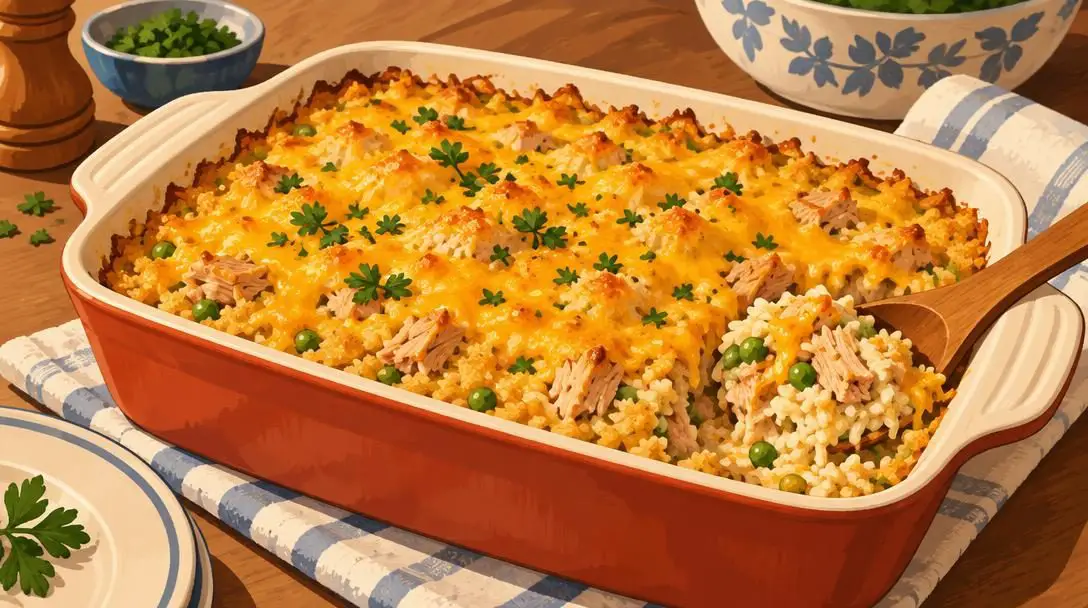
- Core Protein: Canned tuna (2 cans)
- Grain Base: Balsamic rice
- Sauce & Topping: Alfredo sauce and cheddar cheese
- Bake Time: 30 minutes
Comforting and deeply satisfying, this mini casserole utilizes everyday items that most home cooks keep tucked away in the cupboard or freezer. The preparation is effortless: stir together two cans of tuna, a jar of pre-made Alfredo sauce, and cooked balsamic rice in a bowl until thoroughly combined, then transfer the mixture into a small casserole dish.
Bake the casserole for 30 minutes until bubbling hot throughout. Once you pull the dish from the oven, immediately scatter grated cheddar cheese across the top, allowing the residual heat to melt it into a rich, golden layer. This recipe is exceptionally adaptable. It can easily be doubled or tripled to feed a larger family gathering, and any leftovers can be portioned out and frozen in individual servings, ready to be microwaved for convenient work-from-home lunches.
Baked Salmon and Asparagus in Foil
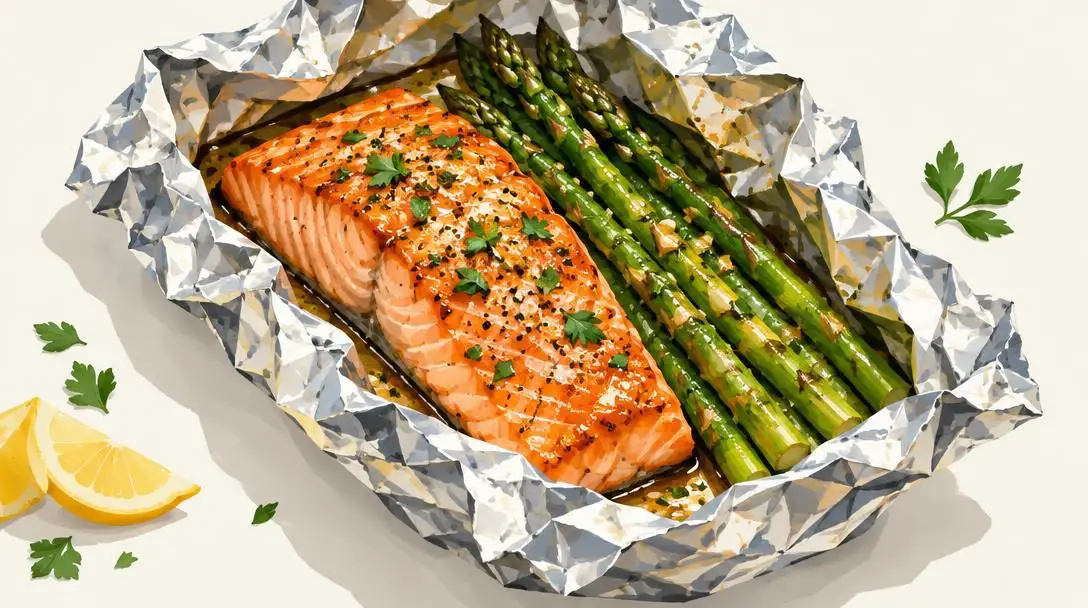
- Core Protein: Fresh salmon fillet
- Vegetable Component: Fresh asparagus spears
- Flavoring: Honey mustard dressing or lemon butter sauce
- Cooking Method: Enclosed foil packet baking
Foil-packet baking is one of the most reliable methods for locking in natural juices while keeping kitchen cleanup to an absolute minimum. To prepare this meal, arrange a fresh salmon portion and trimmed asparagus spears side by side in the center of a wide sheet of aluminum foil. Drizzle your choice of sauce—honey mustard dressing or a classic lemon butter sauce—evenly over the fish and vegetables.
Fold the foil tightly around the ingredients to create a completely sealed packet, trapping steam as it heats in the oven. Bake for approximately half an hour. When opened, the fish emerges tender and flaky while the asparagus turns crisp-tender, coated in a concentrated glaze. If salmon is unavailable, you can substitute steelhead trout or halibut using the exact same cook time and technique.
Steak and Salad
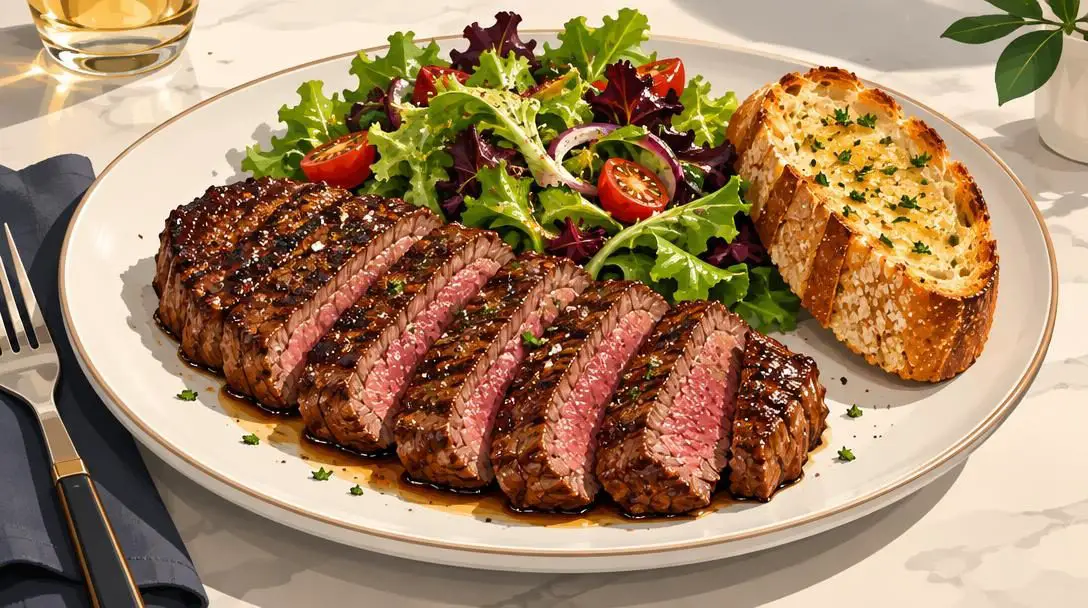
- Core Protein: High-quality steak
- Side: Pre-made salad blend
- Accompaniment: Dinner roll or warm garlic bread
- Key Focus: Precision searing and minimal prep
While many diners reserve steak dinners for expensive restaurant visits, cooking a tender cut at home is fast, accessible, and budget-friendly. The secret to success begins at the butcher counter: purchase the highest quality cut of steak you can comfortably afford, as premium marbling delivers superior natural flavor with minimal seasoning.
Because steak cooks quickly, find a trusted recipe and follow its timing closely, especially if you have never grilled or pan-seared steak before. To bypass tedious chopping and vegetable washing, pair the steak with a store-bought pre-made salad. Add a warm roll or a piece of garlic bread to the plate to turn the meal into a hearty, balanced dinner that feels like a weekend celebration.
Lemon Chicken One-Skillet Dinner
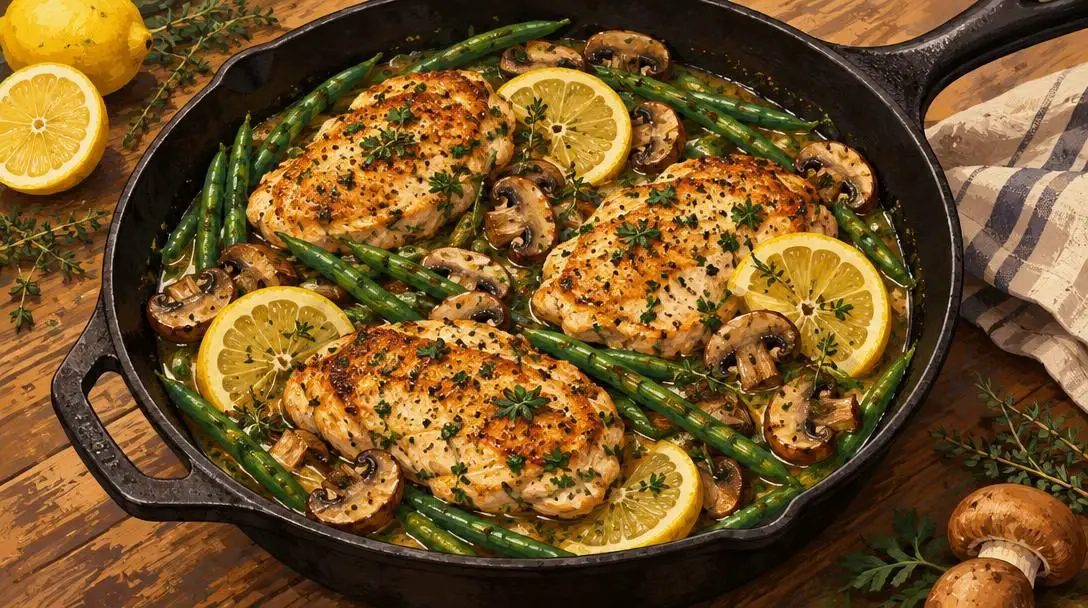
- Core Protein: Chicken breasts
- Vegetables: Sliced mushrooms and green beans
- Liquid Base: Chicken stock and flour
- Herbs & Seasonings: Thyme, parsley, and cracked black pepper
This vibrant skillet meal brings lean poultry and wholesome vegetables together in a single pan on the stovetop. Chicken breasts are lightly dusted with flour, seared, and simmered alongside fresh mushrooms and green beans in a rich broth flavored with chicken stock, thyme, parsley, and cracked black pepper. The light flour coating thickens the stock into a silky pan sauce as the chicken cooks through.
The entire dish is finished and ready to serve in less than 30 minutes. Aside from offering bright citrus notes and savory aromatics, the greatest benefit of this dish is its post-dinner footprint: the only items left to clean are the skillet, a pair of tongs or a spatula, and your dinner plates.
At a glance: comparing the 5 weeknight dinners
Every home cook manages different scheduling demands, pantry inventories, and cookware preferences. The table below compares how each dish fits into your evening routine.
| Meal Idea | Primary Protein | Vegetable or Side | Primary Cookware | Total Prep & Cook Time |
|---|---|---|---|---|
| Salmon Fettuccine | Canned salmon | Bright greens | Pasta pot & colander | Under 30 minutes |
| Tuna & Rice Mini Casserole | Canned tuna | Balsamic rice | Baking dish & mixing bowl | 30 minutes |
| Baked Salmon & Asparagus | Salmon fillet | Fresh asparagus | Baking sheet & foil | 30 minutes |
| Steak and Salad | Beef steak | Pre-made salad & bread | Skillet or grill | 15 to 25 minutes |
| Lemon Chicken Dinner | Chicken breasts | Mushrooms & green beans | Single large skillet | Under 30 minutes |
The mechanics of 30-minute home cooking
Fast cooking is not about cutting corners on food safety or settling for bland, uninspired plates. Instead, it relies on fundamental culinary principles that maximize heat transfer, streamline ingredient handling, and harness pre-developed flavors.
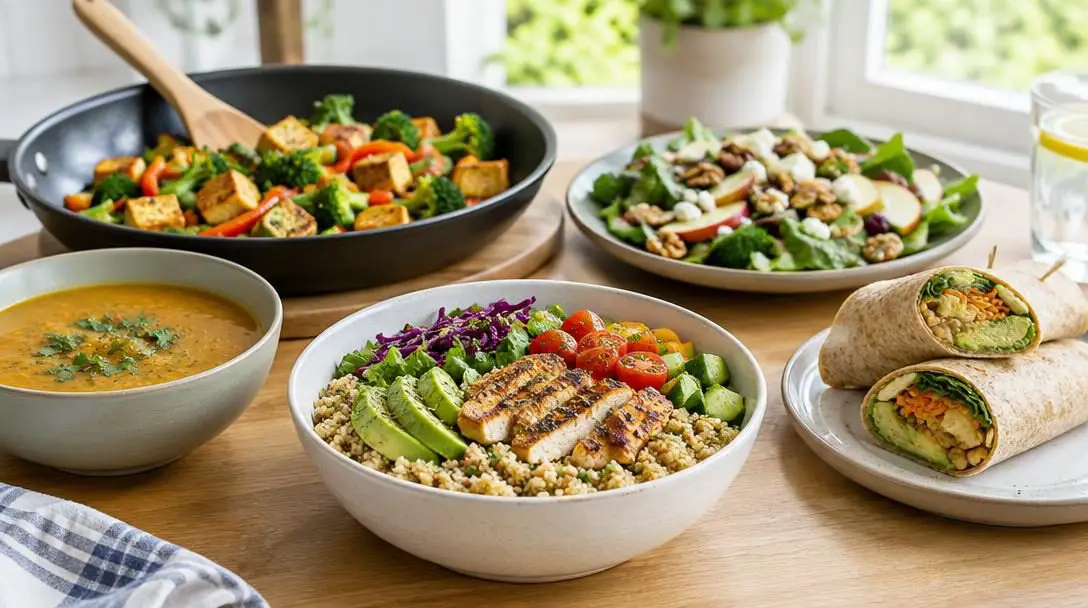
Streamlined cooking relies on combining ready-made flavor foundations with high-efficiency heat environments to deliver restaurant-caliber plates in half an hour.
Understanding these practical principles allows you to adapt whatever ingredients you currently have in your kitchen:
- High-flavor convenience bases: Sauces such as jarred Alfredo, bottled honey mustard, and prepared basil pesto contain concentrated emulsions of herbs, cheeses, aromatics, and oils. Using them eliminates the need to measure out dozens of individual spices.
- Enclosed thermal environments: Sealing fish and produce inside an aluminum foil envelope creates an intense, enclosed steam chamber. The trapped moisture circulates rapidly, cooking dense vegetables like asparagus while safeguarding delicate seafood against drying out.
- Rapid-cooking proteins: Lean poultry cutlets, steaks, and shelf-stable canned fish eliminate lengthy marinating or slow braising steps. They absorb surrounding flavors quickly and reach safe internal temperatures within minutes.
- Smart component balancing: Every successful quick meal balances a satiating protein with a vegetable or starch. Pairing proteins with pre-washed bagged salad greens or quick-boiling pasta keeps meal assembly linear rather than chaotic.
Step-by-step workflow for stress-free weeknight prep
Rushing through dinner preparation often leads to cluttered countertops, forgotten ingredients, and burned food. Adopting an orderly kitchen workflow ensures you move smoothly from an empty cutting board to a plated dinner in under half an hour.
- Review the cooking instructions: Read through the full ingredient list and sequence of steps before turning on any heat source so you understand your timing.
- Preheat your equipment: Turn on your oven for casseroles and foil packets, or place a pot of salted water on the stovetop to boil for pasta before chopping produce.
- Gather and portion ingredients: Set out your canned proteins, sauces, fresh greens, and herbs near your primary workstation to avoid searching through cupboards mid-cook.
- Cook the central components: Sear your seasoned chicken, transfer your wrapped salmon packet to the oven, or grill your steak to your desired internal doneness.
- Clean while cooking: Wash mixing bowls, discard foil scraps, and wipe down your cutting board during idle moments while the food bakes or simmers.
- Plate and garnish: Finish the dish with fresh touches, such as a squeeze of lemon, a twist of cracked black pepper, or a warm piece of garlic bread.
Common pitfalls that compromise quick meals
When cooking against the clock, minor oversights can undermine the taste and texture of your finished dish. Watching out for these common errors will keep your rapid weeknight meals tasting fresh and professional.
- Guessing doneness on high-heat proteins: High-heat cuts like beef steak can transition from tender medium-rare to tough and dry in two minutes. Follow a reliable recipe with exact timings rather than guessing.
- Incompletely sealed foil packets: Leaving gaps in your aluminum foil allows essential steam to escape, which extends cooking times and leaves fish dry and asparagus unevenly cooked.
- Adding delicate garnishes prematurely: Fresh salad greens and lemon garnishes will wilt into a soggy mess if added to hot cookware too soon; introduce them at the very end of plating.
- Overcrowding the skillet: Piling chicken breasts, sliced mushrooms, and green beans too close together drops pan temperatures and causes the vegetables to boil in their own moisture rather than developing a savory sear.
- Wasting leftover portions: Avoid leaving excess tuna and rice casserole in the refrigerator where it risks going bad. Divide it into airtight containers and freeze it promptly for future meals.
How to build an adaptable weekly cooking rotation
Once you master these five foundational dishes, you can rotate their components across the entire week to keep your menu varied without learning new recipes from scratch.
For instance, you can take the foil-packet technique from the salmon and asparagus dish and swap the protein for steelhead trout or halibut, pairing it with lemon butter sauce instead of honey mustard. The salmon fettuccine framework works just as well with cooked shredded chicken or canned tuna tossed in basil pesto rather than Alfredo sauce.
Similarly, keep your pantry stocked with flexible staples like flour, thyme, parsley, black peppercorns, balsamic rice, and canned broths. Having these ingredients permanently on hand guarantees that you can prepare a skillet sauce or hearty mini casserole without needing an unscheduled trip to the grocery store.
Frequently asked questions
Can I substitute other fish in the foil packet salmon recipe?
Yes. Steelhead trout and halibut are excellent substitutes for salmon in the foil packet method, cooking thoroughly in the same 30-minute timeframe without needing any procedural adjustments.
How do I freeze and reheat the tuna and rice mini casserole?
After baking and cooling the casserole, divide it into individual freezer-safe meal containers. Freeze the portions promptly, and reheat them directly in the microwave when you need a fast lunch or dinner.
What sauce alternatives work for the salmon fettuccine?
If you prefer not to use light Alfredo sauce, prepared basil pesto makes an outstanding alternative. You can also replace the canned salmon with canned tuna or cooked chicken breasts.
What sides pair best with the steak dinner?
To keep preparation simple and clean, pair the steak with a store-bought pre-made salad blend alongside a warm dinner roll or a piece of heated garlic bread.
How does the lemon chicken recipe create its pan sauce?
Dusting the chicken breasts in flour before searing allows residual starch to mingle with simmering chicken stock, cracked black pepper, thyme, and parsley, thickening the liquid into a silky sauce right in the skillet.
The bottom line
Consistently eating healthy, balanced meals does not require complicated techniques or long hours in the kitchen. By leaning on dependable shelf-stable staples like canned fish, embracing convenient pre-washed produce, and using efficient methods like single-skillet cooking and foil packets, you can prepare flavorful, wholesome dinners in 30 minutes or less on any night of the week.