5 Ingredients It’s Worth It To Make Yourself
Every home cook eventually confronts the classic grocery dilemma: paying for modern convenience or taking the time to cook from scratch. Commercial food production fills supermarket shelves with pre-packaged items ranging from ready-made broths and flavored oils to specialty cocktail condiments. Yet pre-made convenience frequently carries a steep markup, forcing consumers to pay for brand packaging, factory preservation, and retail shelf space rather than the quality of basic ingredients.
Making everyday culinary components in your own kitchen yields direct control over flavor, sodium levels, and ingredient freshness. By leaning on basic pantry staples you already keep on hand, you eliminate synthetic additives, adjust seasonings to your exact preferences, and cut your household grocery expenses. There are five common kitchen staples where the return on effort is unmistakably worth it.
Key takeaways
- Preparing staples from scratch provides complete control over freshness, balance, and salt levels while cutting grocery expenses.
- Certain pantry staples like simple syrup, cocktail sauce, and pasta sauce require only minutes of active preparation using everyday ingredients.
- Homemade chicken stock requires no vegetable chopping or butchery, relying entirely on gentle simmering to pull flavor from whole items and bones.
- Straining solids and refrigerating perishable items promptly in airtight containers ensures food safety and preserves delicate flavors.
Comparing homemade kitchen staples at a glance
While all five of these staples outperform their supermarket counterparts, their cooking techniques, primary shelf-life considerations, and main components vary across your prep routine.
| Kitchen staple | Key core components | Primary technique | Refrigerator storage |
|---|---|---|---|
| Garlic Infused Oil | Fresh garlic, cooking oil | Low-temperature infusion and straining | Up to 7 days |
| Simple Syrup | Granulated sugar, water | Dissolving crystals in heated water | Chilled in clean bottle or jar |
| Chicken Stock | Bone-in chicken, water, salt, whole aromatics | Long simmering and fine straining | Up to 7 days |
| Pasta Sauce | Tomato sauce, dried herbs, spices, pinch of sugar | Gentle saucepan simmering | Serve immediately or refrigerate |
| Cocktail Sauce | Ketchup, prepared horseradish, fresh lemon juice | Direct cold blending and seasoning to taste | Serve immediately or store chilled |
Five pantry staples you should make at home
Each of these five kitchen essentials delivers superior taste and noticeable budget savings compared to store-bought varieties, while demanding very little culinary effort.
Garlic Infused Oil
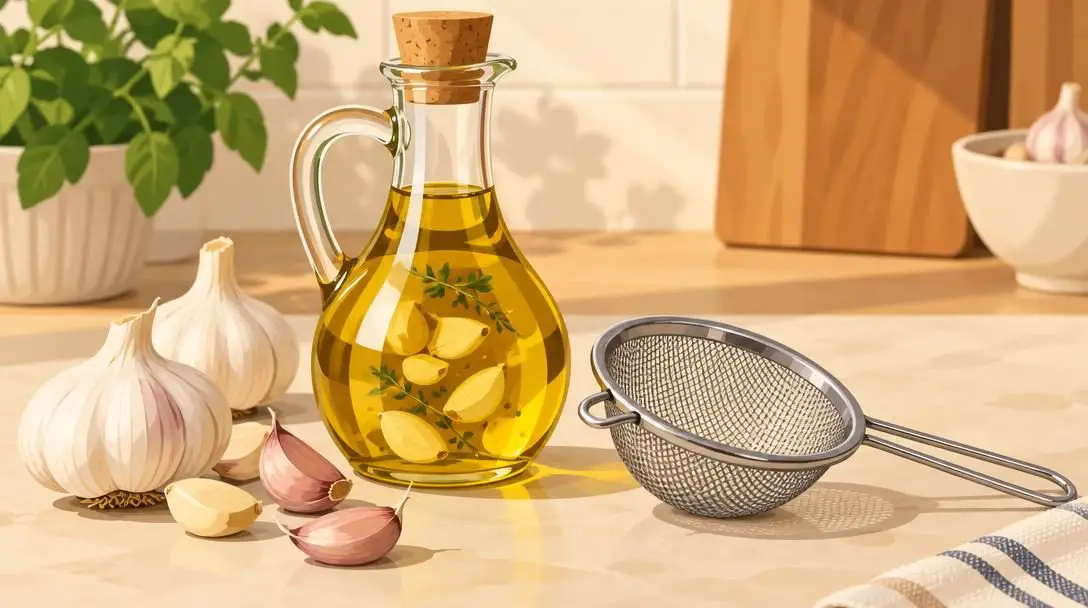
- Core components: Fresh garlic cloves and cooking oil
- Optimal heat level: Low heat and gentle simmer
- Storage duration: Up to seven days in the refrigerator
- Key equipment: Small saucepan and fine strainer
Garlic infused oil is a versatile staple frequently merchandised as a luxury good in specialty food shops and supermarkets. A quick drizzle enriches crusty bread, balances fresh salads, enlivens hearty vegetable soups, and upgrades pasta. Despite its high retail price, homemade infused oil costs pennies to prepare and outshines commercial options, which often taste flat or synthetic after months of warehouse storage.
The science of oil infusion centers on fat acting as an exceptional flavor carrier. The volatile aromatic compounds in fresh garlic are fat-soluble. Heating the garlic gently in oil draws out those aromatic elements, dissolving them evenly into the liquid. Keeping the heat low is vital; if the temperature climbs too high, the garlic burns and turns unpleasantly bitter. Once the solids are strained away, a pure, savory essence remains infused throughout the oil.
- Peel several cloves of fresh garlic and chop them into uniform pieces so they brown evenly.
- Place the chopped garlic into a small saucepan and pour in your chosen cooking oil.
- Set the saucepan over low heat and bring the liquid to a gentle, steady simmer.
- Cook slowly until the garlic pieces turn a delicate golden brown, watching the pan constantly to prevent scorching.
- Remove the saucepan from the stove immediately once golden.
- Pass the warm liquid through a fine strainer to separate and discard all garlic solids.
- Let the infused oil cool completely to room temperature.
- Pour the cooled oil into an airtight container and store it in the refrigerator for up to seven days.
- Failing to monitor the heat will quickly scorch the garlic and ruin the entire batch with a bitter taste.
- Allowing garlic bits to remain in the stored oil compromises the purity and safety of the infusion.
- Leaving the finished oil on the kitchen counter instead of chilling it shortens its freshness window.
Simple Syrup
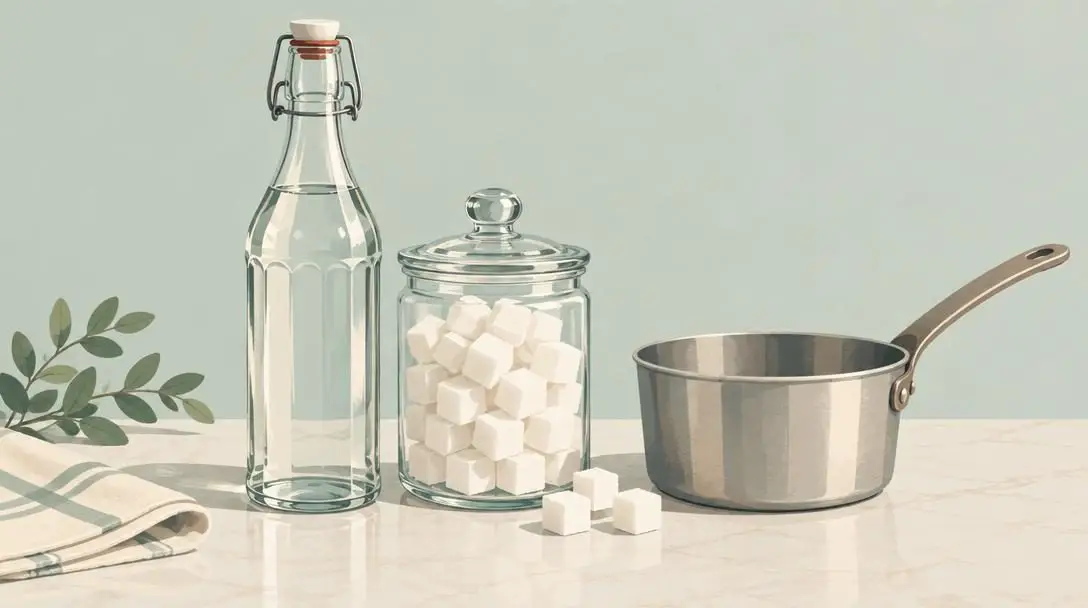
- Core components: Equal parts water and granulated sugar
- Primary use: Cold beverages, iced teas, and craft cocktails
- Texture benefit: Fully dissolved sweetness without grit
Bottled simple syrup commands an unwarranted markup at the grocery store, considering its ingredients are the most fundamental commodities in any home pantry: tap water and dry granulated sugar. Commercial producers package this liquid sweetener in decorative bottles, but paying a premium for dissolved sugar makes little economic sense when you can craft a batch on your stove in under ten minutes.
Granulated sugar dissolves sluggishly in cold liquids. Stirring dry granules into an iced tea or homemade lemonade leaves an unappealing sediment at the base of the glass, creating an unevenly sweetened beverage with a gritty texture. Simple syrup solves this physical limitation by using heat to break the crystalline bonds of sucrose. As water warms, the sugar dissolves into a clear liquid solution that distributes evenly across cold drinks without settling or crystallizing.
- Measure out equal parts granulated sugar and water according to your volume needs.
- Pour the water into a small or medium saucepan and place it over stove heat until it reaches a simmer or rolling boil.
- Add the measured sugar directly to the hot water.
- Stir continuously until every sugar crystal dissolves and the liquid turns completely transparent.
- Remove the saucepan from the heat source and allow the liquid to cool down thoroughly to room temperature.
- Transfer the cooled syrup into a clean glass jar or sealable bottle and keep it chilled in the refrigerator.
- Boiling the mixture too long causes excess water evaporation, skewering the ratio and risking recrystallization.
- Pouring warm syrup into a sealed container causes condensation that compromises storage life.
- Using an unwashed or dusty storage vessel introduces contaminants that degrade the syrup prematurely.
Preparing basic culinary components yourself provides direct control over freshness, cuts unnecessary processing, and takes advantage of everyday pantry staples.
Chicken Stock
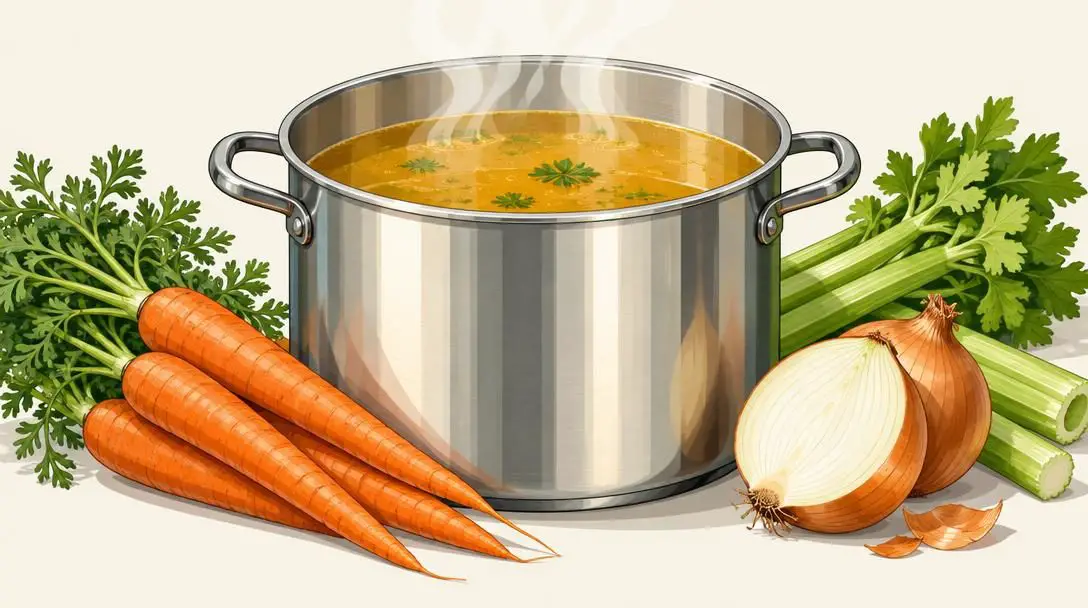
- Core components: Bone-in chicken, whole vegetables, cold water, and salt
- Prep requirement: Zero knife work or vegetable dicing needed
- Storage duration: Up to seven days refrigerated in an airtight vessel
Many home cooks shy away from preparing homemade chicken stock because they assume the process requires tedious kitchen prep, complex butchery skills, and hours of hands-on attention. Consequently, households default to store-bought cartons and cans that lean heavily on sodium, artificial flavor extracts, and shelf-stabilizing additives. In reality, scratch-made stock is one of the lowest-effort tasks in home cooking.
Stock builds depth through prolonged heat extraction. Using bone-in chicken is essential; as the liquid simmers, heat gently breaks down connective tissue and pulls marrow richness into the water. Whole vegetables—carrots, celery stalks, and unpeeled halved onions—release their aromatic sweetness steadily over time. Because extended simmering softens the cell walls of whole produce, meticulous chopping is unnecessary. The boiling water carries out the heavy lifting, producing a full-bodied broth that transforms soups, sauces, and braises.
- Place a generous volume of bone-in chicken into a spacious, heavy-bottomed stockpot.
- Fill the stockpot with fresh water and stir in a generous measure of salt.
- Add whole, unchopped carrots, celery ribs, and whole onions directly into the water.
- Toss in optional aromatic additions, such as leek greens, whole bay leaves, and parsley stems.
- Bring the pot to a vigorous boil over high heat, then modulate the temperature to sustain a steady simmer or gentle boil.
- Cook until the chicken meat pulls apart easily from the bone and the whole vegetables are fully softened.
- Take the pot off the heat and position a fine-mesh sieve over a clean storage pot or large heatproof bowl.
- Pour the liquid through the fine-mesh sieve, catching and discarding all vegetable matter, bones, and particulate debris.
- Allow the strained broth to cool down, transfer it into an airtight storage container, and refrigerate for up to seven days.
- Wasting time chopping or dicing vegetables is counterproductive, as whole aromatics release full flavor during the simmer.
- Using a wide colander instead of a fine-mesh sieve lets bone fragments and cloudy debris pass into the clear stock.
- Forgetting to salt the cooking water at the start leads to flat, under-seasoned broth that demands heavy post-cooking adjustment.
Pasta Sauce
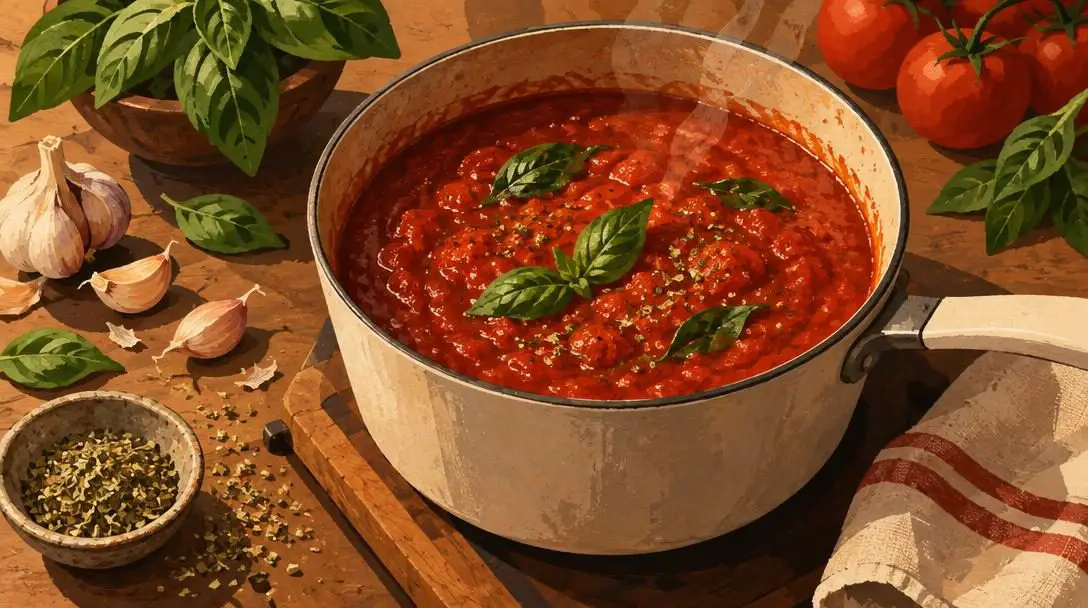
- Core components: Canned tomato sauce, dried herbs, spices, and sugar
- Cooking vessel: Single medium saucepan
- Key flavor balance: Acidity tempered by dried aromatics and a pinch of sweetness
Commercial pasta sauces frequently contain surplus sodium, industrial thickeners, and preservatives. Jarred sauces line supermarket aisles by the hundreds, but making a vibrant red sauce from scratch takes barely any more effort than heating up a manufactured jar. Building a quick homemade sauce in a single saucepan lets you control the salt levels and adapt the herb balance to match whatever meal you are assembling.
The flavor profile of a classic tomato sauce hinges on controlling natural acidity. Plain canned tomato sauce possesses high acid notes that can taste sharp on the tongue. Gentle stovetop simmering hydrates dried garlic powder, onion powder, and Italian herbs, allowing their aromatic oils to weave into the tomato base. Introducing a tiny pinch of sugar balances that harsh natural acid, bringing roundness, depth, and rich savoriness to the finished sauce.
- Set a medium saucepan over medium-low heat on your stove.
- Pour in your base can of plain tomato sauce.
- Whisk in dried Italian seasoning, black pepper, garlic powder, onion powder, and salt.
- Stir in a modest pinch of granulated sugar to soften the sharp edge of the tomatoes.
- Bring the sauce up to a gentle, low simmer, stirring periodically to prevent sticking.
- Allow the mixture to simmer slowly so the dried herbs hydrate and infuse into the warm tomato base.
- Taste the sauce with a clean spoon and adjust salt, pepper, or herbs to suit your palate.
- Ladle the hot sauce directly over freshly boiled pasta and serve immediately.
- Serving the sauce straight from the can without simmering prevents dried seasonings from hydrating and melding.
- Adding heavy amounts of sugar right away can ruin the sauce, turning an Italian savory staple into a sweet syrup.
- Skipping the final taste test leaves no opportunity to fine-tune the salt and herb balance before serving.
Cocktail Sauce

- Core components: Bottled ketchup, prepared horseradish, and fresh lemon juice
- Preparation time: Under two minutes of cold stirring
- Best paired with: Chilled shrimp, oysters, and cold seafood platters
Bottled cocktail sauce is notorious for lingering forgotten on refrigerator door shelves for months after a single seafood dinner. Commercial varieties often lean too sweet or carry an artificial tang from industrial preservatives. Preparing your own cocktail sauce on demand takes less than two minutes and guarantees that every batch is fresh, vibrant, and dialed precisely to your spice threshold.
Cocktail sauce relies on a stark sensory interplay between sweet tomato sugars, bright citric acid, and nasal heat. Tomato ketchup forms the rich, smooth, and slightly sweet foundation. Squeezing in fresh lemon juice cuts directly through that sweetness, loosening the sauce into an ideal dipping consistency. Prepared horseradish introduces its signature sinus-clearing pungency via volatile mustard oils, delivering an assertive kick that accentuates the delicate sweetness of cold shellfish without masking it.
- Spoon several tablespoons of standard tomato ketchup into a small mixing bowl.
- Add prepared horseradish to the ketchup, starting conservatively if you favor a mild dipping sauce.
- Squeeze fresh lemon juice directly into the bowl to loosen the texture and inject tartness.
- Whisk the mixture thoroughly using a fork or small spoon until the ingredients are completely integrated.
- Sample the sauce on a clean spoon, adding extra horseradish for spice or additional lemon juice for bright acidity.
- Serve the sauce immediately alongside chilled shrimp, crab claws, or freshly shucked oysters.
- Dumping in heavy spoonfuls of horseradish without measuring can easily overpower the sauce with searing heat.
- Using bottled lemon juice with chemical stabilizers introduces an off-flavor that dulls the fresh tomato base.
- Pouring in too much citrus juice thins the mixture excessively, preventing the sauce from clinging to cold seafood.
Maximizing your homemade pantry staples
Once you see how straightforward it is to craft these five foundational elements, you can fold them into a broader kitchen routine that reduces grocery spending and upgrades weekday dinners.
Integrating homemade stock into weekly meal planning yields dual benefits: you gain rich cooking liquid for grains and braises, while the leftover shredded chicken provides a head start on lunch salads, wraps, and casseroles. Pairing that stock with airtight glass storage protects its quality throughout its seven-day refrigerator life. Similarly, keeping basic cocktail sauce and simple syrup as on-demand recipes stops half-empty condiment bottles from cluttering your refrigerator shelves, cutting household food waste while keeping your grocery bill lower.
Frequently asked questions
How long can I safely store homemade garlic infused oil?
Homemade garlic infused oil should always be cooled to room temperature, poured into an airtight container, and kept in the refrigerator for no more than seven days. All garlic solids must be thoroughly strained out before storage to ensure proper quality and freshness.
Do I need to peel or chop vegetables before making chicken stock?
No. You can add carrots, celery stalks, and onions completely whole directly into the stockpot along with bone-in chicken. The prolonged boiling and simmering process breaks down the cell walls of whole produce, drawing out flavor without any knife work required.
Why does simple syrup require heat if it is just sugar and water?
Granulated sugar dissolves very slowly in cold water, leaving gritty crystals at the bottom of chilled drinks. Heating the water breaks down the crystalline structure of the sugar, dissolving it into a stable liquid solution that blends seamlessly into cold iced tea, lemonade, and cocktails.
Can I customize the heat level in homemade cocktail sauce?
Yes. The primary advantage of homemade cocktail sauce is adjusting the ratio of prepared horseradish and fresh lemon juice. Start with a modest spoonful of horseradish for a gentle bite, or add more to increase the pungent heat to match your personal preference.
Why should sugar be added to homemade tomato pasta sauce?
Plain canned tomato sauce naturally has a high level of acidity. A small pinch of sugar balances that sharp acidic bite, rounding out the profile and allowing the dried herbs, garlic powder, and onion powder to create a rich, savory finish.
The bottom line
Commercial convenience often masks high grocery markups and mediocre flavors. By taking minutes to produce garlic infused oil, simple syrup, chicken stock, pasta sauce, and cocktail sauce from everyday pantry items, you gain complete control over your ingredients. The result is fresher food, lower grocery expenses, and noticeably tastier home-cooked meals.