5 Cooking Tips To Raise Your Game
Many home cooks view culinary expertise as an innate, mysterious gift reserved for professional chefs. When kitchen experiments lead to scorched pans, unevenly cooked proteins, or uninspired flavors, it is easy to assume that you simply lack natural talent. In reality, cooking is an approachable, systematic craft governed by reliable techniques, practical workflow habits, and thoughtful ingredient choices.
Transforming your daily meals from an exhausting chore into a rewarding creative endeavor does not require attending culinary school or mastering complicated preparations. Significant improvement begins with fine-tuning the fundamentals: selecting produce at its peak, using well-constructed cookware, mapping out your menu, utilizing vibrant seasonings, and staging your workstation before turning on a burner. By embracing deliberate kitchen systems, any cook can build genuine confidence and consistently deliver delicious food.
Key takeaways
- Cooking relies on repeatable systems, heat management, and preparation rather than innate artistic talent.
- Seasonal, locally harvested produce yields superior flavor and nutrition while reducing long-distance environmental costs.
- Individual pieces of high-performing or restaurant-grade cookware distribute heat far more evenly than cheap, oversized box sets.
- Pre-cutting all ingredients and setting out cooking tools prevents kitchen panic, scorching, and missed steps.
- Fresh herbs deliver vibrant flavor to fast-cooking dishes, whereas long-simmering soups dissolve delicate aromatic oils.
The Five Core Habits of Better Cooking
Elevating your everyday meals does not require an overwhelming pantry overhaul. Focusing on five foundational principles establishes the technical base necessary for consistent, delicious cooking across any cuisine.
Cook with Seasonal Ingredients
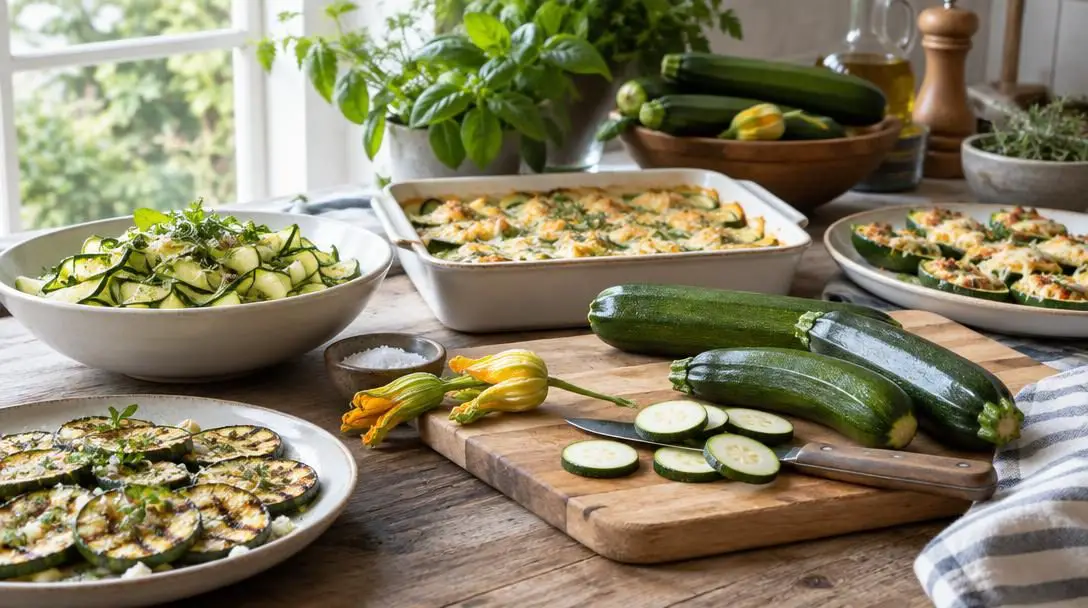
The simplest way to upgrade the flavor of your cooking is to rely on seasonal ingredients. When fruits and vegetables are cultivated and gathered during their natural harvesting window, they contain higher nutrient levels and develop fuller, richer flavors than items grown out of season in artificial conditions. Produce forced to grow outside its natural calendar often tastes watery, bland, or fibrous by comparison.
Cooking seasonally also carries profound environmental and economic advantages. Sourcing food from nearby producers significantly cuts the fossil fuels, refrigeration, and packing materials needed to ship items across long distances. Directing your grocery spending to a neighborhood farmers market keeps revenue within your local community while offering an evolving calendar of fresh culinary inspiration.
Invest in the Best Cookware You Can Afford
Cooking exceptional food with substandard kitchen equipment is an uphill battle. Low-cost pans constructed from thin metals warp quickly and generate severe hot spots, which scorch portions of your meal while leaving other areas undercooked. Investing in the best cookware your budget allows ensures even heat retention and predictable thermal transfer across the cooking surface.
Rather than purchasing massive, expensive retail sets filled with specialty pans you will never touch, build your collection piece by piece. Start with three workhorses: a dependable saucepan, a spacious stockpot, and a wide sauté pan. Where possible, seek out restaurant-grade equipment, which is engineered to endure heavy daily use, resist warping, and maintain stable surface temperatures.
Plan Your Meals in Advance
Attempting to decide what to cook at the end of an exhausting workday almost always guarantees frustration. Spontaneous, spur-of-the-moment cooking requires extensive experience to pull off successfully; for most home cooks, it leads to missing pantry staples, chaotic prep work, and uneven results. Dedicating time to plan your weekly meals lets you map preparation time against your actual schedule.
A comprehensive meal plan looks beyond the stove top to encompass the entire dining experience. Deciding your menu ahead of time enables you to procure the right wine or non-alcoholic beverage pairing, organize clean glassware, and set an inviting table. A carefully coordinated setting frames your meal, turning standard weeknight dining into an intentional, enjoyable event.
Use Fresh Herbs and Spices
Seasoning is the dividing line between flat home cooking and vibrant restaurant meals. A common misstep in home kitchens is relying on jars of dried spices that have languished in a cabinet for years. Over time, the volatile essential oils that give spices their aroma and bite oxidize and evaporate, leaving behind a dull, dusty powder that mutes your recipes.
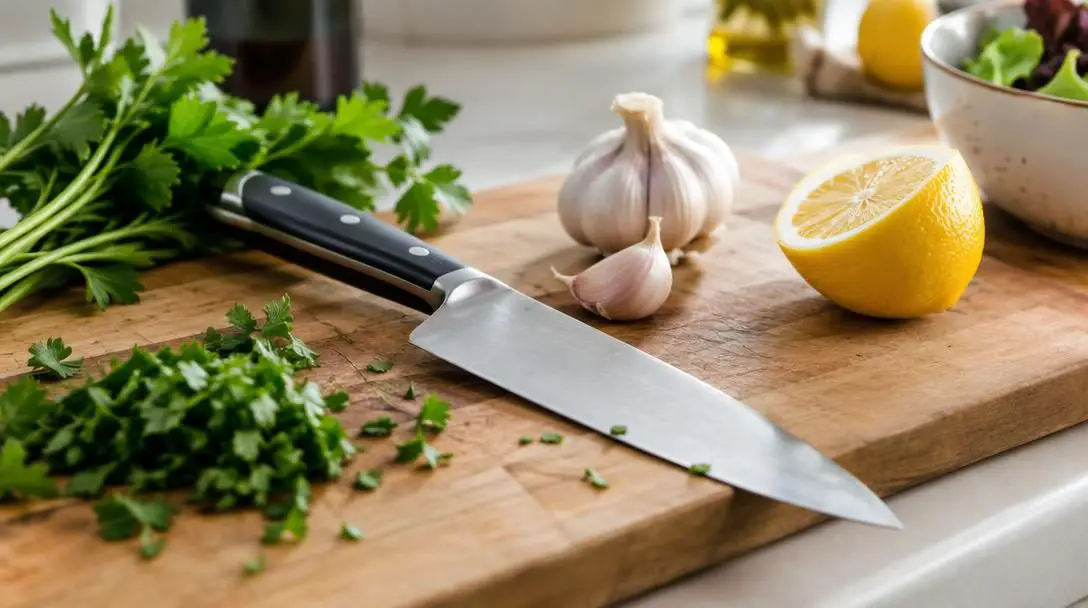
Replacing stale pantry jars with vibrant fresh herbs immediately brightens sauces, roasts, and sautéed dishes. However, you must pair the herb's delicate nature with the proper cooking technique. When preparing rich stocks, soups, or stews that simmer on the stove for hours, delicate fresh herbs will lose their aromatic oils within 15 to 20 minutes of sustained heat. In these extended simmering scenarios, rely on sturdy dried herbs early, reserving fresh herbs as a final garnish just before serving.
Organize Your Kitchen Before Turning on the Heat
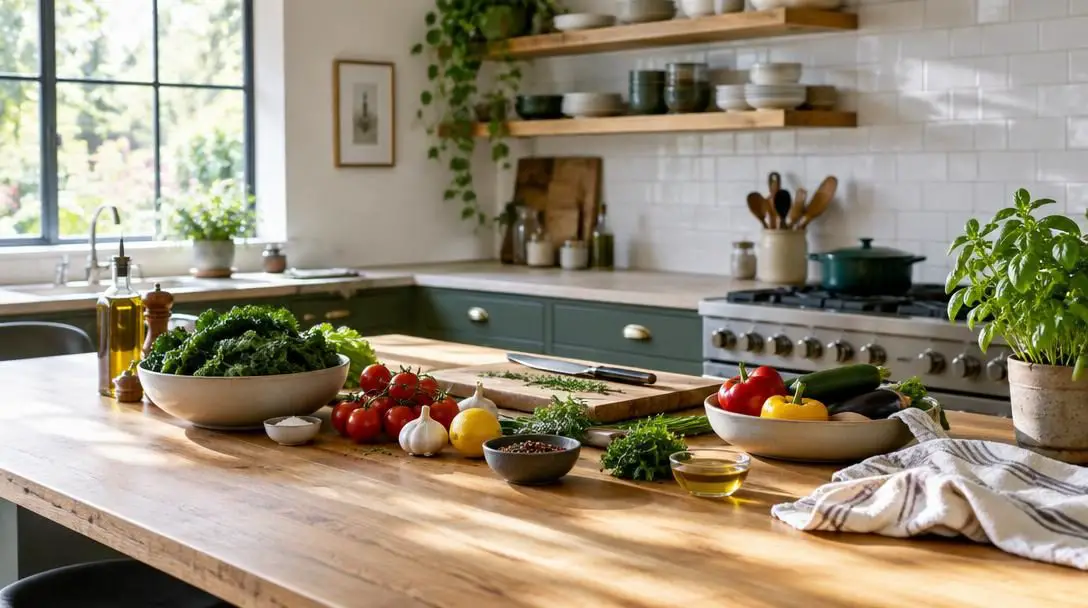
Professional kitchens run on the discipline of preparation, ensuring that every element is positioned before cooking begins. Slicing onions, mincing garlic, and measuring liquids while butter is already sizzling in a pan creates unnecessary panic. If your attention is diverted by chopping a vegetable, food on the stove can scorch within seconds.
Before igniting a burner, finish all slicing, peeling, and measuring, placing each ingredient into small bowls or prep plates. Position your cooking tongs, wooden spoons, tasting utensils, and kitchen towels right beside the range. This level of organization prevents mid-recipe surprises, such as realizing halfway through a dish that you are out of an indispensable ingredient.
Establishing total organization before lighting the burner gives you complete control over heat, timing, and flavor.
Comparing Core Kitchen Elements
Every decision made in the kitchen—from the pan you pull from the rack to the stage at which you add seasoning—directly impacts the texture and flavor of the finished dish. The following table highlights how these foundational habits influence your cooking outcomes.
| Culinary Focus | Recommended Approach | Primary Technical Benefit | Common Mistake to Avoid |
|---|---|---|---|
| Produce Selection | Seasonal and local sourcing | Superior natural flavor and peak nutrient density | Buying imported out-of-season produce that tastes bland |
| Cookware Quality | Heavy, restaurant-grade pieces | Balanced heat distribution without erratic hot spots | Purchasing massive boxed sets with thin, warping metal |
| Recipe Execution | Complete pre-cooking organization | Controlled cooking times and zero kitchen scrambling | Chopping aromatics while fats are already smoking |
| Herb Selection | Fresh herbs for fast heat; dried for stews | Preserved essential oils and clean aromatic notes | Boiling delicate leafy herbs for hours until flavor dissolves |
| Meal Schedule | Structured advance menu planning | Guaranteed ingredient availability and lower stress | Improvising complex weeknight meals without adequate time |
The Technical Role of Heat Control and Pan Geometry
To grasp why these habits improve your cooking, it helps to examine the physical behavior of heat and moisture inside your pans. Cooking is a sequence of chemical reactions governed by temperature. When proteins and starches meet hot cooking fats, surface sugars caramelize and proteins brown—a reaction that produces complex, savory flavors. This reaction demands consistent, uninterrupted heat.
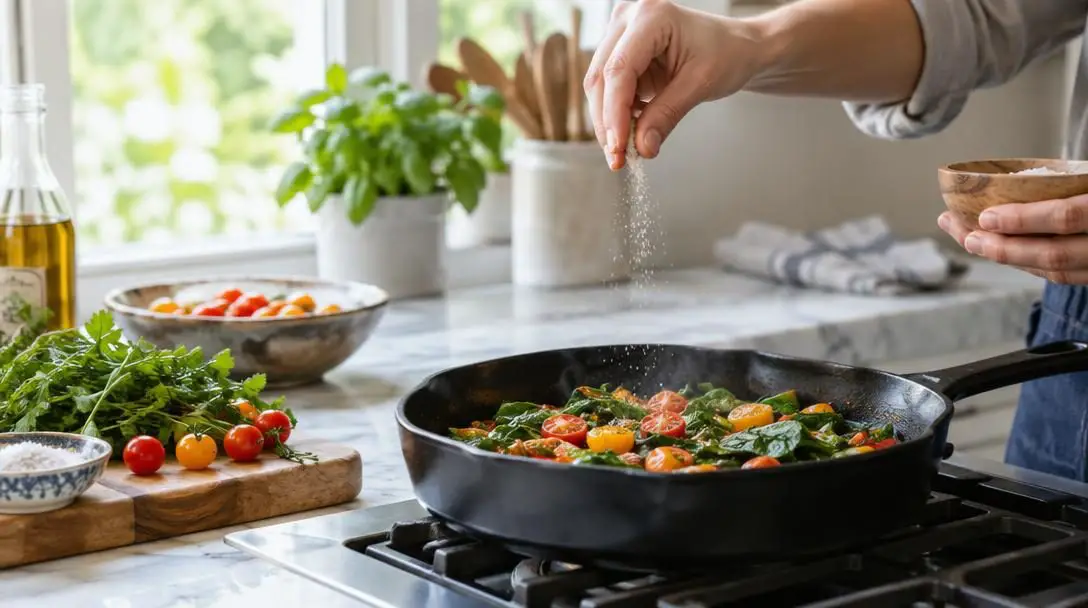
Inexpensive, thin-bottomed pans cannot buffer heat fluctuations. When you add a cold protein to a thin pan, the surface temperature drops instantly, causing the food to release liquid and steam rather than sear. Heavy-gauge and restaurant-grade pans hold significant thermal mass, allowing them to maintain their cooking temperature even when cold ingredients hit the surface.
Pan geometry also determines the moisture environment of your ingredients:
- The Sauté Pan: Features a wide flat base and straight, vertical sides. This configuration maximizes surface area and encourages rapid steam evaporation, allowing foods to brown quickly without stewing in their own juices.
- The Saucepan: Built with tall sides and a narrower base. This structure traps moisture, limits evaporation, and encourages uniform liquid heat transfer, making it ideal for gently reducing liquids and simmering grains.
- The Stockpot: Engineered with high vertical walls and a large volume capacity to submerge substantial bones, meat cuts, and root vegetables for long, slow liquid extraction.
A Step-by-Step Routine for Stress-Free Cooking
Developing confidence in the kitchen does not require changing everything at once. Adopting a structured workflow will systematically eliminate mealtime chaos and improve your execution.
- Audit your spice inventory: Open your spice cupboard and inspect expiration dates. Smell your dried herbs; if an herb smells like dusty cardboard rather than a distinct plant, discard it and restock in small, usable quantities.
- Establish a weekly menu outline: Select a quiet evening each week to schedule upcoming dinners. Match faster, simpler meals to busy workdays and reserve intricate recipes for evenings when your schedule permits relaxed preparation.
- Shop with an intentional ingredient list: Assemble a comprehensive shopping list derived directly from your weekly recipes. Make an effort to visit local growers or farmers markets to identify peak seasonal vegetables and fruits.
- Select the appropriate cookware: Examine your recipe's mechanical requirements before cooking. Choose a wide sauté pan for dry browning, a deep saucepan for wet reductions, or a stockpot for large batches of broth.
- Complete every cut before heating the pan: Set up your cutting board and complete all trimming, slicing, and dicing. Divide measured liquids, spices, and chopped aromatics into small bowls or prep plates.
- Stage your physical workspace: Clear away clutter around the stove. Place necessary utensils—such as tongs, silicone spatulas, and tasting spoons—within arm's reach of your primary cooking station.
- Dress the dining space in advance: Set the table, lay out dinnerware, and uncork wine or prepare beverages before beginning the final cooking steps, ensuring a calm transition from stove to table.
Habits That Undermine Great Ingredients
Even dedicated home cooks frequently fall into routines that degrade the quality of their meals. Identifying and eliminating these practical missteps will preserve the flavor and texture of your dishes.
- Relying on tired pantry jars: Cooking with stale ground spices imparts a flat, woody taste that no amount of salt can fix.
- Improvising complex meals without a plan: Rushing into an involved recipe without checking your cupboards often leads to missing key components mid-stride.
- Overcrowding the cooking surface: Piling too many cold ingredients into a pan lowers its surface temperature and traps moisture, boiling food that was meant to sear.
- Reaching for the wrong vessel: Browning cuts of meat inside deep, narrow saucepans traps steam, creating soggy exteriors rather than crisp crusts.
- Acquiring excessive boxed sets: Storing dozens of specialty cookware pieces creates clutter while leaving you without the durable, heavy-gauge pans you actually need.
- Chopping on the fly: Attempting to prep vegetables while proteins are already sizzling in hot fat invites scorching and timing errors.
- Overheating delicate fresh herbs: Submerging tender herbs like basil or tarragon in boiling liquid for hours destroys their volatile flavor compounds.
- Ignoring the dining environment: Focusing exclusively on culinary technique while serving food onto a cluttered table with mismatched drinks detracts from the finished meal.
Frequently asked questions
Why should I avoid purchasing pre-packaged cookware sets?
Pre-packaged cookware collections frequently include undersized, thin, or highly specialized pans that home cooks rarely use. Sourcing a few core pieces individually—specifically a high-grade saucepan, stockpot, and sauté pan—ensures your money goes toward durable materials that distribute heat evenly.
When should I use dried herbs instead of fresh ones?
Dried herbs are best suited for dishes that simmer over low heat for extended periods, such as broths, soups, and hearty braises. Delicate fresh herbs lose their volatile aromatic oils after 15 to 20 minutes of simmering, meaning they are best reserved for short-cooking recipes or added as a fresh finishing garnish.
How does the shape of a pan affect my cooking results?
The geometry of a pan controls moisture evaporation. A sauté pan features wide, flat bases and straight sides that allow steam to escape quickly, fostering the dry environment needed for browning. In contrast, deep saucepans retain humidity and liquid, which is ideal for simmering sauces but counterproductive for searing.
How does advance organization prevent overcooking or burning?
Cooking is a rapid thermal process that requires immediate attention when pan temperatures spike. Having your ingredients chopped, measured, and placed near the range prevents you from having to step away from a hot pan to prep vegetables, which is when scorching most often occurs.
What makes seasonal produce superior for everyday cooking?
Produce harvested during its natural season ripens under ideal sunlight and soil conditions, allowing it to develop peak flavor, sweetness, and nutrient density. Out-of-season produce is frequently picked unripe and shipped long distances, leaving it with muted flavors and diminished nutritional value.
The Bottom Line
Cooking is not an exclusive talent granted to a gifted few; it is a straightforward, accessible discipline that responds directly to good habits. By investing in a small lineup of heavy-gauge cookware, shopping for fresh seasonal ingredients, throwing out stale spices, and prepping your workstation before lighting the stove, you eliminate the chaos that causes culinary mistakes.
As these core routines become second nature, your time in the kitchen will shift from an anxious race against the clock into an intuitive, enjoyable process. Pair your well-executed dishes with an intentional table setting and a thoughtful beverage, and you will consistently create memorable, restaurant-quality dining experiences in your own home.