Does It Matter If You Cook With Organic Ingredients?
A decade ago, organic ingredients were available only in a few high-end supermarkets. Today, even discounted grocery stores carry them on everyday shelves. Shoppers walking down the aisles of almost any neighborhood market will find organic produce, organic dairy, and organic pantry staples sitting side by side with conventional options. Despite higher price tags, people regularly purchase organic ingredients under the impression that they are inherently more nutritious and far less likely to carry dangerous synthetic chemicals.
This widespread retail availability has caused home cooks to rethink their everyday meal preparation. When preparing meals for family or dinner guests, home cooks frequently wonder whether cooking with all organic ingredients is actually worth the extra expense. Many assume that higher prices automatically guarantee superior food quality, but making informed kitchen choices requires a deeper understanding of what the organic designation really means, when an organic purchase protects your plate, and when you should safely save your money.
Key takeaways
- The organic label reflects strictly regulated farming and handling practices rather than an ingredient's flavor, culinary performance, or baseline macronutrient content.
- Foods labeled simply as organic must contain at least 95 percent organic ingredients by weight, whereas products marked made with organic ingredients require only 70 percent.
- While organic foods offer little evidence of extra protein or fiber, they effectively eliminate exposure to synthetic fertilizers, antibiotics, hormones, and genetic engineering.
- Budget-conscious home cooks achieve the greatest health protection by prioritizing organic animal products, corn-based foods, and thin-skinned fruits.
What the Organic Designation Actually Means in the Kitchen
The word organic does not describe the physical food itself, but rather the specific methods farmers use to produce and process it. It does not serve as an indicator of how an ingredient will taste, how it will brown in a skillet, or how tender it will turn out after hours of braising. Instead, it is an administrative and agricultural standard enforced across the United States by the United States Department of Agriculture.
Under federal regulations, agricultural methods are closely monitored from the field to the packaging facility. Farmers are strictly prohibited from growing organic fruits and vegetables using synthetic fertilizers or sewage sludge. Furthermore, organic food must never undergo irradiation or genetic engineering. These restrictions exist to reshape how agricultural soil is managed and how crops are defended against destructive pests without synthetic chemical intervention.
For livestock producers, the USDA enforces an equally strict set of operational boundaries. Animals raised under organic standards cannot be treated with synthetic growth hormones or antibiotics. This sharp separation between conventional livestock practices and organic livestock practices forms the foundation of the entire certification system, directly influencing the animal products you bring into your home kitchen.
The appeal of organic cooking lies not in an abundance of extra vitamins, but in the verified absence of synthetic pesticides, hormones, and genetic engineering.
Decoding Grocery Store Food Labels
Food producers frequently use packaging language that confuses shoppers. Consumers who assume that any package bearing organic phrasing is entirely free from conventional farming inputs are often mistaken. The USDA establishes distinct packaging tiers based strictly on the percentage of qualifying ingredients contained within the product.
| Label Claim | Minimum Organic Content | Non-Organic Allowance | Key Regulatory Requirements |
|---|---|---|---|
| Organic | 95 percent by weight | Up to 5 percent | Must meet USDA criteria; remainder must be approved non-organic items. |
| Made With Organic Ingredients | 70 percent by weight | Up to 30 percent | Allows nearly one-third conventional ingredients from non-organic sources. |
Foods labeled simply as Organic must contain at least 95 percent organic ingredients by weight. The remaining 5 percent can consist only of non-organic agricultural items that satisfy specific regulatory criteria. Conversely, products that state they are Made With Organic Ingredients require just 70 percent organic ingredients by weight, leaving up to 30 percent of the product open to conventional farming inputs. Home cooks evaluating processed items like stocks, sauces, or spice blends must read ingredient panels closely to avoid paying premium prices for items that remain nearly one-third conventional.
The Nutritional Reality: What Organic Changes and What It Does Not
The question of whether organic food is more nutritious than conventional food remains open to debate. Many shoppers pay elevated prices expecting a dramatic nutritional boost, but scientific data shows a much more nuanced reality. There is little evidence that organic crops or meats contain higher quantities of core macronutrients such as protein or dietary fiber. If your primary goal when buying an organic vegetable is to secure double the fiber or basic nutrients, the difference is negligible.
Some research indicates that organic crops may develop higher concentrations of antioxidants and certain micronutrients. However, for most home cooks, the true value of cooking with organic ingredients comes from what is omitted rather than what is added. Certified organic products are produced without synthetic pesticides, synthetic fertilizers, antibiotics, bovine growth hormones, or genetically modified organisms. When you cook organic food, you are primarily purchasing protection from synthetic residues rather than a massive dose of extra vitamins.
Five Ingredients to Prioritize When Cooking on a Budget
Because organic items carry noticeable price premiums, few households have the financial flexibility to fill their pantry exclusively with certified goods. Strategic cooks maximize their grocery budget by prioritizing items where conventional farming relies most heavily on chemical inputs and medications.
Milk, Cream, and Butter

- Primary concerns: Antibiotics and synthetic bovine growth hormones
- Culinary roles: Foundational bases for sauces, baking, and breakfast dishes
- Certification impact: Ensures zero chemical and medication residues in dairy fats
There are no recipes that call for synthetic hormones or antibiotics in a sauce, custard, or pastry. Conventional dairy cows are frequently exposed to medications and growth enhancers that health-conscious cooks prefer to avoid. Choosing organic milk, heavy cream, and butter prevents these chemical compounds from concentrating in your dairy fats and making their way into your prepared meals.
Livestock and Poultry Meat

- Primary concerns: Routine antibiotic administration and growth hormones
- Culinary roles: Centerpiece proteins for roasting, braising, and searing
- Certification impact: Guarantees livestock is raised without prohibited medications
In the United States, conventional livestock is subjected to a wide range of medications and chemical treatments designed to speed growth and manage crowded environments. These substances are unhealthy for the animals and undesirable for the person eating them. Investing in organic poultry, beef, and pork ensures that these pharmaceutical compounds never end up in your dinner pan.
Fresh Eggs

- Primary concerns: Conventional poultry feed and chemical medication practices
- Culinary roles: Emulsifying, leavening, binding, and everyday breakfasts
- Certification impact: Extends organic livestock standards to egg-laying hens
Eggs represent one of the most versatile and essential staples in any kitchen, serving as the binding agent in baked goods, the base for breakfast scrambles, and the foundation for rich sauces. Because the arguments for buying organic chicken are compelling, sourcing organic eggs is equally sensible. Certified organic eggs come from hens managed under organic livestock rules without routine chemical medications.

Corn and Corn-Derived Products
- Primary concerns: Extensive genetic engineering and synthetic pesticide exposure
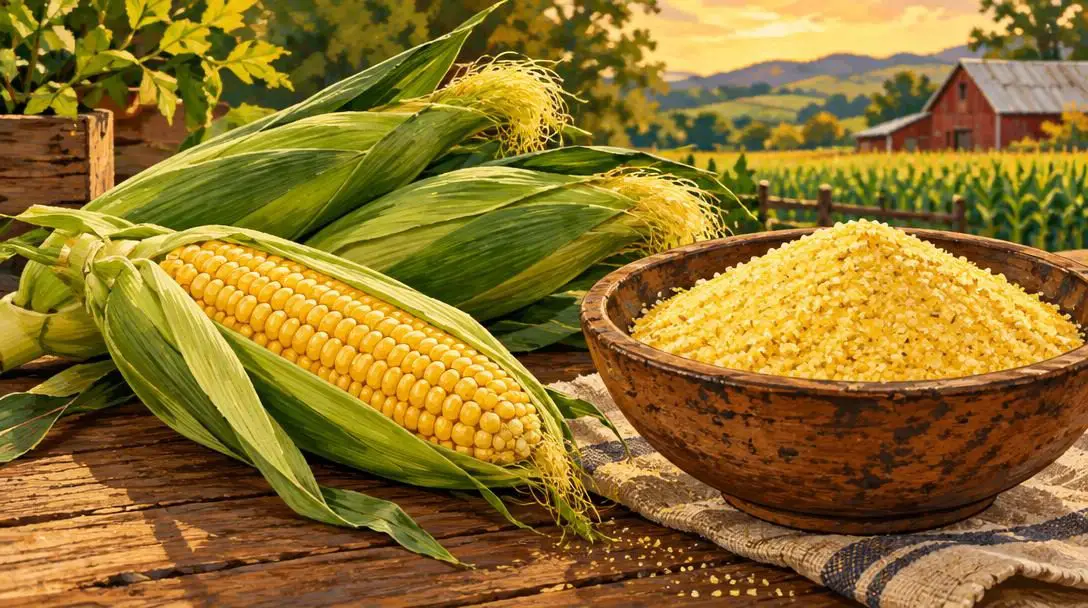
- Culinary roles: Polenta, cornmeal, grits, and whole frozen or fresh kernels
- Certification impact: Prohibits all genetically engineered seed stock
The vast majority of corn grown in the United States is genetically modified. For home cooks concerned about the potential health implications of consuming genetically engineered crops, purchasing organic corn is essential. This rule applies not only to fresh sweet corn on the cob, but also to staple cooking ingredients like cornmeal, grits, polenta, and frozen corn kernels.
Fruit Without a Peel
- Primary concerns: Direct surface penetration of synthetic pesticides
- Culinary roles: Raw snacking, baking, fruit compotes, and fresh salads
- Certification impact: Completely eliminates synthetic pesticide applications
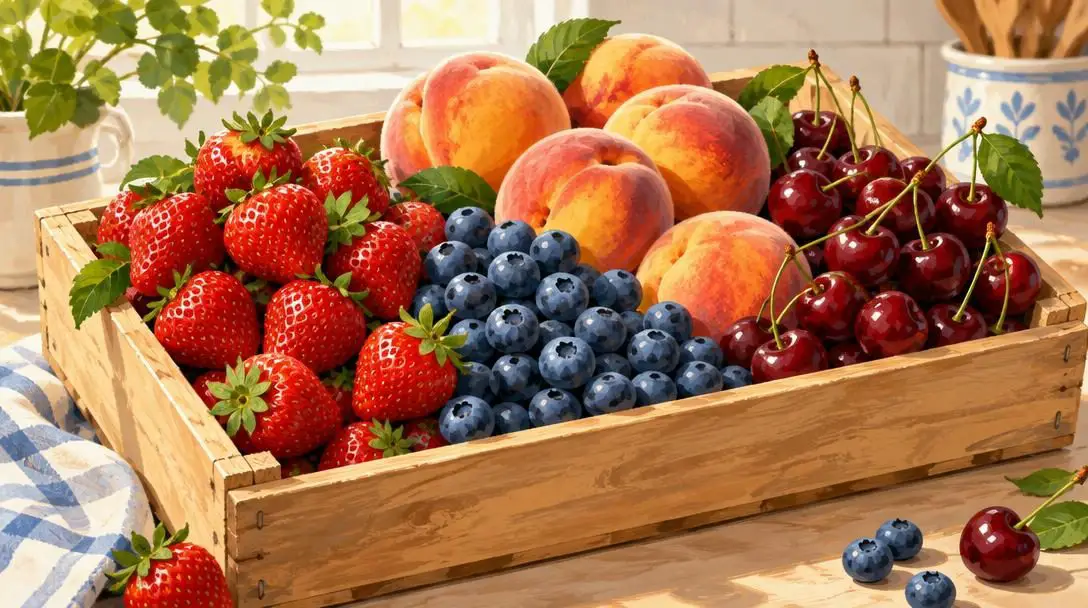
Soft fruits such as strawberries, blueberries, blackberries, peaches, and nectarines have thin, delicate skins that allow chemical sprays to penetrate deep into the flesh. Furthermore, fruits like apples, cherries, and pears are routinely consumed with their skins intact. Because washing alone cannot remove all chemical residues embedded in delicate fruit skins, these items represent one of the most critical categories to purchase organic.
Step-by-Step System for Budget-Conscious Organic Cooking
Adopting organic principles in your kitchen does not require an all-or-nothing philosophy. By establishing a methodical purchasing process, you can dramatically reduce your household's exposure to synthetic chemicals while keeping food expenditures strictly within budget.
- Audit your weekly recipe rotation. Review the meals you prepare most frequently. If animal proteins, eggs, or dairy products form the foundation of your family's weekly diet, allocate the majority of your organic shopping funds to those specific ingredients first.
- Divide your produce shopping into two categories. Separate produce items with thin, edible skins from those protected by thick outer rinds. Plan to spend money on organic berries, peaches, nectarines, apples, cherries, and pears, while buying conventional varieties of produce whose outer peel is discarded before cooking.
- Inspect ingredient labels on packaged goods. When shopping for multi-ingredient staples such as broths, sauces, or packaged grains, check whether the label says organic or made with organic ingredients. Remember that the latter permits up to 30 percent conventional ingredients.
- Substitute ingredients strategically. If an organic cut of meat or specific dairy product exceeds your weekly grocery budget, adapt your recipe to feature affordable ingredients rather than defaulting to heavily treated conventional animal products.
- Enforce corn integrity across your pantry. Compile a complete list of all corn-based items you keep in your kitchen, including cornstarch, polenta, cornmeal, and frozen kernels, and replace them with certified organic versions that avoid genetic modification.
Frequent Mistakes Home Cooks Make With Organic Food
When transitioning toward cleaner grocery habits, cooks often encounter misunderstandings that lead to unnecessary spending or unbalanced meal planning. Avoiding these common missteps will protect your wallet and improve your kitchen decisions:
- Assuming organic automatically means higher nutrition: Certified organic treats or processed snacks are not inherently lower in calories or higher in vitamins. Believing an organic dessert is a health food can undermine dietary goals.
- Treating all organic labels as identical: Overlooking the difference between certified organic items (95 percent threshold) and items made with organic ingredients (70 percent threshold) causes shoppers to pay premium prices for foods that are nearly one-third conventional.
- Overspending on protected produce: Buying organic versions of fruits and vegetables protected by thick, inedible skins diverts financial resources away from high-priority items like thin-skinned fruits and animal products.
- Ignoring conventional livestock medications: Cutting costs by buying conventional meats, butter, cream, and milk while spending money on low-risk organic produce misplaces priorities, as conventional livestock is exposed to numerous medications.
- Relying on cooking heat to destroy chemical residues: Believing that heat from a frying pan, stockpot, or roasting pan eliminates synthetic pesticides, hormones, or antibiotics is incorrect; the only reliable way to keep them off your plate is to buy ingredients produced without them.
Frequently asked questions
Does organic food taste better when cooked?
The organic certification does not measure flavor or culinary performance. It regulates farming methods such as the prohibition of synthetic fertilizers, irradiation, and hormones, meaning taste depends primarily on freshness, variety, and cooking technique.
Can cooking heat destroy pesticide residues or hormones?
No. Normal stovetop or oven heat does not neutralize or eliminate synthetic pesticides, antibiotics, or bovine growth hormones present in conventional food. Sourcing certified organic ingredients is the only dependable way to avoid them.
What is the difference between "Organic" and "Made With Organic Ingredients"?
Products labeled "Organic" must contain at least 95 percent certified organic ingredients by weight. Products labeled "Made With Organic Ingredients" are required to contain only 70 percent organic ingredients, with the remaining 30 percent coming from conventional sources.
Is organic food proven to have more protein and fiber?
There is little evidence showing that organic food contains higher amounts of protein or dietary fiber. While some studies indicate higher antioxidant and micronutrient levels, the primary benefit of organic food is the absence of synthetic chemicals and antibiotics.
Why should home cooks prioritize organic corn?
The majority of corn grown in the United States is genetically modified. For home cooks seeking to avoid genetically engineered foods, purchasing certified organic corn, cornmeal, grits, and polenta ensures the crop was grown without genetic modification.
The Bottom Line for Everyday Cooking
Deciding whether it matters to cook with organic ingredients comes down to what you want to keep off your plate. While organic foods will not magically double your protein intake or transform a basic recipe into a culinary masterpiece, they offer a reliable safeguard against synthetic fertilizers, antibiotics, growth hormones, and genetic engineering.
You do not need to convert your entire pantry overnight or exhaust your food budget on expensive specialty items. By focusing your purchases where synthetic inputs are most heavily concentrated—specifically meat, dairy products, eggs, corn-derived staples, and thin-skinned fruits—you can prepare wholesome, flavorful meals that keep unwanted agricultural chemicals out of your family's kitchen.