Save Time And Money: 5 Meals To Bulk Cook And Freeze
Balancing a household budget while putting a wholesome dinner on the table every night is an exhausting daily challenge. After a demanding workday and hours spent juggling family schedules, preparing an entire meal from scratch often feels insurmountable. The repetitive cycle of chopping produce, monitoring the stove, and scrubbing pots pushes dinner late into the evening, tempting busy households to rely on expensive commercial convenience foods that rapidly drain personal finances.
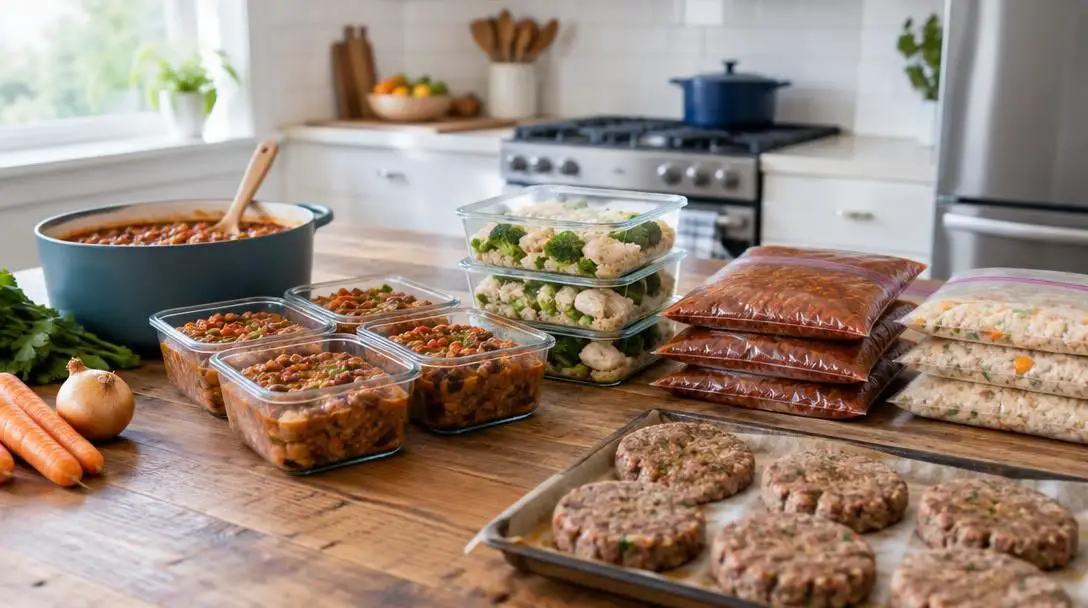
Bulk cooking and freezing offers a practical way to break this cycle. By preparing large batches of food in a single cooking session and preserving them in your freezer, you create an on-demand inventory of homemade ready meals. This system takes full advantage of bulk grocery discounts, reduces food waste, and consolidates the messiest kitchen chores into an efficient routine. Rather than cooking every night, you invest a few focused hours to secure stress-free dinners for weeks ahead.
Key takeaways
- Bulk cooking breaks the daily link between kitchen labor and dinnertime, giving you home-cooked meals with minimal weeknight cleanup.
- Liquid-rich dishes, layered bakes, separated stir-fry components, whole roast poultry, and pre-fried chicken hold up best during freezing and reheating.
- Cooling foods completely before sealing prevents condensation, ice crystal formation, and texture loss in cold storage.
- Dividing large recipes into meal-sized or individual portions ensures quick thawing and eliminates food waste.
- Organizing cooking sessions into dedicated two-to-four-hour windows maximizes the capacity of your cookware and keeps kitchen messes contained.
The Mechanics of Cold Storage and Batch Prep
Cooking daily meals requires multiple stages of effort that repeat every twenty-four hours. Each recipe demands grocery shopping, ingredient prep, active cooking attention, and final cleanup. When unexpected delays occur, the time remaining for these tasks shrinks rapidly. As a result, home cooks often face fatigue, leading to unfinished produce spoiling in the refrigerator or repeated spending on expensive, short-term solutions.
Bulk cooking changes this dynamic by breaking the link between cooking and eating on the exact same day. Rather than making a dish designed for a single sitting, you maximize the capacity of your cookware. Preparing four or six portions of a meal often requires virtually the same amount of active preparation time as preparing a single portion. Once the meals are divided and stored in cold storage, future dinners become as simple as retrieving a container, reheating the contents, and enjoying a home-cooked dinner without the associated mess.
Preparing four or six portions of a meal often requires virtually the same amount of active preparation time as preparing a single portion.
The core mechanism of bulk cooking relies on thermal preservation to arrest the natural decay of food, paired with portion management that suits your household size. Freezing food suspends the activity of microorganisms and slows down the chemical changes that cause food to spoil. However, the success of bulk freezer cooking depends entirely on understanding how different foods react to cold storage and using appropriate packaging methods to prevent moisture loss.
When moist foods are exposed to cold, dry freezer air, the moisture inside evaporates and forms ice crystals on the food surface, leading to dry spots, texture changes, and flavor degradation. To combat this, bulk-cooked meals must be shielded from air contact using airtight containers, heavy zippered freezer bags, or vacuum-sealed pouches. Controlling cooling temperatures before freezing prevents condensation inside containers, which ensures the dish retains its intended flavor and consistency when brought back to serving temperature.
5 Meals That Lend Themselves to Bulk Cooking and Freezing
Not every recipe handles the freezer environment well, but hearty home-cooked staples are uniquely suited for batch preparation. The following five categories represent dishes that hold up exceptionally well to freezing, saving you significant time and grocery money.
| Meal Type | Best Dish Examples | Key Freezing Strategy | Reheating Method |
|---|---|---|---|
| Crockpot Meals | Chicken and dumplings, American Chop Suey, beef stew | Freeze fully cooked in a 6-quart batch, divided into portions | Stovetop simmer or microwave |
| Casseroles | Shepherd's pie, mac and cheese, pot pies | Bake, cool completely, and slice into individual or family blocks | Oven bake or microwave |
| Stir Fry | Pre-cooked meat in broth paired with bulk frozen veggies | Freeze seasoned meat and veggies in dual-sealed pouches | Skillet or wok sauté |
| Turkey | Whole roasted turkey | Roast seasonal sale birds, strip meat from carcass, freeze in portions | Gentle oven reheat or quick defrost |
| Fried Chicken | Traditional battered and fried bone-in or boneless chicken | Fry a large batch once, cool completely, and pack airtight | Oven baking or microwave |
Crockpot Meals
- Ideal vessel: Six-quart slow cooker
- Top recipes: Chicken and dumplings, American Chop Suey (goulash), beef stew
- Packaging options: Airtight containers, vacuum-sealed bags, heavy-duty zippered bags
- Portion flexibility: Full family dinners or single-serving containers
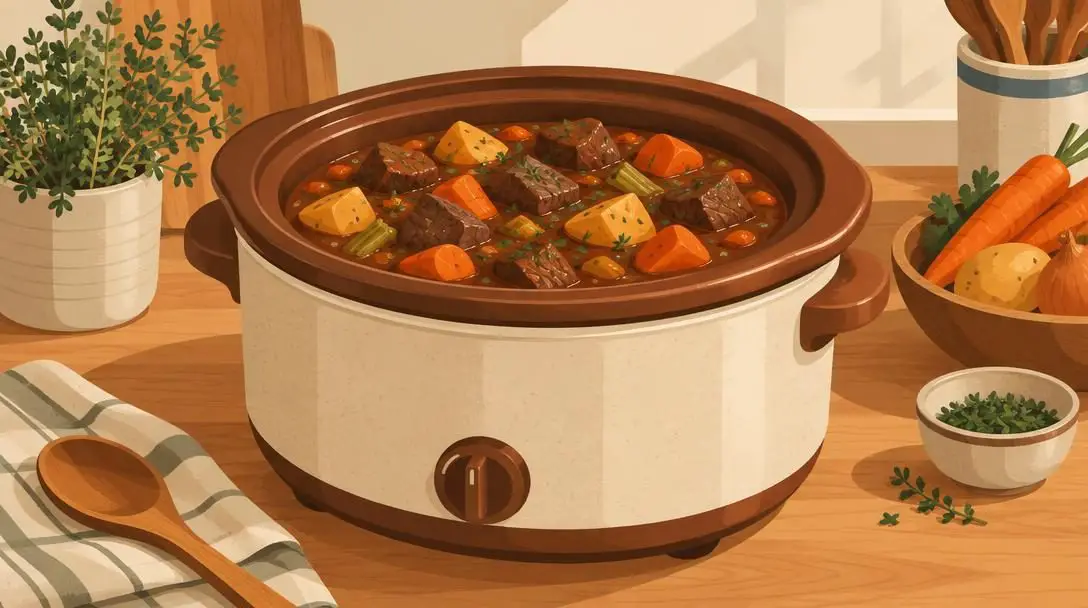
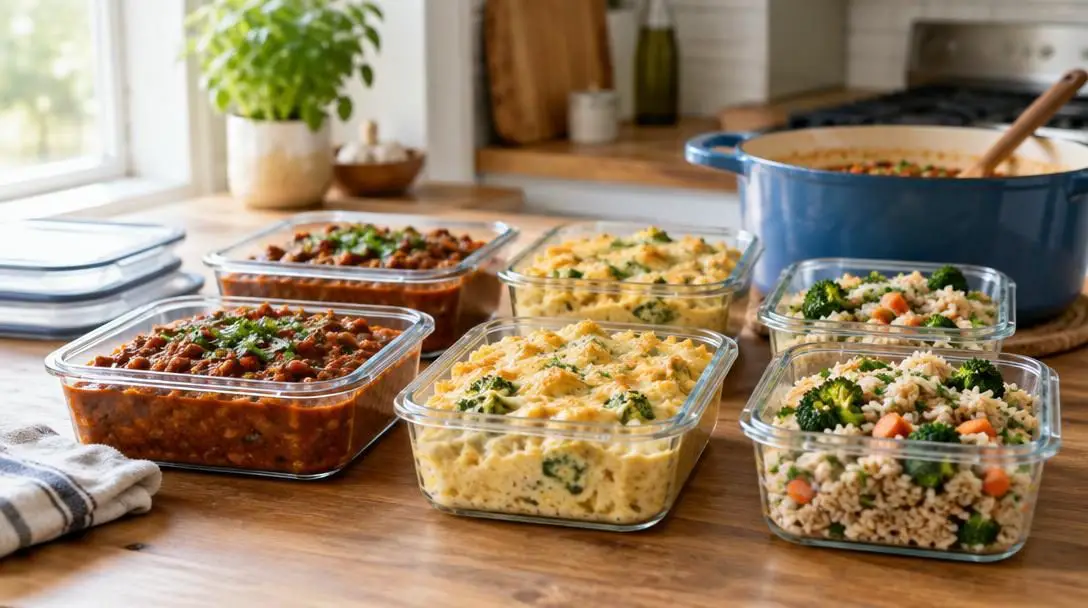
Slow cookers provide an ideal vessel for batch cooking because their low-and-slow cooking method infuses meats and starches with rich, liquid flavors. You can freeze just about anything you make in a crockpot. Hearty, liquid-rich dishes such as chicken and dumplings, American Chop Suey (also known as goulash), and classic beef stew are prime examples of meals that hold up remarkably well through the freezing and thawing cycle. The surrounding sauces and gravies act as a natural barrier against oxidation and freezer burn, keeping meats tender over months of storage.
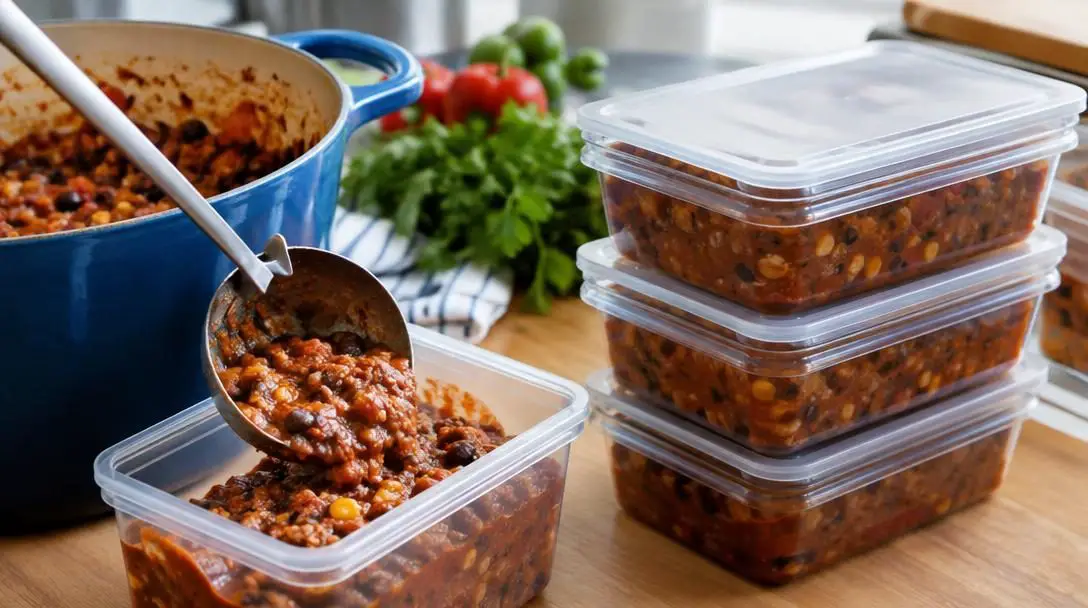
To implement this method, select your favorite slow-cooked recipe and prepare it using the full capacity of a six-quart crockpot. Fill the slow cooker completely so you maximize the output for the energy and time invested. Once the meal is fully cooked, allow it to cool down to prevent steam buildup inside your storage packages. Pack the cooled food into airtight containers, vacuum-sealed bags, or heavy-duty zippered freezer bags. You can package enough food to serve the entire family at once, or divide the batch into single-serving portions that can be grabbed individually throughout the week.
Casseroles
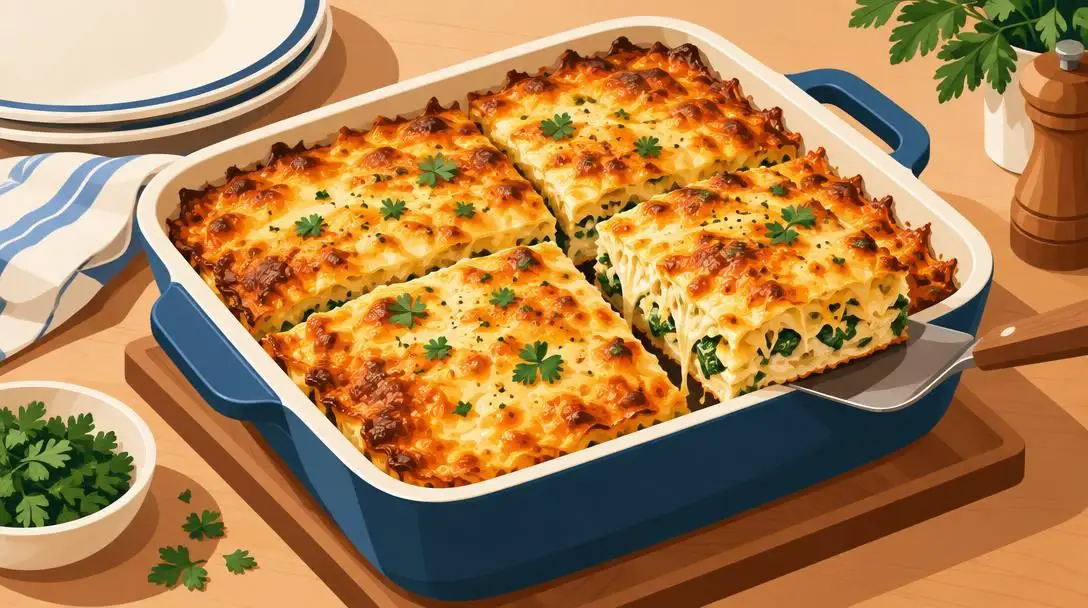
- Top recipes: Baked macaroni, shepherd's pie, mac and cheese, pot pies (pork, beef, chicken)
- Primary advantage: Solves leftover fatigue from large-yield recipes
- Storage format: Pre-measured family-sized blocks or individual heat-and-eat trays
Many home cooks avoid making casseroles on standard weeknights simply because standard casserole recipes yield too much food for one sitting, resulting in tedious leftovers or discarded food. By embracing the freezer, you can make your favorite casseroles to your heart's content without worrying about plate fatigue or waste. Classic comfort dishes like baked macaroni, shepherd's pie, mac and cheese, and deep-dish meat casseroles—including pork, beef, and chicken pot pies—reheat exceptionally well after freezing.
When you bake these dishes, portion the leftovers into meal-sized packages immediately after they cool. Storing casseroles in pre-measured, family-sized or individual containers turns complex, multi-ingredient baked dishes into simple heat-and-eat options that fit any evening schedule. The layered structure of casseroles protects inner starches and proteins, ensuring they retain their moisture and rich textures during reheating in the oven or microwave.
Stir Fry
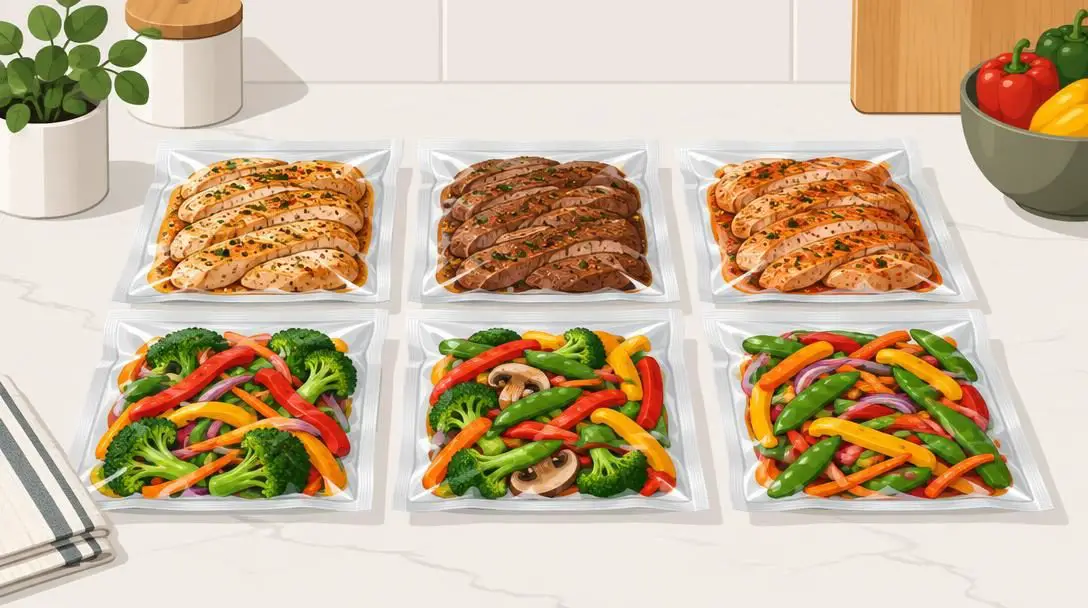
- Key technique: Two-part packaging (cooked meat separated from vegetables)
- Component 1: Pre-browned meat frozen in its natural cooking broth
- Component 2: Pre-portioned bulk frozen stir-fry vegetables
- Assembly: Vacuum seal each component, then slide together into one outer freezer bag
Freezing a complete, traditional stir fry can be difficult because delicate vegetables often turn soft and watery when frozen and reheated together with meat and sauce. However, you can easily break the stir fry process into parts to capture the time-saving benefits of bulk cooking without sacrificing texture.
To make bulk stir fry work, cook a large portion of your chosen meat in a wok or skillet. Once the meat is browned and cooked, divide the meat along with its cooking broth into meal-sized containers and freeze them. You can also purchase commercial bags of frozen stir-fry vegetables in large quantities to save extensive peeling and slicing time. Divide these bulk vegetable bags into meal-sized portions. For the most efficient storage system, vacuum seal the portioned vegetables and the portioned cooked meat separately, and then slide one packet of meat and one packet of vegetables together into a single zippered freezer bag. When you want dinner, you pull just one combined bag from the freezer, thaw the contents, cook the fresh or pre-portioned veggies, and add the precooked meat at the end to warm through.
Turkey
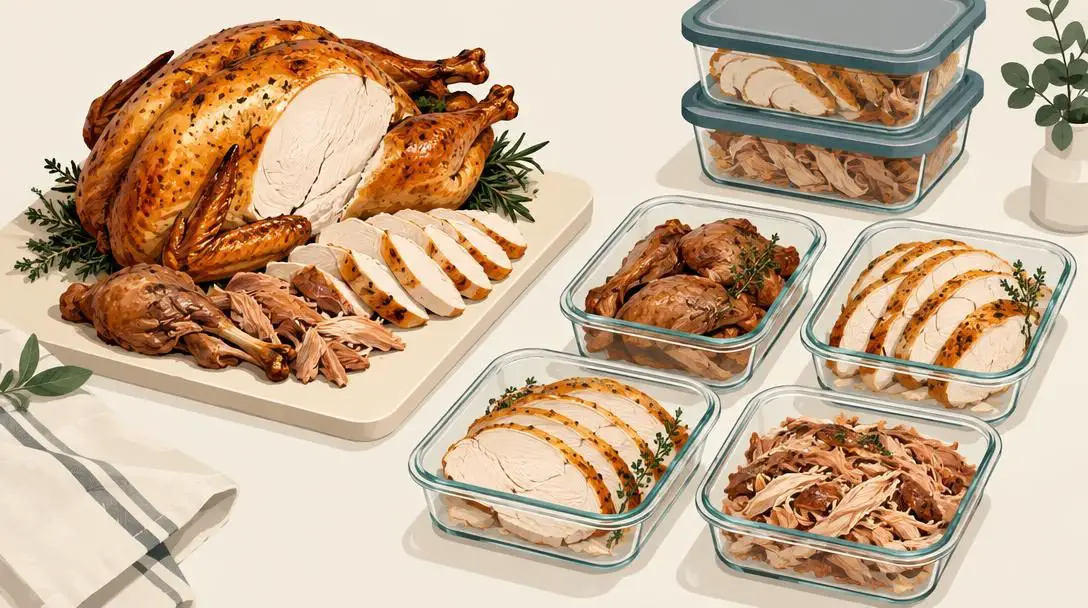
- Cost advantage: Far lower cost per pound than standalone turkey breasts
- Buying strategy: Stock up on two or three whole turkeys during holiday and seasonal sales
- Prep method: Roast whole bird, carve all meat off the carcass, and freeze in portions
Whole poultry represents one of the most cost-effective protein sources available, yet many people only prepare it during the autumn holiday season. Buying standalone turkey breasts throughout the year costs significantly more per pound than purchasing a whole bird. When grocery stores run holiday or seasonal sales on whole turkeys, take advantage of the reduced price per pound by purchasing two or three birds at once.
Place the extra turkeys directly into your freezer for long-term storage. When you want turkey later in the year, thaw and cook a whole bird. Once it is fully roasted, carve all of the meat off the carcass. Divide the carved turkey meat into meal-sized portions appropriate for individual meals or full family dinners, and pack them into the freezer. Storing cooked, carved meat eliminates the multi-hour roasting and thawing process for future dinners, allowing you to enjoy budget-friendly poultry whenever you want it without turning on the oven for four hours on a weeknight.
Fried Chicken
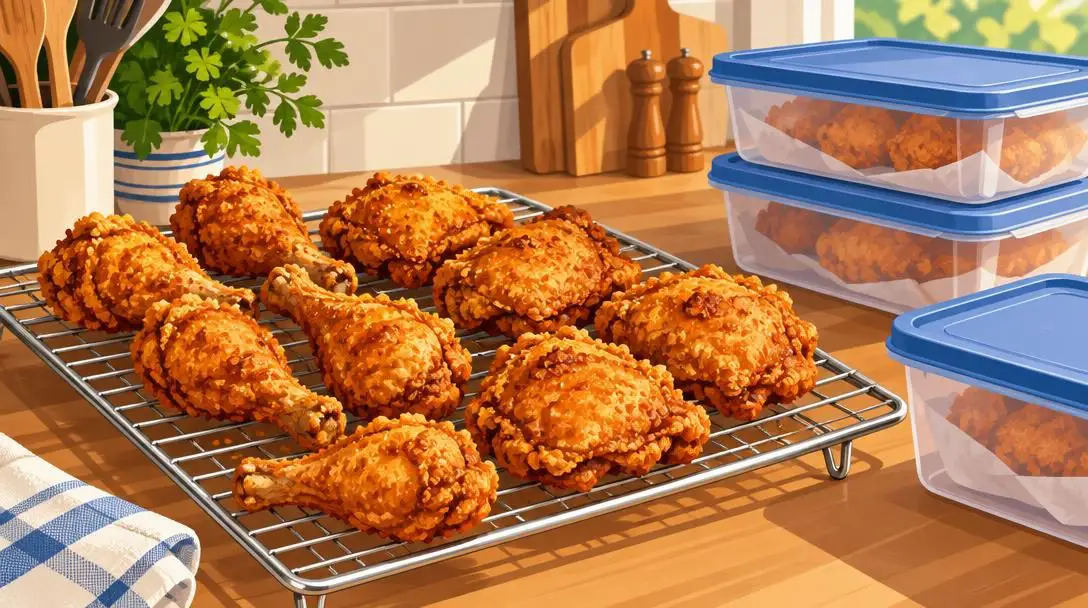
- Primary benefit: Eliminates weeknight oil splatter, battering mess, and heavy cleanup
- Buying strategy: Purchase bone-in or boneless chicken in bulk during market sales
- Reheating options: Crisp in an oven or warm through quickly in the microwave
Fresh fried chicken is beloved for its crisp coating and rich flavor, but the preparation process is notoriously messy and time-consuming. Setting up breading stations, managing hot oil, and cleaning greasy stovetops and pans makes it impractical for regular weeknight cooking. Consequently, busy households often miss out or rely on costly commercial alternatives from restaurants or delis.
You can bypass this hassle by purchasing chicken in bulk whenever it goes on sale at your local market. Choose a day when you have a few hours to dedicate to the kitchen. Fry enough chicken to cover several full dinners in one go. After the fried chicken cools, pack the pieces into airtight freezer containers. When you have a taste for fried chicken on a busy night, you avoid the entire battering and frying mess. Simply pull the pre-cooked chicken from the freezer and heat the pieces in your oven or microwave until hot, delivering crispy comfort food in a fraction of the standard prep time.
Practical Steps for a Successful Bulk Cooking Session
Organizing a bulk cooking session requires methodical planning to ensure you work efficiently and maintain high standards of food safety. Implementing a structured process helps you handle large volumes of ingredients without becoming overwhelmed by the workload.
- Plan your menu and review supplies: Select the dishes you intend to cook based on current sales on meats, vegetables, and pantry staples. Check that you have enough airtight containers, freezer-grade zippered bags, or vacuum sealer rolls before beginning.
- Dedicate a specific time block: Reserve a block of two to four uninterrupted hours on a weekend or an open afternoon. Concentrating all your effort into one dedicated window maximizes your efficiency and leaves you with only one major kitchen cleanup.
- Prepare ingredients in batches: Complete all cutting, chopping, and measuring tasks before turning on the heat. Prepping all aromatics, slicing all proteins, and opening canned goods in advance keeps your cooking area organized.
- Cook in large vessels simultaneously: Utilize your largest pots, woks, roasting pans, and slow cookers at the same time. For example, you can have a six-quart crockpot running a stew while a whole turkey roasts in the oven and chicken fries on the stovetop.
- Cool foods completely: Allow all cooked foods to come to room temperature before sealing them into containers. Placing steaming hot food directly into an airtight container creates excess moisture that turns into ice crystals and degrades food quality.
- Portion and seal: Divide the cooled food into family-sized portions or single-serving containers based on your household's daily routines. Remove as much excess air as possible using vacuum sealers or by pressing the air out of freezer bags before zipping them shut.
- Label everything clearly: Use a permanent marker to record the dish name, portion size, and the date of preparation on each container or bag. Foods can look surprisingly similar once frozen solid.
Common Freezer Cooking Mistakes to Avoid
Freezing prepared meals is straightforward, but small missteps can compromise the flavor, texture, and convenience of your hard work. Avoiding these regular pitfalls ensures that every meal you pull from cold storage tastes as fresh as the day it was prepared.
- Freezing food in large, undivided blocks: Freezing an entire six-quart batch of stew or a massive casserole in a single large container creates serious dinner logistics problems. You must thaw the entire block even if you only need dinner for one or two people. Always divide bulk batches into usable meal-sized or individual portions.
- Neglecting proper airtight packaging: Standard plastic wrap or thin sandwich bags are permeable to air over extended periods. Using packaging that is not graded for freezer storage leads to rapid moisture loss, off-flavors, and freezer burn. Use heavy-duty freezer bags, rigid airtight containers, or vacuum-sealed pouches.
- Overcooking foods destined for the freezer: Foods that will be reheated later, particularly vegetables and pasta casseroles, continue to soften during the reheating process. If you cook them until completely soft during the initial prep, they can turn mushy when reheated. Cook starches and vegetables to a firm consistency before freezing.
- Skipping the labeling step: Never assume you will remember what a frozen, frost-dusted package contains six weeks down the road. Unlabeled packages often go uneaten because household members cannot identify the contents or determine how long they have been in cold storage.
- Stacking warm containers: Stacking warm food containers directly on top of each other inside the freezer traps heat between them. This raises the internal temperature of your freezer and slows the freezing rate, which can negatively affect food safety and texture. Spread containers out in a single layer until they are frozen solid before stacking them neatly.
Long-Term Logistics and Freezer Management
Once you establish a basic rhythm with bulk cooking and freezing, you can evaluate your household logistics to make the system even more efficient. Begin by auditing the capacity of your freezer space. If your primary refrigerator freezer is consistently full, evaluating whether your budget and home layout allow for a standalone chest or upright freezer can dramatically expand your ability to take advantage of bulk meat and poultry sales.
A secondary freezer allows you to store multiple whole turkeys, dozens of pre-portioned casserole blocks, and stacked bags of crockpot stews without overcrowding everyday staples like ice and frozen fruit. Chest freezers in particular offer reliable temperature retention during power outages and maintain deep-freeze conditions that protect food quality over many months.
Next, consider establishing a systematic inventory process. Keeping a simple dry-erase sheet on the front of your freezer listing the meals available, their portion sizes, and their prep dates prevents forgotten items from lingering at the bottom of the bin. This habit also helps you plan weekly dinners seamlessly: you can check your inventory, pull out the necessary meal packages to thaw safely in the refrigerator overnight, and enjoy effortless, home-cooked food every evening of the week without opening a single takeout app.
Frequently asked questions
How long can bulk-cooked meals stay in the freezer?
When properly sealed in airtight containers, heavy-duty freezer bags, or vacuum pouches, most bulk-cooked meals such as stews, casseroles, and cooked poultry maintain optimal flavor and texture for several months. Removing as much air as possible is the primary factor in preventing freezer burn and flavor deterioration.
Why shouldn't I freeze stir fry all in one container?
Freezing cooked vegetables together with meat and sauce often results in soft, watery vegetables upon reheating. Separating the pre-cooked meat in its broth from the pre-portioned vegetables preserves vegetable crispness and allows you to quickly sauté the vegetables before tossing in the thawed meat to warm through.
What is the best way to reheat frozen fried chicken?
While you can use a microwave for rapid heating, reheating fried chicken in a conventional oven produces the crispiest exterior crust. Placing the chicken on an oven-safe wire rack allows hot air to circulate underneath the pieces, restoring the crunchy texture without introducing excess grease.
Can I freeze dairy-heavy casseroles like mac and cheese?
Yes. Baked macaroni, mac and cheese, and deep-dish savory pies freeze and reheat exceptionally well. To achieve the best texture, avoid overcooking the pasta during initial boiling so it does not turn mushy when baked and reheated.
How should I safely thaw bulk-cooked meals before reheating?
The safest thawing method is transferring the meal container from the freezer to the refrigerator twenty-four hours before you plan to serve it. This allows the food to thaw at a consistent, safe temperature, ensuring even heating whether you finish it on the stovetop, in the oven, or in the microwave.
The bottom line
Transitioning to a bulk cooking and freezing routine transforms dinnertime from a stressful nightly burden into an organized, cost-effective habit. By dedicating a single afternoon to preparing high-yield, freezer-friendly recipes like crockpot stews, rich casseroles, segmented stir-fries, whole turkeys, and batch-fried chicken, you liberate your weeknights from greasy pans, endless chopping, and expensive convenience foods. With proper airtight storage, clear labeling, and smart portioning, your freezer becomes a personalized grocery store filled with ready-to-heat, home-cooked dinners.