Don’t Cook This At Home: The 5 Weirdest Dishes Cooked By Celebrity Chefs
In modern culture, celebrity chefs have ascended to the status of genuine rock stars across television, digital publishing, and social media. They host high-profile cooking competitions, author bestselling cookbooks, launch popular podcasts, and regularly appear as coveted guests on late-night talk shows. This commanding cultural platform grants them immense creative freedom, but it also raises a valid question among audiences at home: can culinary stars deliver flawless meals every single time, or does runaway fame occasionally distort their gastronomic judgment?
While many world-renowned cooks consistently provide dependable recipes, the pressure to produce viral television moments or push avant-garde boundaries sometimes leads to head-scratching results. Whether an eccentric concept stems from an attempt to appease finicky children, indulge in county-fair indulgence, fast-track classic dinner staples, or incorporate high-concept science into humble comfort foods, not every televised innovation belongs in a family kitchen. The following recipes highlight notable instances where famous culinary personalities served up ideas that home cooks would strongly prefer to leave untouched.
Key takeaways
- High-profile culinary personalities sometimes prioritize viral entertainment and shock value over practical home-cooking fundamentals.
- Misjudged shortcuts—such as pouring tap water into fried rice or tossing popped corn into mayonnaise dressing—ruin moisture management and produce unappealing textures.
- Iconic comfort classics rarely benefit from theatrical over-complication, like unevenly toasting individual bread faces or rolling bacon into dense cylinders.
- Home cooks can easily salvage the core inspiration behind these experimental recipes by applying sound foundational techniques and separating incompatible elements.
At a glance: The strangest celebrity chef creations
Even seasoned culinary icons occasionally stumble when attempting to reinvent classic staples or invent brand-new food combinations. The table below outlines how these five unusual dishes came together and where their culinary logic broke down.
| Dish | Chef | Unconventional Feature | Culinary Breakdown |
|---|---|---|---|
| Blood and Guts Potatoes | Nigella Lawson | Bottled ketchup poured over fresh mozzarella and potatoes | Overly sweet, acidic condiment overpowers subtle dairy notes |
| Deep-Fried Stuffing on a Stick | Paula Deen | Skewered, flour-dredged sausage dressing plunged into boiling oil | Dense stuffing absorbs excessive grease, destroying light holiday texture |
| Quick & Easy Egg Fried Rice | Jamie Oliver | Pouch rice cooked with olive oil, silken tofu, and tap water | Excess liquid produces a wet, mushy porridge rather than fried grains |
| The Ultimate Bacon Sandwich | Heston Blumenthal | Tightly rolled bacon strips paired with a half-toasted slice of bread | Awkward chew profile and uneven structural support in the mouth |
| Crunchy Snap Pea Popcorn Salad | Molly Yeh | Popped corn kernels tossed directly into wet mayonnaise and sour cream | Delicate popped corn absorbs moisture instantly, turning limp and spongy |
The 5 weirdest dishes cooked by celebrity chefs
From jarring flavor pairings to baffling mechanical techniques, these dishes showcase what happens when prominent culinary personalities take an abrupt detour into the bizarre. Here are the five most eccentric chef-designed recipes you will likely want to avoid recreating.
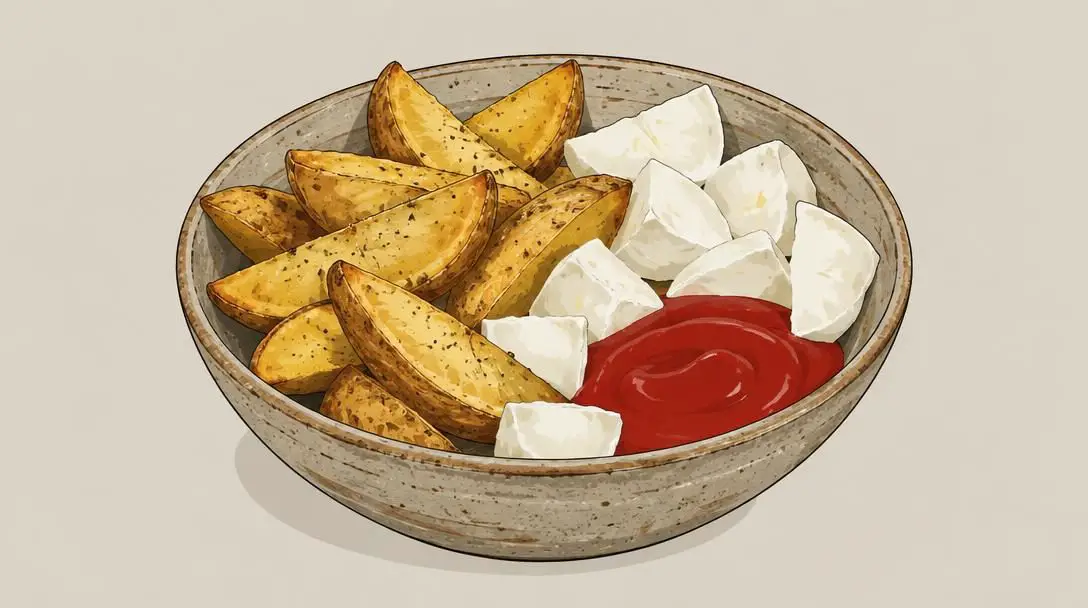
Blood and Guts Potatoes
- Chef: Nigella Lawson
- Key Ingredients: Potatoes, fresh mozzarella cheese, tomato ketchup
- Apparent Objective: Shock-value novelty side dish aimed at young children
Nigella Lawson is widely celebrated for her indulgent, luxurious culinary catalog, but Blood and Guts Potatoes remains an undeniable anomaly in her repertoire. Beyond bearing a distinctly unappetizing title, the recipe pairs soft potatoes and mild, milky fresh mozzarella with generous squirts of plain bottled ketchup. While the dish seems designed specifically to elicit giggles from reluctant young eaters, anyone with a mature palate is likely to find the jarring clash of processed sugar and fresh dairy entirely unpalatable.
Deep-Fried Stuffing on a Stick
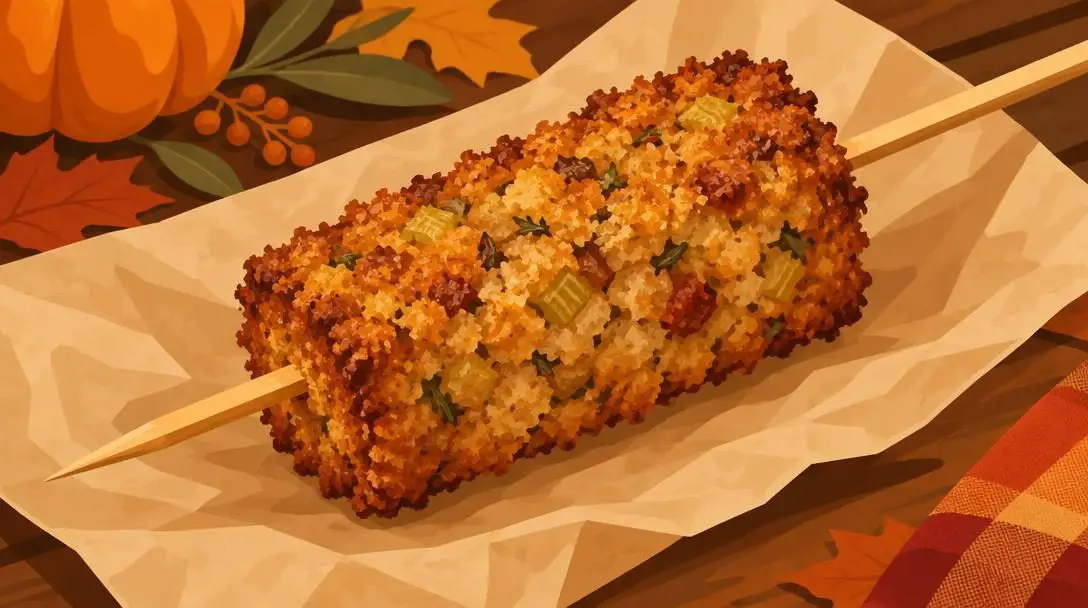
- Chef: Paula Deen
- Key Ingredients: Sausage dressing, wooden skewers, flour dredge, frying oil
- Apparent Objective: Carnival-style transformation of traditional holiday comfort food
Southern cuisine icon Paula Deen delivered on the literal promise of her recipe's title, but the culinary rationale remains difficult to defend. The preparation takes seasoned sausage dressing—a holiday staple celebrated for its delicate balance of herbal aromatics and moist breadcrumb crumb—cuts it into blocks, threads it onto sticks, dredges the portions in flour, and deep-fries the entire assembly until golden brown. Rather than enhancing the dressing, submerging the carb-dense mixture into hot oil saturates the breadcrumb structure with excess fat, creating a heavy, oily novelty that would deter even the most dedicated comfort food enthusiasts.
Quick & Easy Egg Fried Rice
- Chef: Jamie Oliver
- Key Ingredients: Pre-cooked packaged rice pouches, silken tofu, tap water, olive oil, eggs
- Apparent Objective: Ultra-fast weeknight shortcut version of an Asian classic
Venturing outside one's culinary comfort zone demands a deep respect for core techniques, but Jamie Oliver's shortcut interpretation of egg fried rice abandoned nearly every rule of authentic wok cookery. Instead of utilizing chilled, dry day-old rice tossed over roaring heat in a neutral oil, Oliver's televised method called for pre-packaged shelf-stable rice pouches, robust olive oil, raw tap water poured directly into the hot pan, and chunks of fragile silken tofu. The massive volume of extraneous moisture prevented any frying from occurring, yielding a damp, broken porridge that drew intense criticism from home cooks and professional chefs worldwide.
The push to constantly create fresh, viral, or avant-garde content sometimes results in ideas that cross the line from innovative to outright bizarre.
The Ultimate Bacon Sandwich
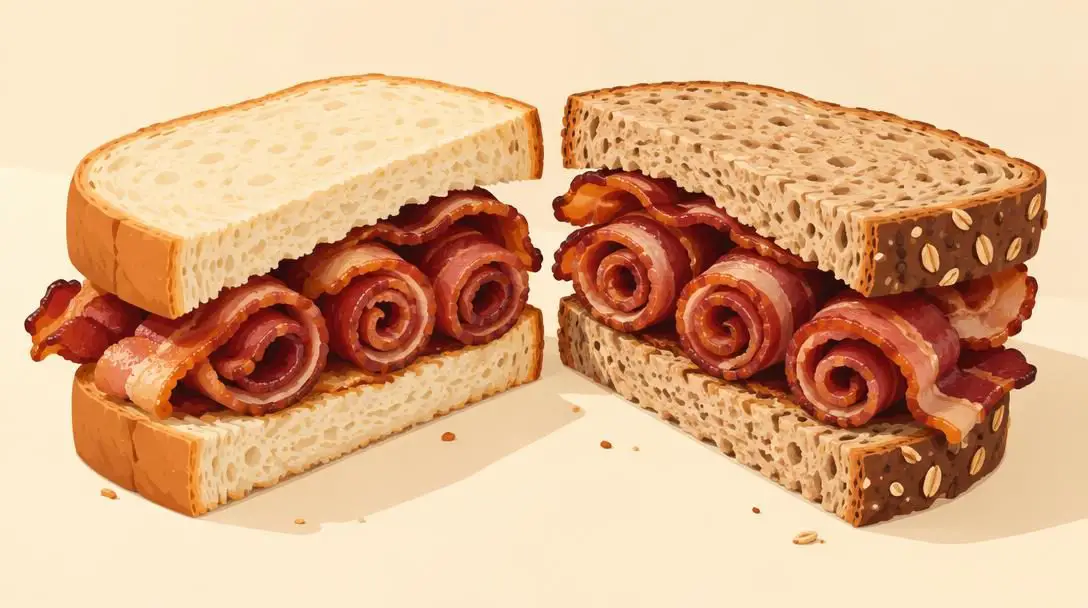
- Chef: Heston Blumenthal
- Key Ingredients: Bacon rashers, sliced white bread, condiments
- Apparent Objective: Scientific reinvention of a beloved British breakfast staple
Heston Blumenthal has earned an international reputation as an avant-garde culinary pioneer, famous for theatrical multi-sensory meals and visual deceptions like shaping ice cream to resemble raw ground meat. However, when tackling a humble bacon sandwich, Blumenthal bypassed exotic ingredients in favor of perplexing physical adjustments. His recipe instructed cooks to tightly roll individual strips of cooked bacon into compact logs and deliberately toast only one face of a single slice of sandwich bread while leaving the rest soft. The resulting sandwich proved structurally awkward, requiring diners to bite through dense rolls of meat cradled by mismatched, lopsided bread.
Crunchy Snap Pea Popcorn Salad
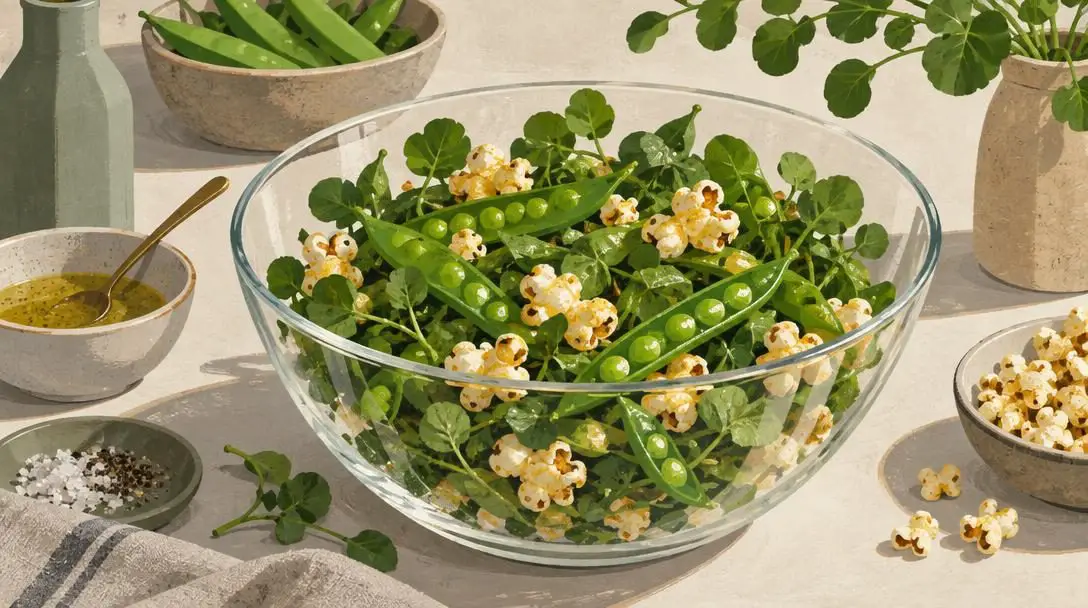
- Chef: Molly Yeh
- Key Ingredients: Sugar snap peas, carrots, celery, watercress, mayonnaise, sour cream, popped corn, white cheddar seasoning
- Apparent Objective: Whimsical Midwestern-inspired hybrid side dish for outdoor picnics
Food Network host Molly Yeh stunned viewers when she introduced popped corn kernels as the centerpiece of a cold vegetable salad. On paper, the foundational produce—crisp sugar snap peas, shredded carrots, crunchy celery, and peppery watercress—tossed with a creamy dressing of mayonnaise and sour cream represents a refreshing picnic slaw. The dish derailed entirely when Yeh folded plain popped corn and powdered white cheddar seasoning directly into the wet mayonnaise base. The porous corn kernels rapidly absorbed the liquid dressing, transforming crisp movie-night crunch into a limp, soggy texture coated in synthetic cheese flavor.
The mechanics of culinary failure: Why these concepts collapse
To understand why these five chef creations proved so disappointing, one must examine the fundamental science of food preparation. When high-profile cooks prioritize television spectacle or hurried shortcuts, they often violate basic rules of moisture control, flavor harmony, and mouthfeel.
The primary flaw across several of these recipes involves improper moisture management. Authentic fried rice depends on dry grains with minimal surface hydration; adding tap water, pre-steamed pouch rice, and moisture-laden silken tofu creates an environment of total steam rather than high-heat searing. Similarly, popping corn kernels creates thousands of tiny, dry air pockets. When introduced to an emulsion of sour cream and mayonnaise, those microscopic starch chambers act like sponges, causing the popped corn to collapse into damp, chewy lumps.
Flavor clashing represents another recurring misstep. Ketchup relies on a heavy balance of processed cane sugar, high-fructose corn syrup, and pungent vinegar. When squirted over fresh mozzarella—a delicate cheese prized for its subtle, lactic sweetness—the sharp sweetness of the condiment completely erases the character of the dairy. In deep-fried dressing, the extreme saturation of hot cooking oil traps heavy fat inside dense breadcrumbs, masking traditional poultry herbs like sage and thyme under a wall of grease.
How to salvage these dishes in a home kitchen
If you find yourself intrigued by the core ideas behind these eccentric dishes, you do not have to abandon them entirely. By substituting proper culinary mechanics for television gimmicks, you can easily produce delicious variations at home.
- Elevate cheesy potatoes with homemade sauce: Replace sweet commercial ketchup with a quick stovetop reduction made from roasted plum tomatoes, minced garlic, fresh basil, and cracked black pepper. Roast cubed russet or Yukon Gold potatoes until crisp, top them with sliced fresh mozzarella under a broiler until melted, and spoon the warm savory sauce across the cheese.
- Bake sausage dressing into crispy rounds: Skip the deep fryer and wooden skewers. Pack your favorite savory sausage stuffing into mini muffin tins or roll them into bite-sized meatballs, mist lightly with cooking spray, and bake at 400 degrees Fahrenheit until a crunchy outer shell forms around a tender interior.
- Reconstruct classic egg fried rice: Discard shelf-stable rice pouches, silken tofu, and tap water. Spread freshly cooked jasmine rice on a baking sheet and refrigerate it overnight to dry the grains. Heat a wok with neutral vegetable or peanut oil, scramble fresh eggs over high heat, toss in the dry rice with chopped scallions, and finish with a teaspoon of soy sauce and toasted sesame oil.
- Construct a flat, balanced bacon sandwich: Cook high-quality bacon strips completely flat in a cast-iron skillet or on a parchment-lined baking sheet to achieve even fat rendering. Toast both bread slices lightly and uniformly on both sides, apply a thin layer of butter or traditional brown sauce, and layer the flat strips evenly to ensure clean, effortless bites.
- Serve popcorn salad elements separately: Prepare the cold salad base of crunchy snap peas, carrots, celery, and peppery watercress tossed with a light sour cream and mayonnaise dressing. Instead of dumping popped corn into the wet vegetables, toss warm popcorn with white cheddar seasoning in a separate dry bowl and serve it alongside the salad as a crunchy snack.
Common mistakes when replicating celebrity chef recipes
Home cooks eager to emulate television personalities often encounter culinary frustrations by trusting onscreen presentations uncritically. Avoid these frequent mistakes when evaluating high-profile recipes:
- Equating celebrity status with everyday palatability: Assuming that an established public profile guarantees a recipe will suit your household's tastes can lead to wasted groceries and disappointing dinners.
- Neglecting ingredient water content: Failing to assess how much liquid ingredients like wet tofu, pouch grains, or heavy dairy dressings release into dry starches inevitably causes sogginess.
- Over-complicating simple comfort classics: Introducing fussy procedures—such as rolling strips of bacon or toasting only a single side of one bread slice—rarely improves dishes that rely on clean simplicity.
- Sacrificing palate balance for visual shock value: Relying on high-sugar condiments or powdered snack seasonings to create eye-catching or controversial television moments frequently ruins the overall dish.
Frequently asked questions
Why did Jamie Oliver's egg fried rice receive so much criticism?
Jamie Oliver's recipe faced significant backlash because it broke nearly every standard rule of traditional wok cooking. By using pre-packaged rice pouches, pouring tap water straight into the pan, and adding moisture-heavy silken tofu alongside olive oil, the preparation steamed the ingredients into a soggy, wet mush rather than frying them over high, dry heat.
Can popcorn ever work successfully in a salad?
Popcorn can only maintain its texture if it is kept completely away from moisture until the moment of consumption. When mixed into wet dressings like mayonnaise or sour cream, the airy, porous corn kernels instantly absorb the liquid and turn spongy. Popcorn is best enjoyed separately as a dry side accompaniment.
What was the mechanical flaw in Heston Blumenthal's bacon sandwich?
Heston Blumenthal rolled the bacon strips into dense spirals and chose to toast only one face of a single slice of sandwich bread. Rolling the meat made it tough and difficult to bite through cleanly, while toasting just one bread face created an uneven, unbalanced structural foundation that felt unfinished in the mouth.
Why did Paula Deen's deep-fried stuffing fail from a culinary standpoint?
Traditional stuffing relies on a light crumb, herbal seasonings, and a delicately crisped top crust developed in the oven. Submerging skewer-mounted blocks of bread-dense dressing into hot frying oil caused the interior to absorb excessive grease, resulting in an overwhelmingly heavy, oily block that masked the flavors of the sausage and herbs.
How can you tell if a celebrity chef recipe is a gimmick before cooking it?
Examine the ingredient list for jarring flavor contrasts—like processed high-sugar ketchup paired with delicate fresh cheeses—and check whether dry starches are being mixed into wet environments without immediate consumption. If a technique seems designed solely for visual surprise or internet discussion, it is likely an avant-garde gimmick.
The bottom line
Celebrity chefs possess remarkable talent, creative vision, and culinary influence, but their televised experiments demonstrate that even industry leaders are capable of profound missteps. When high-concept dining ideas, viral media demands, or ill-conceived kitchen shortcuts overshadow proven cooking principles, the resulting meals rarely satisfy at the dinner table. By maintaining a critical eye, paying attention to moisture balance, and respecting classic culinary fundamentals, home cooks can easily bypass these bizarre televised misfires and prepare delicious, reliable meals with total confidence.