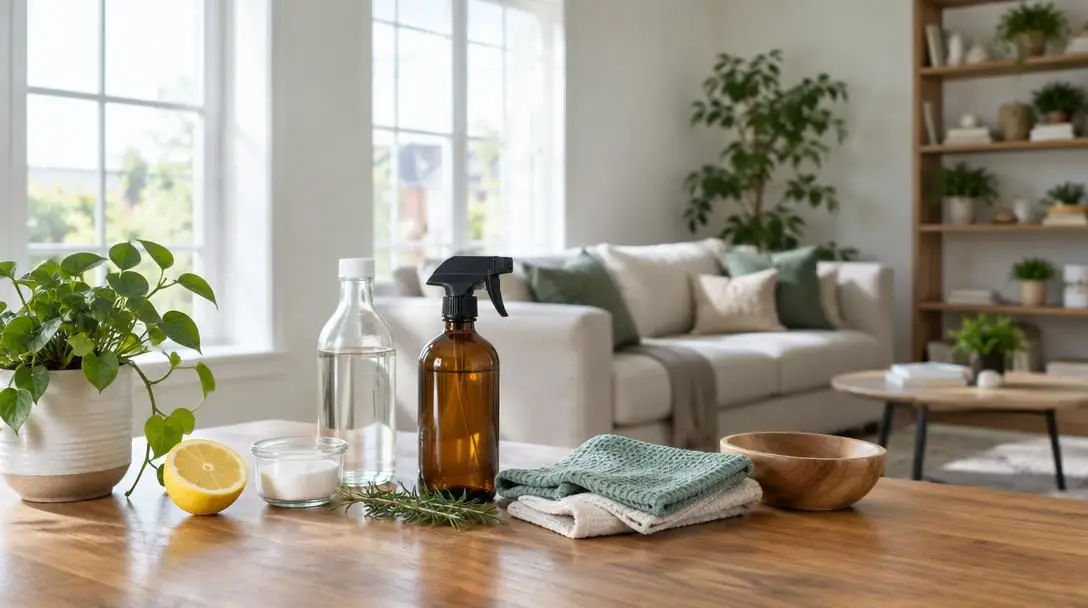
5 Cleaning Tricks To Make Life Simpler

Most people cherish the feeling of a clean, orderly home, yet few look forward to devoting entire weekends to scrubbing surfaces, polishing metal fixtures, and chasing dust across floorboards. When daily responsibilities like work, family commitments, and social events pile up, household maintenance can quickly begin to feel like a punishing, unending treadmill. The constant struggle to keep grime at bay often leaves homeowners searching for an effortless solution that does not require an arsenal of expensive specialty cleaners.
The secret to simplifying household chores lies not in pricey chemical formulas, but in reconsidering the items already tucked away inside your pantry, medicine cabinet, and laundry room. By understanding how common household goods can double as high-performance cleaning tools, you can dramatically cut down on physical scrubbing, eliminate clutter under the sink, and reclaim hours of valuable leisure time.
Key takeaways
- Repurposing everyday domestic items replaces single-use commercial chemicals with cost-effective, multi-purpose alternatives.
- Passive cleaning methods, such as soaking fixtures in bags or running decor through appliance cycles, do the heavy labor for you.
- Understanding the physical and chemical properties of common products unlocks unexpected uses throughout the home.
- Avoiding common missteps, like scrubbing delicate electronics too hard or washing heirloom china in appliances, prevents accidental household damage.
At a glance: five versatile cleaning shortcuts
| Tool or Technique | Primary Cleaning Target | Cleaning Mechanism | Core Advantage |
|---|---|---|---|
| Dryer Sheets | Baseboards, furniture fabric, mirrors, and toilet rings | Anti-static fibers and mild surface friction | Traps fine dust without scattering particles into the air |
| The Dishwasher | Sturdy figurines, glass decor, plastic toys, and light covers | High-temperature water jets and sanitizing steam | Reaches deep recesses and grooves without manual scrubbing |
| Vinegar & Baking Soda Bag | Crusted faucets and mineral-clogged showerheads | Effervescent acid-base reaction that dissolves scale | Delivers continuous, unattended soaking contact |
| Denture Tablets | Narrow carafes, tea kettles, and electric coffee pots | Active effervescence that lifts stains and sanitizes | Cleans deep interior vessel walls without brushes or hands |
| Coffee Filters | Television monitors, laptop displays, and computer screens | Lint-free woven paper that minimizes static cling | Leaves delicate electronic screens streak-free and scratchless |
The science behind everyday household repurposing
Clever housekeeping shortcuts work because they rely on fundamental physical and chemical principles. When you repurpose an everyday item, you are simply directing its engineered properties toward a new surface. For example, laundry dryer sheets are manufactured with specific softening agents, pleasant fragrances, and synthetic fibers designed to neutralize electrical charges. When applied to household surfaces, those same fibers act as dust magnets, binding fine loose particles and pet hair instead of dispersing them into the surrounding air.
Chemical reactions play an equally powerful role in passive cleaning. Combining vinegar with baking soda produces an immediate, bubbling effervescence driven by the interaction between an acid and a base. While the physical bubbling works mechanically to loosen crusted debris, the acidity of the vinegar breaks down alkaline mineral deposits and hard-water scale. Keeping this mixture trapped directly against a metal fixture allows the chemistry to work continuously, eliminating the need for abrasive scouring pads.
Similarly, effervescent denture tablets rely on active oxygenating bubbles engineered to sanitize delicate dental hardware and lift stubborn discoloration. When dropped into water, these tablets create microscopic turbulence that functions just like a miniature automated scrub brush. In appliances and kitchen carafes, this bubbling action penetrates dark tannin stains left by coffee and tea without scratching glass or metal surfaces.
Finally, simple physical design can make all the difference when tending to fragile surfaces. Coffee filters are woven from resilient, lint-free paper fibers designed to withstand moisture and heat without shedding sediment into a brew. That same tightly spun, residue-free construction makes them the ideal medium for picking up dust from modern electronics, which are easily scratched by the coarse wood pulp found in regular paper towels.
Five clever cleaning shortcuts for everyday upkeep
Putting these household items to work requires only a few minutes of setup and an understanding of where each tool delivers the greatest impact. Below are five proven strategies for streamlining your cleaning routine.
Dryer Sheets
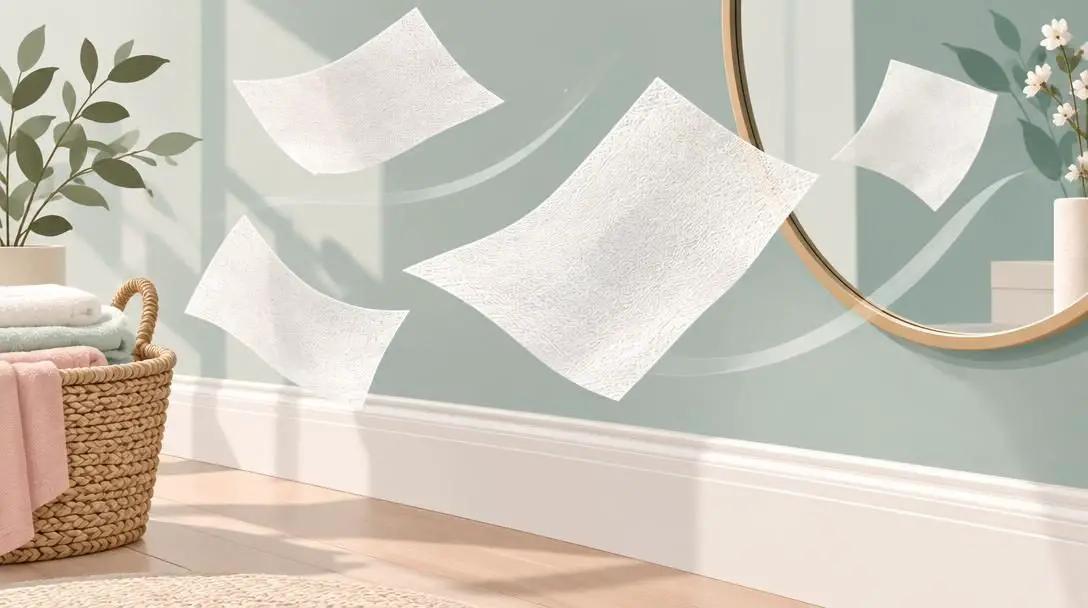
Dryer sheets are traditionally used to prevent static cling and impart a fresh scent to clothing, but their unique texture makes them an exceptional all-purpose dry duster and spot remover. Rather than reaching for paper towels or disposable dusting cloths, keep a box of dryer sheets handy to refresh living spaces before guests arrive.
To refresh upholstered sofas, armchairs, or hanging window curtains, glide a clean sheet lightly over the fabric. The woven synthetic fibers pull pet hair and dust right out of the weave while leaving behind a pleasant, subtle fragrance. Along the floor, running a dryer sheet over painted baseboards collects accumulated debris in a single pass, simultaneously leaving behind a faint anti-static barrier that slows down future dust settling.
Dryer sheets also excel in the bathroom. The gentle abrasive texture of the sheet is sturdy enough to buff away dry water spots and toothpaste splatters on bathroom vanity mirrors without leaving behind streaks. For persistent mineral rings inside a ceramic toilet bowl, a dryer sheet provides just enough friction to lift the ring away before you flush.
The Dishwasher

Hand-washing decorative accents, knickknacks, and household fixtures can consume an entire afternoon. If your display shelves are filled with intricate ceramic statues, glass decor, or neglected home accessories, letting your dishwasher handle the job eliminates tedious manual wiping.
The enclosed environment of an automated dishwasher combines hot water sprays, detergent, and steam to sanitize items thoroughly. Pressurized water streams penetrate narrow crevices, hollow bases, and delicate contours that sponges and microfiber cloths cannot access. Beyond standard dishware, the machine is well-suited for washing plastic children's toys, removable glass light fixture covers, and plastic toothbrushes that need periodic deep cleaning.
Before loading decorative items into the appliance, inspect them carefully. Sturdy, modern ceramics and thick glassware generally perform well on the top rack, but you should always consult manufacturer guidelines for specialty plastics. Arrange every item securely so water jets do not knock pieces into one another during the cycle, and let everything dry completely before placing it back on display.
Vinegar and Baking Soda Bag Soak
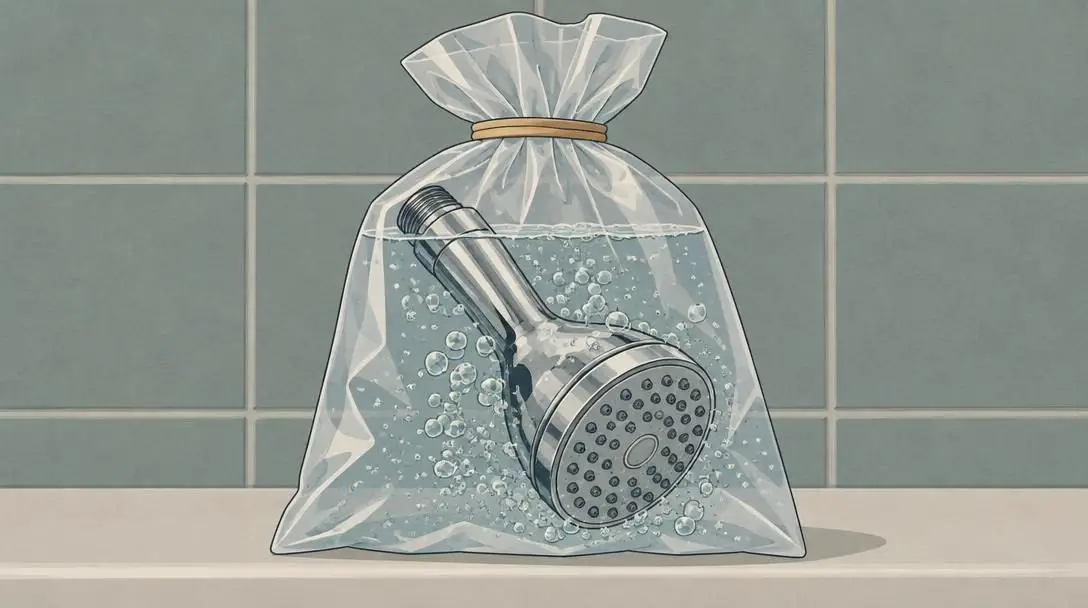
Mineral scale, white crusting, and hard-water deposits frequently clog faucet aerators and showerheads, causing uneven spray patterns and diminished water pressure. Attempting to scrub these encrusted fixtures by hand is both exhausting and largely ineffective, as the buildup hardens inside internal nozzles.
Working smarter instead of harder is the foundation of an efficient cleaning routine.
A standard sandwich bag turns this difficult task into a completely hands-off process. By enclosing the fixture inside an acidic, effervescent bath, the solution dissolves mineral bonds while you focus on other tasks around the house.
- Open a durable plastic sandwich bag and add vinegar along with a spoonful of baking soda, taking note of the active fizzing reaction.
- Carefully lift the bag up around the faucet or showerhead until the mineral-encrusted nozzles are fully submerged in the bubbly mixture.
- Wrap a sturdy rubber band tightly around the bag and the neck of the fixture to keep the bag securely in place.
- Leave the bag undisturbed for approximately two hours so the acidic solution can break down stubborn scale and grime.
- Remove the rubber band and bag, then turn on the tap or shower to run fresh water for a full minute, flushing out loosened debris.
Denture Tablets
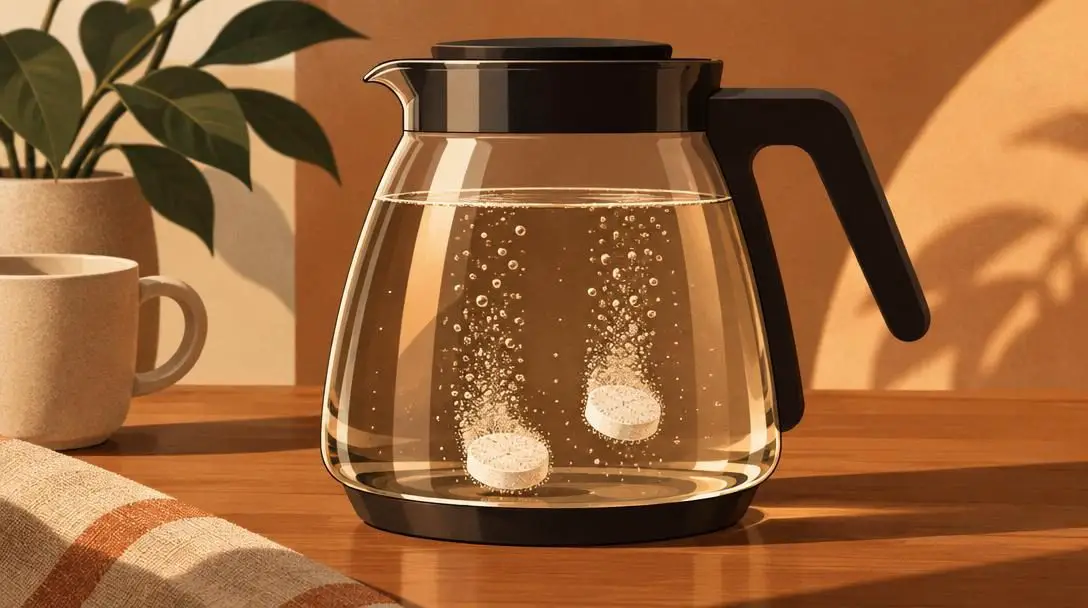
Narrow-necked kitchen vessels—such as glass coffee carafes, insulated travel mugs, and electric tea kettles—frequently develop dark brown stains and tannin rings along their lower interior walls. Because standard sponges, scrub brushes, and hands cannot easily fit through these restricted openings, the discoloration often remains untouched for months.
Denture cleaning tablets provide an ideal remedy. Formulated to dissolve tough organic residues and kill odor-causing bacteria on oral hardware, these effervescent tablets produce a steady stream of micro-bubbles that scrub interior surfaces chemically. The bubbling reaches every corner, lifting away dark stains without scratching delicate glass liners or stainless-steel bases.
To restore a stained pot, place two denture tablets directly into the basin and fill the container with warm water until the liquid level completely covers the discoloration. Let the tablets effervesce undisturbed. Once the bubbling action ceases entirely, pour the wastewater down the sink and give the pot a thorough rinse with clean tap water before preparing your next beverage.
Coffee Filters
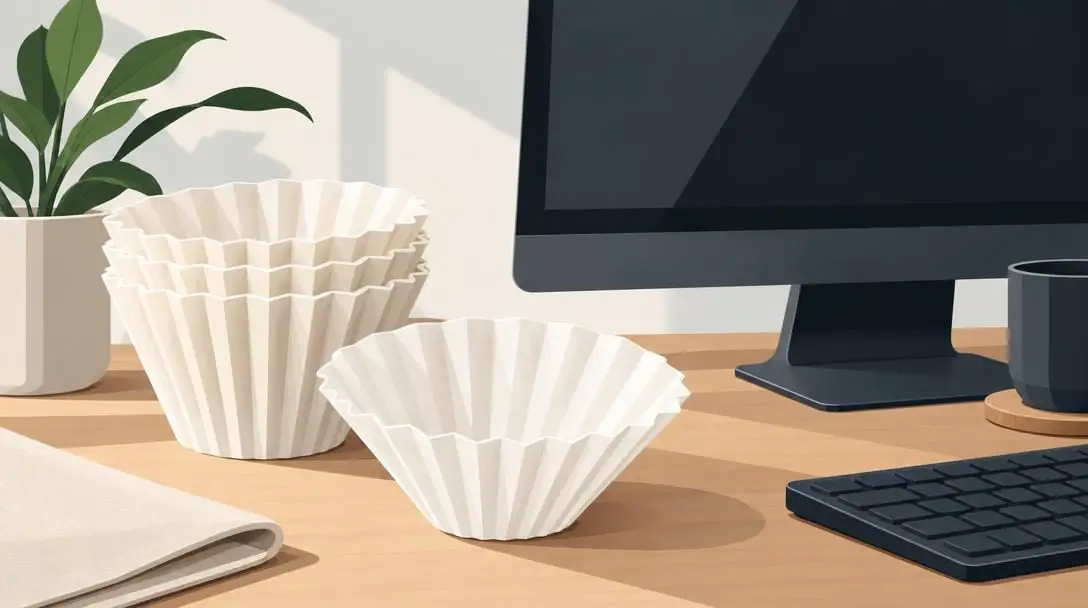
Modern homes feature numerous valuable electronic displays, from flat-panel televisions to laptop monitors and desktop computer screens. Dust and fingerprints accumulate rapidly on these screens, but cleaning them improperly can easily cause permanent scratches or strip away anti-glare coatings.
Standard household paper towels are made from abrasive wood pulp that can leave fine micro-scratches on delicate plastic monitors, and they frequently shed tiny paper fibers that make screens look dirtier than before. Woven coffee filters, on the other hand, are engineered to remain structurally intact and entirely lint-free, making them the ultimate dry-dusting tool for sensitive screens.
To clean a monitor, first turn off the electronic device; a black screen makes dust specks, oils, and smudges significantly easier to see. Take a fresh, dry coffee filter and sweep it across the screen using broad, gentle strokes. The filter's natural static-reducing texture attracts loose particles and locks them away, leaving behind a polished, streak-free surface without the need for expensive chemical screen sprays.
Critical mistakes that undermine household hacks
While repurposed household hacks are safe and effective when carried out properly, rushing the process or using the wrong materials can create unexpected headaches. Avoiding these frequent missteps will keep your home maintenance efforts smooth and damage-free.
- Washing fragile heirlooms in the dishwasher: High water temperatures and intense spray jets can strip delicate gold leaf, crack fragile ceramics, or shatter thin antique crystal. Stick strictly to sturdy, modern decorative items.
- Rushing the fixture soak: Removing the vinegar bag before the two-hour mark does not give the acid sufficient time to break down dense mineral scale, forcing you to scrub the remaining buildup by hand.
- Skipping the clean-water rinse: Failing to thoroughly rinse tea kettles and coffee pots after treating them with denture tablets can leave behind an unpleasant residual aftertaste in subsequent brews.
- Applying heavy pressure on display screens: Although coffee filters are soft and lint-free, pressing forcefully against flat-panel electronics can permanently damage delicate liquid crystal displays underneath the surface.
- Using damp or previously handled coffee filters: Always use a fresh, unused filter from the pantry; filters that have collected kitchen grease or moisture will streak your electronics instead of dusting them.
Establishing a sustainable cleaning schedule
Adopting clever cleaning tricks is only the first step toward a simpler domestic routine; the real benefit comes from incorporating them into an organized, low-stress rhythm. Attempting to address every fixture and surface in a single marathon cleaning session inevitably leads to chore fatigue and frustration.
Instead, establish a rotating maintenance calendar based on how quickly grime develops. High-visibility electronics like television monitors and laptops benefit from a quick sweep with a coffee filter every couple of weeks. Fixtures that suffer from gradual mineral scale, such as bathroom faucets and showerheads, typically only need a two-hour vinegar bag soak every few months. By staying ahead of heavy buildup, you prevent household tasks from escalating into arduous deep-cleaning projects.
Another helpful habit is storing repurposed supplies directly beside the areas where they are used. Placing a small sleeve of coffee filters in an office drawer or media console makes it effortless to wipe down screens the moment dust catches your eye. Similarly, storing denture tablets near the kitchen sink ensures you can drop a pair into a tea kettle or carafe whenever dark stains begin to appear, allowing passive soaking to do the hard work while you go about your day.
Frequently asked questions
Why are coffee filters better than paper towels for cleaning electronic screens?
Coffee filters are woven to remain lint-free and structurally sound, preventing the fine paper fibers and dust shedding typical of regular paper towels. Additionally, paper towels can be abrasive enough to leave micro-scratches on delicate anti-glare screen coatings, whereas coffee filters gently trap dust using static reduction without scratching.
What types of home decor can safely be cleaned in a dishwasher?
Sturdy ceramic figurines, thick glass decorative items, plastic children's toys, removable glass light fixtures, and plastic toothbrushes can generally be washed on the top rack. However, delicate crystal glassware, antique hand-painted ceramics, and heirloom china should never be placed in the dishwasher.
How long should a showerhead or faucet soak in the vinegar solution?
The plastic bag containing vinegar and baking soda should remain secured over the fixture for approximately two hours. This duration provides enough time for the acidic solution to chemically break down stubborn mineral crusting and hard-water buildup without manual scraping.
Will denture tablets alter the flavor of future coffee or tea?
Denture tablets will not affect the taste of your drinks as long as you rinse the appliance thoroughly with clean tap water after the effervescent bubbling has stopped. Rinsing completely washes away loosened tannins, bacteria, and any residual effervescent solution.
How do dryer sheets remove water spots and dust so effectively?
Dryer sheets feature fine synthetic fibers coated with anti-static agents, which naturally attract and capture loose dust particles rather than scattering them into the air. The gentle, tightly woven texture also provides mild friction that lifts dried water spots and mineral stains without scratching hard surfaces.
The bottom line
Keeping a home fresh, welcoming, and tidy does not require spending excessive amounts of money on specialized commercial cleansers or surrendering your weekends to exhausting manual labor. By putting the engineered properties of humble household staples to work, you can let passive chemical soaking and clever physical textures do the hard work for you. Embracing these five straightforward cleaning shortcuts simplifies domestic maintenance, keeps your surfaces sparkling, and frees up your schedule for the things that matter most.