5 Controversial Policies Of AOC

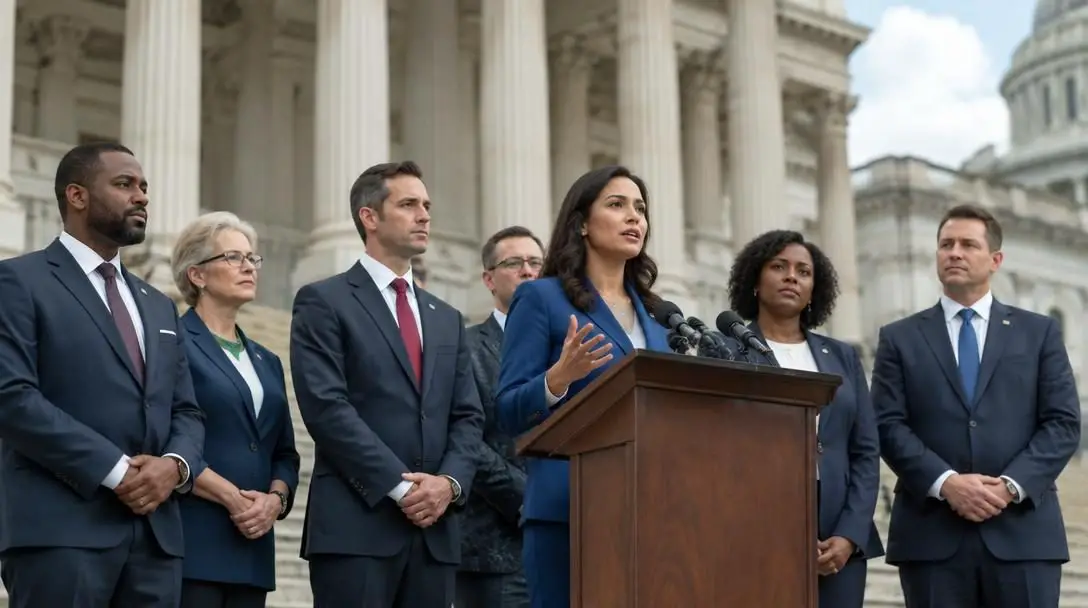
For decades, rank-and-file members of the United States Congress operated largely outside the national media spotlight. Representatives typically concentrated their efforts on committee work, legislative drafting, and constituent outreach within their home districts, leaving party leaders and executive officials to drive national headlines. However, the rise of digital platforms and around-the-clock cable news has dramatically altered that tradition, allowing individual legislators to amass massive followings and command constant public attention.
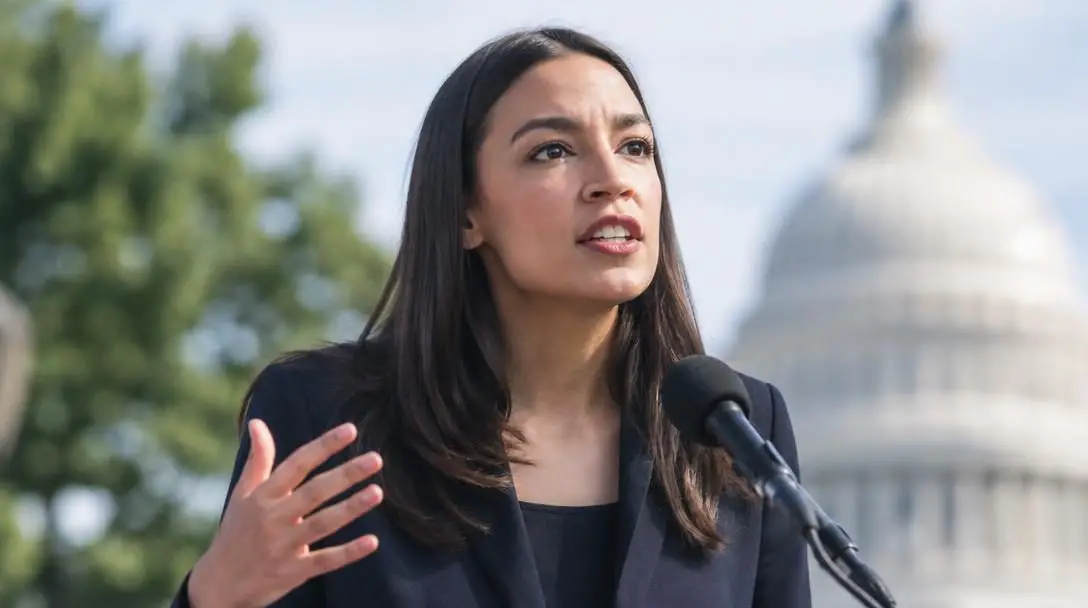
Among the most visible figures in this new political era is New York Representative Alexandria Ocasio-Cortez, widely known as AOC. Since entering Congress, she has become an influential standard-bearer for the progressive wing of the Democratic Party while simultaneously serving as a lightning rod for conservative opposition. Her unapologetic backing of transformative social and economic initiatives has spurred fierce national discourse, drawing sharp dividing lines not only between major parties but also among moderate and progressive Democrats on Capitol Hill.
Key takeaways
- Representative Alexandria Ocasio-Cortez champions transformative policies that consistently polarize lawmakers across both major American political parties.
- Her platform features long-standing progressive goals, including single-payer healthcare, federal abortion protections, and elevated marginal tax brackets for ultra-wealthy earners.
- Proposals like dismantling Immigration and Customs Enforcement challenge traditional federal frameworks and generate debate even within the Democratic establishment.
- AOC uses high-profile digital engagement and public demonstrations to bring grassroots labor, taxation, and social equity issues into mainstream political discourse.
The five defining legislative priorities of AOC
The legislative agenda advanced by Ocasio-Cortez challenges traditional models of federal administration, private commerce, and social safety nets. Below are five central policy initiatives that have drawn intense scrutiny and sustained debate across the country.
Medicare for All
The campaign to establish a comprehensive single-payer healthcare system in the United States is one of the most prominent pillars of Ocasio-Cortez’s legislative agenda. Under the provisions of the Medicare for All Act, the existing framework of private health insurance networks, deductibles, and corporate copays would be replaced by a federally administered program. This system would guarantee comprehensive medical, dental, and vision coverage to every American resident, utilizing the government as the sole payer for medical treatments provided by public and private healthcare practitioners.
Although modern public discourse frequently links the bill to AOC and Vermont Senator Bernie Sanders, the statutory foundation dates back to 2003, when Michigan Representative John Conyers first introduced the concept in Congress. Despite being reintroduced across multiple legislative sessions, the measure continues to encounter staunch resistance from conservative lawmakers and moderate Democrats who voice concern over the fiscal implications and the elimination of private insurance options. AOC rejects these conventional economic arguments, framing medical coverage as an unassailable moral necessity: “When you can’t provide for your kids working a full-time job…When you can’t have health care. That is not dignified.”
Immigration Reform and Abolishing ICE
Immigration enforcement remains among the most contentious issues in modern American governance. With broad estimates placing the population of undocumented immigrants living in the United States at more than 11 million people, legislative solutions differ sharply along ideological lines. While conservative policymakers consistently argue for stronger border deterrents and enforcement actions aimed at reducing that total to zero, Ocasio-Cortez advocates for an administrative pathway toward full citizenship without the constant risk of deportation or criminal prosecution.
Her position reached nationwide prominence through her outspoken demand to abolish U.S. Immigration and Customs Enforcement (ICE). Following public controversies over family separations and conditions within federal holding facilities, she intensified her calls to dismantle the enforcement arm entirely. In September 2020, she publicly addressed the political resistance to her position, stating: “It’s astounding that after a massive family separation operation…trapping immigrants in COVID-infected detention centers…(that) abolishing ICE is controversial.” Critics argue that removing the agency would severely compromise border integrity, while AOC maintains that immigration policy must prioritize fundamental human rights over militarized enforcement.
Reproductive Rights and Federal Abortion Protections
For nearly half a century, legal access to abortion across the United States was anchored by the Supreme Court’s landmark 1973 decision in Roe v. Wade. That constitutional protection ended abruptly in 2022, when a conservative-majority Supreme Court overturned the precedent, determining that individual states hold the constitutional authority to regulate or prohibit reproductive procedures. The historic ruling transformed the national political terrain, triggering immediate restrictions across dozens of states.
In response, Ocasio-Cortez positioned herself as an outspoken proponent of codifying reproductive rights into federal statutory law. Her proposed solutions involve passing federal legislation that overrides state-level prohibitions and restores the baseline protections established in 1973. Beyond standard legal arguments, AOC has actively pushed male voters and policymakers to acknowledge their personal connection to reproductive health outcomes, remarking: “I think men, sometimes they think, ‘I’m not a woman. This doesn’t affect me the most.’ For almost every woman that has gotten an abortion, there’s a man who has either been affected or liberated by that abortion too.”

Higher Marginal Taxes on the Ultra-Wealthy
Economic disparity forms a central focus of progressive fiscal policy. In 2021, broad public scrutiny arose when reports indicated that American billionaires increased their combined net worth by roughly $1 trillion while paying an average effective federal tax rate of just 8 percent. In response to this widening gap, Ocasio-Cortez brought wealth taxation directly into mainstream popular culture, including wearing apparel bearing the slogan "Tax the Rich" during high-profile cultural gatherings.
Legislatively, AOC advocates for introducing a 70 percent top marginal tax rate on personal income earned beyond high-level wealth thresholds. She argues that capturing revenue from the highest earnings bracket is vital for funding public services and mitigating economic vulnerability, particularly when major corporations reduce payrolls while corporate executives accumulate historic personal fortunes. Opponents argue that steep marginal tax tiers discourage capital investment and harm business growth, while proponents view aggressive tax policy as a democratic necessity to curb oligarchic influence.
Expanding and Protecting Labor Unions
The balance of power between organized labor and corporate management represents another cornerstone of AOC’s platform. Labor unions enable workers to negotiate collectively for improved compensation, safer working environments, predictable scheduling, and fair healthcare benefits. While many business leaders and conservative lawmakers argue that expansive collective bargaining mandates stifle economic competitiveness, progressive leaders view unions as the primary defense against corporate exploitation.
Alongside veteran allies like Senator Bernie Sanders, Ocasio-Cortez consistently backs federal interventions that safeguard unionization drives and penalize corporate practices designed to prevent organizing. Her policy vision calls for dismantling statutory barriers that undermine union membership and expanding legal recourse for employees facing employer retaliation. Summarizing her critique of federal economic priorities, Ocasio-Cortez stated: “Far too often the United States government chooses to side with corporate wealth at the expense of working people and small business. This must end.”
AOC challenges long-standing congressional norms by treating transformative social policies not merely as political bargaining chips, but as essential moral imperatives.
Comparing AOC’s primary policy proposals
While these five policy initiatives address distinct facets of American society, they share an underlying emphasis on federal intervention to rebalance socioeconomic disparities. The table below outlines how each proposal is designed to function and where legislative friction typically occurs.
| Policy Proposal | Primary Mechanism | Core Objective | Primary Political Hurdle |
|---|---|---|---|
| Medicare for All | Federal single-payer insurance system | Universal, guaranteed healthcare access | Resistance to phasing out private health insurance |
| ICE Abolishment | Agency dismantling and statutory reform | Path to legal citizenship for 11+ million residents | National security and border integrity concerns |
| Reproductive Rights | Federal statutory codification | Restoring the 1973 protections of Roe v. Wade | Supreme Court state-level authority rulings |
| 70% Marginal Tax Rate | Elevated tax brackets for top earners | Redistribution of wealth and funding public programs | Claims of reduced investment and economic disruption |
| Labor Union Expansion | Enhanced collective bargaining statutes | Safeguarding worker organizing and wage leverage | Corporate lobbying and right-to-work legal frameworks |
How these proposed policies operate within the federal system
Evaluating the impact of Ocasio-Cortez's platform requires an understanding of the mechanics behind each proposal within existing government institutions.
In healthcare, the transition toward a single-payer model does not mean hospitals and clinics become government-owned properties. Instead, the administrative change rests on billing: rather than navigating complex negotiations with private insurance corporations, medical providers bill a unified public program directly, eliminating out-of-pocket copays and network restrictions for patients.
For immigration, dismantling ICE involves structural realignment within the Department of Homeland Security. Essential border inspections, customs oversight, and international travel protocols would remain under distinct regulatory bodies, while internal detention facilities and aggressive community-level deportation operations would be halted in favor of administrative status adjustment programs.
Regarding reproductive autonomy, legislative action requires passing an act of Congress that sets a nationwide statutory baseline. Because the 2022 Supreme Court decision established that the U.S. Constitution does not inherently guarantee abortion access, lawmakers must rely on federal legislative authority to guarantee nationwide standards that supersede individual state prohibitions.
In fiscal matters, the proposal for a 70 percent marginal bracket relies on the existing progressive taxation framework. Under this system, standard income tax rates continue to apply to earnings throughout lower and middle-class brackets. The 70 percent rate takes effect only on individual dollars earned beyond a multimillion-dollar ceiling, ensuring that the elevated rate applies strictly to surplus income at the very top of the economic spectrum.
Finally, labor union reforms work by enhancing the enforcement powers of regulatory boards. By imposing financial penalties on companies that deploy unfair anti-union practices and establishing mandatory arbitration when employers refuse to negotiate contracts in good faith, federal policy can shift the collective bargaining advantage back toward rank-and-file workers.
Practical steps for citizens engaging with controversial legislation
When high-profile congressional initiatives generate intense national attention, understanding how to analyze legislation empowers citizens to participate effectively in the civic process. The following steps outline how voters can critically engage with major policy proposals.
- Read the original bill text: Avoid relying solely on secondary social media summaries or television commentary. Access public legislative databases to review the exact statutory language, implementation timelines, and funding sources specified in bills like Medicare for All.
- Monitor congressional committee hearings: Long before a proposal reaches the House or Senate floor for a full vote, it undergoes thorough review in specialized committees. Watching committee deliberations provides direct insight into the arguments presented by both proponents and opponents.
- Contact your local representatives: Even if your home district is not represented by high-profile progressive or conservative figures, your specific representative and senators cast votes on these bills. Reach out to their district offices to communicate your stance on tax policies, labor laws, and social services.
- Distinguish between state and federal jurisdiction: Recognizing which branch or level of government controls a specific issue is critical. For instance, following the 2022 Supreme Court ruling, immediate regulatory decisions regarding reproductive care occur in state legislatures rather than solely in Washington, D.C.
- Participate in local civic or workplace organizations: Whether supporting local union organizing, attending community board forums, or participating in advocacy groups, local engagement offers direct experience with how federal policies impact everyday lives.
Common misconceptions regarding AOC’s platform
The media attention surrounding high-profile politicians frequently fosters misunderstandings about their statutory proposals. Avoiding these standard errors allows for a more accurate assessment of the legislative landscape.
- Confusing marginal tax brackets with effective flat taxes: Critics frequently claim that a 70 percent marginal tax rate confiscates 70 percent of a wealthy person's total income. In reality, the high rate only applies to dollars earned past an ultra-wealth threshold, leaving earlier earnings taxed at normal, lower rates.
- Assuming unanimous Democratic Party consensus: While AOC commands significant attention within progressive circles, her platform is not universally endorsed by all Democrats. Many centrist lawmakers actively oppose single-payer healthcare, ICE abolishment, and dramatic tax increases in favor of incremental modifications.
- Treating progressive ideas as unprecedented innovations: Proposals like Medicare for All are often characterized as modern novelties developed for social media audiences. However, comprehensive national healthcare bills have been debated in the halls of Congress for decades, including Representative John Conyers' foundational 2003 legislation.
- Equating digital visibility with immediate legislative passage: Having millions of followers on social platforms creates cultural awareness, but converting progressive concepts into federal statutes requires navigating procedural rules, committee approvals, and bicameral majorities across Congress.
Frequently asked questions
Did AOC create the Medicare for All bill?
No. While Representative Alexandria Ocasio-Cortez is one of the bill's most outspoken modern champions, the Medicare for All Act was first introduced in Congress in 2003 by Michigan Representative John Conyers and has been reintroduced across multiple legislative sessions since.
Does a 70 percent marginal tax rate take 70 percent of an individual's total income?
No. A marginal tax rate applies solely to income earned above a specific high-income cutoff. All earnings below that threshold are taxed at the prevailing standard rates for lower income brackets.
Why does AOC propose abolishing ICE?
Ocasio-Cortez advocates for abolishing ICE due to concerns over detention center conditions, family separations, and aggressive deportation practices. She argues that immigration policy should emphasize human dignity, human rights, and accessible pathways to legal citizenship.
What legal change occurred when Roe v. Wade was overruled in 2022?
The Supreme Court ruled that the United States Constitution does not confer an inherent right to an abortion, thereby returning the legal authority to permit, restrict, or ban reproductive procedures directly to individual state governments.
Why do progressive lawmakers prioritize labor unions so heavily?
Progressive lawmakers view labor unions as an essential counterweight to corporate influence. Collective bargaining allows workers to secure higher wages, equitable benefits, safe working environments, and reasonable hours that protect work-life balance.
The bottom line
Alexandria Ocasio-Cortez has reshaped contemporary legislative debates by championing bold progressive policies that challenge long-standing orthodoxies in Washington. Whether advocating for a federally administered single-payer healthcare system, restructuring immigration enforcement, protecting collective bargaining, restoring federal abortion access, or establishing steeper marginal taxes on ultra-wealthy earners, her platform consistently energizes supporters and mobilizes conservative opponents.
While these five policy proposals face substantial legislative hurdles and ideological resistance within a deeply divided Congress, they have fundamentally shifted the national conversation. By pairing uncompromising policy positions with widespread digital reach, Ocasio-Cortez ensures that these structural economic and social questions remain at the forefront of American political discourse for years to come.