5 Controversial Policies Of Joe Biden
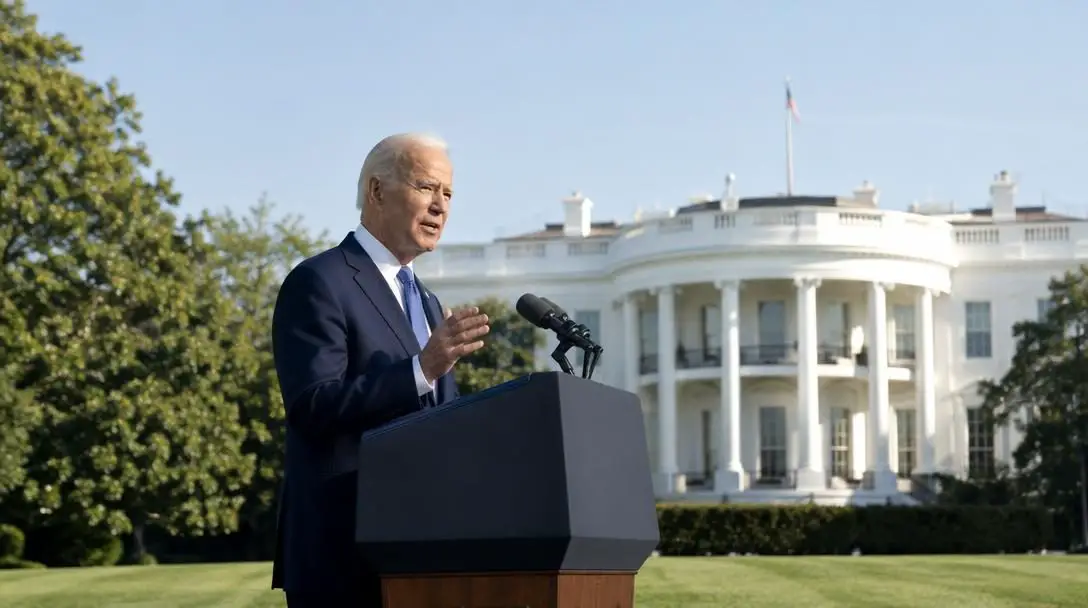
In what remains one of the most consequential transitions in American political history, former Vice President Joe Biden defeated Donald Trump in the 2020 election to become the 46th President of the United States. Taking office during an era marked by deep ideological divides, the Democratic leader moved quickly to implement his agenda, signing executive orders that systematically overturned key directives from the previous administration. In doing so, he entered an intensely polarized political arena where virtually every federal decision faces immediate scrutiny.
Leading a split nation requires a delicate balance of constitutional authority, party priorities, and public expectations. As president, Biden was forced to confront the immediate fallout of the COVID-19 pandemic while navigating long-standing domestic conflicts concerning individual liberties, the economy, criminal justice, and firearm ownership. A detailed look at his administration highlights five policy areas that have drawn the sharpest public debate, illustrating both his shifting personal ideology across decades in Washington and the inherent friction of modern executive governance.
Key takeaways
- President Joe Biden utilized executive orders immediately upon taking office to dismantle previous Trump administration policies and advance sweeping domestic priorities.
- Broad debt relief proposals seeking to forgive up to $10,000 in student loans faced substantial legal hurdles from opponents arguing the measure was unfair.
- Pandemic-era workplace rules requiring COVID-19 vaccination or regular testing for businesses with over 100 workers triggered significant national pushback.
- Biden's current platform on reproductive freedom and marijuana enforcement marks a major evolution from his legislative record during the 1970s and 1980s.
- Efforts to implement universal background checks and ban assault weapons have maintained deep friction between the White House and Second Amendment advocacy groups.
Overview of the administration's most debated directives
Presidential policy during polarized times often relies heavily on executive authority rather than slow-moving legislative consensus. While executive orders allow an administration to enact immediate changes, they also leave policies vulnerable to court challenges and intense political controversy. The table below outlines the core pillars, federal tools, and primary sources of friction surrounding these five key decisions.
| Debated Policy Area | Executive Mechanism | Core Objective | Primary Point of Opposition |
|---|---|---|---|
| Student Loan Debt Relief | Agency Rulemaking | Forgive up to $10,000 for qualifying borrowers | Perceived unfairness to those who paid off past loans |
| Workplace Vaccine Mandate | Executive Order | Vaccination or weekly tests for firms with 100+ workers | Infringement on individual bodily autonomy and employment rights |
| Codification of Reproductive Rights | Statutory Advocacy | Establish Roe v. Wade precedent as federal statute | Clash with conservative states and past anti-abortion rulings |
| Marijuana Executive Pardons | Executive Clemency | Pardon federal offenses for simple possession | Reversal of long-standing federal drug deterrence policies |
| Assault Weapons Restrictions | Legislative Agenda | Prohibit civilian purchase of assault weapons | Second Amendment protections and opposition from gun lobbies |
The five most controversial policy decisions
Over the course of his presidency, Joe Biden has implemented and supported directives that generated widespread debate across the political spectrum. These policies reflect both urgent responses to national crises and the longer-term realignment of his policy platform with modern party standards.
Student Loan Debt Forgiveness
- Target Population: Borrowers earning under $125,000 (or $250,000 for married couples)
- Relief Amount: Up to $10,000 in debt cancellation
- National Context: 13 percent of Americans carry student debt
- Current Status: Placed on administrative pause due to legal challenges
Higher education costs have made student debt one of the primary drivers of personal debt across the United States. Approximately 13 percent of American adults carry student loans, with nearly 10 million individuals holding balances ranging between $20,000 and $40,000. While federal payment freezes instituted at the start of the COVID-19 pandemic remained in place during his early tenure, President Biden pushed for permanent debt relief through administrative rulemaking.
The proposed framework promised up to $10,000 in loan cancellation for individuals making under $125,000 annually, or $250,000 for joint filers. The plan quickly drew severe opposition from critics and borrower coalitions who had already settled their obligations, prompting federal lawsuits asserting that the White House had overreached its statutory spending powers. These ongoing legal disputes ultimately forced federal courts to pause the rollout of the initiative.
COVID-19 Workplace Vaccine and Testing Mandates
- Target Entities: Private employers with more than 100 personnel
- Compliance Requirement: Mandatory employee vaccination or weekly COVID-19 testing
- Primary Resistance: Employee resignations and widespread litigation
The human and economic toll of the COVID-19 pandemic prompted aggressive public health interventions across the country. As multiple pharmaceutical manufacturers released viable vaccines, federal authorities sought strategies to maximize inoculation rates. President Biden escalated the administration's response by issuing an executive directive requiring any business with more than 100 workers to verify that staff members were fully vaccinated or submitted to mandatory weekly testing.
The mandate ignited immediate resistance amid growing anti-vaccine sentiment and objections to federal labor oversight. Many private workers chose to resign their positions rather than comply with the compulsory requirements. Opponents viewed the rule as an unconstitutional expansion of workplace safety regulations, leading to protracted courtroom challenges over federal regulatory reach.
Reproductive Rights and the Codification of Roe v. Wade
- Initial Career Stance: Opposed original 1970s Roe v. Wade ruling
- Evolutionary Period: Critical throughout the 1980s and 2000s; favored overturning justices
- Modern Presidential Position: Enact Roe v. Wade protections as permanent national law
Few issues illustrate the evolution of Joe Biden's career more clearly than reproductive healthcare. When the Supreme Court originally decided Roe v. Wade in the 1970s, Biden publicly stated that the court had made the wrong choice. During his initial presidential campaign, he signaled openness to appointing conservative jurists who might dismantle the precedent, and across the 1980s and 2000s, he routinely voiced reservations, describing the landmark decision at one point as a tragedy.
By the time he entered the 2020 presidential primary, however, Biden completely reversed his position to reflect the platform of modern Democrats. As president, he has actively pushed Congress to establish Roe v. Wade as statutory national law. This transition has drawn heavy criticism from long-time conservative observers who cite his previous legislative record, while advocacy groups continue to push the White House for stronger federal protections against state-level abortion bans.
A multi-decade public career often forces leaders to reconcile early ideological votes with modern party expectations.
Federal Marijuana Decriminalization and Executive Pardons
- Historical Role: Major architect of 1980s anti-drug committee initiatives
- Shift in Approach: Platform inclusion of decriminalization by the early 2010s
- 2022 Executive Action: Full pardons for federal simple possession convictions
During the height of the War on Drugs in the 1980s, Joe Biden served as a leading congressional figure in expanding criminal penalties for narcotics offenses. As head of a key legislative committee, he spearheaded initiatives that established longer prison terms, stiffer mandatory sentences, and heightened federal funding for anti-narcotics enforcement. His tough-on-crime posture remained central to his public identity through the turn of the century.
A noticeable shift occurred by the early 2010s, when Biden incorporated decriminalization into his platform. While maintaining that he does not personally favor cannabis use, he determined that possession alone should not result in incarceration. In 2022, he translated that view into formal executive action, signing an executive order that granted full presidential pardons to all individuals convicted of simple marijuana possession under federal law.
Assault Weapons Bans and Gun Control Regulations
- Personal Ownership: Owns a pair of personal shotguns
- Early Legislative Stance: Supported the NRA-backed Firearm Owners Protection Act
- Modern Platform: Universal background checks and civilian assault weapons prohibitions
Firearms regulation stands among the most fiercely contested areas of domestic policy. Biden, who personally owns two shotguns, favored gun owner protections early in his career, even voting in favor of the National Rifle Association-backed Firearm Owners Protection Act. However, his legislative philosophy shifted toward stricter gun control throughout the 1990s and beyond.
As president, Biden has repeatedly demanded that Congress pass an outright ban on assault weapons, maintaining that military-style firearms have no place in civilian hands. His current agenda focuses on closing background check loopholes, limiting high-capacity magazines, and curtailing the political influence of gun rights lobbying groups. These proposals have met persistent opposition from Second Amendment advocates, leading to sharp legislative stalemates.
How federal policy mechanisms operate
To evaluate these policy debates, citizens must understand the constitutional instruments an administration uses to exercise authority. The modern executive branch operates across several procedural layers, each subject to constitutional constraints.
Presidents frequently utilize executive orders to set administrative priorities and direct agency actions without prior legislative approval. These orders allowed President Biden to rescind Trump-era directives, create employee testing guidelines, and issue mass pardons. However, structural policy transformations—such as codifying abortion rights into federal law or instituting nationwide assault weapon bans—require statutory lawmaking through both houses of Congress.
When executing complex social or economic programs, administrations depend on administrative rulemaking through executive departments, such as the Department of Education. These agencies interpret federal law to draft regulatory frameworks. Crucially, the judicial branch exercises constitutional oversight through judicial review; federal courts regularly issue injunctions when judges conclude that an executive rule exceeds statutory authority, as demonstrated in challenges against debt forgiveness and corporate health mandates.
Practical steps for navigating shifting federal rules
Sudden changes in federal regulations can create confusion for workers, borrowers, and business owners. Following systematic steps helps individuals track and respond to federal policy developments effectively.
- Check primary government portals: Confirm regulatory updates directly through relevant agency websites, such as the Department of Education or Department of Justice, rather than relying on unverified social media commentary.
- Confirm program qualification parameters: Review income caps and program details carefully, noting the $125,000 individual and $250,000 joint filing limits set in relief proposals.
- Track ongoing litigation: Follow federal court dockets to learn whether an executive order remains actively enforceable, stayed by an injunction, or dismissed by judicial review.
- Consult workplace human resources: Coordinate with corporate compliance officers regarding internal workplace safety, testing schedules, or vaccination requirements.
- Verify legal jurisdiction for pardons: Consult official Department of Justice guidelines to determine whether past criminal records involve federal offenses eligible for clemency or state charges that require separate state-level relief.
- Participate in legislative advocacy: Contact congressional representatives to share views on pending federal bills concerning firearm restrictions, reproductive healthcare, or debt reform.
Common mistakes to avoid when monitoring executive actions
Public discourse surrounding federal policymaking is frequently complicated by misconceptions regarding presidential authority. Observers should avoid these common errors when assessing new administration proposals:
- Assuming an executive announcement equals settled law: Directives from the White House often face immediate injunctions from federal courts that delay or halt enforcement.
- Overlooking the division between state and federal jurisdictions: Executive clemency regarding marijuana offenses applies exclusively to federal prosecutions, leaving state penal codes unaffected.
- Ignoring statutory income limitations: Financial assistance frameworks frequently contain specific income phaseouts, meaning broad announcements rarely apply universally across all income brackets.
- Confusing historical legislative votes with current platforms: Long-tenured officials routinely adapt their viewpoints over time; conflating decades-old votes with current administration priorities misrepresents active policy goals.
- Relying exclusively on partisan media coverage: Media reporting can emphasize political rhetoric over legal realities, making it essential to consult actual statutory language and court filings.
Frequently asked questions
Why was the student loan forgiveness program paused?
The program was put on pause due to federal lawsuits filed by opponents and borrowers who argued the executive branch lacked statutory authority to forgive student debt without congressional approval, raising concerns regarding regulatory fairness.
Did President Biden's marijuana pardons release individuals from state prisons?
No. Presidential pardon authority applies only to federal crimes. The 2022 executive order pardoned federal convictions for simple marijuana possession, leaving state-level charges under the authority of state governors and local laws.
Which employers were affected by the federal COVID-19 vaccine mandate?
The executive order targeted private enterprises with more than 100 employees, requiring them to enforce mandatory vaccination or implement weekly testing protocols for their staff.
How did Joe Biden's position on Roe v. Wade change over time?
Biden initially expressed disagreement with the Roe v. Wade ruling in the 1970s and criticized the decision across the 1980s and 2000s, but later reversed his position to advocate for codifying the precedent into permanent federal law during his presidency.
What specific firearm regulations does the Biden administration support?
The administration champions an outright ban on civilian assault weapons, expanded universal background checks for all gun purchases, limits on high-capacity magazines, and measures to curb the influence of gun industry lobbying groups.
The bottom line
The controversial policies of Joe Biden's presidency reflect the enduring tensions of governing an ideologically divided nation through executive authority. By tackling issues like higher education debt, emergency workplace safety, reproductive freedom, drug enforcement reform, and firearm ownership, the administration has tested the constitutional boundaries between presidential power, congressional lawmaking, and judicial review.
As these measures continue to navigate courtroom challenges and legislative debates, their ultimate impact will depend on upcoming legal rulings and shifting public sentiment. Understanding the specific mechanisms behind these executive initiatives allows citizens to look beyond partisan commentary and evaluate how federal policy directly affects their legal rights, financial security, and everyday lives.