5 Controversial Policies Of Nancy Pelosi
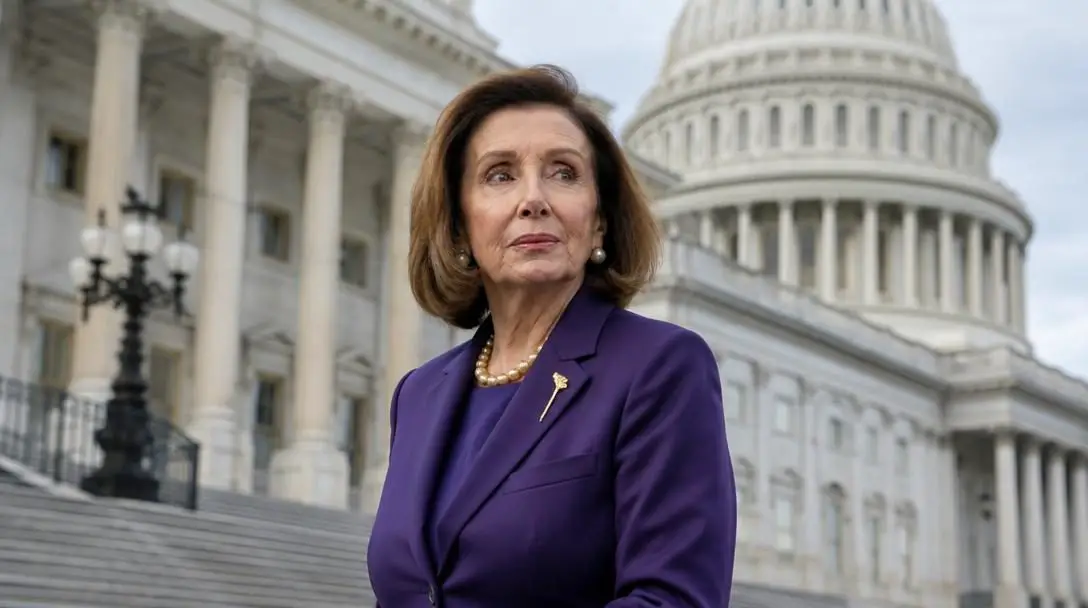
Nancy Pelosi has stood as one of the most prominent, influential, and widely debated figures in modern American governance. After leading the California Democratic Party as chair in the early 1980s, she won election to the United States House of Representatives in 1987, beginning a career that fundamentally reshaped congressional politics over several decades. Ascending through leadership as House Minority Whip and later serving two tenures as House Minority Leader, Pelosi made history in 2007 as the first woman to serve as Speaker of the House, a position she held from 2007 to 2011 and again from 2019 to 2023.
Because of her elevated national profile and central role in legislative deal-making, Pelosi has routinely found herself at the center of fierce ideological combat. Her strategic maneuvers, floor management, and policy priorities have mobilized strong support among Democratic allies while drawing sharp criticism from Republican opponents. Exploring five key policy arenas reveals how her decisions influenced party priorities, sparked congressional battles, and continue to shape the civic landscape.
Key takeaways
- Pelosi made history in 2007 as the first female Speaker of the House, serving two distinct tenures that shaped major federal legislation.
- Her early stances on social questions, including marriage equality and abortion rights, often anticipated later Democratic platform consensus despite opposition from social conservatives and the Catholic Church.
- Pelosi pushed for aggressive, federally funded responses to climate change while resisting restrictive border measures such as the 2006 Secure Fence Act.
- Following the Capitol attack on January 6, 2021, she advocated strict accountability and lengthy prison sentences for rioters who breached the building.
Nancy Pelosi's Rise Through Congressional Leadership
To understand the intense debates surrounding Nancy Pelosi, observers must examine the structural power of the offices she held. When Pelosi arrived in Congress in 1987, the House of Representatives was entering an era marked by growing ideological divergence. Her early experience organizing state-level coalitions as Chair of the California Democratic Party in the early 1980s provided the foundational skills in party discipline, fundraising, and legislative coordination that defined her subsequent tenure in Washington.
Pelosi steadily climbed the leadership ladder, serving as House Minority Whip before stepping into the roles of House Minority Leader and, ultimately, Speaker of the House. As Speaker from 2007 to 2011 and again from 2019 to 2023, she did not merely cast votes on bills; she controlled the institutional apparatus of the chamber. The Speaker establishes the legislative agenda, chooses which measures reach the floor, and manages the party caucus to ensure legislative victories. This institutional gatekeeping meant that whenever controversial issues arose, Pelosi was universally seen as the primary architect or impediment of legislative outcomes.
Five Contentious Policy Arenas
Throughout her career, Pelosi championed policies that generated friction between the two major parties and, at times, created disagreements within her own caucus. The table below provides an overview of these five pivotal issues before each is examined in depth.
| Policy Arena | Key Legislative Position | Primary Counterargument |
|---|---|---|
| Climate Change | Aggressive federal action and major spending | Excessive government expenditure and fossil fuel impact |
| Immigration | Opposed physical border walls and prolonged detention | Encourages unauthorized border crossings |
| Gay Marriage | Early support and opposition to statutory marriage bans | Conflicts with traditional and religious definitions |
| Abortion | Consistent defense of legal abortion and federal protections | Moral opposition and defense of the unborn |
| January 6 Response | Support for lengthy prison terms for Capitol rioters | Concerns over partisan rhetoric and judicial severity |
Climate Change

- Core Stance: Aggressive federal intervention to combat global climate threats
- Key Conflict: Scale of public spending and regulations on the fossil fuel sector
- Leadership Position: Rejected partisan delays in environmental transitions
Environmental governance has emerged as one of the most polarized arenas in Washington. While many on the political right have characterized climate change as an overblown hoax, those on the political left, including Pelosi, view it as a looming crisis that threatens humanity's future. Throughout her speakership, Pelosi firmly aligned herself with aggressive legislative remedies, advocating substantial federal expenditures on programs designed to curb carbon emissions and accelerate renewable energy adoption.
Pelosi consistently maintained that environmental remediation should transcend typical congressional gridlock. Highlighting her view on industrial lobbying, she stated: "We cannot just have any political disagreement or the power of the fossil fuel industry cramping our style as we go forward with this. But to show a path that gets us to where we need to be." Opponents, however, targeted the scale of federal investment, contending that aggressive regulatory goals imposed severe economic burdens on domestic energy producers and taxpayers.
Immigration
- Key Vote: Voted against the Secure Fence Act of 2006
- Border Policy: Opposed closed-border frameworks and long-term detention
- Intra-Party Context: Resisted 1990s Democratic shifts toward stricter border curbs
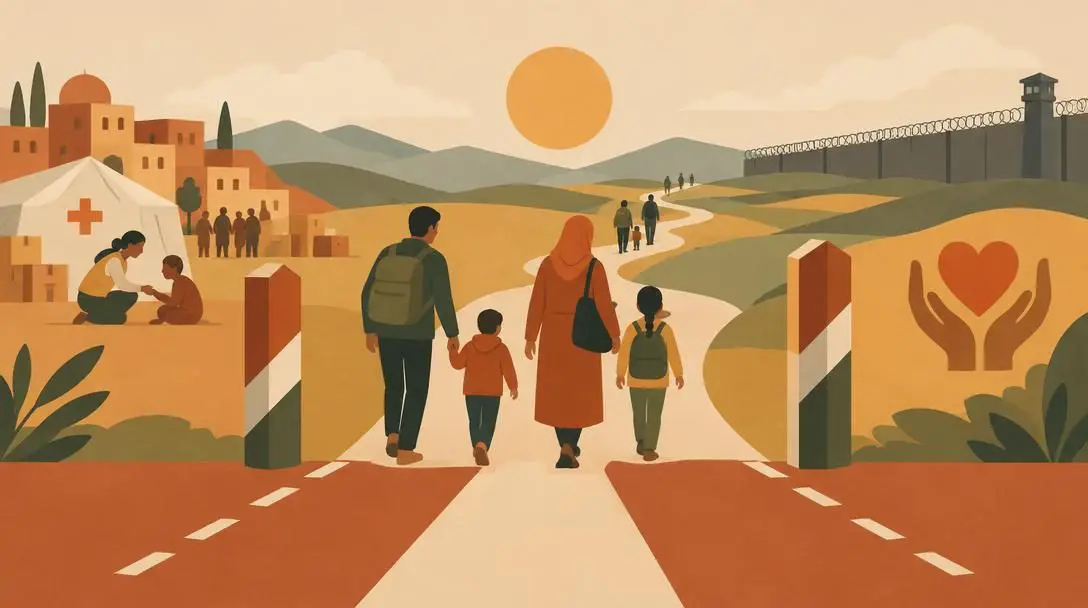
During the 1990s and early 2000s, numerous members of the Democratic Party embraced tougher restrictions on unauthorized immigration to demonstrate border enforcement credentials. Pelosi consistently rejected that restrictive posture. Throughout her decades in the House, she avoided punitive enforcement mechanisms directed at undocumented individuals already residing inside the country.
Her legislative record includes voting against the Secure Fence Act of 2006, which authorized the construction of hundreds of miles of physical barriers along the southern border with Mexico. Pelosi argued that fully closed borders and extended stays in detention centers were incompatible with American humanitarian principles. In contrast, conservative critics argued that opposing physical barriers and enforcement mechanisms effectively weakened national sovereignty and encouraged unauthorized crossings.
Gay Marriage
- Timeline: Public advocate starting in the 1980s and 1990s
- Voting Record: Voted against federal bans defining marriage between a man and woman
- Religious Dimension: Broke with Catholic Church doctrine on marital recognition
The political trajectory of marriage equality shifted dramatically over three decades, but Pelosi supported the civil rights of LGBT individuals well before the stance gained majority support inside the Democratic Party. In the 1990s, when many federal lawmakers avoided the subject or voted for restrictive federal definitions of marriage, Pelosi consistently voted against proposals seeking to define marriage exclusively as a union between a man and a woman.
This commitment frequently placed her in direct conflict with traditionalist organizations and the institutional leadership of the Catholic Church, of which she is a practicing member. Despite pushback from social conservatives and ecclesiastical figures who criticized her departure from church teachings, Pelosi's early and sustained defense of marriage rights earned her lasting respect among civil rights advocates.
Long before marriage equality became a standard plank of the national party platform, Pelosi consistently broke with conservative tradition and religious authorities to defend civil rights.
Abortion
- Policy Stance: Staunch defense of legal access to reproductive healthcare
- Legislative Record: Fought measures banning or restricting abortion procedures
- Recent Response: Vocally opposed the Supreme Court's 2022 decision overturning Roe v. Wade
Abortion policy remains an intensely personal and politically volatile topic in American life. Unlike politicians whose views shifted alongside moving public polling, Pelosi established an early, unwavering pro-choice record. Throughout her career in the House, she mobilized opposition against bills proposing federal limits, bans, or procedural restrictions on abortion.
When the Supreme Court issued its landmark 2022 ruling overturning Roe v. Wade, Pelosi served as one of the most prominent congressional figures denouncing the decision. Critics, primarily concentrated in the Republican Party and religious organizations, pointed to her Catholic faith and accused her of abandoning theological tenets. Pelosi countered that personal religious convictions should not dictate federal statutes governing bodily autonomy and private medical choices.
Response to the January 6 Rioters
- Incident Date: January 6, 2021 breach of the United States Capitol
- Personal Impact: Pelosi's Capitol office suite was unlawfully entered by rioters
- Judicial Position: Demanded severe legal accountability and lengthy prison sentences
On January 6, 2021, supporters of Donald Trump breached the United States Capitol in an effort to disrupt the certification of the 2020 presidential election. These rioters acted on claims that the election had been fraudulent, despite those allegations being systematically examined and disproved in courts nationwide. During the breach, rioters damaged property, overwhelmed law enforcement, and entered Pelosi's personal leadership suite.
In the aftermath of the insurrection, Pelosi took an uncompromising stance, calling for lengthy prison sentences for those who participated in the riot. Footage later released from that day highlighted the visceral anger and personal danger felt by congressional leaders as the violence unfolded. In one widely reported remark expressing her reaction toward Trump's potential arrival at the Capitol, Pelosi stated: "If he comes, I’m going to punch him out. I’ve been waiting for this…I’m going to punch him out. And I’m going to jail, and I’m going to be happy." While supporters viewed her reaction as an understandable defense of constitutional democracy, political adversaries criticized the rhetoric as unnecessarily hostile.
How Contentious Policies Move Through the House
Controversies surrounding Pelosi's leadership cannot be understood without reviewing the parliamentary mechanics of the House of Representatives. Moving polarizing proposals into law involves a series of procedural hurdles managed by leadership:
- Agenda Setting: The Speaker decides which bills are assigned calendar space and which remain buried in committee.
- Committee Consideration: Specialized committees draft, amend, and vote on legislative text before measures reach the floor, where majority party members determine bill structures.
- Coalition Management: Floor votes require keeping diverse factions aligned; leadership must negotiate between moderate members from swing districts and ideological progressives.
- Bicameral Coordination: Measures passed by the House must be reconciled with the Senate, where procedural mechanisms like the filibuster frequently alter the scope of legislation.
- Appropriations and Budgeting: Complex policy agendas, from climate initiatives to border enforcement, depend on federal discretionary funding, making annual budget packages major points of partisan conflict.
Systematic Steps for Evaluating Contentious Policies
Citizens examining legislative records and public controversies can apply an objective analytical framework to cut through partisan rhetoric:
- Review the original legislative text: Consult official House records, bill language, and roll call votes rather than relying on second-hand commentary or partisan summaries.
- Examine opposing arguments: Read committee reports and floor debate transcripts to analyze the specific justifications offered by both proponents and dissenters.
- Track voting histories over decades: Compare historical roll calls to determine whether a lawmaker's position represents long-term ideological consistency or a recent tactical adjustment.
- Assess the practical impact of spending: Evaluate congressional budget estimates to see how proposed expenditures are funded, audited, and distributed across federal agencies.
- Separate rhetoric from legislative mechanics: Distinguish between impromptu remarks delivered in high-pressure political moments and the statutory changes actually enacted into law.
Analytical Mistakes to Avoid
When analyzing high-profile congressional leaders, observers frequently fall into common interpretive pitfalls that obscure the realities of representative governance:
- Assuming full party uniformity: Assuming that party members vote identically ignores internal party negotiations, such as the disagreements over immigration policy that divided Democrats during the 1990s.
- Ignoring the historical timeline: Judging votes from the 1980s or 1990s strictly through contemporary political standards fails to account for the prevailing social and electoral dynamics of those eras.
- Confusing the Speaker's role with absolute power: While the Speaker exercises enormous gatekeeping power, advancing legislation still requires majority consent, Senate agreement, and presidential approval.
- Overlooking established legal facts: Treating the 2020 election outcome as an open dispute ignores the fact that legal challenges disputing the results were tested and rejected in courts across the nation.
- Reducing complex problems to simple partisan binaries: Debates over climate regulations or infrastructure spending involve regional economic realities and technical statutory drafting that extend beyond standard partisan talking points.
The Long-Term Policy Horizon
As the balance of power in Washington continues to evolve, the legislative controversies that defined Pelosi's tenure remain central to ongoing congressional debates. Questions surrounding the trajectory of climate legislation persist, particularly regarding how lawmakers will reconcile energy transition investments with fossil fuel production demands.
Similarly, the debate over border infrastructure, asylum management, and detention facilities continues to define federal immigration reform discussions. Following the Supreme Court's 2022 decision overturning Roe v. Wade, both parties continue to test federal legislative strategies regarding reproductive access. Furthermore, the institutional aftershocks of January 6, 2021—ranging from Capitol security measures to the legal accountability of political leaders—continue to influence executive-legislative relations and judicial precedents for years to come.
Frequently asked questions
When was Nancy Pelosi first elected to the United States House of Representatives?
Pelosi was first elected to the House of Representatives in 1987, after serving as the Chair of the California Democratic Party in the early 1980s.
During which years did Nancy Pelosi serve as Speaker of the House?
Pelosi served as Speaker of the House during two distinct periods: first from 2007 to 2011, and again from 2019 to 2023. Between these tenures, she served as House Minority Leader.
Why was Pelosi's position on the Secure Fence Act of 2006 controversial?
Pelosi voted against the Secure Fence Act of 2006, opposing the construction of a physical barrier along the U.S.-Mexico border. While she argued against closed borders and long-term detention, opponents contended her position undermined border security.
How did Pelosi's stance on social issues intersect with her religious faith?
Pelosi consistently supported abortion rights and marriage equality, positions that drew criticism from conservative commentators and the Catholic Church, of which she is a practicing member.
What was Pelosi's response to the Capitol breach on January 6, 2021?
Following the breach of the Capitol and her personal leadership suite, Pelosi strongly condemned the attack and called for long prison sentences for individuals who participated in the riot.
The bottom line
Nancy Pelosi's decades-long tenure in congressional leadership cemented her status as one of the most powerful and polarizing figures in modern American legislative history. From her early, historic election as the first female Speaker in 2007 to her leadership during national crises, her career reflects the widening ideological gulf in American politics. By championing aggressive climate policies, resisting restrictive immigration measures, defending social civil liberties, and demanding strict accountability after the January 6 Capitol attack, Pelosi pursued an agenda that galvanized her party while making her a primary target of political opposition. Understanding her legislative legacy offers essential insight into how power is organized, exercised, and contested within the United States Congress.