5 Countries With The Biggest Defence Budgets
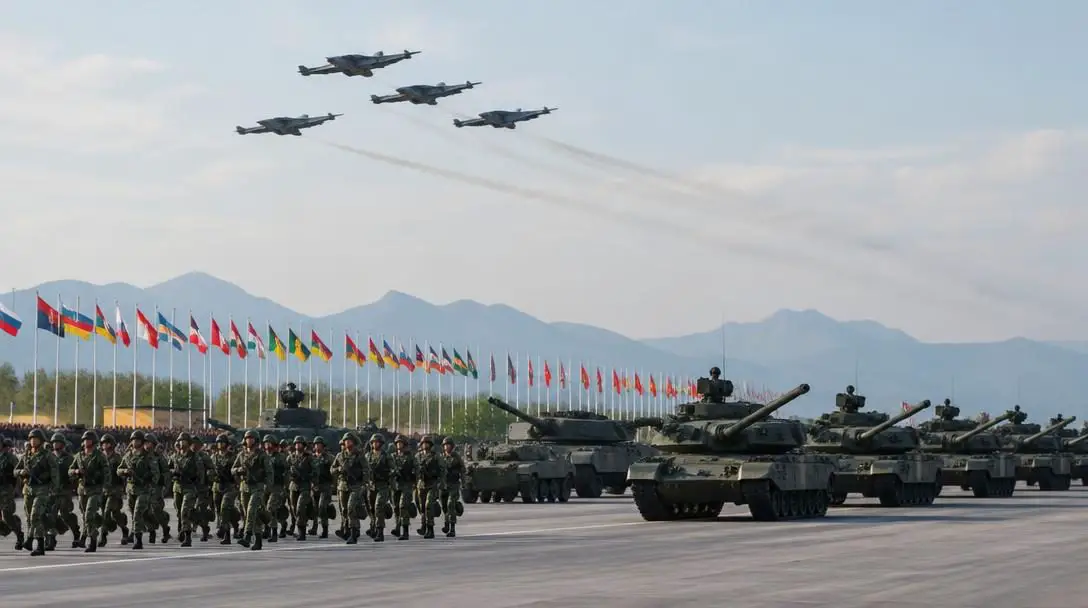
Even during eras marked by nominal peace, governments worldwide dedicate enormous resources to maintaining armed readiness, deterring foreign aggression, and securing strategic interests. Recent geopolitical upheavals, particularly escalating tensions in eastern Europe, have accelerated global military spending and renewed public attention on how major powers allocate national wealth toward national security.
While top-line financial outlays do not capture every operational detail or measure real battlefield effectiveness, defense expenditures provide an essential window into strategic priorities, regional commitments, and the shifting balance of international power.
Key takeaways
- The United States leads global defense spending by a wide margin, allocating more capital than the rest of the top ten nations combined.
- Together, the United States and China represent approximately 44 percent of all worldwide military expenditures.
- Russia commits the highest proportion of its gross domestic product to defense among the top-spending countries.
- India and the United Kingdom are prioritizing domestic self-reliance, advanced combat air programs, and industrial modernization.
At a glance: The world's top defense spenders
Defense investments reflect stark differences in strategic ambition, economic scale, and regional challenges. The table below outlines the primary figures and strategic focuses shaping the budgets of the top five spenders.
| Rank | Country | Reported Budget | Key Strategic Driver |
|---|---|---|---|
| 1 | United States | $801 billion | Unmatched global deployment footprint and high-tech research |
| 2 | China | $293 billion | Rapid logistics modernization and regional force projection |
| 3 | India | $76.6 billion | Domestic defense manufacturing and supply-chain self-reliance |
| 4 | United Kingdom | $68.4 billion | Next-generation combat air platforms and international alliance roles |
| 5 | Russia | $65.9 billion | High GDP commitment to state armed forces and active operational needs |
The top five global defense budgets
The gap between the top tier and the rest of the world highlights the extreme concentration of military resources. From massive superpowers fielding expeditionary carrier groups to regional powers modernizing their domestic supply chains, these five countries command the largest defense outlays globally.
Russia
- Global Rank: 5
- Reported Expenditure: $65.9 billion
- Economic Proportion: Highest defense spending as a percentage of GDP among the top group
Russia occupies the fifth spot on the global list with an annual defense expenditure announced at $65.9 billion. While some observers might expect a country with such an expansive territorial footprint and strategic presence to place higher in raw dollar terms, its domestic economic dynamics dictate a unique spending profile. Russia dedicates a larger percentage of its gross domestic product to defense than any other top-ranking country, demonstrating how heavily the state prioritizes armed capabilities relative to its total economic capacity.
Historically, this funding has supported a sprawling defense apparatus comprising extensive land forces, maritime deployments, aerospace divisions, and strategic nuclear deterrence. Following the outbreak of the Ukraine War in 2022, military expenditures were projected to climb significantly as equipment replacement, logistics sustainment, and ongoing active operations outpaced peacetime budgetary ceilings.
United Kingdom
- Global Rank: 4
- 2021 Expenditure: $68.4 billion
- Key Priority: Future combat air and doctrine modernization
The United Kingdom ranks fourth internationally, having reached $68.4 billion in defense expenditures in 2021, with projections anticipating dramatic post-2022 expansions. Despite its geographic scale as an island nation, Britain maintains an outsized historical footprint in international diplomacy, global maritime governance, and multilateral alliances. Protecting its territorial boundaries while honoring international commitments requires substantial capital reserves.
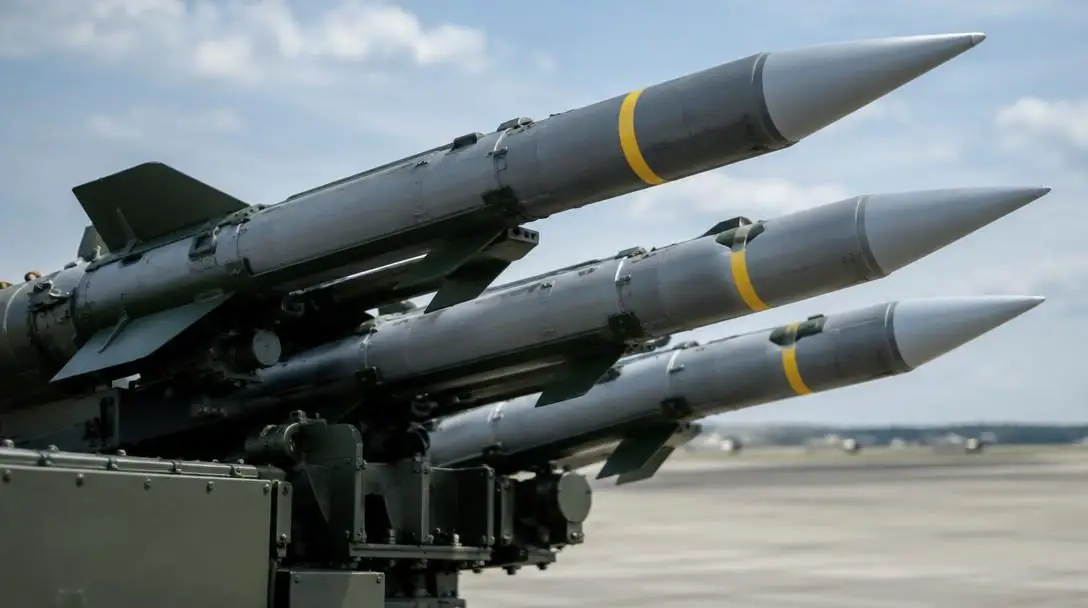
The British investment strategy concentrates heavily on future-oriented combat doctrines and the replacement of legacy hardware with adaptable platforms. Former Prime Minister Boris Johnson captured this dual focus, stating, “We need to invest for the long term in vital capabilities like future combat air, whilst simultaneously adapting to a more dangerous and more competitive world.” This vision balances high-end expeditionary capability with structural modernization across military branches.
India

- Global Rank: 3
- Reported Expenditure: $76.6 billion
- Key Priority: Domestic industrialization and strategic self-reliance
India commands the third-highest defense expenditure in the world at $76.6 billion. Although the country has avoided large-scale international conflicts for several decades, securing vast, geographically challenging borders and maintaining an immense standing army require steady, large-scale financial commitments. In recent years, spending has climbed steadily as the nation pursues strategic self-reliance and greater economic prestige.
A core element of India’s updated defense posture is reducing long-standing dependencies on foreign arms manufacturers. Capital is systematically channeled into domestic defense corridors, local scientific research agencies, and indigenous manufacturing facilities. Highlighting this shift, Defense Minister Rajnath Singh stated that relying on local infrastructure “will certainly boost the domestic defense industries,” cementing a strategy aimed at insulating the nation's supply chains from international trade disruptions.
China

- Global Rank: 2
- 2021 Expenditure: $293 billion
- Projected Growth: 7.1 percent planned annual increase
While the gap between the fifth-, fourth-, and third-place spenders is relatively narrow, China breaks into a separate tier of global military finance with $293 billion spent in 2021. This enormous figure dwarfs the budgets of its regional neighbors and European powers alike. Furthermore, the Chinese government planned a defense budget expansion of 7.1 percent over the following year, underscoring that its national security outlays continue to grow alongside its economic engine.
The strategic blueprint behind this spending focuses on organizational restructuring, high-technology integration, and long-range force projection. Chinese Premier Li Keqiang outlined these administrative and technological objectives, noting, “We will move faster to modernize the military’s logistics and asset management systems, and build a modern weaponry and equipment management system.” Sustained investments in naval architecture, aerospace capabilities, and digitized asset control maintain China’s position as the clear runner-up in global defense financing.
United States

- Global Rank: 1
- Reported Expenditure: $801 billion
- Approved Projection: $813.3 billion
The United States occupies the top position by an overwhelming margin, having posted a defense budget of $801 billion, with an approved expansion bringing future funding to $813.3 billion. The United States spends more on defense than the rest of the top ten nations combined, sustaining a global network of air bases, naval fleets, command centers, and advanced weapons development projects that no other military power matches.
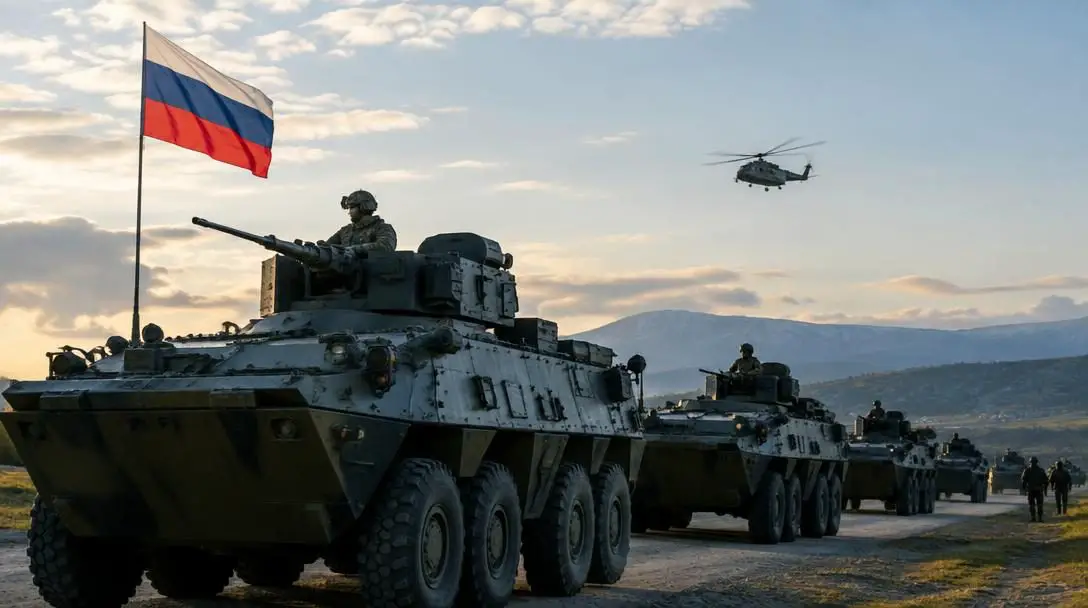
The concentration of defense spending in the United States and China shapes international deterrence and redefines modern military capabilities worldwide.
The combined defense budgets of the United States and China account for roughly 44 percent of total worldwide military spending. This immense concentration of capital means that shifts in American procurement, operational doctrine, and strategic alliances inevitably set the baseline for international military planning and global security dynamics.
How national defense budgets allocate capital
A national defense budget is not a single discretionary fund; it is a complex legislative blueprint that divides capital across multiple functional operational areas. Understanding where money flows clarifies why modern military establishments require hundreds of billions of dollars each year:
- Personnel and benefits: Regular allocations fund active-duty salaries, recruit training, healthcare, nutritional support, and veteran pensions for millions of service members.
- Operations and maintenance: A vast portion of recurring funding sustains existing vehicle fleets, surface ships, combat aircraft, fuel supplies, and routine technical inspections.
- Procurement: This funding category covers the direct acquisition of finished platforms, including advanced combat air frames, guided munitions, maritime vessels, and artillery pieces.
- Research, development, and testing: Capital allocated to experimental technology, electronic hardware, communications infrastructure, and aerospace trials shields forces against obsolescence.
- Facilities and physical infrastructure: Budgets must regularly maintain and upgrade defensive airfields, strategic deep-water ports, logistics depots, and radar installations.
Practical steps to analyze and compare defense spending
Evaluating national defense expenditures accurately requires looking past top-line numbers. Differences in currency values, accounting standards, and strategic objectives make thorough cross-national analysis essential.
- Compare nominal figures alongside local purchasing power: Reviewing raw dollar totals establishes an overall ranking, but assessing domestic purchasing power clarifies what localized manufacturing and domestic labor costs actually deliver.
- Measure expenditures as a percentage of gross domestic product: Comparing a nation's military budget against its total economic output highlights how heavily a government prioritizes national defense relative to other public sectors.
- Review authorized legislative projections: Official budget proposals and legislative approvals, such as the authorized expansion of the US defense budget to $813.3 billion, demonstrate long-term trajectories rather than historical snapshots.
- Evaluate strategic modernization statements: High-level policy announcements provide direct evidence of where future funds will concentrate, such as investments in modern logistics management or next-generation combat air platforms.
- Assess domestic industrial objectives: Determine whether spending remains internal or leaves the country through imports. Programs designed to build local infrastructure directly alter long-term economic autonomy.
Common mistakes when evaluating defense outlays
Public discussions surrounding military spending frequently misinterpret high-level data. Recognizing common analytical errors ensures a more realistic understanding of geopolitical force balances.
- Equating budget size directly to battlefield power: Enormous expenditures do not guarantee immediate tactical success. Factors such as tactical doctrine, troop morale, supply chain logistics, and geography play decisive roles in military outcomes.
- Overlooking domestic inflation and supply chain bottlenecks: An increased budget figure does not always correlate with more physical equipment. Spikes in raw material costs, manufacturing shortages, and fuel price volatility can absorb substantial capital without expanding inventories.
- Ignoring segmented and non-defense agency costs: National accounting systems differ widely. Some governments split military research, veteran support, or paramilitary internal security into separate domestic department ledgers, artificially lowering their headline defense outlays.
- Assuming peacetime budgets remain static during active conflicts: As illustrated by the 2022 Ukraine War, active hostilities instantly exhaust peacetime allocations, forcing mid-year budgetary reallocations that quickly alter published totals.
- Disregarding global deployment scope: A nation maintaining widespread expeditionary bases must spend immense sums simply moving resources and sustaining global logistics lines, whereas nations focused strictly on regional defense can direct funds into localized defenses.
Frequently asked questions
Which country has the highest defense budget in the world?
The United States possesses the largest defense budget in the world by a wide margin, spending $801 billion with an approved expansion to $813.3 billion. Its defense spending exceeds that of the rest of the top ten military spenders combined.
How much of total global defense spending do the US and China represent?
Together, the United States and China account for approximately 44 percent of all worldwide defense expenditures, underscoring the concentration of military investment between the top two spenders.
Why does Russia rank lower in spending despite its large military?
While Russia spent $65.9 billion in nominal dollar terms, placing it fifth overall, it spends a higher percentage of its gross domestic product on defense than any other nation in the top group. However, active hostilities in the 2022 Ukraine War were anticipated to drive spending higher.
What is India's primary defense spending strategy?
India, which ranks third with a $76.6 billion budget, focuses heavily on domestic self-reliance. Rather than depending entirely on foreign imports, the government invests in regional infrastructure and domestic industrial manufacturing to strengthen sovereign supply chains.
How fast is China's defense budget growing?
China spent $293 billion in 2021, and its defense spending was planned to increase by 7.1 percent over the following year, with a strong focus on modernizing military logistics, asset management systems, and technological capabilities.
The bottom line
National defense budgets illustrate how sovereign nations prioritize strategic deterrence, regional security, and technological supremacy. With the United States and China holding a commanding lead over the rest of the world, global military spending remains heavily concentrated among a handful of dominant economic powers.
As nations navigate escalating international tensions, high inflation, and the necessity of upgrading legacy weapons systems, defense outlays will likely continue their upward trajectory. Whether through India's emphasis on domestic manufacturing, Britain's investments in future combat air, or elevated wartime budgets across Europe, national security expenditures will remain central to international affairs and state stability.