5 Delicious Meal Ideas That Support Better Digestion
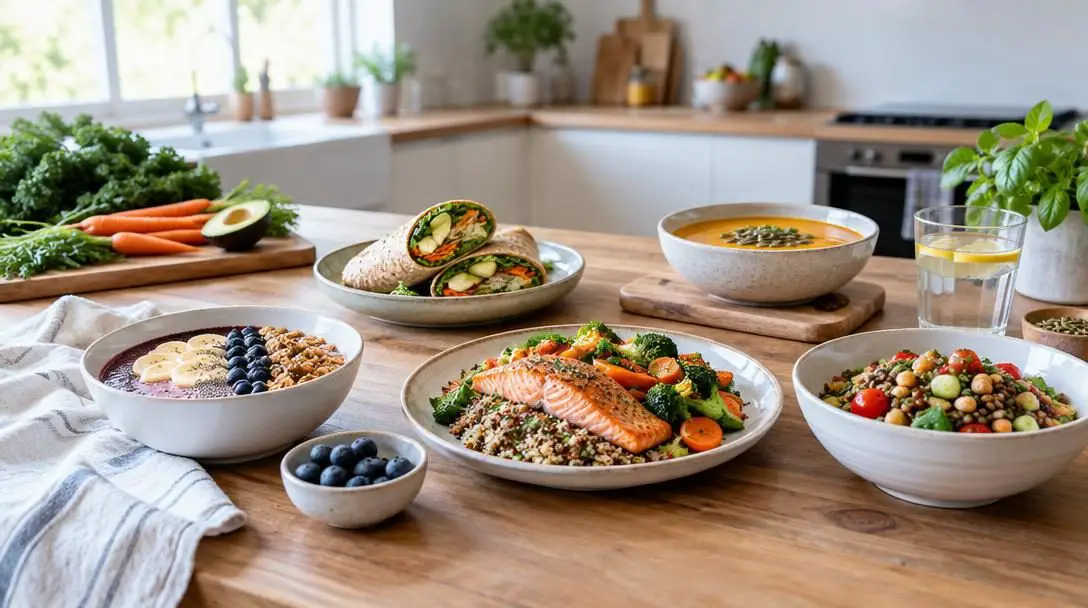
In our modern daily routines, seemingly everything comes out of a package, and many of us find ourselves eating on the run. Between fast-paced schedules, hurried meal habits, and menus dominated by ultra-processed convenience items, digestive complaints have become remarkably widespread. In the United States alone, more than one-third of people suffer from daily digestive issues, ranging from persistent gas and bloating to uncomfortable stomach upset and sluggish bowel movements. These recurring interruptions do more than cause physical discomfort; they steadily drain energy, disrupt mental focus, and diminish overall quality of life.
The encouraging reality is that many everyday digestive complaints can be resolved simply by making mindful changes to what we put on our plates. The human gastrointestinal tract is deeply sensitive to dietary composition. Diets packed with artificial additives, refined carbohydrates, and unhealthy fats quickly disrupt digestive harmony, whereas wholesome, nutrient-dense ingredients provide the foundational building blocks required to break down food comfortably, absorb vital nutrients, and keep things moving smoothly.
Key takeaways
- More than one-third of Americans experience daily digestive disruptions linked to rushed lifestyles and ultra-processed food habits.
- Probiotic-rich dairy, anti-inflammatory fatty fish, stimulating roots, and intact whole grains directly target different stages of the digestive journey.
- Gradual dietary adjustments give your intestinal microbiome adequate time to adapt without causing sudden gas or cramping.
- Digestive-friendly meals do not need to be bland, relying instead on fresh herbs, citrus, and healthy oils to create vibrant flavor.
- Hydration and thorough chewing remain just as critical to gut comfort as the specific ingredients chosen for each meal.
How digestive-friendly ingredients work inside the body
Understanding how specific whole foods interact with the gastrointestinal tract makes meal planning intuitive. Rather than treating gut health as an abstract concept, it helps to see digestion as a multi-step sequence requiring distinct nutritional tools at every phase. When meals include the right functional elements, the stomach, liver, and intestines work in seamless coordination.
Yogurt acts as an exceptional ally for the lower digestive tract. Thicker varieties, particularly plain Greek yogurt, supply concentrated calcium and high-density protein alongside live active cultures called probiotics. These friendly bacteria colonize the intestinal environment, supporting microbial equilibrium, processing food remnants, and shielding the intestinal walls from unwanted imbalances. The generous protein content also assists with tissue repair along the gastrointestinal tract while delivering enduring satiety without taxing stomach capacity.
Salmon delivers a distinct physiological benefit through its generous supply of omega-3 fatty acids. Digestive complaints frequently stem from low-grade or acute inflammation along the stomach lining and intestinal walls. Because omega-3s function as natural anti-inflammatory agents throughout the body, incorporating salmon helps calm irritated digestive pathways and alleviates the internal friction that produces discomfort.
Ginger provides rapid relief for the upper digestive tract. Cherished for generations as a botanical remedy for stomach distress, the ginger root contains bioactive anti-inflammatory compounds that soothe nausea and gastric irritation. Crucially, ginger stimulates digestive fluids and promotes prompt gastric motility, preventing swallowed food from lingering too long in the upper gastrointestinal system and relieving that uncomfortable sense of heaviness after eating.
Finally, whole grains and unrefined seeds like quinoa supply non-digestible dietary fiber. While refined carbohydrates are stripped of their outer hulls, intact grains retain the structural roughage necessary to absorb moisture and add proper bulk to stool. This bulk creates predictable intestinal contractions, facilitating comfortable, regular elimination without the metabolic heaviness often linked to dense red meat.
| Food | Primary Active Element | Main Digestive Mechanism | Best Culinary Application |
|---|---|---|---|
| Greek Yogurt | Probiotics and Calcium | Balances intestinal microbiota and protects gut lining | Chilled Mediterranean tzatziki sauce and dressings |
| Salmon | Omega-3 Fatty Acids | Reduces inflammation along intestinal and stomach walls | Pan-seared and broiled fillets with light glazes |
| Ginger Root | Anti-Inflammatory Compounds | Stimulates digestive juices and accelerates gastric transit | Finely grated into stir-fries, broths, and hot teas |
| Whole-Grain Pasta | Insoluble and Soluble Fiber | Adds stool bulk and ensures smooth bowel transit | Tossed with sautéed vegetables, garlic, and olive oil |
| Quinoa | Complete Protein and Fiber | Feeds digestive processes without heavy metabolic load | Warm grain bowls paired with seasoned black beans |
5 delicious meal ideas that support better digestion
Eating to support your gut does not require restrictive or uninspired meals. By pairing wholesome, gut-supportive ingredients with vibrant aromatics, fresh herbs, and light cooking methods, you can assemble deeply satisfying dishes that make your stomach feel calm and comfortable.
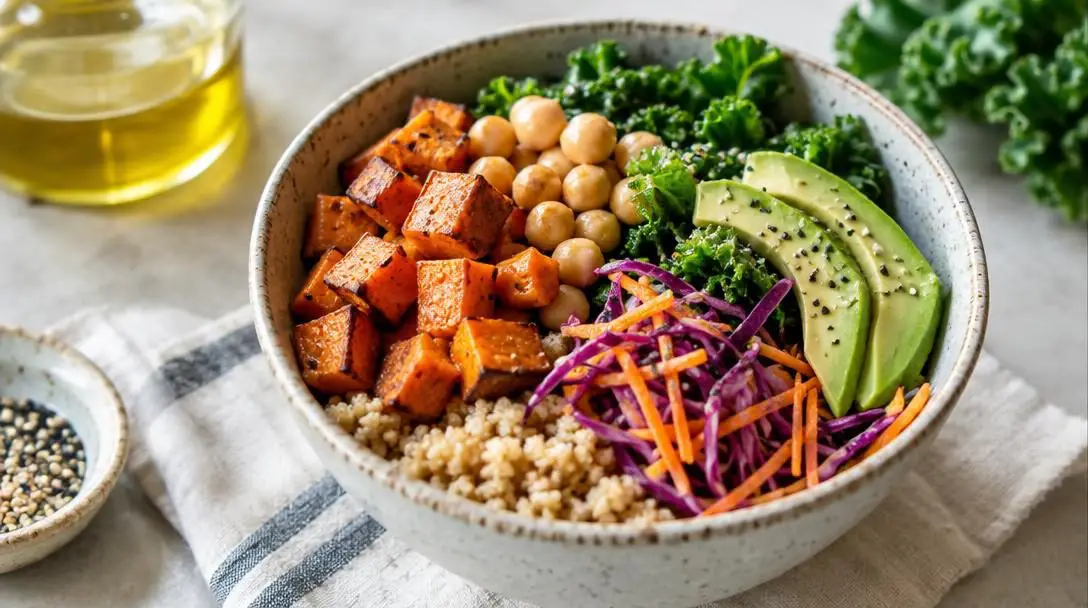
Refreshing Greek Yogurt Tzatziki Plate

- Star ingredient: Plain Greek yogurt
- Key benefit: Live active probiotics and calcium
- Flavor profile: Crisp cucumber, fresh mint, and dill
Greek yogurt is an exceptionally versatile component for any gut-conscious kitchen. While commonly eaten as a standalone breakfast or snack, turning it into a classic Mediterranean tzatziki sauce provides a cooling, savory condiment that transforms ordinary meals into gut-soothing feasts. Tzatziki introduces active probiotic cultures right alongside hydrating vegetables, making it remarkably easy on the stomach.
- Peel a fresh, crisp cucumber and dice it into very fine pieces.
- Finely chop fresh aromatic mint and garden dill to release their fragrant oils.
- Grate fresh garlic cloves on a fine grater until reduced to a smooth, potent paste.
- Add the cucumber, mint, dill, and garlic into a bowl filled with thick plain Greek yogurt.
- Drizzle in rich olive oil, squeeze in fresh lemon juice, and add a pinch of salt.
- Stir the mixture thoroughly until completely smooth, chilled, and evenly incorporated.
Serve your finished tzatziki plate with sliced crunchy vegetables, alongside tender grilled chicken or lean fish, or spooned generously over roasted root vegetables for a light, refreshing meal.
Glazed Skillet-to-Broiler Salmon

- Star ingredient: Fresh salmon fillets
- Key benefit: Anti-inflammatory omega-3 fatty acids
- Cooking method: Skillet sear to oven broiler
Salmon stands apart as one of the most rewarding proteins for gut wellness. Its generous concentrations of omega-3 fatty acids actively cool inflammatory pathways within the gastrointestinal tract. Beyond its physiological merits, salmon is prized for its culinary versatility, cooking rapidly and absorbing layered seasonings with ease.
- Pat fresh salmon fillets dry and season the flesh side evenly with salt, black pepper, paprika, and blackening seasoning.
- Warm an oven-safe skillet over medium heat, melting a small pat of butter alongside olive oil.
- Whisk in minced garlic, soy sauce, a touch of honey, a dash of Sriracha, and fresh lemon juice to form a balanced basting glaze.
- Lay the seasoned fillets skin side down in the hot skillet, allowing the skin to crisp as the sauce bubbles around it.
- Continuously spoon the warm pan juices across the tops of the fillets to infuse the seasonings into the meat.
- Transfer the entire skillet under your oven's broiler for the final few minutes of cooking to caramelize the honey glaze and finish the fish.
The resulting dish pairs crisp, flavorful edges with moist, tender fish that digests cleanly without feeling heavy or greasy.
Making thoughtful adjustments to your daily plate is one of the most accessible and comforting ways to support digestive health.
Aromatic Ginger-Infused Stir-Fry or Savory Broth

- Star ingredient: Fresh ginger root
- Key benefit: Stimulates digestive juices and eases nausea
- Flavor profile: Pungent, warming, and aromatic
Fresh ginger root has earned its legendary status as a natural soothing agent for digestive distress. Its sharp, warming properties wake up the digestive tract by prompting the release of bile and digestive enzymes, preventing foods from stalling in the stomach. While hot ginger tea and pickled ginger are popular choices, building a dinner around freshly grated ginger brings its benefits directly into your main meal.
- Grate fresh ginger root finely alongside several cloves of minced garlic.
- Warm a small amount of oil in a wok or deep skillet over medium heat, gently sweating the ginger and garlic until fragrant.
- Toss in crisp, quick-cooking vegetables such as sliced carrots and tender greens, along with your choice of lean protein.
- Splash in a small measure of low-sodium sauce or clear vegetable broth to create a light, simmering steam.
- Stir continuously until the vegetables are tender-crisp and coated in the aromatic ginger reduction.
This dish warms the gastrointestinal tract and moves smoothly through the system, leaving you feeling energized rather than weighed down.
Mediterranean Whole-Grain Pasta with Summer Squash

- Star ingredient: Whole-grain pasta and zucchini
- Key benefit: Intact dietary fiber for bowel regularity
- Sauce style: Light olive oil, garlic, and onion sauté
Many people find that conventional white pasta leaves them feeling sluggish, bloated, or overly stuffed. Whole-grain pasta solves this dilemma by retaining the nutrient- and fiber-rich bran and germ layers. By dressing the noodles in a light, vegetable-focused sauce rather than heavy cream or processed dairy, you keep the meal gentle on the stomach while promoting healthy transit.
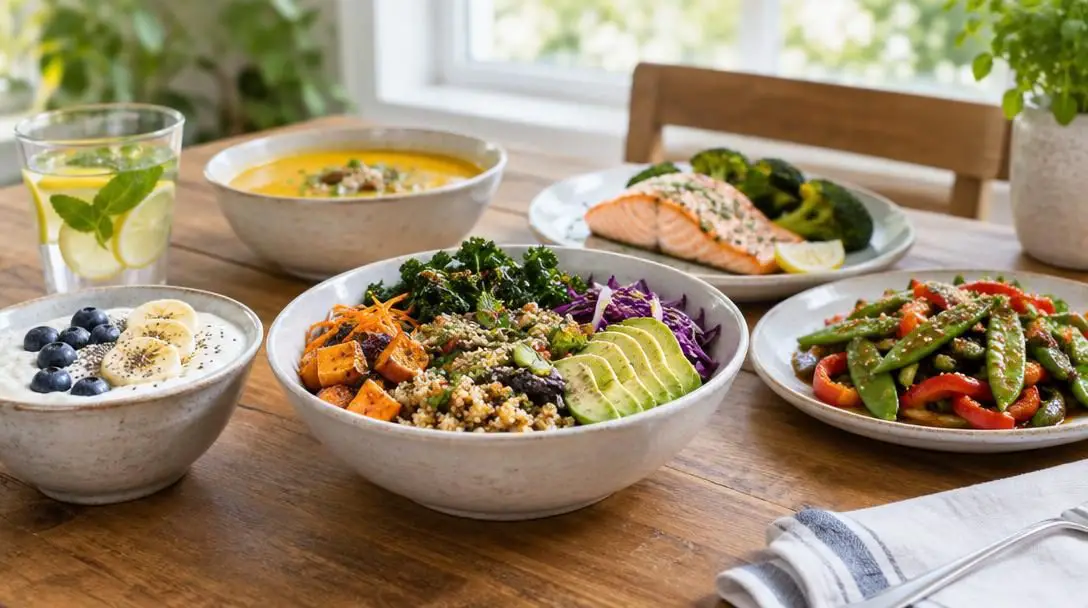
- Boil whole-grain pasta in salted water until it reaches an al dente texture, then drain and set aside.
- Warm a generous pour of olive oil in a wide sauté pan over medium-low heat.
- Add thinly sliced onions and minced garlic, cooking slowly until they become soft, translucent, and naturally sweet.
- Stir in diced or sliced zucchini, cooking gently until the squash is tender and fragrant.
- Tumble the cooked whole-grain pasta directly into the skillet, tossing thoroughly to let the pasta absorb the vegetable juices and olive oil.
- Plate the warm pasta and garnish with a dusting of freshly grated parmesan cheese and an extra drizzle of quality olive oil.
The combination of whole grains, tender summer squash, and heart-healthy olive oil yields a comforting dinner that supports natural intestinal regularity.
High-Fiber Quinoa and Black Bean Power Bowl
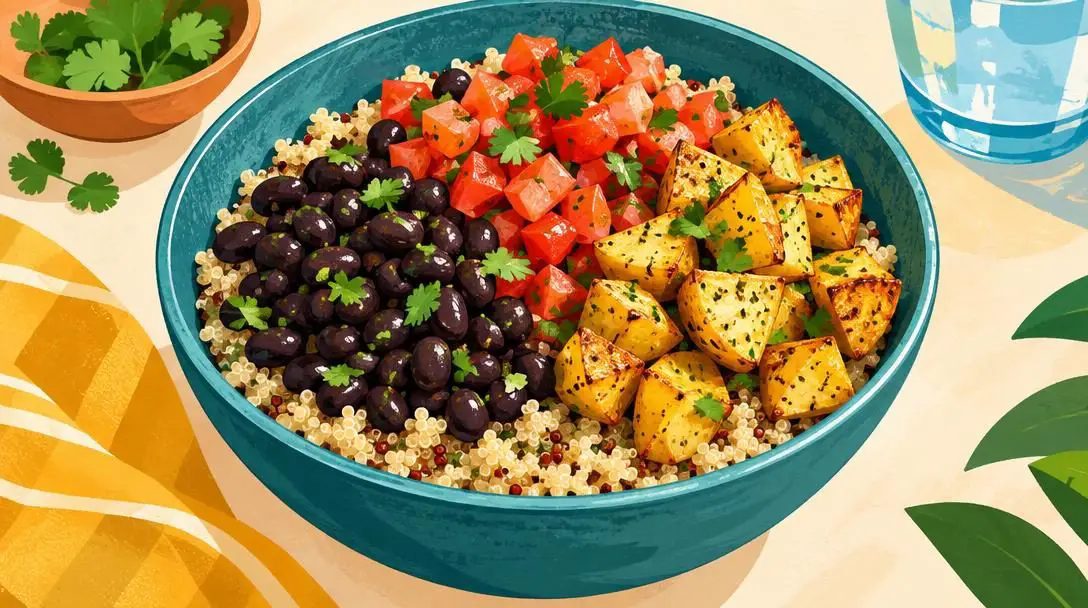
- Star ingredient: Quinoa and black beans
- Key benefit: Complete plant-based protein and roughage
- Texture profile: Fluffy grain with hearty roasted additions
Quinoa is a unique seed consumed as a grain that delivers a complete amino acid profile alongside robust dietary fiber. When paired with nutrient-dense black beans, it forms a clean, plant-based powerhouse that provides lasting fullness. This plant-forward pairing delivers all the protein you need for the evening without the sluggishness often brought on by rich cuts of red meat.
- Rinse quinoa thoroughly, then simmer in water or light vegetable broth until fluffy and tender.
- Warm pre-cooked black beans with your favorite gentle seasonings, avoiding overly spicy additives that irritate the stomach.
- Portion the fluffy quinoa into the base of a wide serving bowl and ladle the seasoned beans over top.
- Add diced fresh tomatoes for bright acidity and cubes of tender roasted potatoes for hearty substance.
- Finish the bowl with a light drizzle of cold-pressed olive oil or a squeeze of fresh lime juice to tie the ingredients together.
This balanced bowl provides an abundant dose of soluble and insoluble fiber that cushions digestion and keeps bowel movements comfortable and predictable.
Practical steps for transitioning to a gut-healthy diet
Revitalizing your digestive wellness does not demand that you throw away everything in your pantry overnight. In fact, dramatic, sudden dietary shifts can shock an already delicate gastrointestinal tract. A smooth transition is best managed through gradual, intentional adjustments to your regular weekly menu.
- Swap refined staples for whole alternatives: Begin by exchanging standard white noodles for whole-grain pasta once or twice a week, or substitute white rice with nutty, high-protein quinoa.
- Incorporate fermented elements naturally: Use homemade Greek yogurt tzatziki as a creamy spread on sandwiches, baked potatoes, and grilled meats in place of heavy, processed mayonnaise.
- Keep whole ginger readily accessible: Stash whole ginger roots in your freezer, where they will keep indefinitely and grate cleanly into evening broths, sauces, and warm water.
- Schedule regular seafood dinners: Aim to prepare a dinner centered around omega-3-rich fish like salmon at least once per week to ensure an ongoing supply of anti-inflammatory fatty acids.
- Embrace plant-protein combinations: Give your digestive tract a break from dense red meats by establishing one or two evenings a week dedicated to bean and grain bowls.
Common mistakes that aggravate digestion
Even with the most wholesome ingredients in your pantry, certain mealtime habits can inadvertently trigger stomach distress. Being mindful of these common missteps will ensure you receive the full benefits of your gut-friendly cooking.
- Eating hurriedly on the run: Digestion starts in the mouth. Chewing food poorly while driving or working forces the stomach to work overtime and causes you to swallow air, leading to immediate gas and indigestion.
- Increasing fiber too rapidly: Fiber is vital for gastrointestinal health, but loading up on massive servings of beans, whole grains, and seeds overnight overwhelms gut bacteria, creating sharp bloating and cramping. Scale up your fiber portions gradually over several weeks.
- Forgetting hydration alongside fiber: Both soluble and insoluble dietary fibers depend on water to swell and create smooth stool transit. If you consume more quinoa and black beans without drinking adequate fluids, you may trigger constipation.
- Choosing products with hidden sugars: Flavored store-bought yogurts and commercial ginger sodas are often loaded with refined sugars or high fructose corn syrup, which can irritate the gut and feed undesirable bacteria. Always opt for plain Greek yogurt and whole fresh ginger root.
- Overeating large portions: Even the cleanest ingredients produce gastric distress when eaten in excess. Consuming an oversized bowl of beans, potatoes, and grains overtaxes stomach volume and exhausts digestive enzymes. Keep your portions moderate.
Frequently asked questions
Why does eating on the go cause so much bloating?
Eating quickly while walking, driving, or working leads to inadequate chewing and causes you to swallow air. Chewing is the essential first phase of digestion that breaks down food particles mechanically and mixes them with salivary enzymes. Bypassing this step leaves large food masses that sit heavily in the stomach, producing gas, bloating, and discomfort.
Is Greek yogurt better for digestion than regular yogurt?
Greek yogurt is strained to remove much of the liquid whey, resulting in a significantly thicker texture, higher protein concentration, and naturally lower lactose levels than regular yogurt. For individuals who experience mild sensitivities to dairy lactose, Greek yogurt is often easier to break down while delivering potent live probiotic cultures.
How does ginger help reduce post-meal fullness?
Ginger contains active anti-inflammatory compounds that stimulate the production of digestive juices and bile while encouraging gastric motility. By supporting the natural muscular contractions that move food out of the stomach and into the small intestine, ginger prevents meals from lingering and reduces sluggishness and nausea.
Can eating too much fiber actually make digestive symptoms worse?
Yes. If your gastrointestinal microbiome is accustomed to low-fiber, refined foods, suddenly consuming large quantities of beans, whole grains, and raw vegetables can trigger severe gas, painful distension, and cramping. Increasing fiber intake slowly over several weeks alongside plenty of water allows your digestive flora time to adapt smoothly.
The bottom line
Digestive wellness is not built on radical detoxes or bland, punishing diets. Instead, it is sustained by consistent, thoughtful choices that nourish the gastrointestinal tract with real, unadulterated ingredients. By centering your weekly cooking around probiotic Greek yogurt, omega-3-packed salmon, soothing fresh ginger, whole grains, and fiber-rich quinoa, you provide your system with the essential tools it needs to thrive. Approach these dietary adjustments patiently, chew your food mindfully, and drink plenty of water to cultivate lasting digestive comfort every single day.