5 Healthy Eating Habits That Support Healthy Digestion
Over the past few decades, digestive wellness has quietly slipped by the wayside for millions of people. Modern schedules and industrial food production have accelerated a cultural turn toward ultra-processed convenience items, which are explicitly engineered for extended shelf life and rapid preparation rather than biological harmony. Because these foods are largely stripped of the natural textures and components required for a smoothly operating gastrointestinal tract, everyday digestive issues have become an increasingly common complaint.
At the same time, wellness culture has promoted the idea that restoring gut vitality requires high-end organic groceries, fully plant-based dietary overhauls, or boutique wellness products that carry prohibitive price tags. In reality, digestive health does not require an elite grocery budget or severe dietary restrictions. By understanding the mechanical and biochemical processes that break down meals, relying on humble whole-food staples, and adopting steady eating routines, you can dramatically improve your digestive comfort without overspending.
Key takeaways
- Thorough chewing serves as the crucial first phase of digestion, drastically lowering the physical burden placed on the stomach and intestines.
- Dividing daily food intake into smaller, more frequent meals prevents digestive bottlenecks, supports steady energy, and sustains metabolic efficiency.
- Shifting toward whole foods and home-cooked meals eliminates excessive sodium, unhealthy fats, and preservatives that irritate the gastrointestinal tract.
- Affordable pantry staples such as beans, nuts, seeds, and high-fiber pasta supply abundant dietary fiber without the cost of specialty supplements.
- Consistent daily habits—such as reading product labels and mindfully pacing meals—matter far more for gut wellness than rigid, expensive diets.
How the digestive tract processes your meals
Digestion is a continuous physiological assembly line that begins the moment you put food into your mouth. The mechanical phase starts with the teeth crushing and grinding solid food into manageable particles, while saliva and jaw movements work together to blend everything into a softened, uniform mass. When solid items are thoroughly pulverized before they pass down the esophagus, the organs downstream can proceed with their respective tasks under minimal physical strain. Conversely, swallowing dense, unchewed chunks forces the lower gastrointestinal tract into overdrive, setting the stage for heaviness, gas, and discomfort.
Once swallowed, the softened food enters the stomach, where gastric juices and potent stomach acid take over chemical breakdown. The acid works to dissolve the incoming material, liberating essential nutrients so the body can convert them into usable daily energy while prepping indigestible remnants for orderly elimination. When food arrives in the stomach already reduced to fine, bite-sized fragments, gastric acid can penetrate and separate those nutrients with optimal efficiency. Large, poorly chewed food pieces, on the other hand, require the stomach to churn longer and produce additional secretions, which often produces acute gastrointestinal distress.
Following stomach processing, the partially digested material moves into the small and large intestines. Here, the intestinal lining absorbs vital nutrients, electrolytes, and water directly into the bloodstream, while non-digestible fibrous bulk is packaged for waste evacuation. However, this biological pipeline can become easily overwhelmed when meals are loaded with artificial preservatives, excessive sodium, refined sugars, and heavy industrial fats. Flooding the stomach with massive portions creates an internal bottleneck that slows motility, whereas modest servings of whole, nutrient-dense foods flow through the intestinal tract with minimal friction.
Swallowing large, unchewed chunks forces the lower gastrointestinal tract to work much harder, creating avoidable bottlenecks in your daily digestion.
Five essential eating habits for healthy digestion
Optimizing your gut function does not require complex routines or expensive specialty items. Committing to a few foundational behaviors can ease internal strain, heighten daily energy, and restore comfortable digestion.
1. Chewing your food thoroughly
Chewing is widely recognized as one of the most effective, yet frequently ignored, ways to support your digestive organs. Most people chew their food just enough to facilitate swallowing, oblivious to the fact that every additional bite taken to crush a meal directly relieves the mechanical burden on the stomach. Masticating meals to a smooth consistency is especially critical for individuals who experience physical sensitivities to firm or fibrous food textures. Taking the time to pulverize each mouthful before swallowing prevents unpleasant physical reactions, promotes gentle transit through the esophagus, and allows digestive enzymes to mingle evenly with the food mass.
2. Adopting an eating schedule of smaller, more frequent meals
Modern daily routines routinely encourage people to eat three large, heavy meals, or worse, skip eating entirely during busy work hours only to consume massive portions later in the evening. Sitting down to a heavy platter overtaxes the stomach, slows down the metabolic rate, and leaves you feeling thoroughly drained and sluggish. By contrast, spreading your nutritional intake across smaller, more regular sittings creates a continuous, manageable flow through the digestive tract. This steady approach makes breakdown much easier, prevents overwhelming the intestinal pipeline, boosts your metabolism, and ensures your vitality remains stable throughout the day.
3. Choosing whole foods over processed alternatives
Ultra-processed convenience foods are deliberately formulated for long shelf stability and quick preparation, but they come laden with chemical preservatives, refined sugars, unhealthy fats, and surplus sodium. These industrial additives irritate the internal gastrointestinal environment, leaving you bloated, exhausted, and unsatisfied. Shifting your preference toward unprocessed, whole-food options provides the stomach and intestines with clean, unadulterated nourishment. Building your daily meals around fresh fruits, crisp vegetables, lean meats, freshly baked breads, and simple homemade recipes establishes a gentle internal environment that supports steady, uncomplicated digestion.
4. Cooking your meals at home
Preparing meals in your own kitchen is a natural partner to whole-food eating. When relying on commercial restaurant takeout, pre-packaged deli foods, or boxed frozen meals, you rarely have complete visibility into the cooking oils, hidden additives, and sodium levels incorporated into the recipes. Commercial food providers routinely use heavy fats, artificial binders, and excess sugar to preserve flavor and shelf life. By cooking at home using fresh, fundamental ingredients, you retain complete authority over your plate, making it simple to eliminate hidden gut irritants and avoid specific ingredients that trigger personal digestive distress.
5. Focusing on cheaper fiber sources
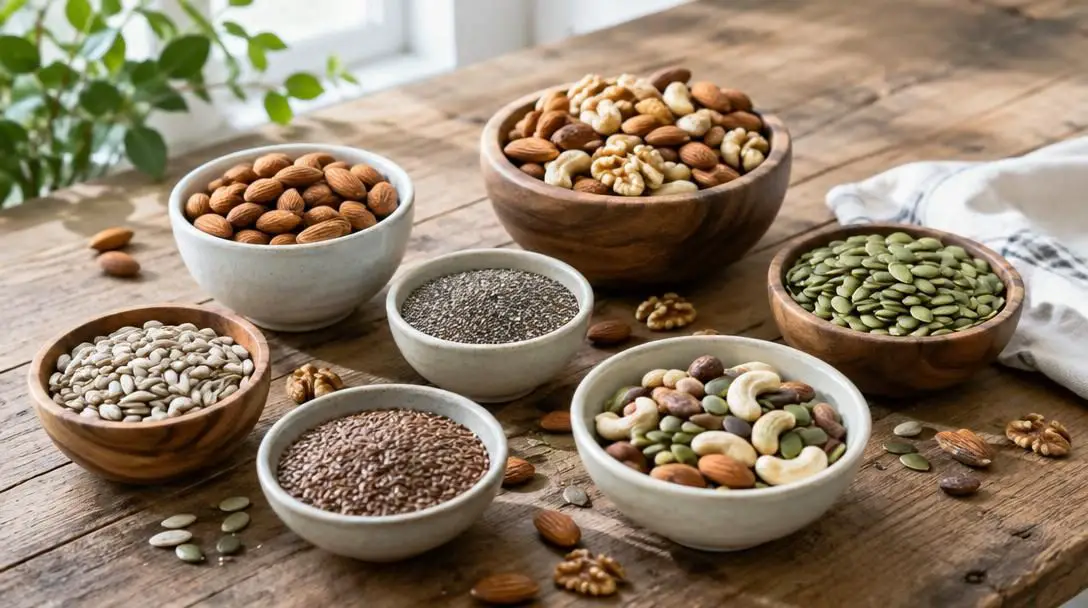
Fiber is essential for healthy bowel regularity and gastrointestinal bulk, but modern marketing often tries to convince consumers that digestive wellness requires luxury products. Commercial brands frequently market twelve-dollar boxes of high-fiber cookies that offer questionable taste and minimal genuine nourishment. You do not need to invest in costly functional snacks to meet your daily requirements. Affordable, everyday staples like nuts and sunflower seeds offer abundant dietary fiber alongside healthy fats. Similarly, dry or canned beans and high-fiber pastas are exceptionally inexpensive, allowing you to prepare multiple hearty, digestion-friendly meals for a fraction of the cost of a single fast-food order.
Digestive habit comparison
Understanding how specific dietary modifications affect the digestive pipeline helps you prioritize realistic changes in your everyday routine.
| Healthy Habit | Primary Mechanism | Main Digestive Benefit | Budget Impact |
|---|---|---|---|
| Thorough Chewing | Mechanical reduction | Relieves stomach acid burden | Completely free |
| Smaller, Frequent Meals | Volume moderation | Prevents intestinal bottlenecks | Neutral (reallocates food) |
| Whole Foods Focus | Additive elimination | Reduces gut inflammation and fatigue | Low to moderate |
| Home Cooking | Ingredient transparency | Avoids hidden fats, salts, and sugars | Significant cost savings |
| Affordable Fiber | Bulk formation | Promotes regular, smooth elimination | Lowers grocery expenses |
Practical steps to build digestive-friendly habits
Transforming your digestive wellness does not necessitate an immediate, sweeping lifestyle overhaul. You can systematically integrate practical, stomach-friendly behaviors into your everyday routine through manageable, deliberate actions.
- Establish a chewing baseline: During your next meal, intentionally count the number of chews you take before swallowing a bite. Slowly increase that count until the food completely loses its rough or fibrous texture, ensuring it enters the esophagus as a soft, swallowable puree.
- Downsize individual bite sizes: Take smaller bites when eating dense items like poultry, steak, or crunchy raw vegetables. Creating smaller fragments right from the fork gives stomach acid an immediate advantage during chemical breakdown.
- Restructure your daily meal schedule: Divide your standard food intake into four or five moderate meals rather than three massive feasts, keeping serving sizes modest enough to eliminate post-meal sluggishness.
- Carry portable high-fiber snacks: Keep small, pocket-sized containers of raw sunflower seeds, walnuts, or almonds at your desk or in your vehicle. Having fiber-dense snacks on hand prevents extreme hunger pangs that lead to frantic, heavy overeating later.
- Schedule weekly home-cooked dinners: Plan two or three weeknight meals constructed entirely from fresh, basic ingredients—such as seasoned lean meats paired with roasted garden vegetables and simple homemade sides.
- Enrich side dishes with pantry legumes: Add canned or dried beans to your soups, stews, and casseroles to boost natural fiber content while stretching your grocery dollar.
- Batch-cook high-fiber pasta: Prepare a large portion of economical high-fiber pasta at home, combining it with olive oil, herbs, and fresh vegetables for quick, gut-friendly lunches that cost far less than restaurant takeout.
- Inspect packaged grocery labels: Examine the nutritional labels on packaged items before purchasing to check for hidden sugars, elevated sodium levels, and chemical preservatives that aggravate digestive sensitivity.
Common digestive mistakes to avoid
Many people suffer from chronic bloating, heaviness, and erratic digestion simply because they fall into common eating pitfalls that place undue stress on the gastrointestinal tract. Avoiding these frequent missteps can provide rapid physical relief:
- Rushing through meals: Inhaling meals on the go without thorough chewing forces the stomach to work overtime, resulting in immediate bloating, heartburn, and gastrointestinal cramping.
- Skipping meals to save time: Going long stretches without food causes intense, primal hunger, which almost always triggers binge-eating large replacement meals that overwhelm your stomach capacity.
- Relying on expensive specialty supplements: Buying overpriced wellness bars, powders, and twelve-dollar cookie boxes drains your finances while delivering inferior nutritional quality compared to natural staples like beans and seeds.
- Defaulting to convenience foods: Regularly consuming frozen dinners, drive-through orders, and packaged snacks floods your system with sodium and artificial preservatives that irritate digestive tissues.
- Ignoring personal food sensitivities: Swallowing textures or items that consistently create internal distress—rather than pureeing them thoroughly or switching to gentle, home-cooked alternatives—causes ongoing intestinal discomfort.
Smart grocery shopping for digestive wellness
A thriving digestive tract is built in the grocery store aisles, but that does not mean shopping exclusively in expensive specialty markets. Supporting your gut requires shifting your focus away from packaged center-aisle novelties and toward versatile, budget-friendly dry goods. Exploring the bulk and dry goods sections lets you discover incredible digestive staples like black beans, pinto beans, lentils, raw seeds, and high-fiber pastas that cost pennies per serving and keep in the pantry for months.
When you pair these shelf-stable fiber sources with affordable seasonal vegetables, fresh fruits, and lean cuts of meat, you eliminate the hidden sodium, chemical stabilizers, and hydrogenated oils commonly found in commercial fare. Learning to turn simple, unrefined ingredients into hearty, home-cooked stews and bakes not only protects your household budget, but also ensures that your digestive system receives clean, easily processed nutrition at every meal.
Frequently asked questions
Do I need to buy expensive organic food to have a healthy gut?
No. While organic food is often marketed as essential for digestive health, its premium price tag puts it out of reach for many shoppers. You can cultivate an exceptionally healthy digestive system using conventional fresh produce, affordable lean meats, and economical dry staples like beans, seeds, and high-fiber pasta. How you prepare your food and how thoroughly you chew it matter far more than an organic certification.
Why does eating smaller meals help with digestion and energy?
Large, heavy meals flood the stomach with a massive volume of food that takes hours to break down, creating an internal bottleneck that slows motility and draws blood flow away from the rest of the body. Dividing your nutrition into smaller, more frequent meals prevents this digestive logjam, eases the workload on your stomach acid, boosts metabolic function, and provides a continuous stream of energy throughout the day.
How does chewing food thoroughly protect the stomach?
Chewing is the primary mechanical stage of digestion. When you chew thoroughly, teeth grind dense food into microscopic particles while saliva softens the entire mass. This allows gastric acid and digestive enzymes to penetrate and dissolve nutrients immediately upon arrival in the stomach, rather than forcing the organ to churn aggressively to break apart large, solid chunks.
What are the best cheap sources of dietary fiber?
Rather than purchasing expensive functional snacks or branded fiber cookies that cost twelve dollars a box, look to inexpensive whole foods. Canned or dried beans, sunflower seeds, nuts, and high-fiber pastas are among the most economical and effective fiber sources available. They supply substantial bulk to support digestive motility at a fraction of the cost of commercial supplements.
How do processed convenience foods harm the digestive process?
Ultra-processed convenience foods are typically loaded with refined sugars, high sodium, artificial preservatives, and unhealthy fats designed to maximize shelf life. These industrial ingredients lack the natural bulk needed for smooth transit, while the chemical additives can irritate the gastrointestinal lining, leading to sluggish bowel movements, systemic fatigue, and persistent bloating.
The bottom line
Achieving reliable digestive comfort does not demand an all-or-nothing dietary revolution, exotic wellness superfoods, or a luxury grocery budget. Lasting gut health is the result of consistent, practical behaviors practiced day in and day out. By chewing your meals with intention, moderating your serving sizes, cooking fresh foods at home, and filling your plate with economical fiber sources like beans and seeds, you give your digestive tract the exact tools it needs to thrive. Focus on manageable improvements, listen closely to how your body responds, and allow steady daily habits to transform your overall wellbeing.