The Perfect Pairing: A Guide to Matching Wine with Different Foods
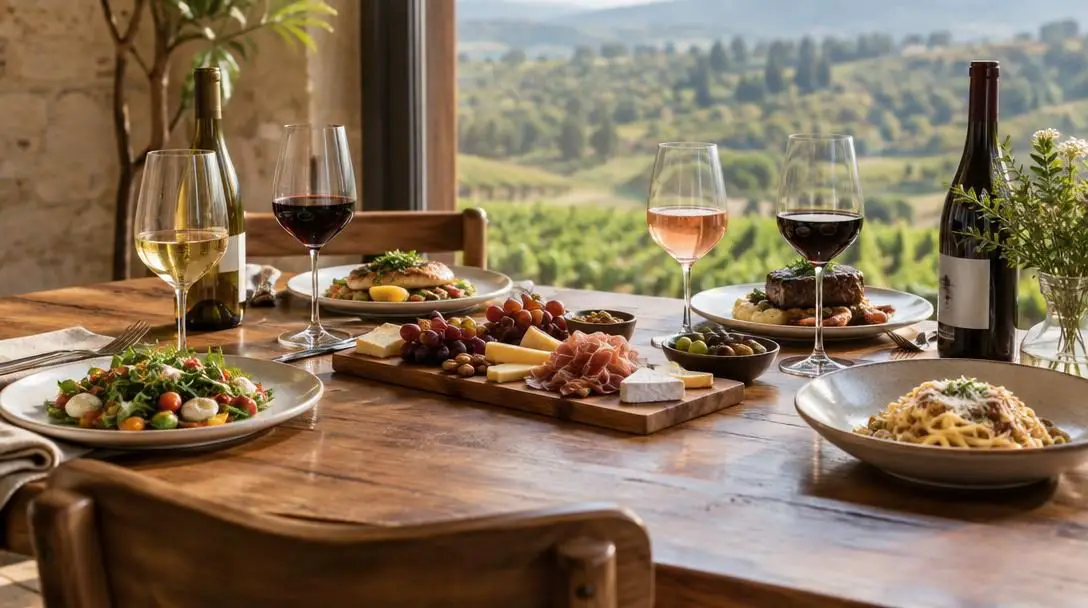
Wine is often considered a perfect complement to any meal, serving as a traditional centerpiece for gatherings, intimate dinners, and celebratory feasts across cultures. Selecting the right bottle can elevate a meal by drawing out subtle notes in culinary ingredients and creating harmony on the palate, whereas a mismatched pairing can overwhelm delicate dishes or leave a wine tasting harsh and astringent.
Rather than an impenetrable mystery reserved for sommeliers, wine pairing is an approachable culinary craft grounded in sensory balance. By learning how core structural elements like acidity, sweetness, body, and tannins interact with food components on the tongue, anyone can approach a restaurant wine list or home dinner menu with genuine confidence.
Key takeaways
- Wine pairing operates on three primary principles: matching flavor intensity, balancing taste sensations, and creating complementary or contrasting flavor profiles.
- The four core structural components of wine—acidity, tannins, sweetness, and body—dictate how a bottle interacts with fats, sugars, and proteins on the plate.
- Dessert wines must always be sweeter than the dessert itself to prevent the wine from tasting sharp, hollow, or unpleasantly bitter.
- Proper serving temperatures and storage practices, such as storing corked bottles horizontally in a cool and dark space, preserve flavor balance.
Understanding the Core Structural Elements of Wine
Wine is produced through the fermentation of grape juice, a biological process in which yeast converts natural grape sugars into alcohol. The characteristics of the finished beverage are shaped by grape varieties, regional climates, and specific winemaking techniques. While wines are broadly divided into red, white, rosé, and sparkling styles, their behavior with food is driven by four structural components.
Acidity gives wine its crisp, refreshing, and lively bite. Much like a squeeze of fresh lemon juice over cooked fish or rich pasta, high acidity cuts through dietary fats and cleanses the palate between bites, making acid-forward bottles versatile companions for diverse cuisines.
Tannins are naturally occurring compounds found primarily in red wines, extracted from grape skins, seeds, and stems, as well as oak aging barrels. Tannins impart structure, slight bitterness, and an astringent drying sensation across the gums and tongue, similar to drinking over-steeped black tea. When introduced to dietary proteins and fats, tannins soften noticeably.
Sweetness refers to residual sugar left unfermented in the liquid. Ranging from bone-dry to lusciously sweet dessert styles, sugar in wine acts as an essential culinary buffer. It helps moderate the fiery burn of chili peppers and balances salt or natural sweetness in culinary preparations.
Body describes the perceived weight, thickness, and overall mouthfeel of the wine. A common comparison is dairy texture: light-bodied wines feel like skim milk, medium-bodied wines resemble whole milk, and full-bodied wines mirror the rich density of heavy cream.
Wine pairing operates under the philosophy that the beverage acts as an additional seasoning, sauce, or textural counterweight to the plate.
The Three Fundamental Principles of Wine and Food Pairing
When food and wine meet on the tongue, their respective flavors and textures interact immediately. Understanding three core principles ensures that neither the dish nor the glass diminishes the other.
The first principle is matching intensity. Light dishes with delicate textures demand light-bodied wines with subtle aromas so the food is not overpowered. In contrast, dense, deeply seasoned, or fatty dishes require medium- to full-bodied wines with concentrated fruit and structure to stand up to the food's weight.
The second principle is balancing flavors. This approach uses wine to soften or neutralize aggressive components in a dish. A classic example is pouring an off-dry or sweet wine alongside spicy cuisine; the residual sugar soothes the palate and tames capsaicin heat, whereas a high-alcohol, dry wine would intensify the burning sensation.
The third principle is complementing or contrasting. Complementary pairings unite shared flavor traits, such as serving a fruity wine with a fruit tart to echo sweetness and stone fruit aromas. Contrasting pairings match opposing sensory profiles to create equilibrium, such as pairing a tannic red wine with a rich, marbled steak. The dietary fats coat the mouth and mellow the wine's astringent tannins, while the tannins slice through the meat's heavy richness.
Essential Wine Profiles for Food Pairing
Different grape varieties and wine styles present distinct structural traits that make them natural fits for specific courses and ingredients.
Cabernet Sauvignon
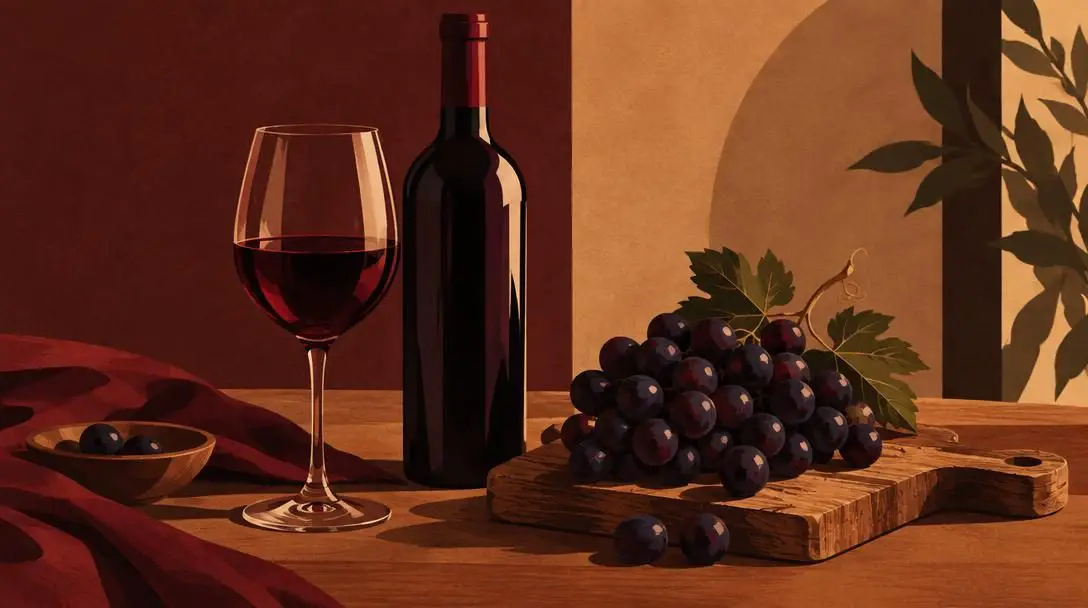
- Style: Full-bodied red
- Dominant traits: Firm tannins, rich dark fruit, bold structure
- Ideal companions: Red meats, braised beef, dark chocolate
Cabernet Sauvignon is recognized for its bold weight, intense dark fruit notes, and assertive tannin structure. These drying tannins require rich proteins and fats to soften their grip on the palate, making this grape variety an enduring benchmark alongside dense steaks, roasted lamb, or decadent chocolate desserts.
Pinot Noir
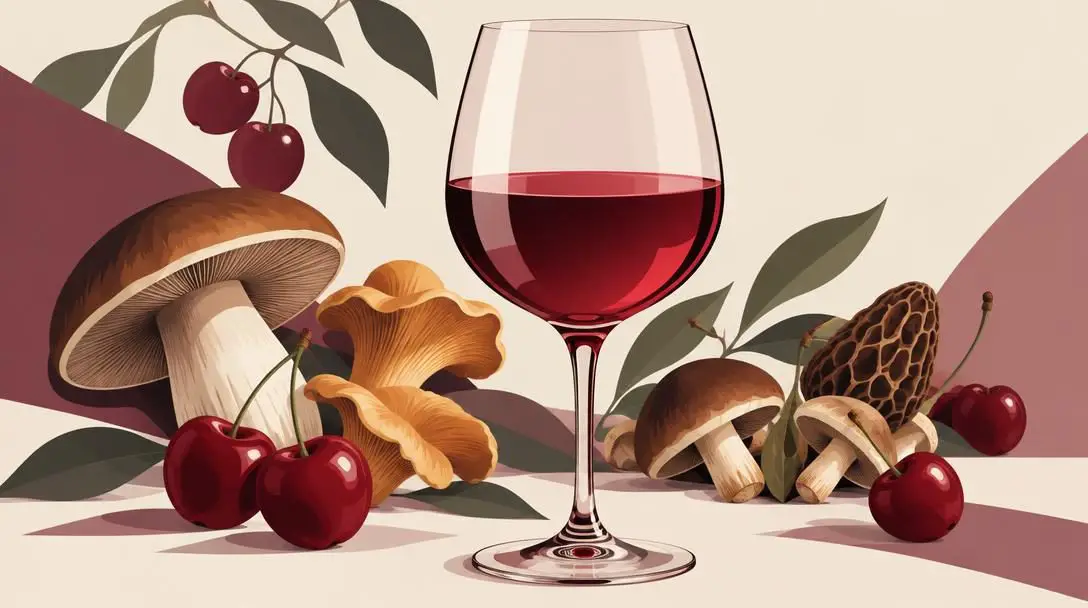
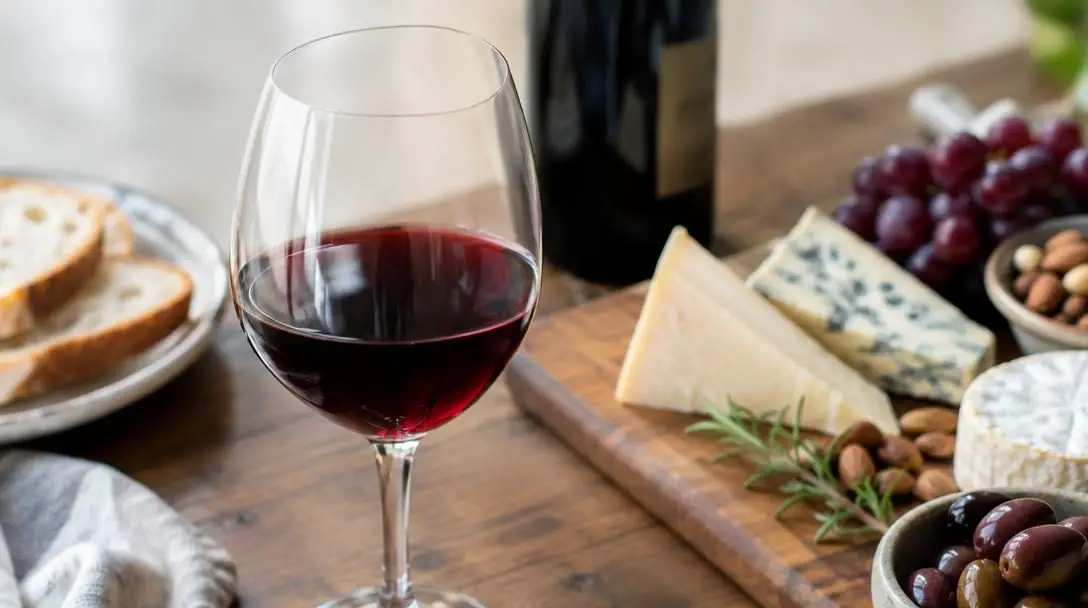
- Style: Light- to medium-bodied red
- Dominant traits: Bright acidity, gentle tannins, red fruit notes
- Ideal companions: Poultry, pork, earthy vegetarian dishes
Pinot Noir offers a versatile profile characterized by delicate tannins, lively acidity, and earthy, red-berry undertones. Because it does not overwhelm gentle proteins, it moves seamlessly between roast chicken, pork preparations, and plant-based mains featuring mushrooms and roasted root vegetables.
Chardonnay
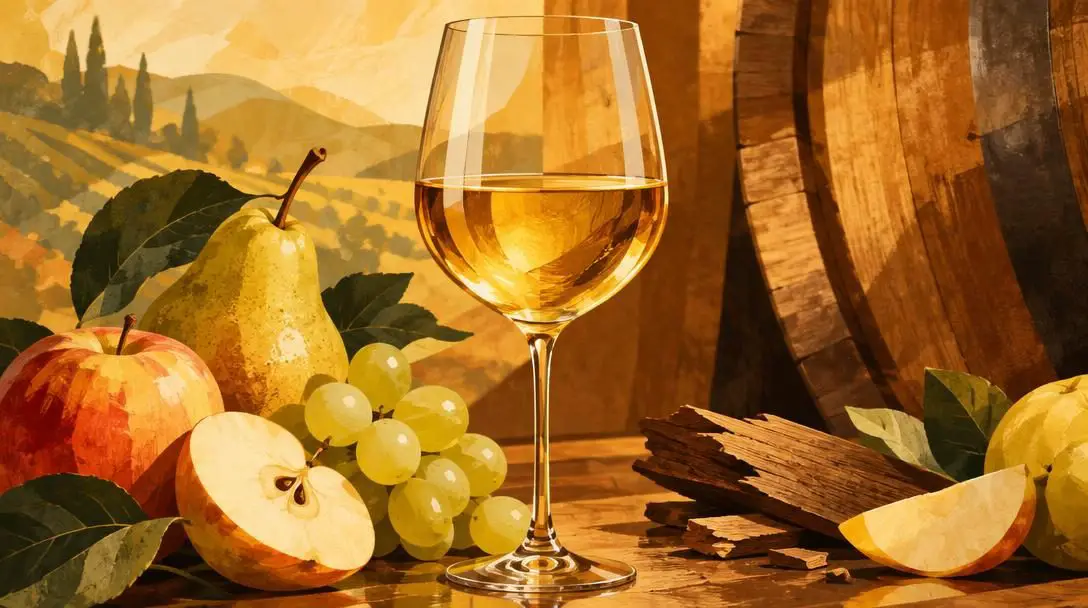
- Style: Medium- to full-bodied white
- Dominant traits: Rounded texture, balanced acidity, orchard fruit
- Ideal companions: Seafood appetizers, roasted chicken, creamy dishes
Chardonnay displays a broader texture and weight than most crisp white wines. Its rounded mouthfeel provides enough substance to pair comfortably with poultry and richer seafood preparations, serving as a dependable bridge between lighter starters and heavier main courses.
Sauvignon Blanc

- Style: Light-bodied white
- Dominant traits: Crisp acidity, vibrant citrus notes, clean finish
- Ideal companions: Oysters, calamari, shrimp cocktail
Known for its bright, tart character, Sauvignon Blanc acts like a squeeze of fresh lemon over raw or lightly cooked seafood. Its brisk acidity cuts through briny flavors and delicate frying oils, leaving the palate refreshed after each bite.
Pinot Grigio
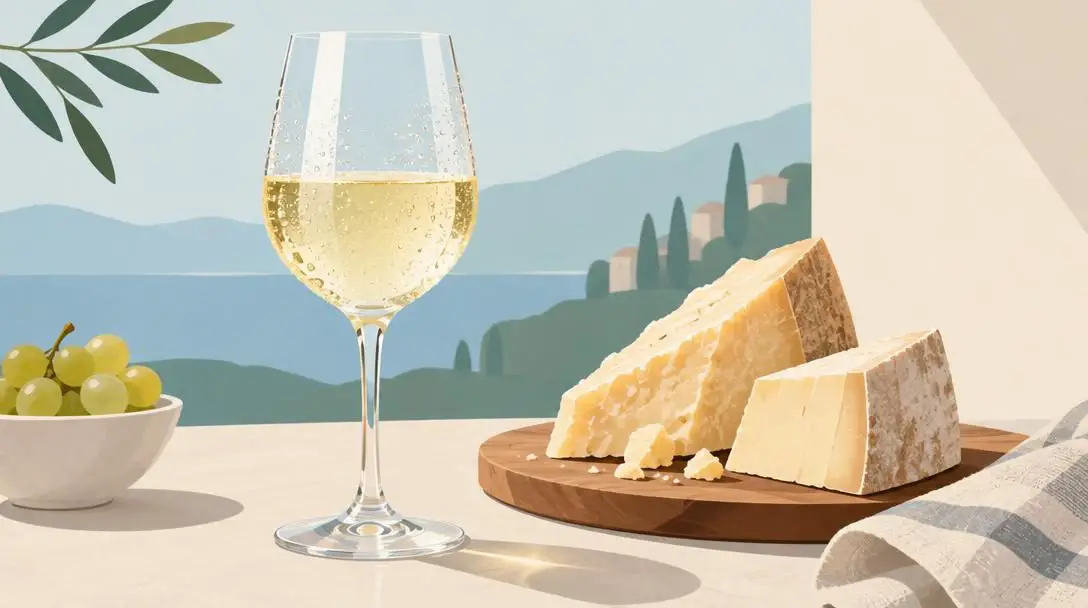
- Style: Light-bodied white
- Dominant traits: Crisp profile, clean minerality, subtle fruit
- Ideal companions: Artisan cheeses, light appetizers, vegetable dishes
Pinot Grigio delivers a lean, uncomplicated, and refreshing drinking experience. Its understated fruit and clean acidity make it an exceptional partner for appetizer platters, delicate fresh cheeses, and vegetable-forward plates where heavy oak or intense aromatics would distract from the food.
Riesling
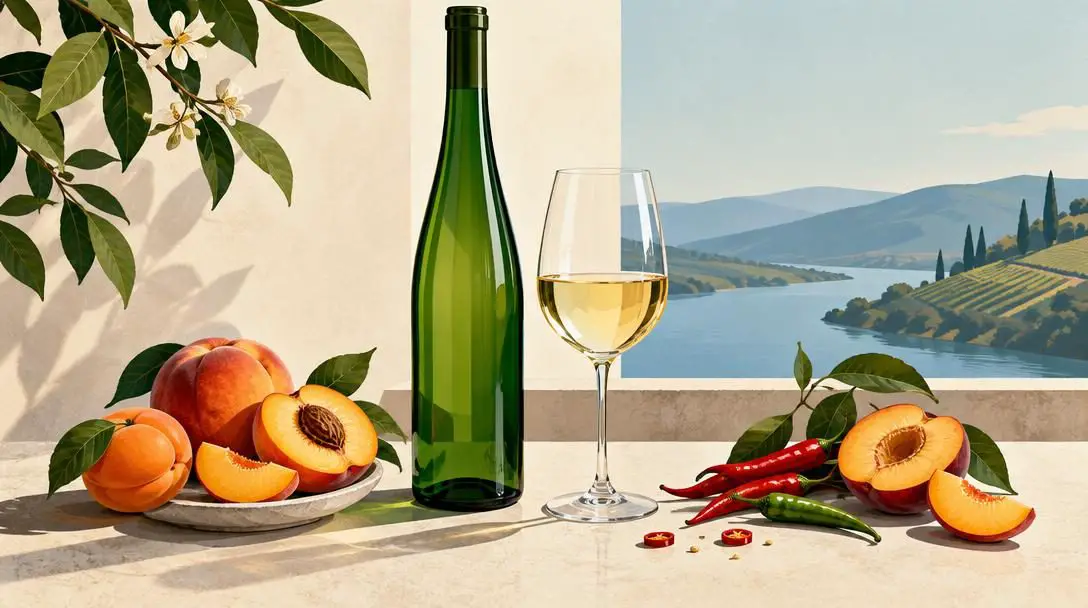
- Style: Light- to medium-bodied white (dry to sweet)
- Dominant traits: Piercing acidity, stone fruit, variable sweetness
- Ideal companions: Earthy vegetables, spicy dishes, fruit desserts
Riesling is celebrated among culinary enthusiasts for its remarkable versatility. In its dry expressions, its high natural acidity frames vegetarian dishes and earthy legumes; in its sweeter iterations, it balances spicy culinary seasonings and mirrors the delicate sugars found in stone fruit tarts.
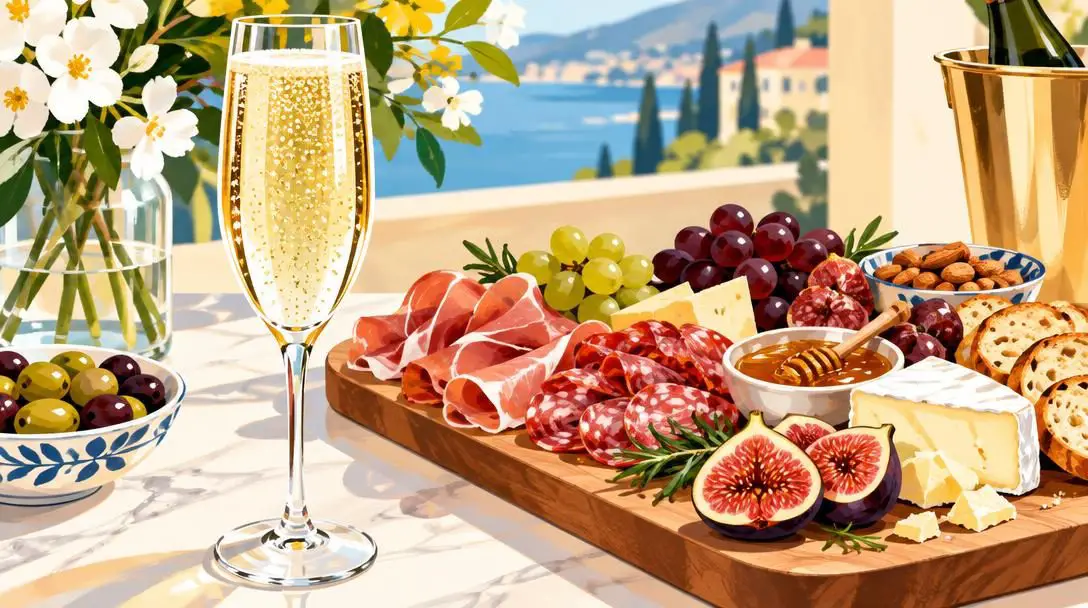
Prosecco
- Style: Light-bodied sparkling
- Dominant traits: Lively effervescence, crisp finish, gentle fruit
- Ideal companions: Charcuterie, cured meats, pastries
This Italian sparkling wine delivers fine bubbles and a bright, zesty lift. The continuous effervescence acts as a palate scrubber against salty, high-fat cured meats on charcuterie boards, while its balance of crispness and soft fruit complements light baked pastries.
Moscato

- Style: Light-bodied sweet white
- Dominant traits: Luscious sweetness, aromatic stone fruit, floral lift
- Ideal companions: Fruit tarts, poached fruits, berry compotes
Moscato provides the residual sugar necessary to pair successfully with sweet desserts. Its aromatic orchard and stone fruit characteristics align naturally with fruit-centric pastries, ensuring the wine retains its fruit expression alongside sweet confections.
Wine Styles and Pairing Profiles at a Glance
Evaluating the weight, primary traits, and culinary companions of widely available wine varieties provides a quick roadmap for dinner planning.
| Wine Variety | Style / Body | Primary Sensory Trait | Best Food Match |
|---|---|---|---|
| Cabernet Sauvignon | Full-bodied red | Firm tannins and dark fruit | Steak, braised beef, dark chocolate |
| Pinot Noir | Light- to medium-bodied red | Lively acidity, gentle tannins | Roast poultry, pork, wild mushrooms |
| Chardonnay | Medium-bodied white | Rounded texture, stone fruit | Roasted chicken, richer seafood |
| Sauvignon Blanc | Light-bodied white | Tart acidity, citrus lift | Oysters, calamari, shrimp cocktail |
| Pinot Grigio | Light-bodied white | Clean, subtle fruit and crisp finish | Delicate cheeses, fresh appetizers |
| Riesling | Dry to sweet white | Piercing acid, flexible sweetness | Spicy entrees, roasted roots, fruit desserts |
| Prosecco | Sparkling | Effervescent bubbles, refreshing lift | Cured meats, charcuterie, flaky pastries |
| Moscato | Sweet white | Aromatic sweetness, floral fruit | Poached fruit, tarts, berry compotes |
Course-by-Course Pairing Strategies
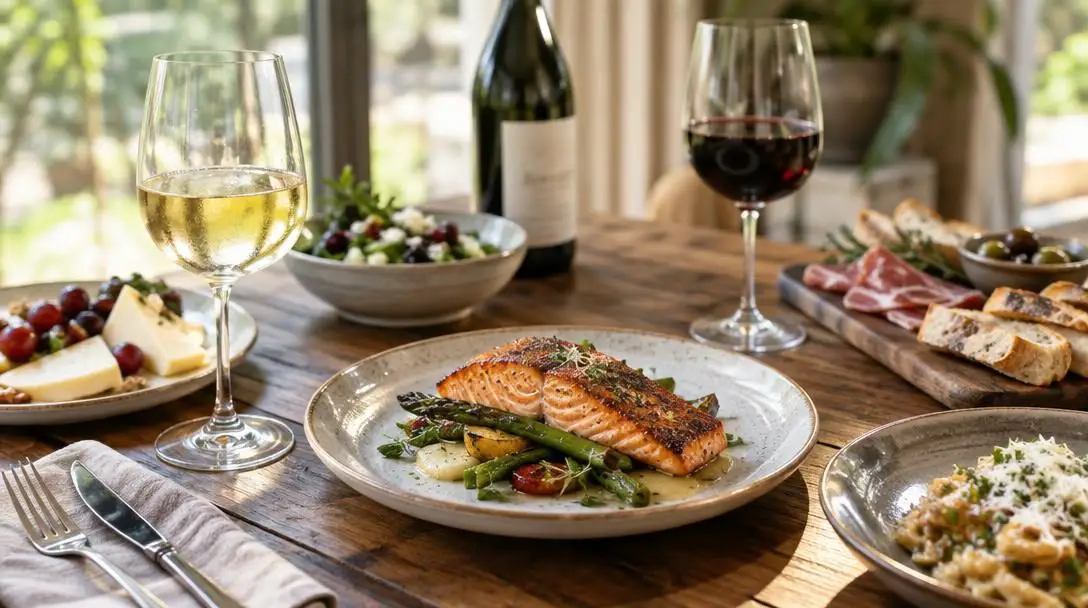
A successful multi-course meal relies on aligning the structural components of wine with the dominant elements of each plate, from appetizers to the final sweet course.
Appetizers and small bites: Small-plate spreads often combine diverse textures, salt levels, and fats. For mixed cheese boards, light-bodied whites such as Pinot Grigio offer a safe and dependable match that refreshes the mouth without overpowering nuanced cheeses. For charcuterie laden with rich, salty cured meats, sparkling wines like Prosecco provide effervescence that slices cleanly through cured fat. When serving briny starters such as oysters, calamari, or chilled shrimp cocktail, reach for crisp, high-acid whites like Sauvignon Blanc or Chardonnay to act as a bright citrus counterpoint.
Main entrees: The protein, cooking method, and accompanying sauce dictate the best entree selection. Dense red meats such as grilled steaks, roasted lamb, or braised beef demand full-bodied reds like Cabernet Sauvignon or Merlot. Their firm tannins bond with meat proteins, smoothing the finish. For white meats like chicken, turkey, or pork chops, medium-bodied selections like Pinot Noir or Chardonnay match the density of the poultry without masking delicate seasonings. Vegetarian mains featuring earthy mushrooms, lentils, or roasted root vegetables harmonize with light-bodied reds like Pinot Noir or bright, dry whites like Riesling and Pinot Grigio.
Desserts and confections: The foundational rule of dessert pairing is that the wine must always be sweeter than the food. When a dry wine is consumed with sweet food, the sugar on the palate strips the wine of its fruit notes, rendering it flat, excessively bitter, or sour. Rich dark chocolate cakes and truffles require full-bodied reds like Cabernet Sauvignon or Syrah that hold up against cocoa bitterness. Fruit tarts, poached pears, and berry compotes pair seamlessly with sweet wines like Moscato or sweet Riesling. Light, buttery pastries and flaky baked goods find balance in sparkling wines like Champagne or Prosecco, which cleanse butter from the tongue.
Special Pairing Approaches: Region, Occasion, and Budget
Beyond isolated food chemistry, several practical perspectives can simplify bottle selection across different dining contexts.
Regional pairings: The classic culinary adage "what grows together, goes together" reflects centuries of parallel evolution between local agriculture and regional winemaking. In Italy, for instance, native grapes developed high natural acidity that mirrors the tangy acidity of regional tomato sauces while balancing olive oils and cured meats. When preparing traditional ethnic or regional recipes, selecting a wine produced in that same area is an intuitive, time-tested strategy.
Occasion-based selections: The context and mood of a meal should influence your choice. For celebratory toasts, holidays, and milestones, sparkling wines like Champagne or Prosecco inject lively energy, elegance, and visual celebration that still wines cannot replicate.
Budget-conscious pairing: Remarkable dining experiences do not require high-end, cellar-aged bottles. Everyday, affordable bottles often feature bright fruit and approachable structures that make them exceptionally versatile at the dinner table. Modestly priced wines pair comfortably with simple weeknight staples like rustic flatbreads, pasta with tomato sauce, or roast chicken without preciousness or fuss.
Step-by-Step Meal Planning Framework
Organizing a harmonious meal at home is straightforward when approached systematically. Follow this step-by-step process when constructing your next dinner menu:
- Identify the centerpiece: Determine the primary protein, dominant sauce, cooking technique, and major spices of your dish. Assess whether the final plate leans light, medium, or heavy in weight.
- Select the guiding pairing principle: Decide whether the course calls for a complementary match (such as pairing a creamy sauce with a rounded Chardonnay) or a contrasting match (such as balancing rich braised short ribs with an astringent, tannic red).
- Choose color and body: Match the density of the dish to the general category of wine, choosing among light whites, medium-to-full whites, light reds, or robust reds.
- Prepare the serving conditions: Chill white and sparkling bottles in advance, ensure reds sit slightly below room temperature, and ready a decanter if serving an older or tightly structured full-bodied red.
- Taste and adjust: Sample a bite of the finished dish alongside a small sip of wine before serving guests. If the pairing feels discordant, adjust the food with a pinch of salt or a splash of citrus to bring the flavors into alignment.
Proper Serving and Cellaring Practices
Even an exceptional culinary pairing can be undermined if the bottle is served at the wrong temperature or stored under poor conditions.
Temperature fundamentally alters the sensory perception of wine. Red wines should be served slightly below room temperature. When served too warm, alcohol fumes become prominent and mask subtle fruit notes; when served too cold, tannins turn unpleasantly harsh and bitter. White wines, by contrast, should be served chilled to preserve crisp acidity and vibrant fruit. However, avoid serving them ice-cold, which mutes aromatic complexity.
Decanting involves pouring wine into a glass vessel to introduce oxygen before serving. Gentle aeration smooths out tight, aggressive tannins and encourages complex aromas to bloom, making decanting particularly valuable for youthful, full-bodied reds or mature bottles with accumulated sediment.
For storage, bottles must reside in a cool, dark environment shielded from temperature spikes, direct sunlight, and physical vibrations. Bottles sealed with natural cork should always be stored horizontally. Keeping the wine in constant contact with the cork prevents it from drying out, shrinking, and allowing ambient oxygen to enter and spoil the liquid.
Common Pairing Pitfalls to Avoid
Avoiding a few frequent missteps will keep your pairings balanced and enjoyable:
- Overlooking the sauce: Choosing a wine based solely on the protein rather than the accompanying sauce frequently leads to mismatched weight. A delicate chicken breast served under a heavy cream or spicy reduction requires a wine that matches the richness of the sauce, not just the poultry.
- Pairing high alcohol with fiery spices: Wines with elevated alcohol levels accentuate the burn of chili peppers, creating unpleasant heat on the tongue. Reach for low-alcohol, off-dry, or sweet wines instead to soothe the palate.
- Serving red wine too warm: Modern heated dining rooms often push red wines far above their ideal serving temperature. A brief 15-minute chill in the refrigerator before opening will keep alcohol burn in check.
- Ignoring wine sweetness with desserts: Serving dry sparkling or red wine alongside sweet baked goods produces an astringent, sour taste. Always ensure the wine retains higher sugar levels than the plate.
Frequently asked questions
Why does red wine pair better with red meat than white wine?
Red meats contain high levels of protein and fat that actively bind with the astringent tannins found in red wine. This reaction softens the drying sensation of the tannins on your tongue while the wine's structure cuts through the richness of the meat.
What should I drink when eating spicy food?
Low-alcohol white wines with residual sweetness, such as off-dry Riesling or Moscato, are ideal for spicy dishes. The sugar cools the burn of spicy chili peppers, whereas high-alcohol or heavily tannic wines intensify the heat uncomfortably.
Why must dessert wines be sweeter than the dessert itself?
If a dessert contains more sugar than the wine accompanying it, the sweetness on your tongue will strip away the perceived fruit flavors of the wine. This leaves the wine tasting unpleasantly bitter, sour, and thin.
How does sauce change a wine pairing for chicken or fish?
The dominant flavor and texture of a dish often come from its sauce rather than the protein. A light poultry dish in a rich, buttery cream sauce demands a fuller, rounded white wine like Chardonnay rather than a light, lean white.
Why is horizontal storage necessary for corked wine bottles?
Horizontal storage keeps the wine in continuous contact with the natural cork. This prevents the cork from drying out and shrinking, which would allow unwanted air into the bottle and oxidize the wine prematurely.
The Bottom Line
Pairing wine with food is an engaging, sensory enhancement to dining that does not require rigid memorization or expensive bottles. By keeping the foundational principles in mind—matching intensity, balancing dominant flavors, and selecting between complementary and contrasting profiles—you can pair with intention and creativity across every course.
Whether you are uncorking an affordable white for a casual weeknight pasta, decanting a robust red for a holiday roast, or serving a sparkling pour alongside an appetizer spread, thoughtful pairing brings food and beverage into satisfying harmony.