5 Foods That Are Good For Your Brain

Maintaining cognitive function, mental clarity, and overall brain health is an essential requirement for long-term vitality. The human brain demands an uninterrupted supply of fuel, oxygen, and cellular defense mechanisms to perform at its peak through every stage of life. From immediate problem-solving and rapid learning to memory recall and emotional balance, our everyday mental capabilities are directly governed by the nutritional building blocks supplied through our daily meals.
Every day, the brain is exposed to physiological stressors, including natural aging processes and disease vulnerabilities that generate oxidative damage within fragile nerve tissue. Without adequate dietary intervention, this oxidative burden can manifest as persistent mental fatigue, concentration deficits, and volatile mood swings. By intentionally choosing nutrient-dense whole foods, you can reinforce neural architecture, safeguard delicate neurons, and preserve long-term mental sharpness.
Key takeaways
- Oily fish rich in omega-3 fatty acids enhance cerebral blood flow and oxygen delivery to sharpen mental clarity and focus.
- Walnuts and mixed nuts supply essential fatty acids and protective polyphenols that defend neurons and support learning skills.
- Antioxidants in blueberries fight neural inflammation and offer defense against neurodegenerative disorders like dementia and Alzheimer's disease.
- Dark chocolate stimulates alertness through circulation-boosting flavanols, provided daily intake is capped at one ounce.
- Whole grains like oats and quinoa deliver steady glucose and B vitamins to stabilize daytime focus and support serotonin synthesis.
The Five Essential Foods for Cognitive Health
Certain nutrient-dense foods provide targeted biological compounds that fortify nerve structures, promote blood flow, and counteract daily oxidative stress. Introducing these five foods into a regular dietary pattern establishes the foundational nourishment required for optimal cognitive performance.
Oily Fish

- Key Nutrients: Omega-3 fatty acids
- Primary Target: Cerebral blood circulation and oxygen delivery
- Recommended Frequency: A couple of portions per week
- Notable Varieties: Salmon, mackerel, herring, and sardines
Oily fish represent one of the most potent dietary sources of omega-3 fatty acids, which are vital components required for sustaining healthy cognitive architecture. Varieties such as salmon, mackerel, herring, and sardines provide concentrated amounts of these healthy fats. Rather than functioning merely as passive structural lipids, omega-3s actively improve systemic blood flow, channeling increased circulation straight to cerebral tissue.
This elevated blood flow delivers higher volumes of oxygen and essential nutrients to active brain cells, creating an immediate and noticeable boost in day-to-day focus and mental clarity. Observational and nutritional research indicates that consuming a couple of portions of oily fish every week leads to measurable improvements in overall mental performance, making fish an indispensable staple for protecting the brain against age-related decline.
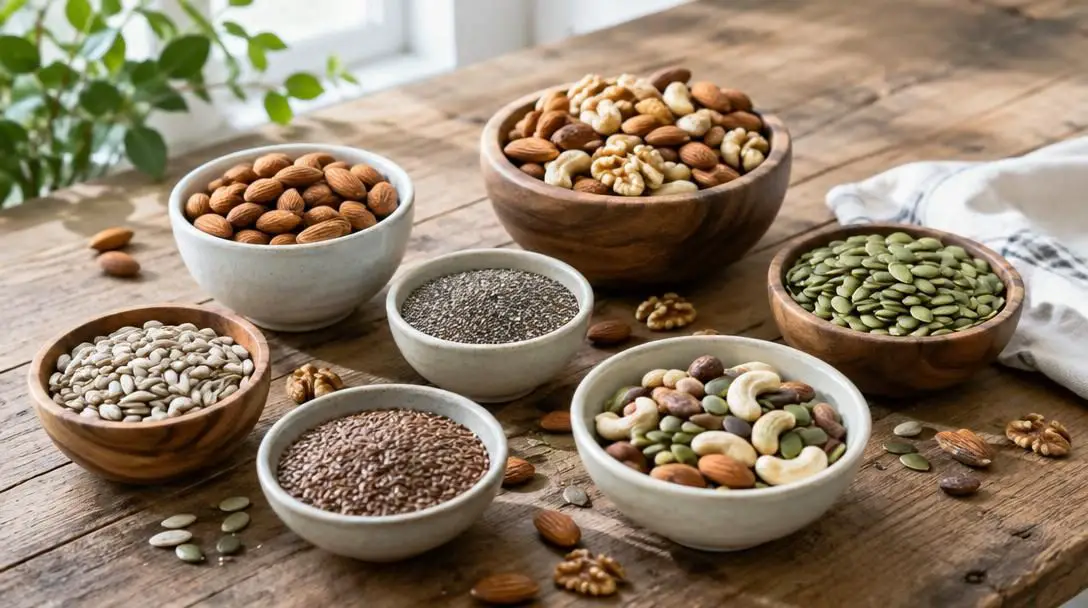
Nuts and Walnuts

- Key Nutrients: Polyphenols and essential fatty acids
- Primary Target: Neuronal membrane defense and learning capacity
- Standout Variety: Walnuts
Nuts serve as compact reservoirs of polyphenols, which act as potent antioxidants that neutralize cellular stressors triggered by normal aging and underlying disease states. Alongside these protective plant compounds, nuts deliver essential fatty acids that help build and preserve the physical integrity of nerve cell membranes throughout the central nervous system.
While a varied assortment of nuts offers broad benefits, walnuts are particularly exceptional due to their exceptionally dense concentration of polyphenols and brain-supportive compounds. Clinical observation has demonstrated that regular walnut consumption can directly enhance learning skills and support emotional stability. Incorporating a routine serving of nuts into daily eating habits shields neurons from premature breakdown while helping to balance daily emotional states.

Blueberries

- Key Nutrients: Concentrated dietary antioxidants
- Primary Target: Inflammation reduction and memory preservation
- Long-Term Benefit: Protection against dementia and Alzheimer's disease
Blueberries are renowned for their extraordinary concentration of antioxidant compounds, which provide wide-ranging defenses against cellular degradation in the central nervous system. These active compounds traverse biological barriers to mitigate chronic inflammation within brain tissue, establishing a clean internal environment where cognitive processes can thrive.
Regular consumption of blueberries has been repeatedly linked to tangible improvements in short-term and long-term memory recall, as well as faster cognitive processing speeds. Furthermore, the sustained dietary intake of blueberries provides valuable long-term defense against severe neurodegenerative conditions, including dementia and Alzheimer's disease. Whether blended into morning smoothies or enjoyed as a simple raw snack, these berries provide continuous neurological protection.
Dark Chocolate

- Key Nutrients: Cocoa flavanols
- Primary Target: Acute alertness and vascular circulation
- Intake Limit: Maximum of 1 ounce per day
Dark chocolate contains high concentrations of flavanols, specialized plant-derived chemicals that produce measurable improvements in neurovascular performance. When consumed, these flavanols stimulate enhanced vasodilation and blood circulation toward vital regions of the brain, creating an immediate uptick in mental alertness, responsiveness, and executive functioning.
Because chocolate is calorically dense, dietary discipline is critical when using it for cognitive support. To harness the brain-boosting power of flavanols without taking on excessive sugars or unwanted calories, consumption should be kept strictly to no more than 1 ounce per day. A single small square of quality dark chocolate enjoyed after a meal offers the optimal biological balance of vascular stimulation and mental clarity.
Whole Grains

- Key Nutrients: Complex dietary fiber and B vitamins
- Primary Target: Sustained glucose delivery and serotonin synthesis
- Top Choices: Oats and quinoa
Whole grains such as quinoa and oats act as the ultimate steady-release fuel system for mental labor. Because the brain relies heavily on a regular supply of glucose to execute complex calculations and retain information, sudden spikes and sharp drops in blood sugar can derail productivity. The rich dietary fiber in whole grains buffers digestion, slowing the absorption of glucose into the bloodstream and eliminating the steep afternoon crashes that trigger mental fog.
In addition to glucose regulation, whole grains provide a rich matrix of B vitamins that serve as enzymatic cofactors in the nervous system. These vitamins are indispensable for the internal synthesis of serotonin, the neurotransmitter responsible for emotional equilibrium, positive outlook, and stress mitigation. By swapping out refined white carbohydrates for oats or quinoa, you supply your brain with a continuous, clean fuel source while nurturing emotional well-being.
At a Glance: How Brain Foods Compare
Understanding the unique nutritional profile of each brain food helps clarify how they collectively support cognitive wellness across different biological pathways.

| Brain Food | Primary Active Nutrients | Key Cognitive Mechanism | Optimal Serving Strategy |
|---|---|---|---|
| Oily Fish | Omega-3 fatty acids | Boosts cerebral blood flow and oxygen delivery | A couple of portions weekly |
| Nuts (Walnuts) | Polyphenols, essential fatty acids | Shields neurons from oxidation; aids learning | A daily handful as a snack |
| Blueberries | Antioxidants | Calms brain inflammation; safeguards memory | Fresh daily in smoothies or snacks |
| Dark Chocolate | Flavanols | Triggers acute alertness and microcirculation | Strictly up to 1 ounce per day |
| Whole Grains | Fiber, B vitamins | Prevents glucose crashes; supports serotonin | Daily breakfast oats or quinoa bowls |
Biological Mechanisms: How Brain Foods Function Inside the Body
Dietary nutrients do not operate in isolation; they influence our mental capabilities through distinct, interconnected biological pathways that regulate cellular health, blood flow, and neurochemical synthesis.
Targeted nutritional choices directly fortify neural architecture, optimize blood circulation, and protect the brain against the oxidative demands of aging.
These biological pathways work synchronously to optimize daily executive functioning and protect long-term mental performance:
- Circulatory Support: Both the omega-3 fatty acids found in oily fish and the flavanols present in dark chocolate promote vascular flexibility and improve blood flow. Proper circulation guarantees that cerebral tissue receives a continuous influx of oxygen, directly driving mental alertness, sharp working memory, and rapid problem-solving.
- Oxidative Protection: The potent polyphenols concentrated in walnuts and other nuts, paired with the deep antioxidant reserves of blueberries, continuously neutralize free radicals. By defending vulnerable nerve cells against oxidative stress caused by aging or systemic illness, these compounds preserve learning faculties and shield against structural decay.
- Inflammation Reduction: Chronic cellular inflammation within the central nervous system impairs synaptic plasticity and communication between neurons. The active antioxidants within blueberries quiet inflammatory responses, maintaining a calm physiological climate for neural connectivity.
- Neurotransmitter Synthesis: The B vitamins delivered by unrefined whole grains are required by the body to produce serotonin, the key neurotransmitter responsible for positive mood, emotional balance, and resilience under pressure.
- Glucose Management: High-fiber grains such as oats and quinoa regulate digestive uptake, pacing the delivery of energy to brain cells. Eliminating severe glycemic surges prevents the sudden energy depletion and mental fatigue that hinder sustained concentration.
Practical Steps to Build a Brain-Healthy Meal Plan
Transitioning toward a brain-supportive nutritional routine does not require an overwhelming lifestyle overhaul. Systematic, incremental adjustments can effortlessly weave these five essential items into your daily life.
- Schedule weekly fish meals: Designate specific days of the week to prepare oily fish. Aim for a couple of portions weekly, incorporating baked salmon fillets, pan-seared mackerel, grilled herring, or sardines served over toasted whole-grain bread.
- Upgrade daily snacks with walnuts and berries: Purge ultra-processed snack items from your pantry and replace them with raw walnuts and fresh blueberries. Keep washed berries ready to toss into a quick morning smoothie or enjoy alongside a handful of nuts during afternoon work breaks.
- Switch carbohydrate staples to whole grains: Replace white bread, refined pasta, and instant white rice with whole-grain alternatives. Begin your day with a warm bowl of steel-cut oats, and use steamed quinoa as the primary carbohydrate base for lunch and dinner bowls.
- Measure dark chocolate portions: Enjoy dark chocolate purposefully rather than mindlessly. Keep an airtight container of high-percentage dark chocolate portioned into 1-ounce servings, enjoying one piece after dinner to boost circulation and mental alertness without consuming excess sugar.
- Combine brain foods in single meals: Multiply the cognitive advantages of these foods by combining them within the same dish. A morning breakfast bowl featuring rolled oats cooked in water, topped with a generous handful of blueberries and crushed walnuts, delivers fiber, antioxidants, and essential fats in a single serving.
Common Nutritional Mistakes That Undermine Brain Health
Even well-intentioned dietary changes can fall short if common pitfalls are overlooked. Steer clear of these frequent mistakes to maximize the cognitive returns of your meals:
- Overconsuming dark chocolate: Assuming that because dark chocolate supports cognitive alertness, larger quantities will amplify the effect. Consuming more than 1 ounce per day introduces excessive calories and added sugars that run counter to dietary health goals.
- Relying on refined carbohydrates: Choosing white, ultra-processed grains over complex options triggers severe spikes and drops in blood glucose. These glycemic rollercoasters result in midday mental exhaustion and poor task focus.
- Selecting lean instead of oily fish: While white, lean fish varieties have their place in general nutrition, they lack the dense concentrations of omega-3 fatty acids present in salmon, mackerel, sardines, and herring that drive cerebral blood flow.
- Inconsistent dietary habits: Eating a serving of blueberries or a handful of nuts once a month will not provide the sustained antioxidant levels required to fight long-term oxidative stress. Cognitive protection requires consistent, habit-based nutrition.
- Neglecting the mood-energy connection: Focusing solely on foods that enhance memory while ignoring energy-stabilizing whole grains leaves your brain vulnerable to burnout. Regular intake of B vitamins and fiber ensures balanced serotonin levels and steady mental endurance.
Frequently asked questions
How much fish should I eat each week to support my brain?
Consuming a couple of portions of oily fish per week—such as salmon, mackerel, herring, or sardines—provides sufficient omega-3 fatty acids to enhance cerebral blood flow, oxygenate brain tissue, and support mental clarity.
Why are walnuts singled out among other nuts for brain health?
While all nuts offer essential fatty acids and cellular defense, walnuts contain exceptionally high concentrations of polyphenols and other brain-supportive compounds. Scientific study has demonstrated that regular walnut consumption specifically helps improve learning skills.
How do blueberries help protect against dementia and Alzheimer's disease?
Blueberries are densely packed with potent antioxidants that combat oxidative stress and lower inflammation within neural tissue. Regular intake shields nerve cells from chronic cellular damage, providing a protective barrier against neurodegenerative disorders.
What is the maximum amount of dark chocolate recommended per day?
You should consume no more than 1 ounce of dark chocolate per day. This portion size delivers enough flavanols to stimulate alertness and brain circulation without burdening your diet with excess sugar and unnecessary calories.
How do whole grains prevent mental fatigue throughout the workday?
Whole grains such as oats and quinoa are loaded with dietary fiber that slows sugar absorption into the bloodstream. By preventing rapid glucose spikes and subsequent energy crashes, whole grains supply a steady flow of fuel that preserves sustained concentration.
The bottom line
Protecting your mental faculties across a lifespan does not require complicated regimens or restrictive habits. By purposefully centering your weekly meal choices around oily fish, walnuts, blueberries, measured portions of dark chocolate, and whole grains, you construct a resilient neuroprotective defense system.
Take an honest look at your current weekly dietary patterns. Identifying routine moments when you default to refined carbohydrates or sugary snacks reveals immediate opportunities for easy, brain-boosting swaps. Whether your cognitive goal is to sharpen daily attention, stabilize mood through sustained serotonin synthesis, or defend against long-term neurodegenerative conditions like Alzheimer's disease and dementia, consistent daily nutrition remains your most dependable ally.