A Brief History Of KFC’s Corporate Strategies
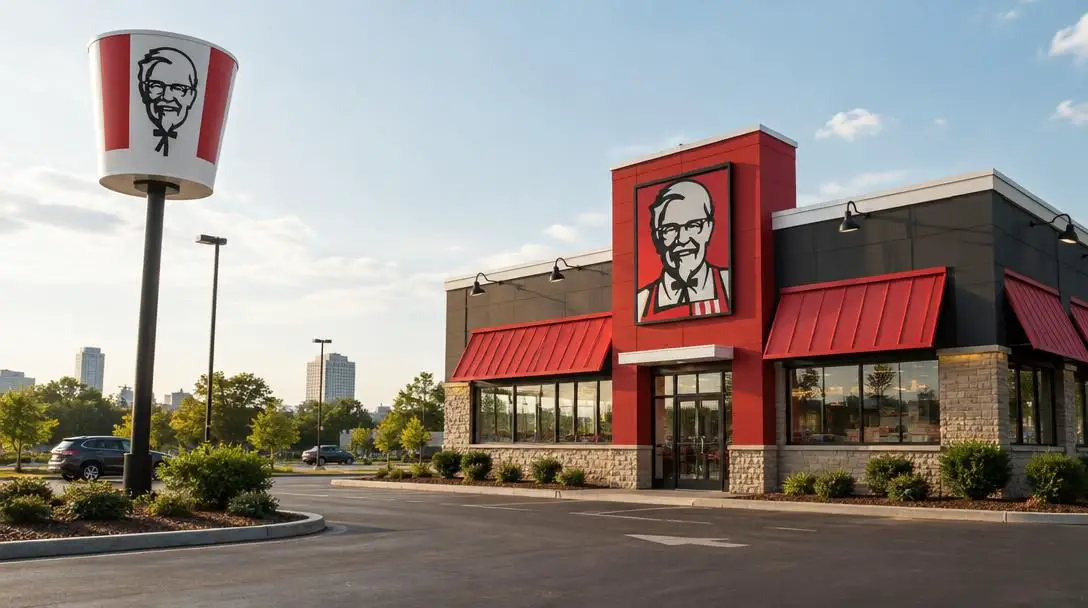
Kentucky Fried Chicken, recognized worldwide today as KFC, stands among the most ubiquitous names in the global quick-service restaurant industry. From its origins in 1930 under Colonel Harland Sanders, the enterprise evolved from a localized dining concept grounded in hands-on cooking methods and personal hospitality into an international hospitality powerhouse. Transforming a localized roadside operation into an enterprise that spans nearly every corner of the globe required far more than relying on legacy routines.
In the fiercely competitive quick-service food sector, sustained longevity demands an ongoing re-evaluation of operating procedures, commercial real estate, culinary techniques, and public outreach. Throughout its history, KFC encountered key inflection points that prompted leadership to rethink how meals were prepared, scaled, advertised, and distributed. Analyzing these strategic milestones reveals how a global brand manages to preserve its core cultural heritage while aggressively pursuing commercial innovation and agility.
Key takeaways
- KFC revamped its kitchen operations in 1956 around skinless chicken pieces to drastically shorten cook times and reduce production costs without diminishing quality.
- A hybrid model introduced in 1974 balanced independent franchise licensing with corporate-owned units to successfully penetrate major emerging markets like China and India.
- The mid-1980s introduction of the Double Down demonstrated how radical menu disruption can generate viral visibility using existing kitchen inventory.
- Modern fulfillment initiatives leverage aggregator partnerships with Uber Eats and GrubHub alongside field tests of autonomous delivery vehicles to eliminate logistics friction.
Foundational Milestones in the KFC Growth Story
The historical trajectory of KFC is defined by distinct corporate decisions where leadership adapted the business model to address macroeconomic conditions, supply chain economics, and changing consumer habits. Rather than executing haphazard modifications, the company introduced targeted structural shifts across six defining assets and historical phases.
Colonel Harland Sanders
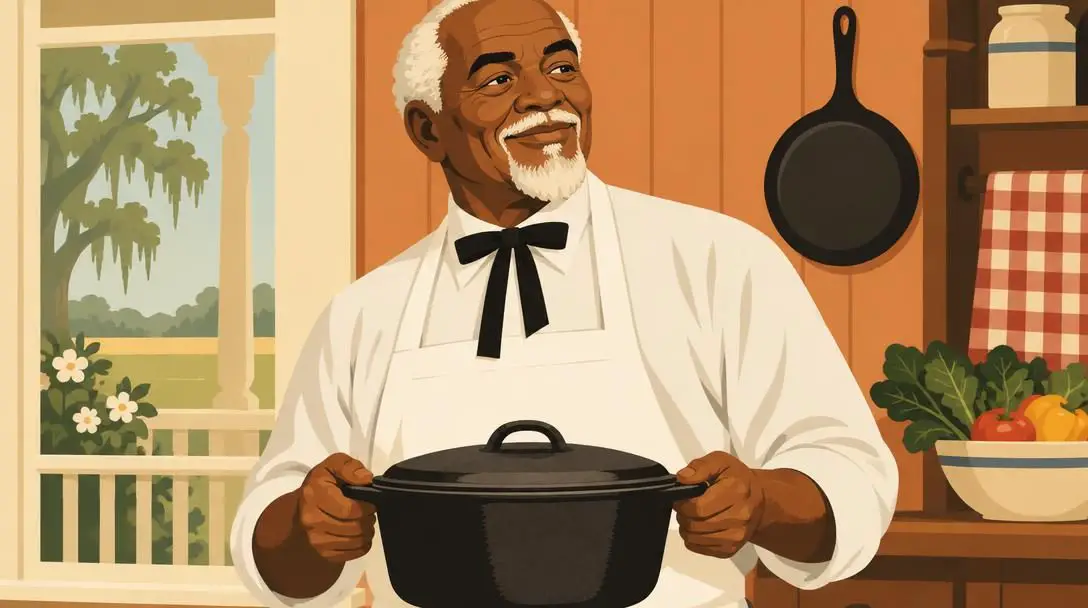
- Founded: 1930
- Core Offering: Fried chicken and Southern-style comfort food
- Initial Approach: Hands-on cooking methods and personal hospitality
The foundation of the entire franchise system rests on the culinary techniques and service philosophy established by Harland Sanders in 1930. In its earliest manifestation, the brand relied completely on Sanders' individual culinary execution and direct guest relations. While personal hospitality was central to establishing initial consumer loyalty, transitioning this concept into a self-sustaining commercial model required distilling his cooking philosophy into standardized, repeatable operational frameworks that could function smoothly without his daily physical presence in the kitchen.
The Original Recipe
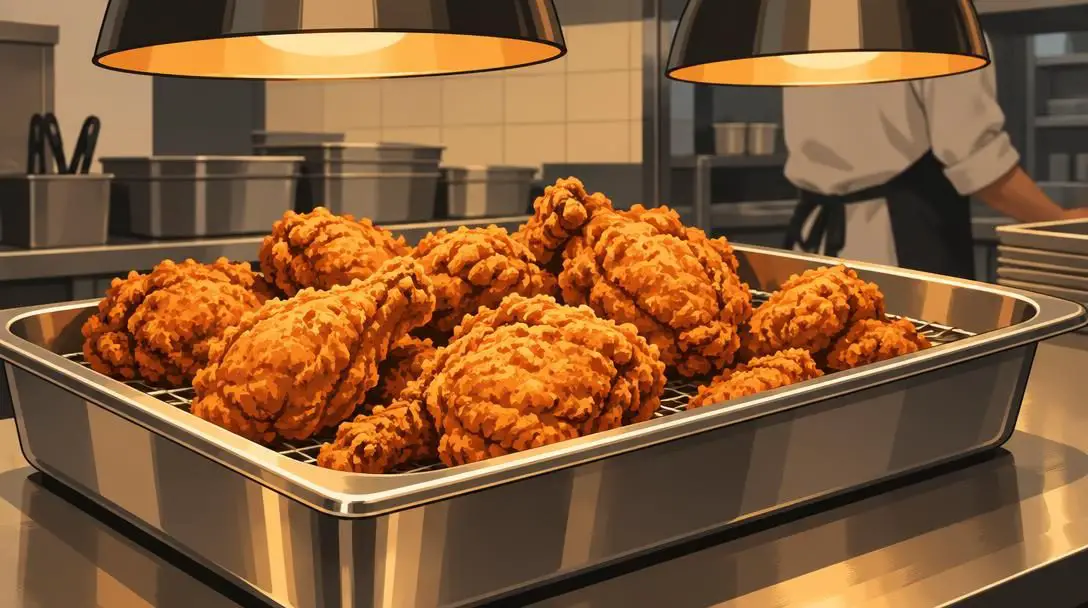
- Introduced: 1956
- Primary Innovation: Skinless chicken pieces
- Strategic Benefit: Shorter cooking durations and lowered kitchen expenditures
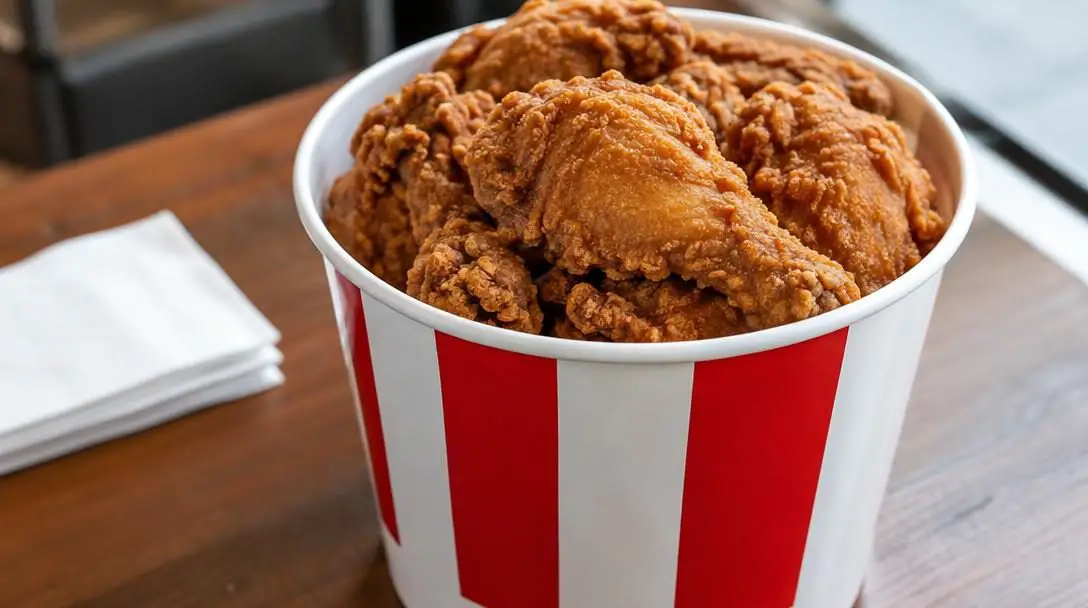
In 1956, corporate leadership undertook a comprehensive re-engineering of the brand's production line by rolling out the Original Recipe framework focused on skinless chicken cuts. This operational change directly addressed kitchen bottlenecks. By updating preparation routines, the company shortened cooking durations substantially, which simultaneously lowered direct kitchen expenditures and energy usage. These reduced operating costs allowed KFC to price its meals competitively for a booming consumer base while rigorously preserving its high quality standards.
China Expansion
- Launch Era: 1974 international initiative
- Structural Model: Franchising paired with corporate units
- Market Designation: Major emerging economy
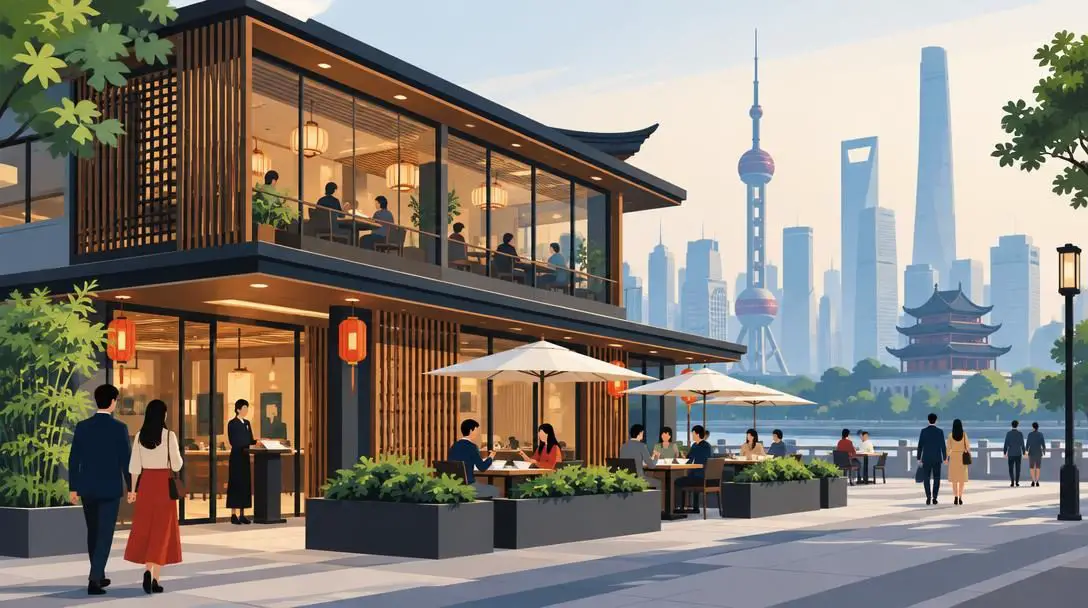
Entering the Chinese market formed an integral component of the bold global expansion strategy initiated in 1974. Navigating unfamiliar regulatory landscapes, distinct culinary habits, and logistical complexities required a balanced commercial approach. Rather than relying exclusively on corporate capital, the brand deployed a dual framework: issuing franchise rights to local entrepreneurs while simultaneously funding corporate-owned flagship locations. This structure allowed local operators to navigate regional compliance while headquarters maintained direct visibility over brand standards.
India Expansion

- Launch Era: 1974 international initiative
- Expansion Format: Blended corporate investment and local franchise sales
- Market Designation: Major emerging economy
Parallel to its push into China, KFC targeted India as another high-priority emerging economy during its 1974 international push. India presented distinct operational dynamics that made pure domestic replication impossible. By licensing territories to regional franchisees who understood indigenous market subtleties, the company minimized its direct capital exposure while scaling its footprint rapidly. The combination of local franchise capital and corporate equity established KFC as an early international fast-food leader across South Asia.
The Double Down Sandwich
- Era: Mid-1980s product experimentation
- Structural Twist: Two fried chicken fillets replacing bread
- Core Fillings: Bacon and two slices of cheese
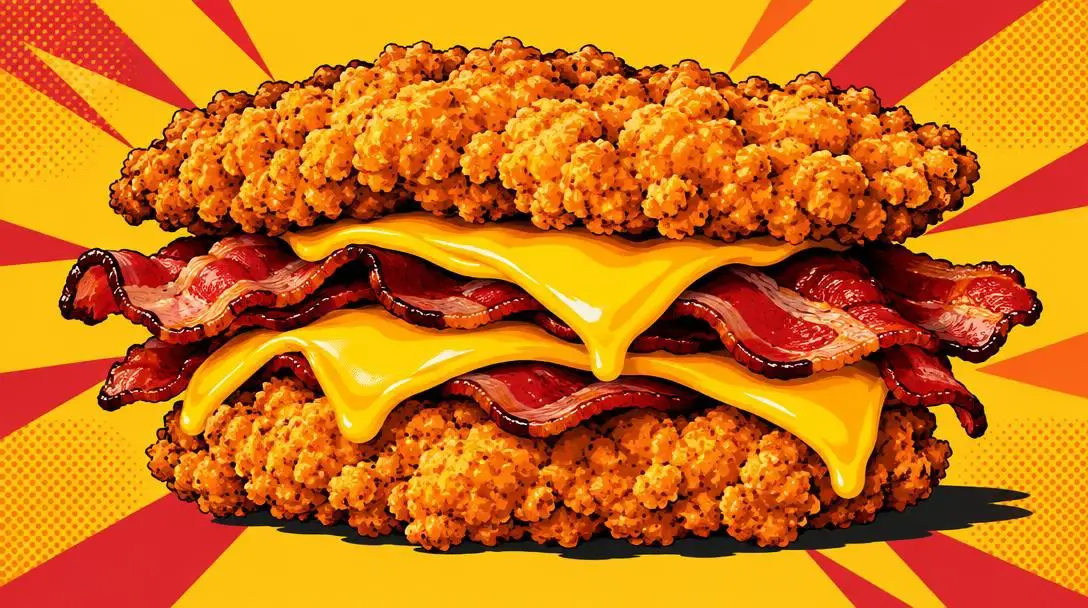
By the mid-1980s, management recognized that retaining customer interest required bold culinary disruption alongside standard heritage offerings. This realization culminated in the creation of the Double Down sandwich, an unconventional menu item that replaced traditional hamburger buns with two fried chicken fillets enclosing bacon and two slices of cheese. The item inverted consumer expectations of handheld fast food, earning a permanent place as one of the most recognizable, buzz-generating products in modern fast-food history.
Autonomous Delivery Vehicles
- Testing Scope: Selected global metropolitan markets
- Strategic Focus: Logistical engineering
- Operational Purpose: Hands-free automated meal transit
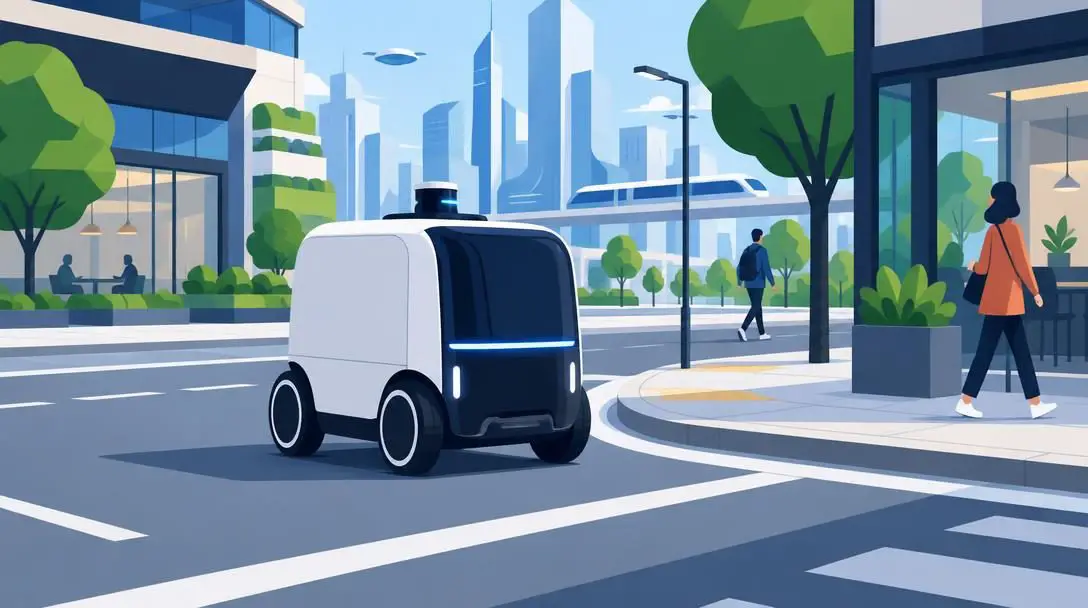
Representing the frontier of KFC's operational engineering, autonomous vehicle testing in selected global metropolitan markets demonstrates how the company aims to resolve last-mile logistics friction. By testing self-navigating vehicles for meal transit, the organization seeks to insulate itself against fluctuating labor pools and rising urban courier expenses, ensuring meals can move directly from kitchen fryers to urban doorsteps with minimal manual intervention.
| Strategic Asset / Era | Key Focus | Primary Operational Advantage | Implementation Method |
|---|---|---|---|
| Original Recipe (1956) | Skinless chicken pieces | Accelerated kitchen turnaround and reduced expenses | Standardized kitchen overhaul |
| China Initiative (1974) | Emerging market penetration | Rapid geographic scaling with shared capital risk | Hybrid corporate and franchise units |
| India Initiative (1974) | South Asian territory footprint | Regulatory navigation via regional operators | Franchise licensing and flagship sites |
| The Double Down (Mid-1980s) | Structural sandwich inversion | Massive viral visibility without new protein sourcing | Repurposed core inventory items |
| Autonomous Delivery (Modern) | Last-mile automation | Lower delivery overhead and streamlined logistics | Metropolitan automated vehicle pilot testing |
The Four Pillars of KFC's Operational Engine
The sustained global reach of KFC does not stem from serendipity; it is engineered through four interdependent mechanisms that coordinate kitchen speed, capital allocation, menu architecture, and digital fulfillment.
The first structural layer is operational standardization. Fast-food profitability is inherently tied to unit-level throughput. When KFC refined its preparation procedures in 1956 around skinless cuts, the strategic priority was shaving friction from back-of-house activities. Minutes saved per batch directly reduce kitchen utility consumption, eliminate workflow congestion, and drive down direct labor hours per ticket. These internal efficiencies generate the pricing flexibility required to outmaneuver competitors while preserving commercial profit margins.
The second layer centers on balanced distribution economics. When rolling out across international regions in 1974, the company avoided the trap of funding every location through domestic corporate coffers. By licensing operations to local business leaders in emerging markets like India and China, KFC transferred the burden of regional real estate leasing, municipal permitting, and localized staffing to partners with immediate local insight, while company-owned units preserved quality oversight.
Maintaining an established heritage while aggressively testing modern operational efficiencies remains the most critical strategic balance for any expanding enterprise.
The third operational element is low-friction, high-impact product architecture. The culinary engineering behind the Double Down sandwich during the mid-1980s showcases how an enterprise can generate immense consumer excitement without complicating its supply chains. Rather than introducing exotic ingredients that demand dedicated cold storage and new supplier agreements, the design cleverly reorganized ingredients already sitting in restaurant walk-in coolers: bacon, cheese, and fried chicken.
The fourth layer integrates modern consumer discovery with decentralized logistics. Beginning in the 1990s, the company turned away from legacy, one-way advertising channels like radio and print, choosing instead to build engaged digital communities across interactive social networks like Facebook and Twitter. In the modern operating environment, this conversational footprint funnels directly into on-demand delivery software. Integrating Point-of-Sale (POS) pipelines with third-party aggregators such as Uber Eats and GrubHub allows KFC to capture home-dining demand without financing an internal fleet of delivery couriers.
Practical Blueprint: Applying KFC’s Corporate Strategy to Other Enterprises
The strategic milestones executed by KFC offer actionable lessons for managers, commercial founders, and enterprise executives across diverse business verticals. Applying these concepts systematically requires following a disciplined sequence of operational steps.
- Audit and optimize the core delivery engine: Examine your production line or service workflow to identify internal operational bottlenecks. Emulate the 1956 preparation restructuring by refining your core offering to shorten fulfillment times, eliminate superfluous steps, and lower production costs before pursuing aggressive volume growth.
- Formulate a scalable distribution framework: Determine the optimal balance between direct ownership and partner licensing. Like the 1974 expansion model, combine internal capital investments with external licensing or joint ventures to enter complex geographic or vertical markets without depleting corporate liquidity.
- Develop high-impact, low-friction product innovations: Create market excitement by reconfiguring your existing competencies or components in unexpected ways. Take inspiration from the Double Down sandwich: assemble current assets into a fresh, disruptive offering that captures public attention without straining supply chains.
- Pivot communication to where audiences congregate: Redirect outreach spending from passive, static advertising toward dynamic digital channels. Cultivate direct, responsive brand communities on digital and social networks to engage younger, native demographics who make purchasing decisions based on digital interactions.
- Integrate delivery and automation platforms: Modernize fulfillment pipelines by linking internal sales software with prominent third-party delivery platforms like GrubHub and Uber Eats. Concurrently, run structured pilot tests on emerging automation tools to systematically decrease long-term delivery overhead.
Five Critical Pitfalls to Avoid When Scaling
While the strategic roadmap of KFC highlights effective pathways to global scale, mimicking these structural transitions without evaluating their operational risks can lead to commercial failure. Organizations attempting to adapt these methods should watch for five common operational missteps.
- Sacrificing core product integrity for speed: Accelerating turnaround times must never result in compromised product standards. When KFC updated its culinary processes in 1956, management insisted that faster frying times could not come at the expense of meal flavor. Using cheaper materials or cutting corners to boost velocity quickly erodes brand loyalty.
- Overextending capital in unfamiliar territories: Venturing into complex international or domestic markets without regional operational allies frequently leads to disaster. Relying solely on company-owned capital leaves the business directly exposed to unexpected zoning, labor, or regulatory disruptions that local franchise partners can navigate more efficiently.
- Relying exclusively on novelty products: Disruptive menu experiments like the Double Down are powerful tools for generating media coverage and driving foot traffic, but treating unconventional novelties as permanent replacements for core offerings distorts customer perceptions. Novelty items must funnel customer focus back toward the brand's foundational catalog.
- Treating digital marketing as one-way broadcast media: Entering modern social channels like Twitter and Facebook while treating them like traditional television or radio ads alienates digital natives. Modern digital platforms demand authentic, two-way conversational engagement rather than static corporate declarations.
- Failing to align logistics with digital influx: Turning on integration links with high-volume ordering platforms like Uber Eats or GrubHub without increasing kitchen throughput triggers severe operational bottlenecks. Back-of-house staff must possess the prep capacity and staging space to handle simultaneous dining room, drive-thru, and digital courier orders.
Strategic Considerations for the Future of Quick Service
As commercial markets confront shifting labor realities and technological changes, business leaders must anticipate how ongoing operational models will perform under future macroeconomic pressures. KFC's continuous transformation offers useful insight into upcoming industry challenges.
The first consideration revolves around logistical automation. The company's ongoing real-world tests of autonomous delivery vehicles across metropolitan hubs illustrate an active effort to control urban transit expenses. Over the next decade, organizations will need to examine how driverless vehicles, predictive routing software, and automated fulfillment hubs can minimize delivery overhead while maintaining reliable service times across densely populated urban centers.
The second consideration concerns quality control when delegating fulfillment to third parties. Relying on couriers from Uber Eats and GrubHub separates the kitchen from the ultimate consumer touchpoint. Enterprise executives must establish packaging safeguards, thermal control standards, and tamper-resistant seals so the culinary reputation established by Harland Sanders in 1930 arrives intact at the customer's doorstep.
Finally, enterprises must strike a durable harmony between traditional corporate identity and disruptive technical experimentation. A legacy brand can comfortably deploy autonomous vehicles, interactive social media campaigns, and delivery aggregator networks without discarding the foundational recipes and hospitality practices that established its market equity in the first place.
Frequently asked questions
When was KFC initially established and by whom?
KFC traces its corporate history back to 1930, when it was established by Colonel Harland Sanders around authentic Southern-style comfort food, fried chicken, and personal hospitality.
What was the primary operational benefit of the 1956 Original Recipe redesign?
The 1956 operational redesign concentrated on skinless chicken cuts, which significantly reduced cooking times and lowered kitchen operating expenses, enabling the brand to price meals competitively without lowering quality.
How did KFC structure its international expansion into China and India in 1974?
In 1974, KFC used a balanced hybrid expansion strategy that blended direct corporate-owned restaurant investments with the sale of franchise rights to regional independent entrepreneurs.
What made the mid-1980s Double Down sandwich a unique product innovation?
The Double Down sandwich completely removed traditional bread buns, using two fried chicken pieces to enclose bacon and two slices of cheese, generating massive public attention by reorganizing existing inventory.
Which digital delivery platforms did KFC integrate with to expand consumer access?
KFC integrated its internal ordering channels with prominent third-party delivery aggregators, specifically GrubHub and Uber Eats, while piloting autonomous delivery vehicles in selected urban markets.
The bottom line
The multi-decade expansion of KFC from a modest 1930 venture into an international quick-service empire highlights the power of balancing core culinary traditions with operational evolution. By methodically redesigning kitchen workflows in 1956, pioneering hybrid franchise expansion into China and India in 1974, executing high-impact menu disruptions like the Double Down, and embracing modern automated delivery logistics, the brand established a scalable model for long-term commercial survival. Modern enterprises can apply these same principles: protect the core offering, eliminate operational friction, expand through strategic alliances, and aggressively adopt modern distribution channels.